Tag: Care economy

  • It’s in the family: The impact of care costs on family income

    It’s in the family: The impact of care costs on family income

    [fusion_builder_container hundred_percent=”no” equal_height_columns=”no” hide_on_mobile=”small-visibility,medium-visibility,large-visibility” background_position=”center center” background_repeat=”no-repeat” fade=”no” background_parallax=”none” enable_mobile=”no” parallax_speed=”0.3″ video_aspect_ratio=”16:9″ video_loop=”yes” video_mute=”yes” border_style=”solid” margin_top=”20″ type=”legacy”][fusion_builder_row][fusion_builder_column type=”3_4″ layout=”3_4″ center_content=”no” hover_type=”none” hide_on_mobile=”small-visibility,medium-visibility,large-visibility” background_position=”left top” background_repeat=”no-repeat” border_style=”solid” border_position=”all” animation_direction=”left” animation_speed=”0.3″ last=”false” first=”true” border_sizes_top=”0″ border_sizes_bottom=”0″ border_sizes_left=”0″ border_sizes_right=”0″ background_blend_mode=”overlay” min_height=”” link=””][fusion_text hide_on_mobile=”small-visibility,medium-visibility,large-visibility” sticky_display=”normal,sticky” text_transform=”none” animation_direction=”left” animation_speed=”0.3″ animation_delay=”0″]


    Highlights

    • While scholars have studied the impact of the motherhood penalty on women’s labour market outcomes, few have explored the impact of these penalties on family income inequality.
    • This research finds that the rising cost of care can negatively impact family income (total combined earnings for a family), particularly when mothers do not have college degrees.
    • If governments provide greater care supports—such as subsidized access to paid caregivers, or income transfers to offset childcare costs—there is potential to help reduce family income inequality.

    We know that children can significantly affect mothers’ labour and earnings, shaping their individual labour outcomes in multiple ways. However, these individual outcomes can also have lasting consequences for their families.

    Historically, government policies have sought to address these potential impacts by developing childcare policies intended to reduce financial burdens on families. In the United States, such policies have often been insufficient—for example, through the lack of an income transfer program for unpaid caregivers or a myopic focus on the traditional male-breadwinner family model, which has negatively impacted poor and non-White families. Childcare in the U.S. is among the most expensive in the OECD (alongside countries like Canada, New Zealand and the United Kingdom).

    Do rising childcare costs affect family income?

    Researchers Pilar Gonalons-Pons and Ioana Marinescu explore the impact of births on family income and potential policy implications in their recent paper in American Sociological Review. The authors investigate the impact of the cost of care infrastructures, defined as the policy environment that shapes how care needs are met, including policies that affect the availability and prices of paid childcare services as well as policies that provide income transfers for unpaid caregiving. In their empirical analysis, the authors focus specifically on childcare prices, measured as the market cost of paid childcare services, as an indicator of how affordable formal care is for families.

    The authors used data from the Survey of Income and Program Participation (SIPP), nationally representative panel data on households, to explore how births and childcare costs affect family income. In addition, they looked at the impact of childcare costs on mothers’ monthly earnings and hours of work, and those of their partners.

    Rising care costs affect women without college degrees

    The findings show that childcare costs substantially exacerbate inequalities by pushing some mothers to cut back on paid work after having a child, which in turn widens family income gaps. Focusing on partnered women, the researchers find that a $1,000 increase in the annual price of childcare—approximately a 7 percent increase relative to the mean—is associated with a 0.5-hour decline in weekly work hours and an 8 percent decline in monthly earnings for women without a college degree. These earnings losses translate into a 2.3 percent decline in family income for this group.

    In contrast, childcare costs have no statistically significant effect on the work hours or earnings of women with a college degree, underscoring the role of earnings potential in shaping mothers’ ability to absorb childcare costs. In other words, education supports mothers in maintaining their earnings even with rising costs of care.

    …a $1,000 increase in the annual price of childcare—approximately a 7 percent increase relative to the mean—is associated with a 0.5-hour decline in weekly work hours and an 8 percent decline in monthly earnings for women without a college degree.

    Importantly, the authors also find no corresponding increase in male partners’ earnings or labour supply. This suggests that partners’ income does not replace women’s post-birth earnings losses.

    Taken together, increases to childcare costs widen the family income gap between women with and without college degrees by 34 percent, revealing how market-priced childcare amplifies inequalities.

    The importance of care support

    One implication of this research is that rising childcare costs impact mothers’ earnings if they do not have a college degree, which translates into widening family income inequality because partners’ earnings are unable to compensate.  Another implication is that families, not just mothers, are impacted by the motherhood penalty and by high costs of care.

    If governments provide greater care supports—such as subsidized access to paid caregivers, or income transfers to offset childcare costs—there is potential to help reduce family income inequality.

    ______
    Research brief prepared by:

    Laura Lam

    [/fusion_text][fusion_separator style_type=”none” hide_on_mobile=”small-visibility,medium-visibility,large-visibility” top_margin=”20″ bottom_margin=”20″ alignment=”center” /][fusion_button link=”https://www.gendereconomy.org/research-briefs/” target=”_blank” hide_on_mobile=”small-visibility,medium-visibility,large-visibility” color=”custom” button_gradient_top_color=”#62bd19″ button_gradient_bottom_color=”#62bd19″ button_gradient_top_color_hover=”#00c2e2″ button_gradient_bottom_color_hover=”#00c2e2″ stretch=”yes” icon_position=”left” icon_divider=”no” animation_direction=”left” animation_speed=”0.3″]See more research briefs[/fusion_button][fusion_separator style_type=”none” hide_on_mobile=”small-visibility,medium-visibility,large-visibility” top_margin=”20″ bottom_margin=”20″ alignment=”center” /][fusion_recent_posts layout=”default” hover_type=”none” columns=”3″ number_posts=”3″ offset=”0″ pull_by=”category” cat_slug=”research-briefs” thumbnail=”yes” title=”yes” meta=”no” meta_author=”no” meta_categories=”no” meta_date=”yes” meta_comments=”yes” meta_tags=”no” excerpt=”no” excerpt_length=”35″ strip_html=”yes” scrolling=”no” hide_on_mobile=”small-visibility,medium-visibility,large-visibility” animation_direction=”left” animation_speed=”0.3″ /][/fusion_builder_column][fusion_builder_column type=”1_4″ layout=”1_4″ center_content=”no” hover_type=”none” hide_on_mobile=”small-visibility,medium-visibility,large-visibility” background_position=”left top” background_repeat=”no-repeat” border_style=”solid” border_position=”all” animation_direction=”left” animation_speed=”0.3″ last=”true” first=”false” border_sizes_top=”0″ border_sizes_bottom=”0″ border_sizes_left=”0″ border_sizes_right=”0″ background_blend_mode=”overlay” min_height=”” link=””][fusion_title title_type=”text” rotation_effect=”bounceIn” display_time=”1200″ highlight_effect=”circle” loop_animation=”off” highlight_width=”9″ highlight_top_margin=”0″ title_link=”off” link_target=”_self” hide_on_mobile=”small-visibility,medium-visibility,large-visibility” sticky_display=”normal,sticky” class=”briefsummary” content_align=”left” size=”3″ text_shadow=”no” text_shadow_blur=”0″ text_stroke=”no” text_stroke_size=”1″ text_overflow=”none” gradient_font=”no” gradient_start_position=”0″ gradient_end_position=”100″ gradient_type=”linear” radial_direction=”center center” linear_angle=”180″ style_type=”none” animation_direction=”left” animation_speed=”0.3″ animation_delay=”0″]

    Title

    Care Labor and Family Income Inequality: How Childcare Costs Exacerbate Inequality among U.S. Families

    Author

    Pilar Gonalons-Pons, Ioana Marinescu

    Source

    American Sociological Review

    Published

    2024

    Link

    https://doi.org/10.1177/00031224241297247

    Research brief prepared by

    Laura Lam

    [/fusion_title][fusion_widget_area name=”avada-custom-sidebar-researchbriefsidebar” hide_on_mobile=”small-visibility,medium-visibility,large-visibility” /][/fusion_builder_column][/fusion_builder_row][/fusion_builder_container]
  • Valuing Care: Policies and Practices to Advance an Equitable and High-Quality Care Economy

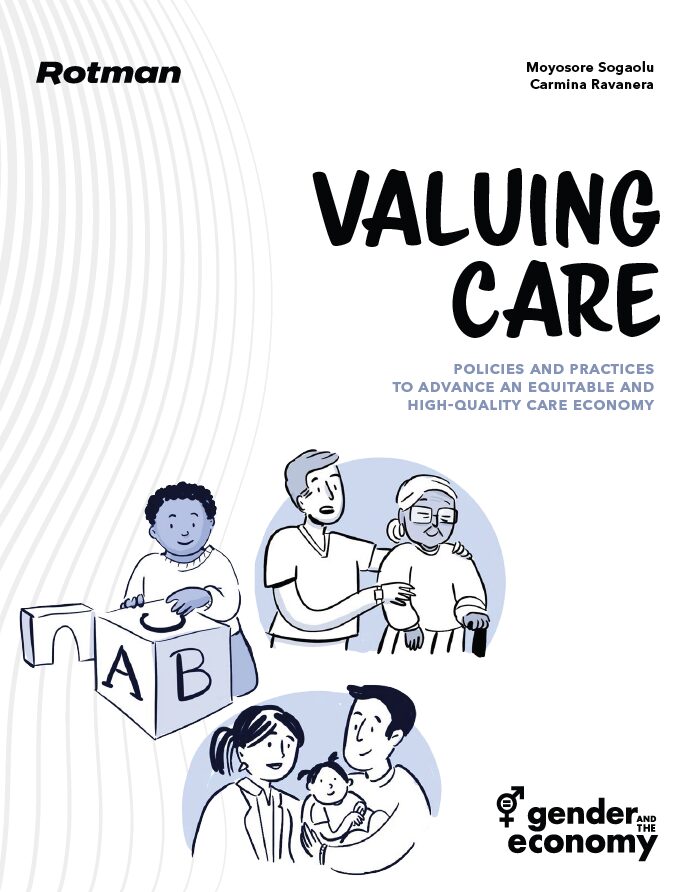
    Valuing Care: Policies and Practices to Advance an Equitable and High-Quality Care Economy

    [fusion_builder_container admin_label=”” hundred_percent=”no” equal_height_columns=”no” menu_anchor=”” hide_on_mobile=”small-visibility,medium-visibility,large-visibility” class=”” id=”” background_color=”” background_image=”” background_position=”center center” background_repeat=”no-repeat” fade=”no” background_parallax=”none” enable_mobile=”no” parallax_speed=”0.3″ video_mp4=”” video_webm=”” video_ogv=”” video_url=”” video_aspect_ratio=”16:9″ video_loop=”yes” video_mute=”yes” video_preview_image=”” border_color=”” border_style=”solid” margin_top=”20″ margin_bottom=”” padding_top=”” padding_right=”” padding_bottom=”” padding_left=”” type=”legacy”][fusion_builder_row][fusion_builder_column type=”3_4″ layout=”3_4″ spacing=”” center_content=”no” hover_type=”none” link=”” min_height=”” hide_on_mobile=”small-visibility,medium-visibility,large-visibility” class=”” id=”” background_color=”” background_image=”” background_position=”left top” background_repeat=”no-repeat” border_color=”” border_style=”solid” border_position=”all” padding_top=”” padding_right=”” padding_bottom=”” padding_left=”” margin_top=”” margin_bottom=”” animation_type=”” animation_direction=”left” animation_speed=”0.3″ animation_offset=”” last=”false” border_sizes_top=”0″ border_sizes_bottom=”0″ border_sizes_left=”0″ border_sizes_right=”0″ first=”true” spacing_right=””][fusion_text columns=”” column_min_width=”” column_spacing=”” rule_style=”” rule_size=”” rule_color=”” hue=”” saturation=”” lightness=”” alpha=”” content_alignment_medium=”” content_alignment_small=”” content_alignment=”” hide_on_mobile=”small-visibility,medium-visibility,large-visibility” sticky_display=”normal,sticky” class=”” id=”” margin_top=”” margin_right=”” margin_bottom=”” margin_left=”” fusion_font_family_text_font=”” fusion_font_variant_text_font=”” font_size=”” line_height=”” letter_spacing=”” text_transform=”” text_color=”” animation_type=”” animation_direction=”left” animation_color=”” animation_speed=”0.3″ animation_delay=”0″ animation_offset=””]

    Care is the invisible infrastructure that sustains our societies and economies. Every one of us has needed care in the past, and all of us will rely on it again as we age. Many also provide care, whether for children, elders, or others in need, often at great personal and economic cost. Yet, care remains undervalued, underfunded, and overlooked in public policy, even though it underpins our communities and drives economic productivity. At a moment of demographic change, global inequality, and rising demand, investing in care is not only a moral imperative but also an economic necessity.

    The research covered in this report suggests several policy implications for governments and employers in creating more equitable, high-quality, and resilient care systems. A focus on improving care systems will improve outcomes for care recipients as well as the caregivers who support them. Policy can aim to ensure that everyone has access to high-quality care, especially those belonging to marginalized communities, that carers are working in fair conditions with sustainable wages, and that future trends relating to migration, aging populations, technology, and climate change are key considerations.

    • Public investment in care systems, such as universal or targeted care systems and subsidies, benefits families, the economy, and care workers, and advances gender equality. These systems help unpaid carers share responsibilities, which in turn fosters women’s participation in the workforce and improves well-being for caregivers and care recipients. However, to ensure high-quality care for all who need it, policymakers can focus on mitigating issues that may arise from publicly funded care programs. These include excess demand, a lack of spaces for all those who need them, and inequity in access for groups who face marginalization.
    • Employers that support caregivers through providing care benefits may see gains in recruitment and retention, productivity, and job satisfaction, as well as reducing employee absences. Benefits may include care stipends, care services on or near-site, paid parental leave, and employee assistance programs for caregivers.
    • Excluding unpaid care from economic measurement conceals its significance for women’s employment and income, as well as for family well-being, especially when public care options are unavailable. Prioritizing the measurement of unpaid care is essential for improving the accuracy of economic and social policy design related to care provision and labour market outcomes.
    • Prioritizing stability and well-being of care workers through improving job quality and wages will result in higher quality care systems for both care recipients and caregivers, and will help increase the supply of care workers. Better working conditions will also mitigate gender and racial inequalities and better support immigrants, since most care workers are women and racialized and immigrant women are disproportionately represented as carers. Improving working conditions in the sector may also encourage more men to participate.
    • One-size-fits-all solutions will not work effectively to reduce inequalities in care systems. Public care policies will be more robust and reduce bias in access to care through consideration of differing experiences, cultures, and histories of marginalized families, such as those who are low-income, Indigenous, and racialized groups.
    • Care policies can become more resilient to global trends such as rapidly aging populations, as well as the climate crisis and resulting migration patterns, by preparing proactively rather than reacting after the fact.

    The report is based on insights and themes presented at The University of Toronto Institute for Gender and the Economy’s research April 29, 2025 roundtable: “Advancing the Care Economy: Policies and Practices for Equitable and High-Quality Care.” Speakers included multi-disciplinary scholars who shared research findings on the future of the care economy, including Samantha Burns (University of Toronto), Maria Floro (American University), Ludovica Gambaro (Federal Institute for Population Research, Germany), Pilar Gonalons-Pons (University of Pennsylvania), Eva Jewell (Toronto Metropolitan University), Laura Lam (University of Toronto), Guida Man (York University), Izumi Niki (University of Toronto), LaShawnDa Pittman (University of Washington), Susan Prentice (University of Manitoba), Moyosore Sogaolu (University of Toronto), Carieta Thomas (Carleton University), and Brenda Yeoh (National University Singapore).

    DOWNLOAD THE FULL REPORT (IN ENGLISH/EN FRANÇAIS)

    The report was written by Moyosore Sogaolu and Carmina Ravanera and was supported by the Social Sciences and Humanities Research Council of Canada and SDGs@UofT.

    [/fusion_text][fusion_separator style_type=”none” hide_on_mobile=”small-visibility,medium-visibility,large-visibility” class=”” id=”” sep_color=”” top_margin=”20″ bottom_margin=”20″ border_size=”” icon=”” icon_circle=”” icon_circle_color=”” width=”” alignment=”center” /][fusion_button link=”https://www.gendereconomy.org/category/research-overviews/” text_transform=”” title=”” target=”_blank” link_attributes=”” alignment_medium=”” alignment_small=”” alignment=”” modal=”” hide_on_mobile=”small-visibility,medium-visibility,large-visibility” sticky_display=”normal,sticky” class=”” id=”” color=”custom” button_gradient_top_color=”#62bd19″ button_gradient_bottom_color=”#62bd19″ button_gradient_top_color_hover=”#00c2e2″ button_gradient_bottom_color_hover=”#00c2e2″ accent_color=”” accent_hover_color=”” type=”” bevel_color=”” border_color=”” border_hover_color=”” size=”” stretch=”yes” margin_top=”” margin_right=”” margin_bottom=”” margin_left=”” icon=”” icon_position=”left” icon_divider=”no” animation_type=”” animation_direction=”left” animation_speed=”0.3″ animation_offset=””]See more research overviews[/fusion_button][fusion_separator style_type=”none” hide_on_mobile=”small-visibility,medium-visibility,large-visibility” class=”” id=”” sep_color=”” top_margin=”20″ bottom_margin=”20″ border_size=”” icon=”” icon_circle=”” icon_circle_color=”” width=”” alignment=”center” /][fusion_recent_posts layout=”default” hover_type=”none” columns=”3″ number_posts=”3″ offset=”0″ pull_by=”category” cat_slug=”research-briefs” exclude_cats=”” tag_slug=”” exclude_tags=”” thumbnail=”yes” title=”yes” meta=”no” meta_author=”no” meta_categories=”no” meta_date=”yes” meta_comments=”yes” meta_tags=”no” content_alignment=”” excerpt=”no” excerpt_length=”35″ strip_html=”yes” scrolling=”no” hide_on_mobile=”small-visibility,medium-visibility,large-visibility” class=”” id=”” animation_type=”” animation_direction=”left” animation_speed=”0.3″ animation_offset=”” /][/fusion_builder_column][fusion_builder_column type=”1_4″ layout=”1_4″ spacing=”” center_content=”no” hover_type=”none” link=”” min_height=”” hide_on_mobile=”small-visibility,medium-visibility,large-visibility” class=”” id=”” background_color=”” background_image=”” background_position=”left top” background_repeat=”no-repeat” border_color=”” border_style=”solid” border_position=”all” padding_top=”” padding_right=”” padding_bottom=”” padding_left=”” margin_top=”” margin_bottom=”” animation_type=”” animation_direction=”left” animation_speed=”0.3″ animation_offset=”” last=”true” border_sizes_top=”0″ border_sizes_bottom=”0″ border_sizes_left=”0″ border_sizes_right=”0″ first=”false”][fusion_title title_type=”text” rotation_effect=”bounceIn” display_time=”1200″ highlight_effect=”circle” loop_animation=”off” highlight_width=”9″ highlight_top_margin=”0″ before_text=”” rotation_text=”” highlight_text=”” after_text=”” title_link=”off” link_url=”” link_target=”_self” hide_on_mobile=”small-visibility,medium-visibility,large-visibility” sticky_display=”normal,sticky” class=”briefsummary” id=”” content_align_medium=”” content_align_small=”” content_align=”left” size=”3″ animated_font_size=”” fusion_font_family_title_font=”” fusion_font_variant_title_font=”” font_size=”” line_height=”” letter_spacing=”” text_transform=”” text_color=”” hue=”” saturation=”” lightness=”” alpha=”” animated_text_color=”” text_shadow=”no” text_shadow_vertical=”” text_shadow_horizontal=”” text_shadow_blur=”0″ text_shadow_color=”” margin_top_medium=”” margin_right_medium=”” margin_bottom_medium=”” margin_left_medium=”” margin_top_small=”” margin_right_small=”” margin_bottom_small=”” margin_left_small=”” margin_top=”” margin_right=”” margin_bottom=”” margin_left=”” margin_top_mobile=”” margin_bottom_mobile=”” gradient_font=”no” gradient_start_color=”” gradient_end_color=”” gradient_start_position=”0″ gradient_end_position=”100″ gradient_type=”linear” radial_direction=”center center” linear_angle=”180″ highlight_color=”” style_type=”none” sep_color=”” link_color=”” link_hover_color=”” animation_type=”” animation_direction=”left” animation_color=”” animation_speed=”0.3″ animation_delay=”0″ animation_offset=””]

  • It takes two: Men’s caregiving roles shape women’s career aspirations

    It takes two: Men’s caregiving roles shape women’s career aspirations

    [fusion_builder_container hundred_percent=”no” equal_height_columns=”no” hide_on_mobile=”small-visibility,medium-visibility,large-visibility” background_position=”center center” background_repeat=”no-repeat” fade=”no” background_parallax=”none” enable_mobile=”no” parallax_speed=”0.3″ video_aspect_ratio=”16:9″ video_loop=”yes” video_mute=”yes” border_style=”solid” margin_top=”20″ type=”legacy”][fusion_builder_row][fusion_builder_column type=”3_4″ layout=”3_4″ center_content=”no” hover_type=”none” hide_on_mobile=”small-visibility,medium-visibility,large-visibility” background_position=”left top” background_repeat=”no-repeat” border_style=”solid” border_position=”all” animation_direction=”left” animation_speed=”0.3″ last=”false” first=”true” border_sizes_top=”0″ border_sizes_bottom=”0″ border_sizes_left=”0″ border_sizes_right=”0″ background_blend_mode=”overlay” min_height=”” link=””][fusion_text hide_on_mobile=”small-visibility,medium-visibility,large-visibility” sticky_display=”normal,sticky” text_transform=”none” animation_direction=”left” animation_speed=”0.3″ animation_delay=”0″]


    Highlights:

    • Women’s career and family aspirations are influenced not only by their ambitions, but also by their perceptions of men’s increasing involvement in caregiving and domestic roles.
    • Women who believe men are taking on more caregiving roles than before are more likely to envision themselves as primary breadwinners, while those with stagnant views on men’s roles have expectations of becoming the primary caregiver.
    • Policies that promote men’s caregiving involvement are essential not only to reduce caregiving burdens on women, and but also to expand their career possibilities.

    Can women’s perceptions of men’s domestic involvement shape how they imagine their career and family? Researchers have long studied how gendered stereotypes have constrained women’s professional choices, impacting women’s career and labour market decisions. However, recent research suggests that women’s career and family aspirations are not solely shaped by their own ambitions, but also by their expectations about men’s involvement in domestic roles.

    Men’s roles influence women’s aspirations

    In a 2019 study by Alyssa Croft, Toni Schmader, and Katharina Block, the authors used five experiments and a comprehensive meta-analysis to uncover how women’s perceptions of men’s domestic involvement might impact their career trajectories. Prior research had not directly tested whether changes in men’s roles influence how women imagine their futures.

    They found that women who are primed to believe that men’s domestic involvement is increasing are significantly more likely to envision themselves as primary breadwinners and less likely to foresee themselves as the primary caregiver. The authors introduce the “complementarity hypothesis,” which proposes that women are more likely to imagine themselves as primary economic providers if they believe men are becoming increasingly engaged in caregiving.

    …women who are primed to believe that men’s domestic involvement is increasing are significantly more likely to envision themselves as primary breadwinners

    The experiments also showed that women who were exposed to changing expectations that men were performing greater caregiving roles were more likely to expect equal sharing of both breadwinning and caregiving responsibilities. Meanwhile, women primed with messages suggesting slow or stagnant change in men’s caregiving roles were significantly more likely to anticipate becoming the primary caregiver.

    Policies for men’s caregiving

    Women have entered the workforce in greater numbers over recent decades, yet they continue to bear a disproportionate share of family responsibilities. These findings suggest that the perception that men’s caregiving contributions are stagnant may reinforce traditional gender roles, leading women to anticipate becoming the primary caregiver in their future families.

    However, shifting social norms about male caregiving can expand women’s perceived career possibilities. Traditionally, there has been a focus on finding ways to change stereotypes about women in the workplace or their caregiving duties, but this research sheds light on the need for supporting policies, cultural narratives, and workplace practices that promote men’s caregiving involvement, which could expand women’s career aspirations and reduce caregiving burdens.

    …this research sheds light on the need for supporting policies, cultural narratives, and workplace practices that promote men’s caregiving involvement, which could expand women’s career aspirations

    In addition, the authors found that although men’s changing norms might influence women’s role expectations, women might not be aware that this is happening, or why. This might point to the need to discuss these embedded norms and ideals explicitly, or investigate how subconscious perceptions shape how women might view their caregiving or economic responsibilities, particularly in the context of changing gender roles.

    In sum, the findings show that men’s potential caregiving roles play a pivotal role in enabling women to pursue career paths, which have been historically constrained by traditional family role expectations. Future research can address whether men also experience complementary patterns in their expected future roles if they face new information about women’s changing roles.

    ______
    Research brief prepared by:

    Laura Lam

    [/fusion_text][fusion_separator style_type=”none” hide_on_mobile=”small-visibility,medium-visibility,large-visibility” top_margin=”20″ bottom_margin=”20″ alignment=”center” /][fusion_button link=”https://www.gendereconomy.org/research-briefs/” target=”_blank” hide_on_mobile=”small-visibility,medium-visibility,large-visibility” color=”custom” button_gradient_top_color=”#62bd19″ button_gradient_bottom_color=”#62bd19″ button_gradient_top_color_hover=”#00c2e2″ button_gradient_bottom_color_hover=”#00c2e2″ stretch=”yes” icon_position=”left” icon_divider=”no” animation_direction=”left” animation_speed=”0.3″]See more research briefs[/fusion_button][fusion_separator style_type=”none” hide_on_mobile=”small-visibility,medium-visibility,large-visibility” top_margin=”20″ bottom_margin=”20″ alignment=”center” /][fusion_recent_posts layout=”default” hover_type=”none” columns=”3″ number_posts=”3″ offset=”0″ pull_by=”category” cat_slug=”research-briefs” thumbnail=”yes” title=”yes” meta=”no” meta_author=”no” meta_categories=”no” meta_date=”yes” meta_comments=”yes” meta_tags=”no” excerpt=”no” excerpt_length=”35″ strip_html=”yes” scrolling=”no” hide_on_mobile=”small-visibility,medium-visibility,large-visibility” animation_direction=”left” animation_speed=”0.3″ /][/fusion_builder_column][fusion_builder_column type=”1_4″ layout=”1_4″ center_content=”no” hover_type=”none” hide_on_mobile=”small-visibility,medium-visibility,large-visibility” background_position=”left top” background_repeat=”no-repeat” border_style=”solid” border_position=”all” animation_direction=”left” animation_speed=”0.3″ last=”true” first=”false” border_sizes_top=”0″ border_sizes_bottom=”0″ border_sizes_left=”0″ border_sizes_right=”0″ background_blend_mode=”overlay” min_height=”” link=””][fusion_title title_type=”text” rotation_effect=”bounceIn” display_time=”1200″ highlight_effect=”circle” loop_animation=”off” highlight_width=”9″ highlight_top_margin=”0″ title_link=”off” link_target=”_self” hide_on_mobile=”small-visibility,medium-visibility,large-visibility” sticky_display=”normal,sticky” class=”briefsummary” content_align=”left” size=”3″ text_shadow=”no” text_shadow_blur=”0″ text_stroke=”no” text_stroke_size=”1″ text_overflow=”none” gradient_font=”no” gradient_start_position=”0″ gradient_end_position=”100″ gradient_type=”linear” radial_direction=”center center” linear_angle=”180″ style_type=”none” animation_direction=”left” animation_speed=”0.3″ animation_delay=”0″]

    Title

    Life in the Balance: Are Women’s Possible Selves Constrained by Men’s Domestic Involvement?

    Author

    Alyssa Croft, Toni Schmader, and Katharina Block          

    Source

    Personality and Social Psychology Bulletin

    Published

    2019

    Link

    https://journals.sagepub.com/doi/10.1177/0146167218797294

    Research brief prepared by

    Laura Lam

    [/fusion_title][fusion_widget_area name=”avada-custom-sidebar-researchbriefsidebar” hide_on_mobile=”small-visibility,medium-visibility,large-visibility” /][/fusion_builder_column][/fusion_builder_row][/fusion_builder_container]
  • Parental irrationality: Gender norms shape work and child care decisions

    Parental irrationality: Gender norms shape work and child care decisions

    [fusion_builder_container hundred_percent=”no” equal_height_columns=”no” hide_on_mobile=”small-visibility,medium-visibility,large-visibility” background_position=”center center” background_repeat=”no-repeat” fade=”no” background_parallax=”none” enable_mobile=”no” parallax_speed=”0.3″ video_aspect_ratio=”16:9″ video_loop=”yes” video_mute=”yes” border_style=”solid” margin_top=”20″ type=”legacy”][fusion_builder_row][fusion_builder_column type=”3_4″ layout=”3_4″ center_content=”no” hover_type=”none” hide_on_mobile=”small-visibility,medium-visibility,large-visibility” background_position=”left top” background_repeat=”no-repeat” border_style=”solid” border_position=”all” animation_direction=”left” animation_speed=”0.3″ last=”false” first=”true” border_sizes_top=”0″ border_sizes_bottom=”0″ border_sizes_left=”0″ border_sizes_right=”0″ background_blend_mode=”overlay” min_height=”” link=””][fusion_text hide_on_mobile=”small-visibility,medium-visibility,large-visibility” sticky_display=”normal,sticky” text_transform=”none” animation_direction=”left” animation_speed=”0.3″ animation_delay=”0″]


    Highlights

    • While parents think they are making rational financial decisions about their working arrangements and child care costs, gender norms continue to influence these decisions.
    • Parents underestimate costs consistent with the idea that mothers should be caregivers and fathers, providers. They overestimate the cost of fathers reducing their full-time work to act as caregivers, but underestimate the cost of mothers reducing work. In other words, fathers reducing work hours is perceived as more expensive than mothers doing so.
    • Greater awareness around child care policies and financial costs of caregiving might address gendered assumptions and provide support to enable parents to make equitable and informed decisions on child care and their division of labour.

    For new parents, decisions regarding child care and working arrangements are some of the most pressing and impactful. Women have increased their participation in the labour force and their incomes, but they still seem to take a step back from full-time work for child care. Even if mothers make higher incomes than their counterparts, it is fathers who continue to work full-time.

    To investigate why this happens, Regula Zimmermann analyzed 133 in-depth interviews with 54 individuals (27 couples) in Switzerland about their financial decisions before and after the birth of their first child. This setting is of interest because in Switzerland, the state offers little support for child care and parental leave is short–hence, parents need to make pressing decisions about labour and child care.

    Parents make “gendered cost estimates”

    Zimmermann found that parents do not know the actual costs associated with their decisions, making what she calls “gendered cost estimates.” In lieu of knowing the real costs associated with their child care or working arrangement decisions, these estimates rely on both assumptions about finances and gender norms, and may not align with real costs.

    For instance, the real cost of reducing a parent’s labour requires knowing income tax rate and the cost of child care, yet parents did not mention that they knew these calculations. Instead, consistent with existing literature, almost all parents in Zimmermann’s sample described parental duties as belonging to the mother.

    Another finding of her study was the perception of “gain” versus “loss” of income if mothers decided to reduce their working hours to care for children. Most parents did not view a mother’s transition to part-time work as a loss of full-time income. Instead, they compared her reduced earnings to the alternative of her not working at all. Comparatively, the reference for a father’s reduction in work was full-time work (i.e., income loss), thus reinforcing the narrative that care provided by fathers is expensive, and care provided by mothers is free.

    Most parents did not view a mother’s transition to part-time work as a loss of full-time income. Instead, they compared her reduced earnings to the alternative of her not working at all.

    The research showed that money did have a small effect on how parents share paid and unpaid work. The norm of fathers as the primary provider is in decline, with mothers who earn substantially more than their counterparts spending more time working outside the home, compared to women who earn less or the same as their partners. Yet, the “gendered cost estimates” undertaken by parents attributed less financial value to mothers’ paid work and child care than to fathers’ paid work and child care, even when both earned the same amount of money, or she earned more.

    Informing parents through policy

    This reluctance to engage with financial specifics sheds light on a social dimension of decision-making around work and child care. “Parents often avoid discussing their financial calculations, perhaps because they feel it reflects a personal failure not to have planned better,” Zimmermann noted. She described how deeply entrenched societal norms influence these decisions: “None of the parents I interviewed said, ‘It costs us $60,000 a year for a mother to stay home, but we think it’s worth it.’” Instead, they often ended up undervaluing mothers’ caregiving.

    Zimmermann highlights that future policy initiatives can equip parents with accessible tools to calculate the financial implications of child care and reduced work hours. “There is no calculator which integrates taxes, child care costs, and other financial factors,” she explains, emphasizing the complexity of these decisions. “Policymakers implicitly assume that parents are informed, but this study found that none of them were aware of the costs of their work and childcare arrangements.” This lack of accessible information leaves parents to navigate decisions without a clear understanding of their long-term financial risks, such as implications for pensions and retirement, or financial vulnerability.

    “Policymakers implicitly assume that parents are informed, but this study found that none of them were aware of the costs of their work and child care arrangements.”

    For parents making important child care decisions, gender norms on child care and valuation of work continue to shape parental decision-making around work and child care, often under a guise of rationality. While parents believe they are making rational choices, greater education and awareness of true costs are still needed to achieve equality.

    ______
    Research brief prepared by:

    Laura Lam

    [/fusion_text][fusion_separator style_type=”none” hide_on_mobile=”small-visibility,medium-visibility,large-visibility” top_margin=”20″ bottom_margin=”20″ alignment=”center” /][fusion_button link=”https://www.gendereconomy.org/research-briefs/” target=”_blank” hide_on_mobile=”small-visibility,medium-visibility,large-visibility” color=”custom” button_gradient_top_color=”#62bd19″ button_gradient_bottom_color=”#62bd19″ button_gradient_top_color_hover=”#00c2e2″ button_gradient_bottom_color_hover=”#00c2e2″ stretch=”yes” icon_position=”left” icon_divider=”no” animation_direction=”left” animation_speed=”0.3″]See more research briefs[/fusion_button][fusion_separator style_type=”none” hide_on_mobile=”small-visibility,medium-visibility,large-visibility” top_margin=”20″ bottom_margin=”20″ alignment=”center” /][fusion_recent_posts layout=”default” hover_type=”none” columns=”3″ number_posts=”3″ offset=”0″ pull_by=”category” cat_slug=”research-briefs” thumbnail=”yes” title=”yes” meta=”no” meta_author=”no” meta_categories=”no” meta_date=”yes” meta_comments=”yes” meta_tags=”no” excerpt=”no” excerpt_length=”35″ strip_html=”yes” scrolling=”no” hide_on_mobile=”small-visibility,medium-visibility,large-visibility” animation_direction=”left” animation_speed=”0.3″ /][/fusion_builder_column][fusion_builder_column type=”1_4″ layout=”1_4″ center_content=”no” hover_type=”none” hide_on_mobile=”small-visibility,medium-visibility,large-visibility” background_position=”left top” background_repeat=”no-repeat” border_style=”solid” border_position=”all” animation_direction=”left” animation_speed=”0.3″ last=”true” first=”false” border_sizes_top=”0″ border_sizes_bottom=”0″ border_sizes_left=”0″ border_sizes_right=”0″ background_blend_mode=”overlay” min_height=”” link=””][fusion_title title_type=”text” rotation_effect=”bounceIn” display_time=”1200″ highlight_effect=”circle” loop_animation=”off” highlight_width=”9″ highlight_top_margin=”0″ title_link=”off” link_target=”_self” hide_on_mobile=”small-visibility,medium-visibility,large-visibility” sticky_display=”normal,sticky” class=”briefsummary” content_align=”left” size=”3″ text_shadow=”no” text_shadow_blur=”0″ text_stroke=”no” text_stroke_size=”1″ text_overflow=”none” gradient_font=”no” gradient_start_position=”0″ gradient_end_position=”100″ gradient_type=”linear” radial_direction=”center center” linear_angle=”180″ style_type=”none” animation_direction=”left” animation_speed=”0.3″ animation_delay=”0″]

    Title

    Do Couples Take Financially Rational Decisions When They Become Parents? No, But They Believe They Do

    Author

    Regula Zimmermann

    Source

    Gender & Society

    Published

    2024

    Link

    https://journals.sagepub.com/doi/10.1177/08912432231189302

    Research brief prepared by

    Laura Lam

    [/fusion_title][fusion_widget_area name=”avada-custom-sidebar-researchbriefsidebar” hide_on_mobile=”small-visibility,medium-visibility,large-visibility” /][/fusion_builder_column][/fusion_builder_row][/fusion_builder_container]

  • Mirza: Inclusive Innovation in Childcare

    Mirza: Inclusive Innovation in Childcare


     Introduction

    Affordable and accessible childcare is one of the most important barriers to achieving gender equality. Many people are forced to stay home, work reduced hours, or take on jobs with lower pay in order to accommodate childcare needs in a system that does not provide good options.

    Enter Mirza to help contribute to a solution. Named after Maryam Mirzakhani, the first woman to win the Fields Medal in mathematics, Mirza is a fintech company that has developed a Software-as-a-Service (SaaS) platform to help employers and workers navigate government and state-level childcare support programs in the United States. Mirza was founded by Mel Faxon and Siran Cao, who observed how their family and friends experienced systemic childcare shortages and the motherhood penalty. With the goal of making access to childcare benefits simple and easy, Mirza offers a platform that connects private sector players with funds from the public sector. Integrated with employers’ HR systems, the platform allows employees to discover, in just a few clicks, which subsidies and supports they are eligible for.

    To maximize impact, Mirza focuses on employers with a high proportion of frontline workers at the lower end of the income distribution, such as call centers. By working closely with hourly and low-wage workers, Mirza has developed a deep understanding of their needs—not just resource constraints but also literacy barriers—and has customized solutions to address them. Mirza plans to leverage the lessons learned from improving accessibility in government-funded childcare to expand into other care economies, such as elder care and school lunch programs. This case shares the story of how Mirza was founded, the challenges they faced, the pivots they made to find the right business model, and some of their early successes.

    TO VIEW AND DOWNLOAD THE FULL CASE STUDY, FOLLOW THESE INSTRUCTIONS.

    This case was written by Hyeun Lee and Sarah Kaplan. We are grateful for the participation of Mel Faxon and Siran Cao.

  • The unequal burden of care: How does parental leave affect immigrant care workers in Canada?

    The unequal burden of care: How does parental leave affect immigrant care workers in Canada?

    [fusion_builder_container hundred_percent=”no” equal_height_columns=”no” hide_on_mobile=”small-visibility,medium-visibility,large-visibility” background_position=”center center” background_repeat=”no-repeat” fade=”no” background_parallax=”none” enable_mobile=”no” parallax_speed=”0.3″ video_aspect_ratio=”16:9″ video_loop=”yes” video_mute=”yes” border_style=”solid” margin_top=”20″ type=”legacy”][fusion_builder_row][fusion_builder_column type=”3_4″ layout=”3_4″ center_content=”no” hover_type=”none” hide_on_mobile=”small-visibility,medium-visibility,large-visibility” background_position=”left top” background_repeat=”no-repeat” border_style=”solid” border_position=”all” animation_direction=”left” animation_speed=”0.3″ last=”false” first=”true” border_sizes_top=”0″ border_sizes_bottom=”0″ border_sizes_left=”0″ border_sizes_right=”0″ background_blend_mode=”overlay” min_height=”” link=””][fusion_text hide_on_mobile=”small-visibility,medium-visibility,large-visibility” sticky_display=”normal,sticky” text_transform=”none” animation_direction=”left” animation_speed=”0.3″ animation_delay=”0″]

    Research has documented the consequences that mothers might face in the labour market, including career interruptions, barriers to advancement, and a “motherhood penalty” in terms of wages. Mothers and families might wish to hire support in their households to help with care responsibilities, and Canada has consistently relied in immigrant labour to assist with care shortages. But what happens to immigrant caregivers when they are faced with their own care needs?

    Naomi Lightman, associate professor at Toronto Metropolitan University, studied how immigrants care workers fare when having a child interrupts their careers. She found that on average, immigrant women’s income is lower when they encounter a birth-related interruption, as compared to their men counterparts who see an increase in income.

    The author used Statistics Canada’s Longitudinal Immigration Database (IMDB) and the General Social Survey (GSS) to find out who is likely to experience a career interruption and how employment income changes before and after this interruption, with specific attention on the effects of gender and immigration pathways. The author looked at individuals who accessed employment insurance (EI) in a given year and had a child younger than one year, and  primarily examined immigrant care workers who entered through Canada’s Live-in Caregiver Program/Caregiver Program (LCP/CP).

    Lightman found that not only did a higher proportion of immigrant women experience birth-related career interruption each year than immigrant men, but also that immigrant women experienced lengthier career interruptions than men. This career interruption affected immigrant women’s incomes negatively the year after having a child: they experienced on average lower income than before, while immigrant men’s average income actually increased. This points to a gendered divide when it comes to the effect of birth-related career interruptions on incomes and careers. The lengthier birth-related career interruption for women aligns with existing findings that point to a lack of childcare support or deskilling that occurs from the career interruption as contributing to difficulties in re-entering the labour market.

    “This career interruption affected immigrant women’s incomes negatively the year after having a child: they experienced on average lower income than before, while immigrant men’s average income actually increased”

    There are also differences based on different immigration categories. The author compared the LCP/CP–a temporary worker program—with immigrants who entered through economic class and family class immigration pathways, ­forms of permanent immigrant categories in Canada. The analyses suggest that immigrant care workers (through the LCP/CP) are more likely to have a birth-related career interruption as compared to those who entered through economic or family class. However, regardless of immigration categories, immigrant women are still more likely to have a lower income after a career interruption compared to immigrant men. The findings suggest that different immigration classes might be tied to access to income after a birth-related career interruption, based on the types of jobs that immigrant women who enter through LCP/CP tend to take part in (i.e., low-wage jobs in care).

    Lightman notes that this project stems from her own curiosity and experiences of taking parental leave: “I was having to think about taking parental leave and I started to wonder about how immigrant caregivers were handling and experiencing the effects of taking leave and balancing their work and family obligations.”

    This research has implications for policies on the labour market integration of immigrants, which currently create a barrier to upward mobility and higher wages. This barrier is especially relevant for the LCP/CP program, which has targeted a highly feminized workforce that has traditionally been characterized by low-income and citizenship precarity, such as the condition for workers to fulfill live-in requirements before they can apply for permanent residency status.

    “…the LCP/CP program…has targeted a highly feminized workforce that has traditionally been characterized by low-income and citizenship precarity”

    Lightman stresses the importance of changing policy to support highly skilled and qualified immigrants who are often not able to practice in their field due to lack of credential recognition. One of the biggest barriers to labour market integration for new immigrants is that their credentials from their home countries are not recognized in Canada. This has resulted in skill-job mismatch and underemployment for immigrants. In addition, more financial and governmental support for unpaid caregiving is needed to better support new parents. It is important to have proactive policies to ensure that those who take care of others in Canada can also take care of themselves and their families.

    ______
    Research brief prepared by:

    Laura Lam

    [/fusion_text][fusion_separator style_type=”none” hide_on_mobile=”small-visibility,medium-visibility,large-visibility” top_margin=”20″ bottom_margin=”20″ alignment=”center” /][fusion_button link=”https://www.gendereconomy.org/research-briefs/” target=”_blank” hide_on_mobile=”small-visibility,medium-visibility,large-visibility” color=”custom” button_gradient_top_color=”#62bd19″ button_gradient_bottom_color=”#62bd19″ button_gradient_top_color_hover=”#00c2e2″ button_gradient_bottom_color_hover=”#00c2e2″ stretch=”yes” icon_position=”left” icon_divider=”no” animation_direction=”left” animation_speed=”0.3″]See more research briefs[/fusion_button][fusion_separator style_type=”none” hide_on_mobile=”small-visibility,medium-visibility,large-visibility” top_margin=”20″ bottom_margin=”20″ alignment=”center” /][fusion_recent_posts layout=”default” hover_type=”none” columns=”3″ number_posts=”3″ offset=”0″ pull_by=”category” cat_slug=”research-briefs” thumbnail=”yes” title=”yes” meta=”no” meta_author=”no” meta_categories=”no” meta_date=”yes” meta_comments=”yes” meta_tags=”no” excerpt=”no” excerpt_length=”35″ strip_html=”yes” scrolling=”no” hide_on_mobile=”small-visibility,medium-visibility,large-visibility” animation_direction=”left” animation_speed=”0.3″ /][/fusion_builder_column][fusion_builder_column type=”1_4″ layout=”1_4″ center_content=”no” hover_type=”none” hide_on_mobile=”small-visibility,medium-visibility,large-visibility” background_position=”left top” background_repeat=”no-repeat” border_style=”solid” border_position=”all” animation_direction=”left” animation_speed=”0.3″ last=”true” first=”false” border_sizes_top=”0″ border_sizes_bottom=”0″ border_sizes_left=”0″ border_sizes_right=”0″ background_blend_mode=”overlay” min_height=”” link=””][fusion_title title_type=”text” rotation_effect=”bounceIn” display_time=”1200″ highlight_effect=”circle” loop_animation=”off” highlight_width=”9″ highlight_top_margin=”0″ title_link=”off” link_target=”_self” hide_on_mobile=”small-visibility,medium-visibility,large-visibility” sticky_display=”normal,sticky” class=”briefsummary” content_align=”left” size=”3″ text_shadow=”no” text_shadow_blur=”0″ text_stroke=”no” text_stroke_size=”1″ text_overflow=”none” gradient_font=”no” gradient_start_position=”0″ gradient_end_position=”100″ gradient_type=”linear” radial_direction=”center center” linear_angle=”180″ style_type=”none” animation_direction=”left” animation_speed=”0.3″ animation_delay=”0″]

    Title

    The High Costs of Caring: Measuring the Prevalence and Consequences of Birth-Related Career Interruptions for Immigrant Care Workers in Canada

    Author

    Naomi Lightman

    Source

    Canadian Public Policy

    Published

    2024

    Link

    https://www.utpjournals.press/doi/full/10.3138/cpp.2023-005

    Research brief prepared by

    Laura Lam

    [/fusion_title][fusion_widget_area name=”avada-custom-sidebar-researchbriefsidebar” hide_on_mobile=”small-visibility,medium-visibility,large-visibility” /][/fusion_builder_column][/fusion_builder_row][/fusion_builder_container]

  • Juggling acts: How South Korean new moms balance work and family in a culture of overwork

    Juggling acts: How South Korean new moms balance work and family in a culture of overwork

    [fusion_builder_container hundred_percent=”no” equal_height_columns=”no” hide_on_mobile=”small-visibility,medium-visibility,large-visibility” background_position=”center center” background_repeat=”no-repeat” fade=”no” background_parallax=”none” enable_mobile=”no” parallax_speed=”0.3″ video_aspect_ratio=”16:9″ video_loop=”yes” video_mute=”yes” border_style=”solid” margin_top=”20″ type=”legacy”][fusion_builder_row][fusion_builder_column type=”3_4″ layout=”3_4″ center_content=”no” hover_type=”none” hide_on_mobile=”small-visibility,medium-visibility,large-visibility” background_position=”left top” background_repeat=”no-repeat” border_style=”solid” border_position=”all” animation_direction=”left” animation_speed=”0.3″ last=”false” first=”true” border_sizes_top=”0″ border_sizes_bottom=”0″ border_sizes_left=”0″ border_sizes_right=”0″ min_height=”” link=”” background_blend_mode=”overlay”][fusion_text columns=”” column_min_width=”” column_spacing=”” rule_style=”” rule_size=”” rule_color=”” hue=”” saturation=”” lightness=”” alpha=”” content_alignment_medium=”” content_alignment_small=”” content_alignment=”” hide_on_mobile=”small-visibility,medium-visibility,large-visibility” sticky_display=”normal,sticky” class=”” id=”” margin_top=”” margin_right=”” margin_bottom=”” margin_left=”” fusion_font_family_text_font=”” fusion_font_variant_text_font=”” font_size=”” line_height=”” letter_spacing=”” text_transform=”none” text_color=”” animation_type=”” animation_direction=”left” animation_color=”” animation_speed=”0.3″ animation_delay=”0″ animation_offset=”” logics=””]

    Mothers frequently find themselves balancing family duties with work obligations, caught between deep-seated cultural expectations of motherhood and the rigorous demands of professional life. As they consider parental leave, how do they navigate these dual pressures? A recent study provides insights into the lived experiences and challenges of South Korean college-educated women. South Korea is known for its intense overwork culture where hours are long, the boundaries between office and home often vanish, and the office environment is rife with competition. Drawing on interviews with 64 mothers, this study busts the myth that mothers sideline their careers upon returning from their parental leave. Instead, these new mothers intensify their work commitments, trying to outcompete their prior productivity levels as well as their peers’. This puts them at risk of burning out, especially if they do not have a supportive family network.

    Before conducting this research, researchers Eunsil Oh and Eunmi Mun were intrigued by a puzzling pattern. Despite the South Korean government’s parental leave reforms—including a 90-day fully-paid maternity leave and an additional year with partial pay for childcare—there has not been a change in the alarming rate at which new mothers were leaving the workforce. More startling is the fact that several soon-to-be mothers are forgoing these benefits, choosing instead to leave the companies outright. Over one-fifth of mothers do not stay past a year upon returning. Oh noted this peculiar situation, saying, “You are on leave but you are an employee […], torn between two competing devotions to work and family in this vacuum period.”

    Mun, meanwhile, had been exploring the complexities of parental leave policies. One of her previous studies highlighted the ambivalence of HR managers towards mothers in the East Asian context.1 While they touted the potential of these policies to attract and retain women employees, they implicitly expected new mothers to seamlessly return to the office post-leave, maintaining their pre-leave work ethos and efficiency. Mun reflects, “I never had the chance to listen to women’s voices about these perceptions.” She adds, “We [researchers] actually do not know how women think about parental leave, if they can manage it? If so, how do they manage it?”

    When setting the duration of their leave, career and team considerations take precedence over their personal needs.

    Oh’s fieldwork in South Korea helped provide this missing piece: the two researchers incorporated a question about mothers’ parental leave experiences in her study. Responses were overwhelming, with 64 mothers sharing extensively on their experiences.  From the interviews, it is clear that mothers are acutely conscious of these unspoken expectations from their peers and managers. They strategically approach parental leave, opting for this benefit only if they plan to return to their career. When setting the duration of their leave, career and team considerations take precedence over their personal needs. Even when off-duty, the mothers interviewed never detached from their professional commitments. They would recalibrate the duration of their leave, paying attention to signals from their team about workload and urgency.

    Upon their return, these new mothers experience a deep sense of obligation to their employers for “granting” them a parental leave. This prompts them to go above and beyond in their roles, a phenomenon Oh and Mun refer to as “compensatory work devotion.” These mothers attempt to work harder and longer than they did before their leave and compared to their “childless” peers. Yet, achieving this without family support is nearly insurmountable. In South Korea, it is widely believed that children under the age of three should be under family care and, more specifically, mothers’ and grandmothers’ care. Some mothers interviewed decided to quit their careers because they could not provide this compensatory work devotion while being a mom.

    These mothers attempt to work harder and longer than they did before their leave and compared to their “childless” peers. Yet, achieving this without family support is nearly insurmountable.

    When discussing recommendations for policymakers, the researchers stress the importance of reconsidering existing workplace norms and, if needed, pushing against these norms, by, for example, curbing work hours and overtime. South Korea started a 52-hour workweek in 2018, yet this is only a beginning, as such measures remain a topic of debate.2 Mun, weighing on the broader societal implications, notes that “these new policies [parental leave] are not simply pushing organizations or individuals to provide certain benefits, but they are sending a message of where the society needs to be headed.”

    Organizations can also take an active role in helping mothers reintegrate their position after a leave. Encouraging findings come from firms that tailor task distribution and allocate teams in ways that allow mothers to re-enter without having to prove their place. For effective policy design that champions women in the workforce, reconsidering workplace norms and the nature of work is crucial — a sentiment Oh encapsulates as treating them as a “package deal,” where policies promoting gender equality need to go hand in hand with labor market policies.

    References

    [1] Brinton, M.C. and Mun, E. Between state and family: managers’ implementation and evaluation of parental leave policies in Japan, Socio-Economic Review, Volume 14, Issue 2, April 2016, Pages 257–281, https://doi.org/10.1093/ser/mwv021

    [2] McCurry, J. (2023, March 15). South Korea U-turns on 69-hour working week after youth backlash. The Guardian. https://www.theguardian.com/world/2023/mar/15/south-korea-u-turns-on-69-hour-working-week-after-youth-backlash

    ______
    Research brief prepared by:

    Daphné Baldassari

    [/fusion_text][fusion_separator style_type=”none” hide_on_mobile=”small-visibility,medium-visibility,large-visibility” top_margin=”20″ bottom_margin=”20″ alignment=”center” /][fusion_button link=”https://www.gendereconomy.org/research-briefs/” target=”_blank” hide_on_mobile=”small-visibility,medium-visibility,large-visibility” color=”custom” button_gradient_top_color=”#62bd19″ button_gradient_bottom_color=”#62bd19″ button_gradient_top_color_hover=”#00c2e2″ button_gradient_bottom_color_hover=”#00c2e2″ stretch=”yes” icon_position=”left” icon_divider=”no” animation_direction=”left” animation_speed=”0.3″]See more research briefs[/fusion_button][fusion_separator style_type=”none” hide_on_mobile=”small-visibility,medium-visibility,large-visibility” top_margin=”20″ bottom_margin=”20″ alignment=”center” /][fusion_recent_posts layout=”default” hover_type=”none” columns=”3″ number_posts=”3″ offset=”0″ pull_by=”category” cat_slug=”research-briefs” thumbnail=”yes” title=”yes” meta=”no” meta_author=”no” meta_categories=”no” meta_date=”yes” meta_comments=”yes” meta_tags=”no” excerpt=”no” excerpt_length=”35″ strip_html=”yes” scrolling=”no” hide_on_mobile=”small-visibility,medium-visibility,large-visibility” animation_direction=”left” animation_speed=”0.3″ /][/fusion_builder_column][fusion_builder_column type=”1_4″ layout=”1_4″ center_content=”no” hover_type=”none” hide_on_mobile=”small-visibility,medium-visibility,large-visibility” background_position=”left top” background_repeat=”no-repeat” border_style=”solid” border_position=”all” animation_direction=”left” animation_speed=”0.3″ last=”true” first=”false” border_sizes_top=”0″ border_sizes_bottom=”0″ border_sizes_left=”0″ border_sizes_right=”0″ min_height=”” link=”” background_blend_mode=”overlay”][fusion_title title_type=”text” rotation_effect=”bounceIn” display_time=”1200″ highlight_effect=”circle” loop_animation=”off” highlight_width=”9″ highlight_top_margin=”0″ before_text=”” rotation_text=”” highlight_text=”” after_text=”” title_link=”off” link_url=”” link_target=”_self” hide_on_mobile=”small-visibility,medium-visibility,large-visibility” sticky_display=”normal,sticky” class=”briefsummary” id=”” content_align_medium=”” content_align_small=”” content_align=”left” size=”3″ animated_font_size=”” fusion_font_family_title_font=”” fusion_font_variant_title_font=”” font_size=”” line_height=”” letter_spacing=”” text_transform=”” text_color=”” hue=”” saturation=”” lightness=”” alpha=”” animated_text_color=”” text_shadow=”no” text_shadow_vertical=”” text_shadow_horizontal=”” text_shadow_blur=”0″ text_shadow_color=”” text_stroke=”no” text_stroke_size=”1″ text_stroke_color=”” text_overflow=”none” margin_top_medium=”” margin_right_medium=”” margin_bottom_medium=”” margin_left_medium=”” margin_top_small=”” margin_right_small=”” margin_bottom_small=”” margin_left_small=”” margin_top=”” margin_right=”” margin_bottom=”” margin_left=”” margin_top_mobile=”” margin_bottom_mobile=”” gradient_font=”no” gradient_start_color=”” gradient_end_color=”” gradient_start_position=”0″ gradient_end_position=”100″ gradient_type=”linear” radial_direction=”center center” linear_angle=”180″ highlight_color=”” style_type=”none” sep_color=”” link_color=”” link_hover_color=”” animation_type=”” animation_direction=”left” animation_color=”” animation_speed=”0.3″ animation_delay=”0″ animation_offset=””]

    Title

    Compensatory Work Devotion: How a Culture of Overwork Shapes Women’s Parental Leave in South Korea

    Author

    Eunsil Oh, Eunmi Mun

    Source

    Gender & Society

    Published

    2022

    DOI

    10.1177/089124322211021

    Link

    https://doi.org/10.1177/089124322211021

    Research brief prepared by

    Daphné Baldassari

    [/fusion_title][fusion_widget_area name=”avada-custom-sidebar-researchbriefsidebar” hide_on_mobile=”small-visibility,medium-visibility,large-visibility” /][/fusion_builder_column][/fusion_builder_row][/fusion_builder_container]

  • Hindered by marriage?: How marital status affects mothers’ time use

    Hindered by marriage?: How marital status affects mothers’ time use

    [fusion_builder_container hundred_percent=”no” equal_height_columns=”no” hide_on_mobile=”small-visibility,medium-visibility,large-visibility” background_position=”center center” background_repeat=”no-repeat” fade=”no” background_parallax=”none” enable_mobile=”no” parallax_speed=”0.3″ video_aspect_ratio=”16:9″ video_loop=”yes” video_mute=”yes” border_style=”solid” margin_top=”20″ type=”legacy”][fusion_builder_row][fusion_builder_column type=”3_4″ layout=”3_4″ center_content=”no” hover_type=”none” hide_on_mobile=”small-visibility,medium-visibility,large-visibility” background_position=”left top” background_repeat=”no-repeat” border_style=”solid” border_position=”all” animation_direction=”left” animation_speed=”0.3″ last=”false” first=”true” border_sizes_top=”0″ border_sizes_bottom=”0″ border_sizes_left=”0″ border_sizes_right=”0″ min_height=”” link=”” background_blend_mode=”overlay”][fusion_text columns=”” column_min_width=”” column_spacing=”” rule_style=”” rule_size=”” rule_color=”” hue=”” saturation=”” lightness=”” alpha=”” content_alignment_medium=”” content_alignment_small=”” content_alignment=”” hide_on_mobile=”small-visibility,medium-visibility,large-visibility” sticky_display=”normal,sticky” class=”” id=”” margin_top=”” margin_right=”” margin_bottom=”” margin_left=”” fusion_font_family_text_font=”” fusion_font_variant_text_font=”” font_size=”” line_height=”” letter_spacing=”” text_transform=”none” text_color=”” animation_type=”” animation_direction=”left” animation_color=”” animation_speed=”0.3″ animation_delay=”0″ animation_offset=””]

    When we consider who is part of a household and who shares the tasks and duties within the household, often the narrative is that another extra set of hands makes things easier. That is what the “time poverty” argument in research suggests: unmarried mothers are doubly disadvantaged by the absence of a spouse, while mothers with partners benefit from having someone to share in the paid work and household responsibilities. 

    Another argument explores the “gendered perspective” of marriage. Scholars have suggested that marriage intensifies gendered behaviour, meaning it reinforces how gender motivates and constrains behaviours in intimate relationships. An example is how a married women might feel responsible to provide homecooked meals for her partner, symbolic of her love and an extension of her femininity. 

    Sociologists Joanna Pepin, Liana Sayer, and Lynne Casper set out to put these theoretical perspectives to the test. They studied how the marital status of mothers (married, never-married, cohabiting, and divorced) affected their time allocation on childcare, housework, leisure, and sleep.  

    The researchers used American Time Use Surveys (ATUS) data between 2003-2012, consisting of a sample of over 23,000 mothers aged 18–54. Their results showed that partnered mothers (married or cohabiting) reported more housework and less leisure than non-partnered mothers.  That is, mothers who were living with a male partner were more likely to spend more time on housework and have less free time. Partnered and non-partnered mothers reported they spent about the same amount of time providing childcare.  

    “…mothers who were living with a male partner were more likely [than single mothers] to spend more time on housework and have less free time.”

    However, having another adult in the household in general reduced mothers’ time spent on housework and childcare (but it had no association with leisure and sleep). Having another presence in the household thus creates a time benefit for mothers. But as the authors note: “it is not just an additional pair of hands that is important; to whom those hands belong also matters.” In other words, when there is other familial support, there is a reduction in mothers’ time spent on housework and childcare, but this is not true when they are living with a male partner.  

    The research supports the “gendered perspective” thesis and not the “time poverty” thesis, because married mothers spent more time in housework and less time in leisure and sleep (among employed mothers) than other mothers. As other scholars have theorized, the family becomes a site of “performing” gender.  

    How can this site of disparate time use be mitigated? Dr. Pepin urges that beyond simply understanding time use, it is important to focus on other attributes that might contribute to inequalities. She adds: It’s important to remember that both women and men respond to incentives and constraints. So long as the average woman earns less than the average man, it isn’t surprising that married women might look at their contribution to home life as an important part of their identity. Therefore, gender pay equity may play an important role. Men are constrained by expectations that they provide financially for their families, which often requires prioritizing paid work over family time, and long work hours can impede their contributions at home. Policies that facilitate, even encourage, fathers’ involvement in family life may be another way to disrupt the unequal burden of housework and leisure time between mothers and fathers.”  

    “…when there is other familial support, there is a reduction in mothers’ time spent on housework and childcare, but this is not true when they are living with a male partner.”

    As remote work and hybrid workplaces have become more common after the pandemic, researchers have looked at how gender inequality in households should continue to be a focal point. Dr. Pepin elaborates that a key future research direction on time use in households would be to determine which families might benefit from remote/hybrid workplace policies, under what types of circumstances, and for which types of tasks. 

    Research brief prepared by:

    Laura Lam

    [/fusion_text][fusion_separator style_type=”none” hide_on_mobile=”small-visibility,medium-visibility,large-visibility” top_margin=”20″ bottom_margin=”20″ alignment=”center” /][fusion_button link=”https://www.gendereconomy.org/research-briefs/” target=”_blank” hide_on_mobile=”small-visibility,medium-visibility,large-visibility” color=”custom” button_gradient_top_color=”#62bd19″ button_gradient_bottom_color=”#62bd19″ button_gradient_top_color_hover=”#00c2e2″ button_gradient_bottom_color_hover=”#00c2e2″ stretch=”yes” icon_position=”left” icon_divider=”no” animation_direction=”left” animation_speed=”0.3″]See more research briefs[/fusion_button][fusion_separator style_type=”none” hide_on_mobile=”small-visibility,medium-visibility,large-visibility” top_margin=”20″ bottom_margin=”20″ alignment=”center” /][fusion_recent_posts layout=”default” hover_type=”none” columns=”3″ number_posts=”3″ offset=”0″ pull_by=”category” cat_slug=”research-briefs” thumbnail=”yes” title=”yes” meta=”no” meta_author=”no” meta_categories=”no” meta_date=”yes” meta_comments=”yes” meta_tags=”no” excerpt=”no” excerpt_length=”35″ strip_html=”yes” scrolling=”no” hide_on_mobile=”small-visibility,medium-visibility,large-visibility” animation_direction=”left” animation_speed=”0.3″ /][/fusion_builder_column][fusion_builder_column type=”1_4″ layout=”1_4″ center_content=”no” hover_type=”none” hide_on_mobile=”small-visibility,medium-visibility,large-visibility” background_position=”left top” background_repeat=”no-repeat” border_style=”solid” border_position=”all” animation_direction=”left” animation_speed=”0.3″ last=”true” first=”false” border_sizes_top=”0″ border_sizes_bottom=”0″ border_sizes_left=”0″ border_sizes_right=”0″ min_height=”” link=”” background_blend_mode=”overlay”][fusion_title title_type=”text” rotation_effect=”bounceIn” display_time=”1200″ highlight_effect=”circle” loop_animation=”off” highlight_width=”9″ highlight_top_margin=”0″ before_text=”” rotation_text=”” highlight_text=”” after_text=”” title_link=”off” link_url=”” link_target=”_self” hide_on_mobile=”small-visibility,medium-visibility,large-visibility” sticky_display=”normal,sticky” class=”briefsummary” id=”” content_align_medium=”” content_align_small=”” content_align=”left” size=”3″ animated_font_size=”” fusion_font_family_title_font=”” fusion_font_variant_title_font=”” font_size=”” line_height=”” letter_spacing=”” text_transform=”” text_color=”” hue=”” saturation=”” lightness=”” alpha=”” animated_text_color=”” text_shadow=”no” text_shadow_vertical=”” text_shadow_horizontal=”” text_shadow_blur=”0″ text_shadow_color=”” margin_top_medium=”” margin_right_medium=”” margin_bottom_medium=”” margin_left_medium=”” margin_top_small=”” margin_right_small=”” margin_bottom_small=”” margin_left_small=”” margin_top=”” margin_right=”” margin_bottom=”” margin_left=”” margin_top_mobile=”” margin_bottom_mobile=”” gradient_font=”no” gradient_start_color=”” gradient_end_color=”” gradient_start_position=”0″ gradient_end_position=”100″ gradient_type=”linear” radial_direction=”center center” linear_angle=”180″ highlight_color=”” style_type=”none” sep_color=”” link_color=”” link_hover_color=”” animation_type=”” animation_direction=”left” animation_color=”” animation_speed=”0.3″ animation_delay=”0″ animation_offset=””]

    Title

    Marital Status and Mothers’ Time Use: Childcare, Housework, Leisure, and Sleep 

    Author

    Joanna R. Pepin, Liana C. Sayer, Lynne M. Casper 

    Source

    Demography

    Published

    2018

    DOI

    10.1007/s13524-018-0647-x 

    Link

    https://pubmed.ncbi.nlm.nih.gov/29423629/

    Research brief prepared by

    Laura Lam

    [/fusion_title][fusion_widget_area name=”avada-custom-sidebar-researchbriefsidebar” hide_on_mobile=”small-visibility,medium-visibility,large-visibility” /][/fusion_builder_column][/fusion_builder_row][/fusion_builder_container]

  • The incomplete revolution for equal work

    The incomplete revolution for equal work

    [fusion_builder_container hundred_percent=”no” equal_height_columns=”no” hide_on_mobile=”small-visibility,medium-visibility,large-visibility” background_position=”center center” background_repeat=”no-repeat” fade=”no” background_parallax=”none” enable_mobile=”no” parallax_speed=”0.3″ video_aspect_ratio=”16:9″ video_loop=”yes” video_mute=”yes” border_style=”solid” margin_top=”20″ type=”legacy”][fusion_builder_row][fusion_builder_column type=”3_4″ layout=”3_4″ center_content=”no” hover_type=”none” hide_on_mobile=”small-visibility,medium-visibility,large-visibility” background_position=”left top” background_repeat=”no-repeat” border_style=”solid” border_position=”all” animation_direction=”left” animation_speed=”0.3″ last=”false” first=”true” border_sizes_top=”0″ border_sizes_bottom=”0″ border_sizes_left=”0″ border_sizes_right=”0″ min_height=”” link=”” background_blend_mode=”overlay”][fusion_text columns=”” column_min_width=”” column_spacing=”” rule_style=”” rule_size=”” rule_color=”” hue=”” saturation=”” lightness=”” alpha=”” content_alignment_medium=”” content_alignment_small=”” content_alignment=”” hide_on_mobile=”small-visibility,medium-visibility,large-visibility” sticky_display=”normal,sticky” class=”” id=”” margin_top=”” margin_right=”” margin_bottom=”” margin_left=”” fusion_font_family_text_font=”” fusion_font_variant_text_font=”” font_size=”” line_height=”” letter_spacing=”” text_transform=”none” text_color=”” animation_type=”” animation_direction=”left” animation_speed=”0.3″ animation_offset=””]

    A simple image search on the internet for “housework” returns a myriad of photos of a vacuum rigorously used on a carpet, piles of laundry in a basket being carried down a bustling hallway of a rummaged house, dishes looming over a dirty sink in the process of being cleaned.  

    Who is the central character in these photos? Mostly women.  

    Countless research articles, news articles and surveys have shown how women conduct the bulk of housework around the world – which typically consists of “pink jobs” such as housekeeping or cooking. Women also experience different stressors and burdens on their time compared to men. However, during the pandemic, there seemed to be a glimmer of hope that men in households were contributing more equally (although this also depended on the type of task). Indeed, in recent years, there appears to have been a gender convergence – women appear to be doing less housework and men doing more.  

    In their 2019 study, researchers from the University British Columbia explored what factors might explain this convergence using time use data from Statistics Canada’s General Social Survey (GSS) from 1986 to 2015. Time use data is gathered when respondents are asked to record all their activities (and time spent on these activities) in a 24-hour period.  

    One of their key findings is that there are structural changes happening in household labour. Women have had increased involvement in the labour market over the last 30 years. Simultaneously, men have had a significant uptake in domestic duties, and take on shorter hours in a paid job. This is what the authors note as “symmetry trumps asymmetry,” where both women and men have altered their behaviours – women are doing less housework and men are doing more.  

    The study also reveals which forms of domestic labour are affected by gender convergence. While household labour can range from housekeeping, cooking, cleaning, maintenance and childcaring, “women’s work” is typically designated as housekeeping or childcaring. In their analysis, these researchers find that even “women’s work” is showing a gender convergence in terms of time spent on these duties. However, the authors caution there might still be further areas of exploration to undertake, as specific childcare duties might still be experiencing unequal time and contributions.  

    “Women still do the brunt of the work. In other words, this work is still unbalanced. The revolution for equal work is therefore incomplete.”

    Equally interesting is how factors of cultural and demographic changes do not have significant explanatory power on gender convergence in the household division of labour. The researchers explored how cultural factors, such as the “silent revolution” of shifting values in society, have resulted in greater egalitarian values between men and women and a focus on human rights. This may have changed how men view historically gendered work, and their involvement and participation. In this study, however, findings show that in Canada, cultural factors have not had as dramatic an effect on changes in housework and childcare as women’s increased participation in the labour market. Demographic factors also have an impact on the changing dynamics around childcare – having children increases domestic work — but this affects both men and women.  

    Does this mean that gender equality has been achieved when it comes to the gendered division of labour? Not quite. The researchers end on the note that while they see strong support of a gender convergence in household labour, women still do the brunt of the work. In other words, this work is still unbalanced. The revolution for equal work is therefore incomplete.   

    Beyond measuring time for household tasks, there might also be implications for “invisible work” – work that goes on unnoticed and unacknowledged in the background, such as planning to organize childcare, or preparing a grocery list to make sure the fridge is stocked. Future research into understanding the gendered division of labour should also consider the emotional and the mental work it requires, beyond the physical.  

    The researchers also note in a recent conversation that the future implications and research agenda for understanding this gendered division of labour might concern who is in a household. Many families in our society are now no longer composed of the traditional, nuclear household – for example, single parents experience the division of household labour in an entirely different way. How we define “equality” needs to be continually examined. While the uneven allocation of housework is an indicator of inequality between men and women, the researchers encourage thinking beyond simply men and women’s household labour, but also looking at other areas where equality should be achieved. How are other marginalized populations, such as migrant populations, coming in to take on the responsibility of household labour by performing low-wage, precarious work? Is equality accessible for all? 

    “How are other marginalized populations, such as migrant populations, coming in to take on the responsibility of household labour by performing low-wage, precarious work?”

    In the last 30 years, structural factors that have impacted women’s entry into the labour market have indeed helped with the gender convergence of domestic labour. However, the researchers also note that the nuances of family life still need to be further studied. The current measurements of willingness to engage in housework and the time spent on such work are important, but future research and policies can explore the intricacies and richness of diverse family lives and arrangements and their contribution to gender equality in housework. 

    While there might be improvements in gender equality in household labour, we should caution against celebrating too soon. This research shows glimmers of hope that we are moving in the right direction, but there is still work to do.  

    ________________________

    Research brief prepared by:

    Laura Lam

    [/fusion_text][fusion_separator style_type=”none” hide_on_mobile=”small-visibility,medium-visibility,large-visibility” top_margin=”20″ bottom_margin=”20″ alignment=”center” /][fusion_button link=”https://www.gendereconomy.org/research-briefs/” target=”_blank” hide_on_mobile=”small-visibility,medium-visibility,large-visibility” color=”custom” button_gradient_top_color=”#62bd19″ button_gradient_bottom_color=”#62bd19″ button_gradient_top_color_hover=”#00c2e2″ button_gradient_bottom_color_hover=”#00c2e2″ stretch=”yes” icon_position=”left” icon_divider=”no” animation_direction=”left” animation_speed=”0.3″]See more research briefs[/fusion_button][fusion_separator style_type=”none” hide_on_mobile=”small-visibility,medium-visibility,large-visibility” top_margin=”20″ bottom_margin=”20″ alignment=”center” /][fusion_recent_posts layout=”default” hover_type=”none” columns=”3″ number_posts=”3″ offset=”0″ pull_by=”category” cat_slug=”research-briefs” thumbnail=”yes” title=”yes” meta=”no” meta_author=”no” meta_categories=”no” meta_date=”yes” meta_comments=”yes” meta_tags=”no” excerpt=”no” excerpt_length=”35″ strip_html=”yes” scrolling=”no” hide_on_mobile=”small-visibility,medium-visibility,large-visibility” animation_direction=”left” animation_speed=”0.3″ /][/fusion_builder_column][fusion_builder_column type=”1_4″ layout=”1_4″ center_content=”no” hover_type=”none” hide_on_mobile=”small-visibility,medium-visibility,large-visibility” background_position=”left top” background_repeat=”no-repeat” border_style=”solid” border_position=”all” animation_direction=”left” animation_speed=”0.3″ last=”true” first=”false” border_sizes_top=”0″ border_sizes_bottom=”0″ border_sizes_left=”0″ border_sizes_right=”0″ min_height=”” link=”” background_blend_mode=”overlay”][fusion_title title_type=”text” rotation_effect=”bounceIn” display_time=”1200″ highlight_effect=”circle” loop_animation=”off” highlight_width=”9″ highlight_top_margin=”0″ before_text=”” rotation_text=”” highlight_text=”” after_text=”” title_link=”off” link_url=”” link_target=”_self” hide_on_mobile=”small-visibility,medium-visibility,large-visibility” sticky_display=”normal,sticky” class=”briefsummary” id=”” content_align_medium=”” content_align_small=”” content_align=”left” size=”3″ animated_font_size=”” fusion_font_family_title_font=”” fusion_font_variant_title_font=”” font_size=”” line_height=”” letter_spacing=”” text_transform=”” text_color=”” hue=”” saturation=”” lightness=”” alpha=”” animated_text_color=”” text_shadow=”no” text_shadow_vertical=”” text_shadow_horizontal=”” text_shadow_blur=”0″ text_shadow_color=”” margin_top_medium=”” margin_right_medium=”” margin_bottom_medium=”” margin_left_medium=”” margin_top_small=”” margin_right_small=”” margin_bottom_small=”” margin_left_small=”” margin_top=”” margin_right=”” margin_bottom=”” margin_left=”” margin_top_mobile=”” margin_bottom_mobile=”” gradient_font=”no” gradient_start_color=”” gradient_end_color=”” gradient_start_position=”0″ gradient_end_position=”100″ gradient_type=”linear” radial_direction=”center center” linear_angle=”180″ highlight_color=”” style_type=”none” sep_color=”” link_color=”” link_hover_color=”” animation_type=”” animation_direction=”left” animation_speed=”0.3″ animation_offset=””]

    Title

    Social Change and the Gendered Division of Household Labor in Canada

    Author

    Neil Guppy, Larissa Sakumoto, Rima Wilkes

    Source

    Canadian Review of Sociology/Revue canadienne de sociologie

    Published

    2019

    DOI

    10.1111/cars.12242 

    Link

    https://onlinelibrary.wiley.com/doi/full/10.1111/cars.12242

    Research brief prepared by

    Laura Lam

    [/fusion_title][fusion_widget_area name=”avada-custom-sidebar-researchbriefsidebar” hide_on_mobile=”small-visibility,medium-visibility,large-visibility” /][/fusion_builder_column][/fusion_builder_row][/fusion_builder_container]

  • Is “good” care possible in the face of racism?

    Is “good” care possible in the face of racism?

    [fusion_builder_container admin_label=”” hundred_percent=”no” equal_height_columns=”no” menu_anchor=”” hide_on_mobile=”small-visibility,medium-visibility,large-visibility” class=”” id=”” background_color=”” background_image=”” background_position=”center center” background_repeat=”no-repeat” fade=”no” background_parallax=”none” enable_mobile=”no” parallax_speed=”0.3″ video_mp4=”” video_webm=”” video_ogv=”” video_url=”” video_aspect_ratio=”16:9″ video_loop=”yes” video_mute=”yes” video_preview_image=”” border_color=”” border_style=”solid” margin_top=”20″ margin_bottom=”” padding_top=”” padding_right=”” padding_bottom=”” padding_left=”” type=”legacy”][fusion_builder_row][fusion_builder_column type=”3_4″ layout=”3_4″ spacing=”” center_content=”no” hover_type=”none” link=”” min_height=”” hide_on_mobile=”small-visibility,medium-visibility,large-visibility” class=”” id=”” background_color=”” background_image=”” background_position=”left top” background_repeat=”no-repeat” border_color=”” border_style=”solid” border_position=”all” padding_top=”” padding_right=”” padding_bottom=”” padding_left=”” margin_top=”” margin_bottom=”” animation_type=”” animation_direction=”left” animation_speed=”0.3″ animation_offset=”” last=”false” first=”true” border_sizes_top=”0″ border_sizes_bottom=”0″ border_sizes_left=”0″ border_sizes_right=”0″ spacing_right=””][fusion_text columns=”” column_min_width=”” column_spacing=”” rule_style=”” rule_size=”” rule_color=”” hue=”” saturation=”” lightness=”” alpha=”” content_alignment_medium=”” content_alignment_small=”” content_alignment=”” hide_on_mobile=”small-visibility,medium-visibility,large-visibility” sticky_display=”normal,sticky” class=”” id=”” margin_top=”” margin_right=”” margin_bottom=”” margin_left=”” fusion_font_family_text_font=”” fusion_font_variant_text_font=”” font_size=”” line_height=”” letter_spacing=”” text_transform=”none” text_color=”” animation_type=”” animation_direction=”left” animation_speed=”0.3″ animation_offset=””]

    Care work is a crucial part of our society. From families requiring aged home care to parents seeking childcare, the need for care weaves through our lives. Organizations such as the International Labour Organization have called for the need to explore the condition of work for care workers and what it takes to build a resilient care economy, especially after the Covid-19 pandemic.[1] For many countries, the solution to the care shortage is to bring in migrant carers to fill the gap. But after all that is said and done, what happens when care receivers do not welcome or accept the work of migrant care providers? And what does this mean for these workers?

    While migrant labour is essential, migrants in care professions are often denied respect, fair working conditions, and dignity in their work. Researchers have emphasized the unique nature of care work – care requires a mutual, relational connection between a care receiver and the care provider. New research on the discrimination that migrant care workers face investigates this connection.

    According to a 2022 study from Australia, the relational nature of care between migrant women carers and care receivers is far from rosy. The study consisted of 30 in-depth interviews with migrant African women working in care settings. The care settings included home care and residential care, and some workers engaged in both settings. The researchers find that migrant African women carers face a form of “everyday racism.” As the term suggests, racism is enforced through everyday experiences.

    “This ‘everyday racism’ is framed simply as a preference for care that receivers have the power to weaponize over workers.”

    For example, the researchers found that when migrant African women work in these settings, some care receivers believe that they do not have necessary skills to provide good quality of care. They devalue migrant care work based on implicit assumptions, such as that the care workers have poor communication and technical skills. In another example, care workers recounted how some care receivers explicitly use racial markers as the reason for refusing care, with comments such as “I don’t want an African caring for him.”

    However, this “everyday racism” is framed simply as a preference for care that receivers have the power to weaponize over workers. Managers prioritize care receivers’ interpretation of what “good” care entails.

    When “everyday racism” of carers becomes normalized, this is a cause for concern for all societies that need caring support. One of the co-authors of the research, Dr. Temi Olasunkanmi-Alimi, remarked on the consequences that occur when racism seeps into how care is perceived and received. She states that “if unchallenged, everyday racism reproduces social structures and hierarchies and has implications on stakeholders – organisations, leaders, policymakers in Australia and other global contexts – in terms of…harnessing the cultural competency of the multicultural workforce.”

    Their findings also debunk the myth of a “post-racial” society—the argument that society does not judge based on race anymore[2], and meritocracy wins. However, the substitute in many incidences is a shift towards “cultural” markers: whether one can fit in with society by adopting to culturally acceptable practices. And this is not solely a problem in Australia. For example, in Canada, many immigrants looking for work have to show tacit soft skills to fit into Canadian cultural norms, such as through managing their ethnic expressions during job interviews. Emphasis is placed on how an immigrant candidate can “fit in” with the company culture. This becomes a barrier when the existing group might communicate one way and newcomers are expected to look and speak the same. Researchers note that “soft skills have become coded language for white favouritism in hiring practices.”[3]

    These findings have implications for Canada’s large immigrant workforce in care occupations, with immigrants estimated to compose 36 percent of all nurse aides and support workers.[4] If “everyday racism” goes unaddressed, migrant carers will continue to be denied their capacity to give care. Dr. Olasunkanmi-Alimi sees implications of this research extending into tangible policy changes, adding that “research needs to focus on how aged care institutions can protect migrant African women from clients and coworkers’ racism by recognizing the existence and impact of racism and addressing them directly as breaches of anti-discrimination policies and workplace practices.”

    “…many societies stress the importance of care work, yet simultaneously there appears a juxtaposition of how carers are actually valued.”

    The work of care is hard. Beyond Australia, many societies stress the importance of care work, yet simultaneously there appears a juxtaposition of how carers are actually valued. Another implication of this research is that improving the working conditions of care workers require an intersectional approach – not all care worker experiences are the same.

    From a workplace perspective, care institutions can invest in efforts to dispel “preferences” and enact measures to protect care workers from discrimination. Everyday racism enforces gendered and racialized practices that reduce the humanity of care worker. Greater attention and action are needed to make care work just, equitable and dignified.

    References

    [1] https://www.ilo.org/brussels/information-resources/news/WCMS_859044/lang–en/index.htm

    [2] Lentin, Alana. 2016. “Racism in Public or Public Racism: Doing Anti-Racism in ‘PostRacial’ Times.” Ethnic and Racial Studies 39 (1): 33–48.

    [3] https://www.theglobeandmail.com/business/careers/article-why-the-quest-for-good-soft-skills-can-often-be-the-same-as-looking/

    [4] https://www150.statcan.gc.ca/n1/pub/45-28-0001/2020001/article/00036-eng.htm

    ________________________

    Research brief prepared by:

    Laura Lam

    [/fusion_text][fusion_separator style_type=”none” hide_on_mobile=”small-visibility,medium-visibility,large-visibility” class=”” id=”” sep_color=”” top_margin=”20″ bottom_margin=”20″ border_size=”” icon=”” icon_circle=”” icon_circle_color=”” width=”” alignment=”center” /][fusion_button link=”https://www.gendereconomy.org/research-briefs/” text_transform=”” title=”” target=”_blank” link_attributes=”” alignment=”” modal=”” hide_on_mobile=”small-visibility,medium-visibility,large-visibility” class=”” id=”” color=”custom” button_gradient_top_color=”#62bd19″ button_gradient_bottom_color=”#62bd19″ button_gradient_top_color_hover=”#00c2e2″ button_gradient_bottom_color_hover=”#00c2e2″ accent_color=”” accent_hover_color=”” type=”” bevel_color=”” size=”” stretch=”yes” icon=”” icon_position=”left” icon_divider=”no” animation_type=”” animation_direction=”left” animation_speed=”0.3″ animation_offset=””]See more research briefs[/fusion_button][fusion_separator style_type=”none” hide_on_mobile=”small-visibility,medium-visibility,large-visibility” class=”” id=”” sep_color=”” top_margin=”20″ bottom_margin=”20″ border_size=”” icon=”” icon_circle=”” icon_circle_color=”” width=”” alignment=”center” /][fusion_recent_posts layout=”default” hover_type=”none” columns=”3″ number_posts=”3″ offset=”0″ pull_by=”category” cat_slug=”research-briefs” exclude_cats=”” tag_slug=”” exclude_tags=”” thumbnail=”yes” title=”yes” meta=”no” meta_author=”no” meta_categories=”no” meta_date=”yes” meta_comments=”yes” meta_tags=”no” content_alignment=”” excerpt=”no” excerpt_length=”35″ strip_html=”yes” scrolling=”no” hide_on_mobile=”small-visibility,medium-visibility,large-visibility” class=”” id=”” animation_type=”” animation_direction=”left” animation_speed=”0.3″ animation_offset=”” /][/fusion_builder_column][fusion_builder_column type=”1_4″ layout=”1_4″ spacing=”” center_content=”no” hover_type=”none” link=”” min_height=”” hide_on_mobile=”small-visibility,medium-visibility,large-visibility” class=”” id=”” background_color=”” background_image=”” background_position=”left top” background_repeat=”no-repeat” border_color=”” border_style=”solid” border_position=”all” padding_top=”” padding_right=”” padding_bottom=”” padding_left=”” margin_top=”” margin_bottom=”” animation_type=”” animation_direction=”left” animation_speed=”0.3″ animation_offset=”” last=”true” first=”false” border_sizes_top=”0″ border_sizes_bottom=”0″ border_sizes_left=”0″ border_sizes_right=”0″][fusion_title title_type=”text” rotation_effect=”bounceIn” display_time=”1200″ highlight_effect=”circle” loop_animation=”off” highlight_width=”9″ highlight_top_margin=”0″ before_text=”” rotation_text=”” highlight_text=”” after_text=”” title_link=”off” link_url=”” link_target=”_self” hide_on_mobile=”small-visibility,medium-visibility,large-visibility” sticky_display=”normal,sticky” class=”briefsummary” id=”” content_align_medium=”” content_align_small=”” content_align=”left” size=”3″ animated_font_size=”” fusion_font_family_title_font=”” fusion_font_variant_title_font=”” font_size=”” line_height=”” letter_spacing=”” text_transform=”” text_color=”” hue=”” saturation=”” lightness=”” alpha=”” animated_text_color=”” text_shadow=”no” text_shadow_vertical=”” text_shadow_horizontal=”” text_shadow_blur=”0″ text_shadow_color=”” margin_top_medium=”” margin_right_medium=”” margin_bottom_medium=”” margin_left_medium=”” margin_top_small=”” margin_right_small=”” margin_bottom_small=”” margin_left_small=”” margin_top=”” margin_right=”” margin_bottom=”” margin_left=”” margin_top_mobile=”” margin_bottom_mobile=”” gradient_font=”no” gradient_start_color=”” gradient_end_color=”” gradient_start_position=”0″ gradient_end_position=”100″ gradient_type=”linear” radial_direction=”center center” linear_angle=”180″ highlight_color=”” style_type=”none” sep_color=”” link_color=”” link_hover_color=”” animation_type=”” animation_direction=”left” animation_speed=”0.3″ animation_offset=””]

    Title

    Everyday racism and the denial of migrant African women’s good caring in aged care work 

    Author

    Temi Olasunkanmi-Alimi, Kristin Natalier, and Monique Mulholland

    Source

    Gender, Work & Organization 

    Published

    2022 

    DOI

    10.1111/gwao.12802 

    Link

    https://onlinelibrary.wiley.com/doi/10.1111/gwao.12802

    Research brief prepared by

    Laura Lam 

    [/fusion_title][fusion_widget_area name=”avada-custom-sidebar-researchbriefsidebar” title_size=”” title_color=”” background_color=”” padding_top=”” padding_right=”” padding_bottom=”” padding_left=”” hide_on_mobile=”small-visibility,medium-visibility,large-visibility” class=”” id=”” /][/fusion_builder_column][/fusion_builder_row][/fusion_builder_container]