Tag: Careers+jobs

Research briefs, news, and event recaps related to careers and jobs.

  • The Future of Work: Will Remote Work Help or Hinder the Pursuit of Equality?

    The Future of Work: Will Remote Work Help or Hinder the Pursuit of Equality?

    [fusion_builder_container admin_label=”” hundred_percent=”no” equal_height_columns=”no” menu_anchor=”” hide_on_mobile=”small-visibility,medium-visibility,large-visibility” class=”” id=”” background_color=”” background_image=”” background_position=”center center” background_repeat=”no-repeat” fade=”no” background_parallax=”none” enable_mobile=”no” parallax_speed=”0.3″ video_mp4=”” video_webm=”” video_ogv=”” video_url=”” video_aspect_ratio=”16:9″ video_loop=”yes” video_mute=”yes” video_preview_image=”” border_color=”” border_style=”solid” margin_top=”20″ margin_bottom=”” padding_top=”” padding_right=”” padding_bottom=”” padding_left=”” type=”legacy”][fusion_builder_row][fusion_builder_column type=”3_4″ layout=”3_4″ spacing=”” center_content=”no” hover_type=”none” link=”” min_height=”” hide_on_mobile=”small-visibility,medium-visibility,large-visibility” class=”” id=”” background_color=”” background_image=”” background_position=”left top” background_repeat=”no-repeat” border_color=”” border_style=”solid” border_position=”all” padding_top=”” padding_right=”” padding_bottom=”” padding_left=”” margin_top=”” margin_bottom=”” animation_type=”” animation_direction=”left” animation_speed=”0.3″ animation_offset=”” last=”false” border_sizes_top=”0″ border_sizes_bottom=”0″ border_sizes_left=”0″ border_sizes_right=”0″ first=”true” spacing_right=””][fusion_text columns=”” column_min_width=”” column_spacing=”” rule_style=”” rule_size=”” rule_color=”” hue=”” saturation=”” lightness=”” alpha=”” content_alignment_medium=”” content_alignment_small=”” content_alignment=”” hide_on_mobile=”small-visibility,medium-visibility,large-visibility” sticky_display=”normal,sticky” class=”” id=”” margin_top=”” margin_right=”” margin_bottom=”” margin_left=”” fusion_font_family_text_font=”” fusion_font_variant_text_font=”” font_size=”” line_height=”” letter_spacing=”” text_transform=”” text_color=”” animation_type=”” animation_direction=”left” animation_speed=”0.3″ animation_offset=””]

    OVERVIEW:

    The widespread shift to remote work during the COVID-19 pandemic has brought about many questions on the future of work. A recent survey by Microsoft of 31,000 workers in 31 countries suggests that 52% of employees are somewhat or extremely likely to prefer hybrid or remote work in the year ahead, and 53% of employees are more likely to prioritize their wellbeing over work than before the pandemic. The way that people perceive and experience work has changed drastically over the last two years. But how have marginalized workers specifically been affected by the shift to working from home? And what types of work design will best facilitate equity, well-being, and opportunity for workers moving forward?

    Analyzing the dynamics of remote work with an intersectional lens allows us to understand how different groups may be experiencing this transformation in labour. Research suggests that remote and hybrid work models have improved many workers’ lives, but it has also been associated with career penalties, work-family conflict, higher stress, and other mental health challenges—particularly for those who already experience inequity. Many of these disadvantages come about not because of anything inherent about remote work but because of bias, stereotypes, and social norms surrounding paid and unpaid work. This report synthesizes key research insights, including the following:

    • Remote work policies must be matched by public and organizational policies that address gendered structures. Such structures contribute to increased work-life conflict and mental health issues for caregiving women while working from home. Public policies such as affordable childcare, adequate paid family leave, and a range of options for flexible work can facilitate more egalitarian relationships and households.
    • Both workers and organizations benefit from policies that remove stigma of remote work because it increases worker motivation and job performance. Organizations can offer these options on a regular basis and ensure that they are accessible for everyone and universally appealing to people of all genders and backgrounds.
    • Office workspaces and work design can be transformed to facilitate different forms of work. Studies indicate that some forms of work practices and routines (i.e., more traditionally bureaucratic arrangements) facilitate the use of remote work and flexible work policies more than others. Flexible work stigma can also be reduced by ensuring information is accessible online, and creating team-building opportunities for hybrid- and remote-working employees.
    • Organizational initiatives can decrease work-family conflict, such as by ensuring reliable and consistent communication to all employees, establishing that workers know they do not have to work longer hours at home, and eliminating employee monitoring.
    • Remote work needs will not have a major impact on the climate crisis unless accompanied by other policy measures, such as ensuring widespread availability of quality public and other low-carbon transportation and affordable housing in urban areas.

    DOWNLOAD THIS RESEARCH OVERVIEW IN ENGLISH/ EN FRANÇAIS
    The Future of Work: Will Remote Work Help or Hinder the Pursuit of Equality?” is co-funded by the Social Sciences and Humanities Research Council and Employment and Social Development Canada.

    [/fusion_text][fusion_separator style_type=”none” hide_on_mobile=”small-visibility,medium-visibility,large-visibility” class=”” id=”” sep_color=”” top_margin=”20″ bottom_margin=”20″ border_size=”” icon=”” icon_circle=”” icon_circle_color=”” width=”” alignment=”center” /][fusion_button link=”https://www.gendereconomy.org/category/research-overviews/” text_transform=”” title=”” target=”_blank” link_attributes=”” alignment_medium=”” alignment_small=”” alignment=”” modal=”” hide_on_mobile=”small-visibility,medium-visibility,large-visibility” sticky_display=”normal,sticky” class=”” id=”” color=”custom” button_gradient_top_color=”#62bd19″ button_gradient_bottom_color=”#62bd19″ button_gradient_top_color_hover=”#00c2e2″ button_gradient_bottom_color_hover=”#00c2e2″ accent_color=”” accent_hover_color=”” type=”” bevel_color=”” border_color=”” border_hover_color=”” size=”” stretch=”yes” margin_top=”” margin_right=”” margin_bottom=”” margin_left=”” icon=”” icon_position=”left” icon_divider=”no” animation_type=”” animation_direction=”left” animation_speed=”0.3″ animation_offset=””]See more research overviews[/fusion_button][fusion_separator style_type=”none” hide_on_mobile=”small-visibility,medium-visibility,large-visibility” class=”” id=”” sep_color=”” top_margin=”20″ bottom_margin=”20″ border_size=”” icon=”” icon_circle=”” icon_circle_color=”” width=”” alignment=”center” /][fusion_recent_posts layout=”default” hover_type=”none” columns=”3″ number_posts=”3″ offset=”0″ pull_by=”category” cat_slug=”research-briefs” exclude_cats=”” tag_slug=”” exclude_tags=”” thumbnail=”yes” title=”yes” meta=”no” meta_author=”no” meta_categories=”no” meta_date=”yes” meta_comments=”yes” meta_tags=”no” content_alignment=”” excerpt=”no” excerpt_length=”35″ strip_html=”yes” scrolling=”no” hide_on_mobile=”small-visibility,medium-visibility,large-visibility” class=”” id=”” animation_type=”” animation_direction=”left” animation_speed=”0.3″ animation_offset=”” /][/fusion_builder_column][fusion_builder_column type=”1_4″ layout=”1_4″ spacing=”” center_content=”no” hover_type=”none” link=”” min_height=”” hide_on_mobile=”small-visibility,medium-visibility,large-visibility” class=”” id=”” background_color=”” background_image=”” background_position=”left top” background_repeat=”no-repeat” border_color=”” border_style=”solid” border_position=”all” padding_top=”” padding_right=”” padding_bottom=”” padding_left=”” margin_top=”” margin_bottom=”” animation_type=”” animation_direction=”left” animation_speed=”0.3″ animation_offset=”” last=”true” border_sizes_top=”0″ border_sizes_bottom=”0″ border_sizes_left=”0″ border_sizes_right=”0″ first=”false”][fusion_title title_type=”text” rotation_effect=”bounceIn” display_time=”1200″ highlight_effect=”circle” loop_animation=”off” highlight_width=”9″ highlight_top_margin=”0″ before_text=”” rotation_text=”” highlight_text=”” after_text=”” title_link=”off” link_url=”” link_target=”_self” hide_on_mobile=”small-visibility,medium-visibility,large-visibility” sticky_display=”normal,sticky” class=”briefsummary” id=”” content_align_medium=”” content_align_small=”” content_align=”left” size=”3″ animated_font_size=”” fusion_font_family_title_font=”” fusion_font_variant_title_font=”” font_size=”” line_height=”” letter_spacing=”” text_transform=”” text_color=”” hue=”” saturation=”” lightness=”” alpha=”” animated_text_color=”” text_shadow=”no” text_shadow_vertical=”” text_shadow_horizontal=”” text_shadow_blur=”0″ text_shadow_color=”” margin_top_medium=”” margin_right_medium=”” margin_bottom_medium=”” margin_left_medium=”” margin_top_small=”” margin_right_small=”” margin_bottom_small=”” margin_left_small=”” margin_top=”” margin_right=”” margin_bottom=”” margin_left=”” margin_top_mobile=”” margin_bottom_mobile=”” gradient_font=”no” gradient_start_color=”” gradient_end_color=”” gradient_start_position=”0″ gradient_end_position=”100″ gradient_type=”linear” radial_direction=”center center” linear_angle=”180″ highlight_color=”” style_type=”none” sep_color=”” link_color=”” link_hover_color=”” animation_type=”” animation_direction=”left” animation_speed=”0.3″ animation_offset=””]

    Research Overview prepared by

    Carmina Ravanera, Kim de Laat and Sarah Kaplan

    Published

    November, 2022

    [/fusion_title][fusion_widget_area name=”avada-custom-sidebar-researchbriefsidebar” title_size=”” title_color=”” background_color=”” padding_top=”” padding_right=”” padding_bottom=”” padding_left=”” hide_on_mobile=”small-visibility,medium-visibility,large-visibility” class=”” id=”” /][/fusion_builder_column][/fusion_builder_row][/fusion_builder_container]
  • Erasing Barriers: Making the Future of Work Accessible

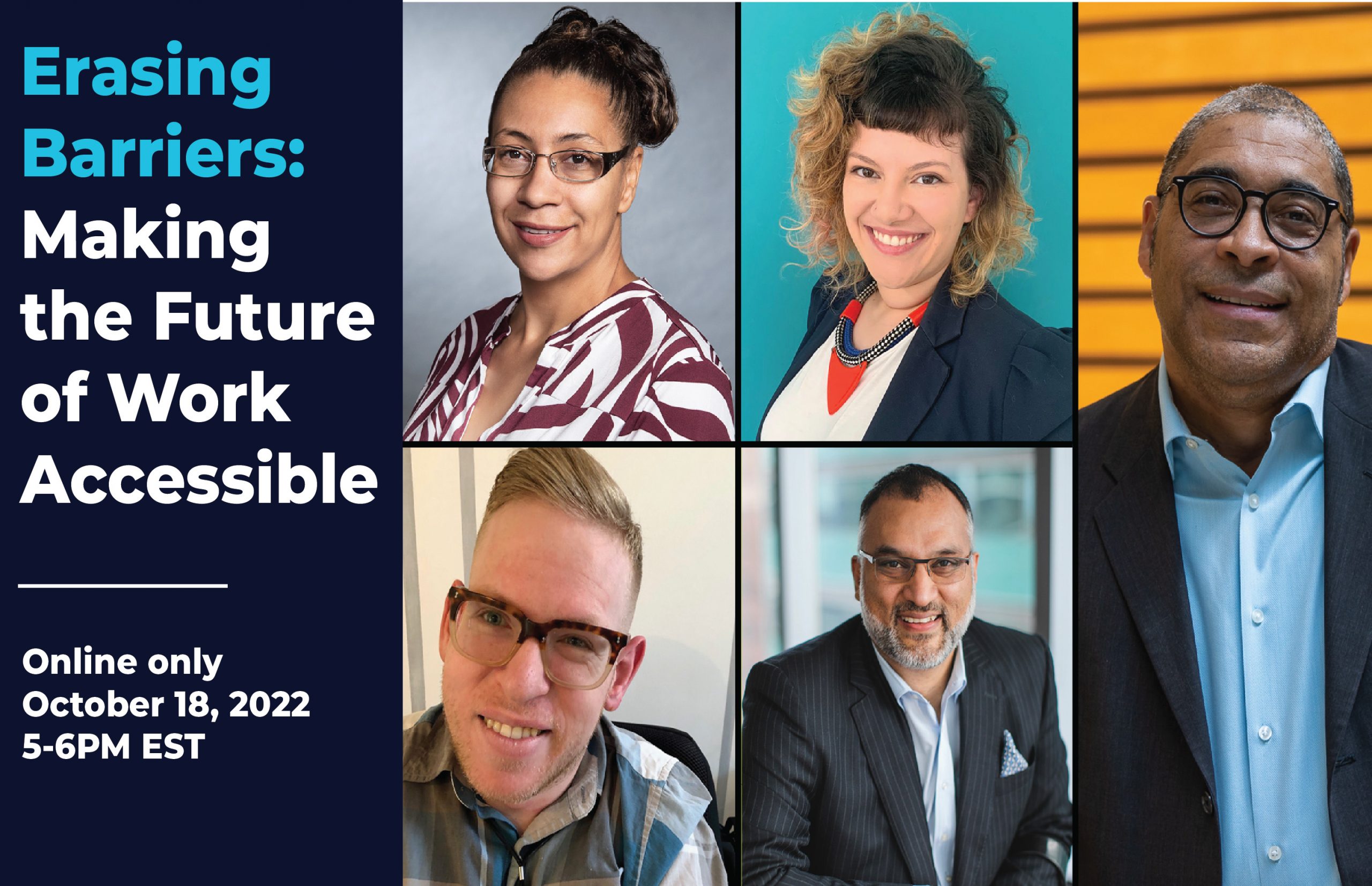
    Erasing Barriers: Making the Future of Work Accessible

    [fusion_builder_container hundred_percent=”no” equal_height_columns=”no” hide_on_mobile=”small-visibility,medium-visibility,large-visibility” background_position=”center center” background_repeat=”no-repeat” fade=”no” background_parallax=”none” parallax_speed=”0.3″ video_aspect_ratio=”16:9″ video_loop=”yes” video_mute=”yes” border_style=”solid” type=”legacy”][fusion_builder_row][fusion_builder_column type=”1_1″ layout=”1_1″ background_position=”left top” border_style=”solid” border_position=”all” spacing=”yes” background_repeat=”no-repeat” margin_top=”0px” margin_bottom=”0px” animation_speed=”0.3″ animation_direction=”left” hide_on_mobile=”small-visibility,medium-visibility,large-visibility” center_content=”no” last=”true” hover_type=”none” first=”true” min_height=”” link=”” background_blend_mode=”overlay”][fusion_text columns=”” column_min_width=”” column_spacing=”” rule_style=”” rule_size=”” rule_color=”” hue=”” saturation=”” lightness=”” alpha=”” content_alignment_medium=”” content_alignment_small=”” content_alignment=”” hide_on_mobile=”small-visibility,medium-visibility,large-visibility” sticky_display=”normal,sticky” class=”” id=”” margin_top=”” margin_right=”” margin_bottom=”” margin_left=”” fusion_font_family_text_font=”” fusion_font_variant_text_font=”” font_size=”” line_height=”” letter_spacing=”” text_transform=”none” text_color=”” animation_type=”” animation_direction=”left” animation_speed=”0.3″ animation_offset=””]

    Topic: Erasing Barriers: Making the Future of Work Accessible

    GATE co-hosted a panel discussion with Access to Success, a non-profit organization aiming to support the development of future leaders with disabilities and accessibility tech. We heard from four experts and champions for accessible workplaces—Liza Arnason, Founder and Chair of the Board of Directors, ASE Community Foundation for Black Canadians with Disabilities; Simone Lima, former GATE MBA Fellow and Senior Product Manager, Proposify; Tim Rose, Senior Consultant, Accessibility, Client Experience team, CIBC; and Gaurav Upadhya, Global Chief Actuary and Chief Risk Officer at Foresters Financial—and moderator Darrell Bowden, Director of Equity, Diversity and Inclusion at the Rotman School.  

    Nearly one-quarter of Canadians live with some form of disability, it’s essential for employers to ensure policies and environments welcome people with disabilities to attract and retain diverse talent. The panel shared their thoughts on the future of work and provided examples of how businesses can take the lessons learnt from the pandemic era about flexible working arrangements to make workplaces more inclusive for people with disabilities and everyone else.   

    Here are their recommendations for employers:  

    • When making policies and processes for people with disabilities, ensure they are “at the table” participating in that decision-making.  
    • Create tools and processes that will facilitate people with disabilities to disclose without stigma.  
    • Ask employees with disabilities what they need to be successful—don’t assume what they need.  
    • Perceive disability as a strength rather than a weakness: disability gives people a valuable lens on the world.  
    • Pay attention to intersectionality and how factors such as race and gender can amplify barriers faced by people with disabilities.  
    • Educate leaders and managers on ableism and how to stop it.   

    “Let’s turn the corporate ladder into a corporate ramp.” – Tim Rose

    Watch highlights from the discussion in which panelists explored the importance of representation in leadership positions and their advice on how to build the talent pipeline.  

    [/fusion_text][fusion_separator style_type=”none” hide_on_mobile=”small-visibility,medium-visibility,large-visibility” top_margin=”20″ bottom_margin=”20″ alignment=”center” /][fusion_button link=”https://www.gendereconomy.org/events/” target=”_blank” hide_on_mobile=”small-visibility,medium-visibility,large-visibility” color=”custom” button_gradient_top_color=”#62bd19″ button_gradient_bottom_color=”#62bd19″ button_gradient_top_color_hover=”#00c2e2″ button_gradient_bottom_color_hover=”#00c2e2″ stretch=”yes” icon_position=”left” icon_divider=”no” animation_direction=”left” animation_speed=”0.3″]See more events[/fusion_button][/fusion_builder_column][/fusion_builder_row][/fusion_builder_container]

  • Podcast: Positively Exhausted – Stories of Toxic Positivity in the Workplace

    Podcast: Positively Exhausted – Stories of Toxic Positivity in the Workplace

    GATE MBA Fellow Simone Lima investigates “toxic positivity”—the idea that the best way to cope with a challenging situation is to put a positive spin on it—is a coping strategy often promoted in companies. Using interviews and rich storytelling from her own experiences, Simone Lima explores the effects of toxic positivity on employees, especially women, and on company culture.

    Listen now on Spotify  Apple Podcasts  Google Podcasts

    You can support our work by rating and subscribing to this podcast! Help us get the word out.

    Episode 1—What even is toxic positivity?

    Download show notes

    Episode 2—Toxic Positivity from the lens of employees


    Download show notes

    Episode 3—Toxic Positivity from the lens of companies


    Download show notes

    BE SURE TO FOLLOW US ON TWITTERLINKEDIN, AND YOUTUBE FOR MORE KEY INSIGHTS AND RESOURCES.
  • We need to make sure telecommuting does not exacerbate gender disparity

    We need to make sure telecommuting does not exacerbate gender disparity

    [fusion_builder_container type=”flex” hundred_percent=”no” equal_height_columns=”no” menu_anchor=”” hide_on_mobile=”small-visibility,medium-visibility,large-visibility” class=”” id=”” background_color=”” background_image=”” background_position=”center center” background_repeat=”no-repeat” fade=”no” background_parallax=”none” parallax_speed=”0.3″ video_mp4=”” video_webm=”” video_ogv=”” video_url=”” video_aspect_ratio=”16:9″ video_loop=”yes” video_mute=”yes” overlay_color=”” video_preview_image=”” border_color=”” border_style=”solid” padding_top=”” padding_bottom=”” padding_left=”” padding_right=””][fusion_builder_row][fusion_builder_column type=”1_1″ layout=”1_1″ background_position=”left top” background_color=”” border_color=”” border_style=”solid” border_position=”all” spacing=”yes” background_image=”” background_repeat=”no-repeat” padding_top=”” padding_right=”” padding_bottom=”” padding_left=”” margin_top=”0px” margin_bottom=”0px” class=”” id=”” animation_type=”” animation_speed=”0.3″ animation_direction=”left” hide_on_mobile=”small-visibility,medium-visibility,large-visibility” center_content=”no” last=”true” min_height=”” hover_type=”none” link=”” border_sizes_top=”” border_sizes_bottom=”” border_sizes_left=”” border_sizes_right=”” first=”true”][fusion_text columns=”” column_min_width=”” column_spacing=”” rule_style=”” rule_size=”” rule_color=”” hue=”” saturation=”” lightness=”” alpha=”” content_alignment_medium=”” content_alignment_small=”” content_alignment=”” hide_on_mobile=”small-visibility,medium-visibility,large-visibility” sticky_display=”normal,sticky” class=”” id=”” margin_top=”” margin_right=”” margin_bottom=”” margin_left=”” fusion_font_family_text_font=”” fusion_font_variant_text_font=”” font_size=”” line_height=”” letter_spacing=”” text_transform=”none” text_color=”” animation_type=”” animation_direction=”left” animation_speed=”0.3″ animation_offset=””]

     We need to make sure telecommuting does not exacerbate gender disparity

    Authors: Sarah Kaplan, Sonia Kang, David Fang

    Global authorities such as WHO and the International Labour Organization have proposed interventions to improve the telecommuting experience, such as establishing work–life boundary strategies, designing ergonomic remote workplaces, and maintaining regular social interactions. However, the potential negative gendered consequences remain under-acknowledged. When women work from home, they report a disproportionate increase in domestic labour, childcare-related disruptions, and declines in productivity and mental health. If not addressed, teleworking might exacerbate existing gender inequities in career advancement, health, and rights, among others, especially as global telecommuting rates continue to climb throughout 2022 and beyond.

    In general, women are more likely to telecommute than men, both before and after the COVID-19 pandemic, and women are more likely to report mental health issues. For example, during the COVID-19 pandemic, 62·3% of telecommuting women (vs 42·6% of telecommuting men) in the USA reported two or more new mental health issues after transitioning to remote work.These women reported more depression, loneliness, anxiety, and stress, and sharper declines in job satisfaction, engagement, efficiency, and work–life balance, when compared with men. Additionally, women reported higher rates of fatigue than men, due to extra hours spent on unpaid labour (eg, housework, childcare, and eldercare). Because telecommuters are generally paid and promoted less than office workers, the increasing gender gap in telecommuting could exacerbate existing disparities in pay and promotion that women already experience relative to men, in turn negatively affecting women’s health.

    Read the full article here.

    [/fusion_text][/fusion_builder_column][/fusion_builder_row][/fusion_builder_container]

  • How opt-out framing can close gender gaps in competitions

    How opt-out framing can close gender gaps in competitions

    [fusion_builder_container admin_label=”” hundred_percent=”no” equal_height_columns=”no” menu_anchor=”” hide_on_mobile=”small-visibility,medium-visibility,large-visibility” class=”” id=”” background_color=”” background_image=”” background_position=”center center” background_repeat=”no-repeat” fade=”no” background_parallax=”none” enable_mobile=”no” parallax_speed=”0.3″ video_mp4=”” video_webm=”” video_ogv=”” video_url=”” video_aspect_ratio=”16:9″ video_loop=”yes” video_mute=”yes” video_preview_image=”” border_color=”” border_style=”solid” margin_top=”20″ margin_bottom=”” padding_top=”” padding_right=”” padding_bottom=”” padding_left=”” type=”legacy”][fusion_builder_row][fusion_builder_column type=”3_4″ layout=”3_4″ spacing=”” center_content=”no” hover_type=”none” link=”” min_height=”” hide_on_mobile=”small-visibility,medium-visibility,large-visibility” class=”” id=”” background_color=”” background_image=”” background_position=”left top” background_repeat=”no-repeat” border_color=”” border_style=”solid” border_position=”all” padding_top=”” padding_right=”” padding_bottom=”” padding_left=”” margin_top=”” margin_bottom=”” animation_type=”” animation_direction=”left” animation_speed=”0.3″ animation_offset=”” last=”false” first=”true” border_sizes_top=”0″ border_sizes_bottom=”0″ border_sizes_left=”0″ border_sizes_right=”0″ spacing_right=””][fusion_text columns=”” column_min_width=”” column_spacing=”” rule_style=”default” rule_size=”” rule_color=”” hue=”” saturation=”” lightness=”” alpha=”” content_alignment_medium=”” content_alignment_small=”” content_alignment=”” hide_on_mobile=”small-visibility,medium-visibility,large-visibility” sticky_display=”normal,sticky” class=”” id=”” margin_top=”” margin_right=”” margin_bottom=”” margin_left=”” fusion_font_family_text_font=”” fusion_font_variant_text_font=”” font_size=”” line_height=”” letter_spacing=”” text_transform=”none” text_color=”” animation_type=”” animation_direction=”left” animation_speed=”0.3″ animation_offset=””]

    Summary

    How can we close the gender gap in high-level positions in organizations? Prior studies have shown that one possible reason for this gap is that, because of gendered expectations, women are less likely to enter competitions than men. This research article shows that changing competitions from an “opt-in” default, where people who wish to compete must self-nominate, to an “opt-out” default, where everyone competes by default but can opt-out if they choose, eliminates gender differences in the decision to compete without affecting performance or the wellbeing of applicants. These results suggest that organizations can use an opt-out default to reduce gender gaps in promotions or other competitive processes— such as pitch competitions and innovation contests—that are often plagued by an underrepresentation of women.

    Research and Findings

    Due to prevailing gender norms, women are less likely to promote themselves, exaggerate their accomplishments, and show (over)confidence when compared to men because of the penalties they experience for doing so. Thus, they are less likely to nominate themselves for competitive selection processes, such as promotions, awards, and admissions. Through three experiments, this study showed that changing the decision to compete from an opt-in process involving self-nomination to an opt-out process where competition is the default can reduce or even eliminate these gender differences.

    The first two experiments we conducted in research labs and involved 482 and 639 undergraduate students, respectively. Students were told to add five two-digit numbers for compensation. There was a non-competitive compensation scheme ($0.50 per correct answer) and a competitive compensation scheme ($2 per correct answer, but only if the student had the highest score compared to three randomly chosen competitors). Some students were randomly assigned to an opt-in default: everyone received non-competitive compensation but could choose to get competitive compensation instead. Others were randomly assigned to an opt-out default: everyone received competitive compensation but could choose to get non-competitive compensation. In other words, for those assigned to opt-in, the default was non-competition, but participants could self-nominate to compete. For those assigned to opt-out, the default was competition, but they could still choose not to compete.

    Both experiments showed that the opt-out default eliminated the gender gap in competition. For those who had to opt-in to competition, far fewer women than men chose to compete (47% of women vs. 72% of men in the first experiment and 53% of women vs. 72% of men in the second experiment). For those who had to opt-out from competition, women and men chose competition at similar rates (75% of women vs. 76% of men in the first experiment and 74% of women vs. 78% of men in the second experiment). One might worry that eliminating the competition gap might subject women to more stressful or anxiety-provoking activities that they wouldn’t have chosen otherwise; however, a post-activity survey showed that there was also no significant difference in anxiety levels between the opt-in and opt-out groups.

    The third experiment tested these results in a real-life setting through a large-scale experiment on Upwork, an online market for clients to find freelancers. The authors operated as a client and hired 477 freelancers to complete a data entry job. The freelancers did not know they were part of an experimental study and completed the task as part of their day-to-day jobs. Workers first did a test project with a base compensation of $5 and a commission of $0.25 per correct data entry. After this, freelancers were randomly assigned to either opt-in or opt-out of competing for a more advanced task. The advanced task paid more: $7.50 base compensation with $1.00 bonus commission. Freelancers were told that if they competed for the advanced task, they would only get to complete it—and get compensated—if they were in the top 25% of performers. Otherwise, they would not complete any further tasks.

    Results of this experiment showed that women again were significantly less likely than men to compete for the advanced task when they had to opt-in to competition (57% of women vs. 73% of men chose to compete). For those who were assigned to opt-out, there was no significant difference by gender in decision to compete (67% of women vs. 72% of men chose to compete, but this was not statistically significantly different). Because there is a concern that being in a competition might negatively affect women’s task performance, the researchers verified that there were also no negative consequences in performance for those in the opt-out group.

    Implications

    Organizations can eliminate gender gaps in competitions by using opt-out framing—Women tend to be less likely than men to nominate themselves for competitions. This study shows that when the default is for participants to opt-out from rather than opt-in to a competition, this gender gap disappears. Women’s supposed aversion to competition may depend on how the option to compete is presented. Thus, organizations may be able to use an opt-out process to close gender gaps in various competitive processes such as for promotions.

    Opt-out framing in competitions does not decrease performance or wellbeing—Results suggest that those in the opt-out group did not show worse performance or higher anxiety compared to those who had to opt-in to compete. Opt-out framing of competition signals that competing is a norm for everyone, which may reduce women’s perceptions that competing is a counter-normative way of promoting oneself and/or demonstrating (over)confidence.

    ________________________

    Research brief prepared by:

    Carmina Ravanera

    He, Joyce C., et al. “Opt-out Choice Framing Attenuates Gender Differences in the Decision to Compete in the Laboratory and in the Field.” Proceedings of the National Academy of Sciences, vol. 118, no. 42, 2021, https://doi.org/10.1073/pnas.2108337118.

    https://www.pnas.org/content/118/42/e2108337118

    [/fusion_text][fusion_separator style_type=”none” hide_on_mobile=”small-visibility,medium-visibility,large-visibility” class=”” id=”” sep_color=”” top_margin=”20″ bottom_margin=”20″ border_size=”” icon=”” icon_circle=”” icon_circle_color=”” width=”” alignment=”center” /][fusion_button link=”https://www.gendereconomy.org/research-briefs/” text_transform=”” title=”” target=”_blank” link_attributes=”” alignment=”” modal=”” hide_on_mobile=”small-visibility,medium-visibility,large-visibility” class=”” id=”” color=”custom” button_gradient_top_color=”#62bd19″ button_gradient_bottom_color=”#62bd19″ button_gradient_top_color_hover=”#00c2e2″ button_gradient_bottom_color_hover=”#00c2e2″ accent_color=”” accent_hover_color=”” type=”” bevel_color=”” size=”” stretch=”yes” icon=”” icon_position=”left” icon_divider=”no” animation_type=”” animation_direction=”left” animation_speed=”0.3″ animation_offset=””]See more research briefs[/fusion_button][fusion_separator style_type=”none” hide_on_mobile=”small-visibility,medium-visibility,large-visibility” class=”” id=”” sep_color=”” top_margin=”20″ bottom_margin=”20″ border_size=”” icon=”” icon_circle=”” icon_circle_color=”” width=”” alignment=”center” /][fusion_recent_posts layout=”default” hover_type=”none” columns=”3″ number_posts=”3″ offset=”0″ pull_by=”category” cat_slug=”research-briefs” exclude_cats=”” tag_slug=”” exclude_tags=”” thumbnail=”yes” title=”yes” meta=”no” meta_author=”no” meta_categories=”no” meta_date=”yes” meta_comments=”yes” meta_tags=”no” content_alignment=”” excerpt=”no” excerpt_length=”35″ strip_html=”yes” scrolling=”no” hide_on_mobile=”small-visibility,medium-visibility,large-visibility” class=”” id=”” animation_type=”” animation_direction=”left” animation_speed=”0.3″ animation_offset=”” /][/fusion_builder_column][fusion_builder_column type=”1_4″ layout=”1_4″ spacing=”” center_content=”no” hover_type=”none” link=”” min_height=”” hide_on_mobile=”small-visibility,medium-visibility,large-visibility” class=”” id=”” background_color=”” background_image=”” background_position=”left top” background_repeat=”no-repeat” border_color=”” border_style=”solid” border_position=”all” padding_top=”” padding_right=”” padding_bottom=”” padding_left=”” margin_top=”” margin_bottom=”” animation_type=”” animation_direction=”left” animation_speed=”0.3″ animation_offset=”” last=”true” first=”false” border_sizes_top=”0″ border_sizes_bottom=”0″ border_sizes_left=”0″ border_sizes_right=”0″][fusion_title title_type=”text” rotation_effect=”bounceIn” display_time=”1200″ highlight_effect=”circle” loop_animation=”off” highlight_width=”9″ highlight_top_margin=”0″ before_text=”” rotation_text=”” highlight_text=”” after_text=”” title_link=”off” link_url=”” link_target=”_self” hide_on_mobile=”small-visibility,medium-visibility,large-visibility” sticky_display=”normal,sticky” class=”briefsummary” id=”” content_align_medium=”” content_align_small=”” content_align=”left” size=”3″ animated_font_size=”” fusion_font_family_title_font=”” fusion_font_variant_title_font=”” font_size=”” line_height=”” letter_spacing=”” text_transform=”” text_color=”” hue=”” saturation=”” lightness=”” alpha=”” animated_text_color=”” text_shadow=”no” text_shadow_vertical=”” text_shadow_horizontal=”” text_shadow_blur=”0″ text_shadow_color=”” margin_top_medium=”” margin_right_medium=”” margin_bottom_medium=”” margin_left_medium=”” margin_top_small=”” margin_right_small=”” margin_bottom_small=”” margin_left_small=”” margin_top=”” margin_right=”” margin_bottom=”” margin_left=”” margin_top_mobile=”” margin_bottom_mobile=”” gradient_font=”no” gradient_start_color=”” gradient_end_color=”” gradient_start_position=”0″ gradient_end_position=”100″ gradient_type=”linear” radial_direction=”center center” linear_angle=”180″ highlight_color=”” style_type=”none” sep_color=”” link_color=”” link_hover_color=”” animation_type=”” animation_direction=”left” animation_speed=”0.3″ animation_offset=””]

    Title

    Opt-out choice framing attenuates gender differences in the decision to compete in the laboratory and in the field

    Authors

    Joyce C. He, Sonia K. Kang and Nicola Lacetera

    Source

    Proceedings of the National Academy of Sciences of the United States of America

    Published

    2021

    DOI

    10.1073/pnas.2108337118

    Link

    https://journals.sagepub.com/doi/10.1177/0891243219876271

    Research brief prepared by

    Carmina Ravanera

    [/fusion_title][fusion_widget_area name=”avada-custom-sidebar-researchbriefsidebar” title_size=”” title_color=”” background_color=”” padding_top=”” padding_right=”” padding_bottom=”” padding_left=”” hide_on_mobile=”small-visibility,medium-visibility,large-visibility” class=”” id=”” /][/fusion_builder_column][/fusion_builder_row][/fusion_builder_container]
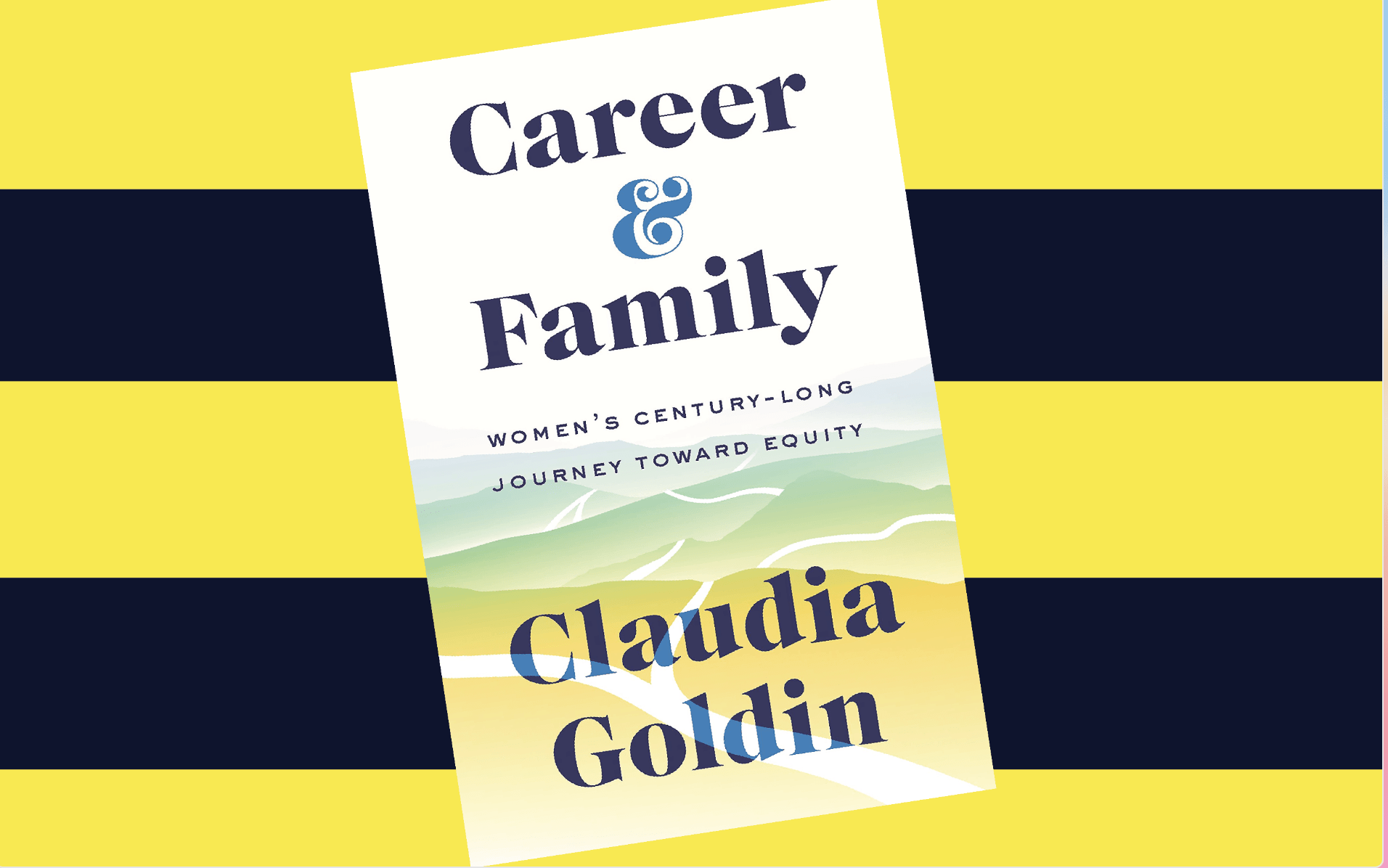
  • Claudia Goldin on Career and Family: Women’s Century-Long Journey toward Equity

    Claudia Goldin on Career and Family: Women’s Century-Long Journey toward Equity

    [fusion_builder_container hundred_percent=”no” equal_height_columns=”no” menu_anchor=”” hide_on_mobile=”small-visibility,medium-visibility,large-visibility” class=”” id=”” background_color=”” background_image=”” background_position=”center center” background_repeat=”no-repeat” fade=”no” background_parallax=”none” parallax_speed=”0.3″ video_mp4=”” video_webm=”” video_ogv=”” video_url=”” video_aspect_ratio=”16:9″ video_loop=”yes” video_mute=”yes” overlay_color=”” video_preview_image=”” border_color=”” border_style=”solid” padding_top=”” padding_bottom=”” padding_left=”” padding_right=”” type=”legacy”][fusion_builder_row][fusion_builder_column type=”1_1″ layout=”1_1″ background_position=”left top” background_color=”” border_color=”” border_style=”solid” border_position=”all” spacing=”yes” background_image=”” background_repeat=”no-repeat” padding_top=”” padding_right=”” padding_bottom=”” padding_left=”” margin_top=”0px” margin_bottom=”0px” class=”” id=”” animation_type=”” animation_speed=”0.3″ animation_direction=”left” hide_on_mobile=”small-visibility,medium-visibility,large-visibility” center_content=”no” last=”true” min_height=”” hover_type=”none” link=”” first=”true” border_sizes_top=”” border_sizes_bottom=”” border_sizes_left=”” border_sizes_right=””][fusion_text columns=”” column_min_width=”” column_spacing=”” rule_style=”” rule_size=”” rule_color=”” hue=”” saturation=”” lightness=”” alpha=”” content_alignment_medium=”” content_alignment_small=”” content_alignment=”” hide_on_mobile=”small-visibility,medium-visibility,large-visibility” sticky_display=”normal,sticky” class=”” id=”” margin_top=”” margin_right=”” margin_bottom=”” margin_left=”” fusion_font_family_text_font=”” fusion_font_variant_text_font=”” font_size=”” line_height=”” letter_spacing=”” text_transform=”none” text_color=”#0a0100″ animation_type=”” animation_direction=”left” animation_speed=”0.3″ animation_offset=””]

    Topic: Career and Family: Women’s Century-Long Journey toward Equity (Princeton University Press, Oct. 12 2021)

    GATE Faculty Research Fellow Professor Sonia Kang recently hosted a conversation with Dr. Claudia Goldin, Henry Lee Professor of Economics at Harvard University on Professor Goldin’s new book Career and Family: Women’s Century-Long Journey toward Equity. They had a lively discussion with the audience on the barriers women face and how we can move forward on the path to achieving gender equity. 

    Professor Goldin highlighted that gender inequity at home can produce gender inequality in society. A century ago, it was a given that a woman with a college degree had to choose between having a career and a family. Today, there are more female college graduates than ever before, and more women want to have a career and family, yet challenges persist at work and home.  

    One of the key barriers women face in eliminating the gender wage gap is ‘greedy work’, paying employees disproportionately more for long hours and weekend work. Greedy work is particularly prevalent in jobs where one gets tenure, partnerships, salary promotions, and more. Further, caregiving responsibilities still disproportionately fall on women.  Because of care responsibilities many working mothers opt for jobs with higher flexibility even though these jobs are less remunerative, thus widening the gender wage gap. This also propagates couple inequality as the male partner does ‘greedy work’ and has more financial reward. Not only does this give rise to a gender gap in earnings, but it also reinforces a couple’s inequity in terms of career and family. Professor Goldin highlighted that a potential solution and silver lining of COVID-19 has been the growth of remote and flexible work, which can greatly benefit working mothers.  

    “One edge of a silver lining to these dark times is that at least in the US, we have begun a national dialogue about caregiving […] Women in the US and Canada are almost half of the labor force. Our economies now run on women. Caregiving isn’t simply something we can brush aside.” 

    – Claudia Goldin 

    Watch Claudia Goldin discuss how we can move forward on the path to achieving gender equality

    [/fusion_text][fusion_separator style_type=”none” hide_on_mobile=”small-visibility,medium-visibility,large-visibility” class=”” id=”” sep_color=”” top_margin=”20″ bottom_margin=”20″ border_size=”” icon=”” icon_circle=”” icon_circle_color=”” width=”” alignment=”center” /][fusion_button link=”https://www.gendereconomy.org/events/” text_transform=”” title=”” target=”_blank” link_attributes=”” alignment=”” modal=”” hide_on_mobile=”small-visibility,medium-visibility,large-visibility” class=”” id=”” color=”custom” button_gradient_top_color=”#62bd19″ button_gradient_bottom_color=”#62bd19″ button_gradient_top_color_hover=”#00c2e2″ button_gradient_bottom_color_hover=”#00c2e2″ accent_color=”” accent_hover_color=”” type=”” bevel_color=”” size=”” stretch=”yes” icon=”” icon_position=”left” icon_divider=”no” animation_type=”” animation_direction=”left” animation_speed=”0.3″ animation_offset=””]See more events[/fusion_button][/fusion_builder_column][/fusion_builder_row][/fusion_builder_container]

  • Using design thinking to encourage girls’ participation in STEM

    Using design thinking to encourage girls’ participation in STEM

    [fusion_builder_container admin_label=”” hundred_percent=”no” equal_height_columns=”no” menu_anchor=”” hide_on_mobile=”small-visibility,medium-visibility,large-visibility” class=”” id=”” background_color=”” background_image=”” background_position=”center center” background_repeat=”no-repeat” fade=”no” background_parallax=”none” enable_mobile=”no” parallax_speed=”0.3″ video_mp4=”” video_webm=”” video_ogv=”” video_url=”” video_aspect_ratio=”16:9″ video_loop=”yes” video_mute=”yes” video_preview_image=”” border_color=”” border_style=”solid” margin_top=”20″ margin_bottom=”” padding_top=”” padding_right=”” padding_bottom=”” padding_left=”” type=”legacy”][fusion_builder_row][fusion_builder_column type=”3_4″ layout=”3_4″ spacing=”” center_content=”no” hover_type=”none” link=”” min_height=”” hide_on_mobile=”small-visibility,medium-visibility,large-visibility” class=”” id=”” background_color=”” background_image=”” background_position=”left top” background_repeat=”no-repeat” border_color=”” border_style=”solid” border_position=”all” padding_top=”” padding_right=”” padding_bottom=”” padding_left=”” margin_top=”” margin_bottom=”” animation_type=”” animation_direction=”left” animation_speed=”0.3″ animation_offset=”” last=”false” first=”true” border_sizes_top=”0″ border_sizes_bottom=”0″ border_sizes_left=”0″ border_sizes_right=”0″ spacing_right=””][fusion_text columns=”” column_min_width=”” column_spacing=”” rule_style=”default” rule_size=”” rule_color=”” content_alignment_medium=”” content_alignment_small=”” content_alignment=”” hide_on_mobile=”small-visibility,medium-visibility,large-visibility” sticky_display=”normal,sticky” class=”” id=”” margin_top=”” margin_right=”” margin_bottom=”” margin_left=”” font_size=”” fusion_font_family_text_font=”” fusion_font_variant_text_font=”” line_height=”” letter_spacing=”” text_color=”” animation_type=”” animation_direction=”left” animation_speed=”0.3″ animation_offset=””]

    Summary

    Gender inequality in Science, Technology, Engineering and Mathematics (STEM) fields persists in many countries. It tends to begin before entering the workforce: in middle school and high school, girls become less motivated to pursue STEM in future education. This study investigates how adding Art approaches such as design thinking to STEM learning (STEAM) can foster girls’ interest in, and motivation to pursue, STEM. A 3-day design thinking workshop with female youths from Japan and USA resulted in an increase in their interest in engineering and design, greater creative confidence, more positive perceptions of STEM, higher levels of empathy and pro-social factors, and a more varied outlook on their career options. The study shows how such short educational interventions may influence young women to pursue STEM careers.

    Research

    Around the world, women have a low rate of representation in STEM. In Japan these figures are particularly low: they comprise only 1.6% of those in Mechanical Engineering, 3.6% in Applied Chemistry, and 4.4% in Physics. The under representation of women in STEM fields influences the persistence of the gender wage gap.

    This study investigated how STEAM (adding “Arts” to STEM) learning affects female youths’ interest in STEM. The study used a 3-day design thinking workshop as an intervention. Design thinking centers on understanding and solving real-world problems. Rather than emphasizing individual work, it uses a set of procedures that helps learners embrace ambiguity, engage in deep analysis, and build communication. These procedures include empathy building, needs-finding, brainstorming, prototyping, and testing. Design thinking has become more common in educational contexts in recent years as it has been shown to improve students’ problem-solving skills and creativity as well as increase their interest in STEM careers.

    For this study, 103 female youth aged 13 to 18 participated in the STEAM workshop. Participants were from across Japan and from three states in the USA. The workshop aimed to give girls an opportunity to engage with STEM, meet mentors, and teach them a mindset of self-efficacy. Participants had to address a real-life problem, such as using technology to improve seniors’ quality of living, with design thinking. Throughout they workshop they had support from youth mentors and women STEM leaders.

    The participants completed pre- and post-intervention surveys which the researchers then analyzed. The surveys asked about participants’ interests in different school subjects, creative confidence, career plans, aspirations for STEM, and other topics related to the study. The researchers also interviewed 19 participants after the workshop to understand their experiences and perceptions.

    Findings

    The STEAM workshop produced measurable changes in the youth who participated:

    • Participants showed increased interest in engineering, e.g., higher scores for a question about enjoying imagining creating new products.
    • Participants’ creative confidence—their ability to work in uncertainty and be open to feedback—increased. They became less self-conscious about sharing their thoughts and showed fewer negative perceptions about failing.
    • Participants’ positive perceptions of STEM shifted, with an increase in their beliefs that STEM careers not only require technical knowledge but also communication, collaboration, and creativity.
    • Participants’ beliefs that STEM can make a world a better place, and that people who study STEM care about others, increased. This is important as prior research has shown that under-represented groups are more likely to pursue STEM professions if they believe STEM can improve others’ lives.
    • Finally, participants’ desires to pursue a career in STEM—even if they must balance work and family— increased. Participants scored higher than before the workshop when asked if they would consider a career in science, starting their own business, and staying in the workforce after having children.
    • While participants increased their interest in pursuing STEM, their beliefs around gender norms and STEM – which are deeply rooted in social and cultural contexts – were unchanged. There was no significant change in their response to questions such as “Girls can have a greater, more positive impact on society” or “Women should pursue STEM fields in the future”.

    Implications

    Girls can benefit from more awareness about, and opportunities to participate in, STEM—A 3-day workshop that exposed girls to STEM projects, ideas and mentors transformed not only their desire to pursue STEM careers but also their beliefs about what STEM can do. Initiatives to demystify STEM for underrepresented groups may be helpful in increasing their interest in these fields.

    Design thinking and other empathy-based pedagogical approaches to STEM (STEAM) may foster more diversity—The design thinking workshop allowed girls to better understand how STEM is connected to empathy and to improving the world, which in turn made STEM more appealing to them. STEAM learning could draw more women and underrepresented groups into these fields, helping to create a new and diverse generation of STEAM leaders and thinkers who use creative and empathy-based approaches.

    ________________________

    Research brief prepared by:

    Carmina Ravanera

    Kijima, R., Yang-Yoshihara, M. & Maekawa, M.S. Using design thinking to cultivate the next generation of female STEAM thinkers. IJ STEM Ed 8, 14 (2021)

    https://stemeducationjournal.springeropen.com/articles/10.1186/s40594-021-00271-6

    [/fusion_text][fusion_separator style_type=”none” hide_on_mobile=”small-visibility,medium-visibility,large-visibility” class=”” id=”” sep_color=”” top_margin=”20″ bottom_margin=”20″ border_size=”” icon=”” icon_circle=”” icon_circle_color=”” width=”” alignment=”center” /][fusion_button link=”https://www.gendereconomy.org/research-briefs/” text_transform=”” title=”” target=”_blank” link_attributes=”” alignment=”” modal=”” hide_on_mobile=”small-visibility,medium-visibility,large-visibility” class=”” id=”” color=”custom” button_gradient_top_color=”#62bd19″ button_gradient_bottom_color=”#62bd19″ button_gradient_top_color_hover=”#00c2e2″ button_gradient_bottom_color_hover=”#00c2e2″ accent_color=”” accent_hover_color=”” type=”” bevel_color=”” size=”” stretch=”yes” icon=”” icon_position=”left” icon_divider=”no” animation_type=”” animation_direction=”left” animation_speed=”0.3″ animation_offset=””]See more research briefs[/fusion_button][fusion_separator style_type=”none” hide_on_mobile=”small-visibility,medium-visibility,large-visibility” class=”” id=”” sep_color=”” top_margin=”20″ bottom_margin=”20″ border_size=”” icon=”” icon_circle=”” icon_circle_color=”” width=”” alignment=”center” /][fusion_recent_posts layout=”default” hover_type=”none” columns=”3″ number_posts=”3″ offset=”0″ pull_by=”category” cat_slug=”research-briefs” exclude_cats=”” tag_slug=”” exclude_tags=”” thumbnail=”yes” title=”yes” meta=”no” meta_author=”no” meta_categories=”no” meta_date=”yes” meta_comments=”yes” meta_tags=”no” content_alignment=”” excerpt=”no” excerpt_length=”35″ strip_html=”yes” scrolling=”no” hide_on_mobile=”small-visibility,medium-visibility,large-visibility” class=”” id=”” animation_type=”” animation_direction=”left” animation_speed=”0.3″ animation_offset=”” /][/fusion_builder_column][fusion_builder_column type=”1_4″ layout=”1_4″ spacing=”” center_content=”no” hover_type=”none” link=”” min_height=”” hide_on_mobile=”small-visibility,medium-visibility,large-visibility” class=”” id=”” background_color=”” background_image=”” background_position=”left top” background_repeat=”no-repeat” border_color=”” border_style=”solid” border_position=”all” padding_top=”” padding_right=”” padding_bottom=”” padding_left=”” margin_top=”” margin_bottom=”” animation_type=”” animation_direction=”left” animation_speed=”0.3″ animation_offset=”” last=”true” first=”false” border_sizes_top=”0″ border_sizes_bottom=”0″ border_sizes_left=”0″ border_sizes_right=”0″][fusion_title title_type=”text” rotation_effect=”bounceIn” display_time=”1200″ highlight_effect=”circle” loop_animation=”off” highlight_width=”9″ highlight_top_margin=”0″ before_text=”” rotation_text=”” highlight_text=”” after_text=”” title_link=”off” link_url=”” link_target=”_self” hide_on_mobile=”small-visibility,medium-visibility,large-visibility” sticky_display=”normal,sticky” class=”briefsummary” id=”” content_align_medium=”” content_align_small=”” content_align=”left” size=”3″ font_size=”” animated_font_size=”” fusion_font_family_title_font=”” fusion_font_variant_title_font=”” line_height=”” letter_spacing=”” text_shadow=”no” text_shadow_vertical=”” text_shadow_horizontal=”” text_shadow_blur=”0″ text_shadow_color=”” margin_top_medium=”” margin_right_medium=”” margin_bottom_medium=”” margin_left_medium=”” margin_top_small=”” margin_right_small=”” margin_bottom_small=”” margin_left_small=”” margin_top=”” margin_right=”” margin_bottom=”” margin_left=”” margin_top_mobile=”” margin_bottom_mobile=”” text_color=”” animated_text_color=”” gradient_font=”no” gradient_start_color=”” gradient_end_color=”” gradient_start_position=”0″ gradient_end_position=”100″ gradient_type=”linear” radial_direction=”center center” linear_angle=”180″ highlight_color=”” style_type=”none” sep_color=”” link_color=”” link_hover_color=”” animation_type=”” animation_direction=”left” animation_speed=”0.3″ animation_offset=””]

    Title

    Using design thinking to cultivate the next generation of female STEM thinkers

    Author

    Rie Kijima, Mariko Yang-Yoshihara and Marcos Sadao Maekawa

    Source

    International Journal of STEM Education

    Published

    2021

    DOI

    10.1186/s40594-021-00271-6

    Link

    https://journals.sagepub.com/doi/10.1177/0891243219876271

    Research brief prepared by

    Carmina Ravanera

    [/fusion_title][fusion_widget_area name=”avada-custom-sidebar-researchbriefsidebar” title_size=”” title_color=”” background_color=”” padding_top=”” padding_right=”” padding_bottom=”” padding_left=”” hide_on_mobile=”small-visibility,medium-visibility,large-visibility” class=”” id=”” /][/fusion_builder_column][/fusion_builder_row][/fusion_builder_container]