Tag: Sexual harassment

Research briefs, news, and event recaps related to sexual harassment.

  • The cultural underpinnings of sex segregation

    The cultural underpinnings of sex segregation

    [fusion_builder_container admin_label=”” hundred_percent=”no” equal_height_columns=”no” menu_anchor=”” hide_on_mobile=”small-visibility,medium-visibility,large-visibility” class=”” id=”” background_color=”” background_image=”” background_position=”center center” background_repeat=”no-repeat” fade=”no” background_parallax=”none” enable_mobile=”no” parallax_speed=”0.3″ video_mp4=”” video_webm=”” video_ogv=”” video_url=”” video_aspect_ratio=”16:9″ video_loop=”yes” video_mute=”yes” video_preview_image=”” border_size=”” border_color=”” border_style=”solid” margin_top=”20″ margin_bottom=”” padding_top=”” padding_right=”” padding_bottom=”” padding_left=””][fusion_builder_row][fusion_builder_column type=”3_4″ layout=”3_4″ spacing=”” center_content=”no” hover_type=”none” link=”” min_height=”” hide_on_mobile=”small-visibility,medium-visibility,large-visibility” class=”” id=”” background_color=”” background_image=”” background_position=”left top” background_repeat=”no-repeat” border_size=”0″ border_color=”” border_style=”solid” border_position=”all” padding_top=”” padding_right=”” padding_bottom=”” padding_left=”” dimension_margin=”” animation_type=”” animation_direction=”left” animation_speed=”0.3″ animation_offset=”” last=”no”][fusion_text columns=”” column_min_width=”” column_spacing=”” rule_style=”default” rule_size=”” rule_color=”” class=”” id=””]

    Summary

    This paper examines how professional socialization may perpetuate occupational sex segregation. The authors use a unique set of data – diary entries and interviews – to show how college students’ socialization into the field of engineering leads women to believe that they are a “bad fit” for engineering culture, making it more likely that they will exit the profession. The authors identify three processes through which the “bad fit” feeling is cemented: (1) orientation to engineering at college entry, (2) initiation rituals in coursework and (3) team projects, and socialization during internships and summer jobs. Throughout each process, female engineering students share experiences that differ from those of their male counterparts. As these experiences accumulate over the course of their four years in the program, women are confronted with the feeling that they may not belong in engineering, while men’s experiences equip them with confidence to embrace their identities as budding engineers.

    Research

    While much has been written about the ways that occupational prestige and individual preferences influence sex segregation in labour markets, less is known about how factors unique to occupations, such as professional culture, may also perpetuate sex segregation.

    The authors of this study examine the field of engineering in order to refine our understanding of how professional culture may influence the likelihood of sex segregation.

    They followed engineering cohorts at four colleges in the U.S. and had 40 students fill out diary entries in which they reflect on their experiences in the program. In addition to the bi-monthly diary entries, they conducted interviews with 100 students during the first and fourth year of the program. Students highlighted three major processes through which their socialization into the field of engineering was cemented: (1) orientation to engineering at college entry, (2) initiation rituals in coursework and team projects, and (3) socialization during internships and summer jobs.

    Findings: Men and women experience socialization differently

    While everyone entered the program with a strong careerist orientation, women were more likely to acknowledge their desire to use their career as a way of helping people (for example, by engaging in humanitarian work). By contrast, men did not express an interest in using their career to create social change and instead signaled their interest in opportunities to solve problems.

    Following this initial difference in orientation, men and women were both exposed to a newly emerging pecking order, where they were no longer the top of their class. While both men and women experienced fear about whether they have what it takes to make it through the program, women were more likely to seek validation from their peers and professors for reassurance that they possess the technical competency to be an engineer. On the other hand, when male students received a low grade, it did not shake their confidence in their abilities, and they were more likely to blame poor performance on bad time management, or some other set of external factors.

    In addition to navigating new pecking orders, the diary entries singled out the importance of teamwork for informing students’ understanding of engineering culture.

    In instances of group work, women were more likely to experience exclusion and were relegated to menial or administrative tasks by their male peers. By contrast, male students had positive experiences with group work, which they perceived as providing them the opportunity to “show their stuff” and hone their identity as engineers.

    The final process that reinforced students’ perceptions of engineering culture was the experience of internships. Many female students wrote about their encounters with sexism and marginalization: they experienced sexual harassment and reported being assigned menial tasks by senior managers while male interns were assigned more technical engineering work. This differs markedly from men’s experiences, where their internships cemented their self-confidence in their skills and validated their decision to pursue engineering as a career.

    Women’s cumulative experiences throughout the four-year program reinforced a feeling that they weren’t a good fit for engineering; they find out that their career orientations differ from those of men, and they experience blatant sexism and stereotyping, resulting in estrangement from, rather than attachment to, engineering as a profession. The authors conclude that the day-to-day experiences with cultures of male-dominated professions during the formative years of socialization may be an important predictor of women’s exit from such fields.

    Implications

    • Team culture – While teamwork settings are often assumed to facilitate opportunities for women, such settings may actually reinforce gender inequality. Those in charge of managing team-based projects can ensure that women are not tokenized in such settings by filling teams with equal numbers of men and women, or at a minimum, filling teams with no fewer than three women. Doing so may provide women with sufficient power in numbers to prevent the women in such teams from being assigned menial tasks.
    • Leadership education – Because much of the marginalization that female students experience occurs on job sites, efforts to educate leaders about gender discrimination in male-dominated fields may likewise mitigate women’s negative experiences.

    [/fusion_text][fusion_separator style_type=”none” hide_on_mobile=”small-visibility,medium-visibility,large-visibility” class=”” id=”” sep_color=”” top_margin=”20″ bottom_margin=”20″ border_size=”” icon=”” icon_circle=”” icon_circle_color=”” width=”” alignment=”center” /][fusion_button link=”https://www.gendereconomy.org/research-briefs/” text_transform=”” title=”” target=”_blank” link_attributes=”” alignment=”” modal=”” hide_on_mobile=”small-visibility,medium-visibility,large-visibility” class=”” id=”” color=”custom” button_gradient_top_color=”#62bd19″ button_gradient_bottom_color=”#62bd19″ button_gradient_top_color_hover=”#00c2e2″ button_gradient_bottom_color_hover=”#00c2e2″ accent_color=”” accent_hover_color=”” type=”” bevel_color=”” border_width=”” size=”” stretch=”yes” shape=”” icon=”” icon_position=”left” icon_divider=”no” animation_type=”” animation_direction=”left” animation_speed=”0.3″ animation_offset=””]See more research briefs[/fusion_button][fusion_separator style_type=”none” hide_on_mobile=”small-visibility,medium-visibility,large-visibility” class=”” id=”” sep_color=”” top_margin=”20″ bottom_margin=”20″ border_size=”” icon=”” icon_circle=”” icon_circle_color=”” width=”” alignment=”center” /][fusion_recent_posts layout=”default” hover_type=”none” columns=”3″ number_posts=”3″ offset=”0″ pull_by=”category” cat_slug=”research-briefs” exclude_cats=”” tag_slug=”” exclude_tags=”” thumbnail=”yes” title=”yes” meta=”no” meta_author=”no” meta_categories=”no” meta_date=”yes” meta_comments=”yes” meta_tags=”no” content_alignment=”” excerpt=”no” excerpt_length=”35″ strip_html=”yes” scrolling=”no” hide_on_mobile=”small-visibility,medium-visibility,large-visibility” class=”” id=”” animation_type=”” animation_direction=”left” animation_speed=”0.3″ animation_offset=”” /][/fusion_builder_column][fusion_builder_column type=”1_4″ layout=”1_4″ spacing=”” center_content=”no” hover_type=”none” link=”” min_height=”” hide_on_mobile=”small-visibility,medium-visibility,large-visibility” class=”” id=”” background_color=”” background_image=”” background_position=”left top” background_repeat=”no-repeat” border_size=”0″ border_color=”” border_style=”solid” border_position=”all” padding_top=”” padding_right=”” padding_bottom=”” padding_left=”” dimension_margin=”” animation_type=”” animation_direction=”left” animation_speed=”0.3″ animation_offset=”” last=”no”][fusion_title margin_top=”” margin_bottom=”” hide_on_mobile=”small-visibility,medium-visibility,large-visibility” class=”briefsummary” id=”” size=”3″ content_align=”left” style_type=”none” sep_color=””]

    Title

    Persistence is Cultural: Professional Socialization and the Reproduction of Sex Segregation

    Authors

    Carroll Seron, Susan Silbey, Erin Cech, and Brian Rubineau

    Institutions

    University of California Irvine, Massachusetts Institute of Technology, University of Michigan, McGill University

    Source

    Work and Occupations

    Published

    2016

    Link

    http://journals.sagepub.com/doi/abs/10.1177/0730888415618728

    Research brief prepared by

    Kim de Laat[/fusion_title][fusion_widget_area name=”avada-custom-sidebar-researchbriefsidebar” title_size=”” title_color=”” background_color=”” padding_top=”” padding_right=”” padding_bottom=”” padding_left=”” hide_on_mobile=”small-visibility,medium-visibility,large-visibility” class=”” id=”” /][/fusion_builder_column][/fusion_builder_row][/fusion_builder_container]

  • Journalism and the #Metoo moment

    Journalism and the #Metoo moment

    [fusion_builder_container hundred_percent=”no” equal_height_columns=”no” menu_anchor=”” hide_on_mobile=”small-visibility,medium-visibility,large-visibility” class=”” id=”” background_color=”” background_image=”” background_position=”center center” background_repeat=”no-repeat” fade=”no” background_parallax=”none” parallax_speed=”0.3″ video_mp4=”” video_webm=”” video_ogv=”” video_url=”” video_aspect_ratio=”16:9″ video_loop=”yes” video_mute=”yes” overlay_color=”” video_preview_image=”” border_color=”” border_style=”solid” padding_top=”” padding_bottom=”” padding_left=”” padding_right=”” type=”legacy”][fusion_builder_row][fusion_builder_column type=”1_1″ layout=”1_1″ background_position=”left top” background_color=”” border_color=”” border_style=”solid” border_position=”all” spacing=”yes” background_image=”” background_repeat=”no-repeat” padding_top=”” padding_right=”” padding_bottom=”” padding_left=”” margin_top=”0px” margin_bottom=”0px” class=”” id=”” animation_type=”” animation_speed=”0.3″ animation_direction=”left” hide_on_mobile=”small-visibility,medium-visibility,large-visibility” center_content=”no” last=”true” min_height=”” hover_type=”none” link=”” border_sizes_top=”” border_sizes_bottom=”” border_sizes_left=”” border_sizes_right=”” first=”true”][fusion_text columns=”” column_min_width=”” column_spacing=”” rule_style=”default” rule_size=”” rule_color=”” class=”” id=””]

    “Confronting the powerful is why we get up in the morning.”

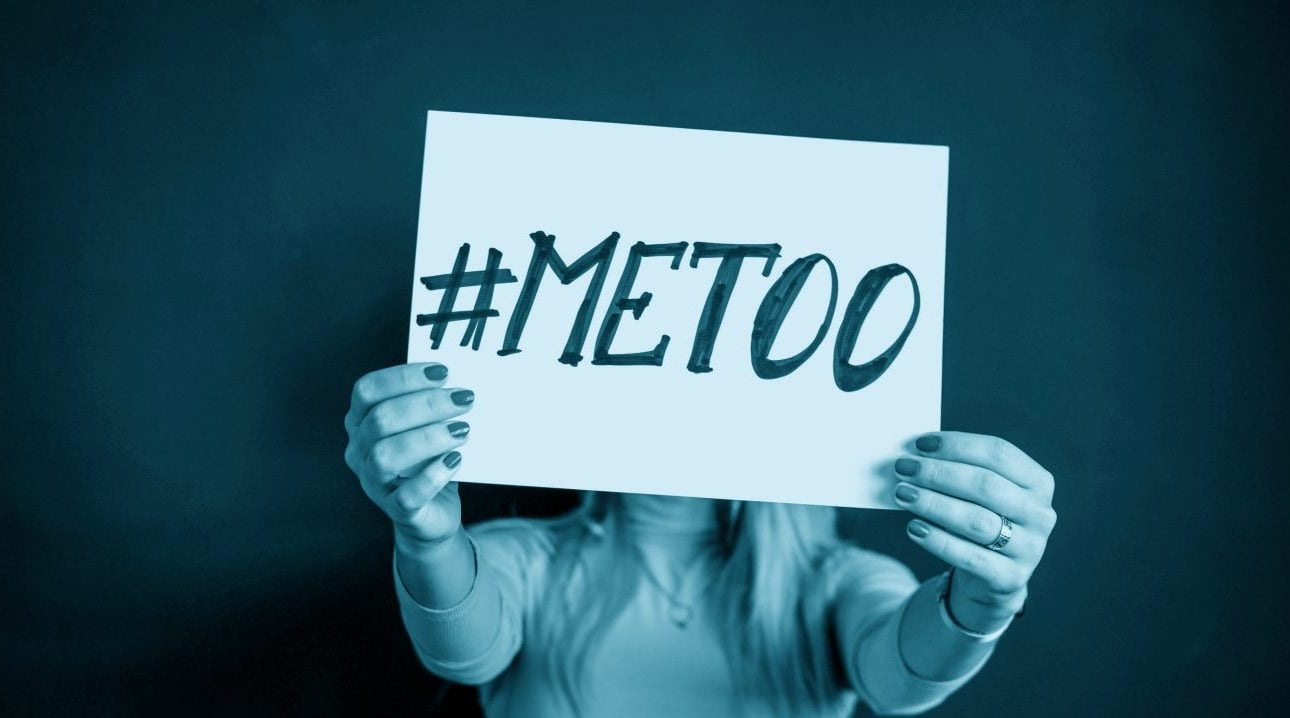
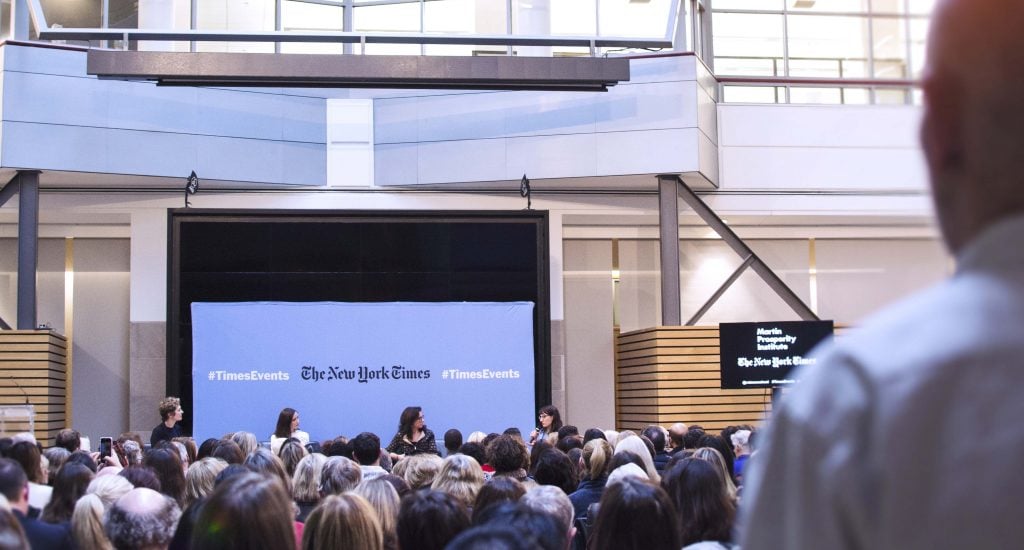
    Jodi Kantor is not one to hide from a challenge or a threat. Especially if it serves a story she is chasing. At the “Journalism and the #Metoo Moment” event hosted by GATE, The New York Times (NYT), and The Martin Prosperity Institute, Kantor described her experiences (alongside NYT’s Emily Steel and Jessica Bennett) working for months to expose the sexual harassment scandals of Bill O’Reilly and Harvey Weinstein. The latter of which exploded into a viral campaign to end sexual abuse and harassment globally – symbolized by #MeToo.

    During the standing-room-only event at Rotman’s Fleck Atrium moderated by the NYT’s Canada bureau chief Catherine Porter, the panelists not only detailed the lengthy process of building these stories, which included talking to over 200 people, following paper trails, and dealing with legal threats, but they also delved into the broader topic of the impact of the movement itself.

    Throughout the event, the panelists outlined a few key lessons-learned, and some outstanding insights.

    Harassment is not an individual experience.

    We are now recognizing that sexual harassment is, in fact, a collective experience; there is a pattern of harassment that is emerging in the mainstream consciousness. That recognition has empowered more victims to talk openly about their experiences and take action to protect others from future violence.

    We are starting to consider how we balance “due process” with swift condemnation.

    We are at the very beginning of a long and messy debate about how harassment is addressed. The backlash against the #MeToo movement is centred on the idea that the accused are too quickly found guilty in the court of public opinion. Should such allegations be made public before they are proven? Will change happen without public pressure? How can workplaces address harassment and what are the trade-offs? For example, many workplaces have a “zero tolerance” policy for harassment, which means that offenders will be punished quickly, but in mild cases, victims may not want to come forward because they worry the penalty will be too harsh on their colleague.  How can workplaces determine what constitutes a fireable offense versus a slap-on-the-hand?

    We need to talk about consent.

    The movement has encouraged a much-needed conversation about consent. For example, should a non-consensual dating experience (such as that described in the Aziz Ansari allegation) be considered assault? How do questions of masculinity and courtship rituals play into the issue of consent? What about the influence of pop culture? These are all significant questions that society, and particularly journalists covering the #MeToo movement, continue to work through.

    We need to support investigative journalism.

    The panelists also emphasized that in an age of Trump, when journalism is being attacked both ideologically and financially all over the world, individuals need to step up and support outlets that are producing investigative pieces, such as The New York Times.

    Critique is not necessarily “backlash.”

    When asked by an audience member about the “backlash” from the movement, Jodi Kantor specifically pointed out that we need to use this word carefully. Backlash, in her opinion, is the tide of change going in the reverse direction not necessarily critiques of the movement. Although there may be disagreements on the mechanics of how to end the issue of sexual harassment and abuse, there is still an overall agreement that A) it exists and B) it has to end.

    What does it mean that so many of the men who have been brought down with harassment allegations, such as Matt Lauer, Harvey Weinstein, Paul Haggis, Charlie Rose, Glenn Thrush, Russell Simmons, Senator Al Franken, etc., were the very men who shaped our culture and told our stories for decades?

    Once perpetrators of gender-based harassment and abuse are booted out of positions of power and influence, who will take their place? What in our culture will change?

    These panelists concluded that it may ultimately be women who step into the gaps left behind, and confront the dominant ideas, systems, and individuals that have led us to this point of reckoning.

    To read more about the #MeToo event, check out this summary by U of T News

    [/fusion_text][fusion_separator style_type=”none” hide_on_mobile=”small-visibility,medium-visibility,large-visibility” class=”” id=”” sep_color=”” top_margin=”50″ bottom_margin=”50″ border_size=”” icon=”” icon_circle=”” icon_circle_color=”” width=”” alignment=”center” /][fusion_button link=”https://www.gendereconomy.org/events/” text_transform=”” title=”” target=”_blank” link_attributes=”” alignment=”” modal=”” hide_on_mobile=”small-visibility,medium-visibility,large-visibility” class=”” id=”” color=”custom” button_gradient_top_color=”#62bd19″ button_gradient_bottom_color=”#62bd19″ button_gradient_top_color_hover=”#00c2e2″ button_gradient_bottom_color_hover=”#00c2e2″ accent_color=”” accent_hover_color=”” type=”” bevel_color=”” size=”” stretch=”yes” icon=”” icon_position=”left” icon_divider=”no” animation_type=”” animation_direction=”left” animation_speed=”0.3″ animation_offset=””]See more past events[/fusion_button][fusion_separator style_type=”none” hide_on_mobile=”small-visibility,medium-visibility,large-visibility” class=”” id=”” sep_color=”” top_margin=”20″ bottom_margin=”20″ border_size=”” icon=”” icon_circle=”” icon_circle_color=”” width=”” alignment=”center” /][fusion_title margin_top=”” margin_bottom=”” hide_on_mobile=”medium-visibility,large-visibility” class=”” id=”” size=”5″ content_align=”center” style_type=”default” sep_color=””]

    Or register below for these upcoming events

    [/fusion_title][fusion_recent_posts layout=”default” hover_type=”none” columns=”3″ number_posts=”3″ offset=”0″ pull_by=”category” cat_slug=”events” exclude_cats=”past” tag_slug=”” exclude_tags=”” thumbnail=”yes” title=”yes” meta=”no” meta_author=”no” meta_categories=”no” meta_date=”yes” meta_comments=”yes” meta_tags=”no” content_alignment=”” excerpt=”no” excerpt_length=”35″ strip_html=”yes” scrolling=”no” hide_on_mobile=”medium-visibility,large-visibility” class=”” id=”” animation_type=”” animation_direction=”left” animation_speed=”0.3″ animation_offset=”” /][/fusion_builder_column][/fusion_builder_row][/fusion_builder_container]
  • 16 Days of Activism Against Gender-Based Violence

    16 Days of Activism Against Gender-Based Violence

    [fusion_builder_container hundred_percent=”no” equal_height_columns=”no” menu_anchor=”” hide_on_mobile=”small-visibility,medium-visibility,large-visibility” class=”” id=”” background_color=”” background_image=”” background_position=”center center” background_repeat=”no-repeat” fade=”no” background_parallax=”none” parallax_speed=”0.3″ video_mp4=”” video_webm=”” video_ogv=”” video_url=”” video_aspect_ratio=”16:9″ video_loop=”yes” video_mute=”yes” overlay_color=”” video_preview_image=”” border_color=”” border_style=”solid” padding_top=”” padding_bottom=”” padding_left=”” padding_right=”” type=”legacy”][fusion_builder_row][fusion_builder_column type=”1_1″ layout=”1_1″ background_position=”left top” background_color=”” border_color=”” border_style=”solid” border_position=”all” spacing=”yes” background_image=”” background_repeat=”no-repeat” padding_top=”” padding_right=”” padding_bottom=”” padding_left=”” margin_top=”0px” margin_bottom=”0px” class=”” id=”” animation_type=”” animation_speed=”0.3″ animation_direction=”left” hide_on_mobile=”small-visibility,medium-visibility,large-visibility” center_content=”no” last=”true” min_height=”” hover_type=”none” link=”” border_sizes_top=”” border_sizes_bottom=”” border_sizes_left=”” border_sizes_right=”” first=”true”][fusion_text columns=”” column_min_width=”” column_spacing=”” rule_style=”” rule_size=”” rule_color=”” hue=”” saturation=”” lightness=”” alpha=”” content_alignment_medium=”” content_alignment_small=”” content_alignment=”” hide_on_mobile=”small-visibility,medium-visibility,large-visibility” sticky_display=”normal,sticky” class=”” id=”” margin_top=”” margin_right=”” margin_bottom=”” margin_left=”” fusion_font_family_text_font=”” fusion_font_variant_text_font=”” font_size=”” line_height=”” letter_spacing=”” text_transform=”” text_color=”” animation_type=”” animation_direction=”left” animation_color=”” animation_speed=”0.3″ animation_delay=”0″ animation_offset=”” logics=””]Mary Eberts, co-founder of LEAF (Women’s Legal Education and Action Fund), joined Professor Sarah Kaplan, Director, Institute for Gender + the Economy, in an on-stage discussion about gender-based violence.

    This event held on December 5, 2017, was co-hosted by the University of Toronto Faculty of Law.

    About the conversation

    As UN Women states, “From 25 November, the International Day for the Elimination of Violence against Women, to 10 December, Human Rights Day, the 16 Days of Activism against Gender-Based Violence Campaign is a time to galvanize action to end violence against women and girls around the world.” Gender-based violence is not only a civil rights issue, it is an economic issue.

    Mary Eberts, co-founder of LEAF (Women’s Legal Education and Action Fund) joined Professor Sarah Kaplan, Director, Institute for Gender + the Economy, in an on-stage discussion about sexual harassment and sexual violence. In it, we highlighted the personal costs to the person affected and her family, the social costs and the costs to organizations. We concluded that the formal legal system does not serve most women well and that other organizations, including unions, schools and employers can and must fill the gaps with their own systematic and fair approaches. We also reflected on the need for fundamental cultural change so that violence against women is eliminated.

    About Mary Eberts

    Educated at Western University and Harvard law schools, Mary Eberts has appeared as counsel to parties and interveners in the Supreme Court of Canada, Courts of Appeal and Superior Courts in Ontario and other provinces, the Federal Court and Court of Appeal, and before administrative tribunals and inquests across Canada. She was instrumental in securing the present language of section 15 of the Charter, and was one of the founders of the Women’s Legal Education and Action Fund (LEAF).  Since 1991, she has been litigation counsel to the Native Women’s Association of Canada (NWAC). In 2014, she was appointed Constitutional Litigator-in-Residence at the University of Toronto’s Faculty of Law.

    Her academic career includes the Gordon Henderson Chair in Human Rights at the University of Ottawa (2004-2005) and the Ariel Sallows Chair in Human Rights at the College of Law, University of Saskatchewan (2011 and 2012), where she taught courses in test case litigation. She has received the Law Society Medal, the Governor-General’s Award in Honour of the Persons’ Case, the Queen’s Diamond Jubilee Medal and several honorary degrees.[/fusion_text][fusion_separator style_type=”none” hide_on_mobile=”small-visibility,medium-visibility,large-visibility” class=”” id=”” sep_color=”” top_margin=”50″ bottom_margin=”50″ border_size=”” icon=”” icon_circle=”” icon_circle_color=”” width=”” alignment=”center” /][fusion_button link=”https://www.gendereconomy.org/events/” text_transform=”” title=”” target=”_blank” link_attributes=”” alignment=”” modal=”” hide_on_mobile=”small-visibility,medium-visibility,large-visibility” class=”” id=”” color=”custom” button_gradient_top_color=”#62bd19″ button_gradient_bottom_color=”#62bd19″ button_gradient_top_color_hover=”#00c2e2″ button_gradient_bottom_color_hover=”#00c2e2″ accent_color=”” accent_hover_color=”” type=”” bevel_color=”” size=”” stretch=”yes” icon=”” icon_position=”left” icon_divider=”no” animation_type=”” animation_direction=”left” animation_speed=”0.3″ animation_offset=””]See more past events[/fusion_button][fusion_separator style_type=”none” hide_on_mobile=”small-visibility,medium-visibility,large-visibility” class=”” id=”” sep_color=”” top_margin=”20″ bottom_margin=”20″ border_size=”” icon=”” icon_circle=”” icon_circle_color=”” width=”” alignment=”center” /][fusion_title margin_top=”” margin_bottom=”” hide_on_mobile=”medium-visibility,large-visibility” class=”” id=”” size=”5″ content_align=”center” style_type=”default” sep_color=””]

    Or register below for these upcoming events

    [/fusion_title][fusion_recent_posts layout=”default” hover_type=”none” columns=”3″ number_posts=”3″ offset=”0″ pull_by=”category” cat_slug=”events” exclude_cats=”past” tag_slug=”” exclude_tags=”” thumbnail=”yes” title=”yes” meta=”no” meta_author=”no” meta_categories=”no” meta_date=”yes” meta_comments=”yes” meta_tags=”no” content_alignment=”” excerpt=”no” excerpt_length=”35″ strip_html=”yes” scrolling=”no” hide_on_mobile=”medium-visibility,large-visibility” class=”” id=”” animation_type=”” animation_direction=”left” animation_speed=”0.3″ animation_offset=”” /][/fusion_builder_column][/fusion_builder_row][/fusion_builder_container]