Author: Salwa Iqbal

  • How Pay Gaps Lead to Durable Inequality

    How Pay Gaps Lead to Durable Inequality

    [fusion_builder_container type=”flex” hundred_percent=”no” equal_height_columns=”no” menu_anchor=”” hide_on_mobile=”small-visibility,medium-visibility,large-visibility” class=”” id=”” background_color=”” background_image=”” background_position=”center center” background_repeat=”no-repeat” fade=”no” background_parallax=”none” parallax_speed=”0.3″ video_mp4=”” video_webm=”” video_ogv=”” video_url=”” video_aspect_ratio=”16:9″ video_loop=”yes” video_mute=”yes” overlay_color=”” video_preview_image=”” border_color=”” border_style=”solid” padding_top=”” padding_bottom=”” padding_left=”” padding_right=””][fusion_builder_row][fusion_builder_column type=”1_1″ layout=”1_1″ background_position=”left top” background_color=”” border_color=”” border_style=”solid” border_position=”all” spacing=”yes” background_image=”” background_repeat=”no-repeat” padding_top=”” padding_right=”” padding_bottom=”” padding_left=”” margin_top=”0px” margin_bottom=”0px” class=”” id=”” animation_type=”” animation_speed=”0.3″ animation_direction=”left” hide_on_mobile=”small-visibility,medium-visibility,large-visibility” center_content=”no” last=”true” min_height=”” hover_type=”none” link=”” border_sizes_top=”” border_sizes_bottom=”” border_sizes_left=”” border_sizes_right=”” first=”true”][fusion_text columns=”” column_min_width=”” column_spacing=”” rule_style=”” rule_size=”” rule_color=”” hue=”” saturation=”” lightness=”” alpha=”” content_alignment_medium=”” content_alignment_small=”” content_alignment=”” hide_on_mobile=”small-visibility,medium-visibility,large-visibility” sticky_display=”normal,sticky” class=”” id=”” margin_top=”” margin_right=”” margin_bottom=”” margin_left=”” fusion_font_family_text_font=”” fusion_font_variant_text_font=”” font_size=”” line_height=”” letter_spacing=”” text_transform=”none” text_color=”” animation_type=”” animation_direction=”left” animation_color=”” animation_speed=”0.3″ animation_delay=”0″ animation_offset=”” logics=””]

    How Pay Gaps Lead to Durable Inequality

    Authors: András Tilcsik

    THE SOCIAL CLASS PAY GAP — the difference in earnings between people from lower-class versus upper-class origins — is a persistent issue that has been widely studied. A common theme in the findings to date is that because people growing up with upper-class parents have more economic, social and cultural advantages, they are likely to attain more education and a more prestigious job, both of which produce a higher income. What is striking is that even when controlling for education, occupational prestige and other variables, class origin still relates to personal income. In other words, people who grew up in lower-class families earn less than their peers who grew up in upper-class families, even when they are similar in education and occupational prestige. This is especially puzzling because the class pay gap appears to span the educational spectrum — from those who lack a university degree to those graduating with an MBA — suggesting the pay gap exists across low- to high-skilled occupations.

    Read the full article here

    [/fusion_text][/fusion_builder_column][/fusion_builder_row][/fusion_builder_container]
  • Feminist City 4.0 – Cities and Migration

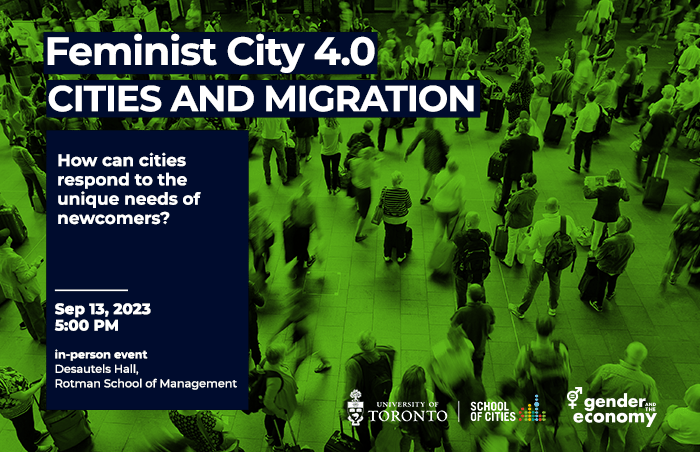
    Feminist City 4.0 – Cities and Migration


    Topic: Feminist City 4.0 – Cities and Migration

    To further explore questions of gender equity in relation to cities and migration, GATE and the University of Toronto’s School of Cities co-hosted the fourth event in our popular Feminist City series.

    Cities such as Toronto thrive on migration, and embracing newcomers is essential for a prosperous future. However, many immigrants, women in particular, often find themselves left behind when it comes to integration into the social and economic life of a city. We discussed topics around cities and migration with Sara Asayla, Executive Director of Newcomer Women’s Services Toronto (NEW), Tatiana Ferguson, co-founder of the Black Queer Youth Collective, Anna Triandafyllidou, Canada Excellence Research Chair in Migration and Integration at Toronto Metropolitan University (formerly Ryerson University), and Nicole Watson, Manager, Policing Reform and former Acting Director of the Newcomer Office at the City of Toronto Social Development, Finance and Administration division.

    They highlighted some key considerations that will be important to consider as our cities tackle issues related to immigration:

    • Social integration is a complex and multifaceted issue. For example, newcomers can face language barriers, which hinder their ability to access settlement support services and lead to delays in accessing healthcare.
    • The rising cost of living poses a significant challenge. Limited full-time job opportunities increase the barrier to accessing social support, making it almost impossible to maintain a good quality of life.
    • A new program model is needed to allow immigrants to gain Canadian experience through paid apprenticeships so that they can contribute to the economy with their valuable skills and education.
    • There needs to be an intergovernmental strategy for creating pathways for undocumented people to gain citizenship.
    • Support services for families who experience cultural differences are important. For example, support groups can be beneficial for parents navigating intergenerational cultural differences as they settle into Canadian life.
    • More involvement and engagement from the private sector are needed. Larger-sized businesses can be involved in settlement programs and offer internships and apprenticeship programs for newcomers to Canada.

    The panelists emphasized that all the actors in the spaces of migration and immigration can come together to provide a smoother and more seamless process of integration and resettlement; this includes religious organizations, charities, governmental sectors, the private sector, and universities and colleges.

    “Immigration is a gendered process, which means that immigrant women in the process of migration, settlement, (and) resettlement are impacted differently than men […] There were caring responsibilities, family roles, and dynamics. When we think about migration policies, they’re really connected to housing policy, access to childcare policies, […] access to job market, (where) immigrant women are more heavily represented in the care economy and jobs (that) are more precarious in nature, access to care, access to education… there are so many factors that make the immigration journey more difficult and complex.”

     – Sara Asalya, Feminist City 4.0

    Watch the panelists discuss the role of cities in ensuring a smooth immigration process.

    Additional resource: Report – Health and well-being among trans and non-binary immigrants & newcomers

    [fusion_separator style_type=”none” hide_on_mobile=”small-visibility,medium-visibility,large-visibility” top_margin=”20″ bottom_margin=”20″ alignment=”center” /][fusion_button link=”https://www.gendereconomy.org/events/” target=”_blank” hide_on_mobile=”small-visibility,medium-visibility,large-visibility” color=”custom” button_gradient_top_color=”#62bd19″ button_gradient_bottom_color=”#62bd19″ button_gradient_top_color_hover=”#00c2e2″ button_gradient_bottom_color_hover=”#00c2e2″ stretch=”yes” icon_position=”left” icon_divider=”no” animation_direction=”left” animation_speed=”0.3″]See more events[/fusion_button]

  • Breaking Barriers and Building Bridges conference

    Breaking Barriers and Building Bridges conference


    In November 2023, the Engendering Success in STEM Research Consortium (ESS Consortium) and GATE co-hosted the first-ever ESS: Breaking Barriers and Building Bridges (BBBB) conference.  The event brought together leaders from academia, industry, and government to generate new ideas and deepen existing collaborations for evidence-based interventions to promote gender inclusion in Science, Technology, Engineering, and Math (STEM).

    Key insights from the conference:


    Watch the conference:


    [fusion_builder_container hundred_percent=”no” equal_height_columns=”no” hide_on_mobile=”small-visibility,medium-visibility,large-visibility” background_position=”center center” background_repeat=”no-repeat” fade=”no” background_parallax=”none” parallax_speed=”0.3″ video_aspect_ratio=”16:9″ video_loop=”yes” video_mute=”yes” border_style=”solid” type=”legacy”][fusion_builder_row][fusion_builder_column type=”1_1″ layout=”1_1″ background_position=”left top” border_style=”solid” border_position=”all” spacing=”yes” background_repeat=”no-repeat” margin_top=”0px” margin_bottom=”0px” animation_speed=”0.3″ animation_direction=”left” hide_on_mobile=”small-visibility,medium-visibility,large-visibility” center_content=”no” last=”true” hover_type=”none” first=”true” min_height=”” link=”” background_blend_mode=”overlay”][fusion_text columns=”” column_min_width=”” column_spacing=”” rule_style=”” rule_size=”” rule_color=”” hue=”” saturation=”” lightness=”” alpha=”” content_alignment_medium=”” content_alignment_small=”” content_alignment=”” hide_on_mobile=”small-visibility,medium-visibility,large-visibility” sticky_display=”normal,sticky” class=”” id=”” margin_top=”” margin_right=”” margin_bottom=”” margin_left=”” fusion_font_family_text_font=”” fusion_font_variant_text_font=”” font_size=”” line_height=”” letter_spacing=”” text_transform=”none” text_color=”” animation_type=”” animation_direction=”left” animation_color=”” animation_speed=”0.3″ animation_delay=”0″ animation_offset=”” logics=””][/fusion_text][fusion_separator style_type=”none” hide_on_mobile=”small-visibility,medium-visibility,large-visibility” top_margin=”20″ bottom_margin=”20″ alignment=”center” /][fusion_button link=”https://www.gendereconomy.org/events/” target=”_blank” hide_on_mobile=”small-visibility,medium-visibility,large-visibility” color=”custom” button_gradient_top_color=”#62bd19″ button_gradient_bottom_color=”#62bd19″ button_gradient_top_color_hover=”#00c2e2″ button_gradient_bottom_color_hover=”#00c2e2″ stretch=”yes” icon_position=”left” icon_divider=”no” animation_direction=”left” animation_speed=”0.3″]See more events[/fusion_button][/fusion_builder_column][/fusion_builder_row][/fusion_builder_container]
  • 4 Short Talks About Next-Level Leadership

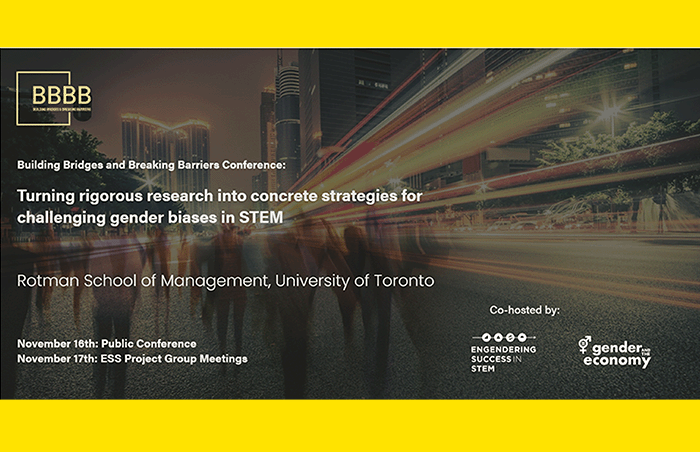
    4 Short Talks About Next-Level Leadership

    [fusion_builder_container hundred_percent=”no” equal_height_columns=”no” hide_on_mobile=”small-visibility,medium-visibility,large-visibility” background_position=”center center” background_repeat=”no-repeat” fade=”no” background_parallax=”none” parallax_speed=”0.3″ video_aspect_ratio=”16:9″ video_loop=”yes” video_mute=”yes” border_style=”solid” type=”legacy”][fusion_builder_row][fusion_builder_column type=”1_1″ layout=”1_1″ background_position=”left top” border_style=”solid” border_position=”all” spacing=”yes” background_repeat=”no-repeat” margin_top=”0px” margin_bottom=”0px” animation_speed=”0.3″ animation_direction=”left” hide_on_mobile=”small-visibility,medium-visibility,large-visibility” center_content=”no” last=”true” hover_type=”none” first=”true” min_height=”” link=”” background_blend_mode=”overlay”][fusion_text columns=”” column_min_width=”” column_spacing=”” rule_style=”” rule_size=”” rule_color=”” hue=”” saturation=”” lightness=”” alpha=”” content_alignment_medium=”” content_alignment_small=”” content_alignment=”” hide_on_mobile=”small-visibility,medium-visibility,large-visibility” sticky_display=”normal,sticky” class=”” id=”” margin_top=”” margin_right=”” margin_bottom=”” margin_left=”” fusion_font_family_text_font=”” fusion_font_variant_text_font=”” font_size=”” line_height=”” letter_spacing=”” text_transform=”none” text_color=”” animation_type=”” animation_direction=”left” animation_color=”” animation_speed=”0.3″ animation_delay=”0″ animation_offset=””]

    Topic: 4 Short Talks About Next-Level Leadership

    Speaker:

    Sonia Kang, Canada Research Chair in Identity, Diversity and Inclusion; Professor of Organizational Behaviour, University of Toronto Mississauga and Rotman School of Management.

    Nathan Furr, Associate Professor of Strategy, INSEAD; co-author The Upside of Uncertainty

    Susannah Harmon Furr, designer, entrepreneur, art historian; co-author The Upside of Uncertainty

    Poppy Jaman, OBE, Global CEO, MindForward Alliance

    Christopher Frank, VP of Global Marketplace Insights, American Express; Adjunct Professor, Columbia Business School; Co-author, Decisions Over Decimals

    Paul Magnone, Head of Global Strategic Alliances, Google; Adjunct Professor at Columbia Business School; Co-author, Decisions Over Decimals

    Oded Netzer, Vice Dean of Research; Samberg Professor of Business, Columbia Business School; Co-author, Decisions Over Decimals

    Date & Time: May 23 2023, 5-6PM EDT

    Location: Online

    PLEASE REGISTER HERE FOR THIS EVENT.

    Synopsis:

    No one knows what our disruptive world will throw at us next. But we can be certain of one thing: those who possess a repertoire of complementary competencies and mindsets will be most effective at leading their organizations through the turbulence. It’s time to take your leadership to the next level! Join us for 4 short talks from contributors to Rotman Management magazine’s spring issue.

    Event Logistics:

    This event is available to attend virtually via livestream.

    General Admission: Virtual Session + Spring Issue of Rotman Management

    • Rotman Events will email registrants a link to the virtual session. Your registration fee includes access to the virtual session, video replay for 30 days, a copy of the spring issue of Rotman Management Magazine and shipping fees. The magazine will be shipped to registrants after the session Please allow 3 – 4 weeks for delivery.

    General Admission: Virtual Session Only

    • Rotman Events will email registrants a link to the virtual session. Your registration includes access to the virtual session and video replay for 30 days.

    30-day Catch-up Viewing

    • Unable to attend the event due to scheduling conflicts? Not to worry. All registrants can access the full recording on-demand for one month after the session.

    Cancellation & Refund Policy

    • Refunds will only be issued for cancellations received in writing NO LATER than 24 hours prior to the session. Please email events@rotman.utoronto.ca for processing.

    Questions: events@rotman.utoronto.ca

    PLEASE REGISTER HERE FOR THIS EVENT.

    [/fusion_text][fusion_separator style_type=”none” hide_on_mobile=”small-visibility,medium-visibility,large-visibility” top_margin=”20″ bottom_margin=”20″ alignment=”center” /][fusion_button link=”https://www.gendereconomy.org/events/” target=”_blank” hide_on_mobile=”small-visibility,medium-visibility,large-visibility” color=”custom” button_gradient_top_color=”#62bd19″ button_gradient_bottom_color=”#62bd19″ button_gradient_top_color_hover=”#00c2e2″ button_gradient_bottom_color_hover=”#00c2e2″ stretch=”yes” icon_position=”left” icon_divider=”no” animation_direction=”left” animation_speed=”0.3″]See more events[/fusion_button][/fusion_builder_column][/fusion_builder_row][/fusion_builder_container]