Tag: Finance+investing

Research briefs, news, and event recaps related to finance and investing.

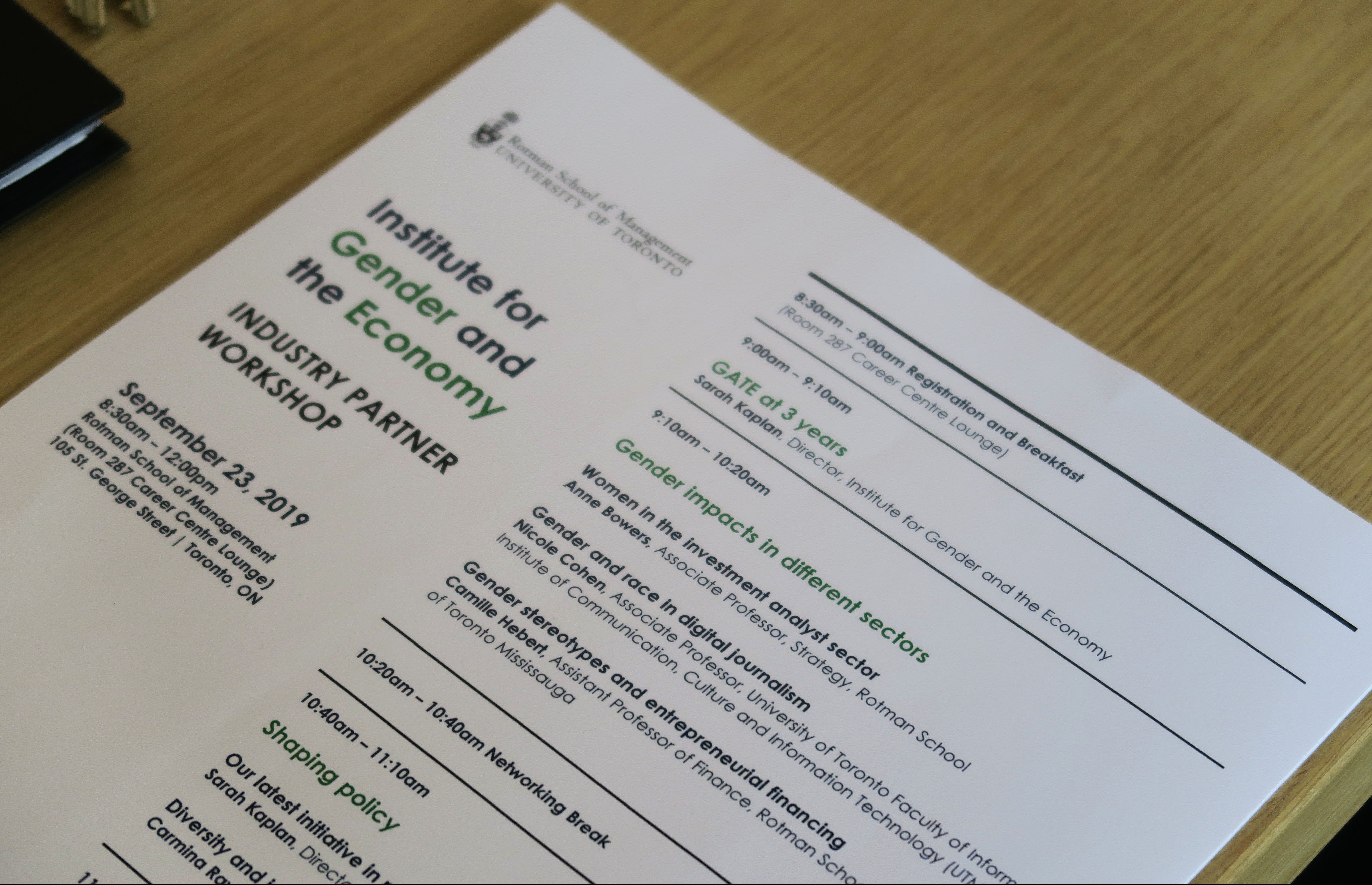
  • Industry Partner Workshop | September 2019

    Industry Partner Workshop | September 2019

    [fusion_builder_container hundred_percent=”no” equal_height_columns=”no” menu_anchor=”” hide_on_mobile=”small-visibility,medium-visibility,large-visibility” class=”” id=”” background_color=”” background_image=”” background_position=”center center” background_repeat=”no-repeat” fade=”no” background_parallax=”none” parallax_speed=”0.3″ video_mp4=”” video_webm=”” video_ogv=”” video_url=”” video_aspect_ratio=”16:9″ video_loop=”yes” video_mute=”yes” overlay_color=”” video_preview_image=”” border_size=”” border_color=”” border_style=”solid” padding_top=”” padding_bottom=”” padding_left=”” padding_right=””][fusion_builder_row][fusion_builder_column type=”1_1″ layout=”1_1″ background_position=”left top” background_color=”” border_size=”” border_color=”” border_style=”solid” border_position=”all” spacing=”yes” background_image=”” background_repeat=”no-repeat” padding_top=”” padding_right=”” padding_bottom=”” padding_left=”” margin_top=”0px” margin_bottom=”0px” class=”” id=”” animation_type=”” animation_speed=”0.3″ animation_direction=”left” hide_on_mobile=”small-visibility,medium-visibility,large-visibility” center_content=”no” last=”no” min_height=”” hover_type=”none” link=””][fusion_text columns=”” column_min_width=”” column_spacing=”” rule_style=”default” rule_size=”” rule_color=”” hide_on_mobile=”small-visibility,medium-visibility,large-visibility” class=”” id=””]

    Let’s change the conversation…

    A distinctive part of an industry partnership with GATE is to engage with university researchers on the cutting-edge topics of the day. Partners get a chance to learn about research in progress before it gets published and engage in dialogue with our researchers. In our fourth Industry Partner Workshop, researchers shared their latest insights on:

    • Women in the investment analyst sector
    • Gender and race in digital journalism
    • Gender stereotypes and entrepreneurial financing
    • Diversity and inclusion in small and medium enterprises

    In an exciting development, we also were able to share collaborative research on de-biasing job postings that we did jointly with one of our industry partners!

    Download key insights from the workshop, and a resource list, here.
    Are you interested in supporting our research as an Industry Partner? Find out more here.

    [/fusion_text][fusion_separator style_type=”none” hide_on_mobile=”small-visibility,medium-visibility,large-visibility” class=”” id=”” sep_color=”” top_margin=”25″ bottom_margin=”25″ border_size=”” icon=”” icon_circle=”” icon_circle_color=”” width=”” alignment=”center” /][fusion_button link=”https://www.gendereconomy.org/past-events/” text_transform=”” title=”” target=”_blank” link_attributes=”” alignment=”” modal=”” hide_on_mobile=”small-visibility,medium-visibility,large-visibility” class=”” id=”” color=”custom” button_gradient_top_color=”#62bd19″ button_gradient_bottom_color=”#62bd19″ button_gradient_top_color_hover=”#00c2e2″ button_gradient_bottom_color_hover=”#00c2e2″ accent_color=”” accent_hover_color=”” type=”” bevel_color=”” border_width=”” size=”” stretch=”yes” shape=”” icon=”” icon_position=”left” icon_divider=”no” animation_type=”” animation_direction=”left” animation_speed=”0.3″ animation_offset=””]See more past events[/fusion_button][fusion_separator style_type=”none” hide_on_mobile=”small-visibility,medium-visibility,large-visibility” class=”” id=”” sep_color=”” top_margin=”20″ bottom_margin=”20″ border_size=”” icon=”” icon_circle=”” icon_circle_color=”” width=”” alignment=”center” /][fusion_title margin_top=”” margin_bottom=”” hide_on_mobile=”medium-visibility,large-visibility” class=”” id=”” size=”5″ content_align=”center” style_type=”default” sep_color=””]

    Or register below for these upcoming events

    [/fusion_title][fusion_recent_posts layout=”default” hover_type=”none” columns=”3″ number_posts=”3″ offset=”0″ pull_by=”category” cat_slug=”events” exclude_cats=”past” tag_slug=”” exclude_tags=”” thumbnail=”yes” title=”yes” meta=”no” meta_author=”no” meta_categories=”no” meta_date=”yes” meta_comments=”yes” meta_tags=”no” content_alignment=”” excerpt=”no” excerpt_length=”35″ strip_html=”yes” scrolling=”no” hide_on_mobile=”medium-visibility,large-visibility” class=”” id=”” animation_type=”” animation_direction=”left” animation_speed=”0.3″ animation_offset=”” /][/fusion_builder_column][/fusion_builder_row][/fusion_builder_container]

  • Increasing gender diversity in capital markets

    Increasing gender diversity in capital markets

    [fusion_builder_container admin_label=”” hundred_percent=”no” equal_height_columns=”no” menu_anchor=”” hide_on_mobile=”small-visibility,medium-visibility,large-visibility” class=”” id=”” background_color=”” background_image=”” background_position=”center center” background_repeat=”no-repeat” fade=”no” background_parallax=”none” enable_mobile=”no” parallax_speed=”0.3″ video_mp4=”” video_webm=”” video_ogv=”” video_url=”” video_aspect_ratio=”16:9″ video_loop=”yes” video_mute=”yes” video_preview_image=”” border_size=”” border_color=”” border_style=”solid” margin_top=”20″ margin_bottom=”” padding_top=”” padding_right=”” padding_bottom=”” padding_left=””][fusion_builder_row][fusion_builder_column type=”3_4″ layout=”3_4″ spacing=”” center_content=”no” hover_type=”none” link=”” min_height=”” hide_on_mobile=”small-visibility,medium-visibility,large-visibility” class=”” id=”” background_color=”” background_image=”” background_position=”left top” background_repeat=”no-repeat” border_size=”0″ border_color=”” border_style=”solid” border_position=”all” padding_top=”” padding_right=”” padding_bottom=”” padding_left=”” margin_top=”” margin_bottom=”” animation_type=”” animation_direction=”left” animation_speed=”0.3″ animation_offset=”” last=”no”][fusion_text columns=”” column_min_width=”” column_spacing=”” rule_style=”default” rule_size=”” rule_color=”” hide_on_mobile=”small-visibility,medium-visibility,large-visibility” class=”” id=””]

    Introduction

    Women’s representation in capital markets has increased over the past few decades, but there has not been much change in leadership: these roles remain overwhelmingly filled by men. What contributes to this underrepresentation of women, and what can the industry do to improve it? The Institute for Gender and the Economy, in conjunction with Women in Capital Markets, hosted a panel discussion at Rotman School of Management in September 2018 to talk about these challenges.

    Moderated by Sarah Kaplan, Professor at Rotman and Director of the Institute for Gender and the Economy, the panel of four included Amber Choudhry, Managing Director, Debt Capital Markets at CIBC Capital Markets; Deland Kamanga, Head of Global Fixed Income Currencies and Commodities (FICC) within BMO Capital Markets; Loretta Marcoccia, SVP & Chief Administrative Officer, Global Capital Markets, Scotiabank; and Camilla Sutton, President and CEO of Women in Capital Markets. The panel discussed the progress the industry has made on gender equality, barriers that still exist, and the various initiatives that have been implemented in their workplaces to make them more inclusive. Below are key takeaways from the discussion.

    Family responsibilities are only one factor in women’s underrepresentation

    A lack of gender diversity in leadership is often attributed to the difficulties women face in continuing their careers after they take time off to have a family. Indeed, many workplaces do not accommodate employees who need flexibility for care responsibilities, which disproportionately affects women and their ability to progress at work. However, the panelists emphasized that this is just one cause of a lack of diversity. Diverse candidates face numerous other barriers, including discrimination, unconscious bias in hiring and promoting, and a lack of networks in the “Old Boys Clubs” that are common in male-dominated industries like capital markets.

    Managers do not take enough risks on women candidates

    Women tend to be stereotyped as risk-averse, and this stereotype is used to justify why they do not get ahead at work. It is important to reframe this conversation and consider how managers don’t take risks on women. That is, managers may be willing to promote men even if their qualifications aren’t a perfect match for a position, but won’t do the same for women. This bias should be recognized, rather than placing blame on women for not making the right career decisions. 

    Women tend to be stereotyped as risk-averse, and this stereotype is used to justify why they do not get ahead at work.

    Diversity and inclusion should not stop with gender

    In general, diversity initiatives have been shown to solely benefit white women. When asked how capital markets are making room for other underrepresented groups, like racialized women, panelists acknowledged that the primary focus for diversity tends to be on gender alone. There may be a gap in addressing underrepresentation of other minority groups, and moving forward, working to include these groups needs to be a priority.

    Diversity and inclusion initiatives in capital markets can be more innovative

    The panelists’ workplaces have implemented several different diversity initiatives, such as ensuring that every position has at least one minority candidate, and that interviewer panels include at least one woman. However, they also noted that these have not resulted in as much change as they would like, and discussed what they are doing to be more impactful. Ideas included:

    • Including diversity on leader scorecards: Increasing diversity is part of all leaders’ performance evaluations. For instance, leaders are required to expand the diversity of their personal networks. If they don’t perform well in this area, they face a financial penalty.
    • Conducting skills inventories: Managers decide on the necessary skills for every position, and do not stray from this framework of skills when hiring. This makes it less likely that candidates will be chosen based on biased criteria, like being a “good fit”.
    • Creating a position for a senior diversity and inclusion leader: A diversity and inclusion leader who is a respected senior member of the organization, and who is situated on the trading floor with other leaders, signals to employees that diversity and inclusion is highly valued.
    • Actively involving men: Workplace groups that aim to involve men in advancing gender equality, for example through formalized training, peer coaching, and online communities or discussion forums, can be strong tools for education.

    For women and other minority groups to find successful careers in this industry, there needs to be a shift in both the structure and culture.

    Conclusions

    Numerous factors contribute to the pronounced lack of diversity in capital markets, particularly in leadership. For women and other minority groups to find successful careers in this industry, there needs to be a shift in both the structure and culture of banks and financial service organizations. Potentially, this shift may come from more inventive and coordinated diversity and inclusion strategies, as well as a stronger emphasis on holding managers and leaders accountable for change.

    For more information about the “Women in Capital Markets” panel event, click here.
    To see a case study on this issue, click here.

    [/fusion_text][fusion_separator style_type=”none” hide_on_mobile=”small-visibility,medium-visibility,large-visibility” class=”” id=”” sep_color=”” top_margin=”20″ bottom_margin=”20″ border_size=”” icon=”” icon_circle=”” icon_circle_color=”” width=”” alignment=”center” /][fusion_button link=”https://www.gendereconomy.org/lessons-from-practice/” text_transform=”” title=”” target=”_blank” link_attributes=”” alignment=”” modal=”” hide_on_mobile=”small-visibility,medium-visibility,large-visibility” class=”” id=”” color=”custom” button_gradient_top_color=”#62bd19″ button_gradient_bottom_color=”#62bd19″ button_gradient_top_color_hover=”#00c2e2″ button_gradient_bottom_color_hover=”#00c2e2″ accent_color=”” accent_hover_color=”” type=”” bevel_color=”” border_width=”” size=”” stretch=”yes” shape=”” icon=”” icon_position=”left” icon_divider=”no” animation_type=”” animation_direction=”left” animation_speed=”0.3″ animation_offset=””]See more lessons from practice[/fusion_button][fusion_separator style_type=”none” hide_on_mobile=”small-visibility,medium-visibility,large-visibility” class=”” id=”” sep_color=”” top_margin=”20″ bottom_margin=”20″ border_size=”” icon=”” icon_circle=”” icon_circle_color=”” width=”” alignment=”center” /][fusion_recent_posts layout=”default” picture_size=”fixed” hover_type=”none” columns=”3″ number_posts=”3″ offset=”0″ pull_by=”category” cat_slug=”lessons-from-practice” exclude_cats=”” tag_slug=”” exclude_tags=”” thumbnail=”yes” title=”yes” meta=”no” meta_author=”no” meta_categories=”no” meta_date=”yes” meta_comments=”yes” meta_tags=”no” content_alignment=”” excerpt=”no” excerpt_length=”35″ strip_html=”yes” scrolling=”no” hide_on_mobile=”small-visibility,medium-visibility,large-visibility” class=”” id=”” animation_type=”” animation_direction=”left” animation_speed=”0.3″ animation_offset=”” /][/fusion_builder_column][fusion_builder_column type=”1_4″ layout=”1_4″ spacing=”” center_content=”no” hover_type=”none” link=”” min_height=”” hide_on_mobile=”small-visibility,medium-visibility,large-visibility” class=”” id=”” background_color=”” background_image=”” background_position=”left top” background_repeat=”no-repeat” border_size=”0″ border_color=”” border_style=”solid” border_position=”all” padding_top=”” padding_right=”” padding_bottom=”” padding_left=”” margin_top=”” margin_bottom=”” animation_type=”” animation_direction=”left” animation_speed=”0.3″ animation_offset=”” last=”no”][fusion_title hide_on_mobile=”small-visibility,medium-visibility,large-visibility” class=”briefsummary” id=”” content_align=”left” size=”3″ font_size=”” line_height=”” letter_spacing=”” margin_top=”” margin_bottom=”” margin_top_mobile=”” margin_bottom_mobile=”” text_color=”” style_type=”none” sep_color=””]

    Published

    August 2019

    Prepared by

    Carmina Ravanera

    [/fusion_title][fusion_widget_area name=”avada-custom-sidebar-researchbriefsidebar” title_size=”” title_color=”” background_color=”” padding_top=”” padding_right=”” padding_bottom=”” padding_left=”” hide_on_mobile=”small-visibility,medium-visibility,large-visibility” class=”” id=”” /][/fusion_builder_column][/fusion_builder_row][/fusion_builder_container]


  • Capital markets: Why so few women?

    Capital markets: Why so few women?

    [fusion_builder_container hundred_percent=”no” equal_height_columns=”no” menu_anchor=”” hide_on_mobile=”small-visibility,medium-visibility,large-visibility” class=”” id=”” background_color=”” background_image=”” background_position=”center center” background_repeat=”no-repeat” fade=”no” background_parallax=”none” parallax_speed=”0.3″ video_mp4=”” video_webm=”” video_ogv=”” video_url=”” video_aspect_ratio=”16:9″ video_loop=”yes” video_mute=”yes” overlay_color=”” video_preview_image=”” border_size=”” border_color=”” border_style=”solid” padding_top=”” padding_bottom=”” padding_left=”” padding_right=””][fusion_builder_row][fusion_builder_column type=”1_1″ layout=”1_1″ background_position=”left top” background_color=”” border_size=”” border_color=”” border_style=”solid” border_position=”all” spacing=”yes” background_image=”” background_repeat=”no-repeat” padding_top=”” padding_right=”” padding_bottom=”” padding_left=”” margin_top=”0px” margin_bottom=”0px” class=”” id=”” animation_type=”” animation_speed=”0.3″ animation_direction=”left” hide_on_mobile=”small-visibility,medium-visibility,large-visibility” center_content=”no” last=”no” min_height=”” hover_type=”none” link=””][fusion_text columns=”” column_min_width=”” column_spacing=”” rule_style=”default” rule_size=”” rule_color=”” hide_on_mobile=”small-visibility,medium-visibility,large-visibility” class=”” id=””]

    Overview

    This case was prepared by Alicia Riolino (MBA Fellow, Institute for Gender and the Economy), Sarah Kaplan (Professor of Strategic Management and Director, Institute for Gender and the Economy) and Camilla Sutton (CEO, Women in Capital Markets) and is based on a design sprint jointly hosted by both organizations in the fall of 2018 at the Rotman School of Management. (Learn more here.)

    This case would be useful for those interested in or teaching courses in:
    • Gender analysis in the business context
    • Financial services
    • Capital markets
    • Human resources
    • Women’s empowerment

    Introduction

    Capital markets move trillions of dollars within the global economy. Global debt markets are worth over USD 100 trillion, and global equity markets are approximately USD 64 trillion, earning combined revenues of over $670 billion in 2017. Investment banks, corporate banks, institutional investors and the broader financial services industry employ over 700,000 people in Canada and account for some of the highest paying jobs in the economy. Capital markets has a history of being highly male-dominated and a reputation for being unwelcoming and even discriminatory towards women.

    To increase representation and reduce turnover for women and other underrepresented groups, many banks and financial institutions have implemented diversity and inclusion hiring and retention programs. These programs have helped to improve hiring at junior levels, with some institutions hiring at a balanced workforce at entry levels. However, for most firms the results at the mid and senior levels are still lacking. While the number of women entering capital markets has increased, few are rising to the top or advancing beyond Associate and Vice President roles. The main interventions, such as mentoring programs, unconscious bias training and more systematic promotion processes, have not yielded strong results. Consequently, representation in leadership has been slow to increase. Capital markets organizations need an effective, long-term solution to retain diverse talent. The question is, how can capital markets foster an environment that is inclusive and supports career advancement for women as well as men? What can leaders or team members do to promote an environment that is hospitable for its workforce and supports diversity?

    To view and download the full case study, follow these instructions.

    [/fusion_text][/fusion_builder_column][/fusion_builder_row][/fusion_builder_container]

  • Closing the gender funding gap for women entrepreneurs

    Closing the gender funding gap for women entrepreneurs

    [fusion_builder_container admin_label=”” hundred_percent=”no” equal_height_columns=”no” menu_anchor=”” hide_on_mobile=”small-visibility,medium-visibility,large-visibility” class=”” id=”” background_color=”” background_image=”” background_position=”center center” background_repeat=”no-repeat” fade=”no” background_parallax=”none” enable_mobile=”no” parallax_speed=”0.3″ video_mp4=”” video_webm=”” video_ogv=”” video_url=”” video_aspect_ratio=”16:9″ video_loop=”yes” video_mute=”yes” video_preview_image=”” border_size=”” border_color=”” border_style=”solid” margin_top=”20″ margin_bottom=”” padding_top=”” padding_right=”” padding_bottom=”” padding_left=””][fusion_builder_row][fusion_builder_column type=”3_4″ layout=”3_4″ spacing=”” center_content=”no” hover_type=”none” link=”” min_height=”” hide_on_mobile=”small-visibility,medium-visibility,large-visibility” class=”” id=”” background_color=”” background_image=”” background_position=”left top” background_repeat=”no-repeat” border_size=”0″ border_color=”” border_style=”solid” border_position=”all” padding_top=”” padding_right=”” padding_bottom=”” padding_left=”” margin_top=”” margin_bottom=”” animation_type=”” animation_direction=”left” animation_speed=”0.3″ animation_offset=”” last=”no”][fusion_text columns=”” column_min_width=”” column_spacing=”” rule_style=”default” rule_size=”” rule_color=”” hide_on_mobile=”small-visibility,medium-visibility,large-visibility” class=”” id=””]

    Summary

    Men entrepreneurs tend to raise more money for their startups than women entrepreneurs. In fact, research has shown that only 2% of venture capital financing in the United States is allotted to women founders, even though women-founded companies make up 40% of private companies in the United States. This research investigates how this gender gap in funding occurs, and how to close it. Through a field study at an annual startup launch competition from 2010 to 2016, and a subsequent controlled experiment with investors, the authors discovered that:

    • Investors tend to ask men entrepreneurs “promotion” questions (related to the potential for growth) and ask women entrepreneurs “prevention” questions (related to the potential for loss or failure).
    • The entrepreneurs who predominantly received promotion questions received significantly more funding than those who predominantly received prevention questions.
    • To close the gap, investors can be more balanced in how they question men and women entrepreneurs. Additionally, women entrepreneurs can answer prevention questions in a promotion-focused way, i.e. pivot from a question about loss potential to an answer about growth potential instead.

    Only 2% of venture capital funding is allotted to women founders, even though women-founded companies make up 40% of private companies in the US.

    Research

    The authors in this study use the regulatory focus theory to explain the gender gap in startup funding. Regulatory focus theory suggests that there are two motivations in goal-directed behaviour: 1) promotion, which focuses on attaining gains, and 2) prevention, which focuses on maintaining non-losses. For example, a promotion question related to customers would be, “How do you want to acquire customers?” A prevention question would be, “How long do customers stay?”

    The authors theorized that during venture capitalist question and answer sessions investors are more likely to ask promotion questions to men entrepreneurs and prevention questions to women entrepreneurs. In turn, men and women answer in a promotion and prevention-focused way, respectively. Men are then perceived as driven towards growth and advancement, while women are perceived as concerned with losses and safety. The authors hypothesized that since a prevention focus casts doubt on an entrepreneurs’ abilities, this behaviour thus reduces women’s funding outcomes.

    To investigate, the authors first conducted a field study analyzing video footage of question and answer interactions between venture capitalists and entrepreneurs at TechCrunch Disrupt Startup Battlefield, a competition for companies to gain investor funding. The footage was of yearly competitions from 2010 to 2016 and included 189 companies with a demonstrated need for venture capital. Question and answer sessions lasted the same amount of time for each company. The authors analyzed both the types of questions asked and the gender of speakers, and finally, how these factors may have affected funding outcomes.

    The second study was a controlled experiment, where the authors gave a survey to 194 angel investors and 106 potential seed investors. In the survey, investors received a scenario where they could allocate funding to four ventures based on how the ventures’ founders responded to ten questions. The questions and answers were presented as audio scripts consisting of different combinations of male and female voices, as well as promotion and prevention-focused questions and answers.

    Findings

    Study 1: The perceived gender of an entrepreneur influenced what types of question investors asked, and in turn, the funds that the entrepreneur received. Women entrepreneurs received significantly more prevention questions than promotion questions. Further, entrepreneurs who predominantly received promotion questions raised an average of $16.8 million, while those who predominantly received prevention questions raised an average of $2.3 million—a difference of over 7 times. For every additional prevention question asked, entrepreneurs received $3.8 million less funding. This occurred even when controlling for startup age, startup quality score, past experience, and capital needs.

    Study 2: Angel investors allocated 2 times more funding to entrepreneurs with promotion questions and answers, compared to those with prevention questions and answers. However, when entrepreneurs gave a promotion answer to a prevention question, they received 1.6 to 1.7 times more funding than those who gave a prevention answer to a prevention question. This suggests that entrepreneurs can avoid the disadvantages of prevention questions by answering them in a growth-oriented way.

    Women entrepreneurs received more prevention rather than promotion questions, and thus missed significant funding opportunites.

    Implications

    • Both men and women investors need to recognize implicit gender bias–While some have suggested that increasing the number of women investors may increase funding for women entrepreneurs, this study found that regardless of their gender, investors asked promotion questions to men and prevention questions to women. Both men and women investors should recognize their preconceived uncertainties about women’s businesses, and balance their questioning accordingly. Research has suggested that standardized questions can interrupt bias in job interviews. This lesson might usefully be applied in venture capital Q&A sessions where investors could ask both promotion and prevention questions of all ventures. Research has suggested that standardized questions can interrupt bias in job interviews. This lesson might usefully be applied in venture capital Q&A sessions where investors could ask both promotion and prevention questions of all ventures.
    • Women entrepreneurs can modify their answers to mitigate the gender funding gap–Although the implicit gender bias at the root of the funding gap needs to change, this research implies that women entrepreneurs can gain more funding by answering prevention questions with a promotion focus. For instance, if an entrepreneur is asked about how she plans to defend her company’s market share in a competitive market, she could answer by explaining how the company can uniquely gain an advantage in such a fast-growing market.

    [/fusion_text][fusion_separator style_type=”none” hide_on_mobile=”small-visibility,medium-visibility,large-visibility” class=”” id=”” sep_color=”” top_margin=”20″ bottom_margin=”20″ border_size=”” icon=”” icon_circle=”” icon_circle_color=”” width=”” alignment=”center” /][fusion_button link=”https://www.gendereconomy.org/research-briefs/” text_transform=”” title=”” target=”_blank” link_attributes=”” alignment=”” modal=”” hide_on_mobile=”small-visibility,medium-visibility,large-visibility” class=”” id=”” color=”custom” button_gradient_top_color=”#62bd19″ button_gradient_bottom_color=”#62bd19″ button_gradient_top_color_hover=”#00c2e2″ button_gradient_bottom_color_hover=”#00c2e2″ accent_color=”” accent_hover_color=”” type=”” bevel_color=”” border_width=”” size=”” stretch=”yes” shape=”” icon=”” icon_position=”left” icon_divider=”no” animation_type=”” animation_direction=”left” animation_speed=”0.3″ animation_offset=””]See more research briefs[/fusion_button][fusion_separator style_type=”none” hide_on_mobile=”small-visibility,medium-visibility,large-visibility” class=”” id=”” sep_color=”” top_margin=”20″ bottom_margin=”20″ border_size=”” icon=”” icon_circle=”” icon_circle_color=”” width=”” alignment=”center” /][fusion_recent_posts layout=”default” hover_type=”none” columns=”3″ number_posts=”3″ offset=”0″ pull_by=”category” cat_slug=”research-briefs” exclude_cats=”” tag_slug=”” exclude_tags=”” thumbnail=”yes” title=”yes” meta=”no” meta_author=”no” meta_categories=”no” meta_date=”yes” meta_comments=”yes” meta_tags=”no” content_alignment=”” excerpt=”no” excerpt_length=”35″ strip_html=”yes” scrolling=”no” hide_on_mobile=”small-visibility,medium-visibility,large-visibility” class=”” id=”” animation_type=”” animation_direction=”left” animation_speed=”0.3″ animation_offset=”” /][/fusion_builder_column][fusion_builder_column type=”1_4″ layout=”1_4″ spacing=”” center_content=”no” hover_type=”none” link=”” min_height=”” hide_on_mobile=”small-visibility,medium-visibility,large-visibility” class=”” id=”” background_color=”” background_image=”” background_position=”left top” background_repeat=”no-repeat” border_size=”0″ border_color=”” border_style=”solid” border_position=”all” padding_top=”” padding_right=”” padding_bottom=”” padding_left=”” margin_top=”” margin_bottom=”” animation_type=”” animation_direction=”left” animation_speed=”0.3″ animation_offset=”” last=”no”][fusion_title hide_on_mobile=”small-visibility,medium-visibility,large-visibility” class=”briefsummary” id=”” content_align=”left” size=”3″ font_size=”” line_height=”” letter_spacing=”” margin_top=”” margin_bottom=”” margin_top_mobile=”” margin_bottom_mobile=”” text_color=”” style_type=”none” sep_color=””]

    Title

    We Ask Men to Win and Women Not to Lose: Closing the Gender Gap in Startup Funding

    Authors

    Dana Kanze, Laura Huang, Mark A. Conley and E. Tory Higgins

    Source

    Academy of Management Journal

    Published

    2018

    DOI

    10.5465/amj.2016.1215

    Link

    https://journals.aom.org/doi/10.5465/amj.2016.1215

    Research brief prepared by

    Carmina Ravanera

    [/fusion_title][fusion_widget_area name=”avada-custom-sidebar-researchbriefsidebar” title_size=”” title_color=”” background_color=”” padding_top=”” padding_right=”” padding_bottom=”” padding_left=”” hide_on_mobile=”small-visibility,medium-visibility,large-visibility” class=”” id=”” /][/fusion_builder_column][/fusion_builder_row][/fusion_builder_container]

  • Industry Partner Workshop | March 2019

    Industry Partner Workshop | March 2019

    [fusion_builder_container hundred_percent=”no” equal_height_columns=”no” menu_anchor=”” hide_on_mobile=”small-visibility,medium-visibility,large-visibility” class=”” id=”” background_color=”” background_image=”” background_position=”center center” background_repeat=”no-repeat” fade=”no” background_parallax=”none” parallax_speed=”0.3″ video_mp4=”” video_webm=”” video_ogv=”” video_url=”” video_aspect_ratio=”16:9″ video_loop=”yes” video_mute=”yes” overlay_color=”” video_preview_image=”” border_color=”” border_style=”solid” padding_top=”” padding_bottom=”” padding_left=”” padding_right=”” type=”legacy”][fusion_builder_row][fusion_builder_column type=”1_1″ layout=”1_1″ background_position=”left top” background_color=”” border_color=”” border_style=”solid” border_position=”all” spacing=”yes” background_image=”” background_repeat=”no-repeat” padding_top=”” padding_right=”” padding_bottom=”” padding_left=”” margin_top=”0px” margin_bottom=”0px” class=”” id=”” animation_type=”” animation_speed=”0.3″ animation_direction=”left” hide_on_mobile=”small-visibility,medium-visibility,large-visibility” center_content=”no” last=”true” min_height=”” hover_type=”none” link=”” border_sizes_top=”” border_sizes_bottom=”” border_sizes_left=”” border_sizes_right=”” first=”true”][fusion_text columns=”” column_min_width=”” column_spacing=”” rule_style=”default” rule_size=”” rule_color=”” hide_on_mobile=”small-visibility,medium-visibility,large-visibility” class=”” id=””]

    Let’s change the conversation…

    A distinctive part of an industry partnership with GATE is to engage with university researchers on the cutting-edge topics of the day. In our third Industry Partner Workshop, we welcomed GATE-funded researchers to share their latest insights on the following topics:

    • Financial decision-making and the “gender investment gap”
    • Immigrant women in STEM
    • Gender bias in evaluations
    • Retirement contributions
    • Covering in job applications
    • Reporting sexual harassment

    Our researchers guided participants through a series of talks on these issues and presented their latest findings.

    Download key insights from the workshop, and a resource list, here.

    Participants listen at the Industry Partner Meeting

    Are you interested in supporting our research as an Industry Partner? Find out more here.

    [/fusion_text][fusion_separator style_type=”none” hide_on_mobile=”small-visibility,medium-visibility,large-visibility” class=”” id=”” sep_color=”” top_margin=”25″ bottom_margin=”25″ border_size=”” icon=”” icon_circle=”” icon_circle_color=”” width=”” alignment=”center” /][fusion_button link=”https://www.gendereconomy.org/past-events/” text_transform=”” title=”” target=”_blank” link_attributes=”” alignment=”” modal=”” hide_on_mobile=”small-visibility,medium-visibility,large-visibility” class=”” id=”” color=”custom” button_gradient_top_color=”#62bd19″ button_gradient_bottom_color=”#62bd19″ button_gradient_top_color_hover=”#00c2e2″ button_gradient_bottom_color_hover=”#00c2e2″ accent_color=”” accent_hover_color=”” type=”” bevel_color=”” size=”” stretch=”yes” icon=”” icon_position=”left” icon_divider=”no” animation_type=”” animation_direction=”left” animation_speed=”0.3″ animation_offset=””]See more past events[/fusion_button][fusion_separator style_type=”none” hide_on_mobile=”small-visibility,medium-visibility,large-visibility” class=”” id=”” sep_color=”” top_margin=”20″ bottom_margin=”20″ border_size=”” icon=”” icon_circle=”” icon_circle_color=”” width=”” alignment=”center” /][fusion_title margin_top=”” margin_bottom=”” hide_on_mobile=”medium-visibility,large-visibility” class=”” id=”” size=”5″ content_align=”center” style_type=”default” sep_color=””]

    Or register below for these upcoming events

    [/fusion_title][fusion_recent_posts layout=”default” hover_type=”none” columns=”3″ number_posts=”3″ offset=”0″ pull_by=”category” cat_slug=”events” exclude_cats=”past” tag_slug=”” exclude_tags=”” thumbnail=”yes” title=”yes” meta=”no” meta_author=”no” meta_categories=”no” meta_date=”yes” meta_comments=”yes” meta_tags=”no” content_alignment=”” excerpt=”no” excerpt_length=”35″ strip_html=”yes” scrolling=”no” hide_on_mobile=”medium-visibility,large-visibility” class=”” id=”” animation_type=”” animation_direction=”left” animation_speed=”0.3″ animation_offset=”” /][/fusion_builder_column][/fusion_builder_row][/fusion_builder_container]

  • The personal finance gender divide

    The personal finance gender divide

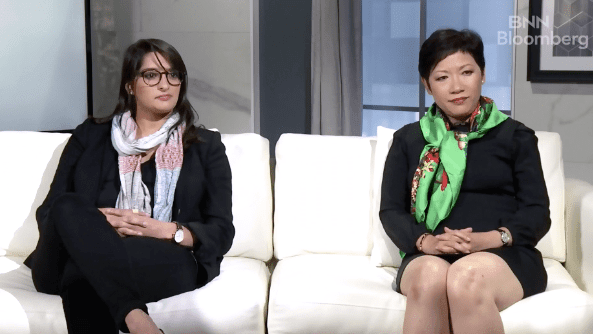
    GATE-funded researcher and Rotman Assistant Professor, Avni Shah, joined Rowena Chan, head of financial planning at TD Wealth, to discuss a new survey that suggests men and women are different in their approach to investing, budgeting, and personal finance. The panel for BNN Bloomberg’s “Money Talk,” looked at the financial needs of “Lisa,” a new mother who was having trouble finding the time to manage her financial future.