
New disclosure rules show 45 per cent of Canada companies have all-male boards, and there’s been little change in this over the past year.
Author: Gender and the Economy
-

What Women Add to Boards
Women board members were likely to bring a half-dozen important skills that hadn’t been well-represented on their boards before their arrival, a study found.
-
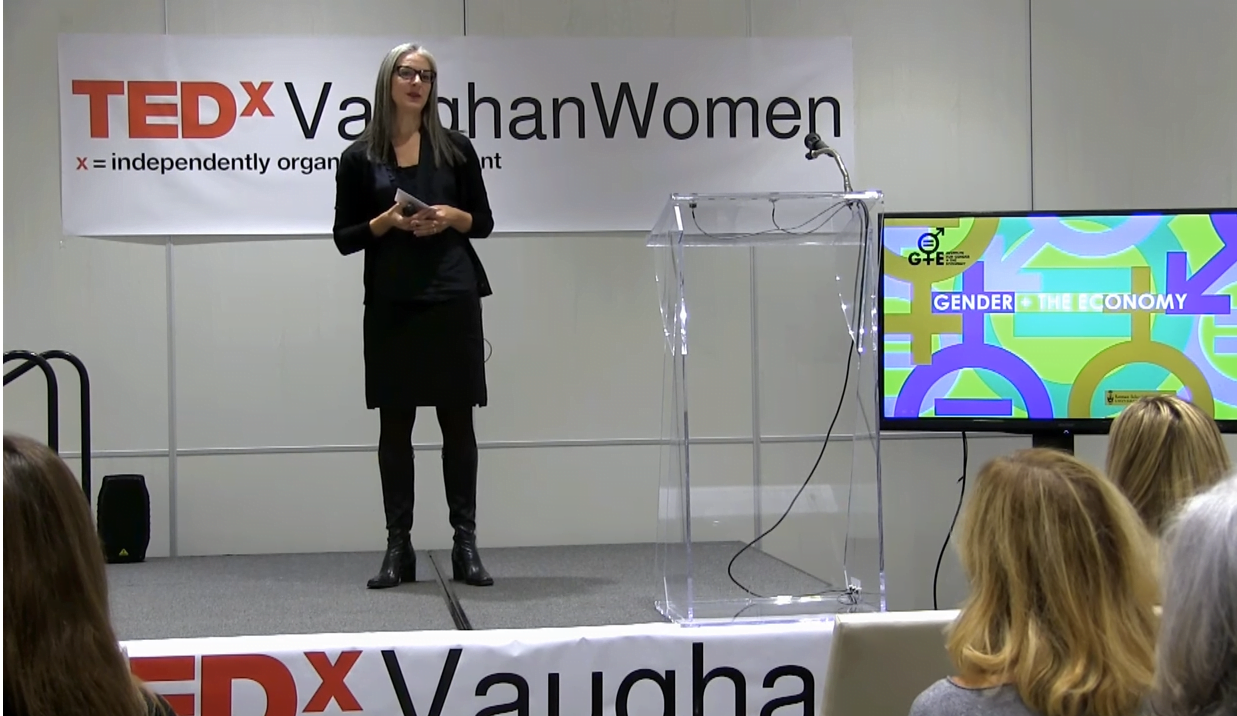
TEDx: Gender equality as an innovation challenge
[fusion_builder_container hundred_percent=”no” equal_height_columns=”no” menu_anchor=”” hide_on_mobile=”small-visibility,medium-visibility,large-visibility” class=”” id=”” background_color=”” background_image=”” background_position=”center center” background_repeat=”no-repeat” fade=”no” background_parallax=”none” parallax_speed=”0.3″ video_mp4=”” video_webm=”” video_ogv=”” video_url=”” video_aspect_ratio=”16:9″ video_loop=”yes” video_mute=”yes” overlay_color=”” video_preview_image=”” border_color=”” border_style=”solid” padding_top=”” padding_bottom=”” padding_left=”” padding_right=”” type=”legacy”][fusion_builder_row][fusion_builder_column type=”1_1″ layout=”1_1″ background_position=”left top” background_color=”” border_color=”” border_style=”solid” border_position=”all” spacing=”yes” background_image=”” background_repeat=”no-repeat” padding_top=”” padding_right=”” padding_bottom=”” padding_left=”” margin_top=”0px” margin_bottom=”0px” class=”” id=”” animation_type=”” animation_speed=”0.3″ animation_direction=”left” hide_on_mobile=”small-visibility,medium-visibility,large-visibility” center_content=”no” last=”true” min_height=”” hover_type=”none” link=”” border_sizes_top=”” border_sizes_bottom=”” border_sizes_left=”” border_sizes_right=”” first=”true”][fusion_text columns=”” column_min_width=”” column_spacing=”” rule_style=”” rule_size=”” rule_color=”” hue=”” saturation=”” lightness=”” alpha=”” content_alignment_medium=”” content_alignment_small=”” content_alignment=”” hide_on_mobile=”small-visibility,medium-visibility,large-visibility” sticky_display=”normal,sticky” class=”” id=”” margin_top=”” margin_right=”” margin_bottom=”” margin_left=”” fusion_font_family_text_font=”” fusion_font_variant_text_font=”” font_size=”” line_height=”” letter_spacing=”” text_transform=”” text_color=”” animation_type=”” animation_direction=”left” animation_color=”” animation_speed=”0.3″ animation_delay=”0″ animation_offset=”” logics=””]Frustrated with the lack of progress towards gender equality in the economy, proponents of diversity are building the “business case” for action. But, the “business case” may do more harm than good by sending signals that women need to be better than men in order to be included in corporate leadership, as investors or as entrepreneurs.
About the Event
In this TEDx talk on October 27, 2016, Sarah Kaplan shows how the myth of meritocracy unintentionally reinforces privilege and blocks further moves towards gender equality. She also suggests that if we treat the diversity challenge as an innovation problem, we can make progress.
About TEDx
In the spirit of TED’s mission, “ideas worth spreading,” the TEDx program helps communities, organizations and individuals produce TED-style events at the local level. TEDx events are planned and coordinated independently, on a community-by-community basis, under a free license from TED.
About the Speaker
Sarah Kaplan is University of Toronto Distinguished Professor of Gender and the Economy, Professor of Strategic Management and Director of the Institute for Gender + the Eco. She is author of the business bestseller, Creative Destruction which challenges the myth of sustainable competitive advantage. Her current research continues this exploration of how organizations participate in and respond to the emergence of new fields, examining biotechnology, fiber optics, financial services, nanotechnology and the field emerging at the nexus of gender and finance. Her interest in gender lens investing is in understanding how whole new ecosystems can be built. She recently authored “The Risky Rhetoric of Female Risk Aversion,” “Meritocracy: From Myth to Reality,” and “The Rise of Gender Capitalism.” Formerly a professor at the Wharton School, University of Pennsylvania, and a consultant for nearly a decade at McKinsey & Company, she received her PhD from the Sloan School of Management at MIT.[/fusion_text][fusion_separator style_type=”none” hide_on_mobile=”small-visibility,medium-visibility,large-visibility” class=”” id=”” sep_color=”” top_margin=”50″ bottom_margin=”50″ border_size=”” icon=”” icon_circle=”” icon_circle_color=”” width=”” alignment=”center” /][fusion_button link=”https://www.gendereconomy.org/events/” text_transform=”” title=”” target=”_blank” link_attributes=”” alignment=”” modal=”” hide_on_mobile=”small-visibility,medium-visibility,large-visibility” class=”” id=”” color=”custom” button_gradient_top_color=”#62bd19″ button_gradient_bottom_color=”#62bd19″ button_gradient_top_color_hover=”#00c2e2″ button_gradient_bottom_color_hover=”#00c2e2″ accent_color=”” accent_hover_color=”” type=”” bevel_color=”” size=”” stretch=”yes” icon=”” icon_position=”left” icon_divider=”no” animation_type=”” animation_direction=”left” animation_speed=”0.3″ animation_offset=””]See more past events[/fusion_button][fusion_separator style_type=”none” hide_on_mobile=”small-visibility,medium-visibility,large-visibility” class=”” id=”” sep_color=”” top_margin=”20″ bottom_margin=”20″ border_size=”” icon=”” icon_circle=”” icon_circle_color=”” width=”” alignment=”center” /][fusion_title margin_top=”” margin_bottom=”” hide_on_mobile=”medium-visibility,large-visibility” class=”” id=”” size=”5″ content_align=”center” style_type=”default” sep_color=””]
Or register below for these upcoming events
[/fusion_title][fusion_recent_posts layout=”default” hover_type=”none” columns=”3″ number_posts=”3″ offset=”0″ pull_by=”category” cat_slug=”events” exclude_cats=”past” tag_slug=”” exclude_tags=”” thumbnail=”yes” title=”yes” meta=”no” meta_author=”no” meta_categories=”no” meta_date=”yes” meta_comments=”yes” meta_tags=”no” content_alignment=”” excerpt=”no” excerpt_length=”35″ strip_html=”yes” scrolling=”no” hide_on_mobile=”medium-visibility,large-visibility” class=”” id=”” animation_type=”” animation_direction=”left” animation_speed=”0.3″ animation_offset=”” /][/fusion_builder_column][/fusion_builder_row][/fusion_builder_container]
-

Tackling the Gender Gap in Entrepreneurship
As tough as it is for talented women to climb the corporate ladder as compared to men, female entrepreneurs may have it even harder. Some VCs claim that if women were pitching high-quality businesses, the meritocracy would duly reward them. But recent research shows that all else being equal, men still fare better than women.
-

The Risky Rhetoric of Female Risk Aversion
Foundations, corporations, multilateral organizations, and others promoting economic development are increasingly targeting women, in part because women are seen as less likely to engage in risky behavior and more likely to use money prudently. But this stereotype, although seemingly beneficial, can lead to discrimination against women and produce unequal outcomes.
-

Catherine Mayer on the “Attack of the Fifty Foot Women”
[fusion_builder_container hundred_percent=”no” equal_height_columns=”no” menu_anchor=”” hide_on_mobile=”small-visibility,medium-visibility,large-visibility” class=”” id=”” background_color=”” background_image=”” background_position=”center center” background_repeat=”no-repeat” fade=”no” background_parallax=”none” parallax_speed=”0.3″ video_mp4=”” video_webm=”” video_ogv=”” video_url=”” video_aspect_ratio=”16:9″ video_loop=”yes” video_mute=”yes” overlay_color=”” video_preview_image=”” border_color=”” border_style=”solid” padding_top=”” padding_bottom=”” padding_left=”” padding_right=”” type=”legacy”][fusion_builder_row][fusion_builder_column type=”1_1″ layout=”1_1″ background_position=”left top” background_color=”” border_color=”” border_style=”solid” border_position=”all” spacing=”yes” background_image=”” background_repeat=”no-repeat” padding_top=”” padding_right=”” padding_bottom=”” padding_left=”” margin_top=”0px” margin_bottom=”0px” class=”” id=”” animation_type=”” animation_speed=”0.3″ animation_direction=”left” hide_on_mobile=”small-visibility,medium-visibility,large-visibility” center_content=”no” last=”true” min_height=”” hover_type=”none” link=”” border_sizes_top=”” border_sizes_bottom=”” border_sizes_left=”” border_sizes_right=”” first=”true”][fusion_text columns=”” column_min_width=”” column_spacing=”” rule_style=”” rule_size=”” rule_color=”” hue=”” saturation=”” lightness=”” alpha=”” content_alignment_medium=”” content_alignment_small=”” content_alignment=”” hide_on_mobile=”small-visibility,medium-visibility,large-visibility” sticky_display=”normal,sticky” class=”” id=”” margin_top=”” margin_right=”” margin_bottom=”” margin_left=”” fusion_font_family_text_font=”” fusion_font_variant_text_font=”” font_size=”” line_height=”” letter_spacing=”” text_transform=”” text_color=”” animation_type=”” animation_direction=”left” animation_color=”” animation_speed=”0.3″ animation_delay=”0″ animation_offset=”” logics=””]If gender equality promises benefits to everyone, why aren’t we embracing it?
Are politicians such as Angela Merkel, Theresa May and Hillary Clinton, and public figures including Beyoncé, the 50-foot women we need to save the day?
Catherine Mayer tackled those questions and more in Attack of the Fifty Foot Women: How Gender Equality Can Save the World! on April 26, 2017.
About the book:
Catherine Mayer’s book, Attack of the Fifty Foot Women, takes readers through her years as a journalist and as Editor at Large for TIME magazine, her experiences in forming the Women’s Equality Party, and insightful research into the global reality of gender inequality.
Mayer says:
“You may have noticed a popular refrain in public life at the moment: ‘Men have made a mess. We need women of stature to clear it up’. This book tests that proposition and asks what else the power of women, unleashed, might achieve. A lot of research points to the economic benefits of increasing female participation but what else would change? Are Equalians happier? What’s going on in Equalian homes and workplaces? Who’s looking after the children? Does the air smell cleaner? What’s on TV? It wasn’t until I started advocating for gender equality on doorsteps and at meetings of the Women’s Equality Party that I realized everyone struggles to imagine a gender equal society because nowhere on the planet does such a society exist. My book works to plug that gap.”
Through deep and sometimes hilarious accounts of her own journey, as well as studies and interviews with experts and leaders in diverse fields, Mayer illuminates the obstacles holding women back and how much women contribute in the face of these daily setbacks. She also reveals her visions of a truly gender-balanced society—a place that she calls “Equalia,” and shows readers how to get there.
About the author:
Catherine Mayer is a bestselling British author and journalist, and the co-founder of the Women’s Equality Party (WE) in the UK.[/fusion_text][fusion_separator style_type=”none” hide_on_mobile=”small-visibility,medium-visibility,large-visibility” class=”” id=”” sep_color=”” top_margin=”50″ bottom_margin=”50″ border_size=”” icon=”” icon_circle=”” icon_circle_color=”” width=”” alignment=”center” /][fusion_button link=”https://www.gendereconomy.org/events/” text_transform=”” title=”” target=”_blank” link_attributes=”” alignment=”” modal=”” hide_on_mobile=”small-visibility,medium-visibility,large-visibility” class=”” id=”” color=”custom” button_gradient_top_color=”#62bd19″ button_gradient_bottom_color=”#62bd19″ button_gradient_top_color_hover=”#00c2e2″ button_gradient_bottom_color_hover=”#00c2e2″ accent_color=”” accent_hover_color=”” type=”” bevel_color=”” size=”” stretch=”yes” icon=”” icon_position=”left” icon_divider=”no” animation_type=”” animation_direction=”left” animation_speed=”0.3″ animation_offset=””]See more past events[/fusion_button][fusion_separator style_type=”none” hide_on_mobile=”small-visibility,medium-visibility,large-visibility” class=”” id=”” sep_color=”” top_margin=”20″ bottom_margin=”20″ border_size=”” icon=”” icon_circle=”” icon_circle_color=”” width=”” alignment=”center” /][fusion_title margin_top=”” margin_bottom=”” hide_on_mobile=”medium-visibility,large-visibility” class=”” id=”” size=”5″ content_align=”center” style_type=”default” sep_color=””]
Or register below for these upcoming events
[/fusion_title][fusion_recent_posts layout=”default” hover_type=”none” columns=”3″ number_posts=”3″ offset=”0″ pull_by=”category” cat_slug=”events” exclude_cats=”past” tag_slug=”” exclude_tags=”” thumbnail=”yes” title=”yes” meta=”no” meta_author=”no” meta_categories=”no” meta_date=”yes” meta_comments=”yes” meta_tags=”no” content_alignment=”” excerpt=”no” excerpt_length=”35″ strip_html=”yes” scrolling=”no” hide_on_mobile=”medium-visibility,large-visibility” class=”” id=”” animation_type=”” animation_direction=”left” animation_speed=”0.3″ animation_offset=”” /][/fusion_builder_column][/fusion_builder_row][/fusion_builder_container]
-

Aaron Dhir on “Challenging Boardroom Homogeneity”
[fusion_builder_container hundred_percent=”no” equal_height_columns=”no” menu_anchor=”” hide_on_mobile=”small-visibility,medium-visibility,large-visibility” class=”” id=”” background_color=”” background_image=”” background_position=”center center” background_repeat=”no-repeat” fade=”no” background_parallax=”none” parallax_speed=”0.3″ video_mp4=”” video_webm=”” video_ogv=”” video_url=”” video_aspect_ratio=”16:9″ video_loop=”yes” video_mute=”yes” overlay_color=”” video_preview_image=”” border_color=”” border_style=”solid” padding_top=”” padding_bottom=”” padding_left=”” padding_right=”” type=”legacy”][fusion_builder_row][fusion_builder_column type=”1_1″ layout=”1_1″ background_position=”left top” background_color=”” border_color=”” border_style=”solid” border_position=”all” spacing=”yes” background_image=”” background_repeat=”no-repeat” padding_top=”” padding_right=”” padding_bottom=”” padding_left=”” margin_top=”0px” margin_bottom=”0px” class=”” id=”” animation_type=”” animation_speed=”0.3″ animation_direction=”left” hide_on_mobile=”small-visibility,medium-visibility,large-visibility” center_content=”no” last=”true” min_height=”” hover_type=”none” link=”” border_sizes_top=”” border_sizes_bottom=”” border_sizes_left=”” border_sizes_right=”” first=”true”][fusion_text columns=”” column_min_width=”” column_spacing=”” rule_style=”” rule_size=”” rule_color=”” hue=”” saturation=”” lightness=”” alpha=”” content_alignment_medium=”” content_alignment_small=”” content_alignment=”” hide_on_mobile=”small-visibility,medium-visibility,large-visibility” sticky_display=”normal,sticky” class=”” id=”” margin_top=”” margin_right=”” margin_bottom=”” margin_left=”” fusion_font_family_text_font=”” fusion_font_variant_text_font=”” font_size=”” line_height=”” letter_spacing=”” text_transform=”” text_color=”” animation_type=”” animation_direction=”left” animation_color=”” animation_speed=”0.3″ animation_delay=”0″ animation_offset=”” logics=””]Aaron Dhir presented the findings of his latest book: Challenging Boardroom Homogeneity: Corporate Law, Governance, and Diversity.
About the Book:
The lack of gender parity in the governance of business corporations has ignited a heated global debate leading policymakers to wrestle with difficult questions that lie at the intersection of market activity and social identity politics. Drawing on semi-structured interviews with corporate board directors in Norway and documentary content analysis of corporate securities filings in the United States, Challenging Boardroom Homogeneity empirically investigates two distinct regulatory models designed to address diversity in the boardroom: quotas and disclosure. The author’s study of the Norwegian quota model demonstrates the important role diversity can play in enhancing the quality of corporate governance, while also revealing the challenges diversity mandates pose. His analysis of the U.S. regime shows how a disclosure model has led corporations to establish a vocabulary of “diversity.” At the same time, the analysis highlights the downsides of affording firms too much discretion in defining that concept. This book deepens ongoing policy conversations and offers new insights into the role law can play in reshaping the gendered dynamics of corporate governance cultures.
About the Author:
Aaron Dhir is an Associate Professor at Osgoode Hall Law School. His scholarly interests centre on corporate law, governance, theory, and accountability. He was the 2013–2014 Canadian Bicentennial Visiting Professor of Law at Yale Law School, as well as a Global Justice Senior Fellow at the Yale MacMillan Center. He has also served as a Visiting Professor at Stanford Law School and as a Visiting Scholar at Harvard University, the University of Oxford, Berkeley Law School, and University College London. Professor Dhir is the author of Challenging Boardroom Homogeneity: Corporate Law, Governance, and Diversity (Cambridge University Press, 2015; paperback edition, 2016) and has published widely in scholarly journals. He has contributed opinion pieces to The Atlantic, The Globe & Mail, and The Toronto Star, and his research findings have been covered by The New York Times, The Wall Street Journal, The Washington Post, The Harvard Business Review, Forbes, Newsweek, Pacific Standard, The Globe & Mail, The Financial Post, The Toronto Star, National Public Radio, CBC Radio-Canada, The Seattle Times, The Hartford Courant, Lexpert Magazine, TheStreet, El Mercurio (Chile), and ThinkProgress. Professor Dhir has participated as an invited expert in some of the most significant policy reform initiatives in his areas of expertise, including those convened by the Government of Canada, the Ontario Securities Commission, and the former United Nations Special Representative on Business and Human Rights. He began his professional career with one of Canada’s leading business law firms. He then made a shift to social justice advocacy and has acted on cases up to and including the Supreme Court of Canada.[/fusion_text][fusion_separator style_type=”none” hide_on_mobile=”small-visibility,medium-visibility,large-visibility” class=”” id=”” sep_color=”” top_margin=”50″ bottom_margin=”50″ border_size=”” icon=”” icon_circle=”” icon_circle_color=”” width=”” alignment=”center” /][fusion_button link=”https://www.gendereconomy.org/events/” text_transform=”” title=”” target=”_blank” link_attributes=”” alignment=”” modal=”” hide_on_mobile=”small-visibility,medium-visibility,large-visibility” class=”” id=”” color=”custom” button_gradient_top_color=”#62bd19″ button_gradient_bottom_color=”#62bd19″ button_gradient_top_color_hover=”#00c2e2″ button_gradient_bottom_color_hover=”#00c2e2″ accent_color=”” accent_hover_color=”” type=”” bevel_color=”” size=”” stretch=”yes” icon=”” icon_position=”left” icon_divider=”no” animation_type=”” animation_direction=”left” animation_speed=”0.3″ animation_offset=””]See more past events[/fusion_button][fusion_separator style_type=”none” hide_on_mobile=”small-visibility,medium-visibility,large-visibility” class=”” id=”” sep_color=”” top_margin=”20″ bottom_margin=”20″ border_size=”” icon=”” icon_circle=”” icon_circle_color=”” width=”” alignment=”center” /][fusion_title margin_top=”” margin_bottom=”” hide_on_mobile=”medium-visibility,large-visibility” class=”” id=”” size=”5″ content_align=”center” style_type=”default” sep_color=””]
Or register below for these upcoming events
[/fusion_title][fusion_recent_posts layout=”default” hover_type=”none” columns=”3″ number_posts=”3″ offset=”0″ pull_by=”category” cat_slug=”events” exclude_cats=”past” tag_slug=”” exclude_tags=”” thumbnail=”yes” title=”yes” meta=”no” meta_author=”no” meta_categories=”no” meta_date=”yes” meta_comments=”yes” meta_tags=”no” content_alignment=”” excerpt=”no” excerpt_length=”35″ strip_html=”yes” scrolling=”no” hide_on_mobile=”medium-visibility,large-visibility” class=”” id=”” animation_type=”” animation_direction=”left” animation_speed=”0.3″ animation_offset=”” /][/fusion_builder_column][/fusion_builder_row][/fusion_builder_container]
-
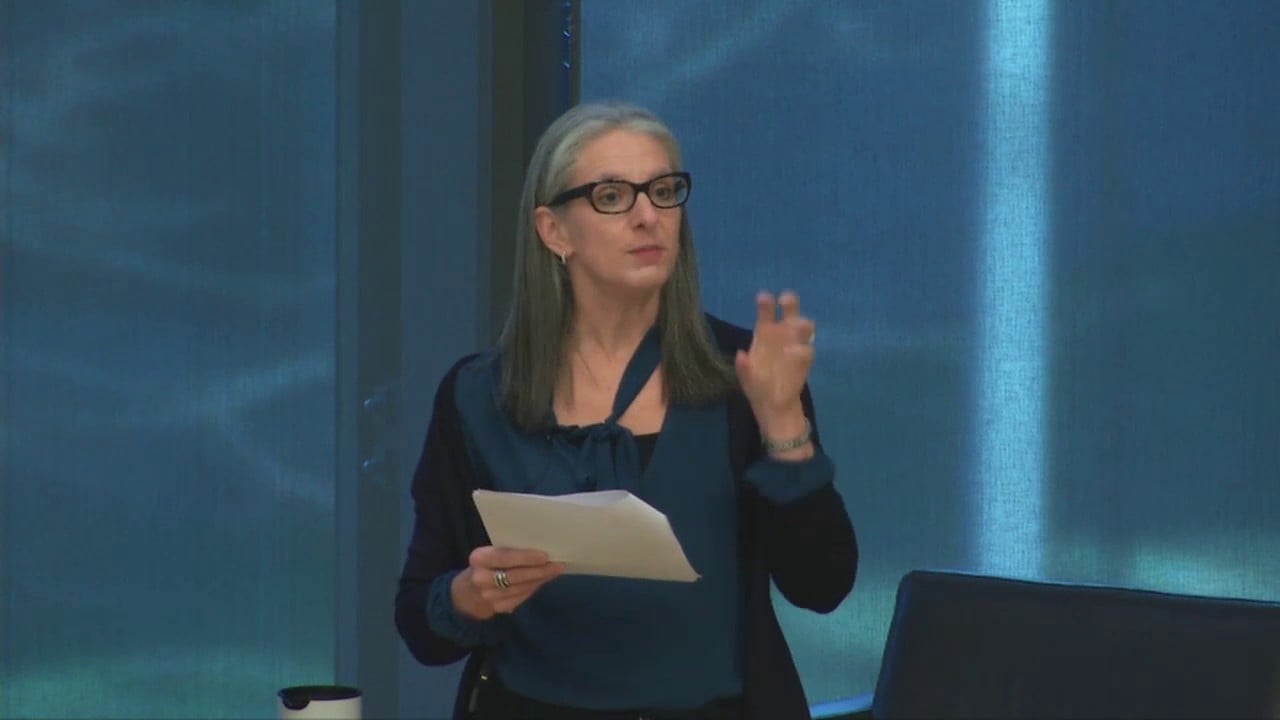
Gender, Equity and Prosperity: A panel discussion on Equal Pay Day
[fusion_builder_container hundred_percent=”no” equal_height_columns=”no” menu_anchor=”” hide_on_mobile=”small-visibility,medium-visibility,large-visibility” class=”” id=”” background_color=”” background_image=”” background_position=”center center” background_repeat=”no-repeat” fade=”no” background_parallax=”none” parallax_speed=”0.3″ video_mp4=”” video_webm=”” video_ogv=”” video_url=”” video_aspect_ratio=”16:9″ video_loop=”yes” video_mute=”yes” overlay_color=”” video_preview_image=”” border_color=”” border_style=”solid” padding_top=”” padding_bottom=”” padding_left=”” padding_right=”” type=”legacy”][fusion_builder_row][fusion_builder_column type=”1_1″ layout=”1_1″ background_position=”left top” background_color=”” border_color=”” border_style=”solid” border_position=”all” spacing=”yes” background_image=”” background_repeat=”no-repeat” padding_top=”” padding_right=”” padding_bottom=”” padding_left=”” margin_top=”0px” margin_bottom=”0px” class=”” id=”” animation_type=”” animation_speed=”0.3″ animation_direction=”left” hide_on_mobile=”small-visibility,medium-visibility,large-visibility” center_content=”no” last=”true” min_height=”” hover_type=”none” link=”” border_sizes_top=”” border_sizes_bottom=”” border_sizes_left=”” border_sizes_right=”” first=”true”][fusion_text columns=”” column_min_width=”” column_spacing=”” rule_style=”” rule_size=”” rule_color=”” hue=”” saturation=”” lightness=”” alpha=”” content_alignment_medium=”” content_alignment_small=”” content_alignment=”” hide_on_mobile=”small-visibility,medium-visibility,large-visibility” sticky_display=”normal,sticky” class=”” id=”” margin_top=”” margin_right=”” margin_bottom=”” margin_left=”” fusion_font_family_text_font=”” fusion_font_variant_text_font=”” font_size=”” line_height=”” letter_spacing=”” text_transform=”” text_color=”” animation_type=”” animation_direction=”left” animation_color=”” animation_speed=”0.3″ animation_delay=”0″ animation_offset=”” logics=””]An April 18, 2017, a panel discussion commemorating Equal Pay Day with Emanuela Heyninck, Ontario Pay Equity Commissioner, Jamison Steeve, Director, Institute for Competitiveness and Prosperity, Victoria Budson, Executive Director, Women and Public Policy Program (WAPPP) at Harvard’s Kennedy School, moderated by Sarah Kaplan, Director of the Institute for Gender + the Economy discussed five themes cutting across policy insights from the pay equity commission and research on prosperity.
Themes:
Gender wage gap
Childcare
Parental leave (maternity and paternity)
Education/skills development
Business norms and practices.About the speakers:
Emanuela Heyninck, Ontario Pay Equity Commissioner.
In April of 2015, Ms. Heyninck was one of four individuals appointed by the government to the Gender Wage Gap Strategy Steering Committee, which is conducting research and seeking public input into solutions to close the gender wage gap in Ontario. The Committee’s recommendations will be submitted to the Minister of Labour in the spring of 2016. Ms. Heyninck is immediate Past President of the Society of Adjudicators and Regulators and has served on several of SOAR’s committees and on the Board of Director and Executive. She is a member of several Advisory Councils, including Conestoga College and the University of Western Ontario Student Law Clinic and is a mentor at Brescia College. She holds an Hon. B.A. in Italian and French from McMaster University and a Bachelor of Laws from the University of Windsor. Before her appointment to the Pay Equity Commission, she practiced civil, family and administrative law in London, Ontario for 25 years.
Jamison Steeve, Executive Director, Institute for Competitiveness and Prosperity
Jamison is the Executive Director at the Martin Prosperity Institute and the Institute for Competitiveness and Prosperity, two of Canada’s leading think tanks. Jamison is responsible for the day to day operation of both institutes, as well as the development of the strategic plan, communication vehicles and policy agenda. Since joining the ICP, Jamison has increased the pace and impact of the Institute’s work. The ICP has covered a wide range of topics including health care, infrastructure, scaling up businesses, and the utility of government grants in attracting businesses to Ontario.
Victoria Budson, Executive Director, Women and Public Policy Program (WAPPP) at Harvard’s Kennedy School
WAPPP is the leading institution for advancing interdisciplinary research on approaches to closing gender gaps, educating students and leaders on gender policy, and implementing policy changes at local, state, and national levels. Budson speaks regularly on topics related to closing gender gaps such as gender and public policy, electoral politics and political action. She also addresses how diversity and gender equality improve the profitability of corporations and the prosperity of families and society. In her work, she focuses on evidence-based methods that are proven to improve diversity and gender equality in the workplace.[/fusion_text][fusion_separator style_type=”none” hide_on_mobile=”small-visibility,medium-visibility,large-visibility” class=”” id=”” sep_color=”” top_margin=”50″ bottom_margin=”50″ border_size=”” icon=”” icon_circle=”” icon_circle_color=”” width=”” alignment=”center” /][fusion_button link=”https://www.gendereconomy.org/events/” text_transform=”” title=”” target=”_blank” link_attributes=”” alignment=”” modal=”” hide_on_mobile=”small-visibility,medium-visibility,large-visibility” class=”” id=”” color=”custom” button_gradient_top_color=”#62bd19″ button_gradient_bottom_color=”#62bd19″ button_gradient_top_color_hover=”#00c2e2″ button_gradient_bottom_color_hover=”#00c2e2″ accent_color=”” accent_hover_color=”” type=”” bevel_color=”” size=”” stretch=”yes” icon=”” icon_position=”left” icon_divider=”no” animation_type=”” animation_direction=”left” animation_speed=”0.3″ animation_offset=””]See more past events[/fusion_button][fusion_separator style_type=”none” hide_on_mobile=”small-visibility,medium-visibility,large-visibility” class=”” id=”” sep_color=”” top_margin=”20″ bottom_margin=”20″ border_size=”” icon=”” icon_circle=”” icon_circle_color=”” width=”” alignment=”center” /][fusion_title margin_top=”” margin_bottom=”” hide_on_mobile=”medium-visibility,large-visibility” class=”” id=”” size=”5″ content_align=”center” style_type=”default” sep_color=””]
Or register below for these upcoming events
[/fusion_title][fusion_recent_posts layout=”default” hover_type=”none” columns=”3″ number_posts=”3″ offset=”0″ pull_by=”category” cat_slug=”events” exclude_cats=”past” tag_slug=”” exclude_tags=”” thumbnail=”yes” title=”yes” meta=”no” meta_author=”no” meta_categories=”no” meta_date=”yes” meta_comments=”yes” meta_tags=”no” content_alignment=”” excerpt=”no” excerpt_length=”35″ strip_html=”yes” scrolling=”no” hide_on_mobile=”medium-visibility,large-visibility” class=”” id=”” animation_type=”” animation_direction=”left” animation_speed=”0.3″ animation_offset=”” /][/fusion_builder_column][/fusion_builder_row][/fusion_builder_container]
-
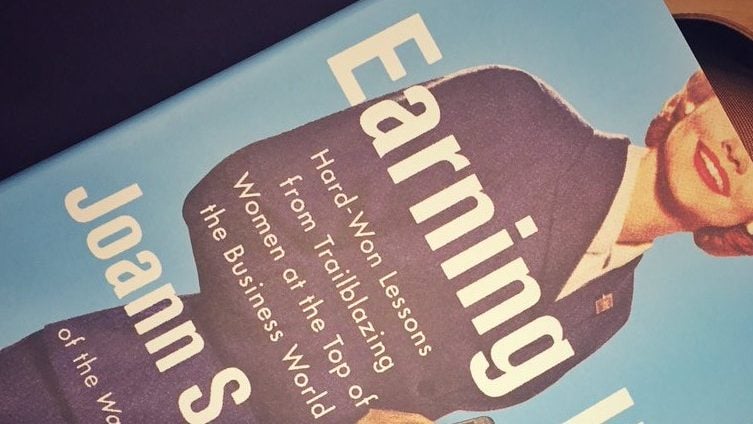
Joann S. Lublin on “Earning It: Hard-Won Lessons from Trailblazing Women”
[fusion_builder_container hundred_percent=”no” equal_height_columns=”no” menu_anchor=”” hide_on_mobile=”small-visibility,medium-visibility,large-visibility” class=”” id=”” background_color=”” background_image=”” background_position=”center center” background_repeat=”no-repeat” fade=”no” background_parallax=”none” parallax_speed=”0.3″ video_mp4=”” video_webm=”” video_ogv=”” video_url=”” video_aspect_ratio=”16:9″ video_loop=”yes” video_mute=”yes” overlay_color=”” video_preview_image=”” border_color=”” border_style=”solid” padding_top=”” padding_bottom=”” padding_left=”” padding_right=”” type=”legacy”][fusion_builder_row][fusion_builder_column type=”1_1″ layout=”1_1″ background_position=”left top” background_color=”” border_color=”” border_style=”solid” border_position=”all” spacing=”yes” background_image=”” background_repeat=”no-repeat” padding_top=”” padding_right=”” padding_bottom=”” padding_left=”” margin_top=”0px” margin_bottom=”0px” class=”” id=”” animation_type=”” animation_speed=”0.3″ animation_direction=”left” hide_on_mobile=”small-visibility,medium-visibility,large-visibility” center_content=”no” last=”true” min_height=”” hover_type=”none” link=”” border_sizes_top=”” border_sizes_bottom=”” border_sizes_left=”” border_sizes_right=”” first=”true”][fusion_text columns=”” column_min_width=”” column_spacing=”” rule_style=”” rule_size=”” rule_color=”” hue=”” saturation=”” lightness=”” alpha=”” content_alignment_medium=”” content_alignment_small=”” content_alignment=”” hide_on_mobile=”small-visibility,medium-visibility,large-visibility” sticky_display=”normal,sticky” class=”” id=”” margin_top=”” margin_right=”” margin_bottom=”” margin_left=”” fusion_font_family_text_font=”” fusion_font_variant_text_font=”” font_size=”” line_height=”” letter_spacing=”” text_transform=”” text_color=”” animation_type=”” animation_direction=”left” animation_color=”” animation_speed=”0.3″ animation_delay=”0″ animation_offset=”” logics=””]More than fifty trailblazing executive women who broke the corporate glass ceiling offer inspiring and surprising insights and lessons in this essential, in-the-trenches career guide from Joann S. Lublin, a Pulitzer-Prize winning journalist, and management news editor for The Wall Street Journal.
Book synopsis:
More than fifty trailblazing executive women who broke the corporate glass ceiling offer inspiring and surprising insights and lessons in this essential, in-the-trenches career guide from Joann S. Lublin, a Pulitzer-Prize winning journalist and management news editor for The Wall Street Journal. Among the first female reporters at The Wall Street Journal, Joann S. Lublin faced a number of uphill battles in her career. She became deputy bureau chief of the WSJ’s important London bureau, its first run by women. Now, she and dozens of other women who successfully navigated the corporate battlefield share their valuable leadership lessons. Lublin combines her fascinating story with insightful tales from more than fifty women who reached the highest rungs of the corporate ladder—most of whom became chief executives of public companies —in industries as diverse as retailing, manufacturing, finance, high technology, publishing, advertising, automobiles, and pharmaceuticals. Leaders like Carly Fiorina, former CEO of Hewlett-Packard, as well as Mary Barra, CEO of General Motors, and Brenda Barnes, former CEO of Sara Lee, were the first women to run their huge employers. Earning It reveals obstacles such women faced as they fought to make their mark, choices they made, and battles they won—and lost. Lublin chronicles the major milestones and dilemmas of the work world unique to women, providing candid advice and practical inspiration for women of all ages and at every stage of their careers. The extraordinary women we meet in the pages of Earning It and the hard-won lessons they share provide a compelling career compass that will help all women reach their highest potential without losing a meaningful personal life.
Biography:
Joann S. Lublin is Management News Editor for The Wall Street Journal and works with reporters in the U.S. and abroad. She frequently appears at conferences to discuss leadership, executive pay and corporate governance. She created the WSJ’s first career advice column in 1993. She shared its Pulitzer Prize in 2003 for stories about corporate scandals. She earned a bachelor’s degree in journalism with honors from Northwestern University and a master’s degree in communications from Stanford University. She lives in Ridgewood, N.J.
This event was co-hosted by the Initiative for Women in Business.and the Institute for Gender and the Economy.[/fusion_text][fusion_separator style_type=”none” hide_on_mobile=”small-visibility,medium-visibility,large-visibility” class=”” id=”” sep_color=”” top_margin=”50″ bottom_margin=”50″ border_size=”” icon=”” icon_circle=”” icon_circle_color=”” width=”” alignment=”center” /][fusion_button link=”https://www.gendereconomy.org/events/” text_transform=”” title=”” target=”_blank” link_attributes=”” alignment=”” modal=”” hide_on_mobile=”small-visibility,medium-visibility,large-visibility” class=”” id=”” color=”custom” button_gradient_top_color=”#62bd19″ button_gradient_bottom_color=”#62bd19″ button_gradient_top_color_hover=”#00c2e2″ button_gradient_bottom_color_hover=”#00c2e2″ accent_color=”” accent_hover_color=”” type=”” bevel_color=”” size=”” stretch=”yes” icon=”” icon_position=”left” icon_divider=”no” animation_type=”” animation_direction=”left” animation_speed=”0.3″ animation_offset=””]See more past events[/fusion_button][fusion_separator style_type=”none” hide_on_mobile=”small-visibility,medium-visibility,large-visibility” class=”” id=”” sep_color=”” top_margin=”20″ bottom_margin=”20″ border_size=”” icon=”” icon_circle=”” icon_circle_color=”” width=”” alignment=”center” /][fusion_title margin_top=”” margin_bottom=”” hide_on_mobile=”medium-visibility,large-visibility” class=”” id=”” size=”5″ content_align=”center” style_type=”default” sep_color=””]
Or register below for these upcoming events
[/fusion_title][fusion_recent_posts layout=”default” hover_type=”none” columns=”3″ number_posts=”3″ offset=”0″ pull_by=”category” cat_slug=”events” exclude_cats=”past” tag_slug=”” exclude_tags=”” thumbnail=”yes” title=”yes” meta=”no” meta_author=”no” meta_categories=”no” meta_date=”yes” meta_comments=”yes” meta_tags=”no” content_alignment=”” excerpt=”no” excerpt_length=”35″ strip_html=”yes” scrolling=”no” hide_on_mobile=”medium-visibility,large-visibility” class=”” id=”” animation_type=”” animation_direction=”left” animation_speed=”0.3″ animation_offset=”” /][/fusion_builder_column][/fusion_builder_row][/fusion_builder_container]
-
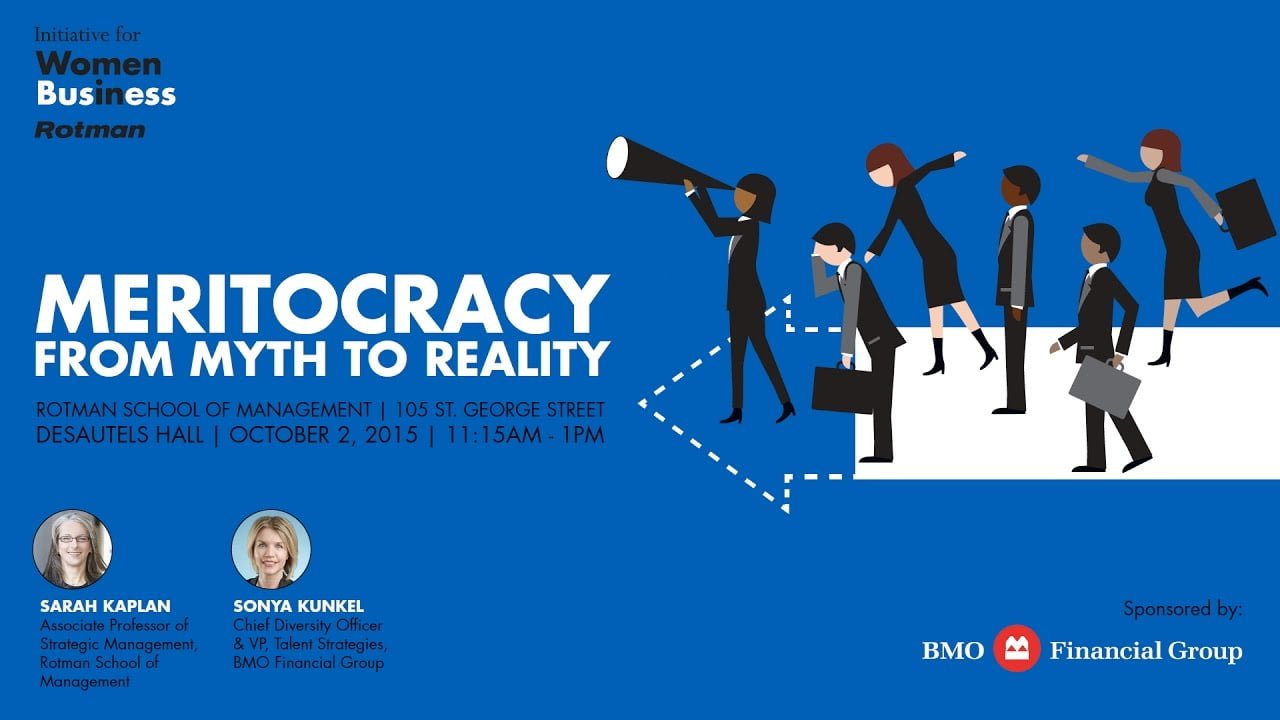
Meritocracy: From myth to reality
[fusion_builder_container hundred_percent=”no” equal_height_columns=”no” menu_anchor=”” hide_on_mobile=”small-visibility,medium-visibility,large-visibility” class=”” id=”” background_color=”” background_image=”” background_position=”center center” background_repeat=”no-repeat” fade=”no” background_parallax=”none” parallax_speed=”0.3″ video_mp4=”” video_webm=”” video_ogv=”” video_url=”” video_aspect_ratio=”16:9″ video_loop=”yes” video_mute=”yes” overlay_color=”” video_preview_image=”” border_color=”” border_style=”solid” padding_top=”” padding_bottom=”” padding_left=”” padding_right=”” type=”legacy”][fusion_builder_row][fusion_builder_column type=”1_1″ layout=”1_1″ background_position=”left top” background_color=”” border_color=”” border_style=”solid” border_position=”all” spacing=”yes” background_image=”” background_repeat=”no-repeat” padding_top=”” padding_right=”” padding_bottom=”” padding_left=”” margin_top=”0px” margin_bottom=”0px” class=”” id=”” animation_type=”” animation_speed=”0.3″ animation_direction=”left” hide_on_mobile=”small-visibility,medium-visibility,large-visibility” center_content=”no” last=”true” min_height=”” hover_type=”none” link=”” border_sizes_top=”” border_sizes_bottom=”” border_sizes_left=”” border_sizes_right=”” first=”true”][fusion_text columns=”” column_min_width=”” column_spacing=”” rule_style=”” rule_size=”” rule_color=”” hue=”” saturation=”” lightness=”” alpha=”” content_alignment_medium=”” content_alignment_small=”” content_alignment=”” hide_on_mobile=”small-visibility,medium-visibility,large-visibility” sticky_display=”normal,sticky” class=”” id=”” margin_top=”” margin_right=”” margin_bottom=”” margin_left=”” fusion_font_family_text_font=”” fusion_font_variant_text_font=”” font_size=”” line_height=”” letter_spacing=”” text_transform=”” text_color=”” animation_type=”” animation_direction=”left” animation_color=”” animation_speed=”0.3″ animation_delay=”0″ animation_offset=”” logics=””]Sarah Kaplan, Professor of Strategic Management, Rotman School of Management & Sonya Kunkel, Chief Diversity Officer & VP, Talent Strategies, BMO Financial Group spoke together on October 02, 2015 on Meritocracy: From Myth to Reality
Event Synopsis
Sponsored by BMO Financial Group
“Meritocracy: From Myth to Reality” explores and suggests a tension that exists in corporate and investment communities: we believe that we operate in a meritocracy, but the evidence increasingly suggests that we do not. Instead, our systems for evaluating people and investments are skewed in unintended ways. Our frames of reference and procedures contain implicit biases that devalue women’s contributions and reinforce the privileges of dominant groups. Surprisingly, research shows that the belief in meritocracy may get in the way of actual meritocracy because it gives evaluators permission not to watch out for bias. The presentation will also identify a set of practical actions any organization can take to move towards a true meritocracy. Following Sarah Kaplan’s presentation, she will be joined in conversation with Sonya Kunkel, Chief Diversity Officer & VP, Talent Strategies of BMO Financial Group to discuss BMO’s experience and journey in minimizing cultural blind spots through inclusive leadership. Sarah Kaplan & Sonya Kunkel’s conversation will explore how large organizations can move towards a true meritocracy as the title suggests.
About the Speakers
Sarah Kaplan is Professor of Strategic Management at Rotman. She is a co-author of the bestselling business book, Creative Destruction. Her research explores how framing processes of managers and entrepreneurial actors affect the evolution of technologies, organizational response to change, and strategy making inside organizations. Her studies examine the biotechnology, fiber optics, personal digital assistant, financial services and nanotechnology fields. She is Senior Editor at Organization Science, and Associate Editor for The Academy of Management Annals, and sits on the Editorial Boards of Administrative Science Quarterly and Organization Studies.
Sonya Kunkel is Chief Diversity Officer & Vice President, Talent Strategies, Talent Management, BMO Financial Group. She has an enterprise-wide responsibility (Canada & U.S.) for the bank’s talent and diversity and inclusion strategies. Throughout a decade of research and consulting, she has specialized in understanding the experiences of women, visible minorities, and Aboriginal peoples, particularly their experiences in the workplace. Formerly Vice-President and Senior Research Director for Environics Research Group, she led Environics Institute’s 2010 Urban Aboriginal Peoples Study (uaps.ca), a research project that captured the stories and experiences of thousands of First Nations peoples, Métis and Inuit living in Canadian cities and generated much national and international attention. Sonya has an undergraduate degree in Peace and Conflict Studies, an M.A. in Political Economy and an MBA in Strategic Management from the Schulich School of Business.[/fusion_text][fusion_separator style_type=”none” hide_on_mobile=”small-visibility,medium-visibility,large-visibility” class=”” id=”” sep_color=”” top_margin=”50″ bottom_margin=”50″ border_size=”” icon=”” icon_circle=”” icon_circle_color=”” width=”” alignment=”center” /][fusion_button link=”https://www.gendereconomy.org/events/” text_transform=”” title=”” target=”_blank” link_attributes=”” alignment=”” modal=”” hide_on_mobile=”small-visibility,medium-visibility,large-visibility” class=”” id=”” color=”custom” button_gradient_top_color=”#62bd19″ button_gradient_bottom_color=”#62bd19″ button_gradient_top_color_hover=”#00c2e2″ button_gradient_bottom_color_hover=”#00c2e2″ accent_color=”” accent_hover_color=”” type=”” bevel_color=”” size=”” stretch=”yes” icon=”” icon_position=”left” icon_divider=”no” animation_type=”” animation_direction=”left” animation_speed=”0.3″ animation_offset=””]See more past events[/fusion_button][fusion_separator style_type=”none” hide_on_mobile=”small-visibility,medium-visibility,large-visibility” class=”” id=”” sep_color=”” top_margin=”20″ bottom_margin=”20″ border_size=”” icon=”” icon_circle=”” icon_circle_color=”” width=”” alignment=”center” /][fusion_title margin_top=”” margin_bottom=”” hide_on_mobile=”medium-visibility,large-visibility” class=”” id=”” size=”5″ content_align=”center” style_type=”default” sep_color=””]
Or register below for these upcoming events
[/fusion_title][fusion_recent_posts layout=”default” hover_type=”none” columns=”3″ number_posts=”3″ offset=”0″ pull_by=”category” cat_slug=”events” exclude_cats=”past” tag_slug=”” exclude_tags=”” thumbnail=”yes” title=”yes” meta=”no” meta_author=”no” meta_categories=”no” meta_date=”yes” meta_comments=”yes” meta_tags=”no” content_alignment=”” excerpt=”no” excerpt_length=”35″ strip_html=”yes” scrolling=”no” hide_on_mobile=”medium-visibility,large-visibility” class=”” id=”” animation_type=”” animation_direction=”left” animation_speed=”0.3″ animation_offset=”” /][/fusion_builder_column][/fusion_builder_row][/fusion_builder_container]