Author: Salwa Iqbal

  • Gender-Based Violence Research Roundtable | November 2023

    Gender-Based Violence Research Roundtable | November 2023

    [fusion_builder_container admin_label=”” hundred_percent=”no” equal_height_columns=”no” menu_anchor=”” hide_on_mobile=”small-visibility,medium-visibility,large-visibility” class=”” id=”” background_color=”” background_image=”” background_position=”center center” background_repeat=”no-repeat” fade=”no” background_parallax=”none” enable_mobile=”no” parallax_speed=”0.3″ video_mp4=”” video_webm=”” video_ogv=”” video_url=”” video_aspect_ratio=”16:9″ video_loop=”yes” video_mute=”yes” video_preview_image=”” border_color=”” border_style=”solid” margin_top=”20″ margin_bottom=”” padding_top=”” padding_right=”” padding_bottom=”” padding_left=”” type=”legacy”][fusion_builder_row][fusion_builder_column type=”3_4″ layout=”3_4″ spacing=”” center_content=”no” hover_type=”none” link=”” min_height=”” hide_on_mobile=”small-visibility,medium-visibility,large-visibility” class=”” id=”” background_color=”” background_image=”” background_position=”left top” background_repeat=”no-repeat” border_color=”” border_style=”solid” border_position=”all” padding_top=”” padding_right=”” padding_bottom=”” padding_left=”” margin_top=”” margin_bottom=”” animation_type=”” animation_direction=”left” animation_speed=”0.3″ animation_offset=”” last=”false” border_sizes_top=”0″ border_sizes_bottom=”0″ border_sizes_left=”0″ border_sizes_right=”0″ first=”true” spacing_right=””][fusion_text columns=”” column_min_width=”” column_spacing=”” rule_style=”” rule_size=”” rule_color=”” hue=”” saturation=”” lightness=”” alpha=”” content_alignment_medium=”” content_alignment_small=”” content_alignment=”” hide_on_mobile=”small-visibility,medium-visibility,large-visibility” sticky_display=”normal,sticky” class=”” id=”” margin_top=”” margin_right=”” margin_bottom=”” margin_left=”” fusion_font_family_text_font=”” fusion_font_variant_text_font=”” font_size=”” line_height=”” letter_spacing=”” text_transform=”” text_color=”” animation_type=”” animation_direction=”left” animation_color=”” animation_speed=”0.3″ animation_delay=”0″ animation_offset=””]
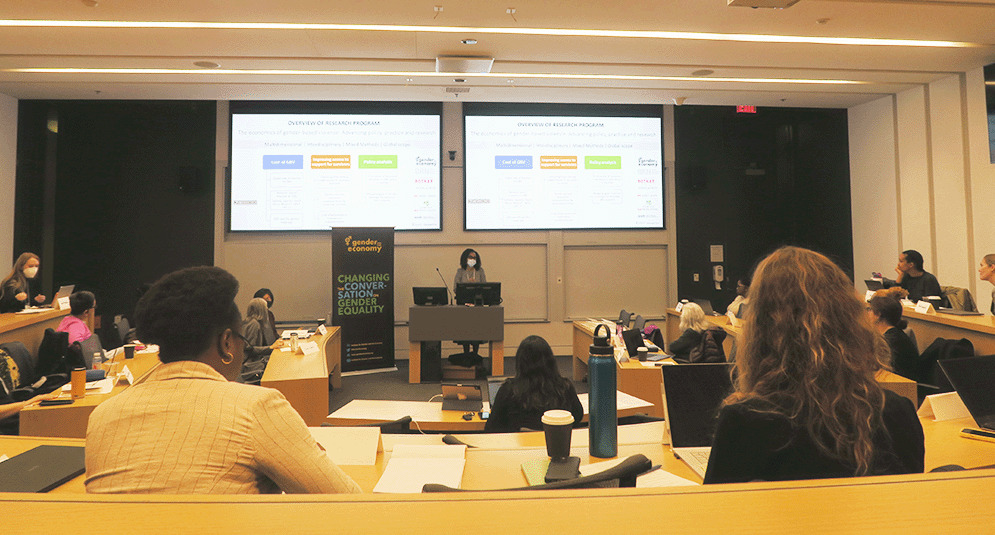
    On Nov. 1, GATE held a research roundtable with researchers and practitioners who are working to combat gender-based violence. The roundtable laid the groundwork for future collaboration on innovative interventions that will help society prevent and address GBV, which was exacerbated by the COVID-19 pandemic. We were grateful to co-host the event with U of T’s Institute for Health Policy, Management, and Evaluation (IHPME) with funding from the Institute for Pandemics.

    Below are the key themes emerged from the presentations and lively discussions:


    • All types of GBV (e.g., physical, sexual, emotional, economic, and legal abuses; digital control) have persistent and damaging consequences (e.g., physical health, mental health, jobs, wages, mobility, ability to care for others, and more)
    • The traumas caused by GBV accumulate quickly (e.g., brain trauma → mental health issues → inability to work → economic stress → mental stress) and spill over to affect children, families, communities, and economies
    • GBV-related stress is amplified by precarious immigration status, poverty, and disability
    • Gatekeeper biases—by police, judges, primary care and emergency doctors —reduce survivors’ ability to access help
    • There are multiple ways of learning about GBV (e.g., personal stories, Indigenous knowledge, community-based research, and scholarly studies)
    • We need better data to understand GBV, especially among Black, Indigenous, immigrant, non-binary, and trans people
    • Funding to fight GBV must extend beyond services—more funding is needed for advocacy, research, and training
    • Preventing GBV requires disruption of social, cultural, political, and economic norms and expectations

    [/fusion_text][fusion_separator style_type=”none” hide_on_mobile=”small-visibility,medium-visibility,large-visibility” class=”” id=”” sep_color=”” top_margin=”20″ bottom_margin=”20″ border_size=”” icon=”” icon_circle=”” icon_circle_color=”” width=”” alignment=”center” /][fusion_button link=”https://www.gendereconomy.org/category/research-overviews/” text_transform=”” title=”” target=”_blank” link_attributes=”” alignment_medium=”” alignment_small=”” alignment=”” modal=”” hide_on_mobile=”small-visibility,medium-visibility,large-visibility” sticky_display=”normal,sticky” class=”” id=”” color=”custom” button_gradient_top_color=”#62bd19″ button_gradient_bottom_color=”#62bd19″ button_gradient_top_color_hover=”#00c2e2″ button_gradient_bottom_color_hover=”#00c2e2″ accent_color=”” accent_hover_color=”” type=”” bevel_color=”” border_color=”” border_hover_color=”” size=”” stretch=”yes” margin_top=”” margin_right=”” margin_bottom=”” margin_left=”” icon=”” icon_position=”left” icon_divider=”no” animation_type=”” animation_direction=”left” animation_speed=”0.3″ animation_offset=””]See more research overviews[/fusion_button][fusion_separator style_type=”none” hide_on_mobile=”small-visibility,medium-visibility,large-visibility” class=”” id=”” sep_color=”” top_margin=”20″ bottom_margin=”20″ border_size=”” icon=”” icon_circle=”” icon_circle_color=”” width=”” alignment=”center” /][fusion_recent_posts layout=”default” hover_type=”none” columns=”3″ number_posts=”3″ offset=”0″ pull_by=”category” cat_slug=”research-briefs” exclude_cats=”” tag_slug=”” exclude_tags=”” thumbnail=”yes” title=”yes” meta=”no” meta_author=”no” meta_categories=”no” meta_date=”yes” meta_comments=”yes” meta_tags=”no” content_alignment=”” excerpt=”no” excerpt_length=”35″ strip_html=”yes” scrolling=”no” hide_on_mobile=”small-visibility,medium-visibility,large-visibility” class=”” id=”” animation_type=”” animation_direction=”left” animation_speed=”0.3″ animation_offset=”” /][/fusion_builder_column][fusion_builder_column type=”1_4″ layout=”1_4″ spacing=”” center_content=”no” hover_type=”none” link=”” min_height=”” hide_on_mobile=”small-visibility,medium-visibility,large-visibility” class=”” id=”” background_color=”” background_image=”” background_position=”left top” background_repeat=”no-repeat” border_color=”” border_style=”solid” border_position=”all” padding_top=”” padding_right=”” padding_bottom=”” padding_left=”” margin_top=”” margin_bottom=”” animation_type=”” animation_direction=”left” animation_speed=”0.3″ animation_offset=”” last=”true” border_sizes_top=”0″ border_sizes_bottom=”0″ border_sizes_left=”0″ border_sizes_right=”0″ first=”false”][fusion_title title_type=”text” rotation_effect=”bounceIn” display_time=”1200″ highlight_effect=”circle” loop_animation=”off” highlight_width=”9″ highlight_top_margin=”0″ before_text=”” rotation_text=”” highlight_text=”” after_text=”” title_link=”off” link_url=”” link_target=”_self” hide_on_mobile=”small-visibility,medium-visibility,large-visibility” sticky_display=”normal,sticky” class=”briefsummary” id=”” content_align_medium=”” content_align_small=”” content_align=”left” size=”3″ animated_font_size=”” fusion_font_family_title_font=”” fusion_font_variant_title_font=”” font_size=”” line_height=”” letter_spacing=”” text_transform=”” text_color=”” hue=”” saturation=”” lightness=”” alpha=”” animated_text_color=”” text_shadow=”no” text_shadow_vertical=”” text_shadow_horizontal=”” text_shadow_blur=”0″ text_shadow_color=”” margin_top_medium=”” margin_right_medium=”” margin_bottom_medium=”” margin_left_medium=”” margin_top_small=”” margin_right_small=”” margin_bottom_small=”” margin_left_small=”” margin_top=”” margin_right=”” margin_bottom=”” margin_left=”” margin_top_mobile=”” margin_bottom_mobile=”” gradient_font=”no” gradient_start_color=”” gradient_end_color=”” gradient_start_position=”0″ gradient_end_position=”100″ gradient_type=”linear” radial_direction=”center center” linear_angle=”180″ highlight_color=”” style_type=”none” sep_color=”” link_color=”” link_hover_color=”” animation_type=”” animation_direction=”left” animation_color=”” animation_speed=”0.3″ animation_delay=”0″ animation_offset=””]

  • Freada Kapor Klein & Mitch Kapor on ‘Closing the Equity Gap’

    Freada Kapor Klein & Mitch Kapor on ‘Closing the Equity Gap’

    [fusion_builder_container hundred_percent=”no” equal_height_columns=”no” hide_on_mobile=”small-visibility,medium-visibility,large-visibility” background_position=”center center” background_repeat=”no-repeat” fade=”no” background_parallax=”none” parallax_speed=”0.3″ video_aspect_ratio=”16:9″ video_loop=”yes” video_mute=”yes” border_style=”solid” type=”legacy”][fusion_builder_row][fusion_builder_column type=”1_1″ layout=”1_1″ background_position=”left top” border_style=”solid” border_position=”all” spacing=”yes” background_repeat=”no-repeat” margin_top=”0px” margin_bottom=”0px” animation_speed=”0.3″ animation_direction=”left” hide_on_mobile=”small-visibility,medium-visibility,large-visibility” center_content=”no” last=”true” hover_type=”none” first=”true” min_height=”” link=”” background_blend_mode=”overlay”][fusion_text columns=”” column_min_width=”” column_spacing=”” rule_style=”” rule_size=”” rule_color=”” hue=”” saturation=”” lightness=”” alpha=”” content_alignment_medium=”” content_alignment_small=”” content_alignment=”” hide_on_mobile=”small-visibility,medium-visibility,large-visibility” sticky_display=”normal,sticky” class=”” id=”” margin_top=”” margin_right=”” margin_bottom=”” margin_left=”” fusion_font_family_text_font=”” fusion_font_variant_text_font=”” font_size=”” line_height=”” letter_spacing=”” text_transform=”none” text_color=”” animation_type=”” animation_direction=”left” animation_color=”” animation_speed=”0.3″ animation_delay=”0″ animation_offset=”” logics=””]

    Topic: Freada Kapor Klein & Mitch Kapor on ‘Closing the Equity Gap’

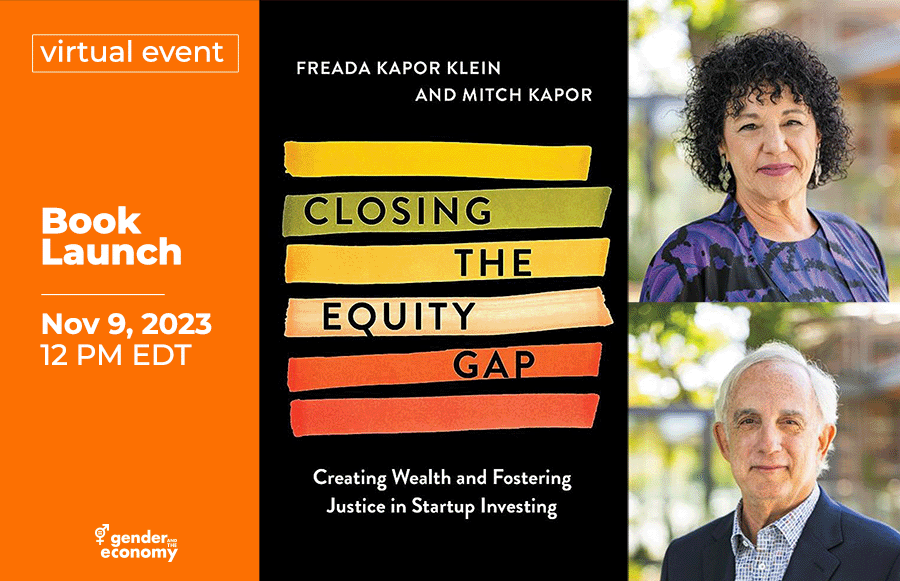
    GATE Academic Director Sonia Kang hosted a discussion with Freada Kapor Klein and Mitch Kapor, who launched Kapor Capital together to prove that investing in gap-closing startups—companies whose services or products close opportunity gaps for both communities of color and low-income communities—is good business. Freada and Mitch recently co-authored a book Closing the Equity Gap, which shares their approaches to create wealth while simultaneously addressing the inequalities in startup investing.

    At the event, Sonia discussed with Freada and Mitch about what the future of equitable investing and business can look like. Freada and Mitch shared their core belief that all companies must make a positive impact and that the obstacles entrepreneurs overcome in life are a far better predictor of long-term success than the schools they attend or investment dollars they raise from friends and family. They offered a win-win road map for creating wealth and addressing inequalities by investing in ground-breaking tech.

     “There isn’t a one size fits all model for gap closing. We take it sector by sector. If you take a particular sector than you can look at an investment opportunity and ask, who is this going to benefit?”

    – Mitch Kapor


    [/fusion_text][fusion_separator style_type=”none” hide_on_mobile=”small-visibility,medium-visibility,large-visibility” top_margin=”20″ bottom_margin=”20″ alignment=”center” /][fusion_button link=”https://www.gendereconomy.org/events/” target=”_blank” hide_on_mobile=”small-visibility,medium-visibility,large-visibility” color=”custom” button_gradient_top_color=”#62bd19″ button_gradient_bottom_color=”#62bd19″ button_gradient_top_color_hover=”#00c2e2″ button_gradient_bottom_color_hover=”#00c2e2″ stretch=”yes” icon_position=”left” icon_divider=”no” animation_direction=”left” animation_speed=”0.3″]See more events[/fusion_button][/fusion_builder_column][/fusion_builder_row][/fusion_builder_container]

  • Janine Rogan on ‘The Pink Tax’

    Janine Rogan on ‘The Pink Tax’

    [fusion_builder_container hundred_percent=”no” equal_height_columns=”no” hide_on_mobile=”small-visibility,medium-visibility,large-visibility” background_position=”center center” background_repeat=”no-repeat” fade=”no” background_parallax=”none” parallax_speed=”0.3″ video_aspect_ratio=”16:9″ video_loop=”yes” video_mute=”yes” border_style=”solid” type=”legacy”][fusion_builder_row][fusion_builder_column type=”1_1″ layout=”1_1″ background_position=”left top” border_style=”solid” border_position=”all” spacing=”yes” background_repeat=”no-repeat” margin_top=”0px” margin_bottom=”0px” animation_speed=”0.3″ animation_direction=”left” hide_on_mobile=”small-visibility,medium-visibility,large-visibility” center_content=”no” last=”true” hover_type=”none” first=”true” min_height=”” link=”” background_blend_mode=”overlay”][fusion_text columns=”” column_min_width=”” column_spacing=”” rule_style=”” rule_size=”” rule_color=”” hue=”” saturation=”” lightness=”” alpha=”” content_alignment_medium=”” content_alignment_small=”” content_alignment=”” hide_on_mobile=”small-visibility,medium-visibility,large-visibility” sticky_display=”normal,sticky” class=”” id=”” margin_top=”” margin_right=”” margin_bottom=”” margin_left=”” fusion_font_family_text_font=”” fusion_font_variant_text_font=”” font_size=”” line_height=”” letter_spacing=”” text_transform=”none” text_color=”” animation_type=”” animation_direction=”left” animation_color=”” animation_speed=”0.3″ animation_delay=”0″ animation_offset=”” logics=””]

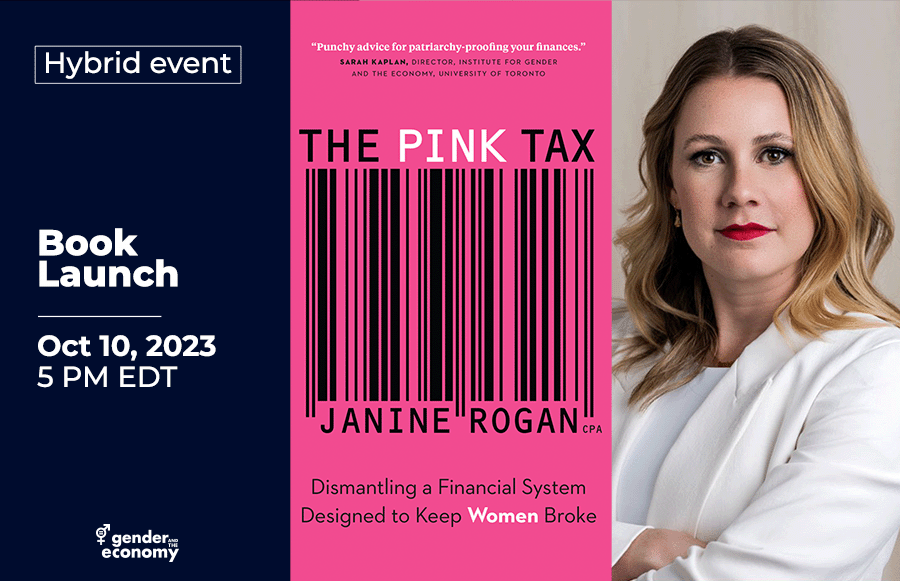
    Topic: The Pink Tax: Dismantling a Financial System Designed to Keep Women Broke (Page Two Press, May 4 2023)

    GATE Founding Director Sarah Kaplan and Janine Rogan, founder and CEO of The Wealth Building Academy Inc. and an award-winning CPA, discussed Rogan’s new book The Pink Tax: Dismantling a Financial System Designed to Keep Women Broke (Page Two Press, May 4, 2023). Together, they busted tired myths about the gender wealth gap.

    Janine spoke about how the pink tax extends far beyond the costs of pink or feminine branded productsit is built into our financial systems and the very fabric of our society, allowing it to continue perpetuating the wage gap. As a result, women and other marginalized people have less to save, less to invest and, ultimately, accumulate less wealth over a lifetime.

    Janine shared some approaches that could help reach economic equality by smashing the pink tax, breaking down bias, and dismantling a financial system built by men, for men.

    “We have to be mindful of what interest rates we are allowing. Because if someone has low income who may not have the ability to build their credit scores or (are) new to the country, what interest rate do they get? They are getting the highest one. And that’s so wealth destroying.”

    – Janine Rogan  

    Watch Janine Rogan discuss how the pink tax affects marginalized communities

    [/fusion_text][fusion_separator style_type=”none” hide_on_mobile=”small-visibility,medium-visibility,large-visibility” top_margin=”20″ bottom_margin=”20″ alignment=”center” /][fusion_button link=”https://www.gendereconomy.org/events/” target=”_blank” hide_on_mobile=”small-visibility,medium-visibility,large-visibility” color=”custom” button_gradient_top_color=”#62bd19″ button_gradient_bottom_color=”#62bd19″ button_gradient_top_color_hover=”#00c2e2″ button_gradient_bottom_color_hover=”#00c2e2″ stretch=”yes” icon_position=”left” icon_divider=”no” animation_direction=”left” animation_speed=”0.3″]See more events[/fusion_button][/fusion_builder_column][/fusion_builder_row][/fusion_builder_container]


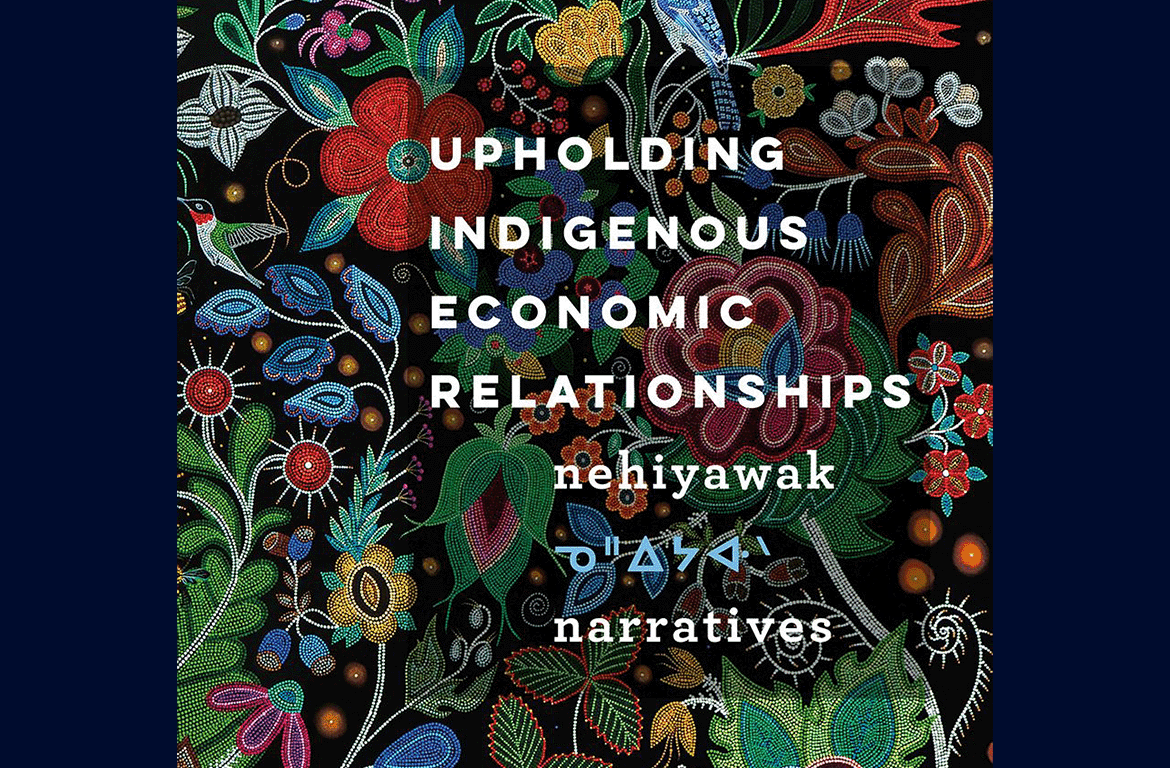
  • Book review: Upholding Indigenous Economic Relationships: nehiyawak ᓀᐦᐃᔭᐊᐧᐠ narratives

    Book review: Upholding Indigenous Economic Relationships: nehiyawak ᓀᐦᐃᔭᐊᐧᐠ narratives

    [fusion_builder_container type=”flex” hundred_percent=”no” equal_height_columns=”no” menu_anchor=”” hide_on_mobile=”small-visibility,medium-visibility,large-visibility” class=”” id=”” background_color=”” background_image=”” background_position=”center center” background_repeat=”no-repeat” fade=”no” background_parallax=”none” parallax_speed=”0.3″ video_mp4=”” video_webm=”” video_ogv=”” video_url=”” video_aspect_ratio=”16:9″ video_loop=”yes” video_mute=”yes” overlay_color=”” video_preview_image=”” border_color=”” border_style=”solid” padding_top=”” padding_bottom=”” padding_left=”” padding_right=””][fusion_builder_row][fusion_builder_column type=”1_1″ layout=”1_1″ background_position=”left top” background_color=”” border_color=”” border_style=”solid” border_position=”all” spacing=”yes” background_image=”” background_repeat=”no-repeat” padding_top=”” padding_right=”” padding_bottom=”” padding_left=”” margin_top=”0px” margin_bottom=”0px” class=”” id=”” animation_type=”” animation_speed=”0.3″ animation_direction=”left” hide_on_mobile=”small-visibility,medium-visibility,large-visibility” center_content=”no” last=”true” min_height=”” hover_type=”none” link=”” border_sizes_top=”” border_sizes_bottom=”” border_sizes_left=”” border_sizes_right=”” first=”true”][fusion_text columns=”” column_min_width=”” column_spacing=”” rule_style=”” rule_size=”” rule_color=”” hue=”” saturation=”” lightness=”” alpha=”” content_alignment_medium=”” content_alignment_small=”” content_alignment=”” hide_on_mobile=”small-visibility,medium-visibility,large-visibility” sticky_display=”normal,sticky” class=”” id=”” margin_top=”” margin_right=”” margin_bottom=”” margin_left=”” fusion_font_family_text_font=”” fusion_font_variant_text_font=”” font_size=”” line_height=”” letter_spacing=”” text_transform=”none” text_color=”” animation_type=”” animation_direction=”left” animation_color=”” animation_speed=”0.3″ animation_delay=”0″ animation_offset=”” logics=””]

    Book review: Shalene Wuttunee Jobin, Upholding Indigenous Economic Relationships: nehiyawak ᓀᐦᐃᔭᐊᐧᐠ narratives

    Author: Sarah Kaplan

    The topics of recent conferences and articles on responsible management, corporate purpose, and stakeholder theory suggest that many management scholars are searching for solutions to an economic system that has produced crises of global warming, inequality, pollution, and other issues. Yet, we tend to look at our navels when we do so: thinking from within the current system rather than exploring whole different ways of knowing. That’s why concepts such as shared value and environmental, social, and governance metrics dominate the conversation: by arguing that you can do well by doing good, we act as if we can solve these problems without disrupting existing power and economic arrangements. We often fail to appreciate that the economic system reflecting these arrangements is inherently a colonial one that was originally designed to exploit people and exploit the land, and if we are going to find solutions, they will have to come from radically different understandings of what the economy is and what well-being could be.
     
    This is precisely what Shalene Wuttunee Jobin does for us in her excellent new book. Along with recent contributions from other Indigenous writers such as Hilton’s Indigenomics (2021) and Yunkaporta’s Sand Talk(2019), Jobin unpacks how the current system is designed for exploitation, and she offers an alternative economic model based in Cree worldviews.

    Read the full article here

    Check out our event summary with Shalene Wuttunee Jobin

    [/fusion_text][/fusion_builder_column][/fusion_builder_row][/fusion_builder_container]

  • Machine Learning and the Reproduction of Inequality

    Machine Learning and the Reproduction of Inequality

    [fusion_builder_container type=”flex” hundred_percent=”no” equal_height_columns=”no” menu_anchor=”” hide_on_mobile=”small-visibility,medium-visibility,large-visibility” class=”” id=”” background_color=”” background_image=”” background_position=”center center” background_repeat=”no-repeat” fade=”no” background_parallax=”none” parallax_speed=”0.3″ video_mp4=”” video_webm=”” video_ogv=”” video_url=”” video_aspect_ratio=”16:9″ video_loop=”yes” video_mute=”yes” overlay_color=”” video_preview_image=”” border_color=”” border_style=”solid” padding_top=”” padding_bottom=”” padding_left=”” padding_right=””][fusion_builder_row][fusion_builder_column type=”1_1″ layout=”1_1″ background_position=”left top” background_color=”” border_color=”” border_style=”solid” border_position=”all” spacing=”yes” background_image=”” background_repeat=”no-repeat” padding_top=”” padding_right=”” padding_bottom=”” padding_left=”” margin_top=”0px” margin_bottom=”0px” class=”” id=”” animation_type=”” animation_speed=”0.3″ animation_direction=”left” hide_on_mobile=”small-visibility,medium-visibility,large-visibility” center_content=”no” last=”true” min_height=”” hover_type=”none” link=”” border_sizes_top=”” border_sizes_bottom=”” border_sizes_left=”” border_sizes_right=”” first=”true”][fusion_text columns=”” column_min_width=”” column_spacing=”” rule_style=”” rule_size=”” rule_color=”” hue=”” saturation=”” lightness=”” alpha=”” content_alignment_medium=”” content_alignment_small=”” content_alignment=”” hide_on_mobile=”small-visibility,medium-visibility,large-visibility” sticky_display=”normal,sticky” class=”” id=”” margin_top=”” margin_right=”” margin_bottom=”” margin_left=”” fusion_font_family_text_font=”” fusion_font_variant_text_font=”” font_size=”” line_height=”” letter_spacing=”” text_transform=”none” text_color=”” animation_type=”” animation_direction=”left” animation_color=”” animation_speed=”0.3″ animation_delay=”0″ animation_offset=”” logics=””]

    Machine Learning and the Reproduction of Inequality

    Authors: Sharla Alegria and Catherine Yeh 

     If 2023 had a title, it would be the year of artificial intelligence (AI), especially advanced systems that use Machine Learning (ML). Universities around the world, including ours, are asking more students to take tests in classrooms to prevent them from using tools like ChatGPT to write answers for them. Meanwhile, notable computer scientists, including Geoffry Hinton, considered the “godfather of AI,” wrote open letters sounding the alarm over “existential threats” from future versions of these technologies. As much as we agree that it would be highly undesirable for computers to start wars or interfere in elections, we do not need to imagine future technologies to see that ML tools already reproduce social inequalities—often unintentionally. We hope equity-minded observers will bring a sociological lens to understand the potential for ML tools like ChatGPT to reproduce social inequalities even while appearing neutral and objective. 

    Read the full article here

    [/fusion_text][/fusion_builder_column][/fusion_builder_row][/fusion_builder_container]