Tag: Race

Research briefs, news, and event recaps related to racial minorities.

  • Who gets to be an ally?: The role of racial minority leaders in racial justice advocacy

    Who gets to be an ally?: The role of racial minority leaders in racial justice advocacy

    [fusion_builder_container hundred_percent=”no” equal_height_columns=”no” hide_on_mobile=”small-visibility,medium-visibility,large-visibility” background_position=”center center” background_repeat=”no-repeat” fade=”no” background_parallax=”none” enable_mobile=”no” parallax_speed=”0.3″ video_aspect_ratio=”16:9″ video_loop=”yes” video_mute=”yes” border_style=”solid” margin_top=”20″ type=”legacy”][fusion_builder_row][fusion_builder_column type=”3_4″ layout=”3_4″ center_content=”no” hover_type=”none” hide_on_mobile=”small-visibility,medium-visibility,large-visibility” background_position=”left top” background_repeat=”no-repeat” border_style=”solid” border_position=”all” animation_direction=”left” animation_speed=”0.3″ last=”false” first=”true” border_sizes_top=”0″ border_sizes_bottom=”0″ border_sizes_left=”0″ border_sizes_right=”0″ background_blend_mode=”overlay” min_height=”” link=””][fusion_text hide_on_mobile=”small-visibility,medium-visibility,large-visibility” sticky_display=”normal,sticky” text_transform=”none” animation_direction=”left” animation_speed=”0.3″ animation_delay=”0″]


    Highlights

    • Racial minority leaders are often expected to lead the way on equity and inclusion efforts, but when they advocate for people from their own racial group, others may view them as self-interested.
    • These perceptions reduce their perceived effectiveness as leaders and make others less willing to support equity efforts.
    • Framing their actions as responses to concerns raised by their team (voice amplification) can reduce this backlash.

    Leaders are increasingly expected to speak up about racism and promote fairness for everyone. Racial minority leaders in particular are often seen as champions of these efforts. But new research reveals an unexpected challenge they face: when these leaders advocate for people from their own racial group, others may see them as biased—even if their intentions are to create a more equitable organization.

    Allyship or favouritism?

    Researchers Preston and colleagues conducted three studies to understand how employees respond to racial minority leaders who engage in racial justice work. In one study, employees recalled real workplace situations. In others, participants read about hypothetical scenarios. Across all three, one finding stood out: when racial minority leaders advocated for their own group (for example, a Black leader advocating for Black employees), other people were more likely to see them as favouring their group and less likely to see them as effective leaders or allies.

    These perceptions matter. Leaders who were seen as biased not only received lower ratings—they also found it harder to gain support for their equity initiatives. People were less willing to work on their projects or support their cause. The problem wasn’t the leader’s message—it was the assumption that the message served their personal interests.

    Leaders who were seen as biased not only received lower ratings—they also found it harder to gain support for their equity initiatives.

    But there’s a way to reframe this narrative. In their third study, the researchers tested a strategy called “voice amplification.” This means leaders clearly explained that their actions are based on what they’ve heard from their team—especially employees in more junior roles. For example, a leader might say: “Several team members have raised concerns about representation, and I want to bring those voices forward.”

    When leaders framed their actions this way, the backlash disappeared. People no longer assumed the leader was acting out of self-interest, and they were more supportive of both the leader and the equity effort.

    Framing the message of allyship

    This research offers a powerful reminder: being a good ally isn’t just about speaking up—it’s also about how the message is framed and who is seen as credible. For organizations that want to create more inclusive cultures, this means rethinking how allyship is encouraged, supported, and received.

    First, organizations can support racial minority leaders by helping them navigate the tricky dynamics of perception. This might include offering training and resources on how to use framing techniques like voice amplification. They can also normalize the idea that leaders can and should speak up for their own communities—especially when they do so in ways that highlight shared concerns.

    Second, organizations can make it clear that leadership roles carry influence—and that all leaders, regardless of race, have a role to play in promoting equity. Allyship shouldn’t be reserved only for White leaders or outsiders to the issue. Racial minority leaders bring valuable perspectives and often deep personal commitment to this work, and should be recognized and supported in doing so.

    Finally, organizations can prepare teams to understand the bigger picture. Equity work often involves targeted support for specific groups, especially when those groups have faced long-standing disadvantages. Organizations can help by providing context and education around why these efforts matter for everyone’s success, not just for the groups being supported.

    Driving racial equity

    Racial minority leaders are uniquely positioned to drive racial equity—but their impact depends on how their efforts are seen. When organizations create a culture that supports inclusive advocacy and equips leaders with the right tools, they make it easier for equity work to take root—and for all employees to thrive.

    ______
    Research brief prepared by:

    Grusha Agarwal

    [/fusion_text][fusion_separator style_type=”none” hide_on_mobile=”small-visibility,medium-visibility,large-visibility” top_margin=”20″ bottom_margin=”20″ alignment=”center” /][fusion_button link=”https://www.gendereconomy.org/research-briefs/” target=”_blank” hide_on_mobile=”small-visibility,medium-visibility,large-visibility” color=”custom” button_gradient_top_color=”#62bd19″ button_gradient_bottom_color=”#62bd19″ button_gradient_top_color_hover=”#00c2e2″ button_gradient_bottom_color_hover=”#00c2e2″ stretch=”yes” icon_position=”left” icon_divider=”no” animation_direction=”left” animation_speed=”0.3″]See more research briefs[/fusion_button][fusion_separator style_type=”none” hide_on_mobile=”small-visibility,medium-visibility,large-visibility” top_margin=”20″ bottom_margin=”20″ alignment=”center” /][fusion_recent_posts layout=”default” hover_type=”none” columns=”3″ number_posts=”3″ offset=”0″ pull_by=”category” cat_slug=”research-briefs” thumbnail=”yes” title=”yes” meta=”no” meta_author=”no” meta_categories=”no” meta_date=”yes” meta_comments=”yes” meta_tags=”no” excerpt=”no” excerpt_length=”35″ strip_html=”yes” scrolling=”no” hide_on_mobile=”small-visibility,medium-visibility,large-visibility” animation_direction=”left” animation_speed=”0.3″ /][/fusion_builder_column][fusion_builder_column type=”1_4″ layout=”1_4″ center_content=”no” hover_type=”none” hide_on_mobile=”small-visibility,medium-visibility,large-visibility” background_position=”left top” background_repeat=”no-repeat” border_style=”solid” border_position=”all” animation_direction=”left” animation_speed=”0.3″ last=”true” first=”false” border_sizes_top=”0″ border_sizes_bottom=”0″ border_sizes_left=”0″ border_sizes_right=”0″ background_blend_mode=”overlay” min_height=”” link=””][fusion_title title_type=”text” rotation_effect=”bounceIn” display_time=”1200″ highlight_effect=”circle” loop_animation=”off” highlight_width=”9″ highlight_top_margin=”0″ title_link=”off” link_target=”_self” hide_on_mobile=”small-visibility,medium-visibility,large-visibility” sticky_display=”normal,sticky” class=”briefsummary” content_align=”left” size=”3″ text_shadow=”no” text_shadow_blur=”0″ text_stroke=”no” text_stroke_size=”1″ text_overflow=”none” gradient_font=”no” gradient_start_position=”0″ gradient_end_position=”100″ gradient_type=”linear” radial_direction=”center center” linear_angle=”180″ style_type=”none” animation_direction=”left” animation_speed=”0.3″ animation_delay=”0″]

    Title

    An ally by any other name: Examining the effects of racial minority leaders as allies for advancing racial justice

    Author

    McKenzie C. Preston, Terrance L. Boyd, Angelica Leigh, Richard Burgess, Victor Marsh

    Source

    Organizational Behavior and Human Decision Processes

    Published

    2024

    Link

    https://doi.org/10.1016/j.obhdp.2024.104321

    Research brief prepared by

    Grusha Agarwal

    [/fusion_title][fusion_widget_area name=”avada-custom-sidebar-researchbriefsidebar” hide_on_mobile=”small-visibility,medium-visibility,large-visibility” /][/fusion_builder_column][/fusion_builder_row][/fusion_builder_container]


  • Changing the five-star rating scale can eliminate effects of racism on digital platform workers

    Changing the five-star rating scale can eliminate effects of racism on digital platform workers

    [fusion_builder_container hundred_percent=”no” equal_height_columns=”no” hide_on_mobile=”small-visibility,medium-visibility,large-visibility” background_position=”center center” background_repeat=”no-repeat” fade=”no” background_parallax=”none” enable_mobile=”no” parallax_speed=”0.3″ video_aspect_ratio=”16:9″ video_loop=”yes” video_mute=”yes” border_style=”solid” margin_top=”20″ type=”legacy”][fusion_builder_row][fusion_builder_column type=”3_4″ layout=”3_4″ center_content=”no” hover_type=”none” hide_on_mobile=”small-visibility,medium-visibility,large-visibility” background_position=”left top” background_repeat=”no-repeat” border_style=”solid” border_position=”all” animation_direction=”left” animation_speed=”0.3″ last=”false” first=”true” border_sizes_top=”0″ border_sizes_bottom=”0″ border_sizes_left=”0″ border_sizes_right=”0″ background_blend_mode=”overlay” min_height=”” link=””][fusion_text hide_on_mobile=”small-visibility,medium-visibility,large-visibility” sticky_display=”normal,sticky” text_transform=”none” animation_direction=”left” animation_speed=”0.3″ animation_delay=”0″]


    Highlights

    • Customers on digital labour platforms often discriminate against racial minority workers in evaluations by rating them lower than similar white workers.
    • This study found that changing rating scales from five-star to two-point scales (thumbs up or thumbs down) reduced discrimination against racial minority workers because customers could only choose between “good” and “bad” performance. This change also eliminated the pay gap for these workers.
    • A simple adjustment in rating methods offers a promising organizational intervention to create fairer work conditions for racial minorities.

    Today, digital labour platforms are ubiquitous, used for services such as food delivery, ridesharing, and home services. These digital labour platforms often ask customers to rate workers’ performance, and ratings can affect workers’ pay and future work. But what happens when customers have racist beliefs? Research shows that negative stereotypes and biases can cause customers to unfairly lower ratings for racial minorities compared to similar white workers, and these biases are hard to address.

    Types of rating scales affect ratings

    Researchers Tristan L. Botelho, Sora Jun, Demetrius Humes, and Katherine A. DeCelles investigated how platforms can mitigate customers’ racial discrimination in evaluations. Prior research shows that modern racism often emerges in subtle rather than blatant ways. The authors proposed that five-point rating scales can encourage discrimination to emerge because these scales give customers the option to slightly downgrade evaluations while still rationalizing that it is a good rating (e.g., downgrading from five to four stars). A two-point scale removes this option, forcing customers to focus solely on good or bad performance and making them less likely to score a racial minority worker as bad if their performance was good.

    The authors studied an online home services platform that changed its customer evaluation system from five-stars to thumbs up/thumbs down. Through analyzing job and rating scale data, they discovered that racial minority workers prior to the change had an average rating of 4.72 stars, compared to 4.79 stars for white workers. Although this difference may seem small, it affected workers’ income rate and translated to racial minority workers making 91 cents for each dollar earned by white workers.

    After the change to a thumbs up/thumbs down scale, the difference in ratings between white and racial minority workers was eliminated, with both groups receiving the highest ratings around 95% of the time. The change also closed the gap in pay.

    After the change to a thumbs up/thumbs down scale, the difference in ratings between white and racial minority workers was eliminated, with both groups receiving the highest ratings around 95% of the time.

    The authors confirmed their findings with further experiments, asking online participants to rate groups of workers with equivalent performance and different races. They found that those who showed stronger racist beliefs were less likely to rate racial minority workers poorly with a thumbs up/thumbs down scale than with a five-star scale. They also found that encouraging evaluators to rate solely based on good or bad performance, even with a five-star scale, helped reduce racial bias in ratings.

    Structural change can reduce effects of discrimination

    Thus far, there has been little success in finding ways to mitigate racial discrimination from customers towards workers in evaluations, which is especially important in a gig economy. This study shows that changing the way customers evaluate can reduce the effects of their racist beliefs on worker income. Organizations can shift away from the common five-star rating scale to help create a fairer work environment.

    Katherine DeCelles, one of the authors, notes that their research “highlights the importance of structural solutions to help reduce the impact of customers’ bias on workers, given that they cannot be trained or selected the way that managers can. This emphasizes the important role that an organization–here, the design of an evaluation system on a platform—can play in mitigating societal inequality.”

    “This emphasizes the important role that an organization—here, the design of an evaluation system on a platform—can play in mitigating societal inequality.”

    This change may also have similar impacts for discrimination based on gender, age, and disability, although further research is needed. Future research can also explore whether these effects hold outside of online evaluations, such as in in-person workplaces.

    ______
    Research brief prepared by:

    Carmina Ravanera

    [/fusion_text][fusion_separator style_type=”none” hide_on_mobile=”small-visibility,medium-visibility,large-visibility” top_margin=”20″ bottom_margin=”20″ alignment=”center” /][fusion_button link=”https://www.gendereconomy.org/research-briefs/” target=”_blank” hide_on_mobile=”small-visibility,medium-visibility,large-visibility” color=”custom” button_gradient_top_color=”#62bd19″ button_gradient_bottom_color=”#62bd19″ button_gradient_top_color_hover=”#00c2e2″ button_gradient_bottom_color_hover=”#00c2e2″ stretch=”yes” icon_position=”left” icon_divider=”no” animation_direction=”left” animation_speed=”0.3″]See more research briefs[/fusion_button][fusion_separator style_type=”none” hide_on_mobile=”small-visibility,medium-visibility,large-visibility” top_margin=”20″ bottom_margin=”20″ alignment=”center” /][fusion_recent_posts layout=”default” hover_type=”none” columns=”3″ number_posts=”3″ offset=”0″ pull_by=”category” cat_slug=”research-briefs” thumbnail=”yes” title=”yes” meta=”no” meta_author=”no” meta_categories=”no” meta_date=”yes” meta_comments=”yes” meta_tags=”no” excerpt=”no” excerpt_length=”35″ strip_html=”yes” scrolling=”no” hide_on_mobile=”small-visibility,medium-visibility,large-visibility” animation_direction=”left” animation_speed=”0.3″ /][/fusion_builder_column][fusion_builder_column type=”1_4″ layout=”1_4″ center_content=”no” hover_type=”none” hide_on_mobile=”small-visibility,medium-visibility,large-visibility” background_position=”left top” background_repeat=”no-repeat” border_style=”solid” border_position=”all” animation_direction=”left” animation_speed=”0.3″ last=”true” first=”false” border_sizes_top=”0″ border_sizes_bottom=”0″ border_sizes_left=”0″ border_sizes_right=”0″ background_blend_mode=”overlay” min_height=”” link=””][fusion_title title_type=”text” rotation_effect=”bounceIn” display_time=”1200″ highlight_effect=”circle” loop_animation=”off” highlight_width=”9″ highlight_top_margin=”0″ title_link=”off” link_target=”_self” hide_on_mobile=”small-visibility,medium-visibility,large-visibility” sticky_display=”normal,sticky” class=”briefsummary” content_align=”left” size=”3″ text_shadow=”no” text_shadow_blur=”0″ text_stroke=”no” text_stroke_size=”1″ text_overflow=”none” gradient_font=”no” gradient_start_position=”0″ gradient_end_position=”100″ gradient_type=”linear” radial_direction=”center center” linear_angle=”180″ style_type=”none” animation_direction=”left” animation_speed=”0.3″ animation_delay=”0″]

    Title

    Scale dichotomization reduces customer racial discrimination and income inequality

    Author

    Tristan L. Botelho, Sora Jun, Demetrius Humes and Katherine A. DeCelles           

    Source

    Nature

    Published

    2025

    Link

    https://www.nature.com/articles/s41586-025-08599-7

    Research brief prepared by

    Carmina Ravanera

    [/fusion_title][fusion_widget_area name=”avada-custom-sidebar-researchbriefsidebar” hide_on_mobile=”small-visibility,medium-visibility,large-visibility” /][/fusion_builder_column][/fusion_builder_row][/fusion_builder_container]

  • To confront or not confront: The psychological and social costs of (not) confronting racism

    To confront or not confront: The psychological and social costs of (not) confronting racism

    [fusion_builder_container hundred_percent=”no” equal_height_columns=”no” hide_on_mobile=”small-visibility,medium-visibility,large-visibility” background_position=”center center” background_repeat=”no-repeat” fade=”no” background_parallax=”none” enable_mobile=”no” parallax_speed=”0.3″ video_aspect_ratio=”16:9″ video_loop=”yes” video_mute=”yes” border_style=”solid” margin_top=”20″ type=”legacy”][fusion_builder_row][fusion_builder_column type=”3_4″ layout=”3_4″ center_content=”no” hover_type=”none” hide_on_mobile=”small-visibility,medium-visibility,large-visibility” background_position=”left top” background_repeat=”no-repeat” border_style=”solid” border_position=”all” animation_direction=”left” animation_speed=”0.3″ last=”false” first=”true” border_sizes_top=”0″ border_sizes_bottom=”0″ border_sizes_left=”0″ border_sizes_right=”0″ background_blend_mode=”overlay” min_height=”” link=””][fusion_text hide_on_mobile=”small-visibility,medium-visibility,large-visibility” sticky_display=”normal,sticky” text_transform=”none” animation_direction=”left” animation_speed=”0.3″ animation_delay=”0″]


    Highlights

    • Indigenous, Black, and People of Colour (IBPOC) workers in the music industry face frequent microaggressions. These subtle but pervasive acts of racism create ongoing challenges, forcing workers to decide whether to confront or avoid these situations.
    • Those who avoid conflict often carry a heavy “psychic weight” from constantly managing how others see them, while those who speak up risk damaging their professional relationships and future career opportunities.
    • The findings highlight the need for systemic changes in the industry. Employers must address the hidden labor IBPOC workers perform to navigate racism and create safer environments where workers can confront discrimination without fearing career setbacks.

    Indigenous, Black, and People of Colour (IBPOC) workers frequently face subtle acts of racism in the music industry. These microaggressions often stem from the industry’s unspoken preference for Whiteness as the default or “normal” way to look and behave. In new research, Alanna Stuart and Kim de Laat conducted interviews with 55 IBPOC workers and found two common approaches these workers use to handle racism: avoiding conflict to protect relationships or confronting it directly. Both strategies come with significant emotional and mental costs that affect their careers and well-being.

    Dealing with racism

    In interviews, one musician shared that she often receives stereotypical comments related to her ethnicity, such as being asked to order Indian food. A sound technician described how he carefully chooses the music he plays to avoid reinforcing racial stereotypes. These examples illustrate how IBPOC workers are “othered” in their daily interactions at work.

    IBPOC workers tend to rely on one of two strategies to deal with these situations. Some choose to avoid direct confrontation. They feel that by staying quiet or adapting to White norms, they can preserve professional relationships and protect future opportunities. For instance, one manager described the mental calculus that goes into promoting one of his Black artists; he shared how he feels the need to “water down” the artist’s work to avoid alienating White colleagues. Such self-censorship underscores the constant balancing act that IBPOC workers perform to fit in and secure opportunities.

    …those with less job security or social capital may feel pressured to avoid conflict out of fear of being labeled as “difficult.”

    Others, however, confront racism when it occurs, driven by a sense of responsibility to their communities. A musician recounted how he pushed back in a media interview that misrepresented his song’s message about systemic racism. Confronting racism can be empowering, but it carries risks. It can strain relationships with those in power who control future job opportunities, potentially harming long-term career prospects.

    The findings also suggest other factors—including workplaces that are highly masculinized and individual workers’ tenures in the creative industry—influence how IBPOC workers handle racism. For instance, those with less job security or social capital may feel pressured to avoid conflict out of fear of being labeled as “difficult,” while others who are more established in their careers might feel empowered to confront racism directly.

    The psychic and social costs of dealing with racism

    Both strategies take a toll on IBPOC workers. Those who avoid conflict often carry a heavy emotional and mental burden from constantly managing how others perceive them. This ongoing strain, sometimes called “psychic weight,” can be exhausting. As first author Stuart explains, “It’s an advantage to not have to think about how to navigate these moments. Not dealing with microaggressions means not having your creative process encumbered by racism.”

    “Not dealing with microaggressions means not having your creative process encumbered by racism.”

    For those who confront racism, the emotional cost comes from knowing that speaking up might hurt their careers. Even when standing up for what’s right, they risk losing professional standing in a field where reputation is critical for securing future opportunities.

    Need for industry-wide change

    Racism is not an occasional barrier for IBPOC workers; it’s a constant part of their daily experience, forcing them to weigh the risks of speaking up. This dynamic is especially difficult in an industry where over half of creative workers in Canada earn less than $40,000 CAD annually (Statistics Canada, 2022). The ongoing calculation of whether to confront racism in such a precarious environment adds unfair strain to the creative process.

    The findings highlight the urgent need for industry-wide changes to address the hidden labor IBPOC workers perform to manage racism. Employers and industry leaders must recognize how inequality manifests in these workplaces and take concrete steps to create environments where IBPOC workers can confront discrimination without jeopardizing their professional futures.

    At the same time, Stuart offers this compassionate reminder for IBPOC music artists and industry workers who bear this burden: “Your feelings are valid. I don’t say this to pacify but rather to help alleviate the self-questioning that can compound the psychic weight of racist microaggressions.”

    ______
    Research brief prepared by:

    Alice Choe

    [/fusion_text][fusion_separator style_type=”none” hide_on_mobile=”small-visibility,medium-visibility,large-visibility” top_margin=”20″ bottom_margin=”20″ alignment=”center” /][fusion_button link=”https://www.gendereconomy.org/research-briefs/” target=”_blank” hide_on_mobile=”small-visibility,medium-visibility,large-visibility” color=”custom” button_gradient_top_color=”#62bd19″ button_gradient_bottom_color=”#62bd19″ button_gradient_top_color_hover=”#00c2e2″ button_gradient_bottom_color_hover=”#00c2e2″ stretch=”yes” icon_position=”left” icon_divider=”no” animation_direction=”left” animation_speed=”0.3″]See more research briefs[/fusion_button][fusion_separator style_type=”none” hide_on_mobile=”small-visibility,medium-visibility,large-visibility” top_margin=”20″ bottom_margin=”20″ alignment=”center” /][fusion_recent_posts layout=”default” hover_type=”none” columns=”3″ number_posts=”3″ offset=”0″ pull_by=”category” cat_slug=”research-briefs” thumbnail=”yes” title=”yes” meta=”no” meta_author=”no” meta_categories=”no” meta_date=”yes” meta_comments=”yes” meta_tags=”no” excerpt=”no” excerpt_length=”35″ strip_html=”yes” scrolling=”no” hide_on_mobile=”small-visibility,medium-visibility,large-visibility” animation_direction=”left” animation_speed=”0.3″ /][/fusion_builder_column][fusion_builder_column type=”1_4″ layout=”1_4″ center_content=”no” hover_type=”none” hide_on_mobile=”small-visibility,medium-visibility,large-visibility” background_position=”left top” background_repeat=”no-repeat” border_style=”solid” border_position=”all” animation_direction=”left” animation_speed=”0.3″ last=”true” first=”false” border_sizes_top=”0″ border_sizes_bottom=”0″ border_sizes_left=”0″ border_sizes_right=”0″ background_blend_mode=”overlay” min_height=”” link=””][fusion_title title_type=”text” rotation_effect=”bounceIn” display_time=”1200″ highlight_effect=”circle” loop_animation=”off” highlight_width=”9″ highlight_top_margin=”0″ title_link=”off” link_target=”_self” hide_on_mobile=”small-visibility,medium-visibility,large-visibility” sticky_display=”normal,sticky” class=”briefsummary” content_align=”left” size=”3″ text_shadow=”no” text_shadow_blur=”0″ text_stroke=”no” text_stroke_size=”1″ text_overflow=”none” gradient_font=”no” gradient_start_position=”0″ gradient_end_position=”100″ gradient_type=”linear” radial_direction=”center center” linear_angle=”180″ style_type=”none” animation_direction=”left” animation_speed=”0.3″ animation_delay=”0″]

    Title

    Bearing Psychic Weight and Accountability: Navigating Racism and Microaggressions in Creative Work

    Author

    Alanna Stuart, Kim de Laat

    Source

    Work, Employment and Society

    Published

    2024

    Link

    https://doi.org/10.1177/09500170241254325

    Research brief prepared by

    Alice Choe

    [/fusion_title][fusion_widget_area name=”avada-custom-sidebar-researchbriefsidebar” hide_on_mobile=”small-visibility,medium-visibility,large-visibility” /][/fusion_builder_column][/fusion_builder_row][/fusion_builder_container]

  • Discriminated and disadvantaged: Disability discrimination shows up before children enter the classroom

    Discriminated and disadvantaged: Disability discrimination shows up before children enter the classroom

    [fusion_builder_container hundred_percent=”no” equal_height_columns=”no” hide_on_mobile=”small-visibility,medium-visibility,large-visibility” background_position=”center center” background_repeat=”no-repeat” fade=”no” background_parallax=”none” enable_mobile=”no” parallax_speed=”0.3″ video_aspect_ratio=”16:9″ video_loop=”yes” video_mute=”yes” border_style=”solid” margin_top=”20″ type=”legacy”][fusion_builder_row][fusion_builder_column type=”3_4″ layout=”3_4″ center_content=”no” hover_type=”none” hide_on_mobile=”small-visibility,medium-visibility,large-visibility” background_position=”left top” background_repeat=”no-repeat” border_style=”solid” border_position=”all” animation_direction=”left” animation_speed=”0.3″ last=”false” first=”true” border_sizes_top=”0″ border_sizes_bottom=”0″ border_sizes_left=”0″ border_sizes_right=”0″ background_blend_mode=”overlay” min_height=”” link=””][fusion_text hide_on_mobile=”small-visibility,medium-visibility,large-visibility” sticky_display=”normal,sticky” text_transform=”none” animation_direction=”left” animation_speed=”0.3″ animation_delay=”0″]

    For parents, bringing children to school for the first time can be a thrilling but nerve-wracking experience. Parents need access to crucial information to decide on the right school setting that will enable their child to thrive academically and socially. This information is important for any parent, let alone for parents with children with a disability. Yet in a recent study, researchers find that access to information about schools is not equal for all parents.

    Parents’ attempts to find information pertaining to their child’s disability might come with harder toil, as discrimination happens even before the child has a chance to enter into the school system.

    Researchers Lauren Rivera and András Tilcsik find in their recent study that public school principals are less responsive to providing information about their schools to parents who have children with a disability. Black children with a disability face an additional disadvantage – parents of Black children are less likely to receive information from school principals when asked about a prospective school tour.

    …parents of Black children [with disabilities] are less likely to receive information from school principals when asked about a prospective school tour.

    The researchers sent emails from fictitious prospective parents asking for school tours to 20,000 public school principals in four states. The emails differed in terms of the child’s gender and whether the email mentioned the child’s disability. The email also differed based on the signature sign-off, which indicated the parent’s perceived race. The outcome measured was on the responsiveness of the principals to the parents’ request for a school tour – a positive outcome was an affirmative response to a tour (or equivalent meeting) and a negative outcome was a negative response to a tour or no response.

    Positive email responses were lower for the emails that indicated the child had a disability, and there was a particularly negative effect for parents of children with a disability who are Black.

    As a follow-up, the researchers also surveyed over 500 principals and found that principals viewed students with disabilities as imposing a greater burden, such as through the need for more academic or behavioural resources. Black students with a disability faced an additional disadvantage stemming from the principals’ perceptions of their parents: they unfairly believed that these parents lacked knowledge about their child’s disability, would offer fewer potential contributions to the school community (e.g., volunteering, fundraising duties) and would be less warm than their white counterparts.

    This research has significant implications for policy areas such as education, disability, and racial discrimination. It suggests the need for governments to provide sufficient funding to assist schools to support disability programs in schools. The researchers note that while the US government promised to cover 40 percent of the cost to provide special education services through law, that number has not been met to this date.

    Tilcsik notes that “as a first step towards greater equality, it is important to have resources available at the fully promised levels so that principals do not have these difficult choices to make about who to provide information to. Principals are also trying to do their best under funding constraints, with a very limited number of resources.” He also notes that other interventions to educate principals, such as professional development activities, can be another intervention to address intersecting discrimination of race and disability. Schools can also change the barriers to accessing information by having more information online for parents.

    “…it is important to have resources available at the fully promised levels so that principals do not have these difficult choices to make about who to provide information to.”

    This research has further implications for how parents find balance in career and family, especially women who are negotiating professional career advancements and caring for children.  The authors note that previous studies have found that, across race and class backgrounds, the burden of researching and gaining access to school information disproportionately falls on mothers, regardless of the disability status of their children. Barriers to gaining school information for children with disabilities can have spillover effects into career choices of their mothers, This might in turn perpetuate gender inequalities. Tilcsik suggests that employers might need to better understand that some parents of children with disabilities might need time off in order to maintain balance of both their professional and work needs.

    ______
    Research brief prepared by:

    Laura Lam

    [/fusion_text][fusion_separator style_type=”none” hide_on_mobile=”small-visibility,medium-visibility,large-visibility” top_margin=”20″ bottom_margin=”20″ alignment=”center” /][fusion_button link=”https://www.gendereconomy.org/research-briefs/” target=”_blank” hide_on_mobile=”small-visibility,medium-visibility,large-visibility” color=”custom” button_gradient_top_color=”#62bd19″ button_gradient_bottom_color=”#62bd19″ button_gradient_top_color_hover=”#00c2e2″ button_gradient_bottom_color_hover=”#00c2e2″ stretch=”yes” icon_position=”left” icon_divider=”no” animation_direction=”left” animation_speed=”0.3″]See more research briefs[/fusion_button][fusion_separator style_type=”none” hide_on_mobile=”small-visibility,medium-visibility,large-visibility” top_margin=”20″ bottom_margin=”20″ alignment=”center” /][fusion_recent_posts layout=”default” hover_type=”none” columns=”3″ number_posts=”3″ offset=”0″ pull_by=”category” cat_slug=”research-briefs” thumbnail=”yes” title=”yes” meta=”no” meta_author=”no” meta_categories=”no” meta_date=”yes” meta_comments=”yes” meta_tags=”no” excerpt=”no” excerpt_length=”35″ strip_html=”yes” scrolling=”no” hide_on_mobile=”small-visibility,medium-visibility,large-visibility” animation_direction=”left” animation_speed=”0.3″ /][/fusion_builder_column][fusion_builder_column type=”1_4″ layout=”1_4″ center_content=”no” hover_type=”none” hide_on_mobile=”small-visibility,medium-visibility,large-visibility” background_position=”left top” background_repeat=”no-repeat” border_style=”solid” border_position=”all” animation_direction=”left” animation_speed=”0.3″ last=”true” first=”false” border_sizes_top=”0″ border_sizes_bottom=”0″ border_sizes_left=”0″ border_sizes_right=”0″ background_blend_mode=”overlay” min_height=”” link=””][fusion_title title_type=”text” rotation_effect=”bounceIn” display_time=”1200″ highlight_effect=”circle” loop_animation=”off” highlight_width=”9″ highlight_top_margin=”0″ title_link=”off” link_target=”_self” hide_on_mobile=”small-visibility,medium-visibility,large-visibility” sticky_display=”normal,sticky” class=”briefsummary” content_align=”left” size=”3″ text_shadow=”no” text_shadow_blur=”0″ text_stroke=”no” text_stroke_size=”1″ text_overflow=”none” gradient_font=”no” gradient_start_position=”0″ gradient_end_position=”100″ gradient_type=”linear” radial_direction=”center center” linear_angle=”180″ style_type=”none” animation_direction=”left” animation_speed=”0.3″ animation_delay=”0″]

    Title

    Not in My Schoolyard: Disability Discrimination in Educational Access

    Author

    Lauren Rivera, András Tilcsik

    Source

    American Sociological Review

    Published

    2023

    DOI

    10.1177/00031224221150433

    Link

    https://journals.sagepub.com/doi/10.1177/00031224221150433

    Research brief prepared by

    Laura Lam

    [/fusion_title][fusion_widget_area name=”avada-custom-sidebar-researchbriefsidebar” hide_on_mobile=”small-visibility,medium-visibility,large-visibility” /][/fusion_builder_column][/fusion_builder_row][/fusion_builder_container]
  • Gender-Based Violence Research Roundtable | November 2023

    Gender-Based Violence Research Roundtable | November 2023

    [fusion_builder_container admin_label=”” hundred_percent=”no” equal_height_columns=”no” menu_anchor=”” hide_on_mobile=”small-visibility,medium-visibility,large-visibility” class=”” id=”” background_color=”” background_image=”” background_position=”center center” background_repeat=”no-repeat” fade=”no” background_parallax=”none” enable_mobile=”no” parallax_speed=”0.3″ video_mp4=”” video_webm=”” video_ogv=”” video_url=”” video_aspect_ratio=”16:9″ video_loop=”yes” video_mute=”yes” video_preview_image=”” border_color=”” border_style=”solid” margin_top=”20″ margin_bottom=”” padding_top=”” padding_right=”” padding_bottom=”” padding_left=”” type=”legacy”][fusion_builder_row][fusion_builder_column type=”3_4″ layout=”3_4″ spacing=”” center_content=”no” hover_type=”none” link=”” min_height=”” hide_on_mobile=”small-visibility,medium-visibility,large-visibility” class=”” id=”” background_color=”” background_image=”” background_position=”left top” background_repeat=”no-repeat” border_color=”” border_style=”solid” border_position=”all” padding_top=”” padding_right=”” padding_bottom=”” padding_left=”” margin_top=”” margin_bottom=”” animation_type=”” animation_direction=”left” animation_speed=”0.3″ animation_offset=”” last=”false” border_sizes_top=”0″ border_sizes_bottom=”0″ border_sizes_left=”0″ border_sizes_right=”0″ first=”true” spacing_right=””][fusion_text columns=”” column_min_width=”” column_spacing=”” rule_style=”” rule_size=”” rule_color=”” hue=”” saturation=”” lightness=”” alpha=”” content_alignment_medium=”” content_alignment_small=”” content_alignment=”” hide_on_mobile=”small-visibility,medium-visibility,large-visibility” sticky_display=”normal,sticky” class=”” id=”” margin_top=”” margin_right=”” margin_bottom=”” margin_left=”” fusion_font_family_text_font=”” fusion_font_variant_text_font=”” font_size=”” line_height=”” letter_spacing=”” text_transform=”” text_color=”” animation_type=”” animation_direction=”left” animation_color=”” animation_speed=”0.3″ animation_delay=”0″ animation_offset=””]

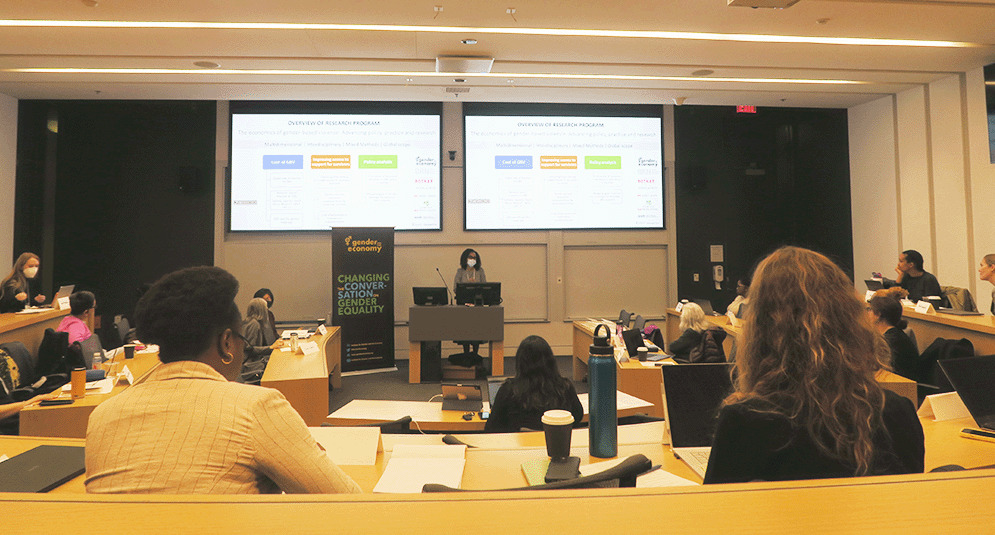
    On Nov. 1, GATE held a research roundtable with researchers and practitioners who are working to combat gender-based violence. The roundtable laid the groundwork for future collaboration on innovative interventions that will help society prevent and address GBV, which was exacerbated by the COVID-19 pandemic. We were grateful to co-host the event with U of T’s Institute for Health Policy, Management, and Evaluation (IHPME) with funding from the Institute for Pandemics.

    Below are the key themes emerged from the presentations and lively discussions:


    • All types of GBV (e.g., physical, sexual, emotional, economic, and legal abuses; digital control) have persistent and damaging consequences (e.g., physical health, mental health, jobs, wages, mobility, ability to care for others, and more)
    • The traumas caused by GBV accumulate quickly (e.g., brain trauma → mental health issues → inability to work → economic stress → mental stress) and spill over to affect children, families, communities, and economies
    • GBV-related stress is amplified by precarious immigration status, poverty, and disability
    • Gatekeeper biases—by police, judges, primary care and emergency doctors —reduce survivors’ ability to access help
    • There are multiple ways of learning about GBV (e.g., personal stories, Indigenous knowledge, community-based research, and scholarly studies)
    • We need better data to understand GBV, especially among Black, Indigenous, immigrant, non-binary, and trans people
    • Funding to fight GBV must extend beyond services—more funding is needed for advocacy, research, and training
    • Preventing GBV requires disruption of social, cultural, political, and economic norms and expectations

    [/fusion_text][fusion_separator style_type=”none” hide_on_mobile=”small-visibility,medium-visibility,large-visibility” class=”” id=”” sep_color=”” top_margin=”20″ bottom_margin=”20″ border_size=”” icon=”” icon_circle=”” icon_circle_color=”” width=”” alignment=”center” /][fusion_button link=”https://www.gendereconomy.org/category/research-overviews/” text_transform=”” title=”” target=”_blank” link_attributes=”” alignment_medium=”” alignment_small=”” alignment=”” modal=”” hide_on_mobile=”small-visibility,medium-visibility,large-visibility” sticky_display=”normal,sticky” class=”” id=”” color=”custom” button_gradient_top_color=”#62bd19″ button_gradient_bottom_color=”#62bd19″ button_gradient_top_color_hover=”#00c2e2″ button_gradient_bottom_color_hover=”#00c2e2″ accent_color=”” accent_hover_color=”” type=”” bevel_color=”” border_color=”” border_hover_color=”” size=”” stretch=”yes” margin_top=”” margin_right=”” margin_bottom=”” margin_left=”” icon=”” icon_position=”left” icon_divider=”no” animation_type=”” animation_direction=”left” animation_speed=”0.3″ animation_offset=””]See more research overviews[/fusion_button][fusion_separator style_type=”none” hide_on_mobile=”small-visibility,medium-visibility,large-visibility” class=”” id=”” sep_color=”” top_margin=”20″ bottom_margin=”20″ border_size=”” icon=”” icon_circle=”” icon_circle_color=”” width=”” alignment=”center” /][fusion_recent_posts layout=”default” hover_type=”none” columns=”3″ number_posts=”3″ offset=”0″ pull_by=”category” cat_slug=”research-briefs” exclude_cats=”” tag_slug=”” exclude_tags=”” thumbnail=”yes” title=”yes” meta=”no” meta_author=”no” meta_categories=”no” meta_date=”yes” meta_comments=”yes” meta_tags=”no” content_alignment=”” excerpt=”no” excerpt_length=”35″ strip_html=”yes” scrolling=”no” hide_on_mobile=”small-visibility,medium-visibility,large-visibility” class=”” id=”” animation_type=”” animation_direction=”left” animation_speed=”0.3″ animation_offset=”” /][/fusion_builder_column][fusion_builder_column type=”1_4″ layout=”1_4″ spacing=”” center_content=”no” hover_type=”none” link=”” min_height=”” hide_on_mobile=”small-visibility,medium-visibility,large-visibility” class=”” id=”” background_color=”” background_image=”” background_position=”left top” background_repeat=”no-repeat” border_color=”” border_style=”solid” border_position=”all” padding_top=”” padding_right=”” padding_bottom=”” padding_left=”” margin_top=”” margin_bottom=”” animation_type=”” animation_direction=”left” animation_speed=”0.3″ animation_offset=”” last=”true” border_sizes_top=”0″ border_sizes_bottom=”0″ border_sizes_left=”0″ border_sizes_right=”0″ first=”false”][fusion_title title_type=”text” rotation_effect=”bounceIn” display_time=”1200″ highlight_effect=”circle” loop_animation=”off” highlight_width=”9″ highlight_top_margin=”0″ before_text=”” rotation_text=”” highlight_text=”” after_text=”” title_link=”off” link_url=”” link_target=”_self” hide_on_mobile=”small-visibility,medium-visibility,large-visibility” sticky_display=”normal,sticky” class=”briefsummary” id=”” content_align_medium=”” content_align_small=”” content_align=”left” size=”3″ animated_font_size=”” fusion_font_family_title_font=”” fusion_font_variant_title_font=”” font_size=”” line_height=”” letter_spacing=”” text_transform=”” text_color=”” hue=”” saturation=”” lightness=”” alpha=”” animated_text_color=”” text_shadow=”no” text_shadow_vertical=”” text_shadow_horizontal=”” text_shadow_blur=”0″ text_shadow_color=”” margin_top_medium=”” margin_right_medium=”” margin_bottom_medium=”” margin_left_medium=”” margin_top_small=”” margin_right_small=”” margin_bottom_small=”” margin_left_small=”” margin_top=”” margin_right=”” margin_bottom=”” margin_left=”” margin_top_mobile=”” margin_bottom_mobile=”” gradient_font=”no” gradient_start_color=”” gradient_end_color=”” gradient_start_position=”0″ gradient_end_position=”100″ gradient_type=”linear” radial_direction=”center center” linear_angle=”180″ highlight_color=”” style_type=”none” sep_color=”” link_color=”” link_hover_color=”” animation_type=”” animation_direction=”left” animation_color=”” animation_speed=”0.3″ animation_delay=”0″ animation_offset=””]

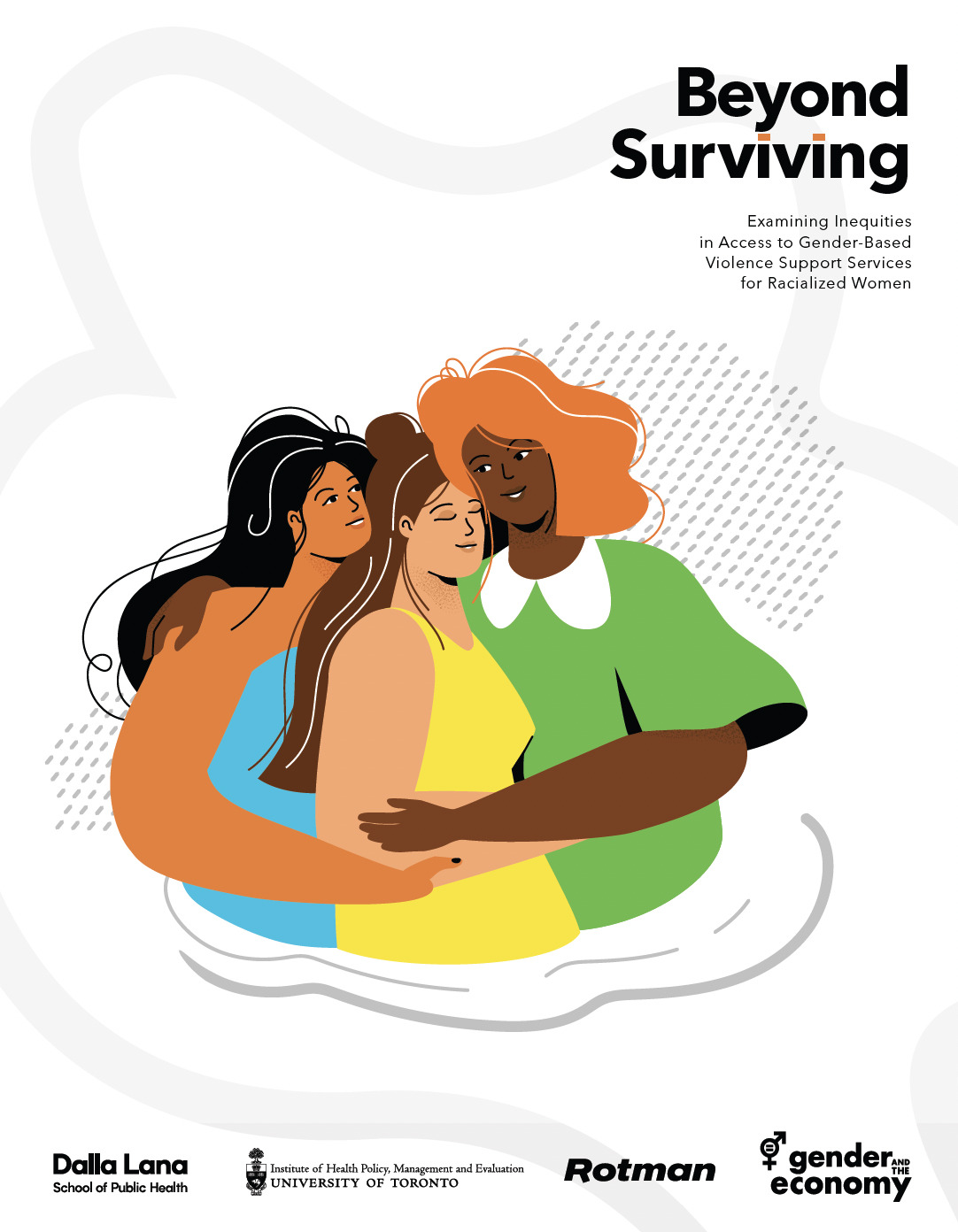
  • Beyond Surviving: Examining Inequities in Access to GBV Support Services for Racialized Women

    Beyond Surviving: Examining Inequities in Access to GBV Support Services for Racialized Women

    [fusion_builder_container admin_label=”” hundred_percent=”no” equal_height_columns=”no” menu_anchor=”” hide_on_mobile=”small-visibility,medium-visibility,large-visibility” class=”” id=”” background_color=”” background_image=”” background_position=”center center” background_repeat=”no-repeat” fade=”no” background_parallax=”none” enable_mobile=”no” parallax_speed=”0.3″ video_mp4=”” video_webm=”” video_ogv=”” video_url=”” video_aspect_ratio=”16:9″ video_loop=”yes” video_mute=”yes” video_preview_image=”” border_color=”” border_style=”solid” margin_top=”20″ margin_bottom=”” padding_top=”” padding_right=”” padding_bottom=”” padding_left=”” type=”legacy”][fusion_builder_row][fusion_builder_column type=”3_4″ layout=”3_4″ spacing=”” center_content=”no” hover_type=”none” link=”” min_height=”” hide_on_mobile=”small-visibility,medium-visibility,large-visibility” class=”” id=”” background_color=”” background_image=”” background_position=”left top” background_repeat=”no-repeat” border_color=”” border_style=”solid” border_position=”all” padding_top=”” padding_right=”” padding_bottom=”” padding_left=”” margin_top=”” margin_bottom=”” animation_type=”” animation_direction=”left” animation_speed=”0.3″ animation_offset=”” last=”false” border_sizes_top=”0″ border_sizes_bottom=”0″ border_sizes_left=”0″ border_sizes_right=”0″ first=”true” spacing_right=””][fusion_text columns=”” column_min_width=”” column_spacing=”” rule_style=”” rule_size=”” rule_color=”” hue=”” saturation=”” lightness=”” alpha=”” content_alignment_medium=”” content_alignment_small=”” content_alignment=”” hide_on_mobile=”small-visibility,medium-visibility,large-visibility” sticky_display=”normal,sticky” class=”” id=”” margin_top=”” margin_right=”” margin_bottom=”” margin_left=”” fusion_font_family_text_font=”” fusion_font_variant_text_font=”” font_size=”” line_height=”” letter_spacing=”” text_transform=”” text_color=”” animation_type=”” animation_direction=”left” animation_color=”” animation_speed=”0.3″ animation_delay=”0″ animation_offset=””]

    OVERVIEW:

    Gender-based violence (GBV) remains a global pandemic with destructive effects on the well- being of women and girls. Defined as any act of violence that results in physical, sexual, or emotional harm and suffering, GBV takes many forms, encompassing intimate partner violence (IPV), non-partner violence, and other harmful acts directed at people based on their gender expression, gender identity, or perceived gender. It can include physical abuse, criminal harassment, emotional and psychological abuse, and coercive control. For all those experiencing GBV—but especially for racialized women—leaving abusive relationships can entail significant challenges, among them surmounting barriers that prevent GBV survivors from accessing formal care and support. This report synthesizes research on barriers to accessing support services for racialized women who experience gender-based violence and the outcomes associated with access to support services that reflect the lived experiences of racialized GBV survivors.

    Key findings:

    • Common supports reflected in the literature include healthcare, policing, social work, legal or criminal justice assistance, psychosocial help, and support by social networks such as family, friends, and neighbours.
    • People experiencing GBV are often motivated to seek formal care and support to protect their children.
    • The presence of supportive informal networks and positive prior experiences with formal service providers can motivate help-seeking.
    • Survivors frequently experience barriers when accessing support that relate to the acceptability, affordability, and availability of the services they need.
      • Acceptability barriers include cultural acceptance of violence, internalized stigma and shame, racial and gender stereotypes and oppression, and a lack of culturally and linguistically appropriate services.
      • Affordability barriers include the cost to access services, lack of health insurance and the cost of medical care, and lack of financial autonomy.
      • Availability barriers include lack of knowledge of services, transportation concerns, and time constraints.
    • Service providers also struggle to provide comprehensive and culturally competent and safe services to women due to funding constraints, inadequate legal structures, and rigid immigration policies.
    • When adequately supported, racialized survivors experience improved well-being, improved self-confidence, reduced psychological distress, increased social connectedness, and increased motivation to help others facing violence.
    • Inadequate attention to the needs of racialized survivors can risk secondary victimization by service providers and the escalation of violence from abusive partners.

    CLICK HERE TO DOWNLOAD THIS RESEARCH REPORT IN ENGLISH /IN FRENCH


    __________________________

    RESEARCH REPORT PREPARED BY

    Beverley M. Essue, Cyndirela Chadambuka, Isabel Arruda-Caycho, Carmina Ravanera, Amaya Perez-Brumer, Rebecca Balasa and Sarah Kaplan

    “Beyond Surviving” was co-funded by the Social Sciences and Humanities Research Council and Women and Gender Equality Canada Grant #872- 2022-0005 and a University of Toronto Black Research Network Ignite Grant.

    [/fusion_text][fusion_separator style_type=”none” hide_on_mobile=”small-visibility,medium-visibility,large-visibility” class=”” id=”” sep_color=”” top_margin=”20″ bottom_margin=”20″ border_size=”” icon=”” icon_circle=”” icon_circle_color=”” width=”” alignment=”center” /][fusion_button link=”https://www.gendereconomy.org/category/research-overviews/” text_transform=”” title=”” target=”_blank” link_attributes=”” alignment_medium=”” alignment_small=”” alignment=”” modal=”” hide_on_mobile=”small-visibility,medium-visibility,large-visibility” sticky_display=”normal,sticky” class=”” id=”” color=”custom” button_gradient_top_color=”#62bd19″ button_gradient_bottom_color=”#62bd19″ button_gradient_top_color_hover=”#00c2e2″ button_gradient_bottom_color_hover=”#00c2e2″ accent_color=”” accent_hover_color=”” type=”” bevel_color=”” border_color=”” border_hover_color=”” size=”” stretch=”yes” margin_top=”” margin_right=”” margin_bottom=”” margin_left=”” icon=”” icon_position=”left” icon_divider=”no” animation_type=”” animation_direction=”left” animation_speed=”0.3″ animation_offset=””]See more research overviews[/fusion_button][fusion_separator style_type=”none” hide_on_mobile=”small-visibility,medium-visibility,large-visibility” class=”” id=”” sep_color=”” top_margin=”20″ bottom_margin=”20″ border_size=”” icon=”” icon_circle=”” icon_circle_color=”” width=”” alignment=”center” /][fusion_recent_posts layout=”default” hover_type=”none” columns=”3″ number_posts=”3″ offset=”0″ pull_by=”category” cat_slug=”research-briefs” exclude_cats=”” tag_slug=”” exclude_tags=”” thumbnail=”yes” title=”yes” meta=”no” meta_author=”no” meta_categories=”no” meta_date=”yes” meta_comments=”yes” meta_tags=”no” content_alignment=”” excerpt=”no” excerpt_length=”35″ strip_html=”yes” scrolling=”no” hide_on_mobile=”small-visibility,medium-visibility,large-visibility” class=”” id=”” animation_type=”” animation_direction=”left” animation_speed=”0.3″ animation_offset=”” /][/fusion_builder_column][fusion_builder_column type=”1_4″ layout=”1_4″ spacing=”” center_content=”no” hover_type=”none” link=”” min_height=”” hide_on_mobile=”small-visibility,medium-visibility,large-visibility” class=”” id=”” background_color=”” background_image=”” background_position=”left top” background_repeat=”no-repeat” border_color=”” border_style=”solid” border_position=”all” padding_top=”” padding_right=”” padding_bottom=”” padding_left=”” margin_top=”” margin_bottom=”” animation_type=”” animation_direction=”left” animation_speed=”0.3″ animation_offset=”” last=”true” border_sizes_top=”0″ border_sizes_bottom=”0″ border_sizes_left=”0″ border_sizes_right=”0″ first=”false”][fusion_title title_type=”text” rotation_effect=”bounceIn” display_time=”1200″ highlight_effect=”circle” loop_animation=”off” highlight_width=”9″ highlight_top_margin=”0″ before_text=”” rotation_text=”” highlight_text=”” after_text=”” title_link=”off” link_url=”” link_target=”_self” hide_on_mobile=”small-visibility,medium-visibility,large-visibility” sticky_display=”normal,sticky” class=”briefsummary” id=”” content_align_medium=”” content_align_small=”” content_align=”left” size=”3″ animated_font_size=”” fusion_font_family_title_font=”” fusion_font_variant_title_font=”” font_size=”” line_height=”” letter_spacing=”” text_transform=”” text_color=”” hue=”” saturation=”” lightness=”” alpha=”” animated_text_color=”” text_shadow=”no” text_shadow_vertical=”” text_shadow_horizontal=”” text_shadow_blur=”0″ text_shadow_color=”” margin_top_medium=”” margin_right_medium=”” margin_bottom_medium=”” margin_left_medium=”” margin_top_small=”” margin_right_small=”” margin_bottom_small=”” margin_left_small=”” margin_top=”” margin_right=”” margin_bottom=”” margin_left=”” margin_top_mobile=”” margin_bottom_mobile=”” gradient_font=”no” gradient_start_color=”” gradient_end_color=”” gradient_start_position=”0″ gradient_end_position=”100″ gradient_type=”linear” radial_direction=”center center” linear_angle=”180″ highlight_color=”” style_type=”none” sep_color=”” link_color=”” link_hover_color=”” animation_type=”” animation_direction=”left” animation_color=”” animation_speed=”0.3″ animation_delay=”0″ animation_offset=””]