Tag: Diversity+inclusion

Research briefs, news, and event recaps related to diversity and inclusion.

  • Highlighting Fenty Beauty’s diversity-based business model

    Highlighting Fenty Beauty’s diversity-based business model

    [fusion_builder_container hundred_percent=”no” equal_height_columns=”no” menu_anchor=”” hide_on_mobile=”small-visibility,medium-visibility,large-visibility” class=”” id=”” background_color=”” background_image=”” background_position=”center center” background_repeat=”no-repeat” fade=”no” background_parallax=”none” parallax_speed=”0.3″ video_mp4=”” video_webm=”” video_ogv=”” video_url=”” video_aspect_ratio=”16:9″ video_loop=”yes” video_mute=”yes” overlay_color=”” video_preview_image=”” border_color=”” border_style=”solid” padding_top=”” padding_bottom=”” padding_left=”” padding_right=”” type=”legacy”][fusion_builder_row][fusion_builder_column type=”1_1″ layout=”1_1″ background_position=”left top” background_color=”” border_color=”” border_style=”solid” border_position=”all” spacing=”yes” background_image=”” background_repeat=”no-repeat” padding_top=”” padding_right=”” padding_bottom=”” padding_left=”” margin_top=”0px” margin_bottom=”0px” class=”” id=”” animation_type=”” animation_speed=”0.3″ animation_direction=”left” hide_on_mobile=”small-visibility,medium-visibility,large-visibility” center_content=”no” last=”true” min_height=”” hover_type=”none” link=”” border_sizes_top=”” border_sizes_bottom=”” border_sizes_left=”” border_sizes_right=”” first=”true”][fusion_text columns=”” column_min_width=”” column_spacing=”” rule_style=”default” rule_size=”” rule_color=”” content_alignment_medium=”” content_alignment_small=”” content_alignment=”” hide_on_mobile=”small-visibility,medium-visibility,large-visibility” sticky_display=”normal,sticky” class=”” id=”” font_size=”” fusion_font_family_text_font=”” fusion_font_variant_text_font=”” line_height=”” letter_spacing=”” text_color=”” animation_type=”” animation_direction=”left” animation_speed=”0.3″ animation_offset=””]

    Overview

    Fenty Beauty is an inclusive cosmetics company created by international celebrity Rihanna in partnership with LVMH, an exclusive luxury conglomerate. The brand has been a resounding success and is most recognized for the “Fenty Effect”, a trend in which competitors began offering more inclusive cosmetic products in response to Fenty Beauty’s successful 40-shade foundation line. Fenty Beauty is a unicorn in the beauty industry, largely due to its prioritization of diversity and inclusion.

    Course Topics:
    • BIPOC Diversity & Inclusion
    • Marketing
    • Supply Chain Management
    • Product Development & Pricing
    • Business Design
    • Corporate Governance

    Introduction:

    How do you define “flesh coloured”? Historically, shade ranges for products that are intended to blend into the body have been defined along a spectrum based on white skin. A “flesh tone” thus tends to conjure up images of milky whites and soft beiges, rather than the deeper browns or ebony shades that characterize many people’s skin tones. While the racialized interpretation of “flesh toned” is perhaps most famously represented in the Band-Aid problem, in which adhesive bandages were criticized for their limited, white-focused shade range, it is also acutely present in the cosmetics industry. Foundation shades have become a lightning-rod issue that represents whitewashing in the beauty industry, a modern-day Band-Aid issue.

    Therefore, when well-known international celebrity Robyn Rihanna Fenty launched her highly anticipated cosmetics line, Fenty Beauty, using a 40-shade foundation as her centrepiece product, the beauty world sat up and took notice. The company’s 40-shade foundation stood in contrast to the more limited ranges offered by competitors and Fenty Beauty was lauded for taking an inclusive approach. In December 2017, just a few months after the brand’s launch, Fenty Beauty was named one of Time magazine’s “Inventions of the Year” based on its broad shade range and use of diverse models in its marketing campaigns. Consumers also responded enthusiastically to Fenty Beauty, with the brand taking in US$72 million in its first month (five times the revenues of its closest peer competitor) and US$570 million in its first full year. Notably, Fenty Beauty’s darker shades consistently sold out despite constant restocks, a phenomenon that spurred competitors into offering increased shade ranges in what became known as the “Fenty Effect”. Three years later, Fenty Beauty continues to experience rapid growth and Rihanna has launched a fashion empire that includes skincare, lingerie, and a luxury fashion line all offered under various Fenty brand names. These newer brands similarly feature the inclusive, playful approach first developed at Fenty Beauty, proving that inclusivity is a winning business model and no longer just a corporate afterthought.
    Fenty Beauty case study thumbnail

    View and download the full case study

    [/fusion_text][fusion_text columns=”” column_min_width=”” column_spacing=”” rule_style=”default” rule_size=”” rule_color=”” content_alignment_medium=”” content_alignment_small=”” content_alignment=”” hide_on_mobile=”small-visibility,medium-visibility,large-visibility” sticky_display=”normal,sticky” class=”” id=”” font_size=”” fusion_font_family_text_font=”” fusion_font_variant_text_font=”” line_height=”” letter_spacing=”” text_color=”” animation_type=”” animation_direction=”left” animation_speed=”0.3″ animation_offset=””]

    __________________________

    This case was written by:

    This case was written by Stephanie Taylor. The author prepared this case under the supervision of Professor Sarah Kaplan, with guidance from Bonnie Lam and Vanessa Serra Iarocci and research assistance from Sonal Gupta, Bashir Chalabi and Carmina Ravanera.

    [/fusion_text][fusion_separator style_type=”none” hide_on_mobile=”small-visibility,medium-visibility,large-visibility” sticky_display=”normal,sticky” class=”” id=”” flex_grow=”0″ top_margin=”10″ bottom_margin=”10″ width=”” alignment=”center” border_size=”” sep_color=”” icon=”” icon_size=”” icon_color=”” icon_circle=”” icon_circle_color=”” /][fusion_button link=”https://www.gendereconomy.org/education/case-studies/” text_transform=”” title=”” target=”_blank” link_attributes=”” alignment_medium=”” alignment_small=”” alignment=”” modal=”” hide_on_mobile=”small-visibility,medium-visibility,large-visibility” sticky_display=”normal,sticky” class=”” id=”” color=”custom” button_gradient_top_color=”#62bd19″ button_gradient_bottom_color=”#62bd19″ button_gradient_top_color_hover=”#00c2e2″ button_gradient_bottom_color_hover=”#00c2e2″ accent_color=”” accent_hover_color=”” type=”” bevel_color=”” border_width=”” border_radius=”” border_color=”” border_hover_color=”” size=”” stretch=”yes” margin_top=”” margin_right=”” margin_bottom=”” margin_left=”” icon=”” icon_position=”left” icon_divider=”no” animation_type=”” animation_direction=”left” animation_speed=”0.3″ animation_offset=””]See more case studies[/fusion_button][fusion_separator style_type=”none” hide_on_mobile=”small-visibility,medium-visibility,large-visibility” sticky_display=”normal,sticky” class=”” id=”” flex_grow=”0″ top_margin=”20″ bottom_margin=”20″ width=”” alignment=”center” border_size=”” sep_color=”” icon=”” icon_size=”” icon_color=”” icon_circle=”” icon_circle_color=”” /][fusion_recent_posts layout=”default” picture_size=”fixed” hover_type=”none” columns=”3″ number_posts=”3″ post_status=”” offset=”0″ pull_by=”category” cat_slug=”case-studies” exclude_cats=”” tag_slug=”” exclude_tags=”” thumbnail=”yes” title=”yes” meta=”no” meta_author=”no” meta_categories=”no” meta_date=”yes” meta_comments=”yes” meta_tags=”no” content_alignment=”” excerpt=”no” excerpt_length=”35″ strip_html=”yes” scrolling=”no” hide_on_mobile=”small-visibility,medium-visibility,large-visibility” class=”” id=”” animation_type=”” animation_direction=”left” animation_speed=”0.3″ animation_offset=”” /][/fusion_builder_column][/fusion_builder_row][/fusion_builder_container]

  • The Moment and its adoption of holacracy

    The Moment and its adoption of holacracy

    [fusion_builder_container hundred_percent=”no” equal_height_columns=”no” menu_anchor=”” hide_on_mobile=”small-visibility,medium-visibility,large-visibility” class=”” id=”” background_color=”” background_image=”” background_position=”center center” background_repeat=”no-repeat” fade=”no” background_parallax=”none” parallax_speed=”0.3″ video_mp4=”” video_webm=”” video_ogv=”” video_url=”” video_aspect_ratio=”16:9″ video_loop=”yes” video_mute=”yes” overlay_color=”” video_preview_image=”” border_color=”” border_style=”solid” padding_top=”” padding_bottom=”” padding_left=”” padding_right=”” type=”legacy”][fusion_builder_row][fusion_builder_column type=”1_1″ layout=”1_1″ background_position=”left top” background_color=”” border_color=”” border_style=”solid” border_position=”all” spacing=”yes” background_image=”” background_repeat=”no-repeat” padding_top=”” padding_right=”” padding_bottom=”” padding_left=”” margin_top=”0px” margin_bottom=”0px” class=”” id=”” animation_type=”” animation_speed=”0.3″ animation_direction=”left” hide_on_mobile=”small-visibility,medium-visibility,large-visibility” center_content=”no” last=”true” min_height=”” hover_type=”none” link=”” border_sizes_top=”” border_sizes_bottom=”” border_sizes_left=”” border_sizes_right=”” first=”true”][fusion_text columns=”” column_min_width=”” column_spacing=”” rule_style=”default” rule_size=”” rule_color=”” content_alignment_medium=”” content_alignment_small=”” content_alignment=”” hide_on_mobile=”small-visibility,medium-visibility,large-visibility” sticky_display=”normal,sticky” class=”” id=”” margin_top=”” margin_right=”” margin_bottom=”” margin_left=”” font_size=”” fusion_font_family_text_font=”” fusion_font_variant_text_font=”” line_height=”” letter_spacing=”” text_color=”” animation_type=”” animation_direction=”left” animation_speed=”0.3″ animation_offset=””]

    Overview

    The Moment was established in 2011 as a hybrid between a business consulting services/design agency and a social-purpose driven organization. This case studies how the company adopted Holacracy, a management system which disrupts the traditional hierarchical workplace. Holacracy works by clearly defining explicit roles that are not titles or designations, but sets of responsibilities that entail what decisions can and cannot be authorized by the people who hold them. This case shows how The Moment used Holacracy in order to redistribute power and change structural bias that affects women at work.

    Course Topics:
    • Change management
    • Human resources and organizational theory
    • Leadership
    • Innovation
    • Diversity and inclusion
    • Organization Design

    Introduction

    The Moment was established in 2011 by Mark Kuznicki, Dan Rose, and Greg Judelman, three entrepreneurs with different backgrounds but a common priority: “To create a positive impact on the world.” They were excited to explore possibilities at the intersection of their diverse experiences within strategy, design, and collaboration. Their first office was located in the Centre for Social Innovation in Toronto, which was created by a group of entrepreneurs in 2004 to provide a collaborative working space for people who were trying to make a social impact. During the initial years, The Moment’s three founders primarily focused on market needs that were not being served, rather than on formulating a concrete business plan. Throughout the process, one thing was certain: The Moment did not want to become just another firm following industry best practices and implementing traditional strategies. “We did not want a job in the traditional institutions, either in the private sector or the charitable sector, in the government sector or whatever,” says Moment co-founder Mark Kuznicki. They wanted a platform for experimentation. The Moment ultimately became a “hybrid between a business consulting services/design agency and a social-purpose driven organization.” The Moment’s founders wanted to challenge the status quo by innovating new ways for people to work together.

    Beginning in 2014, The Moment shifted from short- to longer-term consulting projects. Handling these larger-scale projects required recruiting more team members and establishing a governance process while taking proactive measures to retain the firm’s culture of innovation. Between 2015 and 2016, The Moment decided to adopt “Teal”—a contemporary management model established by Belgian author and coach Frederick Laloux based on promoting employees’ self-management and building organizational purpose.

    With the benefits of Teal, such as better inclusion and sense of purpose among employees, came challenges. A few years after adopting the model, The Moment was operating by building consensus among team members when making decisions. This meant anybody could speak up if they did not believe something was right. Such processes turned out to be tedious and time consuming. As a result, The Moment’s teams based a lot of decisions on emotional judgements rather than strategic steps. This meant that teams were not aligned with the organization’s strategy. To overcome this issue and separate emotions and decision making while creating the right balance of power, The Moment adopted a new management system called “Holacracy.” Because Holacracy was based on the same principles as Teal, the transition did not mean discarding existing practices but rather solidifying them and adding a firm statute around them.

    The Moment thumbnail

    View and download the full case study

    [/fusion_text][fusion_text columns=”” column_min_width=”” column_spacing=”” rule_style=”default” rule_size=”” rule_color=”” content_alignment_medium=”” content_alignment_small=”” content_alignment=”” hide_on_mobile=”small-visibility,medium-visibility,large-visibility” sticky_display=”normal,sticky” class=”” id=”” margin_top=”” margin_right=”” margin_bottom=”” margin_left=”” font_size=”” fusion_font_family_text_font=”” fusion_font_variant_text_font=”” line_height=”” letter_spacing=”” text_color=”” animation_type=”” animation_direction=”left” animation_speed=”0.3″ animation_offset=””]

    __________________________

    This case was written by:

    Sonal Gupta and Stephanie Taylor. The authors prepared this case under the supervision of Professor Sarah Kaplan, with guidance from Bonnie Lam and Vanessa Serra Iarocci and research assistance from Carmina Ravanera. The authors are grateful for the participation of Mark Kuznicki in this project.

    Published

    September 2020

    [/fusion_text][fusion_separator style_type=”none” hide_on_mobile=”small-visibility,medium-visibility,large-visibility” sticky_display=”normal,sticky” class=”” id=”” flex_grow=”0″ top_margin=”10″ bottom_margin=”10″ width=”” alignment=”center” border_size=”” sep_color=”” icon=”” icon_size=”” icon_color=”” icon_circle=”” icon_circle_color=”” /][fusion_button link=”https://www.gendereconomy.org/education/case-studies/” text_transform=”” title=”” target=”_blank” link_attributes=”” alignment_medium=”” alignment_small=”” alignment=”” modal=”” hide_on_mobile=”small-visibility,medium-visibility,large-visibility” sticky_display=”normal,sticky” class=”” id=”” color=”custom” button_gradient_top_color=”#62bd19″ button_gradient_bottom_color=”#62bd19″ button_gradient_top_color_hover=”#00c2e2″ button_gradient_bottom_color_hover=”#00c2e2″ accent_color=”” accent_hover_color=”” type=”” bevel_color=”” border_width=”” border_radius=”” border_color=”” border_hover_color=”” size=”” stretch=”yes” margin_top=”” margin_right=”” margin_bottom=”” margin_left=”” icon=”” icon_position=”left” icon_divider=”no” animation_type=”” animation_direction=”left” animation_speed=”0.3″ animation_offset=””]See more case studies[/fusion_button][fusion_separator style_type=”none” hide_on_mobile=”small-visibility,medium-visibility,large-visibility” sticky_display=”normal,sticky” class=”” id=”” flex_grow=”0″ top_margin=”20″ bottom_margin=”20″ width=”” alignment=”center” border_size=”” sep_color=”” icon=”” icon_size=”” icon_color=”” icon_circle=”” icon_circle_color=”” /][fusion_recent_posts layout=”default” picture_size=”fixed” hover_type=”none” columns=”3″ number_posts=”3″ post_status=”” offset=”0″ pull_by=”category” cat_slug=”case-studies” exclude_cats=”” tag_slug=”” exclude_tags=”” thumbnail=”yes” title=”yes” meta=”no” meta_author=”no” meta_categories=”no” meta_date=”yes” meta_comments=”yes” meta_tags=”no” content_alignment=”” excerpt=”no” excerpt_length=”35″ strip_html=”yes” scrolling=”no” hide_on_mobile=”small-visibility,medium-visibility,large-visibility” class=”” id=”” animation_type=”” animation_direction=”left” animation_speed=”0.3″ animation_offset=”” /][/fusion_builder_column][/fusion_builder_row][/fusion_builder_container]
  • Livestream: Experts Discuss “The Equity Equation in Capital Markets”

    Livestream: Experts Discuss “The Equity Equation in Capital Markets”

    [fusion_builder_container hundred_percent=”no” equal_height_columns=”no” menu_anchor=”” hide_on_mobile=”small-visibility,medium-visibility,large-visibility” class=”” id=”” background_color=”” background_image=”” background_position=”center center” background_repeat=”no-repeat” fade=”no” background_parallax=”none” parallax_speed=”0.3″ video_mp4=”” video_webm=”” video_ogv=”” video_url=”” video_aspect_ratio=”16:9″ video_loop=”yes” video_mute=”yes” overlay_color=”” video_preview_image=”” border_color=”” border_style=”solid” padding_top=”” padding_bottom=”” padding_left=”” padding_right=”” type=”legacy”][fusion_builder_row][fusion_builder_column type=”1_1″ layout=”1_1″ background_position=”left top” background_color=”” border_color=”” border_style=”solid” border_position=”all” spacing=”yes” background_image=”” background_repeat=”no-repeat” padding_top=”” padding_right=”” padding_bottom=”” padding_left=”” margin_top=”0px” margin_bottom=”0px” class=”” id=”” animation_type=”” animation_speed=”0.3″ animation_direction=”left” hide_on_mobile=”small-visibility,medium-visibility,large-visibility” center_content=”no” last=”true” min_height=”” hover_type=”none” link=”” first=”true” border_sizes_top=”” border_sizes_bottom=”” border_sizes_left=”” border_sizes_right=””][fusion_text columns=”” column_min_width=”” column_spacing=”” rule_style=”” rule_size=”” rule_color=”” hue=”” saturation=”” lightness=”” alpha=”” content_alignment_medium=”” content_alignment_small=”” content_alignment=”” hide_on_mobile=”small-visibility,medium-visibility,large-visibility” sticky_display=”normal,sticky” class=”” id=”” margin_top=”” margin_right=”” margin_bottom=”” margin_left=”” fusion_font_family_text_font=”” fusion_font_variant_text_font=”” font_size=”” line_height=”” letter_spacing=”” text_transform=”” text_color=”” animation_type=”” animation_direction=”left” animation_color=”” animation_speed=”0.3″ animation_delay=”0″ animation_offset=”” logics=””]While firms in Canada’s financial industry have shown leadership and a commitment to advancing diversity and inclusion, we have yet to succeed in achieving the goals many of us aspire to.

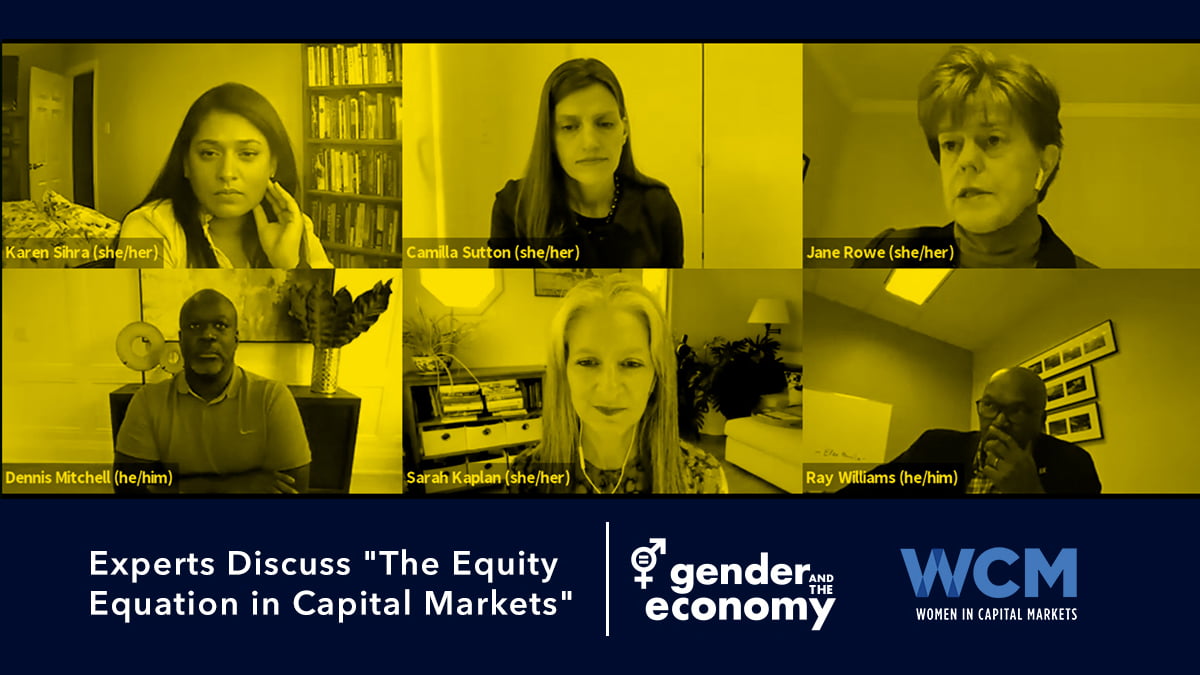
    Prompted by Women in Capital Markets’ (WCM) recent report, THE EQUITY EQUATION: A Roadmap To Equity, Diversity and Inclusion in Finance, the Institute for Gender and the Economy and WCM co-hosted a discussion on the future of inclusion in the financial industry. The event featured a frank discussion with an outstanding panel of experts including: Dennis Mitchell, CEO & CIO, Starlight Capital, Jane Rowe, Vice Chair, Investments, Ontario Teachers’ Pension Plan, Karen Sihra, Director, Inclusion and Diversity, CPP Investments, Camilla Sutton, President and CEO, Women in Capital Markets and Ray Williams, Managing Director & Vice Chairman, Financial Markets, National Bank Financial.

    A key take away: what the industry is doing today is not working. In order to achieve an equitable and inclusive workplace, we need a structural approach, and we must stop concentrating on the individual.

    We really have to start focusing on structural barriers in our firms and within the industry. That is the secret to success.

    Why do members of the LGBTQ+ community feel excluded? According to the report, 62% LGBTQ+ finance professionals do not talk about their personal life at work. They fear that coming out will impede career progress or make their workplace uncomfortable.  As the job market becomes more competitive, top employers are fighting to attract the best talent. Employers must be able to show that they are offering an environment of opportunity, fair pay and inclusion.

    Why are there so few Black women in the financial industry? A clear insight is that the experience of Black women is remarkably worse than for other women or for men. While Bay Street prides itself on hiring the best people from the top schools, a “like-hiring-like” mentality results in a homogenous group, dominated by white cisgender men and, to a lesser extent, white cisgender women. Black women will continue to be underrepresented in the industry until deliberate investments are taken to level the playing field.

    Women, especially women of colour, and members of the LGBTQ community feel that they are not equally paid. And, evidence suggests that this is indeed true. But, managers insist that everyone is paid “fairly.” The disconnect comes in our unbalanced notion of meritocracy in which people in the non-dominant groups are seen as somehow less meritorious.

    Can we rethink leadership? We can do the work to unpack what leadership looks like. Is leadership a tall, white, straight, able-bodied, cisgendered man or is leadership someone who can inspire us, lead a team and get the best out people.

    Watch our panelists discuss how to be a genuine ally.

    [/fusion_text][fusion_separator style_type=”none” hide_on_mobile=”small-visibility,medium-visibility,large-visibility” class=”” id=”” sep_color=”” top_margin=”20″ bottom_margin=”20″ border_size=”” icon=”” icon_circle=”” icon_circle_color=”” width=”” alignment=”center” /][fusion_button link=”https://www.gendereconomy.org/events/” text_transform=”” title=”” target=”_blank” link_attributes=”” alignment=”” modal=”” hide_on_mobile=”small-visibility,medium-visibility,large-visibility” class=”” id=”” color=”custom” button_gradient_top_color=”#62bd19″ button_gradient_bottom_color=”#62bd19″ button_gradient_top_color_hover=”#00c2e2″ button_gradient_bottom_color_hover=”#00c2e2″ accent_color=”” accent_hover_color=”” type=”” bevel_color=”” size=”” stretch=”yes” icon=”” icon_position=”left” icon_divider=”no” animation_type=”” animation_direction=”left” animation_speed=”0.3″ animation_offset=””]See more events[/fusion_button][/fusion_builder_column][/fusion_builder_row][/fusion_builder_container]

  • Livestream: Pamela Newkirk on “Diversity, Inc.: The Failed Promise of a Billion-Dollar Business”

    Livestream: Pamela Newkirk on “Diversity, Inc.: The Failed Promise of a Billion-Dollar Business”

    [fusion_builder_container hundred_percent=”no” equal_height_columns=”no” menu_anchor=”” hide_on_mobile=”small-visibility,medium-visibility,large-visibility” class=”” id=”” background_color=”” background_image=”” background_position=”center center” background_repeat=”no-repeat” fade=”no” background_parallax=”none” parallax_speed=”0.3″ video_mp4=”” video_webm=”” video_ogv=”” video_url=”” video_aspect_ratio=”16:9″ video_loop=”yes” video_mute=”yes” overlay_color=”” video_preview_image=”” border_color=”” border_style=”solid” padding_top=”” padding_bottom=”” padding_left=”” padding_right=”” type=”legacy”][fusion_builder_row][fusion_builder_column type=”1_1″ layout=”1_1″ background_position=”left top” background_color=”” border_color=”” border_style=”solid” border_position=”all” spacing=”yes” background_image=”” background_repeat=”no-repeat” padding_top=”” padding_right=”” padding_bottom=”” padding_left=”” margin_top=”0px” margin_bottom=”0px” class=”” id=”” animation_type=”” animation_speed=”0.3″ animation_direction=”left” hide_on_mobile=”small-visibility,medium-visibility,large-visibility” center_content=”no” last=”true” min_height=”” hover_type=”none” link=”” first=”true” border_sizes_top=”” border_sizes_bottom=”” border_sizes_left=”” border_sizes_right=””][fusion_text columns=”” column_min_width=”” column_spacing=”” rule_style=”” rule_size=”” rule_color=”” hue=”” saturation=”” lightness=”” alpha=”” content_alignment_medium=”” content_alignment_small=”” content_alignment=”” hide_on_mobile=”small-visibility,medium-visibility,large-visibility” sticky_display=”normal,sticky” class=”” id=”” margin_top=”” margin_right=”” margin_bottom=”” margin_left=”” fusion_font_family_text_font=”” fusion_font_variant_text_font=”” font_size=”” line_height=”” letter_spacing=”” text_transform=”” text_color=”” animation_type=”” animation_direction=”left” animation_color=”” animation_speed=”0.3″ animation_delay=”0″ animation_offset=”” logics=””]Diversity has become the new corporate buzzword. Companies pour hundreds of millions of dollars every year into the diversity industry, hoping that diversity trainers and consultants can help them to build and sustain a workforce that reflects the racial and ethnic makeup of the country. But is it working?

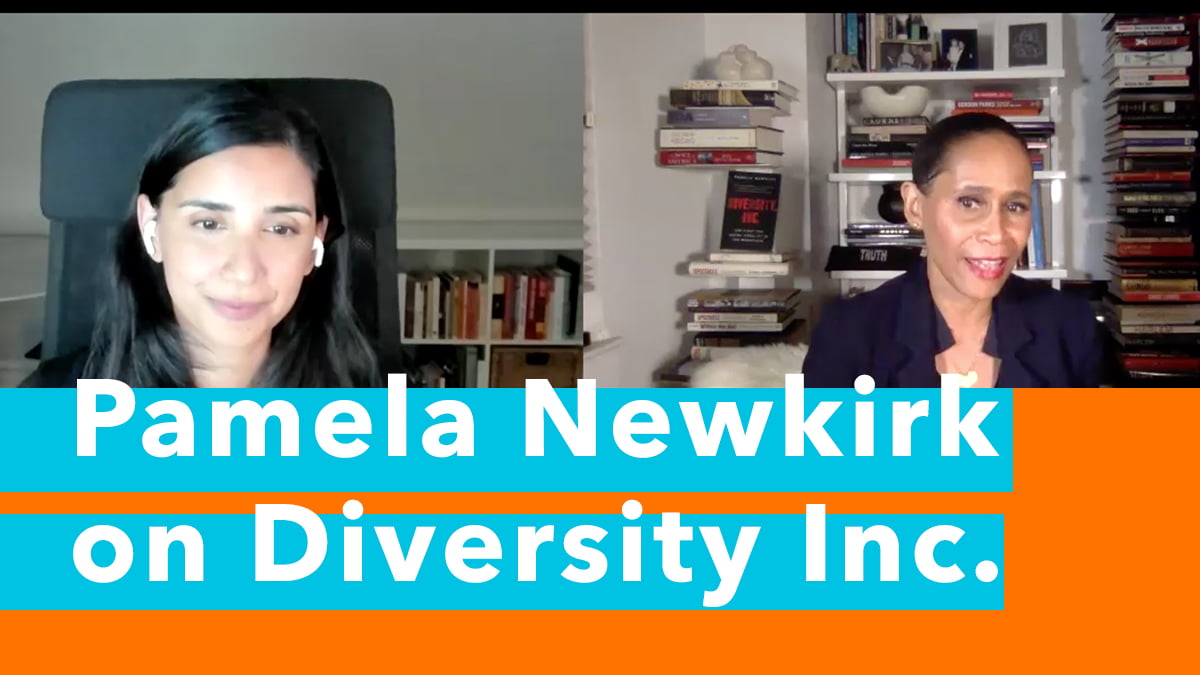
    Pamela Newkirk, Professor of Journalism, New York University, award-winning journalist, and author of “Diversity, Inc.: The Fight for Racial Equality in the Workplace,” joined GATE’s Sonia Kang to discuss how organizations rely on a profoundly misguided industry with little impact on diversity outcomes.

    According to Newkirk, although organizations are investing billions of dollars into diversity initiatives, most barely move the needle when it comes to hiring people of colour, who remain grossly underrepresented in almost every field.

    “Whether we’re talking about creative fields like fashion and Hollywood film, or if we’re talking about academia, law or business, people of colour who are close to 40% of the US population are single digits in the fields that are most influential.”

    What will it take to move the needle on racial diversity?

    Newkirk encouraged organizations to examine their leadership and practices, and to build in accountability in order to disrupt systemic racism. Organizations should be measuring the employee experience with proper metrics that allow them to pinpoint where problems lie and whether progress is being made. By examining the entire employee lifecycle, including hiring, salaries, bonuses, and the allocation of opportunities, organizations will have a better understanding of where to focus their efforts.

    Are we at risk of diversity fatigue?

    Diversity is not a trend. When we talk about diversity, we need to talk about justice, Newkirk said. People are being denied opportunities and a solution will require years of attention and action.

    “This is a moment so pregnant with promise. I don’t think there is a better time in decades to lean in and figure out all of the way that you can contribute to this effort.”

    Read more of Pamela Newkirk’s thoughts on the diversity business here on Rotman’s Insights Hub. Below, watch her blow the lid off of the diversity industry and get real about the work you actually need to be doing.
    [/fusion_text][fusion_separator style_type=”none” hide_on_mobile=”small-visibility,medium-visibility,large-visibility” class=”” id=”” sep_color=”” top_margin=”20″ bottom_margin=”20″ border_size=”” icon=”” icon_circle=”” icon_circle_color=”” width=”” alignment=”center” /][fusion_button link=”https://www.gendereconomy.org/events/” text_transform=”” title=”” target=”_blank” link_attributes=”” alignment=”” modal=”” hide_on_mobile=”small-visibility,medium-visibility,large-visibility” class=”” id=”” color=”custom” button_gradient_top_color=”#62bd19″ button_gradient_bottom_color=”#62bd19″ button_gradient_top_color_hover=”#00c2e2″ button_gradient_bottom_color_hover=”#00c2e2″ accent_color=”” accent_hover_color=”” type=”” bevel_color=”” size=”” stretch=”yes” icon=”” icon_position=”left” icon_divider=”no” animation_type=”” animation_direction=”left” animation_speed=”0.3″ animation_offset=””]See more events[/fusion_button][/fusion_builder_column][/fusion_builder_row][/fusion_builder_container]

  • Greater impact on women — and how we can rebuild equitably

    Greater impact on women — and how we can rebuild equitably

    At this point in the pandemic, we should no longer be asking if COVID is affecting women to a greater degree than men.

    The evidence shows it is, and in many ways; a primer on the gendered impacts of COVID-19 released in April by the Institute for Gender and the Economy (GATE) pointed to higher participation in risky front-line work, greater susceptibility to economic uncertainty, increased domestic and caregiving responsibilities, increased vulnerability to domestic violence, and barriers to sexual and reproductive healthcare — with Indigenous, racialized, low-income, LGBTQ+ and other vulnerable groups worse affected.

    Even as social distancing rules are relaxing, the situation has not improved. The latest statistics show women suffered a greater loss of jobs and are experiencing a slower recovery, have higher reported mental health issues, and a higher COVID mortality rate in Canada — and relatively speaking, this is still just the immediate impact. We don’t have a clear view of the long-term effects of the pandemic for women.

    I spoke with Sarah Kaplan, Founder and Director of GATE, to get her take on why it’s important to look at COVID with an intersectional gendered lens, where we are headed with respect to gender equality, and what we can be doing to build a more inclusive future.

    Read the full article here.

  • Equity Leaders Fireside Chat with Sarah Kaplan

    Equity Leaders Fireside Chat with Sarah Kaplan

    [fusion_builder_container hundred_percent=”no” equal_height_columns=”no” menu_anchor=”” hide_on_mobile=”small-visibility,medium-visibility,large-visibility” class=”” id=”” background_color=”” background_image=”” background_position=”center center” background_repeat=”no-repeat” fade=”no” background_parallax=”none” parallax_speed=”0.3″ video_mp4=”” video_webm=”” video_ogv=”” video_url=”” video_aspect_ratio=”16:9″ video_loop=”yes” video_mute=”yes” overlay_color=”” video_preview_image=”” border_color=”” border_style=”solid” padding_top=”” padding_bottom=”” padding_left=”” padding_right=”” type=”legacy”][fusion_builder_row][fusion_builder_column type=”1_1″ layout=”1_1″ background_position=”left top” background_color=”” border_color=”” border_style=”solid” border_position=”all” spacing=”yes” background_image=”” background_repeat=”no-repeat” padding_top=”” padding_right=”” padding_bottom=”” padding_left=”” margin_top=”0px” margin_bottom=”0px” class=”” id=”” animation_type=”” animation_speed=”0.3″ animation_direction=”left” hide_on_mobile=”small-visibility,medium-visibility,large-visibility” center_content=”no” last=”true” min_height=”” hover_type=”none” link=”” border_sizes_top=”” border_sizes_bottom=”” border_sizes_left=”” border_sizes_right=”” first=”true”][fusion_text columns=”” column_min_width=”” column_spacing=”” rule_style=”” rule_size=”” rule_color=”” hue=”” saturation=”” lightness=”” alpha=”” content_alignment_medium=”” content_alignment_small=”” content_alignment=”” hide_on_mobile=”small-visibility,medium-visibility,large-visibility” sticky_display=”normal,sticky” class=”” id=”” margin_top=”” margin_right=”” margin_bottom=”” margin_left=”” fusion_font_family_text_font=”” fusion_font_variant_text_font=”” font_size=”” line_height=”” letter_spacing=”” text_transform=”” text_color=”” animation_type=”” animation_direction=”left” animation_color=”” animation_speed=”0.3″ animation_delay=”0″ animation_offset=”” logics=””]What does COVID-19 mean for Gender and the Economy? Sarah Kaplan joins Jake Stika, Executive Director of Next Gen Men, for a discussion on how this pandemic is gendered, impacting the economy, and the future of work.

    [/fusion_text][/fusion_builder_column][/fusion_builder_row][/fusion_builder_container]

  • Industry Partner Workshop | February 2020

    Industry Partner Workshop | February 2020

    [fusion_builder_container hundred_percent=”no” equal_height_columns=”no” menu_anchor=”” hide_on_mobile=”small-visibility,medium-visibility,large-visibility” class=”” id=”” background_color=”” background_image=”” background_position=”center center” background_repeat=”no-repeat” fade=”no” background_parallax=”none” parallax_speed=”0.3″ video_mp4=”” video_webm=”” video_ogv=”” video_url=”” video_aspect_ratio=”16:9″ video_loop=”yes” video_mute=”yes” overlay_color=”” video_preview_image=”” border_size=”” border_color=”” border_style=”solid” padding_top=”” padding_bottom=”” padding_left=”” padding_right=””][fusion_builder_row][fusion_builder_column type=”1_1″ layout=”1_1″ background_position=”left top” background_color=”” border_size=”” border_color=”” border_style=”solid” border_position=”all” spacing=”yes” background_image=”” background_repeat=”no-repeat” padding_top=”” padding_right=”” padding_bottom=”” padding_left=”” margin_top=”0px” margin_bottom=”0px” class=”” id=”” animation_type=”” animation_speed=”0.3″ animation_direction=”left” hide_on_mobile=”small-visibility,medium-visibility,large-visibility” center_content=”no” last=”true” min_height=”” hover_type=”none” link=”” first=”true”][fusion_text columns=”” column_min_width=”” column_spacing=”” rule_style=”default” rule_size=”” rule_color=”” hide_on_mobile=”small-visibility,medium-visibility,large-visibility” class=”” id=”” animation_type=”” animation_direction=”left” animation_speed=”0.3″ animation_offset=””]

    Inviting new conversations to disrupt change…

    GATE was as thrilled to once again engage with Industry Partners on the cutting-edge topics of the day. Partners and Power Circle members get a chance to learn about in-progress research before it gets published and interact with our researchers. In our fifth Industry Partner Workshop, researchers shared their latest insights on how gender norms shape team leadership especially in conditions of uncertainty and how work design (such as the introduction of agile work practices) can impact the uptake of flexible work policies.

    We also showcased Rotman’s Masters of Management Analytics (MMA) degree, offering a unique opportunity for Industry Partners to host student teams in their workplaces through the program’s analytics practicum projects.

    Download key insights from the workshop and a resource list, here.
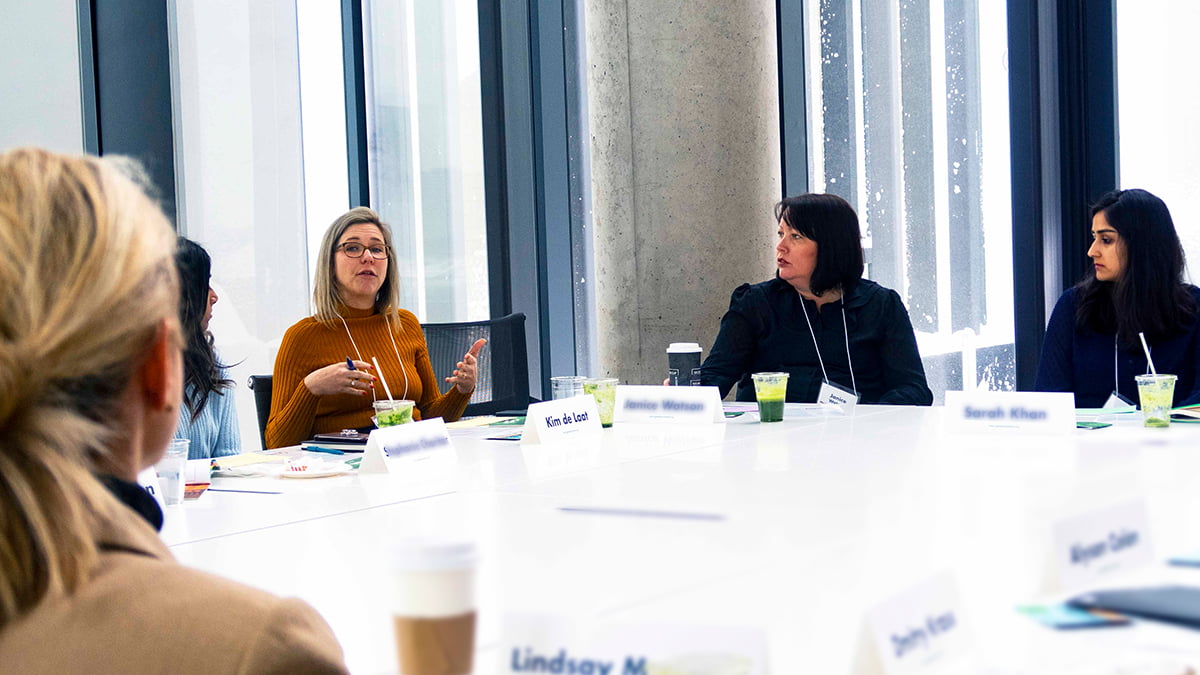
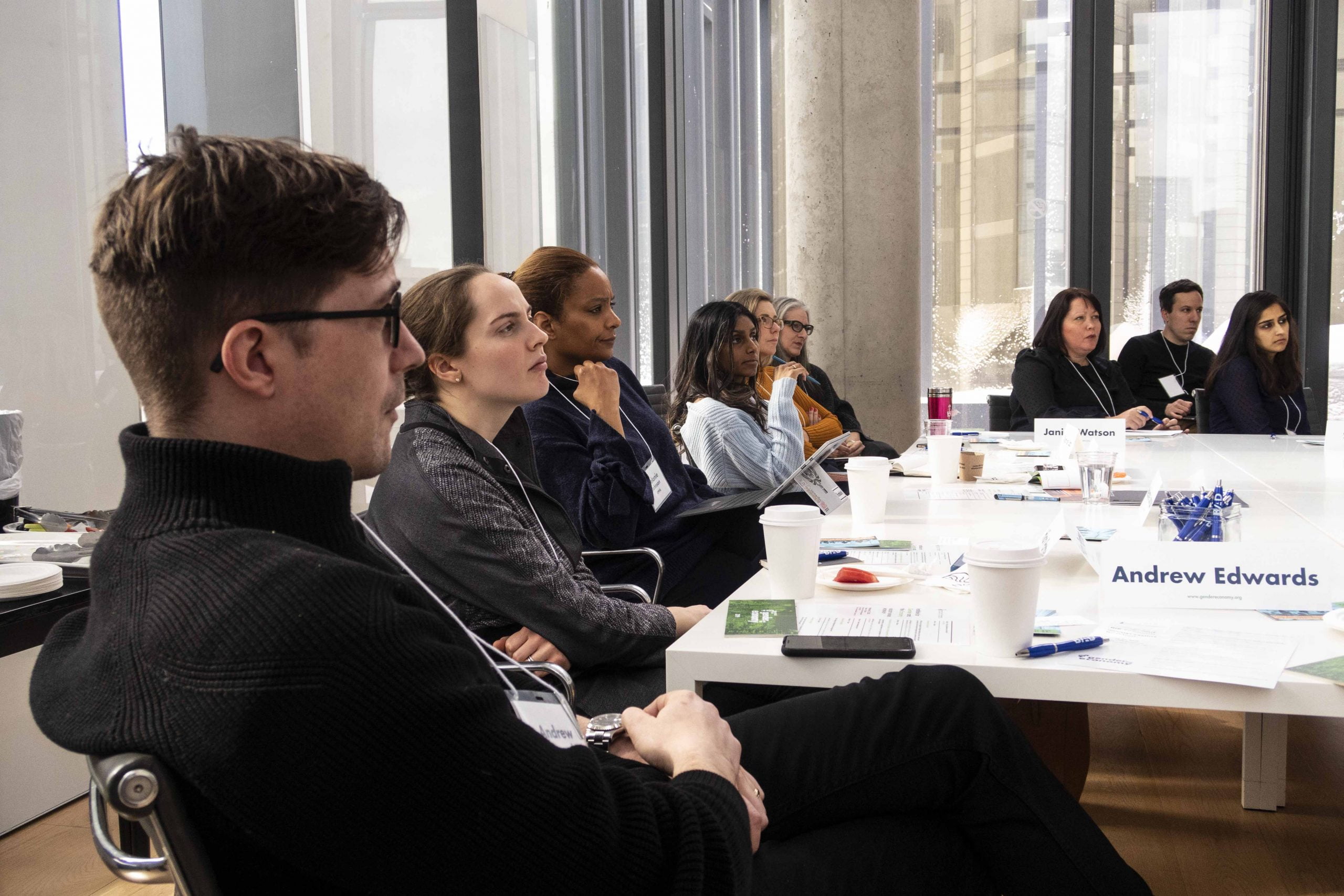
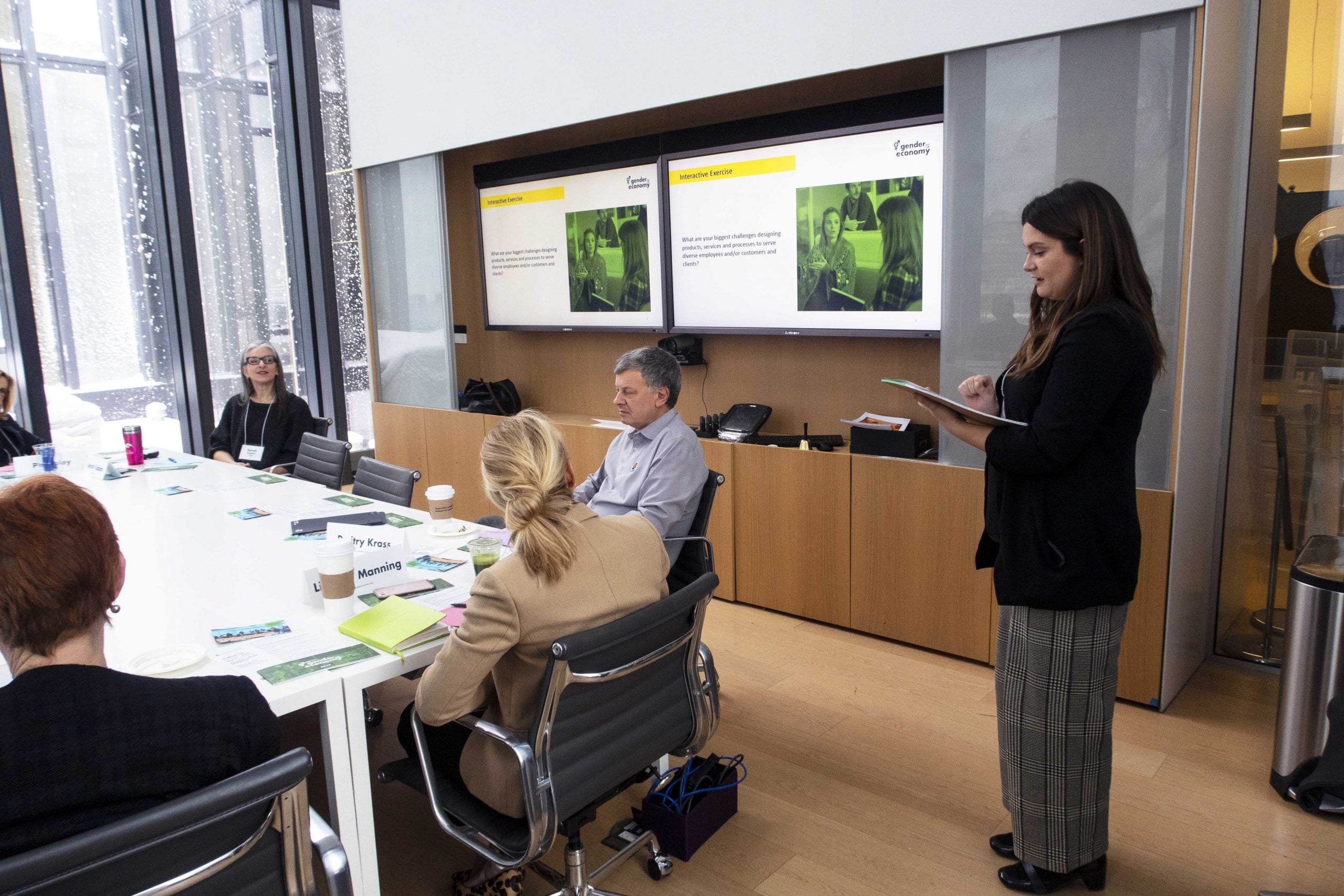
    Industry Workshop participants take part in a written activity
    Are you interested in supporting our research as an Industry Partner? Find out more here.

    [/fusion_text][fusion_separator style_type=”none” hide_on_mobile=”small-visibility,medium-visibility,large-visibility” class=”” id=”” sep_color=”” top_margin=”25″ bottom_margin=”25″ border_size=”” icon=”” icon_circle=”” icon_circle_color=”” width=”” alignment=”center” /][fusion_button link=”https://www.gendereconomy.org/past-events/” text_transform=”” title=”” target=”_blank” link_attributes=”” alignment=”” modal=”” hide_on_mobile=”small-visibility,medium-visibility,large-visibility” class=”” id=”” color=”custom” button_gradient_top_color=”#62bd19″ button_gradient_bottom_color=”#62bd19″ button_gradient_top_color_hover=”#00c2e2″ button_gradient_bottom_color_hover=”#00c2e2″ accent_color=”” accent_hover_color=”” type=”” bevel_color=”” border_width=”” size=”” stretch=”yes” icon=”” icon_position=”left” icon_divider=”no” animation_type=”” animation_direction=”left” animation_speed=”0.3″ animation_offset=”” border_radius=””]See more past events[/fusion_button][fusion_separator style_type=”none” hide_on_mobile=”small-visibility,medium-visibility,large-visibility” class=”” id=”” sep_color=”” top_margin=”20″ bottom_margin=”20″ border_size=”” icon=”” icon_circle=”” icon_circle_color=”” width=”” alignment=”center” /][fusion_title margin_top=”” margin_bottom=”” hide_on_mobile=”medium-visibility,large-visibility” class=”” id=”” size=”5″ content_align=”center” style_type=”default” sep_color=””]

    Or register below for these upcoming events

    [/fusion_title][fusion_recent_posts layout=”default” hover_type=”none” columns=”3″ number_posts=”3″ offset=”0″ pull_by=”category” cat_slug=”events” exclude_cats=”past” tag_slug=”” exclude_tags=”” thumbnail=”yes” title=”yes” meta=”no” meta_author=”no” meta_categories=”no” meta_date=”yes” meta_comments=”yes” meta_tags=”no” content_alignment=”” excerpt=”no” excerpt_length=”35″ strip_html=”yes” scrolling=”no” hide_on_mobile=”medium-visibility,large-visibility” class=”” id=”” animation_type=”” animation_direction=”left” animation_speed=”0.3″ animation_offset=”” /][/fusion_builder_column][/fusion_builder_row][/fusion_builder_container]
  • Increasing supplier diversity in Canada

    Increasing supplier diversity in Canada

    [fusion_builder_container admin_label=”” hundred_percent=”no” equal_height_columns=”no” menu_anchor=”” hide_on_mobile=”small-visibility,medium-visibility,large-visibility” class=”” id=”” background_color=”” background_image=”” background_position=”center center” background_repeat=”no-repeat” fade=”no” background_parallax=”none” enable_mobile=”no” parallax_speed=”0.3″ video_mp4=”” video_webm=”” video_ogv=”” video_url=”” video_aspect_ratio=”16:9″ video_loop=”yes” video_mute=”yes” video_preview_image=”” border_size=”” border_color=”” border_style=”solid” margin_top=”20″ margin_bottom=”” padding_top=”” padding_right=”” padding_bottom=”” padding_left=””][fusion_builder_row][fusion_builder_column type=”3_4″ layout=”3_4″ spacing=”” center_content=”no” hover_type=”none” link=”” min_height=”” hide_on_mobile=”small-visibility,medium-visibility,large-visibility” class=”” id=”” background_color=”” background_image=”” background_position=”left top” background_repeat=”no-repeat” border_size=”0″ border_color=”” border_style=”solid” border_position=”all” padding_top=”” padding_right=”” padding_bottom=”” padding_left=”” margin_top=”” margin_bottom=”” animation_type=”” animation_direction=”left” animation_speed=”0.3″ animation_offset=”” last=”false” first=”true”][fusion_text columns=”” column_min_width=”” column_spacing=”” rule_style=”default” rule_size=”” rule_color=”” hide_on_mobile=”small-visibility,medium-visibility,large-visibility” class=”” id=”” animation_type=”” animation_direction=”left” animation_speed=”0.3″ animation_offset=””]

    Executive summary

    Supplier diversity is a strategic business process where large organizations, in both the public and private sector, aim to provide businesses owned by diverse groups an equal opportunity to become their suppliers.[1] Generally, a supplier is classified as diverse if it is at least 51% owned, operated and controlled by historically marginalized groups. This may include women, visible minorities, Indigenous people, people identifying as LGBT+, people with disabilities, or veterans.

    Supplier diversity programs have important benefits: they can facilitate the growth of small and medium enterprises owned by disadvantaged groups that may not otherwise be able to access large clientele. They can also provide large organizations with access to new markets, improve their corporate image, and enhance flexibility and competition in their supply chains. Further, supplier diversity programs are a strategy for social change: they can promote equity by providing disadvantaged groups and communities with decent work and improving their economic inclusion.

    The programs may include different elements, including requiring a certain percentage of suppliers to be diverse; listing supplier diversity on requests for proposals; ensuring staff are trained on supplier diversity; mentoring and developing diverse suppliers; investing in training of diverse suppliers; and making use of a supplier certification program, such as through the Women Business Enterprises Canada Council.[2]

    In the United States, federal public procurement includes set-aside policies, ensuring that a certain percentage of contracts goes to racial minorities, women, and business owners from other disadvantaged groups. Such policies have set a standard for supplier diversity that many private companies in the United States now follow. In comparison, as detailed in this report, Canadian companies and governments are lagging. Research suggests that stronger efforts could be made to strengthen supplier diversity in Canada, both in corporations and in public procurement. This policy brief discusses the state of supplier diversity in Canada, benefits of implementing it, potential barriers, and how companies and policymakers could better support it.

    Read and/or download the full policy brief.

    __________________________

    Policy brief prepared by:

    CARMINA RAVANERA OF THE INSTITUTE FOR GENDER AND THE ECONOMY AT THE ROTMAN SCHOOL OF MANAGEMENT, UNIVERSITY OF TORONTO, UNDER THE SUPERVISION OF PROFESSOR SARAH KAPLAN.

    References:

    [1] Canadian Aboriginal and Minority Supplier Council (2020). Supplier Diversity. Retrieved on January 6, 2020 from https://www.camsc.ca/what-is-supplier-diversity

    [2] Larson, P.D. (2012). Supplier Diversity in the GTA: Business Case and Best Practices. Diverse City Toronto. Retrieved on November 7, 2019 from https://www.civicaction.ca/missed-opportunity-for-economic-growth-in-the-gta-first-ever-study-on-supplier-diversity/[/fusion_text][fusion_separator style_type=”none” hide_on_mobile=”small-visibility,medium-visibility,large-visibility” class=”” id=”” sep_color=”” top_margin=”20″ bottom_margin=”20″ border_size=”” icon=”” icon_circle=”” icon_circle_color=”” width=”” alignment=”center” /][fusion_button link=”https://www.gendereconomy.org/category/policy-briefs/” text_transform=”” title=”” target=”_blank” link_attributes=”” alignment=”” modal=”” hide_on_mobile=”small-visibility,medium-visibility,large-visibility” class=”” id=”” color=”custom” button_gradient_top_color=”#62bd19″ button_gradient_bottom_color=”#62bd19″ button_gradient_top_color_hover=”#00c2e2″ button_gradient_bottom_color_hover=”#00c2e2″ accent_color=”” accent_hover_color=”” type=”” bevel_color=”” border_width=”” size=”” stretch=”yes” icon=”” icon_position=”left” icon_divider=”no” animation_type=”” animation_direction=”left” animation_speed=”0.3″ animation_offset=”” border_radius=””]See more policy briefs[/fusion_button][fusion_separator style_type=”none” hide_on_mobile=”small-visibility,medium-visibility,large-visibility” class=”” id=”” sep_color=”” top_margin=”20″ bottom_margin=”20″ border_size=”” icon=”” icon_circle=”” icon_circle_color=”” width=”” alignment=”center” /][fusion_recent_posts layout=”default” picture_size=”fixed” hover_type=”none” columns=”3″ number_posts=”3″ offset=”0″ pull_by=”category” cat_slug=”policy-briefs” exclude_cats=”” tag_slug=”” exclude_tags=”” thumbnail=”yes” title=”yes” meta=”no” meta_author=”no” meta_categories=”no” meta_date=”yes” meta_comments=”yes” meta_tags=”no” content_alignment=”” excerpt=”no” excerpt_length=”35″ strip_html=”yes” scrolling=”no” hide_on_mobile=”small-visibility,medium-visibility,large-visibility” class=”” id=”” animation_type=”” animation_direction=”left” animation_speed=”0.3″ animation_offset=”” /][/fusion_builder_column][fusion_builder_column type=”1_4″ layout=”1_4″ spacing=”” center_content=”no” hover_type=”none” link=”” min_height=”” hide_on_mobile=”small-visibility,medium-visibility,large-visibility” class=”” id=”” background_color=”” background_image=”” background_position=”left top” background_repeat=”no-repeat” border_size=”0″ border_color=”” border_style=”solid” border_position=”all” padding_top=”” padding_right=”” padding_bottom=”” padding_left=”” margin_top=”” margin_bottom=”” animation_type=”” animation_direction=”left” animation_speed=”0.3″ animation_offset=”” last=”true” first=”false”][fusion_title hide_on_mobile=”small-visibility,medium-visibility,large-visibility” class=”briefsummary” id=”” content_align=”left” size=”3″ font_size=”” line_height=”” letter_spacing=”” margin_top=”” margin_bottom=”” margin_top_mobile=”” margin_bottom_mobile=”” text_color=”” style_type=”none” sep_color=””]

    Authors

    Carmina Ravanera

    Published

    March 2020

    [/fusion_title][fusion_widget_area name=”avada-custom-sidebar-researchbriefsidebar” title_size=”” title_color=”” background_color=”” padding_top=”” padding_right=”” padding_bottom=”” padding_left=”” hide_on_mobile=”small-visibility,medium-visibility,large-visibility” class=”” id=”” /][/fusion_builder_column][/fusion_builder_row][/fusion_builder_container]