Tag: Diversity+inclusion

Research briefs, news, and event recaps related to diversity and inclusion.

  • Increasing gender diversity in capital markets

    Increasing gender diversity in capital markets

    [fusion_builder_container admin_label=”” hundred_percent=”no” equal_height_columns=”no” menu_anchor=”” hide_on_mobile=”small-visibility,medium-visibility,large-visibility” class=”” id=”” background_color=”” background_image=”” background_position=”center center” background_repeat=”no-repeat” fade=”no” background_parallax=”none” enable_mobile=”no” parallax_speed=”0.3″ video_mp4=”” video_webm=”” video_ogv=”” video_url=”” video_aspect_ratio=”16:9″ video_loop=”yes” video_mute=”yes” video_preview_image=”” border_size=”” border_color=”” border_style=”solid” margin_top=”20″ margin_bottom=”” padding_top=”” padding_right=”” padding_bottom=”” padding_left=””][fusion_builder_row][fusion_builder_column type=”3_4″ layout=”3_4″ spacing=”” center_content=”no” hover_type=”none” link=”” min_height=”” hide_on_mobile=”small-visibility,medium-visibility,large-visibility” class=”” id=”” background_color=”” background_image=”” background_position=”left top” background_repeat=”no-repeat” border_size=”0″ border_color=”” border_style=”solid” border_position=”all” padding_top=”” padding_right=”” padding_bottom=”” padding_left=”” margin_top=”” margin_bottom=”” animation_type=”” animation_direction=”left” animation_speed=”0.3″ animation_offset=”” last=”no”][fusion_text columns=”” column_min_width=”” column_spacing=”” rule_style=”default” rule_size=”” rule_color=”” hide_on_mobile=”small-visibility,medium-visibility,large-visibility” class=”” id=””]

    Introduction

    Women’s representation in capital markets has increased over the past few decades, but there has not been much change in leadership: these roles remain overwhelmingly filled by men. What contributes to this underrepresentation of women, and what can the industry do to improve it? The Institute for Gender and the Economy, in conjunction with Women in Capital Markets, hosted a panel discussion at Rotman School of Management in September 2018 to talk about these challenges.

    Moderated by Sarah Kaplan, Professor at Rotman and Director of the Institute for Gender and the Economy, the panel of four included Amber Choudhry, Managing Director, Debt Capital Markets at CIBC Capital Markets; Deland Kamanga, Head of Global Fixed Income Currencies and Commodities (FICC) within BMO Capital Markets; Loretta Marcoccia, SVP & Chief Administrative Officer, Global Capital Markets, Scotiabank; and Camilla Sutton, President and CEO of Women in Capital Markets. The panel discussed the progress the industry has made on gender equality, barriers that still exist, and the various initiatives that have been implemented in their workplaces to make them more inclusive. Below are key takeaways from the discussion.

    Family responsibilities are only one factor in women’s underrepresentation

    A lack of gender diversity in leadership is often attributed to the difficulties women face in continuing their careers after they take time off to have a family. Indeed, many workplaces do not accommodate employees who need flexibility for care responsibilities, which disproportionately affects women and their ability to progress at work. However, the panelists emphasized that this is just one cause of a lack of diversity. Diverse candidates face numerous other barriers, including discrimination, unconscious bias in hiring and promoting, and a lack of networks in the “Old Boys Clubs” that are common in male-dominated industries like capital markets.

    Managers do not take enough risks on women candidates

    Women tend to be stereotyped as risk-averse, and this stereotype is used to justify why they do not get ahead at work. It is important to reframe this conversation and consider how managers don’t take risks on women. That is, managers may be willing to promote men even if their qualifications aren’t a perfect match for a position, but won’t do the same for women. This bias should be recognized, rather than placing blame on women for not making the right career decisions. 

    Women tend to be stereotyped as risk-averse, and this stereotype is used to justify why they do not get ahead at work.

    Diversity and inclusion should not stop with gender

    In general, diversity initiatives have been shown to solely benefit white women. When asked how capital markets are making room for other underrepresented groups, like racialized women, panelists acknowledged that the primary focus for diversity tends to be on gender alone. There may be a gap in addressing underrepresentation of other minority groups, and moving forward, working to include these groups needs to be a priority.

    Diversity and inclusion initiatives in capital markets can be more innovative

    The panelists’ workplaces have implemented several different diversity initiatives, such as ensuring that every position has at least one minority candidate, and that interviewer panels include at least one woman. However, they also noted that these have not resulted in as much change as they would like, and discussed what they are doing to be more impactful. Ideas included:

    • Including diversity on leader scorecards: Increasing diversity is part of all leaders’ performance evaluations. For instance, leaders are required to expand the diversity of their personal networks. If they don’t perform well in this area, they face a financial penalty.
    • Conducting skills inventories: Managers decide on the necessary skills for every position, and do not stray from this framework of skills when hiring. This makes it less likely that candidates will be chosen based on biased criteria, like being a “good fit”.
    • Creating a position for a senior diversity and inclusion leader: A diversity and inclusion leader who is a respected senior member of the organization, and who is situated on the trading floor with other leaders, signals to employees that diversity and inclusion is highly valued.
    • Actively involving men: Workplace groups that aim to involve men in advancing gender equality, for example through formalized training, peer coaching, and online communities or discussion forums, can be strong tools for education.

    For women and other minority groups to find successful careers in this industry, there needs to be a shift in both the structure and culture.

    Conclusions

    Numerous factors contribute to the pronounced lack of diversity in capital markets, particularly in leadership. For women and other minority groups to find successful careers in this industry, there needs to be a shift in both the structure and culture of banks and financial service organizations. Potentially, this shift may come from more inventive and coordinated diversity and inclusion strategies, as well as a stronger emphasis on holding managers and leaders accountable for change.

    For more information about the “Women in Capital Markets” panel event, click here.
    To see a case study on this issue, click here.

    [/fusion_text][fusion_separator style_type=”none” hide_on_mobile=”small-visibility,medium-visibility,large-visibility” class=”” id=”” sep_color=”” top_margin=”20″ bottom_margin=”20″ border_size=”” icon=”” icon_circle=”” icon_circle_color=”” width=”” alignment=”center” /][fusion_button link=”https://www.gendereconomy.org/lessons-from-practice/” text_transform=”” title=”” target=”_blank” link_attributes=”” alignment=”” modal=”” hide_on_mobile=”small-visibility,medium-visibility,large-visibility” class=”” id=”” color=”custom” button_gradient_top_color=”#62bd19″ button_gradient_bottom_color=”#62bd19″ button_gradient_top_color_hover=”#00c2e2″ button_gradient_bottom_color_hover=”#00c2e2″ accent_color=”” accent_hover_color=”” type=”” bevel_color=”” border_width=”” size=”” stretch=”yes” shape=”” icon=”” icon_position=”left” icon_divider=”no” animation_type=”” animation_direction=”left” animation_speed=”0.3″ animation_offset=””]See more lessons from practice[/fusion_button][fusion_separator style_type=”none” hide_on_mobile=”small-visibility,medium-visibility,large-visibility” class=”” id=”” sep_color=”” top_margin=”20″ bottom_margin=”20″ border_size=”” icon=”” icon_circle=”” icon_circle_color=”” width=”” alignment=”center” /][fusion_recent_posts layout=”default” picture_size=”fixed” hover_type=”none” columns=”3″ number_posts=”3″ offset=”0″ pull_by=”category” cat_slug=”lessons-from-practice” exclude_cats=”” tag_slug=”” exclude_tags=”” thumbnail=”yes” title=”yes” meta=”no” meta_author=”no” meta_categories=”no” meta_date=”yes” meta_comments=”yes” meta_tags=”no” content_alignment=”” excerpt=”no” excerpt_length=”35″ strip_html=”yes” scrolling=”no” hide_on_mobile=”small-visibility,medium-visibility,large-visibility” class=”” id=”” animation_type=”” animation_direction=”left” animation_speed=”0.3″ animation_offset=”” /][/fusion_builder_column][fusion_builder_column type=”1_4″ layout=”1_4″ spacing=”” center_content=”no” hover_type=”none” link=”” min_height=”” hide_on_mobile=”small-visibility,medium-visibility,large-visibility” class=”” id=”” background_color=”” background_image=”” background_position=”left top” background_repeat=”no-repeat” border_size=”0″ border_color=”” border_style=”solid” border_position=”all” padding_top=”” padding_right=”” padding_bottom=”” padding_left=”” margin_top=”” margin_bottom=”” animation_type=”” animation_direction=”left” animation_speed=”0.3″ animation_offset=”” last=”no”][fusion_title hide_on_mobile=”small-visibility,medium-visibility,large-visibility” class=”briefsummary” id=”” content_align=”left” size=”3″ font_size=”” line_height=”” letter_spacing=”” margin_top=”” margin_bottom=”” margin_top_mobile=”” margin_bottom_mobile=”” text_color=”” style_type=”none” sep_color=””]

    Published

    August 2019

    Prepared by

    Carmina Ravanera

    [/fusion_title][fusion_widget_area name=”avada-custom-sidebar-researchbriefsidebar” title_size=”” title_color=”” background_color=”” padding_top=”” padding_right=”” padding_bottom=”” padding_left=”” hide_on_mobile=”small-visibility,medium-visibility,large-visibility” class=”” id=”” /][/fusion_builder_column][/fusion_builder_row][/fusion_builder_container]


  • Diversity and inclusion in small and medium enterprises (SME’s)

    Diversity and inclusion in small and medium enterprises (SME’s)

    [fusion_builder_container admin_label=”” hundred_percent=”no” equal_height_columns=”no” menu_anchor=”” hide_on_mobile=”small-visibility,medium-visibility,large-visibility” class=”” id=”” background_color=”” background_image=”” background_position=”center center” background_repeat=”no-repeat” fade=”no” background_parallax=”none” enable_mobile=”no” parallax_speed=”0.3″ video_mp4=”” video_webm=”” video_ogv=”” video_url=”” video_aspect_ratio=”16:9″ video_loop=”yes” video_mute=”yes” video_preview_image=”” border_size=”” border_color=”” border_style=”solid” margin_top=”20″ margin_bottom=”” padding_top=”” padding_right=”” padding_bottom=”” padding_left=””][fusion_builder_row][fusion_builder_column type=”3_4″ layout=”3_4″ spacing=”” center_content=”no” hover_type=”none” link=”” min_height=”” hide_on_mobile=”small-visibility,medium-visibility,large-visibility” class=”” id=”” background_color=”” background_image=”” background_position=”left top” background_repeat=”no-repeat” border_size=”0″ border_color=”” border_style=”solid” border_position=”all” padding_top=”” padding_right=”” padding_bottom=”” padding_left=”” margin_top=”” margin_bottom=”” animation_type=”” animation_direction=”left” animation_speed=”0.3″ animation_offset=”” last=”no”][fusion_text columns=”” column_min_width=”” column_spacing=”” rule_style=”default” rule_size=”” rule_color=”” hide_on_mobile=”small-visibility,medium-visibility,large-visibility” class=”” id=””]

    Executive summary

    Small and medium enterprises (SMEs) (below 500 employees) employ more than 90% of the private labour force and provide nearly 60% of all jobs in Canada. Therefore, to achieve inclusion of all underrepresented groups at work, policy makers must focus on helping these employers develop robust diversity and inclusion practices.

    While much of the policy focus on diversity in SMEs has been on improving access to capital for women and other underrepresented groups to form or grow businesses, a larger impact might come from attending to all SMEs and their ability to implement diversity and inclusion in their work. This would be helpful not only for business owners in general, but also the 16% of SMEs that are owned and operated by women. Many or all of these enterprises are subject to laws and regulations mandating equal treatment, such as the Human Rights code, pay equity and pay transparency legislation, parental leave, and other. At the same time, SMEs do not necessarily have the scale for full-time human resources managers, nor the capacity to implement and assure compliance. Further, smaller businesses may not perceive they have the resources to appropriately address these issues. Unfortunately, little research has been done on what SMEs are doing or what they might do to promote equality for all. This policy brief summarizes what is known about diversity and inclusion in SMEs in the Canadian context and what could be done going forward.

    Read and/or download the full policy brief.

    [/fusion_text][fusion_separator style_type=”none” hide_on_mobile=”small-visibility,medium-visibility,large-visibility” class=”” id=”” sep_color=”” top_margin=”20″ bottom_margin=”20″ border_size=”” icon=”” icon_circle=”” icon_circle_color=”” width=”” alignment=”center” /][fusion_button link=”https://www.gendereconomy.org/category/policy-briefs/” text_transform=”” title=”” target=”_blank” link_attributes=”” alignment=”” modal=”” hide_on_mobile=”small-visibility,medium-visibility,large-visibility” class=”” id=”” color=”custom” button_gradient_top_color=”#62bd19″ button_gradient_bottom_color=”#62bd19″ button_gradient_top_color_hover=”#00c2e2″ button_gradient_bottom_color_hover=”#00c2e2″ accent_color=”” accent_hover_color=”” type=”” bevel_color=”” border_width=”” size=”” stretch=”yes” shape=”” icon=”” icon_position=”left” icon_divider=”no” animation_type=”” animation_direction=”left” animation_speed=”0.3″ animation_offset=””]See more policy briefs[/fusion_button][fusion_separator style_type=”none” hide_on_mobile=”small-visibility,medium-visibility,large-visibility” class=”” id=”” sep_color=”” top_margin=”20″ bottom_margin=”20″ border_size=”” icon=”” icon_circle=”” icon_circle_color=”” width=”” alignment=”center” /][fusion_recent_posts layout=”default” picture_size=”fixed” hover_type=”none” columns=”3″ number_posts=”3″ offset=”0″ pull_by=”category” cat_slug=”policy-briefs” exclude_cats=”” tag_slug=”” exclude_tags=”” thumbnail=”yes” title=”yes” meta=”no” meta_author=”no” meta_categories=”no” meta_date=”yes” meta_comments=”yes” meta_tags=”no” content_alignment=”” excerpt=”no” excerpt_length=”35″ strip_html=”yes” scrolling=”no” hide_on_mobile=”small-visibility,medium-visibility,large-visibility” class=”” id=”” animation_type=”” animation_direction=”left” animation_speed=”0.3″ animation_offset=”” /][/fusion_builder_column][fusion_builder_column type=”1_4″ layout=”1_4″ spacing=”” center_content=”no” hover_type=”none” link=”” min_height=”” hide_on_mobile=”small-visibility,medium-visibility,large-visibility” class=”” id=”” background_color=”” background_image=”” background_position=”left top” background_repeat=”no-repeat” border_size=”0″ border_color=”” border_style=”solid” border_position=”all” padding_top=”” padding_right=”” padding_bottom=”” padding_left=”” margin_top=”” margin_bottom=”” animation_type=”” animation_direction=”left” animation_speed=”0.3″ animation_offset=”” last=”no”][fusion_title hide_on_mobile=”small-visibility,medium-visibility,large-visibility” class=”briefsummary” id=”” content_align=”left” size=”3″ font_size=”” line_height=”” letter_spacing=”” margin_top=”” margin_bottom=”” margin_top_mobile=”” margin_bottom_mobile=”” text_color=”” style_type=”none” sep_color=””]

    Authors

    Carmina Ravanera and Sarah Kaplan

    Published

    July 2019

    [/fusion_title][fusion_widget_area name=”avada-custom-sidebar-researchbriefsidebar” title_size=”” title_color=”” background_color=”” padding_top=”” padding_right=”” padding_bottom=”” padding_left=”” hide_on_mobile=”small-visibility,medium-visibility,large-visibility” class=”” id=”” /][/fusion_builder_column][/fusion_builder_row][/fusion_builder_container]
  • Capital markets: Why so few women?

    Capital markets: Why so few women?

    [fusion_builder_container hundred_percent=”no” equal_height_columns=”no” menu_anchor=”” hide_on_mobile=”small-visibility,medium-visibility,large-visibility” class=”” id=”” background_color=”” background_image=”” background_position=”center center” background_repeat=”no-repeat” fade=”no” background_parallax=”none” parallax_speed=”0.3″ video_mp4=”” video_webm=”” video_ogv=”” video_url=”” video_aspect_ratio=”16:9″ video_loop=”yes” video_mute=”yes” overlay_color=”” video_preview_image=”” border_size=”” border_color=”” border_style=”solid” padding_top=”” padding_bottom=”” padding_left=”” padding_right=””][fusion_builder_row][fusion_builder_column type=”1_1″ layout=”1_1″ background_position=”left top” background_color=”” border_size=”” border_color=”” border_style=”solid” border_position=”all” spacing=”yes” background_image=”” background_repeat=”no-repeat” padding_top=”” padding_right=”” padding_bottom=”” padding_left=”” margin_top=”0px” margin_bottom=”0px” class=”” id=”” animation_type=”” animation_speed=”0.3″ animation_direction=”left” hide_on_mobile=”small-visibility,medium-visibility,large-visibility” center_content=”no” last=”no” min_height=”” hover_type=”none” link=””][fusion_text columns=”” column_min_width=”” column_spacing=”” rule_style=”default” rule_size=”” rule_color=”” hide_on_mobile=”small-visibility,medium-visibility,large-visibility” class=”” id=””]

    Overview

    This case was prepared by Alicia Riolino (MBA Fellow, Institute for Gender and the Economy), Sarah Kaplan (Professor of Strategic Management and Director, Institute for Gender and the Economy) and Camilla Sutton (CEO, Women in Capital Markets) and is based on a design sprint jointly hosted by both organizations in the fall of 2018 at the Rotman School of Management. (Learn more here.)

    This case would be useful for those interested in or teaching courses in:
    • Gender analysis in the business context
    • Financial services
    • Capital markets
    • Human resources
    • Women’s empowerment

    Introduction

    Capital markets move trillions of dollars within the global economy. Global debt markets are worth over USD 100 trillion, and global equity markets are approximately USD 64 trillion, earning combined revenues of over $670 billion in 2017. Investment banks, corporate banks, institutional investors and the broader financial services industry employ over 700,000 people in Canada and account for some of the highest paying jobs in the economy. Capital markets has a history of being highly male-dominated and a reputation for being unwelcoming and even discriminatory towards women.

    To increase representation and reduce turnover for women and other underrepresented groups, many banks and financial institutions have implemented diversity and inclusion hiring and retention programs. These programs have helped to improve hiring at junior levels, with some institutions hiring at a balanced workforce at entry levels. However, for most firms the results at the mid and senior levels are still lacking. While the number of women entering capital markets has increased, few are rising to the top or advancing beyond Associate and Vice President roles. The main interventions, such as mentoring programs, unconscious bias training and more systematic promotion processes, have not yielded strong results. Consequently, representation in leadership has been slow to increase. Capital markets organizations need an effective, long-term solution to retain diverse talent. The question is, how can capital markets foster an environment that is inclusive and supports career advancement for women as well as men? What can leaders or team members do to promote an environment that is hospitable for its workforce and supports diversity?

    To view and download the full case study, follow these instructions.

    [/fusion_text][/fusion_builder_column][/fusion_builder_row][/fusion_builder_container]

  • What it means to create a “feminist city”

    What it means to create a “feminist city”

    [fusion_builder_container admin_label=”” hundred_percent=”no” equal_height_columns=”no” menu_anchor=”” hide_on_mobile=”small-visibility,medium-visibility,large-visibility” class=”” id=”” background_color=”” background_image=”” background_position=”center center” background_repeat=”no-repeat” fade=”no” background_parallax=”none” enable_mobile=”no” parallax_speed=”0.3″ video_mp4=”” video_webm=”” video_ogv=”” video_url=”” video_aspect_ratio=”16:9″ video_loop=”yes” video_mute=”yes” video_preview_image=”” border_size=”” border_color=”” border_style=”solid” margin_top=”20″ margin_bottom=”” padding_top=”” padding_right=”” padding_bottom=”” padding_left=””][fusion_builder_row][fusion_builder_column type=”3_4″ layout=”3_4″ spacing=”” center_content=”no” hover_type=”none” link=”” min_height=”” hide_on_mobile=”small-visibility,medium-visibility,large-visibility” class=”” id=”” background_color=”” background_image=”” background_position=”left top” background_repeat=”no-repeat” border_size=”0″ border_color=”” border_style=”solid” border_position=”all” padding_top=”” padding_right=”” padding_bottom=”” padding_left=”” margin_top=”” margin_bottom=”” animation_type=”” animation_direction=”left” animation_speed=”0.3″ animation_offset=”” last=”no”][fusion_text columns=”” column_min_width=”” column_spacing=”” rule_style=”default” rule_size=”” rule_color=”” hide_on_mobile=”small-visibility,medium-visibility,large-visibility” class=”” id=””]

    Introduction

    Nearly 40 years on from Dolores Hayden’s famous envisioning of a feminist city in her 1980 article “What Would a Non-Sexist City Be Like?” the city remains deeply inequitable. Many cities in Canada and around the world are struggling with systemic inequity. For instance, in the Greater Toronto Area (GTA) Indigenous peoples, as well as visible minorities and immigrants, are disproportionately represented in low-income brackets. Further, over the last few decades, income inequality has increased. Since 1980, the average income of racialized groups has stagnated, while the average income has increased for non-racialized groups. Additionally, the average income for young people has decreased–in some regions by over 20%. At the same time, the costs of renting and homeownership in cities like Toronto are steadily becoming more unaffordable as precarious employment becomes more common. Between 2016 and 2017, for example, the monthly cost of living for a single young person in Toronto increased by an average of $400 (due primarily to the exponential increase in rental prices).

    Thus, it is crucial that urban planners, policy makers, architects, and activists design and build cities that are accessible to their inhabitants, particularly those experiencing poverty, financial insecurity, and other dire circumstances. To discuss the barriers and the possibilities to build more equitable cities, the Institute for Gender and the Economy (GATE) and the School of Cities co-hosted the event, “What could a feminist city look like?” on March 27, 2019. This discussion featured:

    • Kofi Hope, Senior Policy Advisor, Wellesley Institute; Bousfield Distinguished Visitor, Department of Geography and Planning, University of Toronto
    • Olivia Nuamah, Executive Director, Pride Toronto
    • Rosemarie Powell, Executive Director, Toronto Community Benefits Network
    • Brigitte Shim, Professor, John H. Daniels Faculty of Architecture, Landscape, and Design, University of Toronto; Principal, Shim-Sutcliffe Architects

    This panel was moderated by Sarah Kaplan, Director of GATE and Professor at the Rotman School of Management, and Matti Siemiatycki, Director and Professor at the School of Cities in the University of Toronto.

    How can we create a “feminist city”?

    Prioritize community benefits in infrastructure development

    Urban infrastructure development should not disadvantage the communities that have invested and lived in their neighbourhoods for generations. Rather, development projects can prioritize community benefits by integrating the community’s broader goals, which may include poverty reduction, environmental sustainability, and local economic development, among others. For instance, community members can benefit from job creation during and after infrastructure development projects. This could occur through employment on construction sites, or through the creation of prospects for local suppliers. Prioritizing community benefits also means ensuring hiring opportunities for these jobs are equitable, and that proper job training is provided to workers so they can learn and implement new skills. To understand exactly what communities need, developers and city planners can form partnerships with organizations like the Toronto Community Benefits Network.

    Urban spaces can be embedded with certain values, influencing how inclusive it is to the community it serves.

    Embed inclusivity into urban spaces

    Urban spaces can be embedded with certain values, influencing how inclusive it is to the community it serves. This starts with how spaces are designed, and who designs them. For example, in order to win a contract, construction companies could be required to agree to inclusive behaviours on their worksite, ensuring that community members and other workers do not feel unsafe or vulnerable during development projects.

    Embedding inclusivity can also be done once a space is designed and built, through posted rules and signage. For example, during the Pride Toronto Festival, rules are posted to ensure Pride creates a safe space for the LGBTQ2+ community. This embeds the city streets with inclusivity and instructs how people should treat each other.

    In 2001, the United Kingdom reinstated free admission to all national museums in order to impart the value of accessibility to arts and culture. Despite this move by the UK government, however, barriers still remain for some individuals to access these spaces. This indicates that in order to make spaces truly inclusive for everyone, more nuanced solutions are often needed.

    Pair inclusive program delivery with urban development

    To fully benefit diverse populations, urban development needs to be inclusive in both its physical design and service delivery. For example, the Regent Park Aquatic Centre in Toronto was created with the area’s substantial immigrant population in mind. To serve the Muslim community, for example, mechanized screens were installed in front of the pool’s glass walls, providing space for Muslim women to swim in a private area if they wish to do so. Further, in order to ensure the centre is accessible to the entire community, all programming is free. The centre also holds instructional sessions for members who have not been previously exposed to swimming culture and protocols, offering information on pool rules and appropriate swimwear.

    To fully benefit diverse populations, urban development needs to be inclusive in both its physical design and service delivery.

    Without such considerations, the pool would remain inaccessible to many in the local community. Equitable urban design requires a comprehensive understanding of local communities and their unique socio-economic or cultural barriers and priorities, as well as a focus on programming rather than just the built environment.

    Conclusions

    As the global population ages, income inequality increases, and the world rapidly urbanizes, prioritizing equity and accessibility in cities is becoming more crucial. The panellists at “What could a feminist city look like?” agreed that a feminist city is based on human-centred design: it prioritizes the needs of the most marginalized communities and aims to reduce their barriers to services like transit and recreation. Further, rather than pushing communities out of developing neighbourhoods, a feminist city would recognize and invest in them by creating accessible spaces and promoting local economic, social, and cultural development.

    To learn more about this panel, check out the event summary and video clips. 

    [/fusion_text][fusion_separator style_type=”none” hide_on_mobile=”small-visibility,medium-visibility,large-visibility” class=”” id=”” sep_color=”” top_margin=”20″ bottom_margin=”20″ border_size=”” icon=”” icon_circle=”” icon_circle_color=”” width=”” alignment=”center” /][fusion_button link=”https://www.gendereconomy.org/lessons-from-practice/” text_transform=”” title=”” target=”_blank” link_attributes=”” alignment=”” modal=”” hide_on_mobile=”small-visibility,medium-visibility,large-visibility” class=”” id=”” color=”custom” button_gradient_top_color=”#62bd19″ button_gradient_bottom_color=”#62bd19″ button_gradient_top_color_hover=”#00c2e2″ button_gradient_bottom_color_hover=”#00c2e2″ accent_color=”” accent_hover_color=”” type=”” bevel_color=”” border_width=”” size=”” stretch=”yes” shape=”” icon=”” icon_position=”left” icon_divider=”no” animation_type=”” animation_direction=”left” animation_speed=”0.3″ animation_offset=””]See more lessons from practice[/fusion_button][fusion_separator style_type=”none” hide_on_mobile=”small-visibility,medium-visibility,large-visibility” class=”” id=”” sep_color=”” top_margin=”20″ bottom_margin=”20″ border_size=”” icon=”” icon_circle=”” icon_circle_color=”” width=”” alignment=”center” /][fusion_recent_posts layout=”default” picture_size=”fixed” hover_type=”none” columns=”3″ number_posts=”3″ offset=”0″ pull_by=”category” cat_slug=”lessons-from-practice” exclude_cats=”” tag_slug=”” exclude_tags=”” thumbnail=”yes” title=”yes” meta=”no” meta_author=”no” meta_categories=”no” meta_date=”yes” meta_comments=”yes” meta_tags=”no” content_alignment=”” excerpt=”no” excerpt_length=”35″ strip_html=”yes” scrolling=”no” hide_on_mobile=”small-visibility,medium-visibility,large-visibility” class=”” id=”” animation_type=”” animation_direction=”left” animation_speed=”0.3″ animation_offset=”” /][/fusion_builder_column][fusion_builder_column type=”1_4″ layout=”1_4″ spacing=”” center_content=”no” hover_type=”none” link=”” min_height=”” hide_on_mobile=”small-visibility,medium-visibility,large-visibility” class=”” id=”” background_color=”” background_image=”” background_position=”left top” background_repeat=”no-repeat” border_size=”0″ border_color=”” border_style=”solid” border_position=”all” padding_top=”” padding_right=”” padding_bottom=”” padding_left=”” margin_top=”” margin_bottom=”” animation_type=”” animation_direction=”left” animation_speed=”0.3″ animation_offset=”” last=”no”][fusion_title hide_on_mobile=”small-visibility,medium-visibility,large-visibility” class=”briefsummary” id=”” content_align=”left” size=”3″ font_size=”” line_height=”” letter_spacing=”” margin_top=”” margin_bottom=”” margin_top_mobile=”” margin_bottom_mobile=”” text_color=”” style_type=”none” sep_color=””]

    Published

    July 2019

    Prepared by

    Carmina Ravanera

    [/fusion_title][fusion_widget_area name=”avada-custom-sidebar-researchbriefsidebar” title_size=”” title_color=”” background_color=”” padding_top=”” padding_right=”” padding_bottom=”” padding_left=”” hide_on_mobile=”small-visibility,medium-visibility,large-visibility” class=”” id=”” /][/fusion_builder_column][/fusion_builder_row][/fusion_builder_container]

  • Inequality as an innovation challenge

    Inequality as an innovation challenge

    Speaking at Rotman Management Magazine’s “Short Talks: Art of Change” event in May 2019, Sarah Kaplan discusses her latest book, The 360° Corporation: From Stakeholder Trade-offs to Transformation, and how businesses can approach inequality as an innovation challenge.

    Click here to view GATE-funded researcher Mikhail’s Simutin’s talk at “Art of Change.”
  • The uses and abuses of storytelling

    The uses and abuses of storytelling

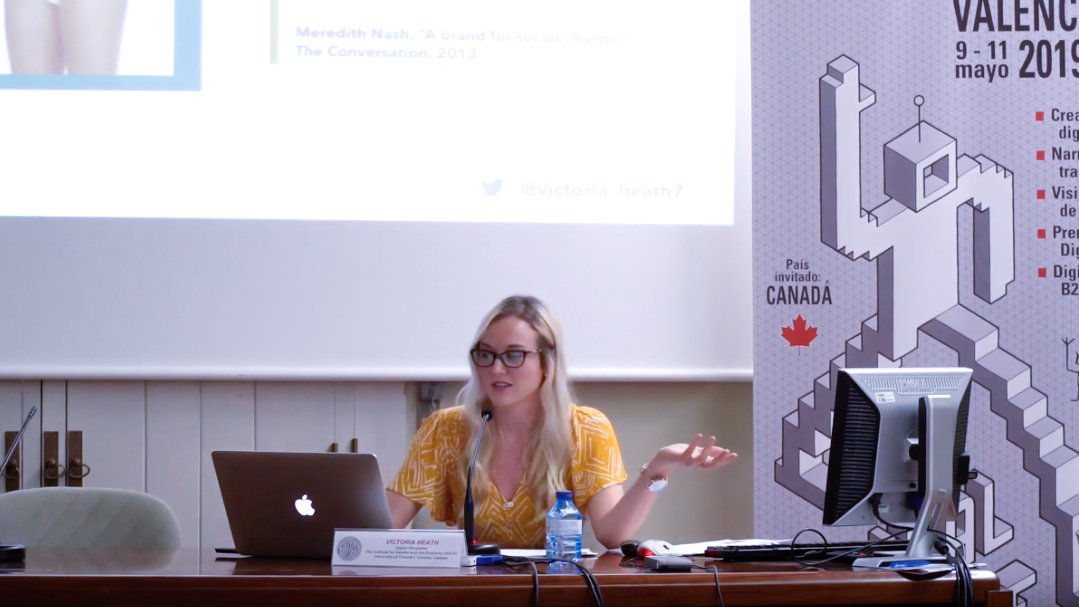
    Speaking at Digital Jove, a conference in Spain for digital creatives, Victoria Heath (GATE’s Digital Storyteller) examines the uses and abuses of storytelling and explains how we can be more responsible storytellers in the world of education and activism, particularly in regards to gender and diversity. In this presentation, she discusses a variety of storytelling examples from politics, education, advertising, and the news, and outlines six ways to tell stories more responsibly:

    1. Draw from truth and have integrity
    2. Understand your positionality and check your narrative
    3. Aim to change behaviour, not attitudes
    4. Provoke empathy, but give viewers a responsible action to take
    5. The narrative should frame the data, not the other way around
    6. Value your audience and engage with them
    Watch or listen to the full presentation below.


  • Four Short Talks on “The Art of Change”

    Four Short Talks on “The Art of Change”

    [fusion_builder_container hundred_percent=”no” equal_height_columns=”no” menu_anchor=”” hide_on_mobile=”small-visibility,medium-visibility,large-visibility” class=”” id=”” background_color=”” background_image=”” background_position=”center center” background_repeat=”no-repeat” fade=”no” background_parallax=”none” parallax_speed=”0.3″ video_mp4=”” video_webm=”” video_ogv=”” video_url=”” video_aspect_ratio=”16:9″ video_loop=”yes” video_mute=”yes” overlay_color=”” video_preview_image=”” border_size=”” border_color=”” border_style=”solid” padding_top=”” padding_bottom=”” padding_left=”” padding_right=””][fusion_builder_row][fusion_builder_column type=”1_1″ layout=”1_1″ background_position=”left top” background_color=”” border_size=”” border_color=”” border_style=”solid” border_position=”all” spacing=”yes” background_image=”” background_repeat=”no-repeat” padding_top=”” padding_right=”” padding_bottom=”” padding_left=”” margin_top=”0px” margin_bottom=”0px” class=”” id=”” animation_type=”” animation_speed=”0.3″ animation_direction=”left” hide_on_mobile=”small-visibility,medium-visibility,large-visibility” center_content=”no” last=”no” min_height=”” hover_type=”none” link=””][fusion_text columns=”” column_min_width=”” column_spacing=”” rule_style=”default” rule_size=”” rule_color=”” hide_on_mobile=”small-visibility,medium-visibility,large-visibility” class=”” id=””]

    The theme of the Spring 2019 issue of Rotman Management Magazine is “The Art of Change”. Wherever human behaviour is involved, there are opportunities for behavioural insights to influence outcomes. In the issue we look at some of the key areas that demand behaviour change, the opportunities it presents and some of the tools and mindsets required to achieve it. Our four speakers for this event each have an article or interview in the issue.

    The speakers included:

    Sarah Kaplan, Distinguished Professor of Gender and the Economy, Professor of Strategic Management and Founding Director – Institute for Gender and the Economy at Rotman (GATE), Rotman School of Management, University of Toronto, on “Inequality as an Innovation Challenge”

    Mikhail Simutin, Associate Professor of Finance and Associate Director – International Centre for Pension Management at Rotman, Rotman School of Management, University of Toronto, on “The Origins of the Gender Gap”

    Dilip Soman, Canada Research Chair in Behavioural Science and Economics, Professor of Marketing and Founding Director – Behavioural Economics in Action at Rotman (BEAR), Rotman School of Management, University of Toronto, on “Harnessing Behavioural Insights: A Playbook”

    Melaina Vinski, Lead – Applied Behavioural Insights Practice and Co-Lead – Global Community of Practice, PwC Canada, on “Why Every Organization Benefits from Behavioural Insights”

    This event was hosted by the Rotman Management Magazine.

    Click here to see Sarah Kaplan’s full talk, or here to see Mikhail Simutin’s.

    [/fusion_text][fusion_separator style_type=”none” hide_on_mobile=”small-visibility,medium-visibility,large-visibility” class=”” id=”” sep_color=”” top_margin=”20″ bottom_margin=”20″ border_size=”” icon=”” icon_circle=”” icon_circle_color=”” width=”” alignment=”center” /][fusion_button link=”https://www.gendereconomy.org/events/” text_transform=”” title=”” target=”_blank” link_attributes=”” alignment=”” modal=”” hide_on_mobile=”small-visibility,medium-visibility,large-visibility” class=”” id=”” color=”custom” button_gradient_top_color=”#62bd19″ button_gradient_bottom_color=”#62bd19″ button_gradient_top_color_hover=”#00c2e2″ button_gradient_bottom_color_hover=”#00c2e2″ accent_color=”” accent_hover_color=”” type=”” bevel_color=”” border_width=”” size=”” stretch=”yes” shape=”” icon=”” icon_position=”left” icon_divider=”no” animation_type=”” animation_direction=”left” animation_speed=”0.3″ animation_offset=””]See more events[/fusion_button][/fusion_builder_column][/fusion_builder_row][/fusion_builder_container]
  • Rebooting the gender equality conversation

    Rebooting the gender equality conversation

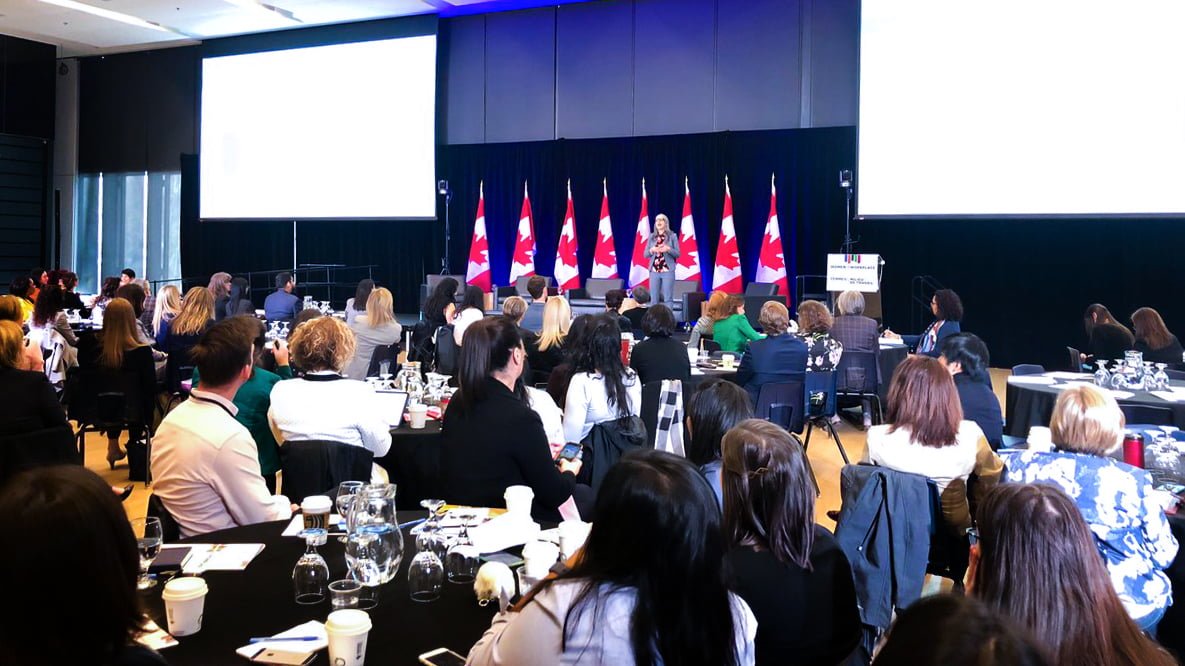
    In May 2019, the Rotman School of Management hosted the Women and the Workplace Symposium, a two-day event funded by the Government of Canada’s Labour Program. The symposium brought together leaders and champions of workplace diversity from across Canada to share tools and best practices employers need to advance women in the workforce and participate in an ongoing dialogue.

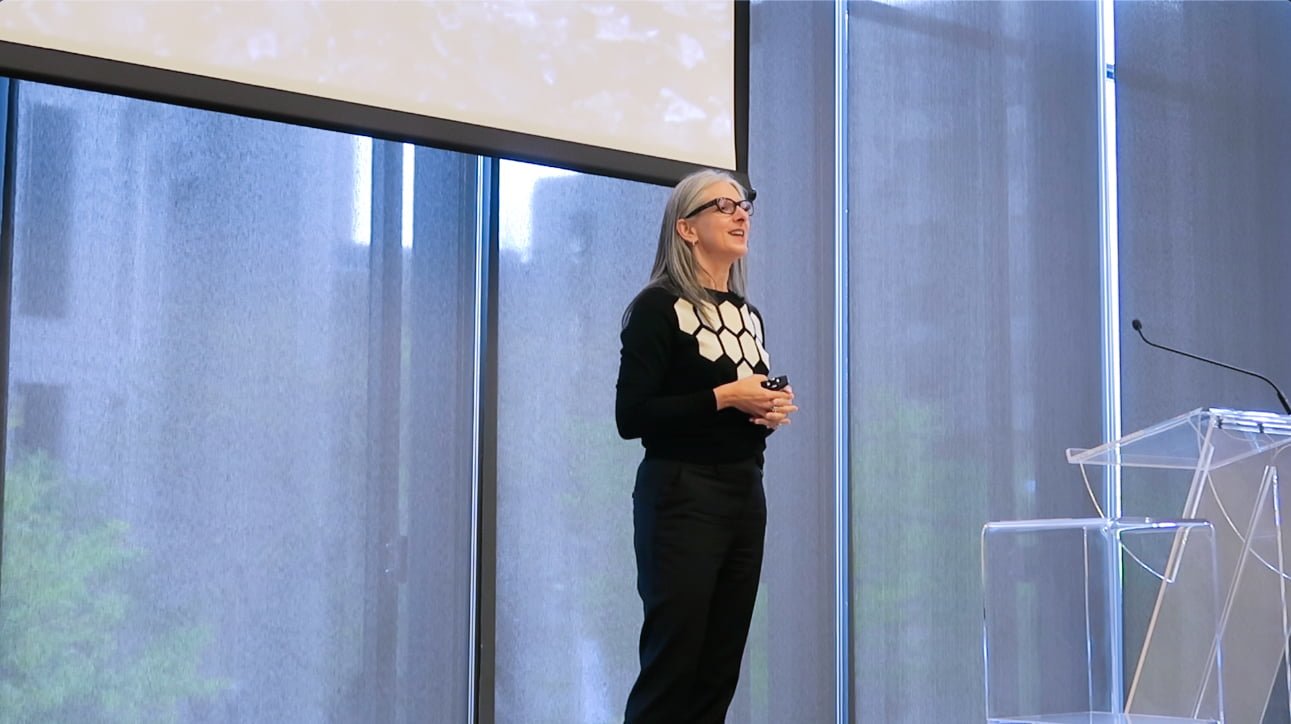
    In the video below, GATE Director Sarah Kaplan busts five myths regarding women in the workplace and outlines actions organizations and governments can take to achieve progress towards gender equality.

    The myths include:
    1. Promoting diversity contravenes meritocracy
    2. Gender career gaps are a product of “choice”
    3. We have to “fix the women”
    4. Controlling bias is about changing individuals
    5. Focusing on large corporations will change the game

    To learn more, check out the research briefs and infographics prepared by GATE as the #Womenintheworkplace Symposium Knowledge Partner, here.