Tag: Feminism

Research briefs, news, and event recaps related to feminism.

  • Feminist City 3.0

    Feminist City 3.0

    [fusion_builder_container hundred_percent=”no” equal_height_columns=”no” hide_on_mobile=”small-visibility,medium-visibility,large-visibility” background_position=”center center” background_repeat=”no-repeat” fade=”no” background_parallax=”none” parallax_speed=”0.3″ video_aspect_ratio=”16:9″ video_loop=”yes” video_mute=”yes” border_style=”solid” type=”legacy”][fusion_builder_row][fusion_builder_column type=”1_1″ layout=”1_1″ background_position=”left top” background_color=”” border_color=”” border_style=”solid” border_position=”all” spacing=”yes” background_image=”” background_repeat=”no-repeat” padding_top=”” padding_right=”” padding_bottom=”” padding_left=”” margin_top=”0px” margin_bottom=”0px” class=”” id=”” animation_type=”” animation_speed=”0.3″ animation_direction=”left” hide_on_mobile=”small-visibility,medium-visibility,large-visibility” center_content=”no” last=”true” min_height=”” hover_type=”none” link=”” first=”true” border_sizes_top=”” border_sizes_bottom=”” border_sizes_left=”” border_sizes_right=””][fusion_text columns=”” column_min_width=”” column_spacing=”” rule_style=”default” rule_size=”” rule_color=”” hue=”” saturation=”” lightness=”” alpha=”” content_alignment_medium=”” content_alignment_small=”” content_alignment=”” hide_on_mobile=”small-visibility,medium-visibility,large-visibility” sticky_display=”normal,sticky” class=”” id=”” margin_top=”” margin_right=”” margin_bottom=”” margin_left=”” fusion_font_family_text_font=”” fusion_font_variant_text_font=”” font_size=”” line_height=”” letter_spacing=”” text_transform=”none” text_color=”” animation_type=”” animation_direction=”left” animation_speed=”0.3″ animation_offset=””]

    Topic: Feminist City 3.0: How can we apply a gender and equity lens to economic recovery in our cities?

    Wanting to further explore questions of gender and equity in the economic recovery of our cities, GATE along with the University of Toronto’s School of Cities, co-hosted the third event in the popular Feminist City series.

    COVID-19 has exacerbated many pre-existing problems in society such as poverty, lack of affordable housing, and unemployment. As a result, the pandemic has highlighted intersecting crises related to homelessness, mental health, and physical safety in our cities. We discussed these problems with Brittany Andrew-Amofah, Manager, Policy & Research, Federation of Canadian Municipalities, Jasmine Ramze Rezaee, Director of Advocacy & Communications at YWCA Toronto, Dr. Suzanne Stewart, Director of the Waakebiness-Bryce Institute for Indigenous Health at the Dalla Lana School of Public Health at the University of Toronto (U of T), where she is an Associate Professor in the Division of Social and Behaviour Health Sciences.

    They highlighted some key issues that will be important to consider as cities recover from the pandemic:

    • The homelessness and housing crisis is not equally experienced and disproportionately affects those from low-income locations.
    • In Toronto, approximately 30-40% of the homeless population is Indigenous with a large portion being women.
    • Mental health services are often inaccessible to those from low-income backgrounds and are underfunded.
    • Care work is systemically undervalued in our societies, despite research showing how vital care work is for our economy. As a result, people are leaving the care economy workforce in large numbers.

    “A fair and just economic recovery involves a green recovery, a feminist recovery, and an economic recovery that looks at the needs of various municipalities across the country. We need to ensure that we incorporate good urban planning policies into the cities we build and re-build”

    – Brittany Andrew-Amofah

    Watch our panel of experts discuss what it means to ‘build back better’, essential workers, and mental health.

    [/fusion_text][fusion_separator style_type=”none” hide_on_mobile=”small-visibility,medium-visibility,large-visibility” class=”” id=”” sep_color=”” top_margin=”20″ bottom_margin=”20″ border_size=”” icon=”” icon_circle=”” icon_circle_color=”” width=”” alignment=”center” /][fusion_button link=”https://www.gendereconomy.org/events/” text_transform=”” title=”” target=”_blank” link_attributes=”” alignment=”” modal=”” hide_on_mobile=”small-visibility,medium-visibility,large-visibility” class=”” id=”” color=”custom” button_gradient_top_color=”#62bd19″ button_gradient_bottom_color=”#62bd19″ button_gradient_top_color_hover=”#00c2e2″ button_gradient_bottom_color_hover=”#00c2e2″ accent_color=”” accent_hover_color=”” type=”” bevel_color=”” size=”” stretch=”yes” icon=”” icon_position=”left” icon_divider=”no” animation_type=”” animation_direction=”left” animation_speed=”0.3″ animation_offset=””]See more events[/fusion_button][/fusion_builder_column][/fusion_builder_row][/fusion_builder_container]

  • How a gendered economy sets women up to fail

    How a gendered economy sets women up to fail

    Sarah Kaplan joins the “ChamberBreakers” podcast to discuss gendered capitalism, gendered economies, their problems, and solutions.

  • Dr. Jen Gunter on “Menopause Mythbusters”

    Dr. Jen Gunter on “Menopause Mythbusters”

    [fusion_builder_container hundred_percent=”no” equal_height_columns=”no” menu_anchor=”” hide_on_mobile=”small-visibility,medium-visibility,large-visibility” class=”” id=”” background_color=”” background_image=”” background_position=”center center” background_repeat=”no-repeat” fade=”no” background_parallax=”none” parallax_speed=”0.3″ video_mp4=”” video_webm=”” video_ogv=”” video_url=”” video_aspect_ratio=”16:9″ video_loop=”yes” video_mute=”yes” overlay_color=”” video_preview_image=”” border_color=”” border_style=”solid” padding_top=”” padding_bottom=”” padding_left=”” padding_right=”” type=”legacy”][fusion_builder_row][fusion_builder_column type=”1_1″ layout=”1_1″ background_position=”left top” background_color=”” border_color=”” border_style=”solid” border_position=”all” spacing=”yes” background_image=”” background_repeat=”no-repeat” padding_top=”” padding_right=”” padding_bottom=”” padding_left=”” margin_top=”0px” margin_bottom=”0px” class=”” id=”” animation_type=”” animation_speed=”0.3″ animation_direction=”left” hide_on_mobile=”small-visibility,medium-visibility,large-visibility” center_content=”no” last=”true” min_height=”” hover_type=”none” link=”” first=”true” border_sizes_top=”” border_sizes_bottom=”” border_sizes_left=”” border_sizes_right=””][fusion_text columns=”” column_min_width=”” column_spacing=”” rule_style=”default” rule_size=”” rule_color=”” content_alignment_medium=”” content_alignment_small=”” content_alignment=”” hide_on_mobile=”small-visibility,medium-visibility,large-visibility” sticky_display=”normal,sticky” class=”” id=”” margin_top=”” margin_right=”” margin_bottom=”” margin_left=”” font_size=”” fusion_font_family_text_font=”” fusion_font_variant_text_font=”” line_height=”” letter_spacing=”” text_transform=”none” text_color=”” animation_type=”” animation_direction=”left” animation_speed=”0.3″ animation_offset=””]

    Reclaiming Women’s Health with Hard Facts, Real Science and Feminism 

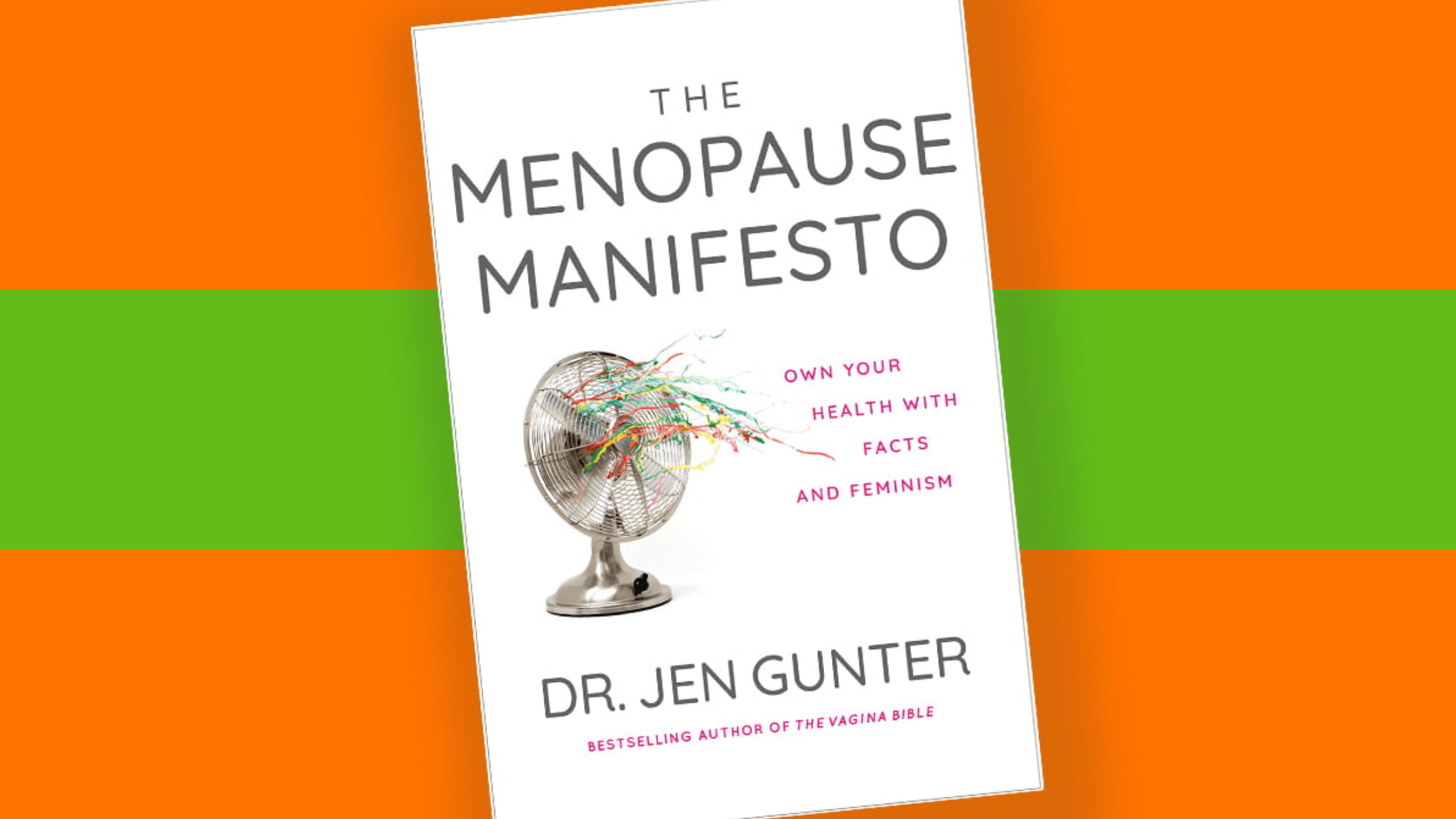
    Dr. Jen Gunter returned to discuss her latest book The Menopause Manifesto: Own Your Health with Facts and Feminism (Random House Canada, May 25, 2021) with GATE director, Dr. Sarah Kaplan. (She visited us in 2019 to discuss her previous book, The Vagina Bible, and you can see a recap here.) 

    Together, Dr. Gunter and Dr. Kaplan explored and debunked many of the myths and misogynist attitudes surrounding menopause. They examined the impact that misinformation and a lack of reliable research has on women’s health and on their pocketbooks. Dr. Gunter discussed the science behind menopause, and separated out fact from myth.  

    The Grandmother Hypothesis 

    Rather than the patriarchal view of menopause as “ovarian failure,” menopause should be seen as women outliving their ovarian function. This leads to the “Grandmother Hypothesis” which argues that when there is a longer-lived person who can help with child-rearing and household tasks, then younger women are more likely to reproduce. The only way that grandmothers could help out with these duties and tasks was if they didn’t have children of their own to take care of. The Grandmother Hypothesis suggests that it became worthwhile for women to outlive their ovarian function and changes the economics of the family unit.

    The Supplement Industry  

    When the medical community does not have open and meaningful discussions about topics related to women’s health, then people turn elsewhere for information. Unfortunately, this leads many people to turn towards groups that give unreliable and unsafe advice. Many supplements are unstudied and unregulated, with little research behind them and very little safety data available. Production rules around supplements are lax, making it difficult to do accurate studies on them. Supplements can be adulterated with hormones and antidepressants, often causing more harm than good. At a minimum, women are collectively spending millions on supplements that don’t actually work. 

    The Glass Ceiling in Medicine 

    Women doctors in the medical field, as in many other fields, suffer from the glass ceiling. As a doctor, you get paid less for an ovarian biopsy than you would for a testicular biopsy even though the tools, risks and processes are the same While women graduate medical school in greater numbers than men, the leadership and decision makers in the field are still dominated by men. As a result, research into women’s health is also often underfunded. Due to the lack of inclusive practices in academia, many women end up leaving the field, contributing to the pipeline problem. Research has shown that when women are involved in scientific studies, it leads to different innovations because their lived experiences are different.  

    Governments, Curriculums and Menopause 

    Half the population will experience menopause and evidence suggests that many women quit their jobs, reduce their hours or become less productive because of menopause symptoms. Yet, menopause is often not part of medical training, even for OB/GYN’s. Dr. Gunter suggests that dedicated menopause centers would radically reduce the medical and economic costs that both women and the medical system incur.  

    Watch Dr. Jen Gunter discuss the grandmother hypothesis and the supplement industry.


    [/fusion_text][fusion_separator style_type=”none” hide_on_mobile=”small-visibility,medium-visibility,large-visibility” class=”” id=”” sep_color=”” top_margin=”20″ bottom_margin=”20″ border_size=”” icon=”” icon_circle=”” icon_circle_color=”” width=”” alignment=”center” /][fusion_button link=”https://www.gendereconomy.org/events/” text_transform=”” title=”” target=”_blank” link_attributes=”” alignment=”” modal=”” hide_on_mobile=”small-visibility,medium-visibility,large-visibility” class=”” id=”” color=”custom” button_gradient_top_color=”#62bd19″ button_gradient_bottom_color=”#62bd19″ button_gradient_top_color_hover=”#00c2e2″ button_gradient_bottom_color_hover=”#00c2e2″ accent_color=”” accent_hover_color=”” type=”” bevel_color=”” size=”” stretch=”yes” icon=”” icon_position=”left” icon_divider=”no” animation_type=”” animation_direction=”left” animation_speed=”0.3″ animation_offset=””]See more events[/fusion_button][/fusion_builder_column][/fusion_builder_row][/fusion_builder_container]

  • Yes, the Gender Pay Gap Exists, and it’s Complicated

    Yes, the Gender Pay Gap Exists, and it’s Complicated

    Sarah Kaplan joins the “Alright Now What” podcast to discuss the pay gap in Canada and how we can eliminate it.

  • Questions for Pamela Newkirk, New York University Professor and Author, Diversity Inc.

    Questions for Pamela Newkirk, New York University Professor and Author, Diversity Inc.

    Pamela Newkirk, a journalist, academic and author explains why the diversity business isn’t working, and how to turn it around.

    How would you describe the billion-dollar diversity business?

    In writing the book (Diversity Inc.), I wanted to explore the tension between the constant rhetoric about diversity and the billions of dollars that are spent annually on consultants and anti-bias training — and the fact that most of these organizations barely move the needle when it comes to hiring people of colour. Whether it’s creative fields like fashion and Hollywood, academia, law or business, people of colour remain radically under-represented in every influential field. They make up close to 40 per cent of the U.S. population, but they are in the single digits in most influential fields.

    Why are some of the fields that should be the most progressive not making any headway?

    That was actually one of the surprises of my research. The creative and cultural fields — museums, Hollywood, fashion — that position themselves as being the most socially progressive are among the least diverse. Corporate America has made far greater strides than any of these fields. It still has problems, particularly in the upper echelons of leadership, but it is far more diverse. That’s because, first of all, there are many more jobs to fill, so there is greater competition, and they really want to get the best of the best. And secondly, they often have structures in place like anti-nepotism clauses, which force them to reach outside of their tiny sphere of influence. Because we live in such a rigorously segregated society, people are still generally hiring who they know and who their friends know — and these spheres of influence often exclude people of colour.

    Read GATE Faculty Research Fellow Sonia Kang’s discussion with Pamela Newkirk here.

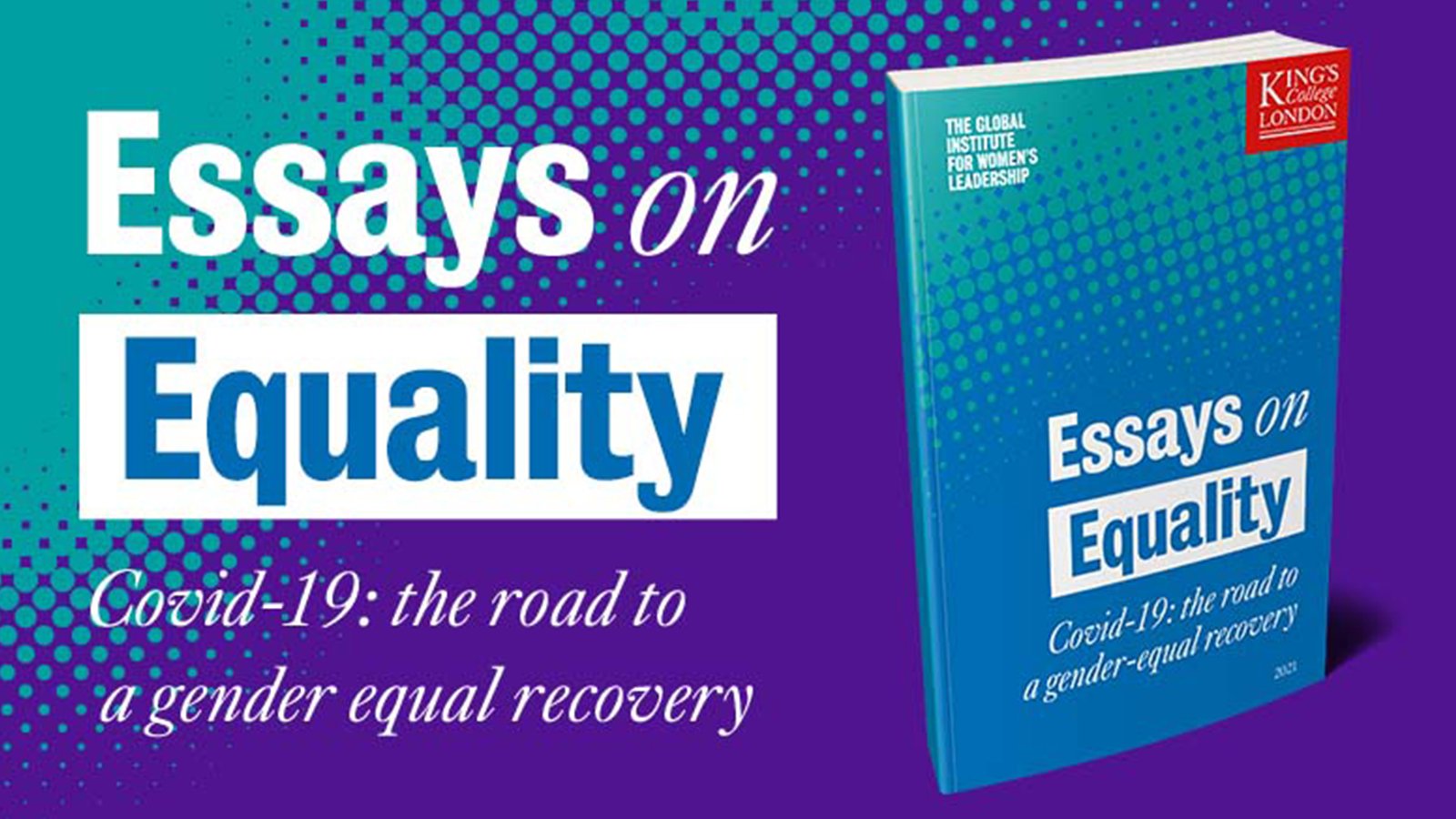
  • Advancing a feminist Covid recovery: reflections from Canada

    Advancing a feminist Covid recovery: reflections from Canada

    This past year has shown us that we have a window of possibility to not simply recover from the pandemic, but to transform our society and economy to prioritise care and community.

    It was 50 years ago that women from across Canada came together to highlight both the struggles they faced in an unequal society and the solutions necessary to drive gender equality. In 1970, the Report of the Royal Commission on the Status of Women in Canada marked the first time that feminists nationwide boldly called for a national early learning and childcare system, along with several other recommendations to support gender equality. The 12 pillars of the 1995 UN Beijing Declaration and Platform for Action on Gender Equality similarly provided a roadmap, on a global scale.

    Since these objectives were put forward, advocates, policymakers, researchers and social movements have worked collaboratively to push towards this vision for a more gender-just world, with each generation successively building towards human rights and social justice for all. When looking at these landmark documents, it is clear that if the investments and actions called for decades ago had been taken up, we may have had a stronger foundation to withstand the challenges of the Covid-19 pandemic. A lesson learned here is that creating gender-just societies can lead to gains that will be realised in our lifetimes and beyond.

    Read Carmina Ravanera and Anjum Sultana’s complete essay and download the full collection here.