Tag: Feminism

Research briefs, news, and event recaps related to feminism.

  • Dr. Jen Gunter on “Vagina Profiteers: The Economics of the Wellness Industrial Complex”

    Dr. Jen Gunter on “Vagina Profiteers: The Economics of the Wellness Industrial Complex”

    [fusion_builder_container hundred_percent=”no” equal_height_columns=”no” menu_anchor=”” hide_on_mobile=”small-visibility,medium-visibility,large-visibility” class=”” id=”” background_color=”” background_image=”” background_position=”center center” background_repeat=”no-repeat” fade=”no” background_parallax=”none” parallax_speed=”0.3″ video_mp4=”” video_webm=”” video_ogv=”” video_url=”” video_aspect_ratio=”16:9″ video_loop=”yes” video_mute=”yes” overlay_color=”” video_preview_image=”” border_size=”” border_color=”” border_style=”solid” padding_top=”” padding_bottom=”” padding_left=”” padding_right=””][fusion_builder_row][fusion_builder_column type=”1_1″ layout=”1_1″ background_position=”left top” background_color=”” border_size=”” border_color=”” border_style=”solid” border_position=”all” spacing=”yes” background_image=”” background_repeat=”no-repeat” padding_top=”” padding_right=”” padding_bottom=”” padding_left=”” margin_top=”0px” margin_bottom=”0px” class=”” id=”” animation_type=”” animation_speed=”0.3″ animation_direction=”left” hide_on_mobile=”small-visibility,medium-visibility,large-visibility” center_content=”no” last=”no” min_height=”” hover_type=”none” link=””][fusion_text columns=”” column_min_width=”” column_spacing=”” rule_style=”default” rule_size=”” rule_color=”” hide_on_mobile=”small-visibility,medium-visibility,large-visibility” class=”” id=”” animation_type=”” animation_direction=”left” animation_speed=”0.3″ animation_offset=””]

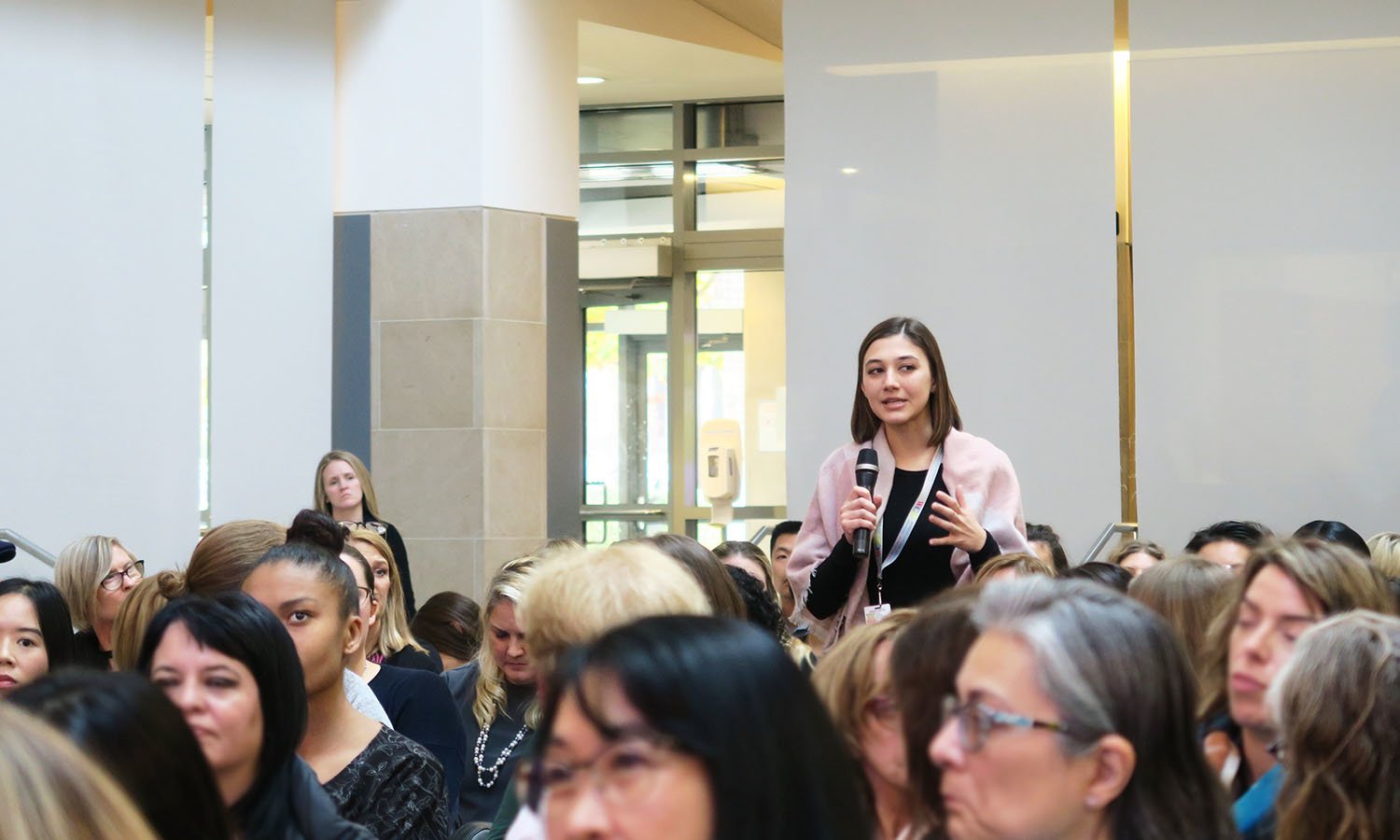
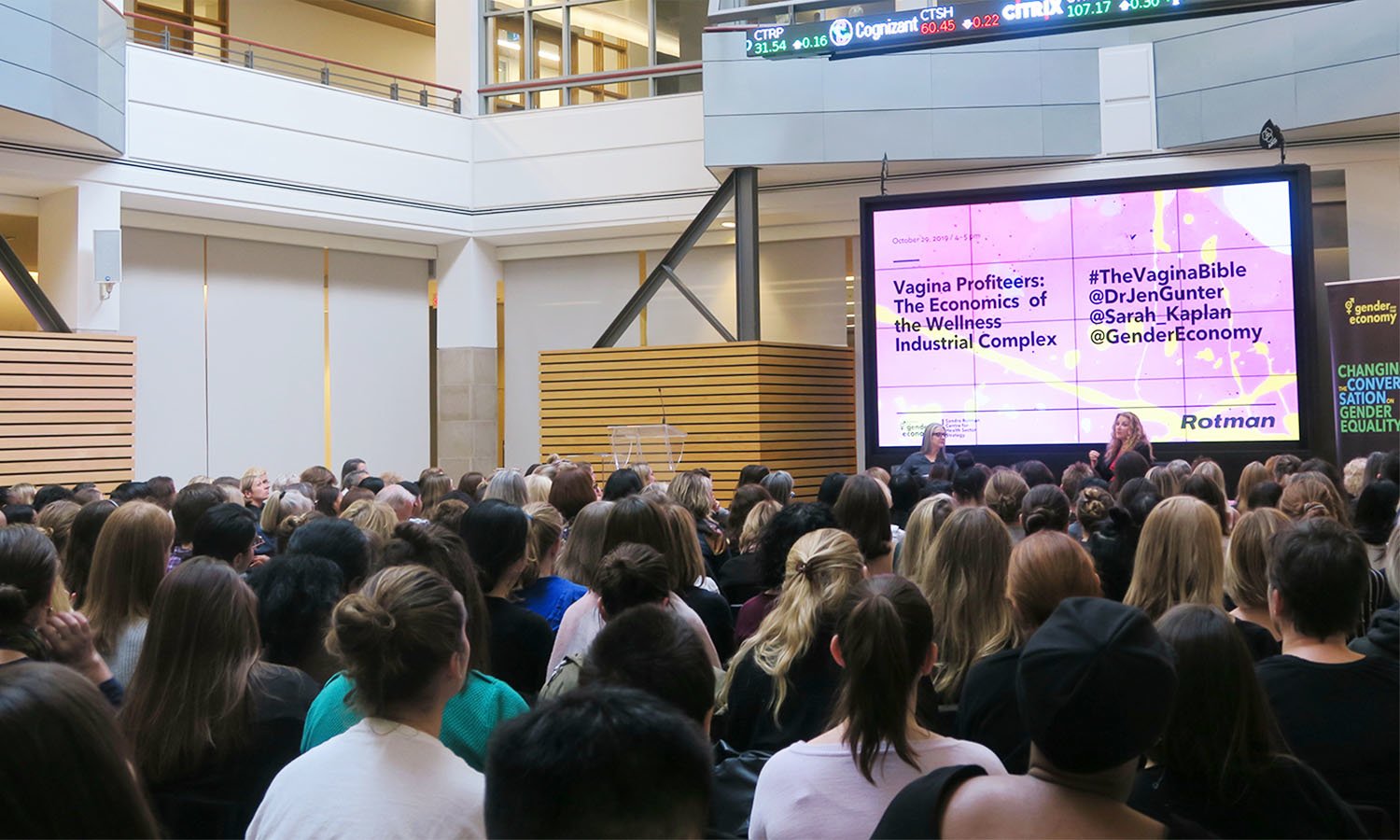
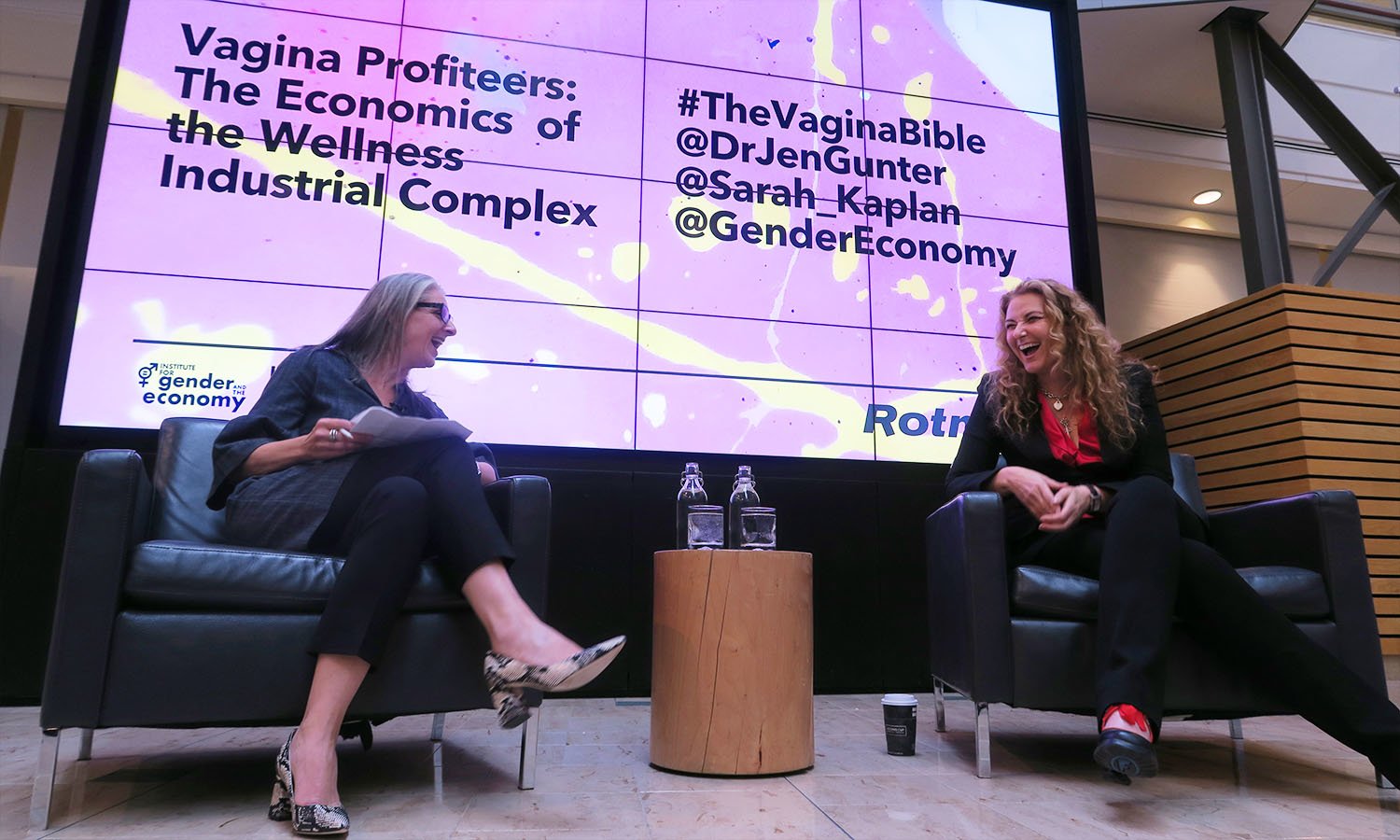
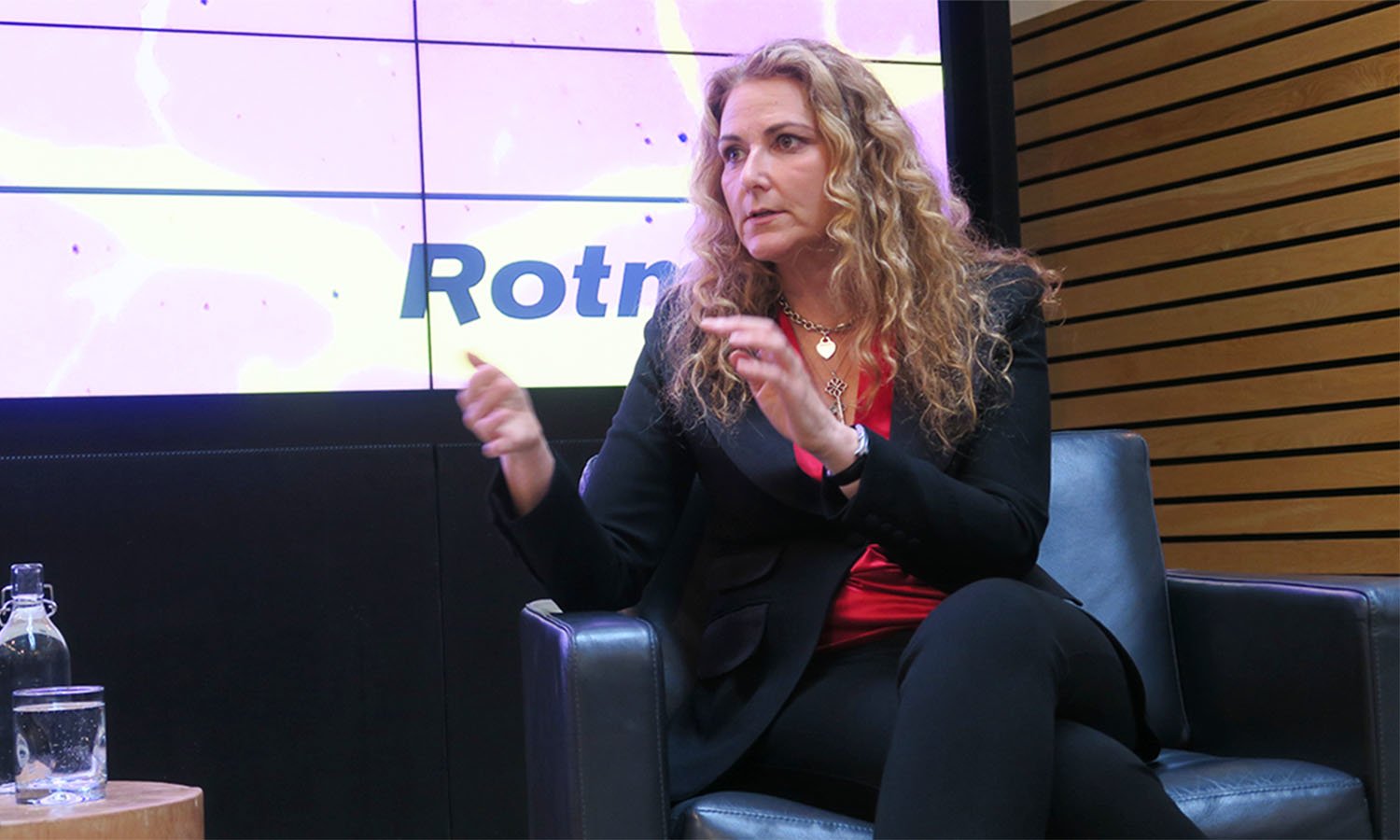
    The wellness industry was worth an astounding USD 4.2 trillion in 2017. On October 29, Dr. Jen Gunter, gynecologist, fierce advocate for women’s health, and author of The Vagina Bible: The Vulva and the Vagina–Separating the Myth from the Medicine, joined us at the Rotman School of Management to discuss how the wellness industry is in fact a wellness industrial complex, profiting from preying on widespread misinformation about women’s health.

    Gunter began by explaining that the wellness industrial complex is partly based on “vaginal shame”: society perceives women’s bodies and bodily functions as disgusting, toxic, or unclean. Businesses take advantage of this shame by selling products they call empowering or detoxifying, such as vaginal jade eggs. However, such products are not proven to be effective, and can even be harmful. “That is so predatory,” Gunter noted. “That’s taking patriarchy, wrapping it up with a pink bow, and saying it’s feminism.” Social media also plays a role by consistently repeating fake information about women’s health, to the point that consumers think it is accurate.

    “[The wellness industrial complex] is taking patriarchy, wrapping it up with a pink bow, and saying it’s feminism.”
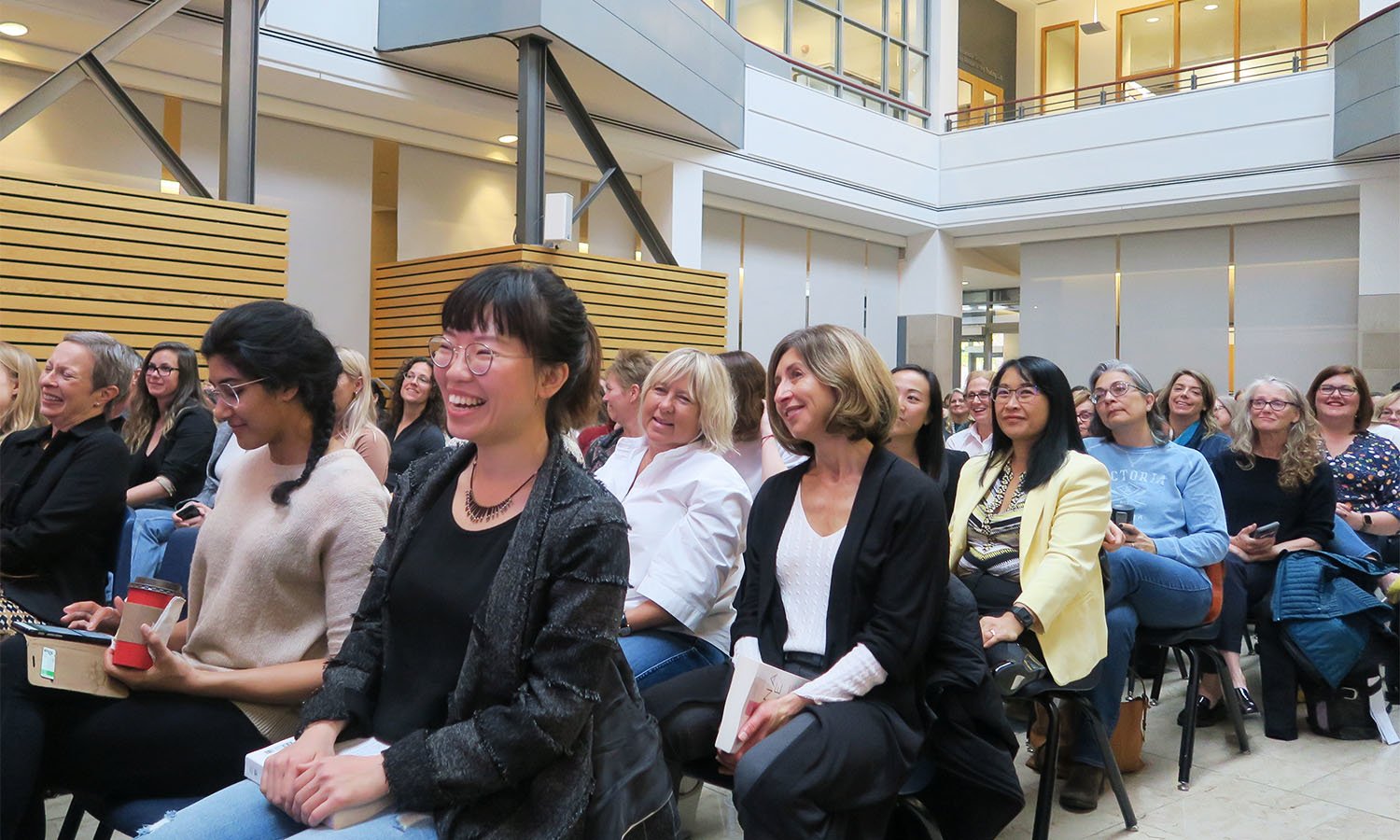
    To confront the wellness industrial complex, Gunter discussed the following:

     Medical systems and institutions need to improve women’s healthcare.

    Medicine needs to pay better attention to women’s health concerns, which are often ignored, and ensure that the diversity of our population – different ages, races, etc. – is considered when researching and testing for treatments.

    Men and boys in heterosexual relationships play a role in women’s bodily shame.

    Gunter commented that “if the first person that you partner with when you’re 15 or 16 is a guy who knows essentially nothing, and he makes a snide comment about how you look, that is going to stay with you for life…That’s why my book is dedicated to women who have been told horrible things [about their bodies].” This shame fuels the wellness industrial complex, and it is crucial that women and girls recognize this.

    High quality sex education is crucial.

    Businesses know scaring people sells products. The best ammunition for the wellness industrial complex is having the facts. Sex education will help people, especially young people, make better, more empowered decisions about their bodies, rather than basing them on shame and fear.

    To see more of this event, view the video below. 

    [/fusion_text][fusion_separator style_type=”none” hide_on_mobile=”small-visibility,medium-visibility,large-visibility” class=”” id=”” sep_color=”” top_margin=”50″ bottom_margin=”50″ border_size=”” icon=”” icon_circle=”” icon_circle_color=”” width=”” alignment=”center” /][fusion_button link=”https://www.gendereconomy.org/past-events/” text_transform=”” title=”” target=”_blank” link_attributes=”” alignment=”” modal=”” hide_on_mobile=”small-visibility,medium-visibility,large-visibility” class=”” id=”” color=”custom” button_gradient_top_color=”#62bd19″ button_gradient_bottom_color=”#62bd19″ button_gradient_top_color_hover=”#00c2e2″ button_gradient_bottom_color_hover=”#00c2e2″ accent_color=”” accent_hover_color=”” type=”” bevel_color=”” border_width=”” size=”” stretch=”yes” icon=”” icon_position=”left” icon_divider=”no” animation_type=”” animation_direction=”left” animation_speed=”0.3″ animation_offset=”” border_radius=””]See more past events[/fusion_button][fusion_separator style_type=”none” hide_on_mobile=”small-visibility,medium-visibility,large-visibility” class=”” id=”” sep_color=”” top_margin=”20″ bottom_margin=”20″ border_size=”” icon=”” icon_circle=”” icon_circle_color=”” width=”” alignment=”center” /][fusion_title margin_top=”” margin_bottom=”” hide_on_mobile=”medium-visibility,large-visibility” class=”” id=”” size=”5″ content_align=”center” style_type=”default” sep_color=””]

    Or register below for these upcoming events

    [/fusion_title][fusion_recent_posts layout=”default” hover_type=”none” columns=”3″ number_posts=”3″ offset=”0″ pull_by=”category” cat_slug=”events” exclude_cats=”past” tag_slug=”” exclude_tags=”” thumbnail=”yes” title=”yes” meta=”no” meta_author=”no” meta_categories=”no” meta_date=”yes” meta_comments=”yes” meta_tags=”no” content_alignment=”” excerpt=”no” excerpt_length=”35″ strip_html=”yes” scrolling=”no” hide_on_mobile=”medium-visibility,large-visibility” class=”” id=”” animation_type=”” animation_direction=”left” animation_speed=”0.3″ animation_offset=”” /][/fusion_builder_column][/fusion_builder_row][/fusion_builder_container]


  • What it means to create a “feminist city”

    What it means to create a “feminist city”

    [fusion_builder_container admin_label=”” hundred_percent=”no” equal_height_columns=”no” menu_anchor=”” hide_on_mobile=”small-visibility,medium-visibility,large-visibility” class=”” id=”” background_color=”” background_image=”” background_position=”center center” background_repeat=”no-repeat” fade=”no” background_parallax=”none” enable_mobile=”no” parallax_speed=”0.3″ video_mp4=”” video_webm=”” video_ogv=”” video_url=”” video_aspect_ratio=”16:9″ video_loop=”yes” video_mute=”yes” video_preview_image=”” border_size=”” border_color=”” border_style=”solid” margin_top=”20″ margin_bottom=”” padding_top=”” padding_right=”” padding_bottom=”” padding_left=””][fusion_builder_row][fusion_builder_column type=”3_4″ layout=”3_4″ spacing=”” center_content=”no” hover_type=”none” link=”” min_height=”” hide_on_mobile=”small-visibility,medium-visibility,large-visibility” class=”” id=”” background_color=”” background_image=”” background_position=”left top” background_repeat=”no-repeat” border_size=”0″ border_color=”” border_style=”solid” border_position=”all” padding_top=”” padding_right=”” padding_bottom=”” padding_left=”” margin_top=”” margin_bottom=”” animation_type=”” animation_direction=”left” animation_speed=”0.3″ animation_offset=”” last=”no”][fusion_text columns=”” column_min_width=”” column_spacing=”” rule_style=”default” rule_size=”” rule_color=”” hide_on_mobile=”small-visibility,medium-visibility,large-visibility” class=”” id=””]

    Introduction

    Nearly 40 years on from Dolores Hayden’s famous envisioning of a feminist city in her 1980 article “What Would a Non-Sexist City Be Like?” the city remains deeply inequitable. Many cities in Canada and around the world are struggling with systemic inequity. For instance, in the Greater Toronto Area (GTA) Indigenous peoples, as well as visible minorities and immigrants, are disproportionately represented in low-income brackets. Further, over the last few decades, income inequality has increased. Since 1980, the average income of racialized groups has stagnated, while the average income has increased for non-racialized groups. Additionally, the average income for young people has decreased–in some regions by over 20%. At the same time, the costs of renting and homeownership in cities like Toronto are steadily becoming more unaffordable as precarious employment becomes more common. Between 2016 and 2017, for example, the monthly cost of living for a single young person in Toronto increased by an average of $400 (due primarily to the exponential increase in rental prices).

    Thus, it is crucial that urban planners, policy makers, architects, and activists design and build cities that are accessible to their inhabitants, particularly those experiencing poverty, financial insecurity, and other dire circumstances. To discuss the barriers and the possibilities to build more equitable cities, the Institute for Gender and the Economy (GATE) and the School of Cities co-hosted the event, “What could a feminist city look like?” on March 27, 2019. This discussion featured:

    • Kofi Hope, Senior Policy Advisor, Wellesley Institute; Bousfield Distinguished Visitor, Department of Geography and Planning, University of Toronto
    • Olivia Nuamah, Executive Director, Pride Toronto
    • Rosemarie Powell, Executive Director, Toronto Community Benefits Network
    • Brigitte Shim, Professor, John H. Daniels Faculty of Architecture, Landscape, and Design, University of Toronto; Principal, Shim-Sutcliffe Architects

    This panel was moderated by Sarah Kaplan, Director of GATE and Professor at the Rotman School of Management, and Matti Siemiatycki, Director and Professor at the School of Cities in the University of Toronto.

    How can we create a “feminist city”?

    Prioritize community benefits in infrastructure development

    Urban infrastructure development should not disadvantage the communities that have invested and lived in their neighbourhoods for generations. Rather, development projects can prioritize community benefits by integrating the community’s broader goals, which may include poverty reduction, environmental sustainability, and local economic development, among others. For instance, community members can benefit from job creation during and after infrastructure development projects. This could occur through employment on construction sites, or through the creation of prospects for local suppliers. Prioritizing community benefits also means ensuring hiring opportunities for these jobs are equitable, and that proper job training is provided to workers so they can learn and implement new skills. To understand exactly what communities need, developers and city planners can form partnerships with organizations like the Toronto Community Benefits Network.

    Urban spaces can be embedded with certain values, influencing how inclusive it is to the community it serves.

    Embed inclusivity into urban spaces

    Urban spaces can be embedded with certain values, influencing how inclusive it is to the community it serves. This starts with how spaces are designed, and who designs them. For example, in order to win a contract, construction companies could be required to agree to inclusive behaviours on their worksite, ensuring that community members and other workers do not feel unsafe or vulnerable during development projects.

    Embedding inclusivity can also be done once a space is designed and built, through posted rules and signage. For example, during the Pride Toronto Festival, rules are posted to ensure Pride creates a safe space for the LGBTQ2+ community. This embeds the city streets with inclusivity and instructs how people should treat each other.

    In 2001, the United Kingdom reinstated free admission to all national museums in order to impart the value of accessibility to arts and culture. Despite this move by the UK government, however, barriers still remain for some individuals to access these spaces. This indicates that in order to make spaces truly inclusive for everyone, more nuanced solutions are often needed.

    Pair inclusive program delivery with urban development

    To fully benefit diverse populations, urban development needs to be inclusive in both its physical design and service delivery. For example, the Regent Park Aquatic Centre in Toronto was created with the area’s substantial immigrant population in mind. To serve the Muslim community, for example, mechanized screens were installed in front of the pool’s glass walls, providing space for Muslim women to swim in a private area if they wish to do so. Further, in order to ensure the centre is accessible to the entire community, all programming is free. The centre also holds instructional sessions for members who have not been previously exposed to swimming culture and protocols, offering information on pool rules and appropriate swimwear.

    To fully benefit diverse populations, urban development needs to be inclusive in both its physical design and service delivery.

    Without such considerations, the pool would remain inaccessible to many in the local community. Equitable urban design requires a comprehensive understanding of local communities and their unique socio-economic or cultural barriers and priorities, as well as a focus on programming rather than just the built environment.

    Conclusions

    As the global population ages, income inequality increases, and the world rapidly urbanizes, prioritizing equity and accessibility in cities is becoming more crucial. The panellists at “What could a feminist city look like?” agreed that a feminist city is based on human-centred design: it prioritizes the needs of the most marginalized communities and aims to reduce their barriers to services like transit and recreation. Further, rather than pushing communities out of developing neighbourhoods, a feminist city would recognize and invest in them by creating accessible spaces and promoting local economic, social, and cultural development.

    To learn more about this panel, check out the event summary and video clips. 

    [/fusion_text][fusion_separator style_type=”none” hide_on_mobile=”small-visibility,medium-visibility,large-visibility” class=”” id=”” sep_color=”” top_margin=”20″ bottom_margin=”20″ border_size=”” icon=”” icon_circle=”” icon_circle_color=”” width=”” alignment=”center” /][fusion_button link=”https://www.gendereconomy.org/lessons-from-practice/” text_transform=”” title=”” target=”_blank” link_attributes=”” alignment=”” modal=”” hide_on_mobile=”small-visibility,medium-visibility,large-visibility” class=”” id=”” color=”custom” button_gradient_top_color=”#62bd19″ button_gradient_bottom_color=”#62bd19″ button_gradient_top_color_hover=”#00c2e2″ button_gradient_bottom_color_hover=”#00c2e2″ accent_color=”” accent_hover_color=”” type=”” bevel_color=”” border_width=”” size=”” stretch=”yes” shape=”” icon=”” icon_position=”left” icon_divider=”no” animation_type=”” animation_direction=”left” animation_speed=”0.3″ animation_offset=””]See more lessons from practice[/fusion_button][fusion_separator style_type=”none” hide_on_mobile=”small-visibility,medium-visibility,large-visibility” class=”” id=”” sep_color=”” top_margin=”20″ bottom_margin=”20″ border_size=”” icon=”” icon_circle=”” icon_circle_color=”” width=”” alignment=”center” /][fusion_recent_posts layout=”default” picture_size=”fixed” hover_type=”none” columns=”3″ number_posts=”3″ offset=”0″ pull_by=”category” cat_slug=”lessons-from-practice” exclude_cats=”” tag_slug=”” exclude_tags=”” thumbnail=”yes” title=”yes” meta=”no” meta_author=”no” meta_categories=”no” meta_date=”yes” meta_comments=”yes” meta_tags=”no” content_alignment=”” excerpt=”no” excerpt_length=”35″ strip_html=”yes” scrolling=”no” hide_on_mobile=”small-visibility,medium-visibility,large-visibility” class=”” id=”” animation_type=”” animation_direction=”left” animation_speed=”0.3″ animation_offset=”” /][/fusion_builder_column][fusion_builder_column type=”1_4″ layout=”1_4″ spacing=”” center_content=”no” hover_type=”none” link=”” min_height=”” hide_on_mobile=”small-visibility,medium-visibility,large-visibility” class=”” id=”” background_color=”” background_image=”” background_position=”left top” background_repeat=”no-repeat” border_size=”0″ border_color=”” border_style=”solid” border_position=”all” padding_top=”” padding_right=”” padding_bottom=”” padding_left=”” margin_top=”” margin_bottom=”” animation_type=”” animation_direction=”left” animation_speed=”0.3″ animation_offset=”” last=”no”][fusion_title hide_on_mobile=”small-visibility,medium-visibility,large-visibility” class=”briefsummary” id=”” content_align=”left” size=”3″ font_size=”” line_height=”” letter_spacing=”” margin_top=”” margin_bottom=”” margin_top_mobile=”” margin_bottom_mobile=”” text_color=”” style_type=”none” sep_color=””]

    Published

    July 2019

    Prepared by

    Carmina Ravanera

    [/fusion_title][fusion_widget_area name=”avada-custom-sidebar-researchbriefsidebar” title_size=”” title_color=”” background_color=”” padding_top=”” padding_right=”” padding_bottom=”” padding_left=”” hide_on_mobile=”small-visibility,medium-visibility,large-visibility” class=”” id=”” /][/fusion_builder_column][/fusion_builder_row][/fusion_builder_container]

  • Soraya Chemaly on “Rage Becomes Her: The Power of Women’s Anger”

    Soraya Chemaly on “Rage Becomes Her: The Power of Women’s Anger”

    [fusion_builder_container hundred_percent=”no” equal_height_columns=”no” menu_anchor=”” hide_on_mobile=”small-visibility,medium-visibility,large-visibility” class=”” id=”” background_color=”” background_image=”” background_position=”center center” background_repeat=”no-repeat” fade=”no” background_parallax=”none” parallax_speed=”0.3″ video_mp4=”” video_webm=”” video_ogv=”” video_url=”” video_aspect_ratio=”16:9″ video_loop=”yes” video_mute=”yes” overlay_color=”” video_preview_image=”” border_color=”” border_style=”solid” padding_top=”” padding_bottom=”” padding_left=”” padding_right=”” type=”legacy”][fusion_builder_row][fusion_builder_column type=”1_1″ layout=”1_1″ background_position=”left top” background_color=”” border_color=”” border_style=”solid” border_position=”all” spacing=”yes” background_image=”” background_repeat=”no-repeat” padding_top=”” padding_right=”” padding_bottom=”” padding_left=”” margin_top=”0px” margin_bottom=”0px” class=”” id=”” animation_type=”” animation_speed=”0.3″ animation_direction=”left” hide_on_mobile=”small-visibility,medium-visibility,large-visibility” center_content=”no” last=”true” min_height=”” hover_type=”none” link=”” border_sizes_top=”” border_sizes_bottom=”” border_sizes_left=”” border_sizes_right=”” first=”true”][fusion_text columns=”” column_min_width=”” column_spacing=”” rule_style=”” rule_size=”” rule_color=”” hue=”” saturation=”” lightness=”” alpha=”” content_alignment_medium=”” content_alignment_small=”” content_alignment=”” hide_on_mobile=”small-visibility,medium-visibility,large-visibility” sticky_display=”normal,sticky” class=”” id=”” margin_top=”” margin_right=”” margin_bottom=”” margin_left=”” fusion_font_family_text_font=”” fusion_font_variant_text_font=”” font_size=”” line_height=”” letter_spacing=”” text_transform=”” text_color=”” animation_type=”” animation_direction=”left” animation_color=”” animation_speed=”0.3″ animation_delay=”0″ animation_offset=”” logics=””]“The book approaches the topic of anger from the perspective that we learn about anger as an experience of individuals,” began Soraya Chemaly, author of Rage Becomes Her: The Power of Women’s Anger, “but…our anger [also] has a place in context.” It’s that context, she continued, that we need to understand.

    For Chemaly, the 2016 United States presidential election highlighted the ways in which women’s anger plays out in society, and how it is often trivialized and suppressed – particularly the anger of racialized women. In fact, many women are encouraged to use sadness – a retreat and less powerful emotion – as a way of minimizing or hiding their own anger, due to a fear of “breaking” relationships or feeling shame. This is detrimental to societal progress because anger is “the emotion that makes the most demands of the world around us.” Therefore, we need to allow and empower women to express their anger, and this must start early, because the socialization of anger as “masculine” and sadness as “feminine” starts at infancy and continues into adulthood.

    Anger is “the emotion that makes the most demands of the world around us.”

    Audience member at Chemaly event

    At the end of the discussion, Chemaly noted that men would be shocked if they knew how angry women actually are. However, women are beginning to express their suppressed anger through movements like #MeToo and #TimesUp. Unfortunately, the stories women are telling through these movements threaten traditional masculine identities (e.g., that men must be the “protector” and the “provider”), and the result is that many men are responding with denial and even anger. Therefore, men also need to explore the ways in which gender norms restrict their emotions and behaviour, and how they can be good allies. As Chemaly stated, “What men need to think about is that the best way they can help the people they love is to call out other men. [To] stop tolerating the sexism, misogyny, racist humour, etc., and break those fraternal norms…”

    Watch the videos below for more on Soraya Chemaly’s book.

    [/fusion_text][fusion_separator style_type=”none” hide_on_mobile=”small-visibility,medium-visibility,large-visibility” class=”” id=”” sep_color=”” top_margin=”25″ bottom_margin=”25″ border_size=”” icon=”” icon_circle=”” icon_circle_color=”” width=”” alignment=”center” /][fusion_button link=”https://www.gendereconomy.org/past-events/” text_transform=”” title=”” target=”_blank” link_attributes=”” alignment=”” modal=”” hide_on_mobile=”small-visibility,medium-visibility,large-visibility” class=”” id=”” color=”custom” button_gradient_top_color=”#62bd19″ button_gradient_bottom_color=”#62bd19″ button_gradient_top_color_hover=”#00c2e2″ button_gradient_bottom_color_hover=”#00c2e2″ accent_color=”” accent_hover_color=”” type=”” bevel_color=”” size=”” stretch=”yes” icon=”” icon_position=”left” icon_divider=”no” animation_type=”” animation_direction=”left” animation_speed=”0.3″ animation_offset=””]See more past events[/fusion_button][fusion_separator style_type=”none” hide_on_mobile=”small-visibility,medium-visibility,large-visibility” class=”” id=”” sep_color=”” top_margin=”20″ bottom_margin=”20″ border_size=”” icon=”” icon_circle=”” icon_circle_color=”” width=”” alignment=”center” /][fusion_title margin_top=”” margin_bottom=”” hide_on_mobile=”medium-visibility,large-visibility” class=”” id=”” size=”5″ content_align=”center” style_type=”default” sep_color=””]

    Or register below for these upcoming events

    [/fusion_title][fusion_recent_posts layout=”default” hover_type=”none” columns=”3″ number_posts=”3″ offset=”0″ pull_by=”category” cat_slug=”events” exclude_cats=”past” tag_slug=”” exclude_tags=”” thumbnail=”yes” title=”yes” meta=”no” meta_author=”no” meta_categories=”no” meta_date=”yes” meta_comments=”yes” meta_tags=”no” content_alignment=”” excerpt=”no” excerpt_length=”35″ strip_html=”yes” scrolling=”no” hide_on_mobile=”medium-visibility,large-visibility” class=”” id=”” animation_type=”” animation_direction=”left” animation_speed=”0.3″ animation_offset=”” /][/fusion_builder_column][/fusion_builder_row][/fusion_builder_container]
  • Expert discussion on “What could a feminist city look like?”

    Expert discussion on “What could a feminist city look like?”

    [fusion_builder_container hundred_percent=”no” equal_height_columns=”no” menu_anchor=”” hide_on_mobile=”small-visibility,medium-visibility,large-visibility” class=”” id=”” background_color=”” background_image=”” background_position=”center center” background_repeat=”no-repeat” fade=”no” background_parallax=”none” parallax_speed=”0.3″ video_mp4=”” video_webm=”” video_ogv=”” video_url=”” video_aspect_ratio=”16:9″ video_loop=”yes” video_mute=”yes” overlay_color=”” video_preview_image=”” border_color=”” border_style=”solid” padding_top=”” padding_bottom=”” padding_left=”” padding_right=”” type=”legacy”][fusion_builder_row][fusion_builder_column type=”1_1″ layout=”1_1″ background_position=”left top” background_color=”” border_color=”” border_style=”solid” border_position=”all” spacing=”yes” background_image=”” background_repeat=”no-repeat” padding_top=”” padding_right=”” padding_bottom=”” padding_left=”” margin_top=”0px” margin_bottom=”0px” class=”” id=”” animation_type=”” animation_speed=”0.3″ animation_direction=”left” hide_on_mobile=”small-visibility,medium-visibility,large-visibility” center_content=”no” last=”true” min_height=”” hover_type=”none” link=”” border_sizes_top=”” border_sizes_bottom=”” border_sizes_left=”” border_sizes_right=”” first=”true”][fusion_text columns=”” column_min_width=”” column_spacing=”” rule_style=”” rule_size=”” rule_color=”” hue=”” saturation=”” lightness=”” alpha=”” content_alignment_medium=”” content_alignment_small=”” content_alignment=”” hide_on_mobile=”small-visibility,medium-visibility,large-visibility” sticky_display=”normal,sticky” class=”” id=”” margin_top=”” margin_right=”” margin_bottom=”” margin_left=”” fusion_font_family_text_font=”” fusion_font_variant_text_font=”” font_size=”” line_height=”” letter_spacing=”” text_transform=”” text_color=”” animation_type=”” animation_direction=”left” animation_color=”” animation_speed=”0.3″ animation_delay=”0″ animation_offset=”” logics=””]Nearly 40 years on from Dolores Hayden’s famous envisioning of a feminist city in her 1980 article “What Would a Non-Sexist City Be Like?”, the city remains deeply inequitable. A 2017 report by the nonprofit organization Social Planning Toronto, highlights several data points that reflect the inequity in our own city of Toronto, including:

    • Indigenous families with children in the City of Toronto experience an extremely high poverty rate of 84%.
    • 37.8% of children in lone-parent families in the Toronto region live in poverty, while the rate for children in female lone-parent households is 40%, more than twice the poverty rate of two-parent families.
    • The gap in child poverty rates across Toronto neighbourhoods remains stark, ranging from 4% in Kingsway South to 60% in Thorncliffe Park.

    Since 1982, the income gap between Toronto’s top 1% of earners and its median earners has doubled, and between 2016 and 2017, the monthly cost of living for a single young person in Toronto increased by an average of $400 (due primarily to the exponential increase in rental prices). High rental and housing prices combined with increases in the costs of childcare and public transit are making it more difficult for Toronto residents to make ends meet, let alone move up the socioeconomic ladder. For those working for minimum wage (frozen at $14/hour in Ontario) as well as part-time or contract work (primarily composed of immigrant and Indigenous women, and visible minorities), the situation is especially dire–and these trends are seen across major cities around the globe.

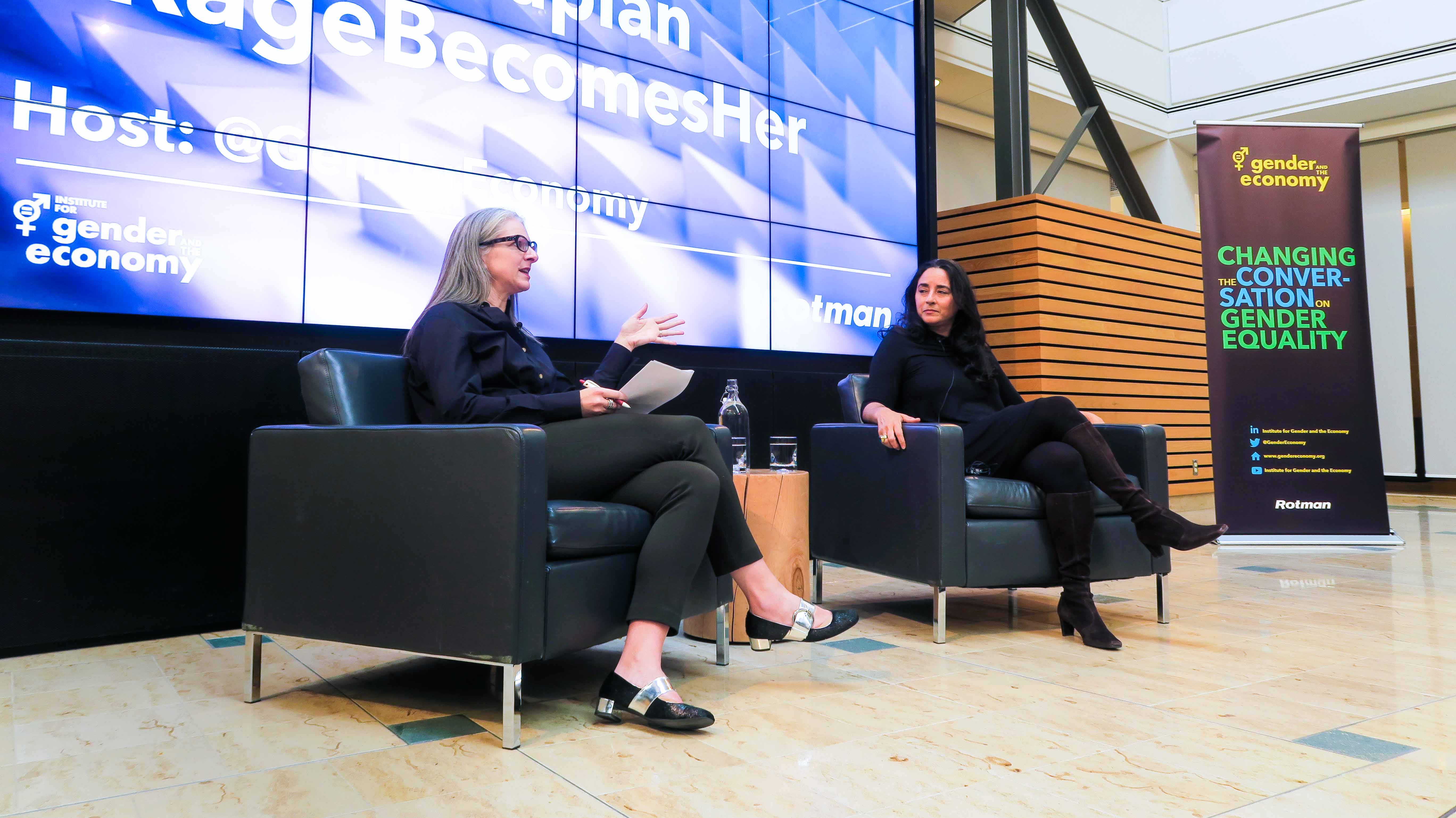
    To address the issue of access and gender equity in the city and imagine what a feminist city could look like, this event gathered esteemed local urbanists, activists, and writers.

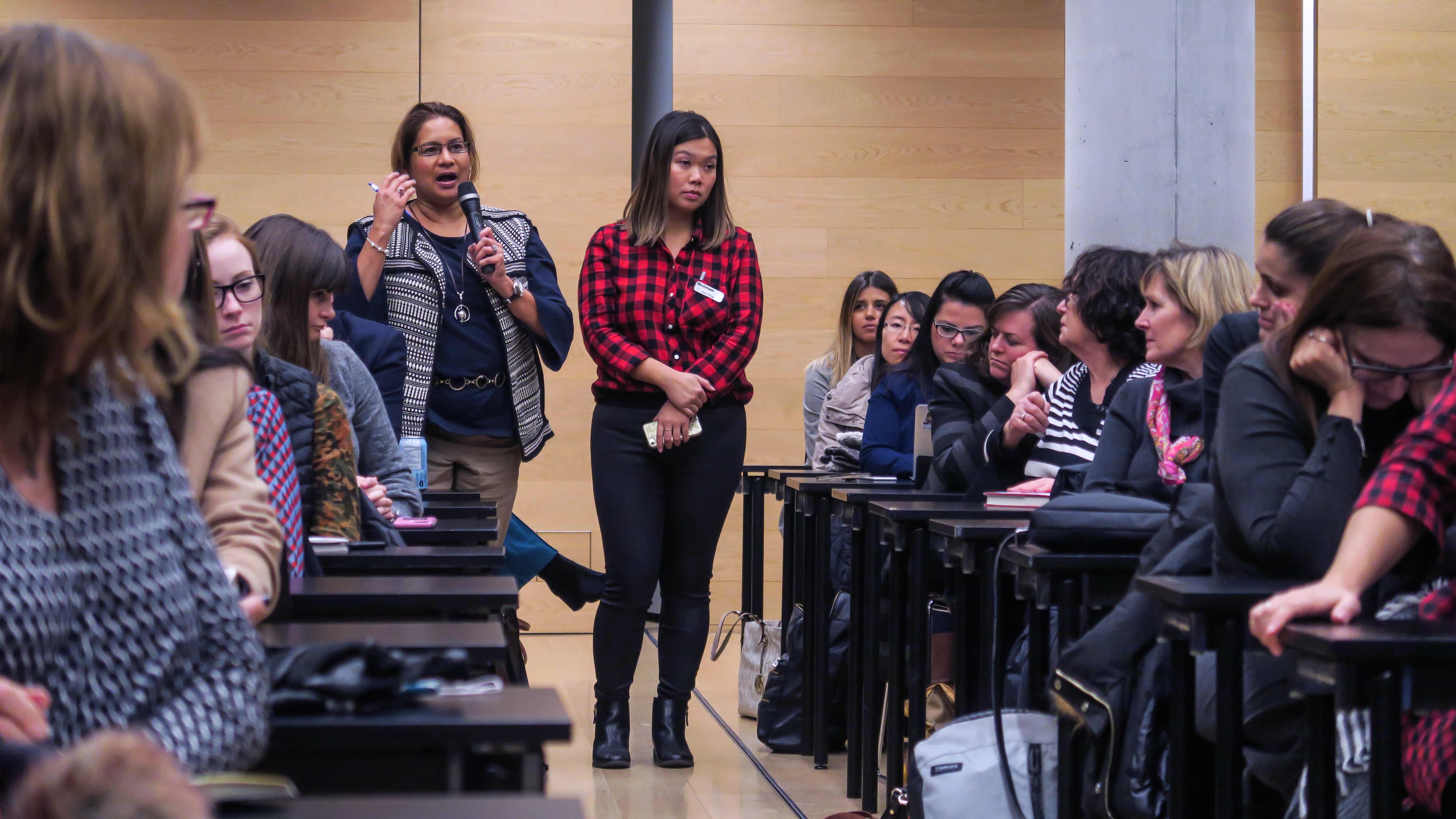
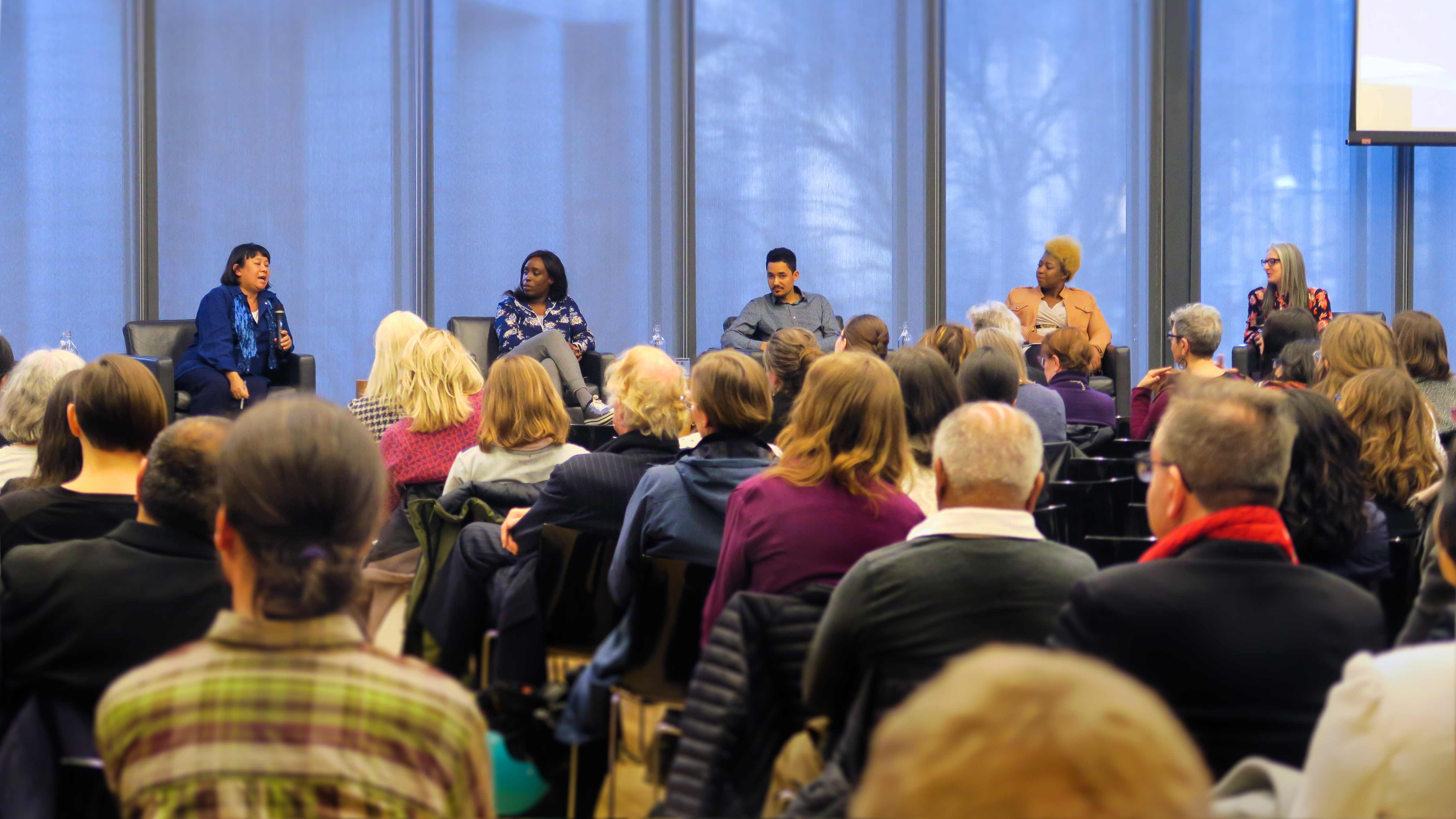
    Feminist City audience and panel

    This discussion featured Kofi Hope, Senior Policy Advisor, Wellesley Institute; Bousfield Distinguished Visitor, Department of Geography and Planning, University of Toronto; Olivia Nuamah, Executive Director, Pride Toronto; Rosemarie Powell, Executive Director, Toronto Community Benefits Network; Brigitte Shim, Professor, John H. Daniels Faculty of Architecture, Landscape, and Design, University of Toronto; Principal, Shim-Sutcliffe Architects; and was moderated by Sarah Kaplan, Director and Professor – Institute for Gender and the Economy, Rotman School of Management; and Matti Siemiatycki, Director and Professor, School of Cities, University of Toronto.

    The conversation explored public policy, decision-making processes, community engagement, and the urban built form, and discussed potential paths forward to creating a more inclusive city.

    In the following videos, panelists answer: What could a feminist city look like?

    [/fusion_text][fusion_separator style_type=”none” hide_on_mobile=”small-visibility,medium-visibility,large-visibility” class=”” id=”” sep_color=”” top_margin=”25″ bottom_margin=”25″ border_size=”” icon=”” icon_circle=”” icon_circle_color=”” width=”” alignment=”center” /][fusion_button link=”https://www.gendereconomy.org/past-events/” text_transform=”” title=”” target=”_blank” link_attributes=”” alignment=”” modal=”” hide_on_mobile=”small-visibility,medium-visibility,large-visibility” class=”” id=”” color=”custom” button_gradient_top_color=”#62bd19″ button_gradient_bottom_color=”#62bd19″ button_gradient_top_color_hover=”#00c2e2″ button_gradient_bottom_color_hover=”#00c2e2″ accent_color=”” accent_hover_color=”” type=”” bevel_color=”” size=”” stretch=”yes” icon=”” icon_position=”left” icon_divider=”no” animation_type=”” animation_direction=”left” animation_speed=”0.3″ animation_offset=””]See more past events[/fusion_button][fusion_separator style_type=”none” hide_on_mobile=”small-visibility,medium-visibility,large-visibility” class=”” id=”” sep_color=”” top_margin=”20″ bottom_margin=”20″ border_size=”” icon=”” icon_circle=”” icon_circle_color=”” width=”” alignment=”center” /][fusion_title margin_top=”” margin_bottom=”” hide_on_mobile=”medium-visibility,large-visibility” class=”” id=”” size=”5″ content_align=”center” style_type=”default” sep_color=””]

    Or register below for these upcoming events

    [/fusion_title][fusion_recent_posts layout=”default” hover_type=”none” columns=”3″ number_posts=”3″ offset=”0″ pull_by=”category” cat_slug=”events” exclude_cats=”past” tag_slug=”” exclude_tags=”” thumbnail=”yes” title=”yes” meta=”no” meta_author=”no” meta_categories=”no” meta_date=”yes” meta_comments=”yes” meta_tags=”no” content_alignment=”” excerpt=”no” excerpt_length=”35″ strip_html=”yes” scrolling=”no” hide_on_mobile=”medium-visibility,large-visibility” class=”” id=”” animation_type=”” animation_direction=”left” animation_speed=”0.3″ animation_offset=”” /][/fusion_builder_column][/fusion_builder_row][/fusion_builder_container]
  • Rebecca Traister on “Good and Mad: The Revolutionary Power of Women’s Anger”

    Rebecca Traister on “Good and Mad: The Revolutionary Power of Women’s Anger”

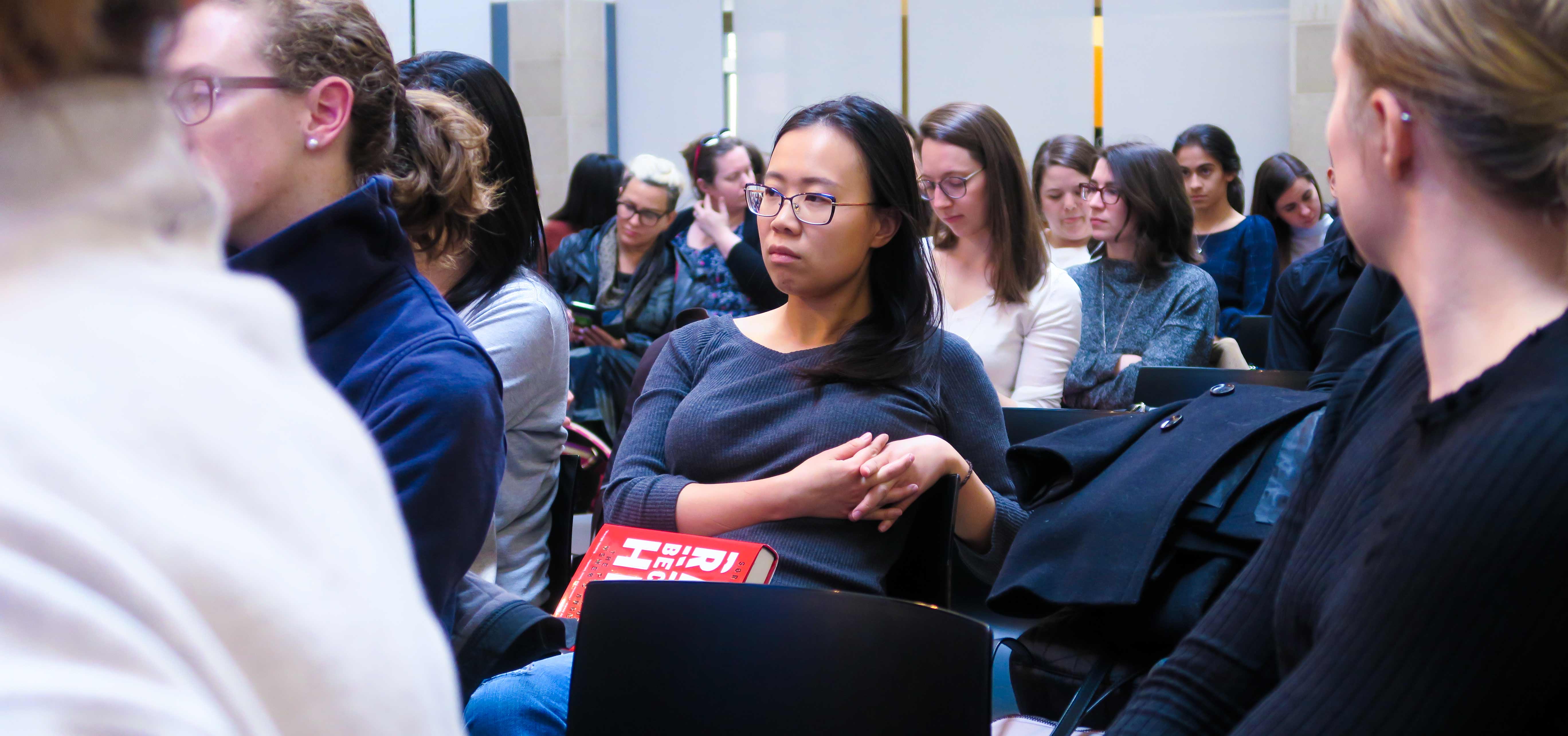
    [fusion_builder_container hundred_percent=”no” equal_height_columns=”no” menu_anchor=”” hide_on_mobile=”small-visibility,medium-visibility,large-visibility” class=”” id=”” background_color=”” background_image=”” background_position=”center center” background_repeat=”no-repeat” fade=”no” background_parallax=”none” parallax_speed=”0.3″ video_mp4=”” video_webm=”” video_ogv=”” video_url=”” video_aspect_ratio=”16:9″ video_loop=”yes” video_mute=”yes” overlay_color=”” video_preview_image=”” border_color=”” border_style=”solid” padding_top=”” padding_bottom=”” padding_left=”” padding_right=”” type=”legacy”][fusion_builder_row][fusion_builder_column type=”1_1″ layout=”1_1″ background_position=”left top” background_color=”” border_color=”” border_style=”solid” border_position=”all” spacing=”yes” background_image=”” background_repeat=”no-repeat” padding_top=”” padding_right=”” padding_bottom=”” padding_left=”” margin_top=”0px” margin_bottom=”0px” class=”” id=”” animation_type=”” animation_speed=”0.3″ animation_direction=”left” hide_on_mobile=”small-visibility,medium-visibility,large-visibility” center_content=”no” last=”true” min_height=”” hover_type=”none” link=”” border_sizes_top=”” border_sizes_bottom=”” border_sizes_left=”” border_sizes_right=”” first=”true”][fusion_text columns=”” column_min_width=”” column_spacing=”” rule_style=”” rule_size=”” rule_color=”” hue=”” saturation=”” lightness=”” alpha=”” content_alignment_medium=”” content_alignment_small=”” content_alignment=”” hide_on_mobile=”small-visibility,medium-visibility,large-visibility” sticky_display=”normal,sticky” class=”” id=”” margin_top=”” margin_right=”” margin_bottom=”” margin_left=”” fusion_font_family_text_font=”” fusion_font_variant_text_font=”” font_size=”” line_height=”” letter_spacing=”” text_transform=”” text_color=”” animation_type=”” animation_direction=”left” animation_color=”” animation_speed=”0.3″ animation_delay=”0″ animation_offset=”” logics=””]Most know the story of Rosa Parks. The African American woman from Montgomery, Alabama who refused to give up her seat on a segregated bus in 1955; sparking the Montgomery Bus Boycott. There’s one important aspect of Parks’ story, however, that is largely ignored: the history of her anger and how it fueled her activism well before 1955.

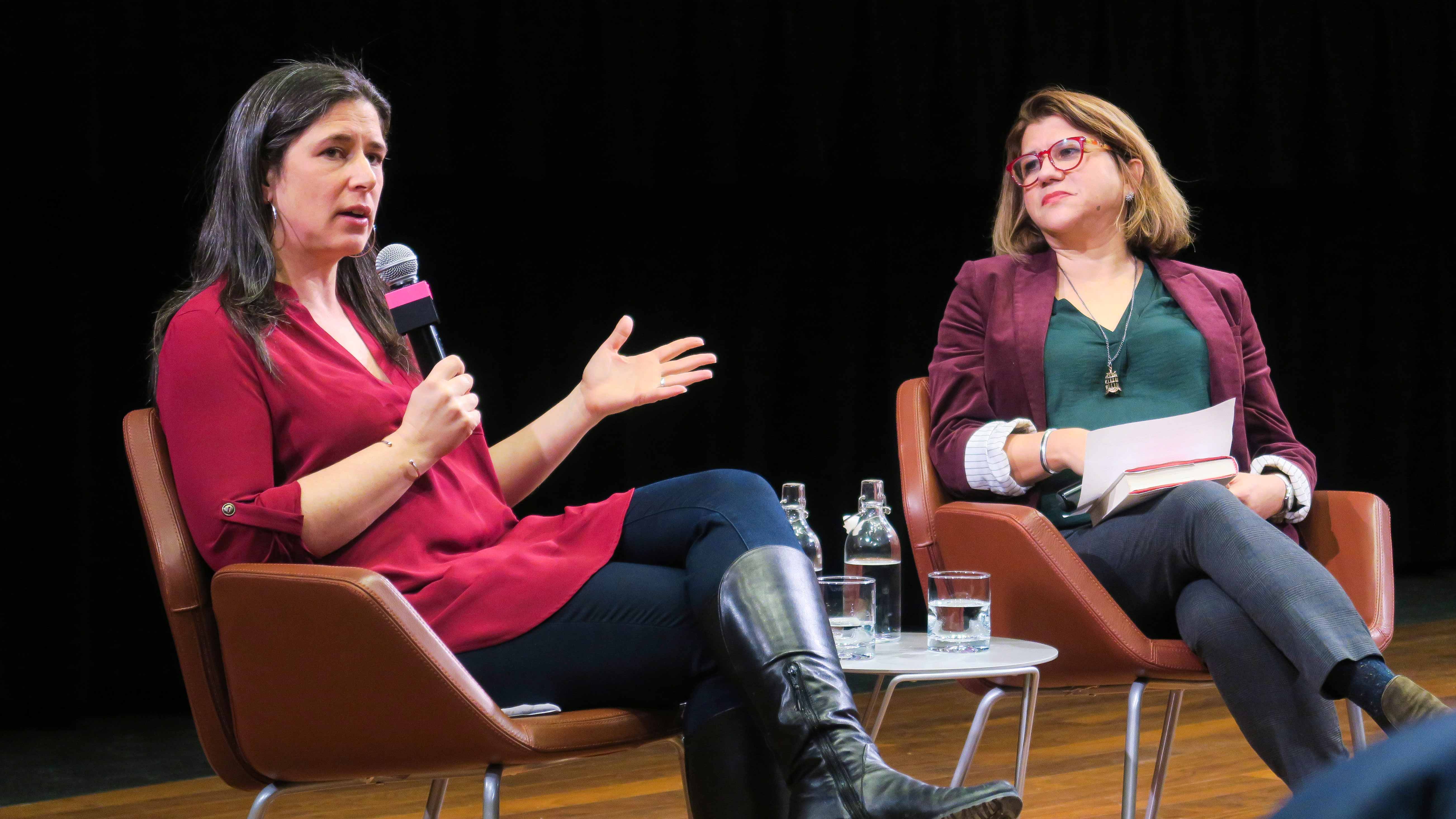
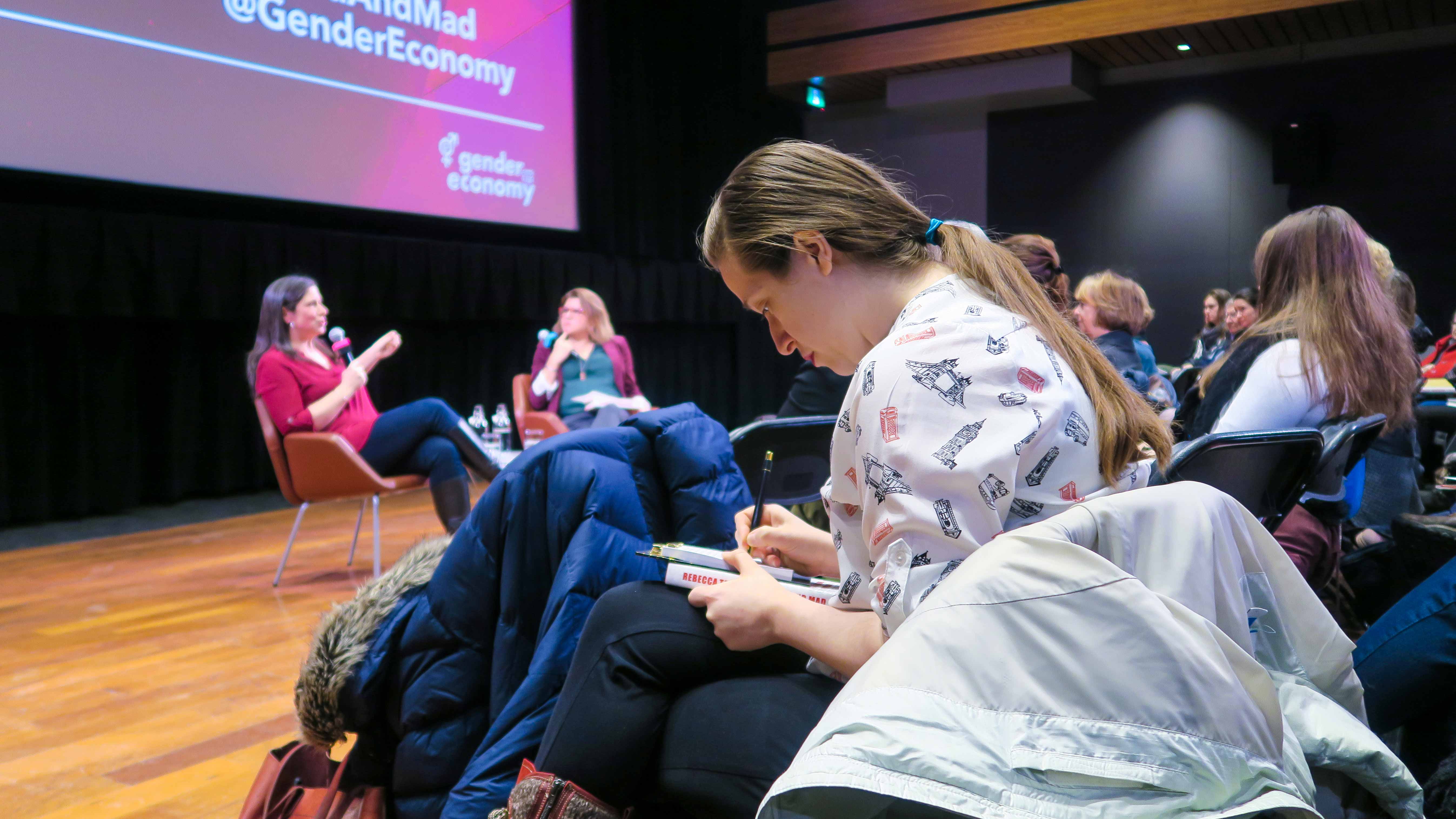
    Rebecca Traister, author of Good and Mad: The Revolutionary Power of Women’s Anger, argued during her recent book talk at Rotman that the anger Parks felt over racial segregation and sexual violence against black women is often omitted from her story because the expression of women’s anger (particularly women of colour) has been, and still is, systematically discouraged. However, there are countless instances throughout history of women’s anger fueling political and social change. Therefore, we should use “anger” as a clarifying lens through which to not only rethink women’s history but to also inform our understanding of current events and social movements.

    We should use “anger” as a clarifying lens through which to not only rethink women’s history but to also inform our understanding of current events and social movements.

    Audience member at Traister event

    According to Traister, by looking “straight at anger” and examining the ways in which it intersects with social, political, and economic power, everything looks different. In fact, it’s this very idea of anger “as a clarifying thread to draw throughout history and the present” that should give us hope despite our current circumstances. When asked by moderator Liz Renzetti, Columnist and Feature Writer for The Globe and Mail, “Do you feel hopeful at all?” Traister replied, “Yes.” She explained:

    “Part of the pleasure of looking at how anger has led to so much change in the past, is being able to make an argument–in this book, but also just even in my own head–that the anger that so many people are feeling right now can be catalytic. [That it] can lead to change that desperately needs to happen…The only hope for us is that [the] fury and the intolerance for the conditions that got us here, will propel us to change ourselves.”

    Check out the clip below to learn more about the inspiration behind Traister’s book; including why she decided to face her anger, and embrace it.

    [/fusion_text][fusion_separator style_type=”none” hide_on_mobile=”small-visibility,medium-visibility,large-visibility” class=”” id=”” sep_color=”” top_margin=”30″ bottom_margin=”30″ border_size=”” icon=”” icon_circle=”” icon_circle_color=”” width=”” alignment=”center” /][fusion_button link=”https://www.gendereconomy.org/past-events/” text_transform=”” title=”” target=”_blank” link_attributes=”” alignment=”” modal=”” hide_on_mobile=”small-visibility,medium-visibility,large-visibility” class=”” id=”” color=”custom” button_gradient_top_color=”#62bd19″ button_gradient_bottom_color=”#62bd19″ button_gradient_top_color_hover=”#00c2e2″ button_gradient_bottom_color_hover=”#00c2e2″ accent_color=”” accent_hover_color=”” type=”” bevel_color=”” size=”” stretch=”yes” icon=”” icon_position=”left” icon_divider=”no” animation_type=”” animation_direction=”left” animation_speed=”0.3″ animation_offset=””]See more past events[/fusion_button][fusion_separator style_type=”none” hide_on_mobile=”small-visibility,medium-visibility,large-visibility” class=”” id=”” sep_color=”” top_margin=”20″ bottom_margin=”20″ border_size=”” icon=”” icon_circle=”” icon_circle_color=”” width=”” alignment=”center” /][fusion_title margin_top=”” margin_bottom=”” hide_on_mobile=”medium-visibility,large-visibility” class=”” id=”” size=”5″ content_align=”center” style_type=”default” sep_color=””]

    Or register below for these upcoming events

    [/fusion_title][fusion_recent_posts layout=”default” hover_type=”none” columns=”3″ number_posts=”3″ offset=”0″ pull_by=”category” cat_slug=”events” exclude_cats=”past” tag_slug=”” exclude_tags=”” thumbnail=”yes” title=”yes” meta=”no” meta_author=”no” meta_categories=”no” meta_date=”yes” meta_comments=”yes” meta_tags=”no” content_alignment=”” excerpt=”no” excerpt_length=”35″ strip_html=”yes” scrolling=”no” hide_on_mobile=”medium-visibility,large-visibility” class=”” id=”” animation_type=”” animation_direction=”left” animation_speed=”0.3″ animation_offset=”” /][/fusion_builder_column][/fusion_builder_row][/fusion_builder_container]
  • Gemma Hartley on “Fed Up: Emotional Labor, Women, and the Way Forward”

    Gemma Hartley on “Fed Up: Emotional Labor, Women, and the Way Forward”

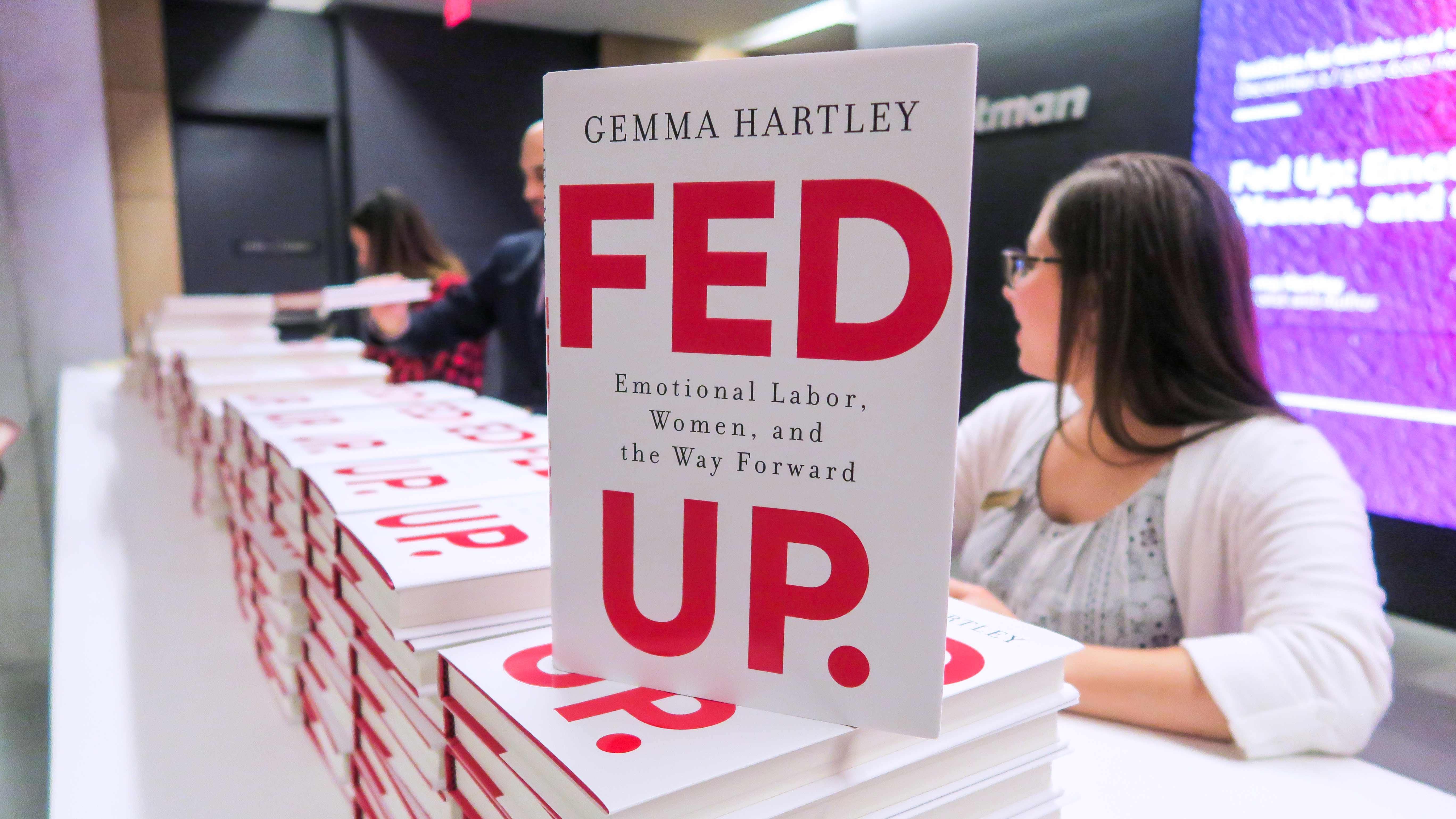
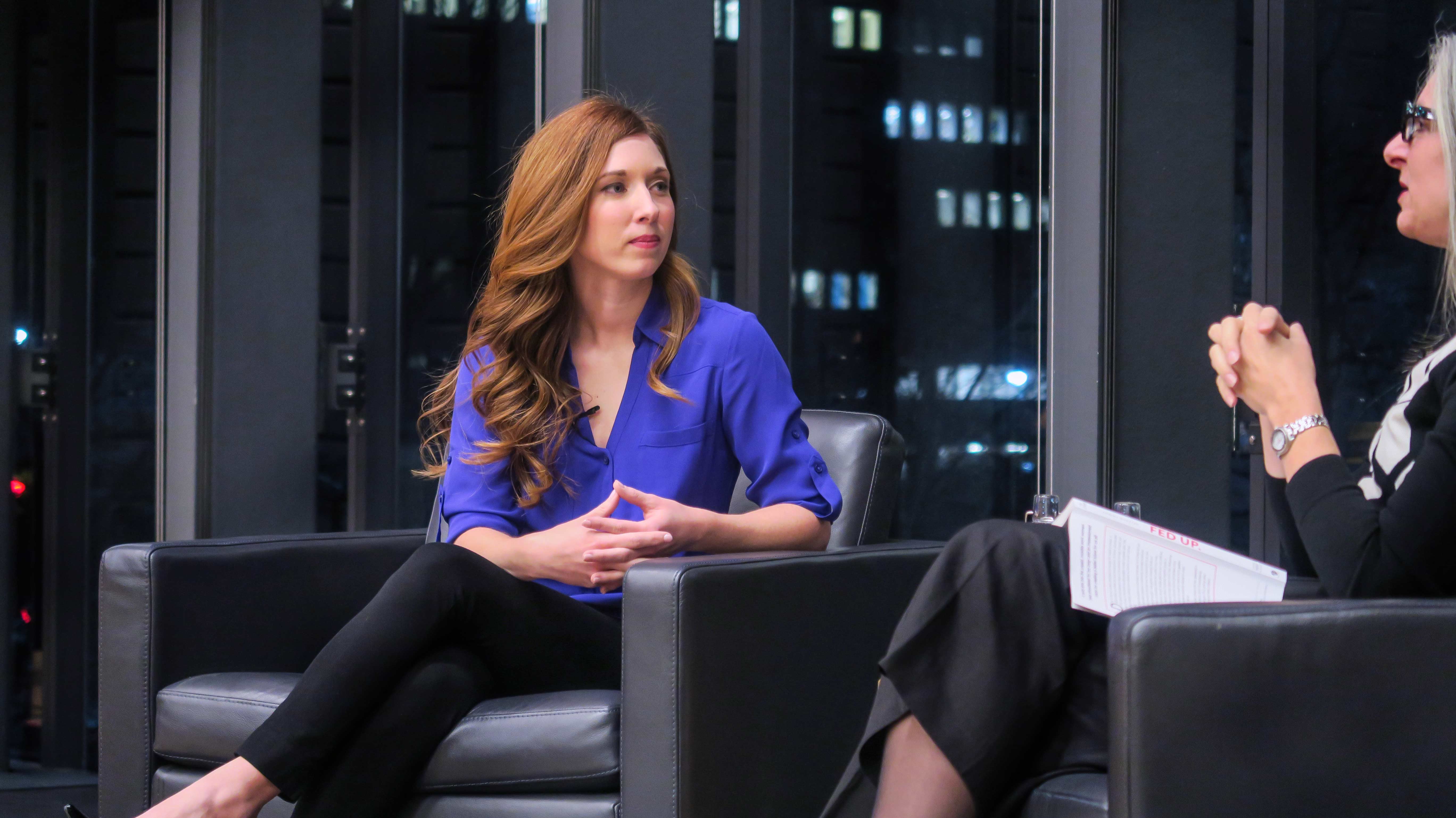
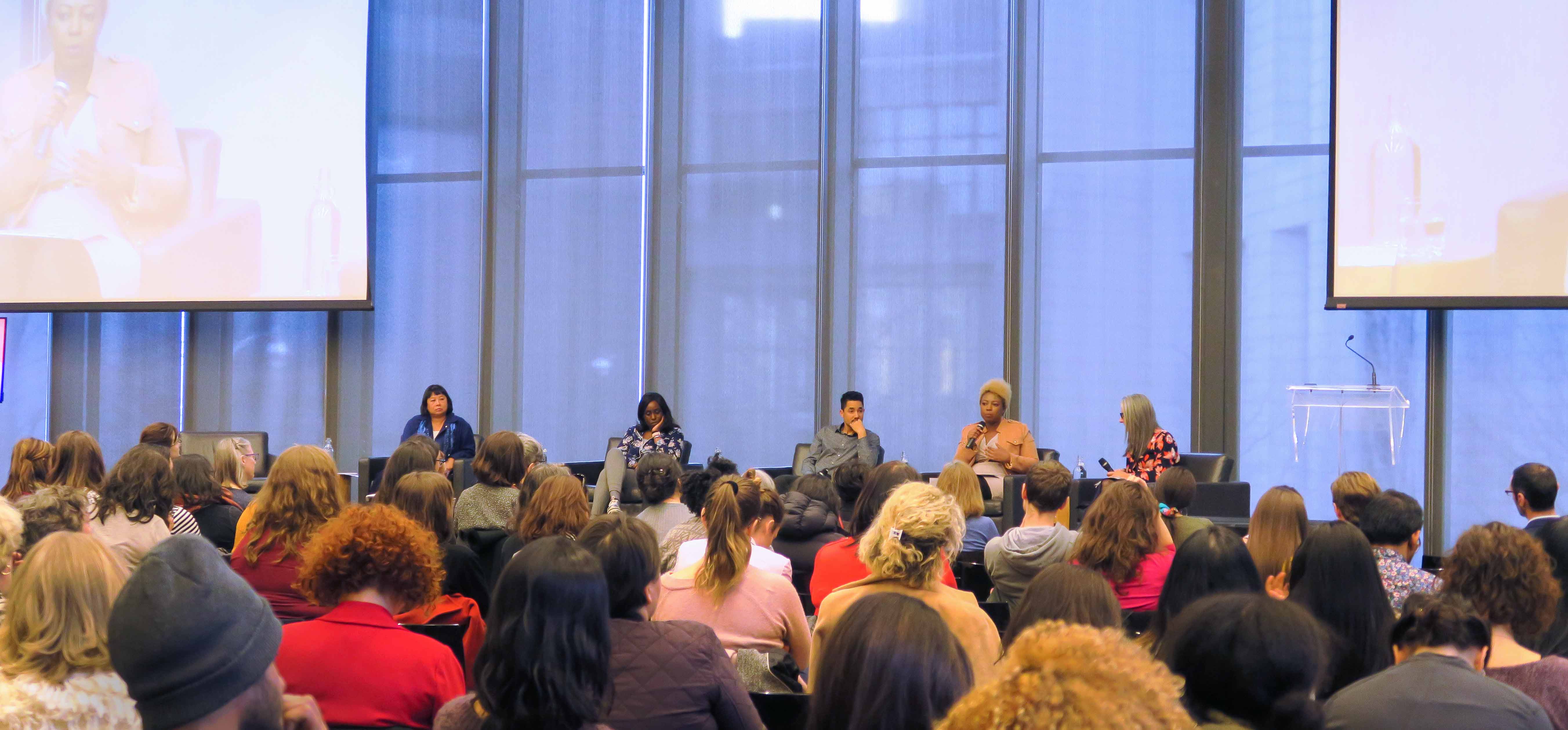
    [fusion_builder_container hundred_percent=”no” equal_height_columns=”no” menu_anchor=”” hide_on_mobile=”small-visibility,medium-visibility,large-visibility” class=”” id=”” background_color=”” background_image=”” background_position=”center center” background_repeat=”no-repeat” fade=”no” background_parallax=”none” parallax_speed=”0.3″ video_mp4=”” video_webm=”” video_ogv=”” video_url=”” video_aspect_ratio=”16:9″ video_loop=”yes” video_mute=”yes” overlay_color=”” video_preview_image=”” border_color=”” border_style=”solid” padding_top=”” padding_bottom=”” padding_left=”” padding_right=”” type=”legacy”][fusion_builder_row][fusion_builder_column type=”1_1″ layout=”1_1″ background_position=”left top” background_color=”” border_color=”” border_style=”solid” border_position=”all” spacing=”yes” background_image=”” background_repeat=”no-repeat” padding_top=”” padding_right=”” padding_bottom=”” padding_left=”” margin_top=”0px” margin_bottom=”0px” class=”” id=”” animation_type=”” animation_speed=”0.3″ animation_direction=”left” hide_on_mobile=”small-visibility,medium-visibility,large-visibility” center_content=”no” last=”true” min_height=”” hover_type=”none” link=”” border_sizes_top=”” border_sizes_bottom=”” border_sizes_left=”” border_sizes_right=”” first=”true”][fusion_text columns=”” column_min_width=”” column_spacing=”” rule_style=”” rule_size=”” rule_color=”” hue=”” saturation=”” lightness=”” alpha=”” content_alignment_medium=”” content_alignment_small=”” content_alignment=”” hide_on_mobile=”small-visibility,medium-visibility,large-visibility” sticky_display=”normal,sticky” class=”” id=”” margin_top=”” margin_right=”” margin_bottom=”” margin_left=”” fusion_font_family_text_font=”” fusion_font_variant_text_font=”” font_size=”” line_height=”” letter_spacing=”” text_transform=”” text_color=”” animation_type=”” animation_direction=”left” animation_color=”” animation_speed=”0.3″ animation_delay=”0″ animation_offset=”” logics=””]Gemma Hartley, journalist and author, joined us at Rotman on December 03 to discuss her latest book, “Fed Up: Emotional Labor, Women, and the Way Forward.” In her book, Hartley aims to make “the invisible visible” by highlighting the emotional labour women carry out at work, home, in relationships, and in parenting.

    In “Fed Up,” Hartley expands the definition of “emotional labour” developed by sociologist Arlie Hochschild in her 1983 book, “The Managed Heart,” to include “emotion management and life management.” Hartley writes, “[emotional labour] is the unpaid, invisible work we do to keep those around us comfortable and happy. It envelops many other terms associated with the type of care-based labour I described in my article: emotion work, the mental load, mental burden, domestic management, clerical labour, invisible labour.” Hartley believes that it’s important to expand this definition because emotional labour has real implications on women’s careers. During the talk, she explained:

    “We’re sort of on-call all the time. So, we can be at the office, but we’re not 100% there because we’re waiting [for something]…”

    She continued, “Maybe we’re going to get a text asking where this child’s teddy bear is for the night…it really inhibits our work when we’re tied to the home in that way.”

    Later in the discussion, Hartley also detailed how men and women are held to different standards when it comes to care-work and women are often the ones who are judged when this important labour at home (e.g. cleaning, dishes, scheduling kid’s activities, etc.) is not completed to perfection. Men, in contrast, are often praised for any attempt to perform this type of work. She said, “We demand mothers to be perfect…but the standards we set (for fathers) are different.” This is the social conditioning Hartley believes we have to overcome for men and women to equally share the work of home and family.

    Hartley also highlighted the fault in the idea that women can “have-it-all,” which often refers exclusively to women (predominantly white women) who have the financial means to outsource care labour. It’s important to point out that often when this labour is outsourced, women of colour or immigrant women complete this work, and it’s also undervalued.

    Hartley ended the conversation by reminding the audience that we need to continue talking about these issues in order to encourage change. She explained:

    “We have to examine our own social biases; what we’ve been conditioned to do. The more women start to lean into their truth, and what they really want out of life, the more we’re going to feel normal about it and the less we’re going to judge each other for it. We really need to break that culture of silence that’s really been held up by the patriarchy for so long.”[/fusion_text][fusion_separator style_type=”none” hide_on_mobile=”small-visibility,medium-visibility,large-visibility” class=”” id=”” sep_color=”” top_margin=”50″ bottom_margin=”50″ border_size=”” icon=”” icon_circle=”” icon_circle_color=”” width=”” alignment=”center” /][fusion_button link=”https://www.gendereconomy.org/events/” text_transform=”” title=”” target=”_blank” link_attributes=”” alignment=”” modal=”” hide_on_mobile=”small-visibility,medium-visibility,large-visibility” class=”” id=”” color=”custom” button_gradient_top_color=”#62bd19″ button_gradient_bottom_color=”#62bd19″ button_gradient_top_color_hover=”#00c2e2″ button_gradient_bottom_color_hover=”#00c2e2″ accent_color=”” accent_hover_color=”” type=”” bevel_color=”” size=”” stretch=”yes” icon=”” icon_position=”left” icon_divider=”no” animation_type=”” animation_direction=”left” animation_speed=”0.3″ animation_offset=””]See more past events[/fusion_button][fusion_separator style_type=”none” hide_on_mobile=”small-visibility,medium-visibility,large-visibility” class=”” id=”” sep_color=”” top_margin=”15″ bottom_margin=”15″ border_size=”” icon=”” icon_circle=”” icon_circle_color=”” width=”” alignment=”center” /][fusion_title margin_top=”” margin_bottom=”” hide_on_mobile=”medium-visibility,large-visibility” class=”” id=”” size=”5″ content_align=”center” style_type=”default” sep_color=””]

    Or register below for these upcoming events

    [/fusion_title][fusion_recent_posts layout=”default” hover_type=”none” columns=”3″ number_posts=”3″ offset=”0″ pull_by=”category” cat_slug=”events” exclude_cats=”past” tag_slug=”” exclude_tags=”” thumbnail=”yes” title=”yes” meta=”no” meta_author=”no” meta_categories=”no” meta_date=”yes” meta_comments=”yes” meta_tags=”no” content_alignment=”” excerpt=”no” excerpt_length=”35″ strip_html=”yes” scrolling=”no” hide_on_mobile=”medium-visibility,large-visibility” class=”” id=”” animation_type=”” animation_direction=”left” animation_speed=”0.3″ animation_offset=”” /][/fusion_builder_column][/fusion_builder_row][/fusion_builder_container]
  • Addressing the gender confidence gap

    Addressing the gender confidence gap

    [fusion_builder_container admin_label=”” hundred_percent=”no” equal_height_columns=”no” menu_anchor=”” hide_on_mobile=”small-visibility,medium-visibility,large-visibility” class=”” id=”” background_color=”” background_image=”” background_position=”center center” background_repeat=”no-repeat” fade=”no” background_parallax=”none” enable_mobile=”no” parallax_speed=”0.3″ video_mp4=”” video_webm=”” video_ogv=”” video_url=”” video_aspect_ratio=”16:9″ video_loop=”yes” video_mute=”yes” video_preview_image=”” border_size=”” border_color=”” border_style=”solid” margin_top=”20″ margin_bottom=”” padding_top=”” padding_right=”” padding_bottom=”” padding_left=””][fusion_builder_row][fusion_builder_column type=”3_4″ layout=”3_4″ spacing=”” center_content=”no” hover_type=”none” link=”” min_height=”” hide_on_mobile=”small-visibility,medium-visibility,large-visibility” class=”” id=”” background_color=”” background_image=”” background_position=”left top” background_repeat=”no-repeat” border_size=”0″ border_color=”” border_style=”solid” border_position=”all” padding_top=”” padding_right=”” padding_bottom=”” padding_left=”” dimension_margin=”” animation_type=”” animation_direction=”left” animation_speed=”0.3″ animation_offset=”” last=”no”][fusion_text columns=”” column_min_width=”” column_spacing=”” rule_style=”default” rule_size=”” rule_color=”” class=”” id=””]

    Summary

    Self-confidence is an important part of career success. It can motivate goal setting, and help in salary and promotion negotiations. Research on confidence in the workplace finds a gap in men and women’s confidence, with men being more likely to be overconfident, and women more likely to be under-confident in their skills and performance. This study addresses the confidence gap by exploring the role of gender blindness. In a series of experimental and survey studies, the authors find that when efforts are made to downplay gender differences, women’s confidence and willingness to take action increases. In effect, gender blindness can improve women’s confidence without requiring women to change their behaviour.

    Research

    Most research aiming to redress women’s workplace confidence has focused on changing women’s behaviour, or on reframing valued workplace attributes to more closely align with stereotypical gender differences. For example, by framing the male-attributed art of negotiation as a communal task and thus, more in line with feminine attributes. Such solutions, however, place the burden for change on women and implicitly suggest that women’s own behaviour is the source of their unequal treatment, rather than workplace cultures that reinforce masculine-attributed traits over feminine-attributed ones. Or, they limit women’s feelings of confidence to contexts that align with attributes that are stereotypically defined as feminine (for example, communalism or caring) and fall short of offering solutions to overcoming the confidence gap in male-dominated occupational contexts. The present study examines gender-blindness as a locus of change.

    Gender-blindness aims to downplay difference and emphasize similarities between men and women.

    The authors point out that in some contexts it can be beneficial to highlight differences between groups, for example, by promoting positive perceptions of racial diversity. However, the positive effects of highlighting difference are limited to those situations where attempts are made to replace negative stereotypical differences, as in the case of promoting racial and ethnic multiculturalism.

    In the case of gender difference, however, most stereotypical differences between men and women are positive and readily embraced by both men and women. But the value attributed to such differences varies by social context. Attributes associated with masculinity, such as agency, assertiveness, and risk-taking, are more valued in the workplace while attributes associated with femininity, such as communality and compassion, are valued in the home or are limited to a small number of female-dominated occupational contexts. The authors argue that for women working in masculine-dominated fields, gender blindness may be the more effective strategy for improving women’s self-confidence. Through a series of experimental and survey studies, the authors test the effect of gender difference versus gender blindness on self-confidence.

    Findings: The results are summarized below

    • 163 women were surveyed and given one of two conditions: one group was asked to make a list of similarities between men and women, while the other group was asked to make a list of differences. Upon completing their lists, they were asked whether they believed the differences or similarities compromised their ability to be effective leaders in the workplace. Those who were tasked with outlining gender differences, such as the tendency to perceive men as having more agency, were more likely to report feeling undermined their ability to be effective leaders than those who were tasked with outlining similarities between men and women.
    • 712 students in a male-dominated MBA program were surveyed about their gender ideologies (for example, about the extent to which they believe that differences between men and women should be acknowledged and celebrated), as well as about their confidence levels. They were then assigned an activity in which they assumed the role of a racing team manager who decides whether to race (and potentially win a large endorsement) or not race (because of an engine failure). Racing in this activity represented the riskier, action-based choice. Women who reported believing in gender-blindness were more likely to choose the option of taking action.
    • In a survey of 115 women, participants were asked to read either an article about the benefits of differences between men and women, or an article about the merits of the similarities between men and women. The third group of women was given an article about a recycling program in order to provide a baseline measure of workplace confidence. They were then asked questions about how confident they felt in their place of work. Women primed with gender-blindness (those who had read the article highlighting the similarities between men and women) felt more confident. In a related study of 132 women, this effect was found to be stronger for those who reported working in male-dominated work environments.
    • In another similar study of 126 female managers, exposure to gender-blindness led to increased identification with agentic traits (such as assertiveness and leadership), more confidence, and increased action-taking (measured in this instance through a series of role-playing scenarios such as playing blackjack and speaking in a debate).

    This article provides evidence that gender-blindness can increase women’s workplace confidence and feelings of agency.

    Implications

    • Downplaying difference In order to promote women’s confidence, especially in male-dominated work environments, management, and HR personnel can downplay gender differences. This has the added benefit of making workplace cultures more accommodating for those who identify outside of the male/female gender binary. This can be done in a wide variety of ways such as: avoiding the unnecessary use of gendered language in corporate correspondence, and using the term “people” instead of men and women; providing access to gender-inclusive bathrooms; ensuring that tasks are distributed fairly and evenly between male and female employees; and avoiding gender-essentializing stereotypes in written communication and workplace activities (for instance, avoiding gendered team-building activities where men play golf and women go to the spa, or through associating the colour pink with women, and blue with men).
    • Modeling “feminine” attributes In addition to promoting gender blindness or downplaying gender differences in male-dominated workplace environments, those in leadership positions can model attributes that deviate from those deemed stereotypically masculine, such as adopting a communal leadership style and modeling empathy, as a way of broadening the scope of attributes that are valued and rewarded in organizational contexts.

    [/fusion_text][fusion_separator style_type=”none” hide_on_mobile=”small-visibility,medium-visibility,large-visibility” class=”” id=”” sep_color=”” top_margin=”20″ bottom_margin=”20″ border_size=”” icon=”” icon_circle=”” icon_circle_color=”” width=”” alignment=”center” /][fusion_button link=”https://www.gendereconomy.org/research-briefs/” text_transform=”” title=”” target=”_blank” link_attributes=”” alignment=”” modal=”” hide_on_mobile=”small-visibility,medium-visibility,large-visibility” class=”” id=”” color=”custom” button_gradient_top_color=”#62bd19″ button_gradient_bottom_color=”#62bd19″ button_gradient_top_color_hover=”#00c2e2″ button_gradient_bottom_color_hover=”#00c2e2″ accent_color=”” accent_hover_color=”” type=”” bevel_color=”” border_width=”” size=”” stretch=”yes” shape=”” icon=”” icon_position=”left” icon_divider=”no” animation_type=”” animation_direction=”left” animation_speed=”0.3″ animation_offset=””]See more research briefs[/fusion_button][fusion_separator style_type=”none” hide_on_mobile=”small-visibility,medium-visibility,large-visibility” class=”” id=”” sep_color=”” top_margin=”20″ bottom_margin=”20″ border_size=”” icon=”” icon_circle=”” icon_circle_color=”” width=”” alignment=”center” /][fusion_recent_posts layout=”default” hover_type=”none” columns=”3″ number_posts=”3″ offset=”0″ pull_by=”category” cat_slug=”research-briefs” exclude_cats=”” tag_slug=”” exclude_tags=”” thumbnail=”yes” title=”yes” meta=”no” meta_author=”no” meta_categories=”no” meta_date=”yes” meta_comments=”yes” meta_tags=”no” content_alignment=”” excerpt=”no” excerpt_length=”35″ strip_html=”yes” scrolling=”no” hide_on_mobile=”small-visibility,medium-visibility,large-visibility” class=”” id=”” animation_type=”” animation_direction=”left” animation_speed=”0.3″ animation_offset=”” /][/fusion_builder_column][fusion_builder_column type=”1_4″ layout=”1_4″ spacing=”” center_content=”no” hover_type=”none” link=”” min_height=”” hide_on_mobile=”small-visibility,medium-visibility,large-visibility” class=”” id=”” background_color=”” background_image=”” background_position=”left top” background_repeat=”no-repeat” border_size=”0″ border_color=”” border_style=”solid” border_position=”all” padding_top=”” padding_right=”” padding_bottom=”” padding_left=”” dimension_margin=”” animation_type=”” animation_direction=”left” animation_speed=”0.3″ animation_offset=”” last=”no”][fusion_title margin_top=”” margin_bottom=”” hide_on_mobile=”small-visibility,medium-visibility,large-visibility” class=”briefsummary” id=”” size=”3″ content_align=”left” style_type=”none” sep_color=””]

    Title

    What “blindness” to gender differences helps women see and so: Implications for confidence, agency, and action in male-dominated environments

    Authors

    Ashley E. Martin and Katherine W. Phillips

    Institutions

    Columbia Business School

    Source

    Organizational Behavior and Human Decision Processes

    Published

    2017

    Link

    https://www.sciencedirect.com/science/article/pii/S0749597816300784

    Research brief prepared by

    Kim de Laat[/fusion_title][fusion_widget_area name=”avada-custom-sidebar-researchbriefsidebar” title_size=”” title_color=”” background_color=”” padding_top=”” padding_right=”” padding_bottom=”” padding_left=”” hide_on_mobile=”small-visibility,medium-visibility,large-visibility” class=”” id=”” /][/fusion_builder_column][/fusion_builder_row][/fusion_builder_container]