Tag: LGBTQ+

Research briefs, news, and event recaps related to LGBTQ+.

  • Lavender Ceiling: LGBTQ+ Board Directors in Canada

    Lavender Ceiling: LGBTQ+ Board Directors in Canada

    [fusion_builder_container admin_label=”” hundred_percent=”no” equal_height_columns=”no” menu_anchor=”” hide_on_mobile=”small-visibility,medium-visibility,large-visibility” class=”” id=”” background_color=”” background_image=”” background_position=”center center” background_repeat=”no-repeat” fade=”no” background_parallax=”none” enable_mobile=”no” parallax_speed=”0.3″ video_mp4=”” video_webm=”” video_ogv=”” video_url=”” video_aspect_ratio=”16:9″ video_loop=”yes” video_mute=”yes” video_preview_image=”” border_color=”” border_style=”solid” margin_top=”20″ margin_bottom=”” padding_top=”” padding_right=”” padding_bottom=”” padding_left=”” type=”legacy”][fusion_builder_row][fusion_builder_column type=”3_4″ layout=”3_4″ spacing=”” center_content=”no” hover_type=”none” link=”” min_height=”” hide_on_mobile=”small-visibility,medium-visibility,large-visibility” class=”” id=”” background_color=”” background_image=”” background_position=”left top” background_repeat=”no-repeat” border_color=”” border_style=”solid” border_position=”all” padding_top=”” padding_right=”” padding_bottom=”” padding_left=”” margin_top=”” margin_bottom=”” animation_type=”” animation_direction=”left” animation_speed=”0.3″ animation_offset=”” last=”false” border_sizes_top=”0″ border_sizes_bottom=”0″ border_sizes_left=”0″ border_sizes_right=”0″ first=”true” spacing_right=””][fusion_text columns=”” column_min_width=”” column_spacing=”” rule_style=”” rule_size=”” rule_color=”” hue=”” saturation=”” lightness=”” alpha=”” content_alignment_medium=”” content_alignment_small=”” content_alignment=”” hide_on_mobile=”small-visibility,medium-visibility,large-visibility” sticky_display=”normal,sticky” class=”” id=”” margin_top=”” margin_right=”” margin_bottom=”” margin_left=”” fusion_font_family_text_font=”” fusion_font_variant_text_font=”” font_size=”” line_height=”” letter_spacing=”” text_transform=”” text_color=”” animation_type=”” animation_direction=”left” animation_color=”” animation_speed=”0.3″ animation_delay=”0″ animation_offset=””]

    Executive summary 

    LGBTQ+ people are underrepresented on corporate boards of directors and throughout most organizations in Canada. This report summarizes findings from an analysis of representation on Toronto Stock Exchange-listed companies from 2015-2022 along with a review of the existing research on LGBTQ+ representation on boards and within organizations. Key insights include: 

    • Only 0.15% of TSX-listed company directors publicly identify as members of the LGBTQ+ community, yet greater board diversity is associated with greater connections and collaborations among board members, increased innovation and long-term strategic thinking, greater inclusiveness throughout the organization, and improved corporate resilience to crisis. 
    • Research and practice have overlooked LGBTQ+ board directors, but a review of research on LGBTQ+ inclusion in organizations more broadly give us clues into the sources of the “lavender ceiling” of barriers that prevent LGBTQ+ people from entering and rising up into top leadership. 
    • There is a plethora of evidence that LGBTQ+ people experience discrimination in applying for and interviewing for jobs, in their daily work experiences once they get jobs, and in their exclusion from networks that could lead to promotion opportunities. This leads to feelings of isolation, lack of engagement and higher turnover. 
    • LGBTQ+ employees experience a disclosure dilemma at work: they can achieve greater authenticity and connection by “coming out” but risk discrimination, or they can hide their identities to avoid discrimination but risk the disconnection that comes from not bringing their whole selves to work. Moreover, this choice is not a one-time thing but instead must occur with every new situation and when meeting each new person. 
    • LGBTQ+ employees have multiple intersecting identities—related to gender, race, disability, immigrant status, Indigeneity or other—which can result in different experiences at work, where different identities can either offset or amplify advantages or disadvantages. 
    • LGBTQ+ employees can be agents for change by both normalizing LGBTQ+ identities and disrupting existing norms in organizations. But the burden of change should not rest only or mainly on the shoulders of these employees. 
    • Peers, supervisors, organizational leaders, policy makers and other stakeholders can create more inclusive organizations by becoming strong allies, implementing effective training, setting strong cultures and developing inclusive policies and practices. These actions may not be fully effective on their own, but in combination can create a positive cycle of inclusion that is better for LGBTQ+ employees and for organizational health and resilience overall. 

    DOWNLOAD THE FULL REPORT (IN ENGLISH/EN FRANÇAIS).
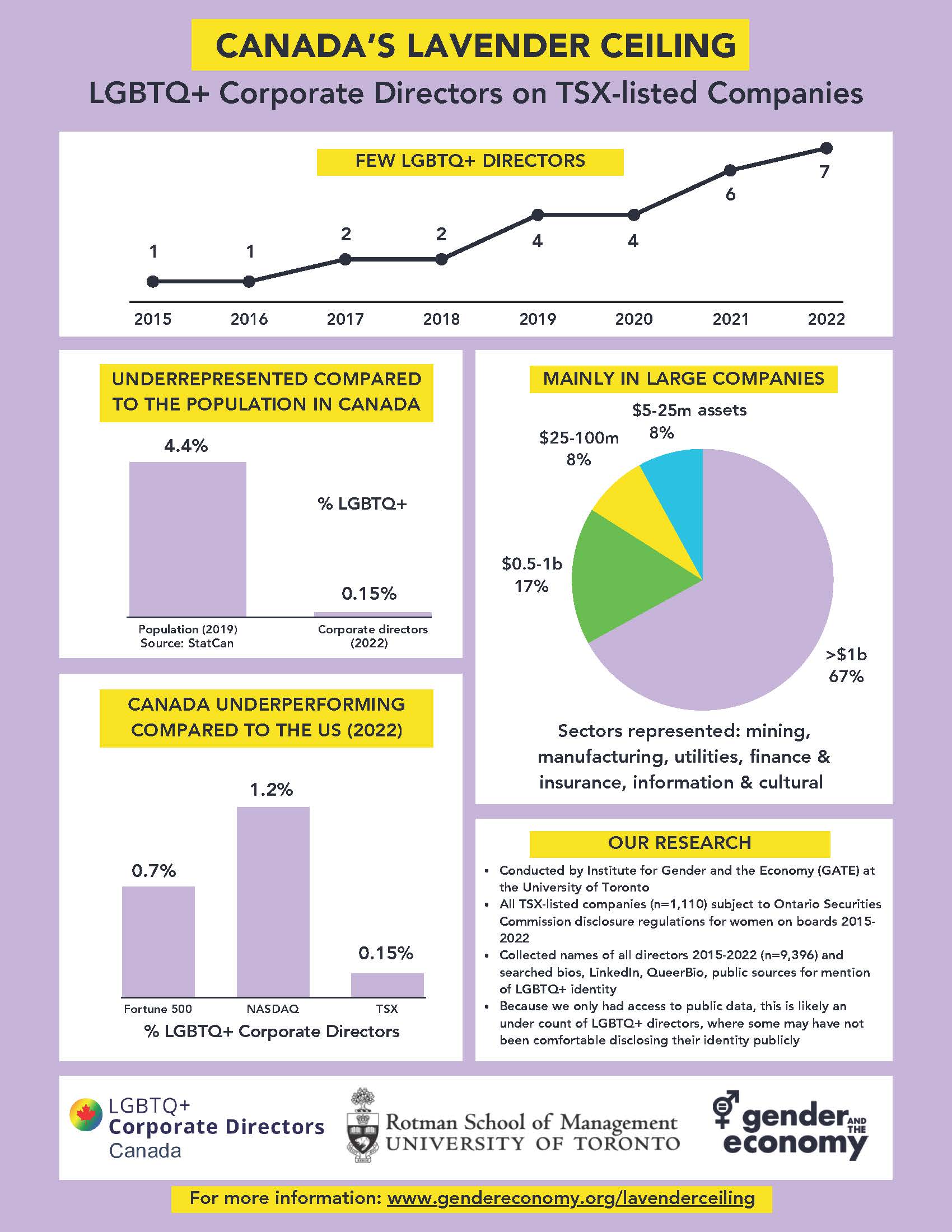
         

    DOWNLOAD THE INFOGRAPHIC (IN ENGLISH/EN FRANÇAIS).

    The report was written by Matt Wang and Sarah Kaplan. The infographic was prepared by Sarah Kaplan with research assistance from Daphné Baldassari, Makayla Fang, Fiona Hoang, Ian Wan, and Matt Wang. This work was supported by LGBTQ+ Corporate Directors Canada and the 2SLGBTQI+ Entrepreneurship Knowledge Hub.

    In an op-ed for The Globe and Mail, Jane Griffith and Sarah Kaplan discuss barriers that keep LGBTQ+ people out of leadership roles and board directorships, and what corporates can do to help.

    [/fusion_text][fusion_separator style_type=”none” hide_on_mobile=”small-visibility,medium-visibility,large-visibility” class=”” id=”” sep_color=”” top_margin=”20″ bottom_margin=”20″ border_size=”” icon=”” icon_circle=”” icon_circle_color=”” width=”” alignment=”center” /][fusion_button link=”https://www.gendereconomy.org/category/research-overviews/” text_transform=”” title=”” target=”_blank” link_attributes=”” alignment_medium=”” alignment_small=”” alignment=”” modal=”” hide_on_mobile=”small-visibility,medium-visibility,large-visibility” sticky_display=”normal,sticky” class=”” id=”” color=”custom” button_gradient_top_color=”#62bd19″ button_gradient_bottom_color=”#62bd19″ button_gradient_top_color_hover=”#00c2e2″ button_gradient_bottom_color_hover=”#00c2e2″ accent_color=”” accent_hover_color=”” type=”” bevel_color=”” border_color=”” border_hover_color=”” size=”” stretch=”yes” margin_top=”” margin_right=”” margin_bottom=”” margin_left=”” icon=”” icon_position=”left” icon_divider=”no” animation_type=”” animation_direction=”left” animation_speed=”0.3″ animation_offset=””]See more research overviews[/fusion_button][fusion_separator style_type=”none” hide_on_mobile=”small-visibility,medium-visibility,large-visibility” class=”” id=”” sep_color=”” top_margin=”20″ bottom_margin=”20″ border_size=”” icon=”” icon_circle=”” icon_circle_color=”” width=”” alignment=”center” /][fusion_recent_posts layout=”default” hover_type=”none” columns=”3″ number_posts=”3″ offset=”0″ pull_by=”category” cat_slug=”research-briefs” exclude_cats=”” tag_slug=”” exclude_tags=”” thumbnail=”yes” title=”yes” meta=”no” meta_author=”no” meta_categories=”no” meta_date=”yes” meta_comments=”yes” meta_tags=”no” content_alignment=”” excerpt=”no” excerpt_length=”35″ strip_html=”yes” scrolling=”no” hide_on_mobile=”small-visibility,medium-visibility,large-visibility” class=”” id=”” animation_type=”” animation_direction=”left” animation_speed=”0.3″ animation_offset=”” /][/fusion_builder_column][fusion_builder_column type=”1_4″ layout=”1_4″ spacing=”” center_content=”no” hover_type=”none” link=”” min_height=”” hide_on_mobile=”small-visibility,medium-visibility,large-visibility” class=”” id=”” background_color=”” background_image=”” background_position=”left top” background_repeat=”no-repeat” border_color=”” border_style=”solid” border_position=”all” padding_top=”” padding_right=”” padding_bottom=”” padding_left=”” margin_top=”” margin_bottom=”” animation_type=”” animation_direction=”left” animation_speed=”0.3″ animation_offset=”” last=”true” border_sizes_top=”0″ border_sizes_bottom=”0″ border_sizes_left=”0″ border_sizes_right=”0″ first=”false”][fusion_title title_type=”text” rotation_effect=”bounceIn” display_time=”1200″ highlight_effect=”circle” loop_animation=”off” highlight_width=”9″ highlight_top_margin=”0″ before_text=”” rotation_text=”” highlight_text=”” after_text=”” title_link=”off” link_url=”” link_target=”_self” hide_on_mobile=”small-visibility,medium-visibility,large-visibility” sticky_display=”normal,sticky” class=”briefsummary” id=”” content_align_medium=”” content_align_small=”” content_align=”left” size=”3″ animated_font_size=”” fusion_font_family_title_font=”” fusion_font_variant_title_font=”” font_size=”” line_height=”” letter_spacing=”” text_transform=”” text_color=”” hue=”” saturation=”” lightness=”” alpha=”” animated_text_color=”” text_shadow=”no” text_shadow_vertical=”” text_shadow_horizontal=”” text_shadow_blur=”0″ text_shadow_color=”” margin_top_medium=”” margin_right_medium=”” margin_bottom_medium=”” margin_left_medium=”” margin_top_small=”” margin_right_small=”” margin_bottom_small=”” margin_left_small=”” margin_top=”” margin_right=”” margin_bottom=”” margin_left=”” margin_top_mobile=”” margin_bottom_mobile=”” gradient_font=”no” gradient_start_color=”” gradient_end_color=”” gradient_start_position=”0″ gradient_end_position=”100″ gradient_type=”linear” radial_direction=”center center” linear_angle=”180″ highlight_color=”” style_type=”none” sep_color=”” link_color=”” link_hover_color=”” animation_type=”” animation_direction=”left” animation_color=”” animation_speed=”0.3″ animation_delay=”0″ animation_offset=””]

  • LGBTQ+ inclusion opens new markets for Cheerio Corporation Co., Ltd.

    LGBTQ+ inclusion opens new markets for Cheerio Corporation Co., Ltd.

    [fusion_builder_container hundred_percent=”no” equal_height_columns=”no” menu_anchor=”” hide_on_mobile=”small-visibility,medium-visibility,large-visibility” class=”” id=”” background_color=”” background_image=”” background_position=”center center” background_repeat=”no-repeat” fade=”no” background_parallax=”none” parallax_speed=”0.3″ video_mp4=”” video_webm=”” video_ogv=”” video_url=”” video_aspect_ratio=”16:9″ video_loop=”yes” video_mute=”yes” overlay_color=”” video_preview_image=”” border_color=”” border_style=”solid” padding_top=”” padding_bottom=”” padding_left=”” padding_right=”” type=”legacy”][fusion_builder_row][fusion_builder_column type=”1_1″ layout=”1_1″ background_position=”left top” background_color=”” border_color=”” border_style=”solid” border_position=”all” spacing=”yes” background_image=”” background_repeat=”no-repeat” padding_top=”” padding_right=”” padding_bottom=”” padding_left=”” margin_top=”0px” margin_bottom=”0px” class=”” id=”” animation_type=”” animation_speed=”0.3″ animation_direction=”left” hide_on_mobile=”small-visibility,medium-visibility,large-visibility” center_content=”no” last=”true” min_height=”” hover_type=”none” link=”” border_sizes_top=”” border_sizes_bottom=”” border_sizes_left=”” border_sizes_right=”” first=”true”][fusion_text columns=”” column_min_width=”” column_spacing=”” rule_style=”default” rule_size=”” rule_color=”” content_alignment_medium=”” content_alignment_small=”” content_alignment=”” hide_on_mobile=”small-visibility,medium-visibility,large-visibility” sticky_display=”normal,sticky” class=”” id=”” font_size=”” fusion_font_family_text_font=”” fusion_font_variant_text_font=”” line_height=”” letter_spacing=”” text_color=”” animation_type=”” animation_direction=”left” animation_speed=”0.3″ animation_offset=””]

    Overview

    Cheerio Corporation Co., Ltd. is a Japanese beverage company that competes domestically. The company is a family business that has been run by three generations of the Kan family. The case examines how Daisuke Kan, grandson of Cheerio’s founder, used advocacy for LGBTQ+ inclusion as part of his strategy to reach an underserved market and to revitalize the company’s beverages business.

    Course Topics:
    • Corporate social responsibility
    • Diversity & Inclusion
    • LGBTQ+ Inclusion
    • Leadership
    • Marketing
    • Organizational Change

    Introduction:

    For most, drinking a can of soda is not a revolutionary act. Yet for Cheerio Corporation Co., Ltd. (Cheerio), a Japanese soft drink company, each beverage presents an opportunity to advocate for social change. A strong proponent of increased diversity, equity, and inclusion in Japan, Cheerio has been a particularly vocal in advocating for greater LGBTQ+ inclusion in a country that still struggles with full societal acceptance of LGBTQ+ people. In 2014, the company became a sponsor of Tokyo Rainbow Pride, an annual LGBTQ+ parade held in the nation’s capital, becoming the first Japanese company to provide valuable support at a time when the event had only attracted the attention of a few multinational corporations and foreign embassies. Since then, Cheerio has become a top sponsor of Tokyo Rainbow Pride and has encouraged various other domestic companies to back the cause. Today, the company sponsors Pride parades around Japan and brokers connections between Japan’s LGBTQ+ activists and likeminded allies around the globe, thereby helping to catalyze lasting societal change during Japan’s pivotal “LGBTQ+ boom”. Taking a stand on LGBTQ+ inclusion risked alienating non-supporters and could have placed Cheerio at a competitive disadvantage in an increasingly competitive market. However, Cheerio’s authentic commitment to increased diversity, equity, and inclusion in Japan has ensured that its inclusivity efforts have proven equally fruitful for the organization and Japan’s disenfranchised LGBTQ+ community. The company’s struggling beverage business has been revitalized by challenging Japan’s corporate status quo and leveraging a more inclusive mindset. Cheerio now earns seven times its 2010 profits despite using 25% fewer working hours on average, has obtained a valuable recruiting edge in the highly competitive market for young Japanese talent, and has curated a unique brand image that resonates with Japan’s underserved LGBTQ+ community and younger generations. Thus, the company has proven that its brand of inclusivity is just as sweet as the products it sells.

    View and download the full case study

    [/fusion_text][fusion_text columns=”” column_min_width=”” column_spacing=”” rule_style=”default” rule_size=”” rule_color=”” content_alignment_medium=”” content_alignment_small=”” content_alignment=”” hide_on_mobile=”small-visibility,medium-visibility,large-visibility” sticky_display=”normal,sticky” class=”” id=”” font_size=”” fusion_font_family_text_font=”” fusion_font_variant_text_font=”” line_height=”” letter_spacing=”” text_color=”” animation_type=”” animation_direction=”left” animation_speed=”0.3″ animation_offset=””]

    __________________________

    This case was written by:

    This case was written by Stephanie Taylor and Sonal Gupta. The authors prepared this case under the supervision of Professor Sarah Kaplan, with guidance from Bonnie Lam and Vanessa Serra Iarocci and research assistance from Kevin SeongWeon Son and Carmina Ravanera. The authors are grateful for the participation of Daisuke Kan, Daisuke Ishido, Ayaka Sakamaki, and Professor Rie Kijima in this project.

    [/fusion_text][fusion_separator style_type=”none” hide_on_mobile=”small-visibility,medium-visibility,large-visibility” sticky_display=”normal,sticky” class=”” id=”” flex_grow=”0″ top_margin=”10″ bottom_margin=”10″ width=”” alignment=”center” border_size=”” sep_color=”” icon=”” icon_size=”” icon_color=”” icon_circle=”” icon_circle_color=”” /][fusion_button link=”https://www.gendereconomy.org/education/case-studies/” text_transform=”” title=”” target=”_blank” link_attributes=”” alignment_medium=”” alignment_small=”” alignment=”” modal=”” hide_on_mobile=”small-visibility,medium-visibility,large-visibility” sticky_display=”normal,sticky” class=”” id=”” color=”custom” button_gradient_top_color=”#62bd19″ button_gradient_bottom_color=”#62bd19″ button_gradient_top_color_hover=”#00c2e2″ button_gradient_bottom_color_hover=”#00c2e2″ accent_color=”” accent_hover_color=”” type=”” bevel_color=”” border_width=”” border_radius=”” border_color=”” border_hover_color=”” size=”” stretch=”yes” margin_top=”” margin_right=”” margin_bottom=”” margin_left=”” icon=”” icon_position=”left” icon_divider=”no” animation_type=”” animation_direction=”left” animation_speed=”0.3″ animation_offset=””]See more case studies[/fusion_button][fusion_separator style_type=”none” hide_on_mobile=”small-visibility,medium-visibility,large-visibility” sticky_display=”normal,sticky” class=”” id=”” flex_grow=”0″ top_margin=”20″ bottom_margin=”20″ width=”” alignment=”center” border_size=”” sep_color=”” icon=”” icon_size=”” icon_color=”” icon_circle=”” icon_circle_color=”” /][fusion_recent_posts layout=”default” picture_size=”fixed” hover_type=”none” columns=”3″ number_posts=”3″ post_status=”” offset=”0″ pull_by=”category” cat_slug=”case-studies” exclude_cats=”” tag_slug=”” exclude_tags=”” thumbnail=”yes” title=”yes” meta=”no” meta_author=”no” meta_categories=”no” meta_date=”yes” meta_comments=”yes” meta_tags=”no” content_alignment=”” excerpt=”no” excerpt_length=”35″ strip_html=”yes” scrolling=”no” hide_on_mobile=”small-visibility,medium-visibility,large-visibility” class=”” id=”” animation_type=”” animation_direction=”left” animation_speed=”0.3″ animation_offset=”” /][/fusion_builder_column][/fusion_builder_row][/fusion_builder_container]

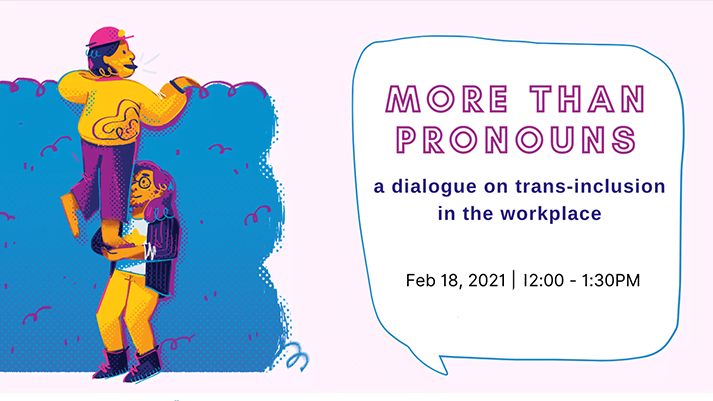
  • More than pronouns: A dialogue on trans-inclusion in the workplace

    More than pronouns: A dialogue on trans-inclusion in the workplace

    [fusion_builder_container hundred_percent=”no” equal_height_columns=”no” hide_on_mobile=”small-visibility,medium-visibility,large-visibility” background_position=”center center” background_repeat=”no-repeat” fade=”no” background_parallax=”none” parallax_speed=”0.3″ video_aspect_ratio=”16:9″ video_loop=”yes” video_mute=”yes” border_style=”solid” type=”legacy”][fusion_builder_row][fusion_builder_column type=”1_1″ layout=”1_1″ background_position=”left top” background_color=”” border_color=”” border_style=”solid” border_position=”all” spacing=”yes” background_image=”” background_repeat=”no-repeat” padding_top=”” padding_right=”” padding_bottom=”” padding_left=”” margin_top=”0px” margin_bottom=”0px” class=”” id=”” animation_type=”” animation_speed=”0.3″ animation_direction=”left” hide_on_mobile=”small-visibility,medium-visibility,large-visibility” center_content=”no” last=”true” min_height=”” hover_type=”none” link=”” border_sizes_top=”” border_sizes_bottom=”” border_sizes_left=”” border_sizes_right=”” first=”true”][fusion_text columns=”” column_min_width=”” column_spacing=”” rule_style=”default” rule_size=”” rule_color=”” content_alignment_medium=”” content_alignment_small=”” content_alignment=”” hide_on_mobile=”small-visibility,medium-visibility,large-visibility” sticky_display=”normal,sticky” class=”” id=”” margin_top=”” margin_right=”” margin_bottom=”” margin_left=”” font_size=”” fusion_font_family_text_font=”” fusion_font_variant_text_font=”” line_height=”” letter_spacing=”” text_color=”” animation_type=”” animation_direction=”left” animation_speed=”0.3″ animation_offset=””]

    Navigating a career can feel complicated and confusing. For trans and nonbinary people, there can be additional barriers in place which make the process even more complex. In this event co-hosted by Career Exploration & Education, Sexual & Gender Diversity Office (SGDO), the Institute for Gender and the Economy (GATE), and U of T Alumni Relations, Jade Pichette, Christine Hsu, and Beena Mistry in conversation with Trick Horan addressed questions, challenges and complications relating to trans and nonbinary inclusion in the workplace. They shared practical suggestions, strategies and resources to support trans and nonbinary students and alumni in their career development, and equip employers and HR professionals with actionable steps towards building a more trans-inclusive workplace.

    This discussion also brought together two recently developed resources for trans and nonbinary inclusion:

    What are some common barriers trans and nonbinary people face in the workplace, and what does a more inclusive workplace look like?

    • While pronouns are important, they are not the whole discussion. Trans and nonbinary inclusive workplace policies need to be in place, such as inclusive benefits policies, ensuring dress codes are not gendered, and data analysis on representation and the experiences of trans and nonbinary employees.
    • Leadership can be a significant barrier, and leaders should model inclusivity in their actions. Trans and nonbinary people often face pressure to get leadership buy-in for support, rather than organizations and leaders taking responsibility. It should not be up to employees, including Employee Resource Groups, to take on this inclusivity work.
    • There are also problems of tokenization. Especially for freelancing or contract work, people may seek to hire people who are trans or nonbinary because they know it is important to do so, but will offer them little to no compensation.
    • Trans and nonbinary people, as all people, are multifaceted. Organizations should focus on who they are and what they do, not on what their gender identity is, and build them up based on their potential.

    What are some ways that trans and nonbinary people can advocate for themselves at work?

    It’s important to have networks of support to ensure you feel safe in your workplace. Having people you trust around you can help if you need to advocate for yourself and your needs. Further, it’s always good to know your legislative rights, and know that it is well within your rights to correct people when needed and defend your decisions.

    WATCH THE PANELISTS DISCUSS BARRIERS TO TRANS AND NONBINARY INCLUSION AT WORK.

    [/fusion_text][fusion_separator style_type=”none” hide_on_mobile=”small-visibility,medium-visibility,large-visibility” sticky_display=”normal,sticky” class=”” id=”” flex_grow=”0″ top_margin=”20″ bottom_margin=”20″ width=”” alignment=”center” border_size=”” sep_color=”” icon=”” icon_size=”” icon_color=”” icon_circle=”” icon_circle_color=”” /][fusion_button link=”https://www.gendereconomy.org/past-events/” text_transform=”” title=”” target=”_self” link_attributes=”” alignment_medium=”” alignment_small=”” alignment=”center” modal=”” hide_on_mobile=”small-visibility,medium-visibility,large-visibility” sticky_display=”normal,sticky” class=”” id=”” color=”custom” button_gradient_top_color=”#62bd19″ button_gradient_bottom_color=”#62bd19″ button_gradient_top_color_hover=”#00c2e2″ button_gradient_bottom_color_hover=”#00c2e2″ accent_color=”” accent_hover_color=”” type=”” bevel_color=”” border_width=”” border_radius=”” border_color=”” border_hover_color=”” size=”” stretch=”yes” margin_top=”” margin_right=”” margin_bottom=”” margin_left=”” icon=”” icon_position=”left” icon_divider=”no” animation_type=”” animation_direction=”left” animation_speed=”0.3″ animation_offset=””]See more past events[/fusion_button][fusion_separator style_type=”none” hide_on_mobile=”small-visibility,medium-visibility,large-visibility” sticky_display=”normal,sticky” class=”” id=”” flex_grow=”0″ top_margin=”20″ bottom_margin=”20″ width=”” alignment=”center” border_size=”” sep_color=”” icon=”” icon_size=”” icon_color=”” icon_circle=”” icon_circle_color=”” /][/fusion_builder_column][/fusion_builder_row][/fusion_builder_container]

  • Transitioning Employers:  A survey of policies and practices for trans inclusive workplaces

    Transitioning Employers: A survey of policies and practices for trans inclusive workplaces

    [fusion_builder_container admin_label=”” hundred_percent=”no” equal_height_columns=”no” menu_anchor=”” hide_on_mobile=”small-visibility,medium-visibility,large-visibility” class=”” id=”” background_color=”” background_image=”” background_position=”center center” background_repeat=”no-repeat” fade=”no” background_parallax=”none” enable_mobile=”no” parallax_speed=”0.3″ video_mp4=”” video_webm=”” video_ogv=”” video_url=”” video_aspect_ratio=”16:9″ video_loop=”yes” video_mute=”yes” video_preview_image=”” border_color=”” border_style=”solid” margin_top=”20″ margin_bottom=”” padding_top=”” padding_right=”” padding_bottom=”” padding_left=”” type=”legacy”][fusion_builder_row][fusion_builder_column type=”3_4″ layout=”3_4″ spacing=”” center_content=”no” hover_type=”none” link=”” min_height=”” hide_on_mobile=”small-visibility,medium-visibility,large-visibility” class=”” id=”” background_color=”” background_image=”” background_position=”left top” background_repeat=”no-repeat” border_color=”” border_style=”solid” border_position=”all” padding_top=”” padding_right=”” padding_bottom=”” padding_left=”” margin_top=”” margin_bottom=”” animation_type=”” animation_direction=”left” animation_speed=”0.3″ animation_offset=”” last=”false” first=”true” border_sizes_top=”0″ border_sizes_bottom=”0″ border_sizes_left=”0″ border_sizes_right=”0″ spacing_right=””][fusion_text columns=”” column_min_width=”” column_spacing=”” rule_style=”default” rule_size=”” rule_color=”” hide_on_mobile=”small-visibility,medium-visibility,large-visibility” class=”” id=”” animation_type=”” animation_direction=”left” animation_speed=”0.3″ animation_offset=””]

    Executive summary

    In 2019, Pride at Work Canada and the Institute for Gender and the Economy at the University of Toronto’s Rotman School of Management partnered to undertake the first Canadian study dedicated to understanding workplace policies and practices for supporting transgender and gender non-conforming people—meaning individuals whose gender identity, or personal experience of gender, differs from their sex assigned at birth. We surveyed 69 organizations in Pride at Work Canada’s membership network (a 58% response rate of all members contacted at the time of the survey), which is made up of organizations who are committed to LGBTQ2+ inclusion. These organizations collectively employ more than 700,000 people across Canada.

    The aim of the study was to document the policies and practices for supporting trans and gender non-conforming people applied by Canada’s large employers. Because all respondents are partners of Pride at Work Canada, we believe the results here represent a best-case scenario as non-partners and non-respondents are likely to have fewer gender-inclusive practices.

    This groundbreaking survey dedicated to gender-inclusive workplace policies and practices in Canada shows that while a substantial portion of organizations surveyed have anti-discrimination policies and training that includes gender identity and gender expression, only a fraction of these organizations have broader inclusion policies aimed at providing equitable professional opportunities for trans and gender non-conforming people. Because trans and gender-non-conforming people experience stigma and stereotypes about how men and women ought to look, they will not have access to or even seek employment in prominent organizations unless those organizations take deliberate steps towards inclusion. This is especially true for people who have gender expressions that do not conform to norms about the physical appearance of men and women, and for those who have experienced multiple forms of discrimination, such as ableism, racism, and sexism in addition to transphobia.

    The survey found that individual accommodations for employees based upon gender identity and gender expression protections do not adequately address the effects of institutionalized stigma, which negatively influence everyday workplace interactions and present barriers to hiring for trans and gender non-conforming people. The report shows how organizations can invest in building a future where all people, including all trans and gender non-conforming individuals, have safe and affirming workplaces.

    DOWNLOAD THE FULL REPORT (IN ENGLISH/EN FRANÇAIS).
    Transitioning Employers Report CoverLa transition des organismes employeurs Report Cover
    DOWNLOAD THE SURVEY RESULTS FOR INCLUSIVE PRACTICES INFOGRAPHIC (IN ENGLISH/EN FRANÇAIS)

    Infographic thumbnailInfographic thumbnail

    DOWNLOAD THE SURVEY RESULTS FOR BASIC ACCOMMODATIONS INFOGRAPHIC (IN ENGLISH/EN FRANÇAIS)

    Infographic thumbnailinfographic thumbnail

    __________________________

    Report written by:

    Bretton Fosbrook, Sarah Kaplan, and Jade Pichette

    [/fusion_text][fusion_separator style_type=”none” hide_on_mobile=”small-visibility,medium-visibility,large-visibility” class=”” id=”” sep_color=”” top_margin=”20″ bottom_margin=”20″ border_size=”” icon=”” icon_circle=”” icon_circle_color=”” width=”” alignment=”center” /][fusion_button link=”https://www.gendereconomy.org/category/policy-briefs/” text_transform=”” title=”” target=”_blank” link_attributes=”” alignment=”” modal=”” hide_on_mobile=”small-visibility,medium-visibility,large-visibility” class=”” id=”” color=”custom” button_gradient_top_color=”#62bd19″ button_gradient_bottom_color=”#62bd19″ button_gradient_top_color_hover=”#00c2e2″ button_gradient_bottom_color_hover=”#00c2e2″ accent_color=”” accent_hover_color=”” type=”” bevel_color=”” size=”” stretch=”yes” icon=”” icon_position=”left” icon_divider=”no” animation_type=”” animation_direction=”left” animation_speed=”0.3″ animation_offset=””]See more policy briefs[/fusion_button][fusion_separator style_type=”none” hide_on_mobile=”small-visibility,medium-visibility,large-visibility” class=”” id=”” sep_color=”” top_margin=”20″ bottom_margin=”20″ border_size=”” icon=”” icon_circle=”” icon_circle_color=”” width=”” alignment=”center” /][fusion_recent_posts layout=”default” picture_size=”fixed” hover_type=”none” columns=”3″ number_posts=”3″ offset=”0″ pull_by=”category” cat_slug=”policy-briefs” exclude_cats=”” tag_slug=”” exclude_tags=”” thumbnail=”yes” title=”yes” meta=”no” meta_author=”no” meta_categories=”no” meta_date=”yes” meta_comments=”yes” meta_tags=”no” content_alignment=”” excerpt=”no” excerpt_length=”35″ strip_html=”yes” scrolling=”no” hide_on_mobile=”small-visibility,medium-visibility,large-visibility” class=”” id=”” animation_type=”” animation_direction=”left” animation_speed=”0.3″ animation_offset=”” /][/fusion_builder_column][fusion_builder_column type=”1_4″ layout=”1_4″ spacing=”” center_content=”no” hover_type=”none” link=”” min_height=”” hide_on_mobile=”small-visibility,medium-visibility,large-visibility” class=”” id=”” background_color=”” background_image=”” background_position=”left top” background_repeat=”no-repeat” border_color=”” border_style=”solid” border_position=”all” padding_top=”” padding_right=”” padding_bottom=”” padding_left=”” margin_top=”” margin_bottom=”” animation_type=”” animation_direction=”left” animation_speed=”0.3″ animation_offset=”” last=”true” first=”false” border_sizes_top=”0″ border_sizes_bottom=”0″ border_sizes_left=”0″ border_sizes_right=”0″][fusion_title title_type=”text” rotation_effect=”bounceIn” display_time=”1200″ highlight_effect=”circle” loop_animation=”off” highlight_width=”9″ highlight_top_margin=”0″ before_text=”” rotation_text=”” highlight_text=”” after_text=”” hide_on_mobile=”small-visibility,medium-visibility,large-visibility” class=”briefsummary” id=”” content_align=”left” size=”3″ font_size=”” animated_font_size=”” fusion_font_family_title_font=”” fusion_font_subset_title_font=”” fusion_font_variant_title_font=”” line_height=”” letter_spacing=”” margin_top=”” margin_bottom=”” margin_top_mobile=”” margin_bottom_mobile=”” text_color=”” animated_text_color=”” highlight_color=”” style_type=”none” sep_color=”” animation_type=”” animation_direction=”left” animation_speed=”0.3″ animation_offset=”” margin_top_small=”” margin_bottom_small=””]

    Authors

    Bretton FosbrookSarah Kaplan, and Jade Pichette

    Published

    April 2020

    [/fusion_title][fusion_widget_area name=”avada-custom-sidebar-researchbriefsidebar” title_size=”” title_color=”” background_color=”” padding_top=”” padding_right=”” padding_bottom=”” padding_left=”” hide_on_mobile=”small-visibility,medium-visibility,large-visibility” class=”” id=”” /][/fusion_builder_column][/fusion_builder_row][/fusion_builder_container]

  • Livestream launch event: Transitioning Employers report

    Livestream launch event: Transitioning Employers report

    [fusion_builder_container hundred_percent=”no” equal_height_columns=”no” menu_anchor=”” hide_on_mobile=”small-visibility,medium-visibility,large-visibility” class=”” id=”” background_color=”” background_image=”” background_position=”center center” background_repeat=”no-repeat” fade=”no” background_parallax=”none” parallax_speed=”0.3″ video_mp4=”” video_webm=”” video_ogv=”” video_url=”” video_aspect_ratio=”16:9″ video_loop=”yes” video_mute=”yes” overlay_color=”” video_preview_image=”” border_color=”” border_style=”solid” padding_top=”” padding_bottom=”” padding_left=”” padding_right=”” type=”legacy”][fusion_builder_row][fusion_builder_column type=”1_1″ layout=”1_1″ background_position=”left top” background_color=”” border_color=”” border_style=”solid” border_position=”all” spacing=”yes” background_image=”” background_repeat=”no-repeat” padding_top=”” padding_right=”” padding_bottom=”” padding_left=”” margin_top=”0px” margin_bottom=”0px” class=”” id=”” animation_type=”” animation_speed=”0.3″ animation_direction=”left” hide_on_mobile=”small-visibility,medium-visibility,large-visibility” center_content=”no” last=”true” min_height=”” hover_type=”none” link=”” first=”true” border_sizes_top=”” border_sizes_bottom=”” border_sizes_left=”” border_sizes_right=””][fusion_text columns=”” column_min_width=”” column_spacing=”” rule_style=”” rule_size=”” rule_color=”” hue=”” saturation=”” lightness=”” alpha=”” content_alignment_medium=”” content_alignment_small=”” content_alignment=”” hide_on_mobile=”small-visibility,medium-visibility,large-visibility” sticky_display=”normal,sticky” class=”” id=”” margin_top=”” margin_right=”” margin_bottom=”” margin_left=”” fusion_font_family_text_font=”” fusion_font_variant_text_font=”” font_size=”” line_height=”” letter_spacing=”” text_transform=”” text_color=”” animation_type=”” animation_direction=”left” animation_color=”” animation_speed=”0.3″ animation_delay=”0″ animation_offset=”” logics=””]In Canada, organizations across sectors have recently begun to acknowledge and attempt to address disparities faced by transgender and gender non conforming people through a variety of trans inclusion practices and policies such as washroom retrofitting, employee resource groups, mentorship programs and targeted hiring. In 2019, Pride at Work Canada and The Institute for Gender at the Economy at the University of Toronto’s Rotman School of Management partnered to conduct the first trans inclusion workplace policies audit across Canada’s large employers, making use of Pride at Work Canada’s partner network. The results show that large employers are taking some of the first steps towards basic accommodations but still have gaps in providing truly inclusive workplaces.

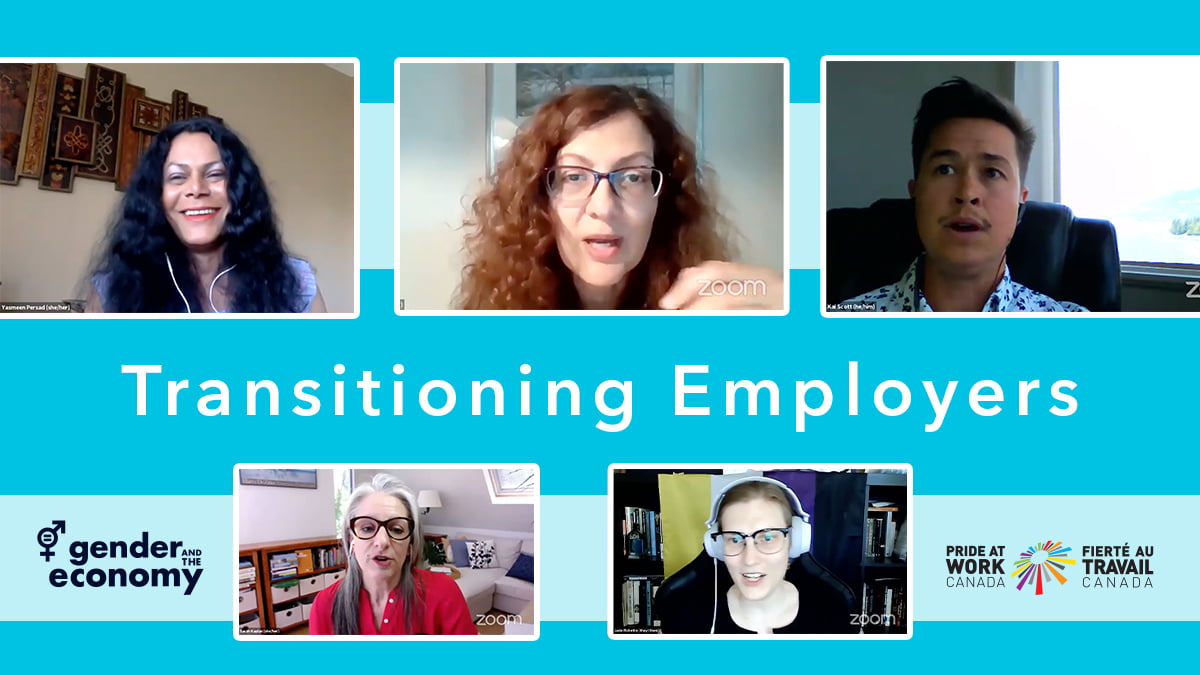
    In celebration of the release of Transitioning Employers: A survey of policies and practices for trans inclusive workplaces (click here to download report and infographics) the Institute for Gender and the Economy and Pride at Work Canada co-hosted a livestream panel discussion. The event was introduced by Sarah Kaplan (she/her), Distinguished Professor and Director, Institute for Gender and the Economy, Rotman School of Management, University of Toronto, moderated by Jade Pichette (they/them), Manager of Programs, Pride at Work Canada, and featured a panel of community and corporate partners including: Laleh Moshiri (she/her), National Director of Diversity and Inclusion, Borden Ladner Gervais LLP, Yasmeen Persad (she/her), Education and Training-Facilitator, The 519, and Kai Scott (he/him), President, TransFocus Consulting.

    Key themes included the significance of being a proactive employer and using inclusion to drive diversity, leveraging gender diversity to spur innovative business practices for trans inclusion, and the intersectional identities that shape experiences for trans people.

    “Trans people are not just trans people. We have so many multi-layered identities and all these different aspects…You might be addressing the trans issues, but you need to look at people from an intersectional lens.”

    – Yasmeen Persad

    In addition to the Transitioning Employers report, the 519’s “Creating Authentic Spaces” toolkit was recommended as a great resource for approaching or reworking inclusion policies.

    IN THE FOLLOWING VIDEOS, PANELISTS DISCUSS HOW EMPLOYERS CAN BETTER ADDRESS TRANS INCLUSION POLICIES:

    [/fusion_text][fusion_text columns=”” column_min_width=”” column_spacing=”” rule_style=”default” rule_size=”” rule_color=”” hide_on_mobile=”small-visibility,medium-visibility,large-visibility” class=”” id=”” animation_type=”” animation_direction=”left” animation_speed=”0.3″ animation_offset=””]

    DOWNLOAD THE “TRANSITIONING EMPLOYERS: A SURVEY OF POLICIES AND PRACTICES FOR TRANS INCLUSIVE WORKPLACE” REPORT AND INFOGRAPHICS  HERE

    [/fusion_text][fusion_separator style_type=”none” hide_on_mobile=”small-visibility,medium-visibility,large-visibility” class=”” id=”” sep_color=”” top_margin=”20″ bottom_margin=”20″ border_size=”” icon=”” icon_circle=”” icon_circle_color=”” width=”” alignment=”center” /][fusion_button link=”https://www.gendereconomy.org/events/” text_transform=”” title=”” target=”_blank” link_attributes=”” alignment=”” modal=”” hide_on_mobile=”small-visibility,medium-visibility,large-visibility” class=”” id=”” color=”custom” button_gradient_top_color=”#62bd19″ button_gradient_bottom_color=”#62bd19″ button_gradient_top_color_hover=”#00c2e2″ button_gradient_bottom_color_hover=”#00c2e2″ accent_color=”” accent_hover_color=”” type=”” bevel_color=”” size=”” stretch=”yes” icon=”” icon_position=”left” icon_divider=”no” animation_type=”” animation_direction=”left” animation_speed=”0.3″ animation_offset=””]See more events[/fusion_button][/fusion_builder_column][/fusion_builder_row][/fusion_builder_container]