

Anthony Harbour decided a few years ago he wanted to pursue an MBA, but he wasn’t about to apply to just any school…
Tag: LGBTQ+
Research briefs, news, and event recaps related to LGBTQ+.
-

Inclusion key to creating safe LGBTQ work space
There is substantial evidence that the desire for diversity has not translated into psychological safety in the workplace
-

Pride guide
LGBTQ employees who are closeted face the stress of “constantly having to obfuscate” about their partners, their activities, their identities, says Sarah Kaplan, a professor at the University of Toronto’s Rotman School of Management and director of its Institute for Gender and the Economy.
-

Allyship is leadership
[fusion_builder_container admin_label=”” hundred_percent=”no” equal_height_columns=”no” menu_anchor=”” hide_on_mobile=”small-visibility,medium-visibility,large-visibility” class=”” id=”” background_color=”” background_image=”” background_position=”center center” background_repeat=”no-repeat” fade=”no” background_parallax=”none” enable_mobile=”no” parallax_speed=”0.3″ video_mp4=”” video_webm=”” video_ogv=”” video_url=”” video_aspect_ratio=”16:9″ video_loop=”yes” video_mute=”yes” video_preview_image=”” border_size=”” border_color=”” border_style=”solid” margin_top=”20″ margin_bottom=”” padding_top=”” padding_right=”” padding_bottom=”” padding_left=””][fusion_builder_row][fusion_builder_column type=”3_4″ layout=”3_4″ spacing=”” center_content=”no” hover_type=”none” link=”” min_height=”” hide_on_mobile=”small-visibility,medium-visibility,large-visibility” class=”” id=”” background_color=”” background_image=”” background_position=”left top” background_repeat=”no-repeat” border_size=”0″ border_color=”” border_style=”solid” border_position=”all” padding_top=”” padding_right=”” padding_bottom=”” padding_left=”” margin_top=”” margin_bottom=”” animation_type=”” animation_direction=”left” animation_speed=”0.3″ animation_offset=”” last=”no”][fusion_text columns=”” column_min_width=”” column_spacing=”” rule_style=”default” rule_size=”” rule_color=”” hide_on_mobile=”small-visibility,medium-visibility,large-visibility” class=”” id=””]
For a video and description of the panel event, click here.
For an infographic of the event, click hereLGBTQ workers often struggle with coming out and feeling safe in the workplace. For many people, the decision to come out is contingent on whether they perceive the environment to be inclusive. This is where allies can step in by taking a stand and creating a culture of safety. We discussed these issues on a panel hosted jointly by The Letters, a student group that is home to the LGBTQ community and allies at the Rotman School of Management, and by Rotman’s Institute for Gender + the Economy. Top leaders in various fields discussed how allyship is fundamental to leadership.
The session was introduced by Ed Clark, former CEO of TD who, in addition to being one of the most accomplished business leaders in Canada, is a visible champion of the LGBTQ community, having spearheaded same sex benefits at TD and recently establishing the Egale shelter for homeless LGBTQ youth in Toronto. The panel discussion included: Ken Fredeen, General Counsel, Secretary to the Board and member of the leadership team at Deloitte LLP, and also President and a founding member of Legal Leaders for Diversity and Inclusion; Deborah Richardson, Deputy Minister in the Ontario Ministry of Indigenous Relations and Reconciliation; Sandeep Tatla, Assistant Vice President and Global Head of Diversity and Inclusion at Manulife; and, Jennifer Tory, Group Head, Personal and Commercial Banking at RBC and recipient of Start Proud’s (formerly Out on Bay) 2016 Leading Executive Ally Award for her long standing support of the LGBTQ community. The discussion was moderated by Professor Sarah Kaplan, Director of Rotman’s Institute for Gender + the Economy. The panelists shared their experiences in being allies, and agreed that being an inclusive leader is an essential leadership characteristic. The points below summarize the main themes and takeaways from the discussion.
1. Being an ally means taking risks.
Although most people associate risk primarily with coming out at the workplace, being an ally also involves taking risks. Being an ally means moving from being a passive to an active bystander.
Being an ally means moving from being a passive to an active bystander
As an ally, advocating for rights often means having to stand up to someone more senior or having to push against a bureaucracy that may not be receptive. This might require that you speak out in a meeting when someone makes an inappropriate comment, which might feel especially risky if that comment comes from someone more senior in the organization. Yet, the panelists suggested that these actions are often less risky than anticipated. That is, people who make insensitive remarks or exclude an LGBT person from consideration for a key role are often open to feedback. They likely do not intend to be exclusionary; rather, they fumble with using inclusive language or may not have realized that their actions were exclusionary. Speaking up can actually open the door for a conversation about these issues, whereas staying silent means that the problems will not be addressed. Importantly, speaking up often gives you authority and credibility as a leader because you are seen as being willing to take a stand for others.
The panelists emphasized that leaders have to be prepared to be tested. One speaker described the customer and employee pressure that came from a corporate decision to support the Toronto Pride Parade. Competitors campaigned against the organization; some customers defected; employees complained when it affected their ability to hit their sales targets. But, this leader took the long perspective, feeling that inclusiveness was a core value, refused to back down, and went as far as suggesting employees resistant to those values leave the organization.
2. Coming out as an ally
Because of these risks, some people may feel hesitant to be visible as an ally. Yet, one panelist suggested that people in positions of privilege “have a greater responsibility to be part of the solution…to be more vocal, more visible, more out there to talk about this stuff in a way that creates a safe space for others like me to do the same.” Visible allies make their allegiance known by speaking up against bias or starting initiatives to create a safer environment for LGBTQ colleagues.
Visible allies make their allegiance known by speaking up against bias or starting initiatives to create a safer environment for LGBTQ colleagues
For example, by supporting the Pride Parade, leaders can make their allegiance known to their investors, clients, and the community and show that they take their allyship seriously. Once leaders are more visible about their allyship, this creates a safe space for other leaders and colleagues to do the same. Even small symbolic actions – such as putting up a rainbow flag on the office door – might inspire other leaders and colleagues. Taking the first step of making your allyship public can create a snowball effect within the organization.
3. Practice what you preach
One important takeaway from the discussion was that although symbolic actions are important first steps, it is equally if not more important that allies put actions behind those statements. For example, one panelist talked about backing up their vocal support of transgender rights by driving the organizational effort to create washrooms with the appropriate signage. Another example is celebrating National Coming Out Day in an organization by creating and participating in a panel discussion with senior executives. It is one thing to feel personally supportive of LGBTQ rights; it is another to, for example, spearhead the creation of employee resource groups in your organization. It can be easier to say you support the LGBTQ community, but the important part is what you do. The safe space will not automatically happen once a leader talks about it: leaders have to create the safe space. Said one panelist, “Even if the leader doesn’t buy into prejudices, people don’t imitate that by osmosis, and therefore it requires a proactive, constant attempt to try to change the culture.”
4. Learn and be informed
The panelists emphasized that allies need to be learning about and not speaking on behalf of the LGBTQ (or any marginalized) community. The role of an ally is not to blindly charge ahead but to allow the individuals who are members of that community to dictate their own journeys.
The role of an ally is not to blindly charge ahead but to allow the individuals who are members of that community to dictate their own journeys
One panelist described it this way: “Empathy and self-awareness are really key in terms of being an ally, where empathy means I want to actively listen to you.” For example, the panelists mentioned cases where LGBTQ employees did not feel ready to have conversations in public about particular issues, or they did not feel comfortable coming out at work. It is important in these cases that allies do not speak for them or pressure them to do things they do not feel comfortable doing. The job of the ally is to remain supportive while respecting the boundaries of the people they want to support.
The panelists mentioned that at times it may be tempting to assume that your own experiences with discrimination are similar to the LGBTQ community, but everyone has a different lived experience. It is important for allies to build relationships with members in the community and have candid and open conversations. Said one panelist, “I can try my best to empathize and learn. When I’m having these conversations, I’m very respectfully curious in the questions that I have, and I do defer a lot, even from an organizational perspective when I’m working on policies or how we want to move things forward.” The panelists expressed that many of them had also struggled with using the right language. The fear of saying the wrong thing is especially intimidating in leadership positions. However, allies should also realize that it is acceptable to make mistakes or to fumble with language, as long as they are respectful and genuine, and acknowledge their mistakes as part of the learning process. According to another panelist, “As an ally with your LGBT community, you are helping them help you. I see it as that kind of circular opportunity.”
Conclusion
Being an ally is not only the right thing to do but the smart thing to do. As one panelist said, “It’s a huge talent play that we attract people, talented people. And if you’re inclusive in what you do, you’ll attract those people and that’s what it’s all about at the end of the day.” The conclusion of the panel discussion was that being an ally is central to being a leader. To facilitate meaningful change, it is crucial for leaders to be visible allies and to follow through with tangible actions. At the same time, leaders should be respectful of the LGBTQ community by having honest and supportive conversations. Said another panelist, “It’s important to act with permission, and to have courage, because it does take courage to be an advocate for marginalized groups, especially when you’re fighting against the status quo.” The conclusion: allyship is leadership.
[/fusion_text][fusion_separator style_type=”none” hide_on_mobile=”small-visibility,medium-visibility,large-visibility” class=”” id=”” sep_color=”” top_margin=”20″ bottom_margin=”20″ border_size=”” icon=”” icon_circle=”” icon_circle_color=”” width=”” alignment=”center” /][fusion_button link=”https://www.gendereconomy.org/lessons-from-practice/” text_transform=”” title=”” target=”_blank” link_attributes=”” alignment=”” modal=”” hide_on_mobile=”small-visibility,medium-visibility,large-visibility” class=”” id=”” color=”custom” button_gradient_top_color=”#62bd19″ button_gradient_bottom_color=”#62bd19″ button_gradient_top_color_hover=”#00c2e2″ button_gradient_bottom_color_hover=”#00c2e2″ accent_color=”” accent_hover_color=”” type=”” bevel_color=”” border_width=”” size=”” stretch=”yes” shape=”” icon=”” icon_position=”left” icon_divider=”no” animation_type=”” animation_direction=”left” animation_speed=”0.3″ animation_offset=””]See more lessons from practice[/fusion_button][fusion_separator style_type=”none” hide_on_mobile=”small-visibility,medium-visibility,large-visibility” class=”” id=”” sep_color=”” top_margin=”20″ bottom_margin=”20″ border_size=”” icon=”” icon_circle=”” icon_circle_color=”” width=”” alignment=”center” /][fusion_recent_posts layout=”default” picture_size=”fixed” hover_type=”none” columns=”3″ number_posts=”3″ offset=”0″ pull_by=”category” cat_slug=”lessons-from-practice” exclude_cats=”” tag_slug=”” exclude_tags=”” thumbnail=”yes” title=”yes” meta=”no” meta_author=”no” meta_categories=”no” meta_date=”yes” meta_comments=”yes” meta_tags=”no” content_alignment=”” excerpt=”no” excerpt_length=”35″ strip_html=”yes” scrolling=”no” hide_on_mobile=”small-visibility,medium-visibility,large-visibility” class=”” id=”” animation_type=”” animation_direction=”left” animation_speed=”0.3″ animation_offset=”” /][/fusion_builder_column][fusion_builder_column type=”1_4″ layout=”1_4″ spacing=”” center_content=”no” hover_type=”none” link=”” min_height=”” hide_on_mobile=”small-visibility,medium-visibility,large-visibility” class=”” id=”” background_color=”” background_image=”” background_position=”left top” background_repeat=”no-repeat” border_size=”0″ border_color=”” border_style=”solid” border_position=”all” padding_top=”” padding_right=”” padding_bottom=”” padding_left=”” margin_top=”” margin_bottom=”” animation_type=”” animation_direction=”left” animation_speed=”0.3″ animation_offset=”” last=”no”][fusion_title hide_on_mobile=”small-visibility,medium-visibility,large-visibility” class=”briefsummary” id=”” content_align=”left” size=”3″ font_size=”” line_height=”” letter_spacing=”” margin_top=”” margin_bottom=”” margin_top_mobile=”” margin_bottom_mobile=”” text_color=”” style_type=”none” sep_color=””]
Published
August 2017
[/fusion_title][fusion_widget_area name=”avada-custom-sidebar-researchbriefsidebar” title_size=”” title_color=”” background_color=”” padding_top=”” padding_right=”” padding_bottom=”” padding_left=”” hide_on_mobile=”small-visibility,medium-visibility,large-visibility” class=”” id=”” /][/fusion_builder_column][/fusion_builder_row][/fusion_builder_container]
-

Rotman Pride
Rotman Pride is a group of LGBTQ+ students and allies at the Rotman School of Management at the University of Toronto. Our mission is two-fold: we aim to provide personal and professional support to LGBTQ+ students as well as create an inclusive school environment by engaging allies and building awareness of LGBTQ+ issues. Rotman Pride is supported by its allies in the other MBA clubs at Rotman.
To see our work in action, check out the Diversity and Inclusion Case Competition here.
-
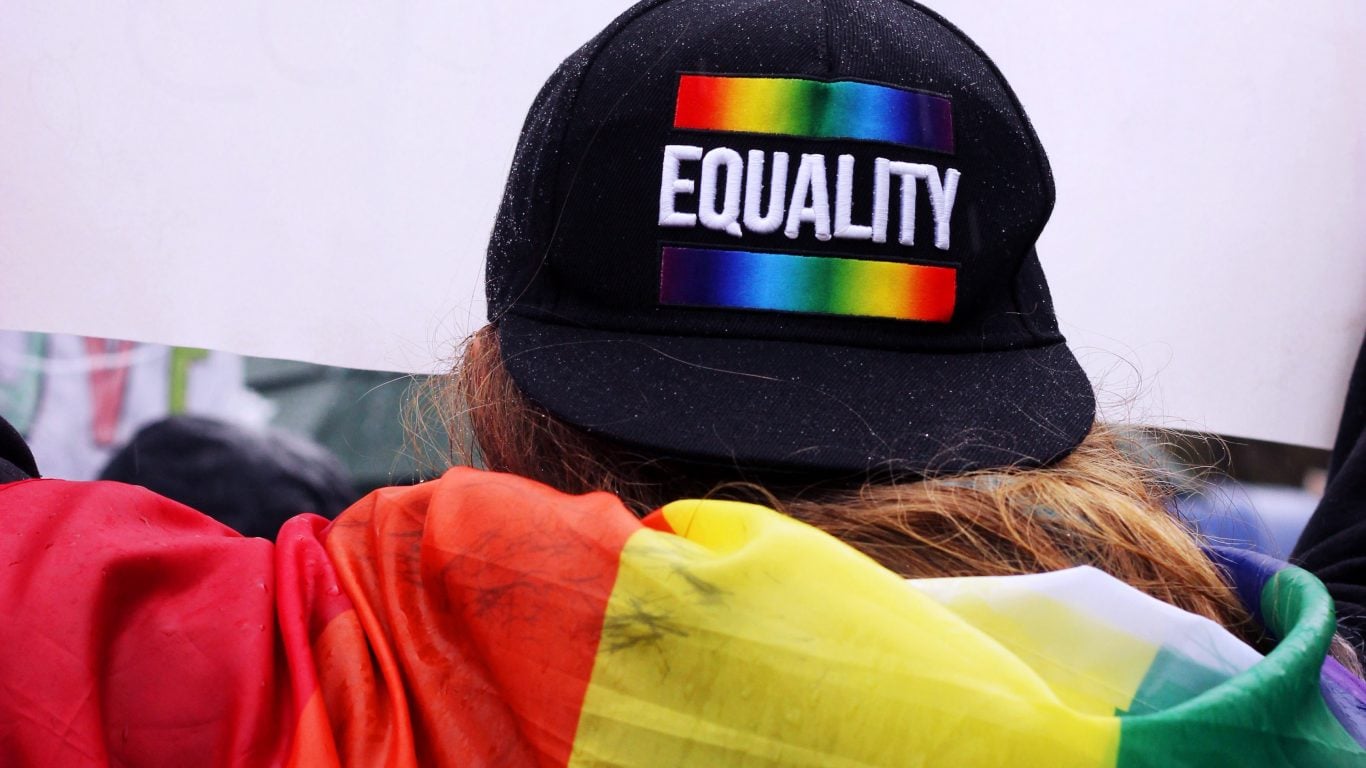
Being Out at Work: A panel discussion
[fusion_builder_container hundred_percent=”no” equal_height_columns=”no” menu_anchor=”” hide_on_mobile=”small-visibility,medium-visibility,large-visibility” class=”” id=”” background_color=”” background_image=”” background_position=”center center” background_repeat=”no-repeat” fade=”no” background_parallax=”none” parallax_speed=”0.3″ video_mp4=”” video_webm=”” video_ogv=”” video_url=”” video_aspect_ratio=”16:9″ video_loop=”yes” video_mute=”yes” overlay_color=”” video_preview_image=”” border_size=”” border_color=”” border_style=”solid” padding_top=”” padding_bottom=”” padding_left=”” padding_right=””][fusion_builder_row][fusion_builder_column type=”1_1″ layout=”1_1″ background_position=”left top” background_color=”” border_size=”” border_color=”” border_style=”solid” border_position=”all” spacing=”yes” background_image=”” background_repeat=”no-repeat” padding_top=”” padding_right=”” padding_bottom=”” padding_left=”” margin_top=”0px” margin_bottom=”0px” class=”” id=”” animation_type=”” animation_speed=”0.3″ animation_direction=”left” hide_on_mobile=”small-visibility,medium-visibility,large-visibility” center_content=”no” last=”no” min_height=”” hover_type=”none” link=””][fusion_text columns=”” column_min_width=”” column_spacing=”” rule_style=”default” rule_size=”” rule_color=”” class=”” id=””]
Panel Discussion: The Challenges and Opportunities of Being Out and a Leader at Work
For a summary and infographic of the panel discussion, click here.
Speakers
Connie Bonello, Associate Partner, IBM Canada and Chair – Advisory Board, Bonham Centre for Sexual Diversity Studies, U of Toronto
Pia Schmidt-Hansen, Manager, Fraud Risk Oversight, BMO Financial Group and Chair, BMO Pride – their LGBTQ+ Employee Resource Group
Tim Thompson, Chief Operating Officer, TD Asset Management Inc. and Chair, TD’s Lesbian, Gay, Bisexual, Transgender and Allies Diversity Committee
Christopher Walker, Chief Compliance Officer, Manulife Asset Management Limited and Executive Advisor to Proud – Manulife’s LQBTQ NetworkModerated by
Sarah Kaplan, Professor of Strategic Management, Rotman School of Management, U of Toronto
Watch a video of the full event here.
[/fusion_text][fusion_separator style_type=”none” hide_on_mobile=”small-visibility,medium-visibility,large-visibility” class=”” id=”” sep_color=”” top_margin=”50″ bottom_margin=”50″ border_size=”” icon=”” icon_circle=”” icon_circle_color=”” width=”” alignment=”center” /][fusion_button link=”https://www.gendereconomy.org/events/” text_transform=”” title=”” target=”_blank” link_attributes=”” alignment=”” modal=”” hide_on_mobile=”small-visibility,medium-visibility,large-visibility” class=”” id=”” color=”custom” button_gradient_top_color=”#62bd19″ button_gradient_bottom_color=”#62bd19″ button_gradient_top_color_hover=”#00c2e2″ button_gradient_bottom_color_hover=”#00c2e2″ accent_color=”” accent_hover_color=”” type=”” bevel_color=”” border_width=”” size=”” stretch=”yes” shape=”” icon=”” icon_position=”left” icon_divider=”no” animation_type=”” animation_direction=”left” animation_speed=”0.3″ animation_offset=””]See more past events[/fusion_button][fusion_separator style_type=”none” hide_on_mobile=”small-visibility,medium-visibility,large-visibility” class=”” id=”” sep_color=”” top_margin=”20″ bottom_margin=”20″ border_size=”” icon=”” icon_circle=”” icon_circle_color=”” width=”” alignment=”center” /][fusion_title margin_top=”” margin_bottom=”” hide_on_mobile=”medium-visibility,large-visibility” class=”” id=”” size=”5″ content_align=”center” style_type=”default” sep_color=””]
Or register below for these upcoming events
[/fusion_title][fusion_recent_posts layout=”default” hover_type=”none” columns=”3″ number_posts=”3″ offset=”0″ pull_by=”category” cat_slug=”events” exclude_cats=”past” tag_slug=”” exclude_tags=”” thumbnail=”yes” title=”yes” meta=”no” meta_author=”no” meta_categories=”no” meta_date=”yes” meta_comments=”yes” meta_tags=”no” content_alignment=”” excerpt=”no” excerpt_length=”35″ strip_html=”yes” scrolling=”no” hide_on_mobile=”medium-visibility,large-visibility” class=”” id=”” animation_type=”” animation_direction=”left” animation_speed=”0.3″ animation_offset=”” /][/fusion_builder_column][/fusion_builder_row][/fusion_builder_container]