Tag: Sexual harassment

Research briefs, news, and event recaps related to sexual harassment.

  • Preventing technology-facilitated violence, abuse, and harassment

    Preventing technology-facilitated violence, abuse, and harassment

    [fusion_builder_container admin_label=”” hundred_percent=”no” equal_height_columns=”no” menu_anchor=”” hide_on_mobile=”small-visibility,medium-visibility,large-visibility” class=”” id=”” background_color=”” background_image=”” background_position=”center center” background_repeat=”no-repeat” fade=”no” background_parallax=”none” enable_mobile=”no” parallax_speed=”0.3″ video_mp4=”” video_webm=”” video_ogv=”” video_url=”” video_aspect_ratio=”16:9″ video_loop=”yes” video_mute=”yes” video_preview_image=”” border_color=”” border_style=”solid” margin_top=”20″ margin_bottom=”” padding_top=”” padding_right=”” padding_bottom=”” padding_left=”” type=”legacy”][fusion_builder_row][fusion_builder_column type=”3_4″ layout=”3_4″ spacing=”” center_content=”no” hover_type=”none” link=”” min_height=”” hide_on_mobile=”small-visibility,medium-visibility,large-visibility” class=”” id=”” background_color=”” background_image=”” background_position=”left top” background_repeat=”no-repeat” border_color=”” border_style=”solid” border_position=”all” padding_top=”” padding_right=”” padding_bottom=”” padding_left=”” margin_top=”” margin_bottom=”” animation_type=”” animation_direction=”left” animation_speed=”0.3″ animation_offset=”” last=”false” border_sizes_top=”0″ border_sizes_bottom=”0″ border_sizes_left=”0″ border_sizes_right=”0″ first=”true” spacing_right=””][fusion_text columns=”” column_min_width=”” column_spacing=”” rule_style=”” rule_size=”” rule_color=”” hue=”” saturation=”” lightness=”” alpha=”” content_alignment_medium=”” content_alignment_small=”” content_alignment=”” hide_on_mobile=”small-visibility,medium-visibility,large-visibility” sticky_display=”normal,sticky” class=”” id=”” margin_top=”” margin_right=”” margin_bottom=”” margin_left=”” fusion_font_family_text_font=”” fusion_font_variant_text_font=”” font_size=”” line_height=”” letter_spacing=”” text_transform=”” text_color=”” animation_type=”” animation_direction=”left” animation_color=”” animation_speed=”0.3″ animation_delay=”0″ animation_offset=”” logics=””]

    Introduction

    Due to the advancement of technology, we are rapidly transforming how we communicate, interact, and shape society. This transformation is particularly critical for vulnerable groups, such as women of colour and members of the LGBTQ2+ community. It is these groups who have historically suffered the most from stigma and violence in the context of structural inequality and discrimination, and technology has amplified this suffering.

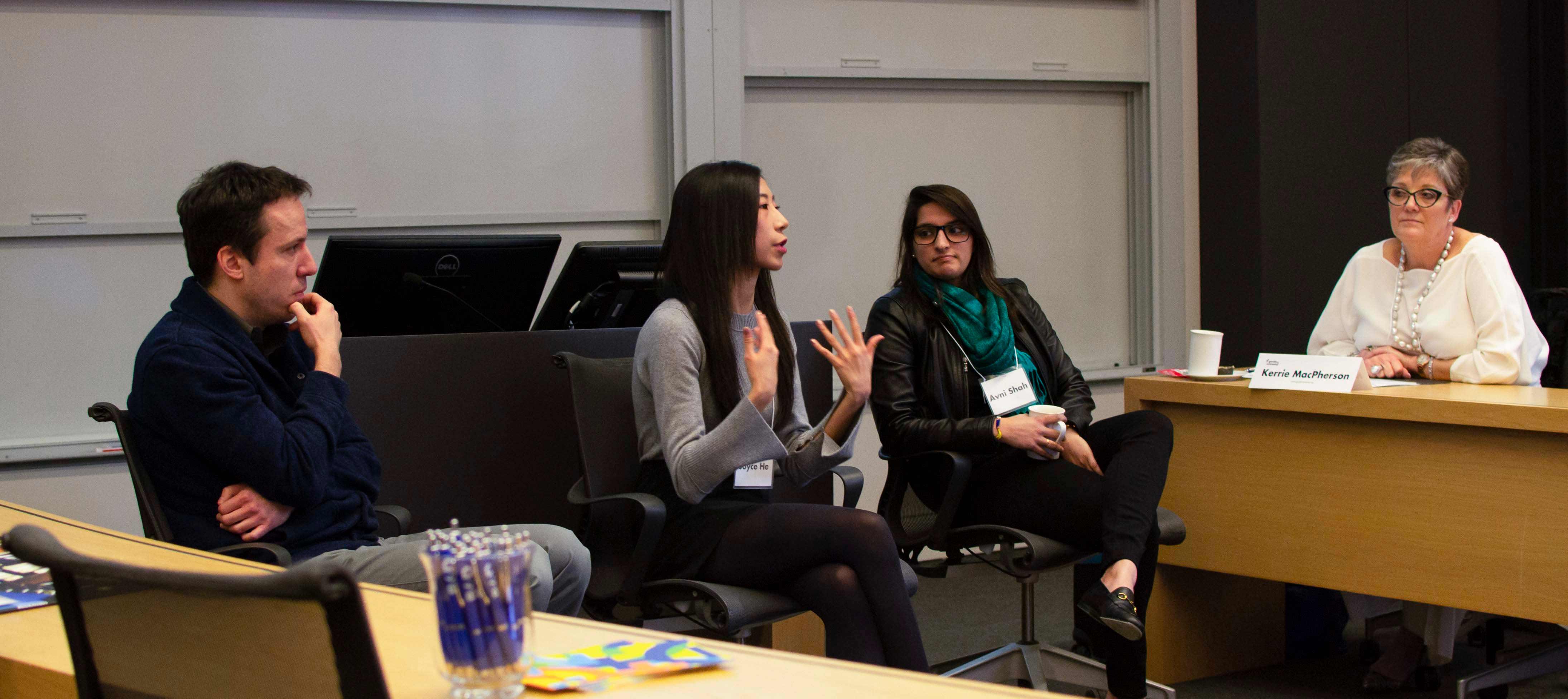
    To coincide with the 16 Days of Activism Against Gender-based Violence in 2018, GATE brought together five panelists to discuss online violence, technically known as “technology-facilitated violence, abuse and harassment.” These panelists included: Nasma Ahmed, Director of the Digital Justice Lab; Irene Poetranto, Senior Researcher at The Citizen Lab; Kate Robertson, Associate at Markson Law; Takara Small, Host and Producer of The Globe and Mail podcast, “I’ll Go First” and Founder of VentureKids Canada; and Molly Thomas, a reporter for CTV News, YesTV and CPAC.

    This panel not only explored the impact of technology-facilitated violence, abuse and harassment, but also why our legal and political structures are failing to effectively address it–and what we, as individuals and as a society, can do about it. Some key insights and terminology from this panel, are summarized below.

    Key terms to know:

    • ICT–Information and Communication Technology
    • Sextortion–private images or video that are used to blackmail a victim
    • Doxing–making private information public (like home addresses, email addresses, phone numbers, etc.)
    • Trolling–targeting a victim with a barrage of messages to enact violence against them
    • Revenge porn–the non-consensual release of private video or images
    • IoT–the Internet of Things (this includes anything that can be connected to the Internet, such as smart refrigerators, home-security systems, wearable devices, etc.)

    Because technology is so ubiquitous, and thanks to the borderless nature of the Internet, abusers are using digital tools and platforms to harass, intimidate, and surveil.

    Due to the fact that technology is so ubiquitous, and thanks to the borderless nature of the Internet, abusers are increasingly using digital tools and platforms to harass, intimidate, and surveil their victims. It is also common for abusers to use multiple technologies in combination with non-technological tactics to harass or perpetrate violence against their victims. In domestic abuse cases for example, abusers often exert “coercive control,” meaning they demand access to the emails, texts, messages, etc. of their victims. In some cases, they use IoT devices like smart home-security systems to physically control their victims’ movements. Unfortunately, it has become more difficult for vulnerable groups to find safety both online and offline.

    How to protect yourself online

    Given that Internet trolls continue to target women with violent and threatening content and many social platforms have done little to protect the targets from this abuse, women and other vulnerable populations are forced to act to protect themselves.

    • Limit the information you make public, and do not expose detailed information about your personal life (like your home address).
    • Do not post your location.
    • Do not post photos of others without their consent.
    • Carve out a safe space on social media (e.g., a private Instagram account).
    • Trust your instincts–if someone’s comment makes you feel unsafe; report it and get support.
    • Express to the perpetrator that you do not want to be communicated with, and state that you feel harassed by their comments or actions. This will make it easier to take legal action.
    • Document incidents, either by email, taking screenshots, or writing notes. Be sure to ask a friend to support you as you go through the process of documenting.
    • Do not share your passwords.
    • If you suspect that one of your IoT devices, such as your home-security system, has been hacked or is being controlled by someone other than yourself, report it immediately and change any passwords or login information.

    If you receive a comment that you feel is threatening, report it.

    It is important to note that just because a platform’s policy may allow a user to post harmful content, does not mean that it is a law-free zone. In other words, if you receive a comment that you feel is harassment and/or is threatening, you should report it to the authorities even if the platform itself does not take any action. It is important to always be proactive and diligent in order to protect yourself.

    The role of companies and governments

    In response to the increased use of their platforms or tools for abuse, many companies like Facebook and Twitter are looking at their practices and procedures in order to prevent this type of harassment. National governments and international governmental bodies, such as the European Union (EU), are also moving forward with legislation that will require these companies to act. For example in France, Germany, and the United Kingdom, there are proposed requirements for “social networks to take measures to remove or block online hate speech, harassment, and so-called ‘fake news.’”

    It is a delicate balance between protecting free speech online and preventing harassment.

    However, it is a delicate balance between protecting free speech online and preventing harassment. In particular, there are concerns regarding the amount of responsibility and control given to platforms to police themselves when they have failed to do so in the past. Therefore, digital rights advocates and researchers argue that these companies should be required to be more transparent about their policies, practices, and procedures for taking down content, and also create an appeal process for users.

    Conclusions

    Ultimately, in order to stop technology-facilitated violence, abuse, and harassment, a myriad of policies and legislation by governments and companies need to be implemented. It is also important for users, and society-at-large, to advocate for these policies and contribute to the larger conversation regarding acceptable norms and activities online.

    For more information on how to keep yourself safe online, we also encourage you to check out the Security Planner created by the Citizen Lab at the University of Toronto, which includes a series of recommendations on online safety and security, as well as an anonymous chat system to receive advice from an expert.

    For more information about the “Nowhere to Hide” panel event, including videos, click here. 

    [/fusion_text][fusion_separator style_type=”none” hide_on_mobile=”small-visibility,medium-visibility,large-visibility” class=”” id=”” sep_color=”” top_margin=”20″ bottom_margin=”20″ border_size=”” icon=”” icon_circle=”” icon_circle_color=”” width=”” alignment=”center” /][fusion_button link=”https://www.gendereconomy.org/lessons-from-practice/” text_transform=”” title=”” target=”_blank” link_attributes=”” alignment=”” modal=”” hide_on_mobile=”small-visibility,medium-visibility,large-visibility” class=”” id=”” color=”custom” button_gradient_top_color=”#62bd19″ button_gradient_bottom_color=”#62bd19″ button_gradient_top_color_hover=”#00c2e2″ button_gradient_bottom_color_hover=”#00c2e2″ accent_color=”” accent_hover_color=”” type=”” bevel_color=”” size=”” stretch=”yes” icon=”” icon_position=”left” icon_divider=”no” animation_type=”” animation_direction=”left” animation_speed=”0.3″ animation_offset=””]See more lessons from practice[/fusion_button][fusion_separator style_type=”none” hide_on_mobile=”small-visibility,medium-visibility,large-visibility” class=”” id=”” sep_color=”” top_margin=”20″ bottom_margin=”20″ border_size=”” icon=”” icon_circle=”” icon_circle_color=”” width=”” alignment=”center” /][fusion_recent_posts layout=”default” picture_size=”fixed” hover_type=”none” columns=”3″ number_posts=”3″ offset=”0″ pull_by=”category” cat_slug=”lessons-from-practice” exclude_cats=”” tag_slug=”” exclude_tags=”” thumbnail=”yes” title=”yes” meta=”no” meta_author=”no” meta_categories=”no” meta_date=”yes” meta_comments=”yes” meta_tags=”no” content_alignment=”” excerpt=”no” excerpt_length=”35″ strip_html=”yes” scrolling=”no” hide_on_mobile=”small-visibility,medium-visibility,large-visibility” class=”” id=”” animation_type=”” animation_direction=”left” animation_speed=”0.3″ animation_offset=”” /][/fusion_builder_column][fusion_builder_column type=”1_4″ layout=”1_4″ spacing=”” center_content=”no” hover_type=”none” link=”” min_height=”” hide_on_mobile=”small-visibility,medium-visibility,large-visibility” class=”” id=”” background_color=”” background_image=”” background_position=”left top” background_repeat=”no-repeat” border_color=”” border_style=”solid” border_position=”all” padding_top=”” padding_right=”” padding_bottom=”” padding_left=”” margin_top=”” margin_bottom=”” animation_type=”” animation_direction=”left” animation_speed=”0.3″ animation_offset=”” last=”true” border_sizes_top=”0″ border_sizes_bottom=”0″ border_sizes_left=”0″ border_sizes_right=”0″ first=”false”][fusion_title hide_on_mobile=”small-visibility,medium-visibility,large-visibility” class=”briefsummary” id=”” content_align=”left” size=”3″ font_size=”” line_height=”” letter_spacing=”” margin_top=”” margin_bottom=”” margin_top_mobile=”” margin_bottom_mobile=”” text_color=”” style_type=”none” sep_color=”” margin_top_small=”” margin_bottom_small=””]

    Published

    May 2019

    Prepared by

    Victoria Heath

    [/fusion_title][fusion_widget_area name=”avada-custom-sidebar-researchbriefsidebar” title_size=”” title_color=”” background_color=”” padding_top=”” padding_right=”” padding_bottom=”” padding_left=”” hide_on_mobile=”small-visibility,medium-visibility,large-visibility” class=”” id=”” /][/fusion_builder_column][/fusion_builder_row][/fusion_builder_container]
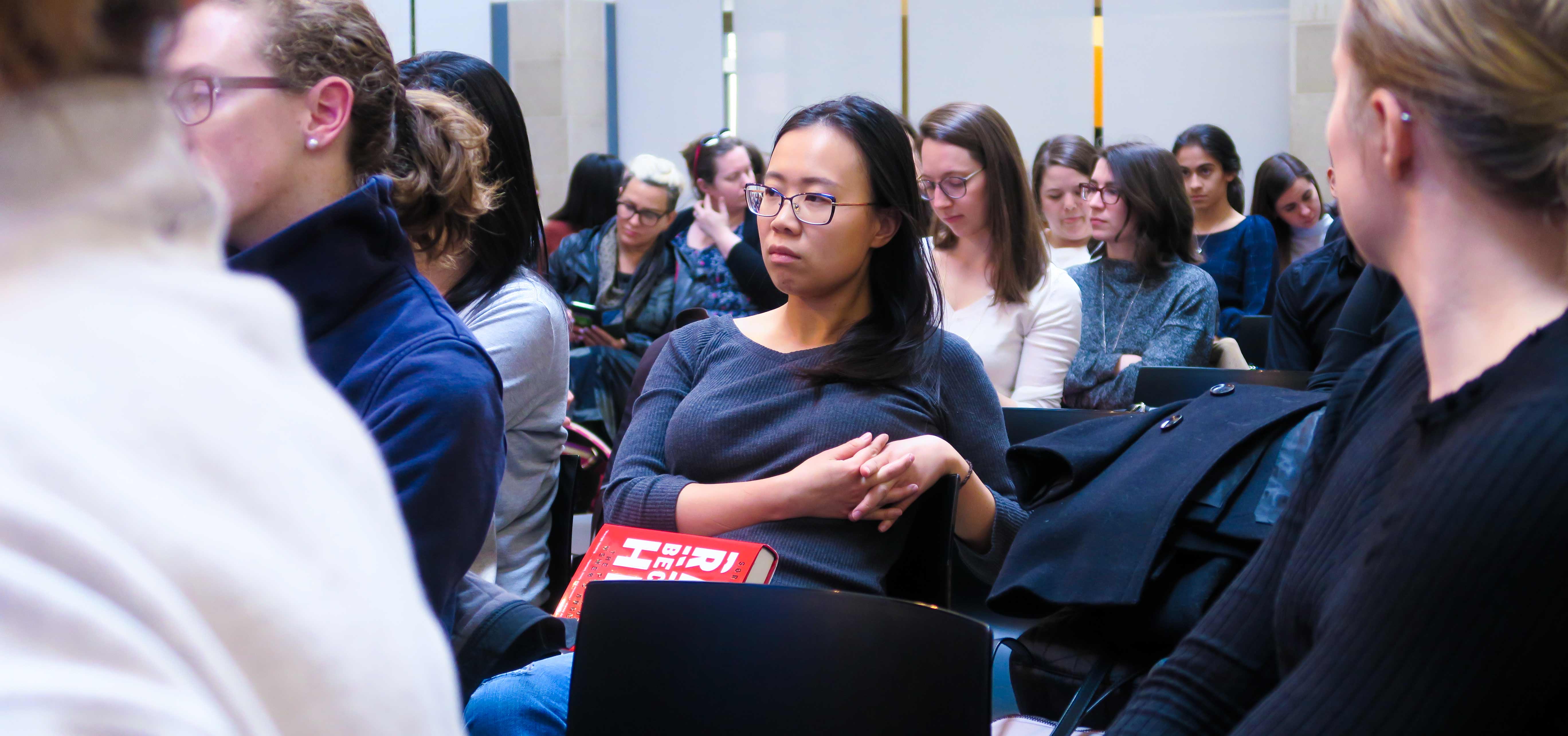
  • Soraya Chemaly on “Rage Becomes Her: The Power of Women’s Anger”

    Soraya Chemaly on “Rage Becomes Her: The Power of Women’s Anger”

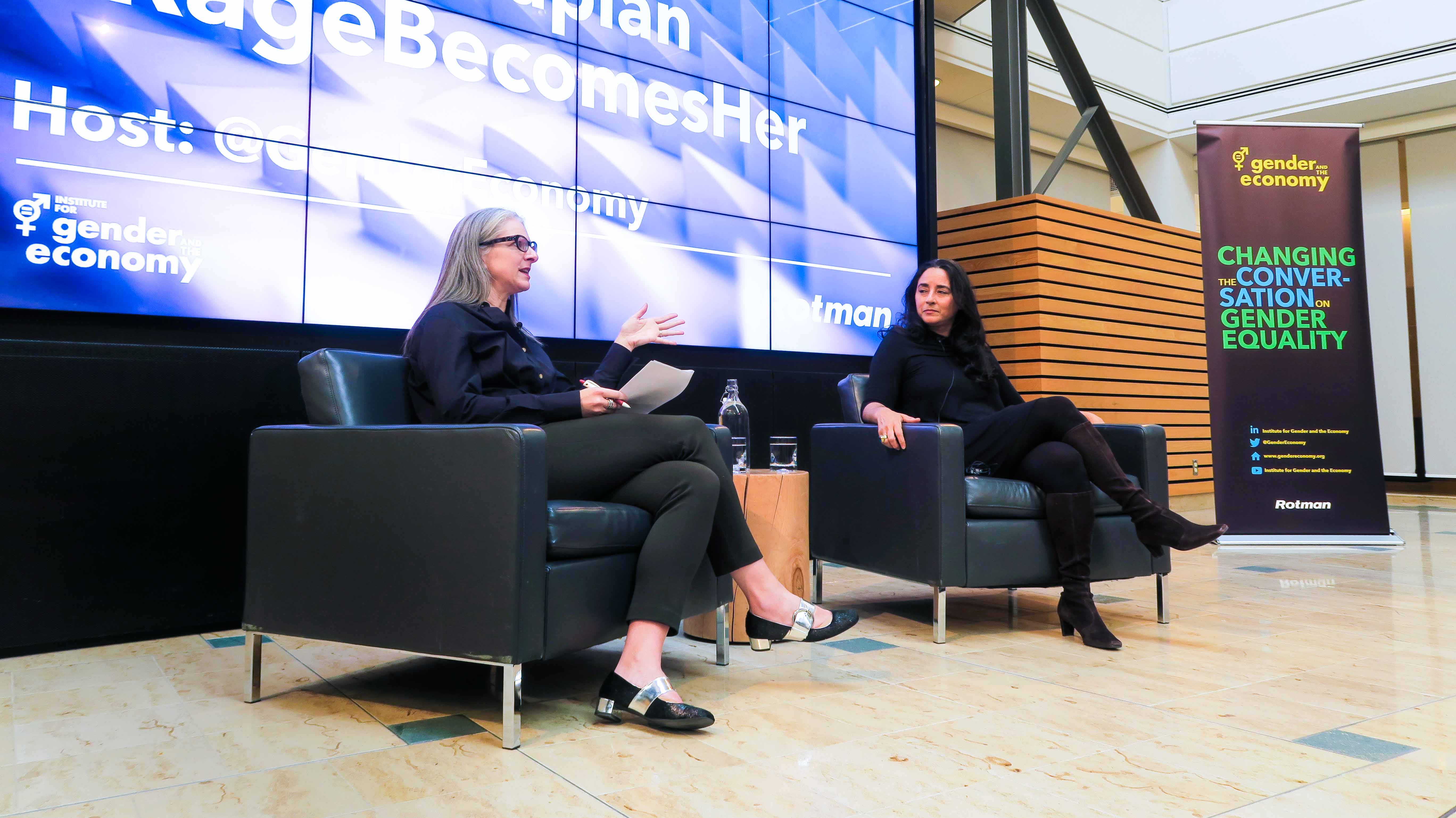
    [fusion_builder_container hundred_percent=”no” equal_height_columns=”no” menu_anchor=”” hide_on_mobile=”small-visibility,medium-visibility,large-visibility” class=”” id=”” background_color=”” background_image=”” background_position=”center center” background_repeat=”no-repeat” fade=”no” background_parallax=”none” parallax_speed=”0.3″ video_mp4=”” video_webm=”” video_ogv=”” video_url=”” video_aspect_ratio=”16:9″ video_loop=”yes” video_mute=”yes” overlay_color=”” video_preview_image=”” border_color=”” border_style=”solid” padding_top=”” padding_bottom=”” padding_left=”” padding_right=”” type=”legacy”][fusion_builder_row][fusion_builder_column type=”1_1″ layout=”1_1″ background_position=”left top” background_color=”” border_color=”” border_style=”solid” border_position=”all” spacing=”yes” background_image=”” background_repeat=”no-repeat” padding_top=”” padding_right=”” padding_bottom=”” padding_left=”” margin_top=”0px” margin_bottom=”0px” class=”” id=”” animation_type=”” animation_speed=”0.3″ animation_direction=”left” hide_on_mobile=”small-visibility,medium-visibility,large-visibility” center_content=”no” last=”true” min_height=”” hover_type=”none” link=”” border_sizes_top=”” border_sizes_bottom=”” border_sizes_left=”” border_sizes_right=”” first=”true”][fusion_text columns=”” column_min_width=”” column_spacing=”” rule_style=”” rule_size=”” rule_color=”” hue=”” saturation=”” lightness=”” alpha=”” content_alignment_medium=”” content_alignment_small=”” content_alignment=”” hide_on_mobile=”small-visibility,medium-visibility,large-visibility” sticky_display=”normal,sticky” class=”” id=”” margin_top=”” margin_right=”” margin_bottom=”” margin_left=”” fusion_font_family_text_font=”” fusion_font_variant_text_font=”” font_size=”” line_height=”” letter_spacing=”” text_transform=”” text_color=”” animation_type=”” animation_direction=”left” animation_color=”” animation_speed=”0.3″ animation_delay=”0″ animation_offset=”” logics=””]“The book approaches the topic of anger from the perspective that we learn about anger as an experience of individuals,” began Soraya Chemaly, author of Rage Becomes Her: The Power of Women’s Anger, “but…our anger [also] has a place in context.” It’s that context, she continued, that we need to understand.

    For Chemaly, the 2016 United States presidential election highlighted the ways in which women’s anger plays out in society, and how it is often trivialized and suppressed – particularly the anger of racialized women. In fact, many women are encouraged to use sadness – a retreat and less powerful emotion – as a way of minimizing or hiding their own anger, due to a fear of “breaking” relationships or feeling shame. This is detrimental to societal progress because anger is “the emotion that makes the most demands of the world around us.” Therefore, we need to allow and empower women to express their anger, and this must start early, because the socialization of anger as “masculine” and sadness as “feminine” starts at infancy and continues into adulthood.

    Anger is “the emotion that makes the most demands of the world around us.”

    Audience member at Chemaly event

    At the end of the discussion, Chemaly noted that men would be shocked if they knew how angry women actually are. However, women are beginning to express their suppressed anger through movements like #MeToo and #TimesUp. Unfortunately, the stories women are telling through these movements threaten traditional masculine identities (e.g., that men must be the “protector” and the “provider”), and the result is that many men are responding with denial and even anger. Therefore, men also need to explore the ways in which gender norms restrict their emotions and behaviour, and how they can be good allies. As Chemaly stated, “What men need to think about is that the best way they can help the people they love is to call out other men. [To] stop tolerating the sexism, misogyny, racist humour, etc., and break those fraternal norms…”

    Watch the videos below for more on Soraya Chemaly’s book.

    [/fusion_text][fusion_separator style_type=”none” hide_on_mobile=”small-visibility,medium-visibility,large-visibility” class=”” id=”” sep_color=”” top_margin=”25″ bottom_margin=”25″ border_size=”” icon=”” icon_circle=”” icon_circle_color=”” width=”” alignment=”center” /][fusion_button link=”https://www.gendereconomy.org/past-events/” text_transform=”” title=”” target=”_blank” link_attributes=”” alignment=”” modal=”” hide_on_mobile=”small-visibility,medium-visibility,large-visibility” class=”” id=”” color=”custom” button_gradient_top_color=”#62bd19″ button_gradient_bottom_color=”#62bd19″ button_gradient_top_color_hover=”#00c2e2″ button_gradient_bottom_color_hover=”#00c2e2″ accent_color=”” accent_hover_color=”” type=”” bevel_color=”” size=”” stretch=”yes” icon=”” icon_position=”left” icon_divider=”no” animation_type=”” animation_direction=”left” animation_speed=”0.3″ animation_offset=””]See more past events[/fusion_button][fusion_separator style_type=”none” hide_on_mobile=”small-visibility,medium-visibility,large-visibility” class=”” id=”” sep_color=”” top_margin=”20″ bottom_margin=”20″ border_size=”” icon=”” icon_circle=”” icon_circle_color=”” width=”” alignment=”center” /][fusion_title margin_top=”” margin_bottom=”” hide_on_mobile=”medium-visibility,large-visibility” class=”” id=”” size=”5″ content_align=”center” style_type=”default” sep_color=””]

    Or register below for these upcoming events

    [/fusion_title][fusion_recent_posts layout=”default” hover_type=”none” columns=”3″ number_posts=”3″ offset=”0″ pull_by=”category” cat_slug=”events” exclude_cats=”past” tag_slug=”” exclude_tags=”” thumbnail=”yes” title=”yes” meta=”no” meta_author=”no” meta_categories=”no” meta_date=”yes” meta_comments=”yes” meta_tags=”no” content_alignment=”” excerpt=”no” excerpt_length=”35″ strip_html=”yes” scrolling=”no” hide_on_mobile=”medium-visibility,large-visibility” class=”” id=”” animation_type=”” animation_direction=”left” animation_speed=”0.3″ animation_offset=”” /][/fusion_builder_column][/fusion_builder_row][/fusion_builder_container]

  • Harassment and violence in the era of #MeToo

    Harassment and violence in the era of #MeToo

    [fusion_builder_container admin_label=”” hundred_percent=”no” equal_height_columns=”no” menu_anchor=”” hide_on_mobile=”small-visibility,medium-visibility,large-visibility” class=”” id=”” background_color=”” background_image=”” background_position=”center center” background_repeat=”no-repeat” fade=”no” background_parallax=”none” enable_mobile=”no” parallax_speed=”0.3″ video_mp4=”” video_webm=”” video_ogv=”” video_url=”” video_aspect_ratio=”16:9″ video_loop=”yes” video_mute=”yes” video_preview_image=”” border_color=”” border_style=”solid” margin_top=”20″ margin_bottom=”” padding_top=”” padding_right=”” padding_bottom=”” padding_left=”” type=”legacy”][fusion_builder_row][fusion_builder_column type=”3_4″ layout=”3_4″ spacing=”” center_content=”no” hover_type=”none” link=”” min_height=”” hide_on_mobile=”small-visibility,medium-visibility,large-visibility” class=”” id=”” background_color=”” background_image=”” background_position=”left top” background_repeat=”no-repeat” border_color=”” border_style=”solid” border_position=”all” padding_top=”” padding_right=”” padding_bottom=”” padding_left=”” margin_top=”” margin_bottom=”” animation_type=”” animation_direction=”left” animation_speed=”0.3″ animation_offset=”” last=”false” border_sizes_top=”0″ border_sizes_bottom=”0″ border_sizes_left=”0″ border_sizes_right=”0″ first=”true” spacing_right=””][fusion_text columns=”” column_min_width=”” column_spacing=”” rule_style=”” rule_size=”” rule_color=”” hue=”” saturation=”” lightness=”” alpha=”” content_alignment_medium=”” content_alignment_small=”” content_alignment=”” hide_on_mobile=”small-visibility,medium-visibility,large-visibility” sticky_display=”normal,sticky” class=”” id=”” margin_top=”” margin_right=”” margin_bottom=”” margin_left=”” fusion_font_family_text_font=”” fusion_font_variant_text_font=”” font_size=”” line_height=”” letter_spacing=”” text_transform=”” text_color=”” animation_type=”” animation_direction=”left” animation_color=”” animation_speed=”0.3″ animation_delay=”0″ animation_offset=””]

    Download this research brief (in English/en Français).
    Download the infographic (in English/en Français).

    Overview

    In 2016, 4% of Canadian women reported being sexually harassed in the workplace, compared with less than 1% of men. Due to underreporting, however, these numbers may be higher. Certain groups of women are more vulnerable than others: Aboriginal women were more likely to report sexual harassment at work than non-Aboriginal women (10% versus 4%), and lesbian or bisexual women were more likely to report having experienced sexual harassment than heterosexual women (11% versus 4%).[1]      

    Approximately every six days, a woman in Canada is killed by her intimate partner.[2] Aboriginal women, including First Nations, Inuit and Métis women, are six times more likely to be killed by their partners than non-Aboriginal women.[3] Transgender people are almost twice as likely to report experiencing intimate partner violence than cisgender women and men.[4]   

    Victims of sexual harassment and violence also experience psychological trauma, which makes it difficult to focus on work.[5] Many victims experience lower work productivity, increased use of sick leave, and higher job turnover due to toxic work environments.[6]

    In 2016, 4% of Canadian women reported being sexually harassed at work.

    Consequences of sexual harassment and violence at work

    Sexual harassment claims are prevalent in traditionally male-dominated industries, such as policing, firefighting, mining, the military, finance, and construction work. However, low-wage workers are most vulnerable to harassment: women working in hotel service, restaurant, and caregiving are most likely to suffer sexual harassment.[7] Those most vulnerable to sexual violence at work are children that are in forced into labour, forced and bonded labourers, migrant workers, domestic workers, health services workers, and sex workers.[8]

    Victims of harassment and violence are often compelled to leave their job, and subsequently start over in a new position. This may impede progression up the career ladder.[9] Those experiencing harassment may also be held back from leadership roles, especially if the harasser has decision-making authority for promotions. Women in leadership may also be subject to harassment if they are seen as too “uppity.”[10]

    Experiencing violence at home makes it difficult to maintain a job. Victims of abuse experience higher rates of depression, or may call in sick in order to recover from and hide injuries.[11] Abusers may prevent victims from getting to work, causing them to be late or to miss work altogether. Abusers may excessively call, email, or text victims while they are at work, or stalk their victim. Victims may have to move to escape violence.[12]

    Ways to combat sexual harassment and violence at work

    Because sexual harassment and violence are underreported—often due to fear of professional retaliation—it is difficult to combat.[13] Groups that are already marginalized along lines of race and citizenship are less likely to report harassment and violence. As a result, harassment and violence can become a normalized part of everyday life.[14]

    The #MeToo movement has had an unintended consequence that further disadvantages women: male executives have publicly stated that their fear of being accused of harassment has led them to stop offering the mentorship or sponsorship women need to advance their careers.[15]   

    There are several measures firms can take to encourage deterrence and reporting of sexual harassment and violence in the workplace:

    • Name the behaviour: Employers can provide specific guidelines and examples of what they consider as sexual harassment and violence (e.g. crude jokes, displaying sexual screensavers or porn, sexual advances, or repeated unwanted requests for a date) to increase awareness of inappropriate and illegal behaviour.
    • Improving reporting mechanisms: New web-based tools can improve reporting by allowing victims to decide when and how a report advances and by flagging repeat offenders more effectively.
    • Bystander training: While evidence on the effectiveness of anti-harassment training is mixed, bystander training has been found to be more effective.[16] Bystanders can learn to disrupt sexual harassment and assault before it happens.[17] 

    • Buy-in from leadership: Leaders must champion changes in organizational culture by taking an explicit stance against sexual harassment and violence. They must deal with it expediently when it does occur, regardless of the job performance of the perpetrator.

    • Continue to mentor and sponsor women: Executives must continue to mentor and sponsor women in order to help them advance in their careers.

    References

    [1] Hango, D., & Moyser, M. (2018). Harassment in Canadian Workplaces. Statistics Canada/Statisique Canada.

    [2] https://www.canadianwomen.org/the-facts/gender-based-violence/

    [3] Statistics Canada: https://www150.statcan.gc.ca/n1/pub/89-503-x/2010001/article/11442-eng.htm#a34

    [4] Canadian Labour Congress: http://canadianlabour.ca/issues-research/domestic-violence-work

    [5] Ibid

    [6] U.S. Equal Employment Commission: https://www.eeoc.gov//

    [7] Gruber, J., & Morgan, P. (Eds.). (2005). In the company of men: Male dominance and sexual harassment. Northeastern University Press

    Welsh, S., Carr, J., MacQuarrie, B., & Huntley, A. (2006). “I’m Not Thinking of It as Sexual Harassment” Understanding Harassment across Race and Citizenship. Gender & Society, 20(1), 87-107.

    [8] Cruz, A., & Klinger, S. (2011). Gender-based violence in the world of work: Overview and selected annotated bibliography. Geneva: International Labour Office.

    [9] Mueller, C. W., De Coster, S., & Estes, S. B. (2001). Sexual harassment in the workplace: Unanticipated consequences of modern social control in organizations. Work and Occupations, 28(4), 411-446.

    [10] Berdahl, J. L. (2007). The sexual harassment of uppity women. Journal of Applied Psychology, 92(2), 425.

    [11] Welsh, S. (1999). Gender and sexual harassment. Annual review of sociology, 25(1), 169-190.

    [12] Canadian Labour Congress: http://canadianlabour.ca/issues-research/domestic-violence-work

    [13] Feldblum, C. and Lipnic, V. (2016). Report of co-chairs. Select Task Force on the Study of Harassment in the Workplace, US. EEOC. https://www.eeoc.gov/eeoc/task_force/harassment/

    Golshan, T. (2017). Study Finds 75 Percent of Workplace Harassment Victims Experienced Retaliation When They Spoke Up. https://www.vox.com/identities/2017/10/15/16438750/weinstein-sexual-harassment-facts

    [14] Welsh et al. 2006

    [15] Miller, C. C. (2017). Unintended consequences of sexual harassment scandals. New York Times.

    [16] Schulte, Brigid. 2018. To combat harassment, more companies should try bystander training. Harvard Business Review.

    [17] Orchowski, L. M., Berry-Cabán, C. S., Prisock, K., Borsari, B., & Kazemi, D. M. (2018). Evaluations of sexual assault prevention programs in military settings: a synthesis of the research literature. Military medicine, 183, 421-428.

    [/fusion_text][fusion_separator style_type=”none” hide_on_mobile=”small-visibility,medium-visibility,large-visibility” class=”” id=”” sep_color=”” top_margin=”20″ bottom_margin=”20″ border_size=”” icon=”” icon_circle=”” icon_circle_color=”” width=”” alignment=”center” /][fusion_button link=”https://www.gendereconomy.org/research-briefs/” text_transform=”” title=”” target=”_blank” link_attributes=”” alignment=”” modal=”” hide_on_mobile=”small-visibility,medium-visibility,large-visibility” class=”” id=”” color=”custom” button_gradient_top_color=”#62bd19″ button_gradient_bottom_color=”#62bd19″ button_gradient_top_color_hover=”#00c2e2″ button_gradient_bottom_color_hover=”#00c2e2″ accent_color=”” accent_hover_color=”” type=”” bevel_color=”” size=”” stretch=”yes” icon=”” icon_position=”left” icon_divider=”no” animation_type=”” animation_direction=”left” animation_speed=”0.3″ animation_offset=””]See more research briefs[/fusion_button][fusion_separator style_type=”none” hide_on_mobile=”small-visibility,medium-visibility,large-visibility” class=”” id=”” sep_color=”” top_margin=”20″ bottom_margin=”20″ border_size=”” icon=”” icon_circle=”” icon_circle_color=”” width=”” alignment=”center” /][fusion_recent_posts layout=”default” hover_type=”none” columns=”3″ number_posts=”3″ offset=”0″ pull_by=”category” cat_slug=”research-briefs” exclude_cats=”” tag_slug=”” exclude_tags=”” thumbnail=”yes” title=”yes” meta=”no” meta_author=”no” meta_categories=”no” meta_date=”yes” meta_comments=”yes” meta_tags=”no” content_alignment=”” excerpt=”no” excerpt_length=”35″ strip_html=”yes” scrolling=”no” hide_on_mobile=”small-visibility,medium-visibility,large-visibility” class=”” id=”” animation_type=”” animation_direction=”left” animation_speed=”0.3″ animation_offset=”” /][/fusion_builder_column][fusion_builder_column type=”1_4″ layout=”1_4″ spacing=”” center_content=”no” hover_type=”none” link=”” min_height=”” hide_on_mobile=”small-visibility,medium-visibility,large-visibility” class=”” id=”” background_color=”” background_image=”” background_position=”left top” background_repeat=”no-repeat” border_color=”” border_style=”solid” border_position=”all” padding_top=”” padding_right=”” padding_bottom=”” padding_left=”” margin_top=”” margin_bottom=”” animation_type=”” animation_direction=”left” animation_speed=”0.3″ animation_offset=”” last=”true” border_sizes_top=”0″ border_sizes_bottom=”0″ border_sizes_left=”0″ border_sizes_right=”0″ first=”false”][fusion_title hide_on_mobile=”small-visibility,medium-visibility,large-visibility” class=”briefsummary” id=”” content_align=”left” size=”3″ font_size=”” line_height=”” letter_spacing=”” margin_top=”” margin_bottom=”” margin_top_mobile=”” margin_bottom_mobile=”” text_color=”” style_type=”none” sep_color=”” margin_top_small=”” margin_bottom_small=””]

    Published

    April 23, 2019

    This research brief was funded by the Government of Canada’s Labour Program for the Women in the Workplace Symposium that took place at Rotman on May 09/10, 2019.

    The opinions and interpretations in this publication are those of the author and do not necessarily reflect those of the Government of Canada.

    To see more from this event, check out #Womenintheworkplace.

    Government of Canada logo

    [/fusion_title][fusion_widget_area name=”avada-custom-sidebar-researchbriefsidebar” title_size=”” title_color=”” background_color=”” padding_top=”” padding_right=”” padding_bottom=”” padding_left=”” hide_on_mobile=”small-visibility,medium-visibility,large-visibility” class=”” id=”” /][/fusion_builder_column][/fusion_builder_row][/fusion_builder_container]

  • Industry Partner Workshop | March 2019

    Industry Partner Workshop | March 2019

    [fusion_builder_container hundred_percent=”no” equal_height_columns=”no” menu_anchor=”” hide_on_mobile=”small-visibility,medium-visibility,large-visibility” class=”” id=”” background_color=”” background_image=”” background_position=”center center” background_repeat=”no-repeat” fade=”no” background_parallax=”none” parallax_speed=”0.3″ video_mp4=”” video_webm=”” video_ogv=”” video_url=”” video_aspect_ratio=”16:9″ video_loop=”yes” video_mute=”yes” overlay_color=”” video_preview_image=”” border_color=”” border_style=”solid” padding_top=”” padding_bottom=”” padding_left=”” padding_right=”” type=”legacy”][fusion_builder_row][fusion_builder_column type=”1_1″ layout=”1_1″ background_position=”left top” background_color=”” border_color=”” border_style=”solid” border_position=”all” spacing=”yes” background_image=”” background_repeat=”no-repeat” padding_top=”” padding_right=”” padding_bottom=”” padding_left=”” margin_top=”0px” margin_bottom=”0px” class=”” id=”” animation_type=”” animation_speed=”0.3″ animation_direction=”left” hide_on_mobile=”small-visibility,medium-visibility,large-visibility” center_content=”no” last=”true” min_height=”” hover_type=”none” link=”” border_sizes_top=”” border_sizes_bottom=”” border_sizes_left=”” border_sizes_right=”” first=”true”][fusion_text columns=”” column_min_width=”” column_spacing=”” rule_style=”default” rule_size=”” rule_color=”” hide_on_mobile=”small-visibility,medium-visibility,large-visibility” class=”” id=””]

    Let’s change the conversation…

    A distinctive part of an industry partnership with GATE is to engage with university researchers on the cutting-edge topics of the day. In our third Industry Partner Workshop, we welcomed GATE-funded researchers to share their latest insights on the following topics:

    • Financial decision-making and the “gender investment gap”
    • Immigrant women in STEM
    • Gender bias in evaluations
    • Retirement contributions
    • Covering in job applications
    • Reporting sexual harassment

    Our researchers guided participants through a series of talks on these issues and presented their latest findings.

    Download key insights from the workshop, and a resource list, here.

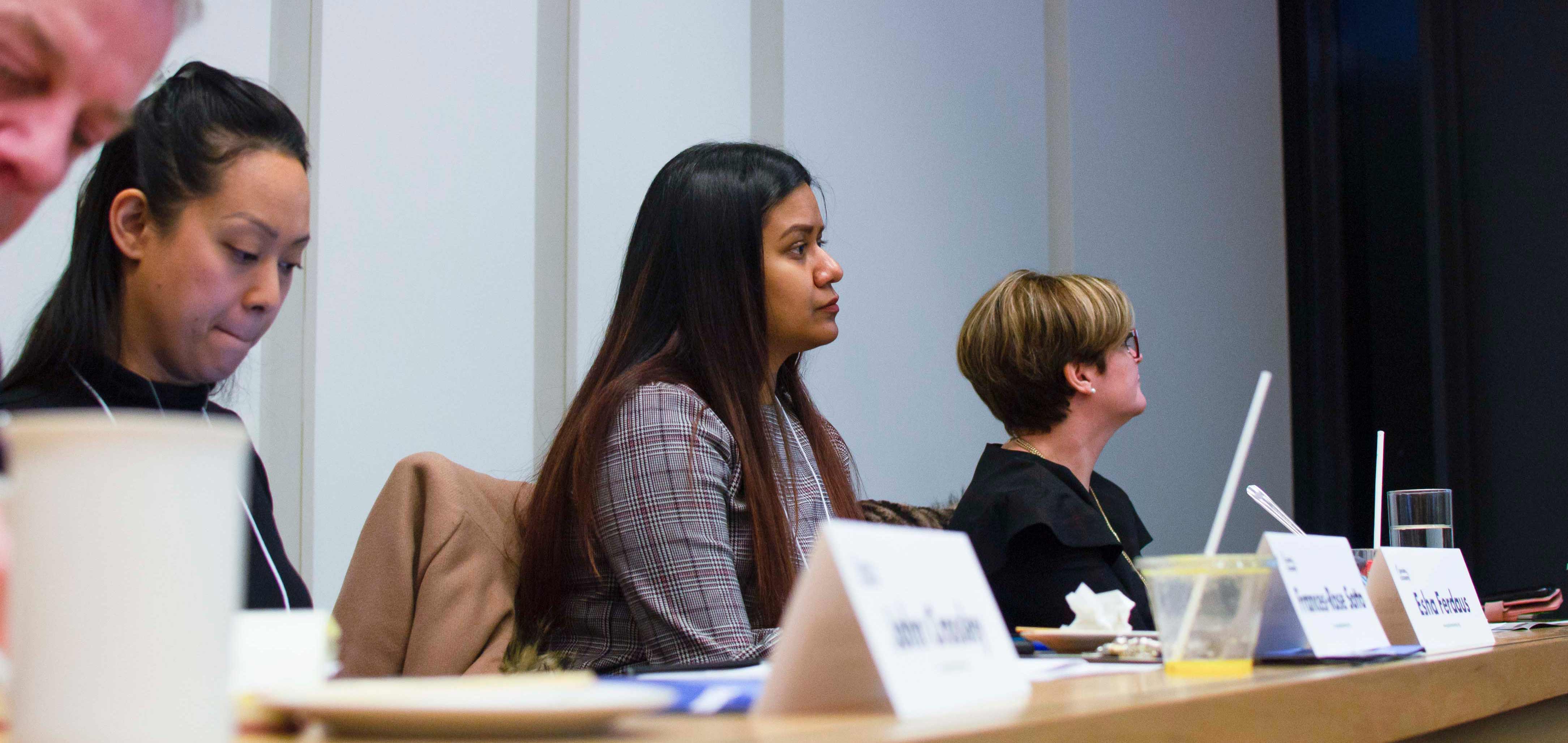
    Participants listen at the Industry Partner Meeting

    Are you interested in supporting our research as an Industry Partner? Find out more here.

    [/fusion_text][fusion_separator style_type=”none” hide_on_mobile=”small-visibility,medium-visibility,large-visibility” class=”” id=”” sep_color=”” top_margin=”25″ bottom_margin=”25″ border_size=”” icon=”” icon_circle=”” icon_circle_color=”” width=”” alignment=”center” /][fusion_button link=”https://www.gendereconomy.org/past-events/” text_transform=”” title=”” target=”_blank” link_attributes=”” alignment=”” modal=”” hide_on_mobile=”small-visibility,medium-visibility,large-visibility” class=”” id=”” color=”custom” button_gradient_top_color=”#62bd19″ button_gradient_bottom_color=”#62bd19″ button_gradient_top_color_hover=”#00c2e2″ button_gradient_bottom_color_hover=”#00c2e2″ accent_color=”” accent_hover_color=”” type=”” bevel_color=”” size=”” stretch=”yes” icon=”” icon_position=”left” icon_divider=”no” animation_type=”” animation_direction=”left” animation_speed=”0.3″ animation_offset=””]See more past events[/fusion_button][fusion_separator style_type=”none” hide_on_mobile=”small-visibility,medium-visibility,large-visibility” class=”” id=”” sep_color=”” top_margin=”20″ bottom_margin=”20″ border_size=”” icon=”” icon_circle=”” icon_circle_color=”” width=”” alignment=”center” /][fusion_title margin_top=”” margin_bottom=”” hide_on_mobile=”medium-visibility,large-visibility” class=”” id=”” size=”5″ content_align=”center” style_type=”default” sep_color=””]

    Or register below for these upcoming events

    [/fusion_title][fusion_recent_posts layout=”default” hover_type=”none” columns=”3″ number_posts=”3″ offset=”0″ pull_by=”category” cat_slug=”events” exclude_cats=”past” tag_slug=”” exclude_tags=”” thumbnail=”yes” title=”yes” meta=”no” meta_author=”no” meta_categories=”no” meta_date=”yes” meta_comments=”yes” meta_tags=”no” content_alignment=”” excerpt=”no” excerpt_length=”35″ strip_html=”yes” scrolling=”no” hide_on_mobile=”medium-visibility,large-visibility” class=”” id=”” animation_type=”” animation_direction=”left” animation_speed=”0.3″ animation_offset=”” /][/fusion_builder_column][/fusion_builder_row][/fusion_builder_container]

  • Nowhere to hide: The impact of technology facilitated violence, abuse, and harassment

    Nowhere to hide: The impact of technology facilitated violence, abuse, and harassment

    [fusion_builder_container hundred_percent=”no” equal_height_columns=”no” menu_anchor=”” hide_on_mobile=”small-visibility,medium-visibility,large-visibility” class=”” id=”” background_color=”” background_image=”” background_position=”center center” background_repeat=”no-repeat” fade=”no” background_parallax=”none” parallax_speed=”0.3″ video_mp4=”” video_webm=”” video_ogv=”” video_url=”” video_aspect_ratio=”16:9″ video_loop=”yes” video_mute=”yes” overlay_color=”” video_preview_image=”” border_color=”” border_style=”solid” padding_top=”” padding_bottom=”” padding_left=”” padding_right=”” type=”legacy”][fusion_builder_row][fusion_builder_column type=”1_1″ layout=”1_1″ background_position=”left top” background_color=”” border_color=”” border_style=”solid” border_position=”all” spacing=”yes” background_image=”” background_repeat=”no-repeat” padding_top=”” padding_right=”” padding_bottom=”” padding_left=”” margin_top=”0px” margin_bottom=”0px” class=”” id=”” animation_type=”” animation_speed=”0.3″ animation_direction=”left” hide_on_mobile=”small-visibility,medium-visibility,large-visibility” center_content=”no” last=”true” min_height=”” hover_type=”none” link=”” border_sizes_top=”” border_sizes_bottom=”” border_sizes_left=”” border_sizes_right=”” first=”true”][fusion_text columns=”” column_min_width=”” column_spacing=”” rule_style=”” rule_size=”” rule_color=”” hue=”” saturation=”” lightness=”” alpha=”” content_alignment_medium=”” content_alignment_small=”” content_alignment=”” hide_on_mobile=”small-visibility,medium-visibility,large-visibility” sticky_display=”normal,sticky” class=”” id=”” margin_top=”” margin_right=”” margin_bottom=”” margin_left=”” fusion_font_family_text_font=”” fusion_font_variant_text_font=”” font_size=”” line_height=”” letter_spacing=”” text_transform=”” text_color=”” animation_type=”” animation_direction=”left” animation_color=”” animation_speed=”0.3″ animation_delay=”0″ animation_offset=”” logics=””]On day three of the annual 16 Days of Activism Against Gender-based Violence (GBV), GATE teamed up with the Citizen Lab at the Munk School of Global Affairs and Public Policy to discuss “technology-facilitated violence, abuse, and harassment” against women and other vulnerable groups.

    Panel moderator Molly Thomas, a reporter for CTV News, YesTV and CPAC, began the conversation by defining a few terms for the audience (e.g. doxxing, sextortion, trolling, etc.) and encouraging the panelists to discuss why they’re passionate about preventing GBV online. This led Takara Small, Host and Producer of the The Globe and Mail podcast “I’ll Go First,” and Founder of VentureKids Canada, to explain some of the inherent issues with addressing GBV in tech, stating, “When there is any type of digital violence, it’s often against women and people of colour, and when you have men who are creating these technologies at these start-ups…they don’t often perceive or foresee that type of violence.” Later in the discussion, Nasma Ahmed, Director of the Digital Justice Lab, reiterated this point by saying, “Technology replicates systematic inequalities.”

    Due to these biases and inequalities built into tech, the panelists felt the need not only to create awareness about this issue but also to play an active part in the development of new technology that incorporates more diverse perspectives.

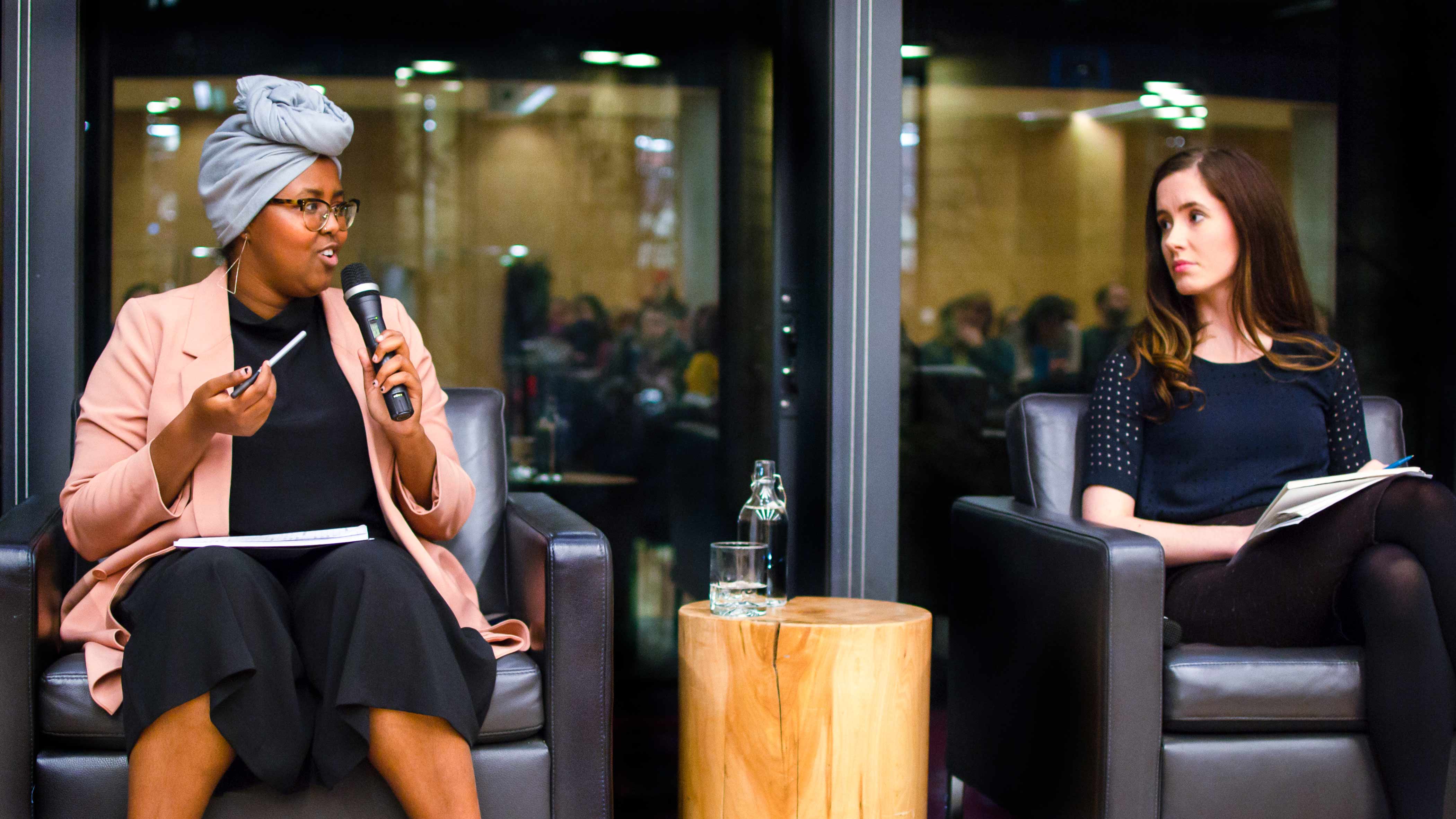
    Irene Poetranto and Molly Thomas

    When an audience member asked, “How can we pressure tech companies to do more around GBV and harassment online?” Irene Poetranto, Senior Researcher at The Citizen Lab, cautioned against the expectation that tech companies will police themselves. “Tech companies are not held to the same kind of standard that states are, with regards to accountability and transparency…” she explained, “And so, by demanding tech companies to do more, we are also essentially demanding them to be the judge, jury, and executioner.” Ahmed added, however, that we have to balance pressuring tech companies and the state, because the state can also commit technology-facilitated violence, and thus transparency is key.

    It wasn’t all doom-and-gloom, however. Kate Robertson, an Associate at Markson Law, reminded the audience that if they felt they were being harassed online, they shouldn’t be afraid to approach law enforcement or legal counsel.

    “Just because a platform’s policy allows someone to post something online,” Robertson explained, “doesn’t mean it’s a law free zone.”

    To learn more about the issue of “technology-facilitated violence, abuse, and harassment,” we encourage you to read the 2018 UN Special Rapporteur report drafted by Ms Dubravka Šimonović to the Human Rights Council on online violence against women and girls. To keep yourself safe online, we also encourage you to check out the Security Planner created by the Citizen Lab, which includes a series of recommendations on online safety and security, as well as an anonymous chat system to receive advice from an expert.[/fusion_text][fusion_separator style_type=”none” hide_on_mobile=”small-visibility,medium-visibility,large-visibility” class=”” id=”” sep_color=”” top_margin=”25″ bottom_margin=”25″ border_size=”” icon=”” icon_circle=”” icon_circle_color=”” width=”” alignment=”center” /][fusion_button link=”https://www.gendereconomy.org/events/” text_transform=”” title=”” target=”_blank” link_attributes=”” alignment=”” modal=”” hide_on_mobile=”small-visibility,medium-visibility,large-visibility” class=”” id=”” color=”custom” button_gradient_top_color=”#62bd19″ button_gradient_bottom_color=”#62bd19″ button_gradient_top_color_hover=”#00c2e2″ button_gradient_bottom_color_hover=”#00c2e2″ accent_color=”” accent_hover_color=”” type=”” bevel_color=”” size=”” stretch=”yes” icon=”” icon_position=”left” icon_divider=”no” animation_type=”” animation_direction=”left” animation_speed=”0.3″ animation_offset=””]See more past events[/fusion_button][fusion_separator style_type=”none” hide_on_mobile=”small-visibility,medium-visibility,large-visibility” class=”” id=”” sep_color=”” top_margin=”20″ bottom_margin=”20″ border_size=”” icon=”” icon_circle=”” icon_circle_color=”” width=”” alignment=”center” /][fusion_title margin_top=”” margin_bottom=”” hide_on_mobile=”medium-visibility,large-visibility” class=”” id=”” size=”5″ content_align=”center” style_type=”default” sep_color=””]

    Or register below for these upcoming events

    [/fusion_title][fusion_recent_posts layout=”default” hover_type=”none” columns=”3″ number_posts=”3″ offset=”0″ pull_by=”category” cat_slug=”events” exclude_cats=”past” tag_slug=”” exclude_tags=”” thumbnail=”yes” title=”yes” meta=”no” meta_author=”no” meta_categories=”no” meta_date=”yes” meta_comments=”yes” meta_tags=”no” content_alignment=”” excerpt=”no” excerpt_length=”35″ strip_html=”yes” scrolling=”no” hide_on_mobile=”medium-visibility,large-visibility” class=”” id=”” animation_type=”” animation_direction=”left” animation_speed=”0.3″ animation_offset=”” /][/fusion_builder_column][/fusion_builder_row][/fusion_builder_container]

  • Why power doesn’t prevent sexual harassment

    Why power doesn’t prevent sexual harassment

    [fusion_builder_container admin_label=”” hundred_percent=”no” equal_height_columns=”no” menu_anchor=”” hide_on_mobile=”small-visibility,medium-visibility,large-visibility” class=”” id=”” background_color=”” background_image=”” background_position=”center center” background_repeat=”no-repeat” fade=”no” background_parallax=”none” enable_mobile=”no” parallax_speed=”0.3″ video_mp4=”” video_webm=”” video_ogv=”” video_url=”” video_aspect_ratio=”16:9″ video_loop=”yes” video_mute=”yes” video_preview_image=”” border_color=”” border_style=”solid” margin_top=”20″ margin_bottom=”” padding_top=”” padding_right=”” padding_bottom=”” padding_left=”” type=”legacy”][fusion_builder_row][fusion_builder_column type=”3_4″ layout=”3_4″ spacing=”” center_content=”no” hover_type=”none” link=”” min_height=”” hide_on_mobile=”small-visibility,medium-visibility,large-visibility” class=”” id=”” background_color=”” background_image=”” background_position=”left top” background_repeat=”no-repeat” border_color=”” border_style=”solid” border_position=”all” padding_top=”” padding_right=”” padding_bottom=”” padding_left=”” margin_top=”” margin_bottom=”” animation_type=”” animation_direction=”left” animation_speed=”0.3″ animation_offset=”” last=”false” border_sizes_top=”0″ border_sizes_bottom=”0″ border_sizes_left=”0″ border_sizes_right=”0″ first=”true” spacing_right=””][fusion_text columns=”” column_min_width=”” column_spacing=”” rule_style=”default” rule_size=”” rule_color=”” hide_on_mobile=”small-visibility,large-visibility” class=”” id=””]

    Summary

    In the popular imagination, sexual harassment in the workplace is generally committed by men in positions of power, like the former Hollywood producer Harvey Weinstein, and directed towards less powerful women under their influence, like aspiring actresses. However, this study uses quantitative and qualitative data to show that women in positions of power (i.e. supervisors) are much more likely to experience workplace sexual harassment than men or less powerful women.

    Having power and authority does not protect women from harassment, it actually increases its likelihood.

    The most common perpetrators of workplace harassment are male co-workers or clients. Powerful women pose a threat to men’s position in the gender hierarchy, which motivates them to undermine those women and their authority through sexual harassment. This research indicates that harassment also becomes more pronounced in male-dominated work sites, including harassment of men who violate gender norms by acting more “feminine” by traditional standards.

    Research

    The authors used quantitative and qualitative data from the Youth Development Study, a longitudinal study begun in 1988 among a cohort of St. Paul, Minnesota public high school students. The authors focus on the surveys conducted in 2003 and 2004 when participants were 29 and 30 years old. They analyzed responses from all working participants who answered questions related to sexual harassment in both years (N=522). The authors looked at whether participants reported any harassing behaviours and whether the participant defined these behaviours as sexual harassment. Supervisory authority was used as a measure of workplace power.

    The survey recorded participants’ sex as either male or female; gender identity was estimated by asking how feminine participants felt they were on a scale of 1 to 5. Logistic regressions and negative binomial regressions were used to analyze the survey data. Open-ended interviews were also conducted with 33 survey respondents (14 men and 19 women) to learn more about their work histories and interactions at work. Respondents were invited to share what they felt was most important based on the researchers’ interest in harassment. 26 interviewees identified as white and most identified as straight; they worked in a range of supervisory and non-supervisory jobs.

    Findings

    Over one-third of the survey-sample reported experiencing at least one harassing behaviour in 2004, including staring, leering, attempts to discuss sex, inappropriate touching, and being shown offensive material. However, only 7% of respondents labelled these behaviours as sexual harassment (11% of females and 1% of males). Even when controlling for past experience of harassment, female supervisors were 138% more likely to experience any type of harassing behaviours and were 3.5 times more likely to label their experiences sexual harassment. Women who supervised more than three people were more likely to experience harassment than those who supervised fewer people. Interviewees felt that this harassment was intended to “put women in their place.”

    Harassment was used as an equalizer against women supervisors, supporting other research showing that harassment is about control and domination, not sexual desire.

    Women’s other identities also affected the likelihood of experiencing sexual harassment. Women of colour experienced a higher rate of harassment than white women and non-supervisors of colour were much more likely than white non-supervisors to experience harassment: 47% of white female supervisors reported at least one harassing behaviour, 29% of white non-supervisors did; 43% of supervisors of colour experienced harassment, and 45% of non-supervisors of colour did.

    Both qualitative and quantitative data showed that men were the most common harassers, whether the victim was male or female. In terms of organizational power, harassers were more commonly co-workers (of equal or subordinate status) or clients, while victims were most commonly female supervisors. The authors see this as evidence that men are threatened by women in positions of power, which drives them to harass female supervisors. Several interviewees agreed, especially female supervisors working in male-dominated fields like construction. Women in male-dominated industries were more likely to label their experiences as sexual harassment, and interview data suggest that women tended to view harassing behaviours as more menacing or degrading in job sites where they were outnumbered. Women supervisors and women in male-dominated fields often felt isolated, which made them more vulnerable to harassment.

    Interviewees reported that women and men who violated gender norms were also more likely to experience harassment—both men who acted more feminine and women working in male-typed jobs.

    Implications

    • Without effective policies, more power in the workplace is not necessarily better for women–Employers need to consider the possibility of backlash against female supervisors and the different forms backlash may take when promoting diversity in their organizational leadership. Especially if the people promoted will remain relatively isolated as the only woman, or person of colour, in the room. Of course, this doesn’t mean women or people of colour shouldn’t be promoted, it means that clear HR policies and procedures should be put in place to protect these individuals from harassment at a systemic level.
    • Anti-harassment policies and training need to move away from the “boss-harasses-the-secretary” stereotype–Training and policies must reflect the reality of more diverse experiences of sexual harassment, including harassment of supervisors by subordinates. This means allowing people to come forward to report incidents of harassment without worrying that their authority will be undermined.

    [/fusion_text][fusion_separator style_type=”none” hide_on_mobile=”small-visibility,medium-visibility,large-visibility” class=”” id=”” sep_color=”” top_margin=”20″ bottom_margin=”20″ border_size=”” icon=”” icon_circle=”” icon_circle_color=”” width=”” alignment=”center” /][fusion_button link=”https://www.gendereconomy.org/research-briefs/” text_transform=”” title=”” target=”_blank” link_attributes=”” alignment=”” modal=”” hide_on_mobile=”small-visibility,medium-visibility,large-visibility” class=”” id=”” color=”custom” button_gradient_top_color=”#62bd19″ button_gradient_bottom_color=”#62bd19″ button_gradient_top_color_hover=”#00c2e2″ button_gradient_bottom_color_hover=”#00c2e2″ accent_color=”” accent_hover_color=”” type=”” bevel_color=”” size=”” stretch=”yes” icon=”” icon_position=”left” icon_divider=”no” animation_type=”” animation_direction=”left” animation_speed=”0.3″ animation_offset=””]See more research briefs[/fusion_button][fusion_separator style_type=”none” hide_on_mobile=”small-visibility,medium-visibility,large-visibility” class=”” id=”” sep_color=”” top_margin=”20″ bottom_margin=”20″ border_size=”” icon=”” icon_circle=”” icon_circle_color=”” width=”” alignment=”center” /][fusion_recent_posts layout=”default” hover_type=”none” columns=”3″ number_posts=”3″ offset=”0″ pull_by=”category” cat_slug=”research-briefs” exclude_cats=”” tag_slug=”” exclude_tags=”” thumbnail=”yes” title=”yes” meta=”no” meta_author=”no” meta_categories=”no” meta_date=”yes” meta_comments=”yes” meta_tags=”no” content_alignment=”” excerpt=”no” excerpt_length=”35″ strip_html=”yes” scrolling=”no” hide_on_mobile=”small-visibility,medium-visibility,large-visibility” class=”” id=”” animation_type=”” animation_direction=”left” animation_speed=”0.3″ animation_offset=”” /][/fusion_builder_column][fusion_builder_column type=”1_4″ layout=”1_4″ spacing=”” center_content=”no” hover_type=”none” link=”” min_height=”” hide_on_mobile=”small-visibility,medium-visibility,large-visibility” class=”” id=”” background_color=”” background_image=”” background_position=”left top” background_repeat=”no-repeat” border_color=”” border_style=”solid” border_position=”all” padding_top=”” padding_right=”” padding_bottom=”” padding_left=”” margin_top=”” margin_bottom=”” animation_type=”” animation_direction=”left” animation_speed=”0.3″ animation_offset=”” last=”true” border_sizes_top=”0″ border_sizes_bottom=”0″ border_sizes_left=”0″ border_sizes_right=”0″ first=”false”][fusion_title hide_on_mobile=”small-visibility,medium-visibility,large-visibility” class=”briefsummary” id=”” content_align=”left” size=”3″ font_size=”” line_height=”” letter_spacing=”” margin_top=”” margin_bottom=”” text_color=”” style_type=”none” sep_color=””]

    Title

    Sexual Harassment, Workplace Authority, and the Paradox of Power

    Authors

    Heather McLaughlin, Christopher Uggen, and Amy Blackstone

    Institutions

    University of Minnesota, University of Maine

    Source

    American Sociological Review

    Published

    2012

    DOI

    10.1177/0003122412451728

    Link

    https://journals.sagepub.com/doi/pdf/10.1177/0003122412451728

    Research brief prepared by

    Rachael Goodman

    [/fusion_title][fusion_widget_area name=”avada-custom-sidebar-researchbriefsidebar” title_size=”” title_color=”” background_color=”” padding_top=”” padding_right=”” padding_bottom=”” padding_left=”” hide_on_mobile=”small-visibility,medium-visibility,large-visibility” class=”” id=”” /][/fusion_builder_column][/fusion_builder_row][/fusion_builder_container]