Author: Carmina Ravanera

  • The GIST challenges gender inequality in sports media

    The GIST challenges gender inequality in sports media

    [fusion_builder_container hundred_percent=”no” equal_height_columns=”no” menu_anchor=”” hide_on_mobile=”small-visibility,medium-visibility,large-visibility” class=”” id=”” background_color=”” background_image=”” background_position=”center center” background_repeat=”no-repeat” fade=”no” background_parallax=”none” parallax_speed=”0.3″ video_mp4=”” video_webm=”” video_ogv=”” video_url=”” video_aspect_ratio=”16:9″ video_loop=”yes” video_mute=”yes” overlay_color=”” video_preview_image=”” border_color=”” border_style=”solid” padding_top=”” padding_bottom=”” padding_left=”” padding_right=”” type=”legacy”][fusion_builder_row][fusion_builder_column type=”1_1″ layout=”1_1″ background_position=”left top” background_color=”” border_color=”” border_style=”solid” border_position=”all” spacing=”yes” background_image=”” background_repeat=”no-repeat” padding_top=”” padding_right=”” padding_bottom=”” padding_left=”” margin_top=”0px” margin_bottom=”0px” class=”” id=”” animation_type=”” animation_speed=”0.3″ animation_direction=”left” hide_on_mobile=”small-visibility,medium-visibility,large-visibility” center_content=”no” last=”true” min_height=”” hover_type=”none” link=”” border_sizes_top=”” border_sizes_bottom=”” border_sizes_left=”” border_sizes_right=”” first=”true”][fusion_text columns=”” column_min_width=”” column_spacing=”” rule_style=”default” rule_size=”” rule_color=”” content_alignment_medium=”” content_alignment_small=”” content_alignment=”” hide_on_mobile=”small-visibility,medium-visibility,large-visibility” sticky_display=”normal,sticky” class=”” id=”” margin_top=”” margin_right=”” margin_bottom=”” margin_left=”” font_size=”” fusion_font_family_text_font=”” fusion_font_variant_text_font=”” line_height=”” letter_spacing=”” text_color=”” animation_type=”” animation_direction=”left” animation_speed=”0.3″ animation_offset=””]

    Overview

    The professional sports industry is largely dominated by men, from management to media. The GIST has challenged this gender gap by creating a sports media source for the largely untapped market of women and casual sports fans who have often felt excluded from this industry that has been an old boys’ club for too long.   

    Course Topics:
    • Innovation and entrepreneurship
    • Business design 
    • Diversity and inclusion 
    • Business of sports 
    • Media industry 
    • Gender analysis  

    Introduction:

    The origin story of The GIST—a sports media start-up based in Toronto, Canada—has become the stuff of legend. Three friends, Ellen Hyslop, Jacie deHoop, and Roslyn McLarty, were chatting over dinner one night back in the winter of 2017 when conversation turned to a recent win by the Toronto Maple Leafs. Hyslop had excitedly brought up the win because it meant the team was headed to the playoffs for the first time in four years. Her friends were riveted as she spoke animatedly about the game and its ramifications, leaving the women wanting to hear more—something they did not typically feel when talking about sports. 

    It was this conversation that caused deHoop and McLarty to wonder why, despite having participated in competitive sports, their past experience had not translated into a continued passion for sport as adults.  Through researching the answer to this question, the three women found that not only are professional sports themselves male-dominated, but the industry as a whole, from management to media, is as well. They found that “less than 14% of sports journalists are women, only 4% of sports media content is dedicated to female athletes, and less than 2% of c-suite executives in major-league sports are women.” This male-focused content had persisted despite the fact that “women make up 47% of highly engaged, passionate sports fans” across a collection of thirteen of the world’s most popular sports. It was from this realisation that the idea for The GIST was born: a sports media source created by women for all those underserved fans that have not always felt sports are for them. The founders began their journey challenging the status quo of conventional sports media with a bi-weekly newsletter covering men’s and women’s sports, with an emphasis on Toronto’s professional sports teams. From these modest beginnings The GIST has expanded across North America and become a uniquely female voice leveling the playing field of an industry that has for too long been the epitome of an old boys’ club. 
    The GIST Thumbnail

    View and download the full case study.

    [/fusion_text][fusion_text columns=”” column_min_width=”” column_spacing=”” rule_style=”default” rule_size=”” rule_color=”” content_alignment_medium=”” content_alignment_small=”” content_alignment=”” hide_on_mobile=”small-visibility,medium-visibility,large-visibility” sticky_display=”normal,sticky” class=”” id=”” margin_top=”” margin_right=”” margin_bottom=”” margin_left=”” font_size=”” fusion_font_family_text_font=”” fusion_font_variant_text_font=”” line_height=”” letter_spacing=”” text_color=”” animation_type=”” animation_direction=”left” animation_speed=”0.3″ animation_offset=””]

    __________________________

    This case was written by:

    This case was written by Victoria Sahagian and Ana Baseio. The authors prepared this case under the supervision of Professor Sarah Kaplan, with guidance from Alyson Colón, Bonnie Lam and Vanessa Serra Iarocci and research assistance from Carmina Ravanera. The authors are grateful for the participation of Jacie deHoop in this project.

    [/fusion_text][fusion_separator style_type=”none” hide_on_mobile=”small-visibility,medium-visibility,large-visibility” sticky_display=”normal,sticky” class=”” id=”” flex_grow=”0″ top_margin=”10″ bottom_margin=”10″ width=”” alignment=”center” border_size=”” sep_color=”” icon=”” icon_size=”” icon_color=”” icon_circle=”” icon_circle_color=”” /][fusion_button link=”https://www.gendereconomy.org/education/case-studies/” text_transform=”” title=”” target=”_blank” link_attributes=”” alignment_medium=”” alignment_small=”” alignment=”” modal=”” hide_on_mobile=”small-visibility,medium-visibility,large-visibility” sticky_display=”normal,sticky” class=”” id=”” color=”custom” button_gradient_top_color=”#62bd19″ button_gradient_bottom_color=”#62bd19″ button_gradient_top_color_hover=”#00c2e2″ button_gradient_bottom_color_hover=”#00c2e2″ accent_color=”” accent_hover_color=”” type=”” bevel_color=”” border_width=”” border_radius=”” border_color=”” border_hover_color=”” size=”” stretch=”yes” margin_top=”” margin_right=”” margin_bottom=”” margin_left=”” icon=”” icon_position=”left” icon_divider=”no” animation_type=”” animation_direction=”left” animation_speed=”0.3″ animation_offset=””]See more case studies[/fusion_button][fusion_separator style_type=”none” hide_on_mobile=”small-visibility,medium-visibility,large-visibility” sticky_display=”normal,sticky” class=”” id=”” flex_grow=”0″ top_margin=”20″ bottom_margin=”20″ width=”” alignment=”center” border_size=”” sep_color=”” icon=”” icon_size=”” icon_color=”” icon_circle=”” icon_circle_color=”” /][fusion_recent_posts layout=”default” picture_size=”fixed” hover_type=”none” columns=”3″ number_posts=”3″ post_status=”” offset=”0″ pull_by=”category” cat_slug=”case-studies” exclude_cats=”” tag_slug=”” exclude_tags=”” thumbnail=”yes” title=”yes” meta=”no” meta_author=”no” meta_categories=”no” meta_date=”yes” meta_comments=”yes” meta_tags=”no” content_alignment=”” excerpt=”no” excerpt_length=”35″ strip_html=”yes” scrolling=”no” hide_on_mobile=”small-visibility,medium-visibility,large-visibility” class=”” id=”” animation_type=”” animation_direction=”left” animation_speed=”0.3″ animation_offset=”” /][/fusion_builder_column][/fusion_builder_row][/fusion_builder_container]
  • “The Best a Man Can Be”: Gillette and toxic masculinity

    “The Best a Man Can Be”: Gillette and toxic masculinity

    [fusion_builder_container hundred_percent=”no” equal_height_columns=”no” menu_anchor=”” hide_on_mobile=”small-visibility,medium-visibility,large-visibility” class=”” id=”” background_color=”” background_image=”” background_position=”center center” background_repeat=”no-repeat” fade=”no” background_parallax=”none” parallax_speed=”0.3″ video_mp4=”” video_webm=”” video_ogv=”” video_url=”” video_aspect_ratio=”16:9″ video_loop=”yes” video_mute=”yes” overlay_color=”” video_preview_image=”” border_color=”” border_style=”solid” padding_top=”” padding_bottom=”” padding_left=”” padding_right=”” type=”legacy”][fusion_builder_row][fusion_builder_column type=”1_1″ layout=”1_1″ background_position=”left top” background_color=”” border_color=”” border_style=”solid” border_position=”all” spacing=”yes” background_image=”” background_repeat=”no-repeat” padding_top=”” padding_right=”” padding_bottom=”” padding_left=”” margin_top=”0px” margin_bottom=”0px” class=”” id=”” animation_type=”” animation_speed=”0.3″ animation_direction=”left” hide_on_mobile=”small-visibility,medium-visibility,large-visibility” center_content=”no” last=”true” min_height=”” hover_type=”none” link=”” border_sizes_top=”” border_sizes_bottom=”” border_sizes_left=”” border_sizes_right=”” first=”true”][fusion_text columns=”” column_min_width=”” column_spacing=”” rule_style=”default” rule_size=”” rule_color=”” content_alignment_medium=”” content_alignment_small=”” content_alignment=”” hide_on_mobile=”small-visibility,medium-visibility,large-visibility” sticky_display=”normal,sticky” class=”” id=”” margin_top=”” margin_right=”” margin_bottom=”” margin_left=”” font_size=”” fusion_font_family_text_font=”” fusion_font_variant_text_font=”” line_height=”” letter_spacing=”” text_color=”” animation_type=”” animation_direction=”left” animation_speed=”0.3″ animation_offset=””]

    Overview

    Gillette’s 2019 ad campaign and corporate giving initiative, “The Best a Man Can Be”, aimed to tackle toxic masculinity. It was met with strong reactions of both backlash and supportWhat led Gillette, the king of masculine brands, to create campaign intended to spark conversations about this topic? Was it a flop or a success? 

    Course Topics:
    • Marketing
    • Gender Analysis
    • Diversity and inclusion in business
    • Corporate social responsibility  

    Introduction:

    January 13, 2019 is a day that razor brand Gillette’s executives will not soon forget. It was on this day that the 100-year-old brand released a 1-minute-and-48-second short film entitled “We Believe: The Best Men Can Be”. Filled with references to toxic masculinity, bullying, and sexual harassment, the video directly confronts social issues brought to the forefront of public consciousness by the #MeToo movement in October 2017, two years prior to its release. Gillette had intended for the film to serve as an advertisement promoting the launch of their new corporate giving initiative “The Best a Man Can Be,” a three-year commitment to donate $1 million per year “to non-profit organizations executing the most interesting and impactful programs designed to help men of all ages achieve their personal best.”  However, rather than widespread public adulation for a campaign designed to support men—Gillette’s core consumer base—in tackling complex social issues, the video’s release was met with a mixed reaction including, initially, an overwhelmingly negative response on social media, where many claimed they would never purchase Gillette products again. Despite receiving praise for the video and “The Best a Man Can Be” campaign overall, the social media backlash made Gillette’s decision appear to the causal viewer to be a massive misstep. Had the century-old, market-leading razor company entirely misunderstood their target customer? In the aftermath of the “We Believe” video’s release, two questions come to mind: What led Gillette, the king of masculine brands, to decide to create a video intended to spark productive and long overdue conversations about toxic masculinity and sexual harassment? And, was the campaign really a flop?       

    View and download the full case study.

    [/fusion_text][fusion_text columns=”” column_min_width=”” column_spacing=”” rule_style=”default” rule_size=”” rule_color=”” content_alignment_medium=”” content_alignment_small=”” content_alignment=”” hide_on_mobile=”small-visibility,medium-visibility,large-visibility” sticky_display=”normal,sticky” class=”” id=”” margin_top=”” margin_right=”” margin_bottom=”” margin_left=”” font_size=”” fusion_font_family_text_font=”” fusion_font_variant_text_font=”” line_height=”” letter_spacing=”” text_color=”” animation_type=”” animation_direction=”left” animation_speed=”0.3″ animation_offset=””]

    __________________________

    This case was written by:

    This case was written by Victoria Sahagian and Ana Baseio. The authors prepared this case under the supervision of Professor Sarah Kaplan, with guidance from Alyson Colón, Bonnie Lam and Vanessa Serra Iarocci and research assistance from Carmina Ravanera.

    [/fusion_text][fusion_separator style_type=”none” hide_on_mobile=”small-visibility,medium-visibility,large-visibility” sticky_display=”normal,sticky” class=”” id=”” flex_grow=”0″ top_margin=”10″ bottom_margin=”10″ width=”” alignment=”center” border_size=”” sep_color=”” icon=”” icon_size=”” icon_color=”” icon_circle=”” icon_circle_color=”” /][fusion_button link=”https://www.gendereconomy.org/education/case-studies/” text_transform=”” title=”” target=”_blank” link_attributes=”” alignment_medium=”” alignment_small=”” alignment=”” modal=”” hide_on_mobile=”small-visibility,medium-visibility,large-visibility” sticky_display=”normal,sticky” class=”” id=”” color=”custom” button_gradient_top_color=”#62bd19″ button_gradient_bottom_color=”#62bd19″ button_gradient_top_color_hover=”#00c2e2″ button_gradient_bottom_color_hover=”#00c2e2″ accent_color=”” accent_hover_color=”” type=”” bevel_color=”” border_color=”” border_hover_color=”” size=”” stretch=”yes” margin_top=”” margin_right=”” margin_bottom=”” margin_left=”” icon=”” icon_position=”left” icon_divider=”no” animation_type=”” animation_direction=”left” animation_speed=”0.3″ animation_offset=””]See more case studies[/fusion_button][fusion_separator style_type=”none” hide_on_mobile=”small-visibility,medium-visibility,large-visibility” sticky_display=”normal,sticky” class=”” id=”” flex_grow=”0″ top_margin=”20″ bottom_margin=”20″ width=”” alignment=”center” border_size=”” sep_color=”” icon=”” icon_size=”” icon_color=”” icon_circle=”” icon_circle_color=”” /][fusion_recent_posts layout=”default” picture_size=”fixed” hover_type=”none” columns=”3″ number_posts=”3″ post_status=”” offset=”0″ pull_by=”category” cat_slug=”case-studies” exclude_cats=”” tag_slug=”” exclude_tags=”” thumbnail=”yes” title=”yes” meta=”no” meta_author=”no” meta_categories=”no” meta_date=”yes” meta_comments=”yes” meta_tags=”no” content_alignment=”” excerpt=”no” excerpt_length=”35″ strip_html=”yes” scrolling=”no” hide_on_mobile=”small-visibility,medium-visibility,large-visibility” class=”” id=”” animation_type=”” animation_direction=”left” animation_speed=”0.3″ animation_offset=”” /][/fusion_builder_column][/fusion_builder_row][/fusion_builder_container]
  • AccessNow: The app creating a more accessible world

    AccessNow: The app creating a more accessible world

    [fusion_builder_container hundred_percent=”no” equal_height_columns=”no” menu_anchor=”” hide_on_mobile=”small-visibility,medium-visibility,large-visibility” class=”” id=”” background_color=”” background_image=”” background_position=”center center” background_repeat=”no-repeat” fade=”no” background_parallax=”none” parallax_speed=”0.3″ video_mp4=”” video_webm=”” video_ogv=”” video_url=”” video_aspect_ratio=”16:9″ video_loop=”yes” video_mute=”yes” overlay_color=”” video_preview_image=”” border_color=”” border_style=”solid” padding_top=”” padding_bottom=”” padding_left=”” padding_right=”” type=”legacy”][fusion_builder_row][fusion_builder_column type=”1_1″ layout=”1_1″ background_position=”left top” background_color=”” border_color=”” border_style=”solid” border_position=”all” spacing=”yes” background_image=”” background_repeat=”no-repeat” padding_top=”” padding_right=”” padding_bottom=”” padding_left=”” margin_top=”0px” margin_bottom=”0px” class=”” id=”” animation_type=”” animation_speed=”0.3″ animation_direction=”left” hide_on_mobile=”small-visibility,medium-visibility,large-visibility” center_content=”no” last=”true” min_height=”” hover_type=”none” link=”” border_sizes_top=”” border_sizes_bottom=”” border_sizes_left=”” border_sizes_right=”” first=”true”][fusion_text columns=”” column_min_width=”” column_spacing=”” rule_style=”default” rule_size=”” rule_color=”” content_alignment_medium=”” content_alignment_small=”” content_alignment=”” hide_on_mobile=”small-visibility,medium-visibility,large-visibility” sticky_display=”normal,sticky” class=”” id=”” margin_top=”” margin_right=”” margin_bottom=”” margin_left=”” font_size=”” fusion_font_family_text_font=”” fusion_font_variant_text_font=”” line_height=”” letter_spacing=”” text_color=”” animation_type=”” animation_direction=”left” animation_speed=”0.3″ animation_offset=””]

    Overview

    AccessNow is an app that empowers people with disabilities to find accessibility information for locations around the world. This case study shows how founder Maayan Ziv innovated and used human-centred design to not only create the app but also to generate awareness and a cultural shift around accessibility.  

    Course Topics:
    • Innovation and entrepreneurship 
    • Disability and accessibility 
    • Human-centred design, Universal design 
    • Business design

    Introduction:

    AccessNow is a crowdsourced app developed by Maayan Ziv in 2015. It is designed to empower those with disabilities to live more independently by making it easier to access information about accessibility for locations around the world. Driven by the mission to “share accessibility information around the world by mapping as many places as we possibly can,” Ziv has created a community of users who input data into the app. This community is composed of people living with or without disabilities, and user engagement is critical to ensuring the platform provides current and wide-reaching information. “Our goal is to develop a platform which will invite all people, with and without disability, to engage and share info about the accessibility of their own experiences, and overall, to help people get on with their life.” Born with muscular dystrophy, and a wheelchair user since childhood, Ziv understands the struggles that people with disabilities face when they try to find information on accessible places. This lack of information serves as another barrier to accessibility, and by extension, to freely living life. Ziv decided something needed to be done to fill this information gap and remove the barriers it created, not only for her own benefit, but for the entire disability community. 

    View and download the full case study.

    [/fusion_text][fusion_text columns=”” column_min_width=”” column_spacing=”” rule_style=”default” rule_size=”” rule_color=”” content_alignment_medium=”” content_alignment_small=”” content_alignment=”” hide_on_mobile=”small-visibility,medium-visibility,large-visibility” sticky_display=”normal,sticky” class=”” id=”” margin_top=”” margin_right=”” margin_bottom=”” margin_left=”” font_size=”” fusion_font_family_text_font=”” fusion_font_variant_text_font=”” line_height=”” letter_spacing=”” text_color=”” animation_type=”” animation_direction=”left” animation_speed=”0.3″ animation_offset=””]

    __________________________

    This case was written by:

    This case was written by Ana Baseio and Victoria Sahagian. The authors prepared this case under the supervision of Professor Sarah Kaplan, with guidance from Alyson Colón, Bonnie Lam and Vanessa Serra Iarocci and research assistance from Carmina Ravanera.

    [/fusion_text][fusion_separator style_type=”none” hide_on_mobile=”small-visibility,medium-visibility,large-visibility” sticky_display=”normal,sticky” class=”” id=”” flex_grow=”0″ top_margin=”10″ bottom_margin=”10″ width=”” alignment=”center” border_size=”” sep_color=”” icon=”” icon_size=”” icon_color=”” icon_circle=”” icon_circle_color=”” /][fusion_button link=”https://www.gendereconomy.org/education/case-studies/” text_transform=”” title=”” target=”_blank” link_attributes=”” alignment_medium=”” alignment_small=”” alignment=”” modal=”” hide_on_mobile=”small-visibility,medium-visibility,large-visibility” sticky_display=”normal,sticky” class=”” id=”” color=”custom” button_gradient_top_color=”#62bd19″ button_gradient_bottom_color=”#62bd19″ button_gradient_top_color_hover=”#00c2e2″ button_gradient_bottom_color_hover=”#00c2e2″ accent_color=”” accent_hover_color=”” type=”” bevel_color=”” border_width=”” border_radius=”” border_color=”” border_hover_color=”” size=”” stretch=”yes” margin_top=”” margin_right=”” margin_bottom=”” margin_left=”” icon=”” icon_position=”left” icon_divider=”no” animation_type=”” animation_direction=”left” animation_speed=”0.3″ animation_offset=””]See more case studies[/fusion_button][fusion_separator style_type=”none” hide_on_mobile=”small-visibility,medium-visibility,large-visibility” sticky_display=”normal,sticky” class=”” id=”” flex_grow=”0″ top_margin=”20″ bottom_margin=”20″ width=”” alignment=”center” border_size=”” sep_color=”” icon=”” icon_size=”” icon_color=”” icon_circle=”” icon_circle_color=”” /][fusion_recent_posts layout=”default” picture_size=”fixed” hover_type=”none” columns=”3″ number_posts=”3″ post_status=”” offset=”0″ pull_by=”category” cat_slug=”case-studies” exclude_cats=”” tag_slug=”” exclude_tags=”” thumbnail=”yes” title=”yes” meta=”no” meta_author=”no” meta_categories=”no” meta_date=”yes” meta_comments=”yes” meta_tags=”no” content_alignment=”” excerpt=”no” excerpt_length=”35″ strip_html=”yes” scrolling=”no” hide_on_mobile=”small-visibility,medium-visibility,large-visibility” class=”” id=”” animation_type=”” animation_direction=”left” animation_speed=”0.3″ animation_offset=”” /][/fusion_builder_column][/fusion_builder_row][/fusion_builder_container]
  • How Portfolia empowers women investors to fund innovative companies

    How Portfolia empowers women investors to fund innovative companies

    [fusion_builder_container hundred_percent=”no” equal_height_columns=”no” menu_anchor=”” hide_on_mobile=”small-visibility,medium-visibility,large-visibility” class=”” id=”” background_color=”” background_image=”” background_position=”center center” background_repeat=”no-repeat” fade=”no” background_parallax=”none” parallax_speed=”0.3″ video_mp4=”” video_webm=”” video_ogv=”” video_url=”” video_aspect_ratio=”16:9″ video_loop=”yes” video_mute=”yes” overlay_color=”” video_preview_image=”” border_color=”” border_style=”solid” padding_top=”” padding_bottom=”” padding_left=”” padding_right=”” type=”legacy”][fusion_builder_row][fusion_builder_column type=”1_1″ layout=”1_1″ background_position=”left top” background_color=”” border_color=”” border_style=”solid” border_position=”all” spacing=”yes” background_image=”” background_repeat=”no-repeat” padding_top=”” padding_right=”” padding_bottom=”” padding_left=”” margin_top=”0px” margin_bottom=”0px” class=”” id=”” animation_type=”” animation_speed=”0.3″ animation_direction=”left” hide_on_mobile=”small-visibility,medium-visibility,large-visibility” center_content=”no” last=”true” min_height=”” hover_type=”none” link=”” border_sizes_top=”” border_sizes_bottom=”” border_sizes_left=”” border_sizes_right=”” first=”true”][fusion_text columns=”” column_min_width=”” column_spacing=”” rule_style=”default” rule_size=”” rule_color=”” content_alignment_medium=”” content_alignment_small=”” content_alignment=”” hide_on_mobile=”small-visibility,medium-visibility,large-visibility” sticky_display=”normal,sticky” class=”” id=”” margin_top=”” margin_right=”” margin_bottom=”” margin_left=”” font_size=”” fusion_font_family_text_font=”” fusion_font_variant_text_font=”” line_height=”” letter_spacing=”” text_color=”” animation_type=”” animation_direction=”left” animation_speed=”0.3″ animation_offset=””]

    Overview

    Women do not invest their money as much as men, even though they control 40% of the world’s wealth. Trish Costello created Portfolia, a financial tech firm, to “unlock women as investors” and back innovative companies with diverse leadership that are contributing to solving social problems.  

    Course Topics:
    • Finance and investing 
    • Innovation and entrepreneurship 
    • Business design 
    • Gender analysis 

    Introduction:

    Portfolia is a financial tech firm, with venture capital as its first product. The company was founded by Trish Costello to activate the wealth of women in an engaging way. Costello has years of experience in the venture capital industry including co-founding the Kauffman Fellows, where she trained people to work in venture capital. During her time with the Kauffman Fellows, Costello felt that she was making a difference in the ability of women to be active, successful investors in venture. Over 25% of the fellows were women and the program was placing them in the industry as leaders. After returning from a break with fresh eyes, Costello realized two things: first that her efforts at Kauffman Fellows were not moving the needle, as women were still not becoming active investors in venture capital, and second, that women’s financial power was growing. 

    View and download the full case study.

    [/fusion_text][fusion_text columns=”” column_min_width=”” column_spacing=”” rule_style=”default” rule_size=”” rule_color=”” content_alignment_medium=”” content_alignment_small=”” content_alignment=”” hide_on_mobile=”small-visibility,medium-visibility,large-visibility” sticky_display=”normal,sticky” class=”” id=”” margin_top=”” margin_right=”” margin_bottom=”” margin_left=”” font_size=”” fusion_font_family_text_font=”” fusion_font_variant_text_font=”” line_height=”” letter_spacing=”” text_color=”” animation_type=”” animation_direction=”left” animation_speed=”0.3″ animation_offset=””]

    __________________________

    This case was written by:

    This case was written by Ana Baseio and Victoria Sahagian. The authors prepared this case under the supervision of Professor Sarah Kaplan, with guidance from Alyson Colón, Bonnie Lam and Vanessa Serra Iarocci and research assistance from Carmina Ravanera. The authors are grateful for the participation of Trish Costello in this project.

    [/fusion_text][fusion_separator style_type=”none” hide_on_mobile=”small-visibility,medium-visibility,large-visibility” sticky_display=”normal,sticky” class=”” id=”” flex_grow=”0″ top_margin=”10″ bottom_margin=”10″ width=”” alignment=”center” border_size=”” sep_color=”” icon=”” icon_size=”” icon_color=”” icon_circle=”” icon_circle_color=”” /][fusion_button link=”https://www.gendereconomy.org/education/case-studies/” text_transform=”” title=”” target=”_blank” link_attributes=”” alignment_medium=”” alignment_small=”” alignment=”” modal=”” hide_on_mobile=”small-visibility,medium-visibility,large-visibility” sticky_display=”normal,sticky” class=”” id=”” color=”custom” button_gradient_top_color=”#62bd19″ button_gradient_bottom_color=”#62bd19″ button_gradient_top_color_hover=”#00c2e2″ button_gradient_bottom_color_hover=”#00c2e2″ accent_color=”” accent_hover_color=”” type=”” bevel_color=”” border_width=”” border_radius=”” border_color=”” border_hover_color=”” size=”” stretch=”yes” margin_top=”” margin_right=”” margin_bottom=”” margin_left=”” icon=”” icon_position=”left” icon_divider=”no” animation_type=”” animation_direction=”left” animation_speed=”0.3″ animation_offset=””]See more case studies[/fusion_button][fusion_separator style_type=”none” hide_on_mobile=”small-visibility,medium-visibility,large-visibility” sticky_display=”normal,sticky” class=”” id=”” flex_grow=”0″ top_margin=”20″ bottom_margin=”20″ width=”” alignment=”center” border_size=”” sep_color=”” icon=”” icon_size=”” icon_color=”” icon_circle=”” icon_circle_color=”” /][fusion_recent_posts layout=”default” picture_size=”fixed” hover_type=”none” columns=”3″ number_posts=”3″ post_status=”” offset=”0″ pull_by=”category” cat_slug=”case-studies” exclude_cats=”” tag_slug=”” exclude_tags=”” thumbnail=”yes” title=”yes” meta=”no” meta_author=”no” meta_categories=”no” meta_date=”yes” meta_comments=”yes” meta_tags=”no” content_alignment=”” excerpt=”no” excerpt_length=”35″ strip_html=”yes” scrolling=”no” hide_on_mobile=”small-visibility,medium-visibility,large-visibility” class=”” id=”” animation_type=”” animation_direction=”left” animation_speed=”0.3″ animation_offset=”” /][/fusion_builder_column][/fusion_builder_row][/fusion_builder_container]

  • Why gender inclusive design? Product and service design for everyone – GA:P Events Series

    Why gender inclusive design? Product and service design for everyone – GA:P Events Series

    [fusion_builder_container hundred_percent=”no” equal_height_columns=”no” hide_on_mobile=”small-visibility,medium-visibility,large-visibility” background_position=”center center” background_repeat=”no-repeat” fade=”no” background_parallax=”none” parallax_speed=”0.3″ video_aspect_ratio=”16:9″ video_loop=”yes” video_mute=”yes” border_style=”solid” type=”legacy”][fusion_builder_row][fusion_builder_column type=”1_1″ layout=”1_1″ background_position=”left top” background_color=”” border_color=”” border_style=”solid” border_position=”all” spacing=”yes” background_image=”” background_repeat=”no-repeat” padding_top=”” padding_right=”” padding_bottom=”” padding_left=”” margin_top=”0px” margin_bottom=”0px” class=”” id=”” animation_type=”” animation_speed=”0.3″ animation_direction=”left” hide_on_mobile=”small-visibility,medium-visibility,large-visibility” center_content=”no” last=”true” min_height=”” hover_type=”none” link=”” first=”true” border_sizes_top=”” border_sizes_bottom=”” border_sizes_left=”” border_sizes_right=””][fusion_text columns=”” column_min_width=”” column_spacing=”” rule_style=”default” rule_size=”” rule_color=”” content_alignment_medium=”” content_alignment_small=”” content_alignment=”” hide_on_mobile=”small-visibility,medium-visibility,large-visibility” sticky_display=”normal,sticky” class=”” id=”” margin_top=”” margin_right=”” margin_bottom=”” margin_left=”” font_size=”” fusion_font_family_text_font=”” fusion_font_variant_text_font=”” line_height=”” letter_spacing=”” text_color=”” animation_type=”” animation_direction=”left” animation_speed=”0.3″ animation_offset=””]

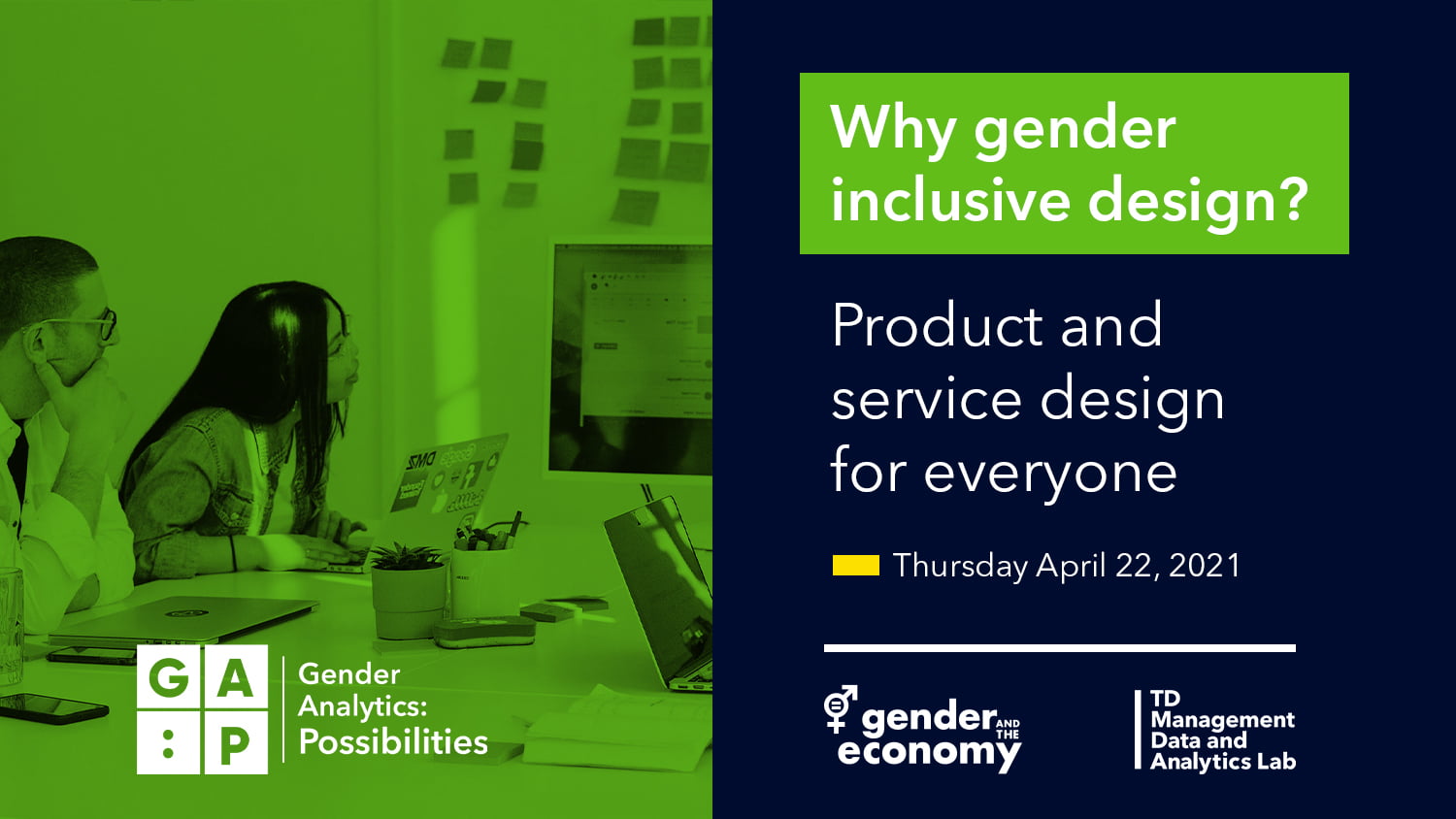
    How can the emerging field of Gender Analytics help leaders identify risks and uncover new opportunities in product and service design? This kick-off panel to the Gender Analytics: Possibilities Event Series was an exciting discussion with Vanessa Iarocci, Former CEO and President of McCarthy Uniforms; Sylvia Kwan, Chief Investment Officer of Ellevest; and Nitasha Mehta, Senior Director, CPG Brand Partnerships at Boxed; in conversation with Kathy Moscou, Assistant Professor at OCADU. Together these leaders and innovators discussed how gender analytics has helped them to find new markets, innovate, improve performance, and grow their businesses. From online retail to finance to uniform design, gender analytics led to benefits for their companies and for the customers they serve.

    To learn more about how to implement Gender Analytics within your organization, see our Coursera Specialization, Gender Analytics: Gender Equity through Inclusive Design.

    What barriers might someone face in implementing gender analytics within an organization?

    Gender analytics is about using gender and intersectional lenses to unearth new solutions and ideas. However, it can often be misconstrued as “pink marketing” that will take away from financial returns.

    In fact, gender analytics is not an add-on but a comprehensive change in understanding product and service design to uncover untapped opportunities. Organizations regularly undertake these types of processes and they can do the same through a gender lens. For example, women investors are an untapped market compared to men, particularly because investment firms historically have not acknowledged women investors’ needs or made them feel welcome. The roboadvisor start-up Ellevest has addressed this gap by using gender analytics to create financial solutions that specifically work for women.

    What practices or lessons have you learned from implementing gender analytics in your organizations?

    • If businesses don’t adjust to prioritize equity, equality, and other social issues, the market will adjust for them through new entrants who do make this a priority.
    • While some may see gender analytics as financially costly in the short-term, cases such as Boxed’s removal of the pink tax on products for women show that it can lead to increased financial returns, including through improving customer loyalty and public relations.
    • Diverse perspectives can uncover opportunities. Equitable representation on teams can help ensure that organizations don’t have blind spots in products and services.
    • Employers can cultivate ideas from within their organizations by creating an open environment and / or forums that facilitate employees to speak about their ideas and talk through issues that are important to them. This can end up influencing an organization’s direction in products and services.
    Watch the panelists discuss how they used gender inclusive design in their businesses.

    To read more about these leaders’ successes in gender analytics and inclusive design in their organizations, see the following case studies:


    GA:P logo

    The Gender Analytics: Possibilities (GA:P) Event Series is an exciting multi-session online series. This unique online experience will highlight how emerging areas of analytics applied to issues around diversity and gender shape risks and opportunities for many organizations, operations and outcomes. Experts in data analytics, gender, and diversity, and inclusion more broadly will share their research and insights to an audience of business, academic, and government leaders.

    The GA:P Event Series is being planned jointly by two Rotman research centers, the Institute for Gender and the Economy (GATE) and TD Management Data and Analytics Lab co-organized by Susan Christoffersen (Co-Academic Director, TD MDAL), Sarah Kaplan (Director, GATE) and Matt Mitchell (Co-Academic Director, TD MDAL).

    [/fusion_text][fusion_separator style_type=”none” hide_on_mobile=”small-visibility,medium-visibility,large-visibility” class=”” id=”” sep_color=”” top_margin=”20″ bottom_margin=”20″ border_size=”” icon=”” icon_circle=”” icon_circle_color=”” width=”” alignment=”center” /][fusion_button link=”https://www.gendereconomy.org/events/” text_transform=”” title=”” target=”_blank” link_attributes=”” alignment=”” modal=”” hide_on_mobile=”small-visibility,medium-visibility,large-visibility” class=”” id=”” color=”custom” button_gradient_top_color=”#62bd19″ button_gradient_bottom_color=”#62bd19″ button_gradient_top_color_hover=”#00c2e2″ button_gradient_bottom_color_hover=”#00c2e2″ accent_color=”” accent_hover_color=”” type=”” bevel_color=”” size=”” stretch=”yes” icon=”” icon_position=”left” icon_divider=”no” animation_type=”” animation_direction=”left” animation_speed=”0.3″ animation_offset=””]See more events[/fusion_button][/fusion_builder_column][/fusion_builder_row][/fusion_builder_container]
  • More than pronouns: A dialogue on trans-inclusion in the workplace

    More than pronouns: A dialogue on trans-inclusion in the workplace

    [fusion_builder_container hundred_percent=”no” equal_height_columns=”no” hide_on_mobile=”small-visibility,medium-visibility,large-visibility” background_position=”center center” background_repeat=”no-repeat” fade=”no” background_parallax=”none” parallax_speed=”0.3″ video_aspect_ratio=”16:9″ video_loop=”yes” video_mute=”yes” border_style=”solid” type=”legacy”][fusion_builder_row][fusion_builder_column type=”1_1″ layout=”1_1″ background_position=”left top” background_color=”” border_color=”” border_style=”solid” border_position=”all” spacing=”yes” background_image=”” background_repeat=”no-repeat” padding_top=”” padding_right=”” padding_bottom=”” padding_left=”” margin_top=”0px” margin_bottom=”0px” class=”” id=”” animation_type=”” animation_speed=”0.3″ animation_direction=”left” hide_on_mobile=”small-visibility,medium-visibility,large-visibility” center_content=”no” last=”true” min_height=”” hover_type=”none” link=”” border_sizes_top=”” border_sizes_bottom=”” border_sizes_left=”” border_sizes_right=”” first=”true”][fusion_text columns=”” column_min_width=”” column_spacing=”” rule_style=”default” rule_size=”” rule_color=”” content_alignment_medium=”” content_alignment_small=”” content_alignment=”” hide_on_mobile=”small-visibility,medium-visibility,large-visibility” sticky_display=”normal,sticky” class=”” id=”” margin_top=”” margin_right=”” margin_bottom=”” margin_left=”” font_size=”” fusion_font_family_text_font=”” fusion_font_variant_text_font=”” line_height=”” letter_spacing=”” text_color=”” animation_type=”” animation_direction=”left” animation_speed=”0.3″ animation_offset=””]

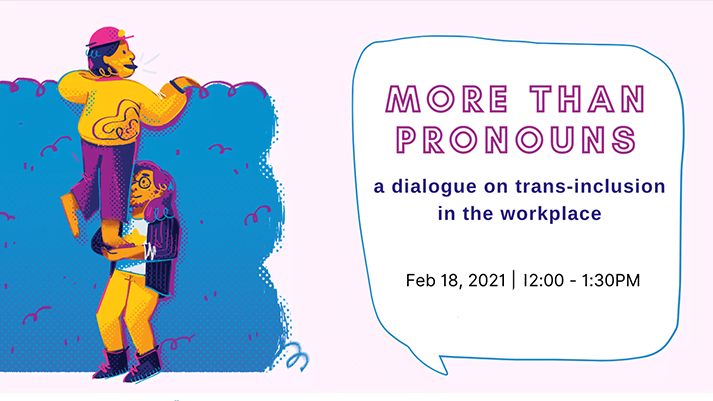
    Navigating a career can feel complicated and confusing. For trans and nonbinary people, there can be additional barriers in place which make the process even more complex. In this event co-hosted by Career Exploration & Education, Sexual & Gender Diversity Office (SGDO), the Institute for Gender and the Economy (GATE), and U of T Alumni Relations, Jade Pichette, Christine Hsu, and Beena Mistry in conversation with Trick Horan addressed questions, challenges and complications relating to trans and nonbinary inclusion in the workplace. They shared practical suggestions, strategies and resources to support trans and nonbinary students and alumni in their career development, and equip employers and HR professionals with actionable steps towards building a more trans-inclusive workplace.

    This discussion also brought together two recently developed resources for trans and nonbinary inclusion:

    What are some common barriers trans and nonbinary people face in the workplace, and what does a more inclusive workplace look like?

    • While pronouns are important, they are not the whole discussion. Trans and nonbinary inclusive workplace policies need to be in place, such as inclusive benefits policies, ensuring dress codes are not gendered, and data analysis on representation and the experiences of trans and nonbinary employees.
    • Leadership can be a significant barrier, and leaders should model inclusivity in their actions. Trans and nonbinary people often face pressure to get leadership buy-in for support, rather than organizations and leaders taking responsibility. It should not be up to employees, including Employee Resource Groups, to take on this inclusivity work.
    • There are also problems of tokenization. Especially for freelancing or contract work, people may seek to hire people who are trans or nonbinary because they know it is important to do so, but will offer them little to no compensation.
    • Trans and nonbinary people, as all people, are multifaceted. Organizations should focus on who they are and what they do, not on what their gender identity is, and build them up based on their potential.

    What are some ways that trans and nonbinary people can advocate for themselves at work?

    It’s important to have networks of support to ensure you feel safe in your workplace. Having people you trust around you can help if you need to advocate for yourself and your needs. Further, it’s always good to know your legislative rights, and know that it is well within your rights to correct people when needed and defend your decisions.

    WATCH THE PANELISTS DISCUSS BARRIERS TO TRANS AND NONBINARY INCLUSION AT WORK.

    [/fusion_text][fusion_separator style_type=”none” hide_on_mobile=”small-visibility,medium-visibility,large-visibility” sticky_display=”normal,sticky” class=”” id=”” flex_grow=”0″ top_margin=”20″ bottom_margin=”20″ width=”” alignment=”center” border_size=”” sep_color=”” icon=”” icon_size=”” icon_color=”” icon_circle=”” icon_circle_color=”” /][fusion_button link=”https://www.gendereconomy.org/past-events/” text_transform=”” title=”” target=”_self” link_attributes=”” alignment_medium=”” alignment_small=”” alignment=”center” modal=”” hide_on_mobile=”small-visibility,medium-visibility,large-visibility” sticky_display=”normal,sticky” class=”” id=”” color=”custom” button_gradient_top_color=”#62bd19″ button_gradient_bottom_color=”#62bd19″ button_gradient_top_color_hover=”#00c2e2″ button_gradient_bottom_color_hover=”#00c2e2″ accent_color=”” accent_hover_color=”” type=”” bevel_color=”” border_width=”” border_radius=”” border_color=”” border_hover_color=”” size=”” stretch=”yes” margin_top=”” margin_right=”” margin_bottom=”” margin_left=”” icon=”” icon_position=”left” icon_divider=”no” animation_type=”” animation_direction=”left” animation_speed=”0.3″ animation_offset=””]See more past events[/fusion_button][fusion_separator style_type=”none” hide_on_mobile=”small-visibility,medium-visibility,large-visibility” sticky_display=”normal,sticky” class=”” id=”” flex_grow=”0″ top_margin=”20″ bottom_margin=”20″ width=”” alignment=”center” border_size=”” sep_color=”” icon=”” icon_size=”” icon_color=”” icon_circle=”” icon_circle_color=”” /][/fusion_builder_column][/fusion_builder_row][/fusion_builder_container]
  • Dr. Jen Gunter on “Vagina Profiteers: The Economics of the Wellness Industrial Complex”

    Dr. Jen Gunter on “Vagina Profiteers: The Economics of the Wellness Industrial Complex”

    [fusion_builder_container hundred_percent=”no” equal_height_columns=”no” menu_anchor=”” hide_on_mobile=”small-visibility,medium-visibility,large-visibility” class=”” id=”” background_color=”” background_image=”” background_position=”center center” background_repeat=”no-repeat” fade=”no” background_parallax=”none” parallax_speed=”0.3″ video_mp4=”” video_webm=”” video_ogv=”” video_url=”” video_aspect_ratio=”16:9″ video_loop=”yes” video_mute=”yes” overlay_color=”” video_preview_image=”” border_size=”” border_color=”” border_style=”solid” padding_top=”” padding_bottom=”” padding_left=”” padding_right=””][fusion_builder_row][fusion_builder_column type=”1_1″ layout=”1_1″ background_position=”left top” background_color=”” border_size=”” border_color=”” border_style=”solid” border_position=”all” spacing=”yes” background_image=”” background_repeat=”no-repeat” padding_top=”” padding_right=”” padding_bottom=”” padding_left=”” margin_top=”0px” margin_bottom=”0px” class=”” id=”” animation_type=”” animation_speed=”0.3″ animation_direction=”left” hide_on_mobile=”small-visibility,medium-visibility,large-visibility” center_content=”no” last=”no” min_height=”” hover_type=”none” link=””][fusion_text columns=”” column_min_width=”” column_spacing=”” rule_style=”default” rule_size=”” rule_color=”” hide_on_mobile=”small-visibility,medium-visibility,large-visibility” class=”” id=”” animation_type=”” animation_direction=”left” animation_speed=”0.3″ animation_offset=””]

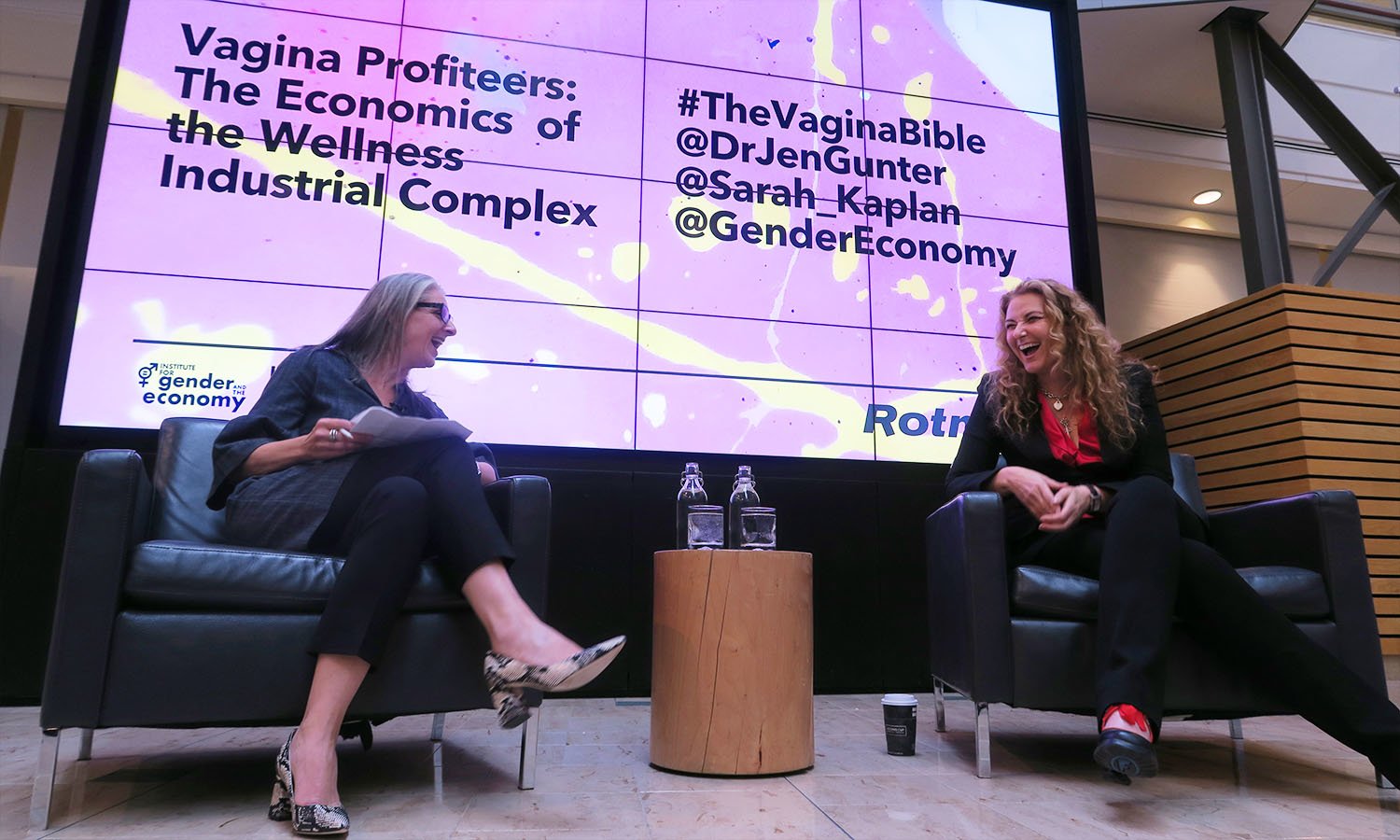
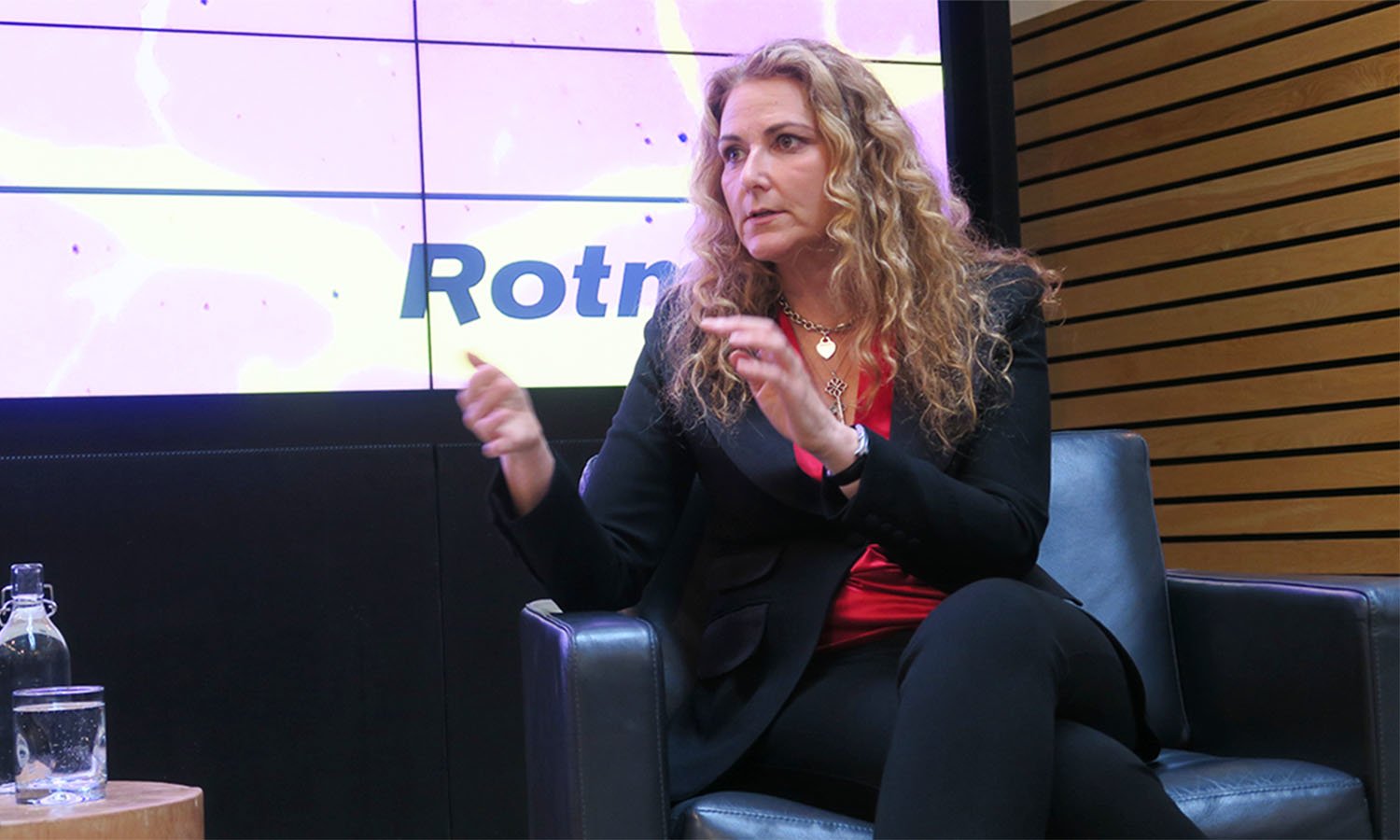
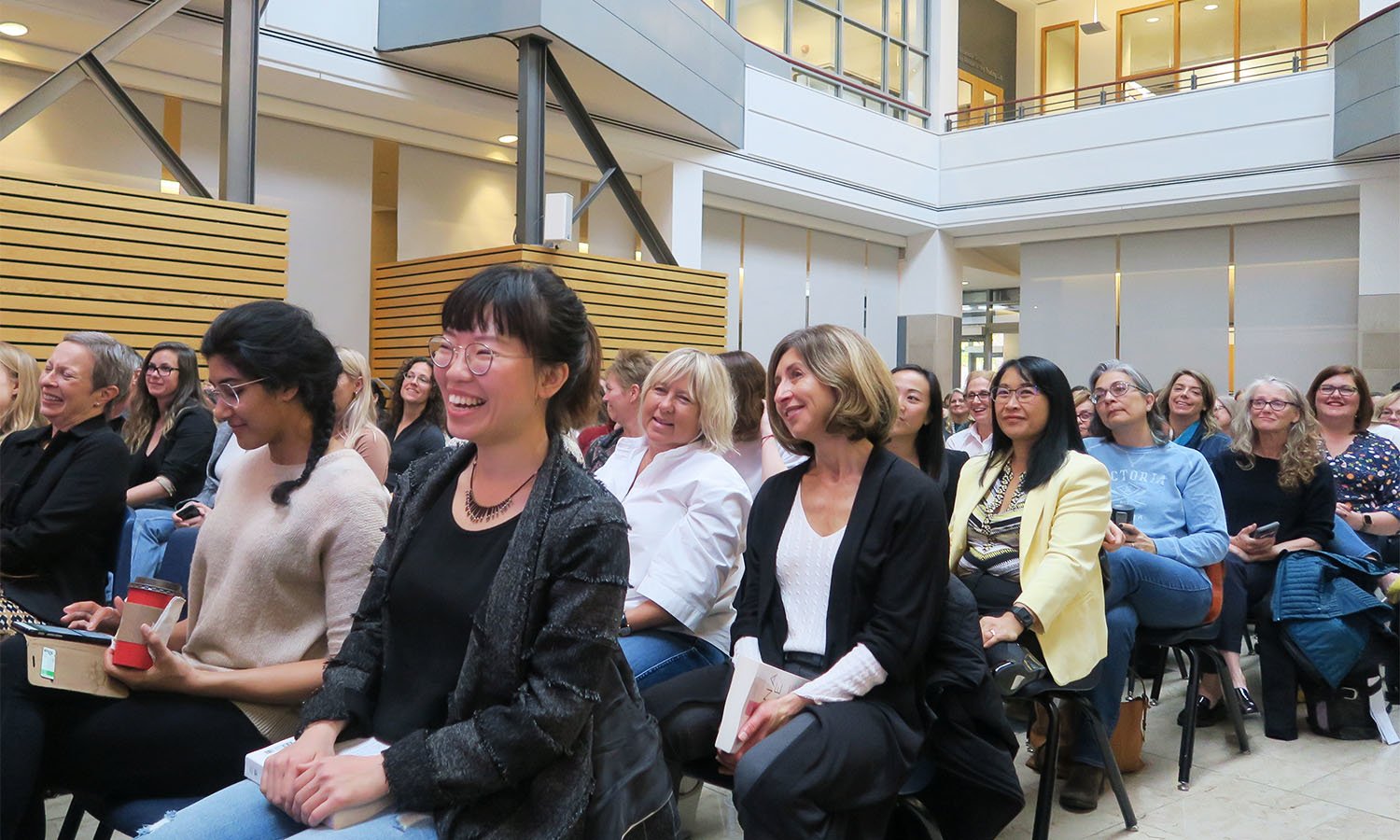
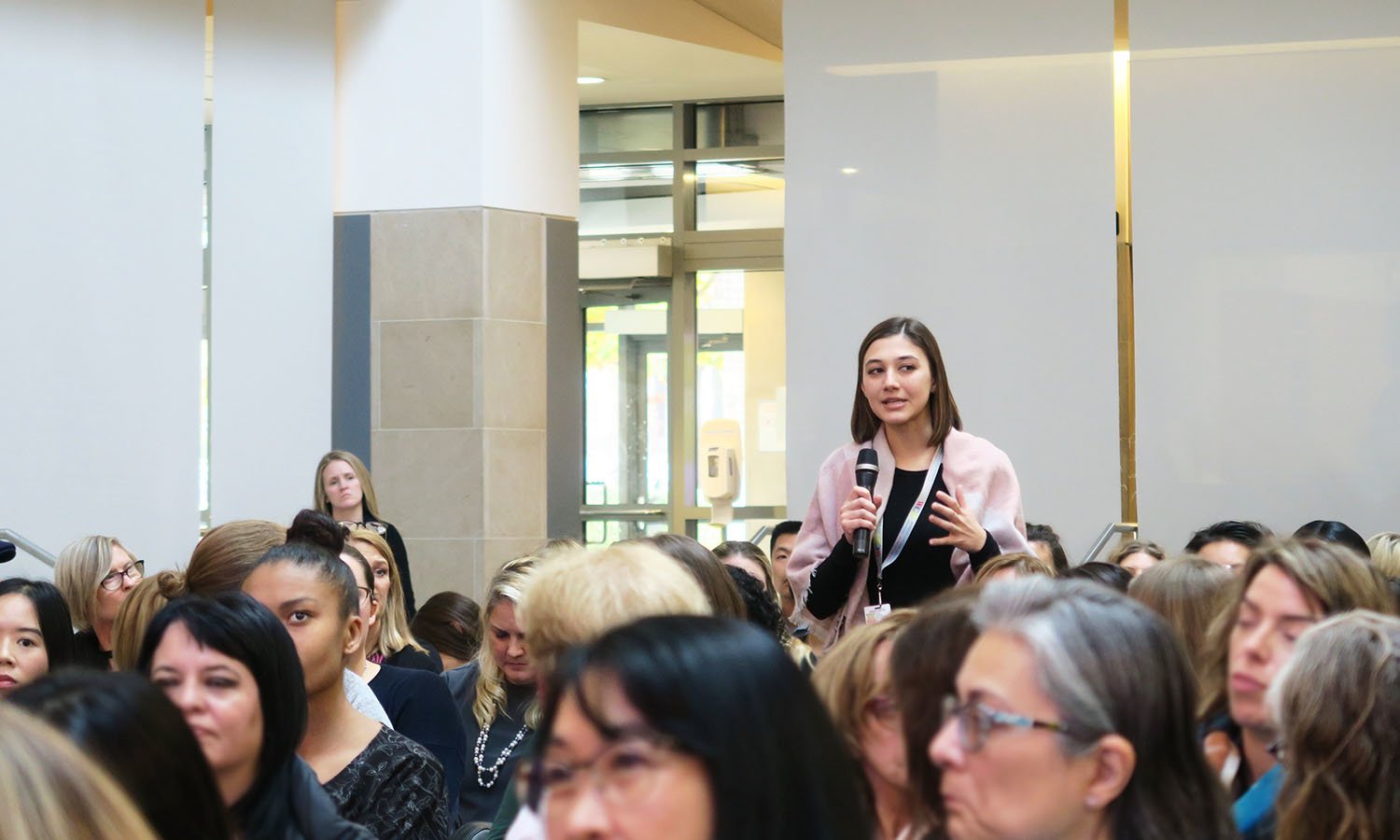
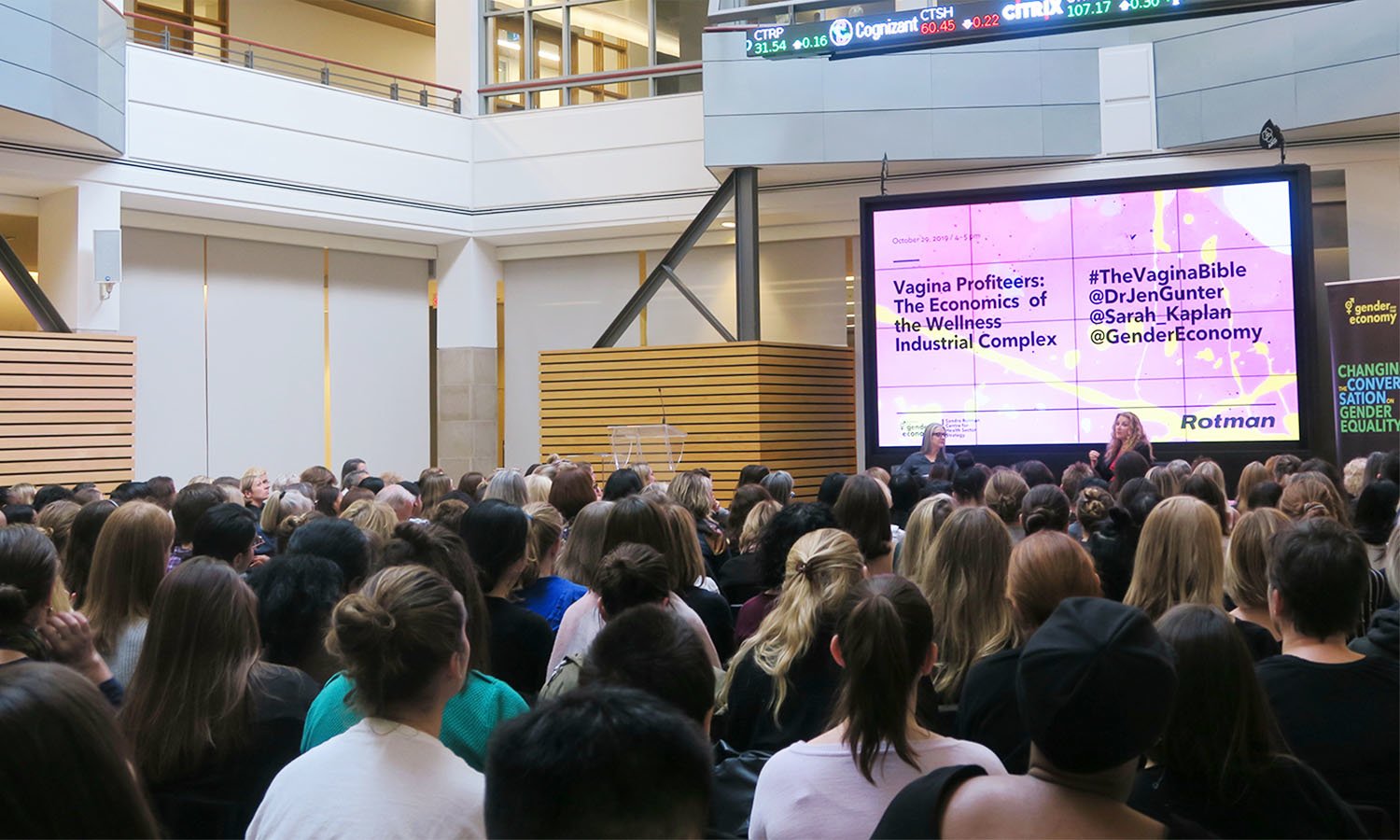
    The wellness industry was worth an astounding USD 4.2 trillion in 2017. On October 29, Dr. Jen Gunter, gynecologist, fierce advocate for women’s health, and author of The Vagina Bible: The Vulva and the Vagina–Separating the Myth from the Medicine, joined us at the Rotman School of Management to discuss how the wellness industry is in fact a wellness industrial complex, profiting from preying on widespread misinformation about women’s health.

    Gunter began by explaining that the wellness industrial complex is partly based on “vaginal shame”: society perceives women’s bodies and bodily functions as disgusting, toxic, or unclean. Businesses take advantage of this shame by selling products they call empowering or detoxifying, such as vaginal jade eggs. However, such products are not proven to be effective, and can even be harmful. “That is so predatory,” Gunter noted. “That’s taking patriarchy, wrapping it up with a pink bow, and saying it’s feminism.” Social media also plays a role by consistently repeating fake information about women’s health, to the point that consumers think it is accurate.

    “[The wellness industrial complex] is taking patriarchy, wrapping it up with a pink bow, and saying it’s feminism.”

    To confront the wellness industrial complex, Gunter discussed the following:

     Medical systems and institutions need to improve women’s healthcare.

    Medicine needs to pay better attention to women’s health concerns, which are often ignored, and ensure that the diversity of our population – different ages, races, etc. – is considered when researching and testing for treatments.

    Men and boys in heterosexual relationships play a role in women’s bodily shame.

    Gunter commented that “if the first person that you partner with when you’re 15 or 16 is a guy who knows essentially nothing, and he makes a snide comment about how you look, that is going to stay with you for life…That’s why my book is dedicated to women who have been told horrible things [about their bodies].” This shame fuels the wellness industrial complex, and it is crucial that women and girls recognize this.

    High quality sex education is crucial.

    Businesses know scaring people sells products. The best ammunition for the wellness industrial complex is having the facts. Sex education will help people, especially young people, make better, more empowered decisions about their bodies, rather than basing them on shame and fear.

    To see more of this event, view the video below. 

    [/fusion_text][fusion_separator style_type=”none” hide_on_mobile=”small-visibility,medium-visibility,large-visibility” class=”” id=”” sep_color=”” top_margin=”50″ bottom_margin=”50″ border_size=”” icon=”” icon_circle=”” icon_circle_color=”” width=”” alignment=”center” /][fusion_button link=”https://www.gendereconomy.org/past-events/” text_transform=”” title=”” target=”_blank” link_attributes=”” alignment=”” modal=”” hide_on_mobile=”small-visibility,medium-visibility,large-visibility” class=”” id=”” color=”custom” button_gradient_top_color=”#62bd19″ button_gradient_bottom_color=”#62bd19″ button_gradient_top_color_hover=”#00c2e2″ button_gradient_bottom_color_hover=”#00c2e2″ accent_color=”” accent_hover_color=”” type=”” bevel_color=”” border_width=”” size=”” stretch=”yes” icon=”” icon_position=”left” icon_divider=”no” animation_type=”” animation_direction=”left” animation_speed=”0.3″ animation_offset=”” border_radius=””]See more past events[/fusion_button][fusion_separator style_type=”none” hide_on_mobile=”small-visibility,medium-visibility,large-visibility” class=”” id=”” sep_color=”” top_margin=”20″ bottom_margin=”20″ border_size=”” icon=”” icon_circle=”” icon_circle_color=”” width=”” alignment=”center” /][fusion_title margin_top=”” margin_bottom=”” hide_on_mobile=”medium-visibility,large-visibility” class=”” id=”” size=”5″ content_align=”center” style_type=”default” sep_color=””]

    Or register below for these upcoming events

    [/fusion_title][fusion_recent_posts layout=”default” hover_type=”none” columns=”3″ number_posts=”3″ offset=”0″ pull_by=”category” cat_slug=”events” exclude_cats=”past” tag_slug=”” exclude_tags=”” thumbnail=”yes” title=”yes” meta=”no” meta_author=”no” meta_categories=”no” meta_date=”yes” meta_comments=”yes” meta_tags=”no” content_alignment=”” excerpt=”no” excerpt_length=”35″ strip_html=”yes” scrolling=”no” hide_on_mobile=”medium-visibility,large-visibility” class=”” id=”” animation_type=”” animation_direction=”left” animation_speed=”0.3″ animation_offset=”” /][/fusion_builder_column][/fusion_builder_row][/fusion_builder_container]