Author: Salwa Iqbal

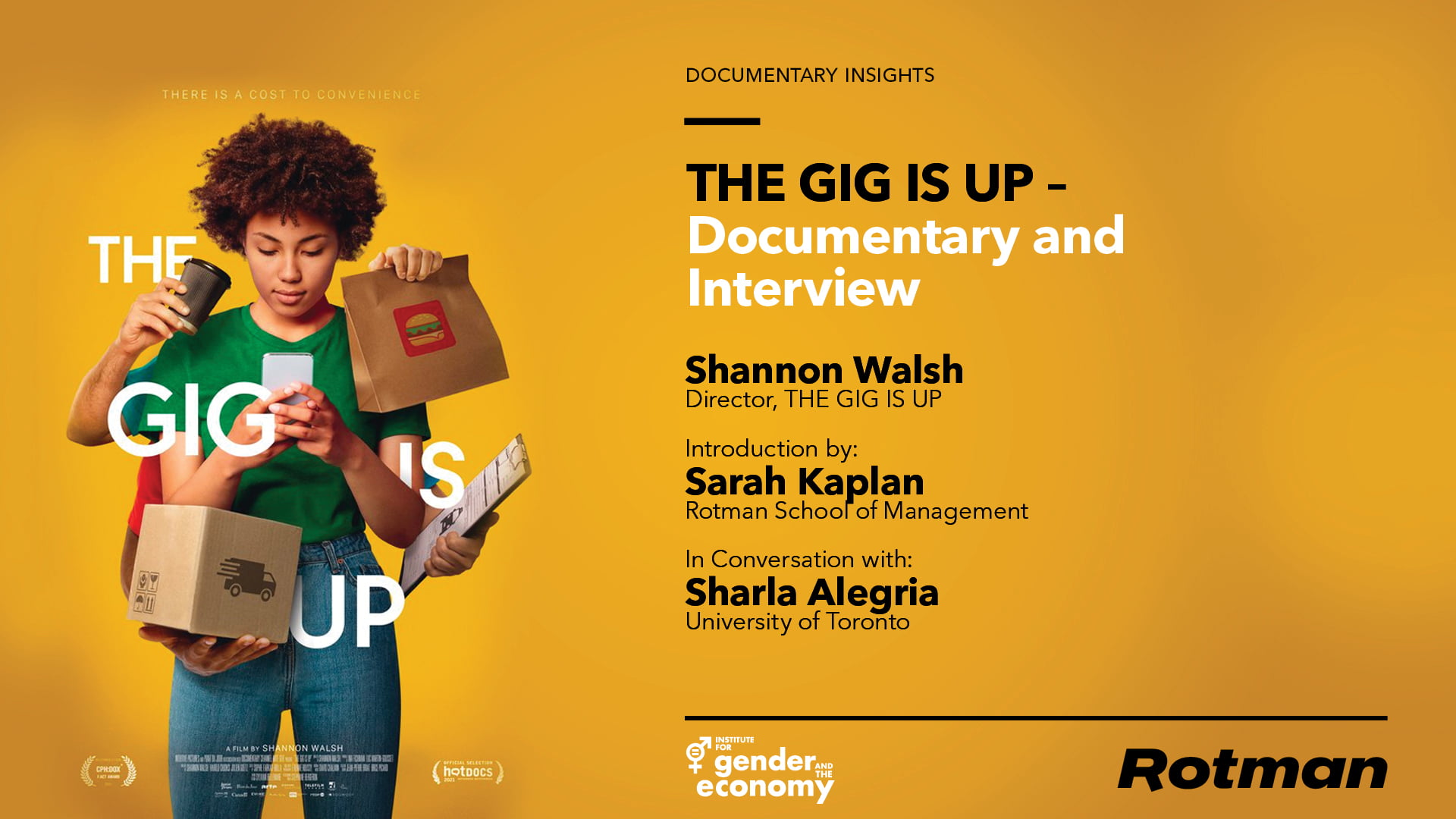
  • “THE GIG IS UP” – Documentary & Interview

    “THE GIG IS UP” – Documentary & Interview

    [fusion_builder_container hundred_percent=”no” equal_height_columns=”no” hide_on_mobile=”small-visibility,medium-visibility,large-visibility” background_position=”center center” background_repeat=”no-repeat” fade=”no” background_parallax=”none” parallax_speed=”0.3″ video_aspect_ratio=”16:9″ video_loop=”yes” video_mute=”yes” border_style=”solid” type=”legacy”][fusion_builder_row][fusion_builder_column type=”1_1″ layout=”1_1″ background_position=”left top” background_color=”” border_color=”” border_style=”solid” border_position=”all” spacing=”yes” background_image=”” background_repeat=”no-repeat” padding_top=”” padding_right=”” padding_bottom=”” padding_left=”” margin_top=”0px” margin_bottom=”0px” class=”” id=”” animation_type=”” animation_speed=”0.3″ animation_direction=”left” hide_on_mobile=”small-visibility,medium-visibility,large-visibility” center_content=”no” last=”true” min_height=”” hover_type=”none” link=”” first=”true” border_sizes_top=”” border_sizes_bottom=”” border_sizes_left=”” border_sizes_right=””][fusion_text columns=”” column_min_width=”” column_spacing=”” rule_style=”default” rule_size=”” rule_color=”” content_alignment_medium=”” content_alignment_small=”” content_alignment=”” hide_on_mobile=”small-visibility,medium-visibility,large-visibility” sticky_display=”normal,sticky” class=”” id=”” margin_top=”” margin_right=”” margin_bottom=”” margin_left=”” font_size=”” fusion_font_family_text_font=”” fusion_font_variant_text_font=”” line_height=”” letter_spacing=”” text_transform=”none” text_color=”” animation_type=”” animation_direction=”left” animation_speed=”0.3″ animation_offset=””]

    Please note: This event includes a documentary and an interview which you can watch on demand between December 6th and December 20th. On December 6th, you will receive an email with a link to access both the documentary and panel discussion. Space is limited for this event so please register early. 

    Documentary Synopsis: A very human tech doc, THE GIG IS UP uncovers the real costs of the platform economy through the lives of people working for companies around the world, including Uber, Amazon and Deliveroo. 

    From delivering food and driving ride shares to tagging images for AI, millions of people around the world are finding work task by task online. The gig economy is worth over 5 trillion USD globally, and growing. And yet the stories of the workers behind this tech revolution have gone largely neglected.

    Who are the people in this shadow workforce? THE GIG IS UP brings their stories into the light.Lured by the promise of flexible work hours, independence, and control over time and money, workers from around the world have found a very different reality. Work conditions are often dangerous, pay often changes without notice, and workers can effectively be fired through deactivation or a bad rating.

    Through an engaging global cast of characters, THE GIG IS UP reveals how the magic of technology we are being sold might not be magic at all.

    About Our Speakers:

    Speaker: Shannon Walsh has written and directed 5 award-winning feature documentaries. Her work has been theatrically released in the US, UK, Canada, and South Africa, and broadcast on ARTE, Al-Jazeera, CBC, Discovery channel, Netflix and others. Walsh’s films have screened in more than 100 festivals globally such as Hot Docs, CPH:DOX, IDFA, DOC NYC, Visions du Réel, Bejing and others. Walsh is an Associate Professor of Film Production at the University of British Columbia, and a 2020-2021 Guggenheim Fellow. She is currently touring with The Gig is Up (2021), and in development on the hybrid doc Adrianne in the Castle.

    In Conversation With: Dr. Sharla Alegria is an assistant professor in the Department of Sociology and affiliate faculty in the Women and Gender Studies Institute at the University of Toronto. Her research works to understand how race and gender inequality persist in places and organizations that reject discrimination and aspire towards diversity and inclusion. Her current focus is on high-tech, scientific, and knowledge-work and workplaces.

    Introduction By: Dr. Sarah Kaplan is Director, Institute for Gender and the Economy, Distinguished Professor of Gender & the Economy and Professor of Strategic Management at Rotman. She is a co-author of the bestselling business book, Creative Destruction as well as Survive and Thrive: Winning Against Strategic Threats to Your Business. Her latest book, The 360° Corporation: From Stakeholder Trade-offs to Transformation was published in September 2019. Her research has covered how organizations participate in and respond to the emergence of new fields and technologies in biotechnology, fiber optics, financial services, nanotechnology and most recently, the field emerging at the nexus of gender and finance. Her current work focuses on applying an innovation lens to understanding the challenges for achieving gender equality.

    Location: Online

    Venue: On December 6th Rotman events will send all registrants the link for the panel discussion and access to the documentary.

    PLEASE REGISTER HERE FOR THIS EVENT.

    [/fusion_text][fusion_separator style_type=”none” hide_on_mobile=”small-visibility,medium-visibility,large-visibility” class=”” id=”” sep_color=”” top_margin=”20″ bottom_margin=”20″ border_size=”” icon=”” icon_circle=”” icon_circle_color=”” width=”” alignment=”center” /][fusion_button link=”https://www.gendereconomy.org/events/” text_transform=”” title=”” target=”_blank” link_attributes=”” alignment=”” modal=”” hide_on_mobile=”small-visibility,medium-visibility,large-visibility” class=”” id=”” color=”custom” button_gradient_top_color=”#62bd19″ button_gradient_bottom_color=”#62bd19″ button_gradient_top_color_hover=”#00c2e2″ button_gradient_bottom_color_hover=”#00c2e2″ accent_color=”” accent_hover_color=”” type=”” bevel_color=”” size=”” stretch=”yes” icon=”” icon_position=”left” icon_divider=”no” animation_type=”” animation_direction=”left” animation_speed=”0.3″ animation_offset=””]See more events[/fusion_button][/fusion_builder_column][/fusion_builder_row][/fusion_builder_container]

  • Rotman Management Magazine Speaker Series – 4 Short Talks About What’s Next

    Rotman Management Magazine Speaker Series – 4 Short Talks About What’s Next

    [fusion_builder_container hundred_percent=”no” equal_height_columns=”no” hide_on_mobile=”small-visibility,medium-visibility,large-visibility” background_position=”center center” background_repeat=”no-repeat” fade=”no” background_parallax=”none” parallax_speed=”0.3″ video_aspect_ratio=”16:9″ video_loop=”yes” video_mute=”yes” border_style=”solid” type=”legacy”][fusion_builder_row][fusion_builder_column type=”1_1″ layout=”1_1″ background_position=”left top” background_color=”” border_color=”” border_style=”solid” border_position=”all” spacing=”yes” background_image=”” background_repeat=”no-repeat” padding_top=”” padding_right=”” padding_bottom=”” padding_left=”” margin_top=”0px” margin_bottom=”0px” class=”” id=”” animation_type=”” animation_speed=”0.3″ animation_direction=”left” hide_on_mobile=”small-visibility,medium-visibility,large-visibility” center_content=”no” last=”true” min_height=”” hover_type=”none” link=”” first=”true” border_sizes_top=”” border_sizes_bottom=”” border_sizes_left=”” border_sizes_right=””][fusion_text columns=”” column_min_width=”” column_spacing=”” rule_style=”default” rule_size=”” rule_color=”” content_alignment_medium=”” content_alignment_small=”” content_alignment=”” hide_on_mobile=”small-visibility,medium-visibility,large-visibility” sticky_display=”normal,sticky” class=”” id=”” margin_top=”” margin_right=”” margin_bottom=”” margin_left=”” font_size=”” fusion_font_family_text_font=”” fusion_font_variant_text_font=”” line_height=”” letter_spacing=”” text_color=”” animation_type=”” animation_direction=”left” animation_speed=”0.3″ animation_offset=””]

    4 Short Talks About What’s Next

    GATE Research Associate Carmina Ravanera speaks about her feature article in Rotman Management Magazine in their Fall issue launch event where they explore some of the mindsets, insights and operating principles that will be required to thrive in the post-pandemic world. Join us to hear from the four contributors.

    The Speakers and their talks:

    Carmina Ravanera on The Recovery Policies We NeedCarmina Ravanera is a Research Associate at the Institute for Gender and the Economy (GATE) at the Rotman School of Management. Prior to joining GATE, she was an Analytics Manager at the Canadian Centre for Diversity and Inclusion. She is the co-author of “A Feminist Economic Recovery Plan for Canada: Making the Economy Work for Everyone”, co-authored by GATE and YWCA Canada.

    Andreas Park on Cryptocurrency: What You Need to KnowAndreas Park is a Professor of Finance co-appointed to the Rotman School of Management and the Department of Management at the UofT Mississauga. He serves as Research Director at FinHub, Rotman’s Financial Innovation Lab; is co-founder of the LedgerHub, the UofT’s blockchain research lab; is a lab economist for blockchain at the Creative Destruction Lab; is an economic advisor to Conflux Network; and is a consultant to the Ontario Securities Commission.

    Navi Radjou on The Era of the Conscious BusinessInnovation expert and best-selling author Navi Radjou has served as a Fellow at the University of Cambridge’s Judge School of Business and as a faculty member at the World Economic Forum. He has written three books, including From Smart to Wise: Acting and Leading with Wisdom. Navi has received the prestigious Thinkers50 Innovation Award, given to a management thinker reshaping how we think about and practice innovation.

    Jennifer Nachshen on Behavioural Insights for Value CreationJennifer Nachshen (Rotman MBA’17) is a Consulting Director at Bond Brand Loyalty and a Sessional Lecturer for Rotman Commerce, where she teaches the Business Design course to undergraduate students. In addition to her Rotman MBA, she holds a PhD in Clinical Psychology from Queens University.


    Venue: On September 22, Rotman Events will email registrants the link to the page where you can watch the livestream.

    Please register here for this event.

    [/fusion_text][fusion_separator style_type=”none” hide_on_mobile=”small-visibility,medium-visibility,large-visibility” class=”” id=”” sep_color=”” top_margin=”20″ bottom_margin=”20″ border_size=”” icon=”” icon_circle=”” icon_circle_color=”” width=”” alignment=”center” /][fusion_button link=”https://www.gendereconomy.org/events/” text_transform=”” title=”” target=”_blank” link_attributes=”” alignment=”” modal=”” hide_on_mobile=”small-visibility,medium-visibility,large-visibility” class=”” id=”” color=”custom” button_gradient_top_color=”#62bd19″ button_gradient_bottom_color=”#62bd19″ button_gradient_top_color_hover=”#00c2e2″ button_gradient_bottom_color_hover=”#00c2e2″ accent_color=”” accent_hover_color=”” type=”” bevel_color=”” border_width=”” size=”” stretch=”yes” icon=”” icon_position=”left” icon_divider=”no” animation_type=”” animation_direction=”left” animation_speed=”0.3″ animation_offset=”” border_radius=””]See more events[/fusion_button][/fusion_builder_column][/fusion_builder_row][/fusion_builder_container]

  • How a gendered economy sets women up to fail

    How a gendered economy sets women up to fail

    Sarah Kaplan joins the “ChamberBreakers” podcast to discuss gendered capitalism, gendered economies, their problems, and solutions.

  • Using design thinking to encourage girls’ participation in STEM

    Using design thinking to encourage girls’ participation in STEM

    [fusion_builder_container admin_label=”” hundred_percent=”no” equal_height_columns=”no” menu_anchor=”” hide_on_mobile=”small-visibility,medium-visibility,large-visibility” class=”” id=”” background_color=”” background_image=”” background_position=”center center” background_repeat=”no-repeat” fade=”no” background_parallax=”none” enable_mobile=”no” parallax_speed=”0.3″ video_mp4=”” video_webm=”” video_ogv=”” video_url=”” video_aspect_ratio=”16:9″ video_loop=”yes” video_mute=”yes” video_preview_image=”” border_color=”” border_style=”solid” margin_top=”20″ margin_bottom=”” padding_top=”” padding_right=”” padding_bottom=”” padding_left=”” type=”legacy”][fusion_builder_row][fusion_builder_column type=”3_4″ layout=”3_4″ spacing=”” center_content=”no” hover_type=”none” link=”” min_height=”” hide_on_mobile=”small-visibility,medium-visibility,large-visibility” class=”” id=”” background_color=”” background_image=”” background_position=”left top” background_repeat=”no-repeat” border_color=”” border_style=”solid” border_position=”all” padding_top=”” padding_right=”” padding_bottom=”” padding_left=”” margin_top=”” margin_bottom=”” animation_type=”” animation_direction=”left” animation_speed=”0.3″ animation_offset=”” last=”false” first=”true” border_sizes_top=”0″ border_sizes_bottom=”0″ border_sizes_left=”0″ border_sizes_right=”0″ spacing_right=””][fusion_text columns=”” column_min_width=”” column_spacing=”” rule_style=”default” rule_size=”” rule_color=”” content_alignment_medium=”” content_alignment_small=”” content_alignment=”” hide_on_mobile=”small-visibility,medium-visibility,large-visibility” sticky_display=”normal,sticky” class=”” id=”” margin_top=”” margin_right=”” margin_bottom=”” margin_left=”” font_size=”” fusion_font_family_text_font=”” fusion_font_variant_text_font=”” line_height=”” letter_spacing=”” text_color=”” animation_type=”” animation_direction=”left” animation_speed=”0.3″ animation_offset=””]

    Summary

    Gender inequality in Science, Technology, Engineering and Mathematics (STEM) fields persists in many countries. It tends to begin before entering the workforce: in middle school and high school, girls become less motivated to pursue STEM in future education. This study investigates how adding Art approaches such as design thinking to STEM learning (STEAM) can foster girls’ interest in, and motivation to pursue, STEM. A 3-day design thinking workshop with female youths from Japan and USA resulted in an increase in their interest in engineering and design, greater creative confidence, more positive perceptions of STEM, higher levels of empathy and pro-social factors, and a more varied outlook on their career options. The study shows how such short educational interventions may influence young women to pursue STEM careers.

    Research

    Around the world, women have a low rate of representation in STEM. In Japan these figures are particularly low: they comprise only 1.6% of those in Mechanical Engineering, 3.6% in Applied Chemistry, and 4.4% in Physics. The under representation of women in STEM fields influences the persistence of the gender wage gap.

    This study investigated how STEAM (adding “Arts” to STEM) learning affects female youths’ interest in STEM. The study used a 3-day design thinking workshop as an intervention. Design thinking centers on understanding and solving real-world problems. Rather than emphasizing individual work, it uses a set of procedures that helps learners embrace ambiguity, engage in deep analysis, and build communication. These procedures include empathy building, needs-finding, brainstorming, prototyping, and testing. Design thinking has become more common in educational contexts in recent years as it has been shown to improve students’ problem-solving skills and creativity as well as increase their interest in STEM careers.

    For this study, 103 female youth aged 13 to 18 participated in the STEAM workshop. Participants were from across Japan and from three states in the USA. The workshop aimed to give girls an opportunity to engage with STEM, meet mentors, and teach them a mindset of self-efficacy. Participants had to address a real-life problem, such as using technology to improve seniors’ quality of living, with design thinking. Throughout they workshop they had support from youth mentors and women STEM leaders.

    The participants completed pre- and post-intervention surveys which the researchers then analyzed. The surveys asked about participants’ interests in different school subjects, creative confidence, career plans, aspirations for STEM, and other topics related to the study. The researchers also interviewed 19 participants after the workshop to understand their experiences and perceptions.

    Findings

    The STEAM workshop produced measurable changes in the youth who participated:

    • Participants showed increased interest in engineering, e.g., higher scores for a question about enjoying imagining creating new products.
    • Participants’ creative confidence—their ability to work in uncertainty and be open to feedback—increased. They became less self-conscious about sharing their thoughts and showed fewer negative perceptions about failing.
    • Participants’ positive perceptions of STEM shifted, with an increase in their beliefs that STEM careers not only require technical knowledge but also communication, collaboration, and creativity.
    • Participants’ beliefs that STEM can make a world a better place, and that people who study STEM care about others, increased. This is important as prior research has shown that under-represented groups are more likely to pursue STEM professions if they believe STEM can improve others’ lives.
    • Finally, participants’ desires to pursue a career in STEM—even if they must balance work and family— increased. Participants scored higher than before the workshop when asked if they would consider a career in science, starting their own business, and staying in the workforce after having children.
    • While participants increased their interest in pursuing STEM, their beliefs around gender norms and STEM – which are deeply rooted in social and cultural contexts – were unchanged. There was no significant change in their response to questions such as “Girls can have a greater, more positive impact on society” or “Women should pursue STEM fields in the future”.

    Implications

    Girls can benefit from more awareness about, and opportunities to participate in, STEM—A 3-day workshop that exposed girls to STEM projects, ideas and mentors transformed not only their desire to pursue STEM careers but also their beliefs about what STEM can do. Initiatives to demystify STEM for underrepresented groups may be helpful in increasing their interest in these fields.

    Design thinking and other empathy-based pedagogical approaches to STEM (STEAM) may foster more diversity—The design thinking workshop allowed girls to better understand how STEM is connected to empathy and to improving the world, which in turn made STEM more appealing to them. STEAM learning could draw more women and underrepresented groups into these fields, helping to create a new and diverse generation of STEAM leaders and thinkers who use creative and empathy-based approaches.

    ________________________

    Research brief prepared by:

    Carmina Ravanera

    Kijima, R., Yang-Yoshihara, M. & Maekawa, M.S. Using design thinking to cultivate the next generation of female STEAM thinkers. IJ STEM Ed 8, 14 (2021)

    https://stemeducationjournal.springeropen.com/articles/10.1186/s40594-021-00271-6

    [/fusion_text][fusion_separator style_type=”none” hide_on_mobile=”small-visibility,medium-visibility,large-visibility” class=”” id=”” sep_color=”” top_margin=”20″ bottom_margin=”20″ border_size=”” icon=”” icon_circle=”” icon_circle_color=”” width=”” alignment=”center” /][fusion_button link=”https://www.gendereconomy.org/research-briefs/” text_transform=”” title=”” target=”_blank” link_attributes=”” alignment=”” modal=”” hide_on_mobile=”small-visibility,medium-visibility,large-visibility” class=”” id=”” color=”custom” button_gradient_top_color=”#62bd19″ button_gradient_bottom_color=”#62bd19″ button_gradient_top_color_hover=”#00c2e2″ button_gradient_bottom_color_hover=”#00c2e2″ accent_color=”” accent_hover_color=”” type=”” bevel_color=”” size=”” stretch=”yes” icon=”” icon_position=”left” icon_divider=”no” animation_type=”” animation_direction=”left” animation_speed=”0.3″ animation_offset=””]See more research briefs[/fusion_button][fusion_separator style_type=”none” hide_on_mobile=”small-visibility,medium-visibility,large-visibility” class=”” id=”” sep_color=”” top_margin=”20″ bottom_margin=”20″ border_size=”” icon=”” icon_circle=”” icon_circle_color=”” width=”” alignment=”center” /][fusion_recent_posts layout=”default” hover_type=”none” columns=”3″ number_posts=”3″ offset=”0″ pull_by=”category” cat_slug=”research-briefs” exclude_cats=”” tag_slug=”” exclude_tags=”” thumbnail=”yes” title=”yes” meta=”no” meta_author=”no” meta_categories=”no” meta_date=”yes” meta_comments=”yes” meta_tags=”no” content_alignment=”” excerpt=”no” excerpt_length=”35″ strip_html=”yes” scrolling=”no” hide_on_mobile=”small-visibility,medium-visibility,large-visibility” class=”” id=”” animation_type=”” animation_direction=”left” animation_speed=”0.3″ animation_offset=”” /][/fusion_builder_column][fusion_builder_column type=”1_4″ layout=”1_4″ spacing=”” center_content=”no” hover_type=”none” link=”” min_height=”” hide_on_mobile=”small-visibility,medium-visibility,large-visibility” class=”” id=”” background_color=”” background_image=”” background_position=”left top” background_repeat=”no-repeat” border_color=”” border_style=”solid” border_position=”all” padding_top=”” padding_right=”” padding_bottom=”” padding_left=”” margin_top=”” margin_bottom=”” animation_type=”” animation_direction=”left” animation_speed=”0.3″ animation_offset=”” last=”true” first=”false” border_sizes_top=”0″ border_sizes_bottom=”0″ border_sizes_left=”0″ border_sizes_right=”0″][fusion_title title_type=”text” rotation_effect=”bounceIn” display_time=”1200″ highlight_effect=”circle” loop_animation=”off” highlight_width=”9″ highlight_top_margin=”0″ before_text=”” rotation_text=”” highlight_text=”” after_text=”” title_link=”off” link_url=”” link_target=”_self” hide_on_mobile=”small-visibility,medium-visibility,large-visibility” sticky_display=”normal,sticky” class=”briefsummary” id=”” content_align_medium=”” content_align_small=”” content_align=”left” size=”3″ font_size=”” animated_font_size=”” fusion_font_family_title_font=”” fusion_font_variant_title_font=”” line_height=”” letter_spacing=”” text_shadow=”no” text_shadow_vertical=”” text_shadow_horizontal=”” text_shadow_blur=”0″ text_shadow_color=”” margin_top_medium=”” margin_right_medium=”” margin_bottom_medium=”” margin_left_medium=”” margin_top_small=”” margin_right_small=”” margin_bottom_small=”” margin_left_small=”” margin_top=”” margin_right=”” margin_bottom=”” margin_left=”” margin_top_mobile=”” margin_bottom_mobile=”” text_color=”” animated_text_color=”” gradient_font=”no” gradient_start_color=”” gradient_end_color=”” gradient_start_position=”0″ gradient_end_position=”100″ gradient_type=”linear” radial_direction=”center center” linear_angle=”180″ highlight_color=”” style_type=”none” sep_color=”” link_color=”” link_hover_color=”” animation_type=”” animation_direction=”left” animation_speed=”0.3″ animation_offset=””]

    Title

    Using design thinking to cultivate the next generation of female STEM thinkers

    Author

    Rie Kijima, Mariko Yang-Yoshihara and Marcos Sadao Maekawa

    Source

    International Journal of STEM Education

    Published

    2021

    DOI

    10.1186/s40594-021-00271-6

    Link

    https://journals.sagepub.com/doi/10.1177/0891243219876271

    Research brief prepared by

    Carmina Ravanera

    [/fusion_title][fusion_widget_area name=”avada-custom-sidebar-researchbriefsidebar” title_size=”” title_color=”” background_color=”” padding_top=”” padding_right=”” padding_bottom=”” padding_left=”” hide_on_mobile=”small-visibility,medium-visibility,large-visibility” class=”” id=”” /][/fusion_builder_column][/fusion_builder_row][/fusion_builder_container]