
Author: Salwa Iqbal

  • How work design affects gender inequality

    How work design affects gender inequality

    [fusion_builder_container admin_label=”” hundred_percent=”no” equal_height_columns=”no” menu_anchor=”” hide_on_mobile=”small-visibility,medium-visibility,large-visibility” class=”” id=”” background_color=”” background_image=”” background_position=”center center” background_repeat=”no-repeat” fade=”no” background_parallax=”none” enable_mobile=”no” parallax_speed=”0.3″ video_mp4=”” video_webm=”” video_ogv=”” video_url=”” video_aspect_ratio=”16:9″ video_loop=”yes” video_mute=”yes” video_preview_image=”” border_color=”” border_style=”solid” margin_top=”20″ margin_bottom=”” padding_top=”” padding_right=”” padding_bottom=”” padding_left=”” type=”legacy”][fusion_builder_row][fusion_builder_column type=”3_4″ layout=”3_4″ spacing=”” center_content=”no” hover_type=”none” link=”” min_height=”” hide_on_mobile=”small-visibility,medium-visibility,large-visibility” class=”” id=”” background_color=”” background_image=”” background_position=”left top” background_repeat=”no-repeat” border_color=”” border_style=”solid” border_position=”all” padding_top=”” padding_right=”” padding_bottom=”” padding_left=”” margin_top=”” margin_bottom=”” animation_type=”” animation_direction=”left” animation_speed=”0.3″ animation_offset=”” last=”false” first=”true” border_sizes_top=”0″ border_sizes_bottom=”0″ border_sizes_left=”0″ border_sizes_right=”0″ spacing_right=””][fusion_text columns=”” column_min_width=”” column_spacing=”” rule_style=”default” rule_size=”” rule_color=”” hue=”” saturation=”” lightness=”” alpha=”” content_alignment_medium=”” content_alignment_small=”” content_alignment=”” hide_on_mobile=”small-visibility,medium-visibility,large-visibility” sticky_display=”normal,sticky” class=”” id=”” margin_top=”” margin_right=”” margin_bottom=”” margin_left=”” fusion_font_family_text_font=”” fusion_font_variant_text_font=”” font_size=”” line_height=”” letter_spacing=”” text_transform=”none” text_color=”” animation_type=”” animation_direction=”left” animation_speed=”0.3″ animation_offset=””]

    Summary

    Research prior to COVID-19 has explored how work from home and remote work can help retain women in organizations. Yet, historically employees have faced stigma if they choose to work remotely if the policies are targeted specifically at women and because it is seen as a signal of lower commitment to work. This study conducted prior to the pandemic found that work design may play a role in the uptake of remote work in organizations and has implications for how we think about back to work and work from home during and after we emerge from the pandemic. Through interviews with 84 employees in the IT division of a large financial services firm, this study compared traditional work design (sometimes known as “waterfall” or hierarchical processes) with a new post-bureaucratic work design (the increasingly popular “agile” work) and showed how each can facilitate or hinder the uptake of remote work. It found that agile work design tends to promote working onsite and thus is gender-inegalitarian: more women than men work remotely and a low number of employees work remotely overall. In contrast, waterfall design is associated with working online and with gender-egalitarianism: men and women work remotely in similar numbers and most workers choose to work remotely at least once a week. This study suggests that traditional bureaucratic work practices can in fact provide more flexible work design compared to the post-bureaucratic practices that are meant to be empowering for workers.

    Research

    Traditional, bureaucratic work design (sometimes known as waterfall work design) includes hierarchical reporting structures, siloed work roles, and decision-making based on authority. In recent decades many organizations have changed work design to a post-bureaucratic form (e.g., agile work design), including flattened hierarchies, decentralization, project-based work, and fluid decision-making. Agile work design, which originated in Silicon Valley, is meant to value individuals and interactions over processes and tools, software over documentation, customer collaboration over contract negotiation, and responding to changes over following a plan. It is intended to provide employees with more autonomy and empowerment.

    This study investigated the gendered impacts of these different work designs. Specifically, through interviews with 84 IT employees in a large, multi-national financial services corporation, the author examined how agile and waterfall work practices and team cultures created differences in the uptake of remote work. At the time of this study which occurred shortly before the pandemic, the company was transitioning from waterfall to agile work, so 68% of respondents worked in waterfall while 32% worked in agile. Interviews were semi-structured and included 41 women and 43 men, and 77% were parents.

    Findings

    Among the respondents in agile work settings, only 22% worked from home at least one day a week, compared to 63% of respondents in waterfall work settings. Interviews revealed that the digital orientation towards work in waterfall settings (e.g., online communication) as opposed to the physical orientation of agile settings (e.g., in-person communication in daily huddles) facilitated the higher uptake of flexible work for those in the traditionally bureaucratic work design.

    Work in waterfall settings tended to be computer work with formalized documentation taking place on online systems (e.g., shared databases). Workers also communicated through digital platforms such as video conferencing and email, even when they were in the same office. They could access work and communicate with colleagues anywhere if they had a laptop and smartphone, including at home. Work culture focused on efficiency and results rather than physical presence. Thus, over half of respondents in waterfall work worked remotely at least some part of each week, and there appeared to be a gender-egalitarian use of remote work: similar numbers of men and women worked remotely. However, a trade-off was that waterfall work was managed through digital surveillance: managers and co-workers monitored each other’s activity through online communication platforms and could tell when someone was inactive.

    In contrast, agile work processes required a physical orientation towards work. Documentation occurred onsite to facilitate quick changes, e.g., on whiteboards and sticky notes. This meant remote workers could easily miss out on information. In-person communication was also seen as ideal, as employees sat side-by-side and shared ideas constantly. Some agile workers admitted they judged remote workers due to a perceived lack of team dedication. Thus, few worked remotely, and there was a gender-inegalitarian use of remote work policies: more women than men worked remotely even though it was not seen as acceptable, likely because women were more constrained by caregiving responsibilities at home and thus had no choice but to use flexible work policies.

    Implications

    Organizations should consider how work design can facilitate or hinder the use of remote work policies – Due to its physical orientation, agile work design can hinder remote work uptake. This disadvantages women and caregivers who, because of norms which expect women to be primary caregivers, more often need workplace flexibility. In contrast, the digital orientation of waterfall work design means anyone can work from home without facing penalties. Organizations should consider how their work settings are oriented and how they could better facilitate flexibility for people of all genders, reducing stigma around remote work.

    Post-bureaucratic work design does not necessarily result in more flexibility or empowerment for all workers – Post-bureaucratic work design such as agile methodology is becoming popular across many sectors. It is meant to increase employee decision-making and empower them with more autonomy and better communication. However, this study suggests that while these benefits may occur for some workers, those requiring flexibility may experience less autonomy and empowerment if the physical orientation of agile work design creates stigma around working from home.

    As we continue pandemic-affected work and eventually emerge from it, organizations should contemplate workplace policies and work design that makes flexible work universally appealing. Any policy or design choice that leads to gendered uptake will inevitably penalize women’s careers. Because gender is a status marker in the world of work where anything gendered female can be seen as lower status, flexible work policies need to be coupled with job design so that new work models are taken up equally by all genders.

    ________________________

    Research brief prepared by:

    Carmina Ravanera

    [/fusion_text][fusion_separator style_type=”none” hide_on_mobile=”small-visibility,medium-visibility,large-visibility” class=”” id=”” sep_color=”” top_margin=”20″ bottom_margin=”20″ border_size=”” icon=”” icon_circle=”” icon_circle_color=”” width=”” alignment=”center” /][fusion_button link=”https://www.gendereconomy.org/research-briefs/” text_transform=”” title=”” target=”_blank” link_attributes=”” alignment=”” modal=”” hide_on_mobile=”small-visibility,medium-visibility,large-visibility” class=”” id=”” color=”custom” button_gradient_top_color=”#62bd19″ button_gradient_bottom_color=”#62bd19″ button_gradient_top_color_hover=”#00c2e2″ button_gradient_bottom_color_hover=”#00c2e2″ accent_color=”” accent_hover_color=”” type=”” bevel_color=”” size=”” stretch=”yes” icon=”” icon_position=”left” icon_divider=”no” animation_type=”” animation_direction=”left” animation_speed=”0.3″ animation_offset=””]See more research briefs[/fusion_button][fusion_separator style_type=”none” hide_on_mobile=”small-visibility,medium-visibility,large-visibility” class=”” id=”” sep_color=”” top_margin=”20″ bottom_margin=”20″ border_size=”” icon=”” icon_circle=”” icon_circle_color=”” width=”” alignment=”center” /][fusion_recent_posts layout=”default” hover_type=”none” columns=”3″ number_posts=”3″ offset=”0″ pull_by=”category” cat_slug=”research-briefs” exclude_cats=”” tag_slug=”” exclude_tags=”” thumbnail=”yes” title=”yes” meta=”no” meta_author=”no” meta_categories=”no” meta_date=”yes” meta_comments=”yes” meta_tags=”no” content_alignment=”” excerpt=”no” excerpt_length=”35″ strip_html=”yes” scrolling=”no” hide_on_mobile=”small-visibility,medium-visibility,large-visibility” class=”” id=”” animation_type=”” animation_direction=”left” animation_speed=”0.3″ animation_offset=”” /][/fusion_builder_column][fusion_builder_column type=”1_4″ layout=”1_4″ spacing=”” center_content=”no” hover_type=”none” link=”” min_height=”” hide_on_mobile=”small-visibility,medium-visibility,large-visibility” class=”” id=”” background_color=”” background_image=”” background_position=”left top” background_repeat=”no-repeat” border_color=”” border_style=”solid” border_position=”all” padding_top=”” padding_right=”” padding_bottom=”” padding_left=”” margin_top=”” margin_bottom=”” animation_type=”” animation_direction=”left” animation_speed=”0.3″ animation_offset=”” last=”true” first=”false” border_sizes_top=”0″ border_sizes_bottom=”0″ border_sizes_left=”0″ border_sizes_right=”0″][fusion_title title_type=”text” rotation_effect=”bounceIn” display_time=”1200″ highlight_effect=”circle” loop_animation=”off” highlight_width=”9″ highlight_top_margin=”0″ before_text=”” rotation_text=”” highlight_text=”” after_text=”” title_link=”off” link_url=”” link_target=”_self” hide_on_mobile=”small-visibility,medium-visibility,large-visibility” sticky_display=”normal,sticky” class=”briefsummary” id=”” content_align_medium=”” content_align_small=”” content_align=”left” size=”3″ animated_font_size=”” fusion_font_family_title_font=”” fusion_font_variant_title_font=”” font_size=”” line_height=”” letter_spacing=”” text_transform=”” text_color=”” hue=”” saturation=”” lightness=”” alpha=”” animated_text_color=”” text_shadow=”no” text_shadow_vertical=”” text_shadow_horizontal=”” text_shadow_blur=”0″ text_shadow_color=”” margin_top_medium=”” margin_right_medium=”” margin_bottom_medium=”” margin_left_medium=”” margin_top_small=”” margin_right_small=”” margin_bottom_small=”” margin_left_small=”” margin_top=”” margin_right=”” margin_bottom=”” margin_left=”” margin_top_mobile=”” margin_bottom_mobile=”” gradient_font=”no” gradient_start_color=”” gradient_end_color=”” gradient_start_position=”0″ gradient_end_position=”100″ gradient_type=”linear” radial_direction=”center center” linear_angle=”180″ highlight_color=”” style_type=”none” sep_color=”” link_color=”” link_hover_color=”” animation_type=”” animation_direction=”left” animation_speed=”0.3″ animation_offset=””]

    Title

    Remote work and post-bureaucracy: The unintended consequences of work design for gender inequality

    Authors

    Kim de Laat

    Source

    ILR Review

    Published

    Forthcoming

    Research brief prepared by

    Carmina Ravanera

    [/fusion_title][fusion_widget_area name=”avada-custom-sidebar-researchbriefsidebar” title_size=”” title_color=”” background_color=”” padding_top=”” padding_right=”” padding_bottom=”” padding_left=”” hide_on_mobile=”small-visibility,medium-visibility,large-visibility” class=”” id=”” /][/fusion_builder_column][/fusion_builder_row][/fusion_builder_container]


  • How opt-out framing can close gender gaps in competitions

    How opt-out framing can close gender gaps in competitions

    [fusion_builder_container admin_label=”” hundred_percent=”no” equal_height_columns=”no” menu_anchor=”” hide_on_mobile=”small-visibility,medium-visibility,large-visibility” class=”” id=”” background_color=”” background_image=”” background_position=”center center” background_repeat=”no-repeat” fade=”no” background_parallax=”none” enable_mobile=”no” parallax_speed=”0.3″ video_mp4=”” video_webm=”” video_ogv=”” video_url=”” video_aspect_ratio=”16:9″ video_loop=”yes” video_mute=”yes” video_preview_image=”” border_color=”” border_style=”solid” margin_top=”20″ margin_bottom=”” padding_top=”” padding_right=”” padding_bottom=”” padding_left=”” type=”legacy”][fusion_builder_row][fusion_builder_column type=”3_4″ layout=”3_4″ spacing=”” center_content=”no” hover_type=”none” link=”” min_height=”” hide_on_mobile=”small-visibility,medium-visibility,large-visibility” class=”” id=”” background_color=”” background_image=”” background_position=”left top” background_repeat=”no-repeat” border_color=”” border_style=”solid” border_position=”all” padding_top=”” padding_right=”” padding_bottom=”” padding_left=”” margin_top=”” margin_bottom=”” animation_type=”” animation_direction=”left” animation_speed=”0.3″ animation_offset=”” last=”false” first=”true” border_sizes_top=”0″ border_sizes_bottom=”0″ border_sizes_left=”0″ border_sizes_right=”0″ spacing_right=””][fusion_text columns=”” column_min_width=”” column_spacing=”” rule_style=”default” rule_size=”” rule_color=”” hue=”” saturation=”” lightness=”” alpha=”” content_alignment_medium=”” content_alignment_small=”” content_alignment=”” hide_on_mobile=”small-visibility,medium-visibility,large-visibility” sticky_display=”normal,sticky” class=”” id=”” margin_top=”” margin_right=”” margin_bottom=”” margin_left=”” fusion_font_family_text_font=”” fusion_font_variant_text_font=”” font_size=”” line_height=”” letter_spacing=”” text_transform=”none” text_color=”” animation_type=”” animation_direction=”left” animation_speed=”0.3″ animation_offset=””]

    Summary

    How can we close the gender gap in high-level positions in organizations? Prior studies have shown that one possible reason for this gap is that, because of gendered expectations, women are less likely to enter competitions than men. This research article shows that changing competitions from an “opt-in” default, where people who wish to compete must self-nominate, to an “opt-out” default, where everyone competes by default but can opt-out if they choose, eliminates gender differences in the decision to compete without affecting performance or the wellbeing of applicants. These results suggest that organizations can use an opt-out default to reduce gender gaps in promotions or other competitive processes— such as pitch competitions and innovation contests—that are often plagued by an underrepresentation of women.

    Research and Findings

    Due to prevailing gender norms, women are less likely to promote themselves, exaggerate their accomplishments, and show (over)confidence when compared to men because of the penalties they experience for doing so. Thus, they are less likely to nominate themselves for competitive selection processes, such as promotions, awards, and admissions. Through three experiments, this study showed that changing the decision to compete from an opt-in process involving self-nomination to an opt-out process where competition is the default can reduce or even eliminate these gender differences.

    The first two experiments we conducted in research labs and involved 482 and 639 undergraduate students, respectively. Students were told to add five two-digit numbers for compensation. There was a non-competitive compensation scheme ($0.50 per correct answer) and a competitive compensation scheme ($2 per correct answer, but only if the student had the highest score compared to three randomly chosen competitors). Some students were randomly assigned to an opt-in default: everyone received non-competitive compensation but could choose to get competitive compensation instead. Others were randomly assigned to an opt-out default: everyone received competitive compensation but could choose to get non-competitive compensation. In other words, for those assigned to opt-in, the default was non-competition, but participants could self-nominate to compete. For those assigned to opt-out, the default was competition, but they could still choose not to compete.

    Both experiments showed that the opt-out default eliminated the gender gap in competition. For those who had to opt-in to competition, far fewer women than men chose to compete (47% of women vs. 72% of men in the first experiment and 53% of women vs. 72% of men in the second experiment). For those who had to opt-out from competition, women and men chose competition at similar rates (75% of women vs. 76% of men in the first experiment and 74% of women vs. 78% of men in the second experiment). One might worry that eliminating the competition gap might subject women to more stressful or anxiety-provoking activities that they wouldn’t have chosen otherwise; however, a post-activity survey showed that there was also no significant difference in anxiety levels between the opt-in and opt-out groups.

    The third experiment tested these results in a real-life setting through a large-scale experiment on Upwork, an online market for clients to find freelancers. The authors operated as a client and hired 477 freelancers to complete a data entry job. The freelancers did not know they were part of an experimental study and completed the task as part of their day-to-day jobs. Workers first did a test project with a base compensation of $5 and a commission of $0.25 per correct data entry. After this, freelancers were randomly assigned to either opt-in or opt-out of competing for a more advanced task. The advanced task paid more: $7.50 base compensation with $1.00 bonus commission. Freelancers were told that if they competed for the advanced task, they would only get to complete it—and get compensated—if they were in the top 25% of performers. Otherwise, they would not complete any further tasks.

    Results of this experiment showed that women again were significantly less likely than men to compete for the advanced task when they had to opt-in to competition (57% of women vs. 73% of men chose to compete). For those who were assigned to opt-out, there was no significant difference by gender in decision to compete (67% of women vs. 72% of men chose to compete, but this was not statistically significantly different). Because there is a concern that being in a competition might negatively affect women’s task performance, the researchers verified that there were also no negative consequences in performance for those in the opt-out group.

    Implications

    Organizations can eliminate gender gaps in competitions by using opt-out framing—Women tend to be less likely than men to nominate themselves for competitions. This study shows that when the default is for participants to opt-out from rather than opt-in to a competition, this gender gap disappears. Women’s supposed aversion to competition may depend on how the option to compete is presented. Thus, organizations may be able to use an opt-out process to close gender gaps in various competitive processes such as for promotions.

    Opt-out framing in competitions does not decrease performance or wellbeing—Results suggest that those in the opt-out group did not show worse performance or higher anxiety compared to those who had to opt-in to compete. Opt-out framing of competition signals that competing is a norm for everyone, which may reduce women’s perceptions that competing is a counter-normative way of promoting oneself and/or demonstrating (over)confidence.

    ________________________

    Research brief prepared by:

    Carmina Ravanera

    He, Joyce C., et al. “Opt-out Choice Framing Attenuates Gender Differences in the Decision to Compete in the Laboratory and in the Field.” Proceedings of the National Academy of Sciences, vol. 118, no. 42, 2021, https://doi.org/10.1073/pnas.2108337118.

    https://www.pnas.org/content/118/42/e2108337118

    [/fusion_text][fusion_separator style_type=”none” hide_on_mobile=”small-visibility,medium-visibility,large-visibility” class=”” id=”” sep_color=”” top_margin=”20″ bottom_margin=”20″ border_size=”” icon=”” icon_circle=”” icon_circle_color=”” width=”” alignment=”center” /][fusion_button link=”https://www.gendereconomy.org/research-briefs/” text_transform=”” title=”” target=”_blank” link_attributes=”” alignment=”” modal=”” hide_on_mobile=”small-visibility,medium-visibility,large-visibility” class=”” id=”” color=”custom” button_gradient_top_color=”#62bd19″ button_gradient_bottom_color=”#62bd19″ button_gradient_top_color_hover=”#00c2e2″ button_gradient_bottom_color_hover=”#00c2e2″ accent_color=”” accent_hover_color=”” type=”” bevel_color=”” size=”” stretch=”yes” icon=”” icon_position=”left” icon_divider=”no” animation_type=”” animation_direction=”left” animation_speed=”0.3″ animation_offset=””]See more research briefs[/fusion_button][fusion_separator style_type=”none” hide_on_mobile=”small-visibility,medium-visibility,large-visibility” class=”” id=”” sep_color=”” top_margin=”20″ bottom_margin=”20″ border_size=”” icon=”” icon_circle=”” icon_circle_color=”” width=”” alignment=”center” /][fusion_recent_posts layout=”default” hover_type=”none” columns=”3″ number_posts=”3″ offset=”0″ pull_by=”category” cat_slug=”research-briefs” exclude_cats=”” tag_slug=”” exclude_tags=”” thumbnail=”yes” title=”yes” meta=”no” meta_author=”no” meta_categories=”no” meta_date=”yes” meta_comments=”yes” meta_tags=”no” content_alignment=”” excerpt=”no” excerpt_length=”35″ strip_html=”yes” scrolling=”no” hide_on_mobile=”small-visibility,medium-visibility,large-visibility” class=”” id=”” animation_type=”” animation_direction=”left” animation_speed=”0.3″ animation_offset=”” /][/fusion_builder_column][fusion_builder_column type=”1_4″ layout=”1_4″ spacing=”” center_content=”no” hover_type=”none” link=”” min_height=”” hide_on_mobile=”small-visibility,medium-visibility,large-visibility” class=”” id=”” background_color=”” background_image=”” background_position=”left top” background_repeat=”no-repeat” border_color=”” border_style=”solid” border_position=”all” padding_top=”” padding_right=”” padding_bottom=”” padding_left=”” margin_top=”” margin_bottom=”” animation_type=”” animation_direction=”left” animation_speed=”0.3″ animation_offset=”” last=”true” first=”false” border_sizes_top=”0″ border_sizes_bottom=”0″ border_sizes_left=”0″ border_sizes_right=”0″][fusion_title title_type=”text” rotation_effect=”bounceIn” display_time=”1200″ highlight_effect=”circle” loop_animation=”off” highlight_width=”9″ highlight_top_margin=”0″ before_text=”” rotation_text=”” highlight_text=”” after_text=”” title_link=”off” link_url=”” link_target=”_self” hide_on_mobile=”small-visibility,medium-visibility,large-visibility” sticky_display=”normal,sticky” class=”briefsummary” id=”” content_align_medium=”” content_align_small=”” content_align=”left” size=”3″ animated_font_size=”” fusion_font_family_title_font=”” fusion_font_variant_title_font=”” font_size=”” line_height=”” letter_spacing=”” text_transform=”” text_color=”” hue=”” saturation=”” lightness=”” alpha=”” animated_text_color=”” text_shadow=”no” text_shadow_vertical=”” text_shadow_horizontal=”” text_shadow_blur=”0″ text_shadow_color=”” margin_top_medium=”” margin_right_medium=”” margin_bottom_medium=”” margin_left_medium=”” margin_top_small=”” margin_right_small=”” margin_bottom_small=”” margin_left_small=”” margin_top=”” margin_right=”” margin_bottom=”” margin_left=”” margin_top_mobile=”” margin_bottom_mobile=”” gradient_font=”no” gradient_start_color=”” gradient_end_color=”” gradient_start_position=”0″ gradient_end_position=”100″ gradient_type=”linear” radial_direction=”center center” linear_angle=”180″ highlight_color=”” style_type=”none” sep_color=”” link_color=”” link_hover_color=”” animation_type=”” animation_direction=”left” animation_speed=”0.3″ animation_offset=””]

    Title

    Opt-out choice framing attenuates gender differences in the decision to compete in the laboratory and in the field

    Authors

    Joyce C. He, Sonia K. Kang and Nicola Lacetera

    Source

    Proceedings of the National Academy of Sciences of the United States of America

    Published

    2021

    DOI

    10.1073/pnas.2108337118

    Link

    https://journals.sagepub.com/doi/10.1177/0891243219876271

    Research brief prepared by

    Carmina Ravanera

    [/fusion_title][fusion_widget_area name=”avada-custom-sidebar-researchbriefsidebar” title_size=”” title_color=”” background_color=”” padding_top=”” padding_right=”” padding_bottom=”” padding_left=”” hide_on_mobile=”small-visibility,medium-visibility,large-visibility” class=”” id=”” /][/fusion_builder_column][/fusion_builder_row][/fusion_builder_container]

  • How working fathers overcome barriers to work-family balance

    How working fathers overcome barriers to work-family balance

    [fusion_builder_container admin_label=”” hundred_percent=”no” equal_height_columns=”no” menu_anchor=”” hide_on_mobile=”small-visibility,medium-visibility,large-visibility” class=”” id=”” background_color=”” background_image=”” background_position=”center center” background_repeat=”no-repeat” fade=”no” background_parallax=”none” enable_mobile=”no” parallax_speed=”0.3″ video_mp4=”” video_webm=”” video_ogv=”” video_url=”” video_aspect_ratio=”16:9″ video_loop=”yes” video_mute=”yes” video_preview_image=”” border_color=”” border_style=”solid” margin_top=”20″ margin_bottom=”” padding_top=”” padding_right=”” padding_bottom=”” padding_left=”” type=”legacy”][fusion_builder_row][fusion_builder_column type=”3_4″ layout=”3_4″ spacing=”” center_content=”no” hover_type=”none” link=”” min_height=”” hide_on_mobile=”small-visibility,medium-visibility,large-visibility” class=”” id=”” background_color=”” background_image=”” background_position=”left top” background_repeat=”no-repeat” border_color=”” border_style=”solid” border_position=”all” padding_top=”” padding_right=”” padding_bottom=”” padding_left=”” margin_top=”” margin_bottom=”” animation_type=”” animation_direction=”left” animation_speed=”0.3″ animation_offset=”” last=”false” first=”true” border_sizes_top=”0″ border_sizes_bottom=”0″ border_sizes_left=”0″ border_sizes_right=”0″ spacing_right=””][fusion_text columns=”” column_min_width=”” column_spacing=”” rule_style=”default” rule_size=”” rule_color=”” content_alignment_medium=”” content_alignment_small=”” content_alignment=”” hide_on_mobile=”small-visibility,medium-visibility,large-visibility” sticky_display=”normal,sticky” class=”” id=”” margin_top=”” margin_right=”” margin_bottom=”” margin_left=”” font_size=”” fusion_font_family_text_font=”” fusion_font_variant_text_font=”” line_height=”” letter_spacing=”” text_transform=”none” text_color=”” animation_type=”” animation_direction=”left” animation_speed=”0.3″ animation_offset=””]

    Summary

    Through in-depth interviews, this study examines how working fathers in Spain overcome barriers to work-family balance. The researchers found that working fathers use three different strategies for dealing with these barriers: no strategy, invisible strategies (e.g., making hidden or informal flexible work arrangements), and visible strategies (e.g., openly asking for formal flexible work arrangements). The men’s strategies depended on whether they conformed to traditional gender hierarchies and norms of masculinity or deviate from them. This research suggests that flexible work arrangements in organizations can be reframed as legitimate for all workers so that working fathers can balance care work and paid work without having to hide their needs or face career penalties for asking for flexibility.

    Research

    Organizations often reproduce men’s power by perpetuating the notion of the “ideal worker” as someone who devotes their life to paid work without care or family obligations. However, recent research suggests that most employees—regardless of their gender—want to spend more time with their families. Men are also facing rising social expectations to be more involved as fathers while at the same time continue to be pressured to conform to traditional notions of masculinity. As such, many organizations are aiming to institutionalize flexible work policies to allow for work-family balance.

    In this study, researchers investigated the barriers to work-family balance for working fathers in Spain and the strategies they used to overcome them. Spain is an interesting context as it is rapidly changing from a male-dominated culture towards gender egalitarianism; however, organizations in Spain are still often inflexible and lack generous family policies. The researchers interviewed 29 Spanish men who have children under 10, work full time, and live with their children and partner. The average age of interviewees was 40.2 and they worked in different positions across various sectors. After conducting interviews, the researchers transcribed them and compared them using thematic analysis.

    Findings

    From their interviews, the researchers created a new typology of working men. They use the term “hegemonic gender order” to characterize the system of gender relations that keeps men who adhere to idealized masculine roles in dominant positions in society. In their study, they found three types of men: hegemonic gender order (HGO) conformers, HGO borderers and HGO deviants. According to the typology:

    • Conformers centre paid work in their lives and adopt traditional codes of fatherhood in which mothers do the majority of caring.
    • Borderers perceive barriers to work-family balance and may express the desire to be more involved fathers. However, they pass as HGO conformers by replicating gender norms, such as by not participating in caregiving as much as they would like.
    • Deviants value care and hold family centrally in their lives. They openly challenge norms of the ideal worker and are highly engaged in fatherhood.

    The researchers also found that barriers to work-family balance that the men face can be divided into contextual barriers, organizational barriers, and internalized barriers.

    • Contextual barriers are 1) poor political support, where public policies do not support father involvement, and 2) “our common past”, where Spain’s history of traditional gender roles and the behaviour of their own fathers has imposed on men a traditional view of family.
    • Organizational barriers are 1) poor organizational support, where work-family balance policies exist in their organizations but are aimed at women, 2) poor peer support, in which men do not want to use flexible arrangements because their colleagues do not, and 3) anticipation of negative career consequences, in which men expect career penalties for not meeting the ideal worker norm.
    • Internalized barriers are 1) internalization of the ideal worker image, where men feel they must meet expectations to work constantly, and 2) internalization of traditional gender norms, where the men perceive that caregiving is not a man’s job or that women do it better.

    Finally, the researchers identified the strategies men use to overcome the above barriers.

    • No strategy: HGO conformers do not use any strategy to increase work-family balance because they have no interest in doing so. Notably, HGO conformers are the only group to perceive both of the internalized barriers mentioned above.
    • Invisible strategies: HGO borderers hold the notion of the ideal worker, but not that of traditional gender norms. However, they do not ask for flexible arrangements because they fear career penalties. Instead, they engage in invisible strategies. For instance, they make informal flexibility arrangements by working from home occasionally, or hide their caregiving needs by saying they are taking time off for personal reasons. These strategies do not challenge the status quo, nor do they create the peer support for other men who might be considering asking for flexible arrangements.
    • Visible strategies: HGO deviants do not perceive either internalized barrier. They centre care work and challenge traditional gender roles by openly and confidently asking for flexibility for family needs. However, these attitudes can lead men to quit their jobs or to have to find work in different sectors. For instance, one interviewee quit his job because his working partner did not understand his commitment to his family, leading to tension and arguments.

    Implications

    Working men deploy different strategies to overcome barriers to work-family balance, with varied consequences – Some of the men in this study who were unsatisfied with traditional gender roles undertook invisible strategies to overcome barriers to work-family balance, such as by hiding their reasons for flexible work arrangements. Some undertook visible strategies, openly requesting flexibility. These strategies can have different consequences for working men. Invisible strategies continue to reinforce gender norms while visible strategies challenge them. However, men undertaking visible strategies may face career penalties.

    Organizations should emphasize that it is legitimate for working men to be caregivers by creating work-family balance opportunities for everyone – The organizational barriers that interviewees brought up in this study can be changed. For instance, organizations can ensure that workplace flexibility policies apply to everyone and that they are universally appealing in order to destigmatize men’s use of these policies. They can also train supervisors on the importance of work-family balance and commit to changing work culture to de-emphasize the traditional ideal worker norm.

    ________________________

    Research brief prepared by:

    Carmina Ravanera

    Tanquerel, S., & Grau-Grau, M. (2020). Unmasking work-family balance barriers and strategies among working fathers in the workplace. Organization, 27(5), 680–700. https://doi.org/10.1177/1350508419838692

    https://stemeducationjournal.springeropen.com/articles/10.1186/s40594-021-00271-6

    [/fusion_text][fusion_separator style_type=”none” hide_on_mobile=”small-visibility,medium-visibility,large-visibility” class=”” id=”” sep_color=”” top_margin=”20″ bottom_margin=”20″ border_size=”” icon=”” icon_circle=”” icon_circle_color=”” width=”” alignment=”center” /][fusion_button link=”https://www.gendereconomy.org/research-briefs/” text_transform=”” title=”” target=”_blank” link_attributes=”” alignment=”” modal=”” hide_on_mobile=”small-visibility,medium-visibility,large-visibility” class=”” id=”” color=”custom” button_gradient_top_color=”#62bd19″ button_gradient_bottom_color=”#62bd19″ button_gradient_top_color_hover=”#00c2e2″ button_gradient_bottom_color_hover=”#00c2e2″ accent_color=”” accent_hover_color=”” type=”” bevel_color=”” size=”” stretch=”yes” icon=”” icon_position=”left” icon_divider=”no” animation_type=”” animation_direction=”left” animation_speed=”0.3″ animation_offset=””]See more research briefs[/fusion_button][fusion_separator style_type=”none” hide_on_mobile=”small-visibility,medium-visibility,large-visibility” class=”” id=”” sep_color=”” top_margin=”20″ bottom_margin=”20″ border_size=”” icon=”” icon_circle=”” icon_circle_color=”” width=”” alignment=”center” /][fusion_recent_posts layout=”default” hover_type=”none” columns=”3″ number_posts=”3″ offset=”0″ pull_by=”category” cat_slug=”research-briefs” exclude_cats=”” tag_slug=”” exclude_tags=”” thumbnail=”yes” title=”yes” meta=”no” meta_author=”no” meta_categories=”no” meta_date=”yes” meta_comments=”yes” meta_tags=”no” content_alignment=”” excerpt=”no” excerpt_length=”35″ strip_html=”yes” scrolling=”no” hide_on_mobile=”small-visibility,medium-visibility,large-visibility” class=”” id=”” animation_type=”” animation_direction=”left” animation_speed=”0.3″ animation_offset=”” /][/fusion_builder_column][fusion_builder_column type=”1_4″ layout=”1_4″ spacing=”” center_content=”no” hover_type=”none” link=”” min_height=”” hide_on_mobile=”small-visibility,medium-visibility,large-visibility” class=”” id=”” background_color=”” background_image=”” background_position=”left top” background_repeat=”no-repeat” border_color=”” border_style=”solid” border_position=”all” padding_top=”” padding_right=”” padding_bottom=”” padding_left=”” margin_top=”” margin_bottom=”” animation_type=”” animation_direction=”left” animation_speed=”0.3″ animation_offset=”” last=”true” first=”false” border_sizes_top=”0″ border_sizes_bottom=”0″ border_sizes_left=”0″ border_sizes_right=”0″][fusion_title title_type=”text” rotation_effect=”bounceIn” display_time=”1200″ highlight_effect=”circle” loop_animation=”off” highlight_width=”9″ highlight_top_margin=”0″ before_text=”” rotation_text=”” highlight_text=”” after_text=”” title_link=”off” link_url=”” link_target=”_self” hide_on_mobile=”small-visibility,medium-visibility,large-visibility” sticky_display=”normal,sticky” class=”briefsummary” id=”” content_align_medium=”” content_align_small=”” content_align=”left” size=”3″ font_size=”” animated_font_size=”” fusion_font_family_title_font=”” fusion_font_variant_title_font=”” line_height=”” letter_spacing=”” text_transform=”” text_color=”” animated_text_color=”” text_shadow=”no” text_shadow_vertical=”” text_shadow_horizontal=”” text_shadow_blur=”0″ text_shadow_color=”” margin_top_medium=”” margin_right_medium=”” margin_bottom_medium=”” margin_left_medium=”” margin_top_small=”” margin_right_small=”” margin_bottom_small=”” margin_left_small=”” margin_top=”” margin_right=”” margin_bottom=”” margin_left=”” margin_top_mobile=”” margin_bottom_mobile=”” gradient_font=”no” gradient_start_color=”” gradient_end_color=”” gradient_start_position=”0″ gradient_end_position=”100″ gradient_type=”linear” radial_direction=”center center” linear_angle=”180″ highlight_color=”” style_type=”none” sep_color=”” link_color=”” link_hover_color=”” animation_type=”” animation_direction=”left” animation_speed=”0.3″ animation_offset=””]

    Title

    Unmasking work-family balance barriers and strategies among working fathers in the workplace

    Authors

    Sabrina Tanquerel and Marc Grau-Grau

    Source

    Organization

    Published

    2019

    DOI

    10.1177/1350508419838692

    Link

    https://journals.sagepub.com/doi/10.1177/0891243219876271

    Research brief prepared by

    Carmina Ravanera

    [/fusion_title][fusion_widget_area name=”avada-custom-sidebar-researchbriefsidebar” title_size=”” title_color=”” background_color=”” padding_top=”” padding_right=”” padding_bottom=”” padding_left=”” hide_on_mobile=”small-visibility,medium-visibility,large-visibility” class=”” id=”” /][/fusion_builder_column][/fusion_builder_row][/fusion_builder_container]
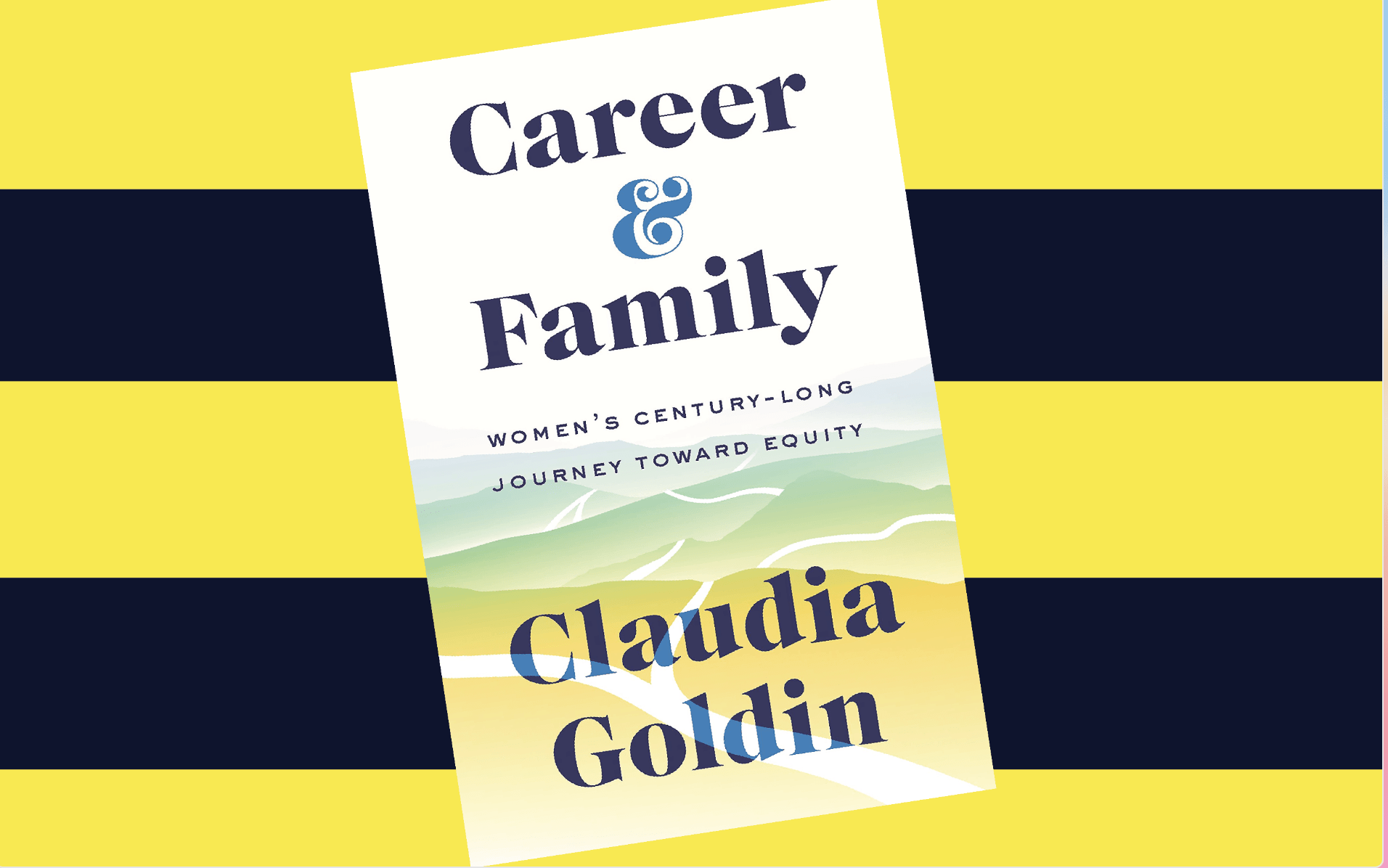
  • Claudia Goldin on Career and Family: Women’s Century-Long Journey toward Equity

    Claudia Goldin on Career and Family: Women’s Century-Long Journey toward Equity

    [fusion_builder_container hundred_percent=”no” equal_height_columns=”no” menu_anchor=”” hide_on_mobile=”small-visibility,medium-visibility,large-visibility” class=”” id=”” background_color=”” background_image=”” background_position=”center center” background_repeat=”no-repeat” fade=”no” background_parallax=”none” parallax_speed=”0.3″ video_mp4=”” video_webm=”” video_ogv=”” video_url=”” video_aspect_ratio=”16:9″ video_loop=”yes” video_mute=”yes” overlay_color=”” video_preview_image=”” border_color=”” border_style=”solid” padding_top=”” padding_bottom=”” padding_left=”” padding_right=”” type=”legacy”][fusion_builder_row][fusion_builder_column type=”1_1″ layout=”1_1″ background_position=”left top” background_color=”” border_color=”” border_style=”solid” border_position=”all” spacing=”yes” background_image=”” background_repeat=”no-repeat” padding_top=”” padding_right=”” padding_bottom=”” padding_left=”” margin_top=”0px” margin_bottom=”0px” class=”” id=”” animation_type=”” animation_speed=”0.3″ animation_direction=”left” hide_on_mobile=”small-visibility,medium-visibility,large-visibility” center_content=”no” last=”true” min_height=”” hover_type=”none” link=”” first=”true” border_sizes_top=”” border_sizes_bottom=”” border_sizes_left=”” border_sizes_right=””][fusion_text columns=”” column_min_width=”” column_spacing=”” rule_style=”” rule_size=”” rule_color=”” hue=”” saturation=”” lightness=”” alpha=”” content_alignment_medium=”” content_alignment_small=”” content_alignment=”” hide_on_mobile=”small-visibility,medium-visibility,large-visibility” sticky_display=”normal,sticky” class=”” id=”” margin_top=”” margin_right=”” margin_bottom=”” margin_left=”” fusion_font_family_text_font=”” fusion_font_variant_text_font=”” font_size=”” line_height=”” letter_spacing=”” text_transform=”none” text_color=”#0a0100″ animation_type=”” animation_direction=”left” animation_speed=”0.3″ animation_offset=””]

    Topic: Career and Family: Women’s Century-Long Journey toward Equity (Princeton University Press, Oct. 12 2021)

    GATE Faculty Research Fellow Professor Sonia Kang recently hosted a conversation with Dr. Claudia Goldin, Henry Lee Professor of Economics at Harvard University on Professor Goldin’s new book Career and Family: Women’s Century-Long Journey toward Equity. They had a lively discussion with the audience on the barriers women face and how we can move forward on the path to achieving gender equity. 

    Professor Goldin highlighted that gender inequity at home can produce gender inequality in society. A century ago, it was a given that a woman with a college degree had to choose between having a career and a family. Today, there are more female college graduates than ever before, and more women want to have a career and family, yet challenges persist at work and home.  

    One of the key barriers women face in eliminating the gender wage gap is ‘greedy work’, paying employees disproportionately more for long hours and weekend work. Greedy work is particularly prevalent in jobs where one gets tenure, partnerships, salary promotions, and more. Further, caregiving responsibilities still disproportionately fall on women.  Because of care responsibilities many working mothers opt for jobs with higher flexibility even though these jobs are less remunerative, thus widening the gender wage gap. This also propagates couple inequality as the male partner does ‘greedy work’ and has more financial reward. Not only does this give rise to a gender gap in earnings, but it also reinforces a couple’s inequity in terms of career and family. Professor Goldin highlighted that a potential solution and silver lining of COVID-19 has been the growth of remote and flexible work, which can greatly benefit working mothers.  

    “One edge of a silver lining to these dark times is that at least in the US, we have begun a national dialogue about caregiving […] Women in the US and Canada are almost half of the labor force. Our economies now run on women. Caregiving isn’t simply something we can brush aside.” 

    – Claudia Goldin 

    Watch Claudia Goldin discuss how we can move forward on the path to achieving gender equality

    [/fusion_text][fusion_separator style_type=”none” hide_on_mobile=”small-visibility,medium-visibility,large-visibility” class=”” id=”” sep_color=”” top_margin=”20″ bottom_margin=”20″ border_size=”” icon=”” icon_circle=”” icon_circle_color=”” width=”” alignment=”center” /][fusion_button link=”https://www.gendereconomy.org/events/” text_transform=”” title=”” target=”_blank” link_attributes=”” alignment=”” modal=”” hide_on_mobile=”small-visibility,medium-visibility,large-visibility” class=”” id=”” color=”custom” button_gradient_top_color=”#62bd19″ button_gradient_bottom_color=”#62bd19″ button_gradient_top_color_hover=”#00c2e2″ button_gradient_bottom_color_hover=”#00c2e2″ accent_color=”” accent_hover_color=”” type=”” bevel_color=”” size=”” stretch=”yes” icon=”” icon_position=”left” icon_divider=”no” animation_type=”” animation_direction=”left” animation_speed=”0.3″ animation_offset=””]See more events[/fusion_button][/fusion_builder_column][/fusion_builder_row][/fusion_builder_container]
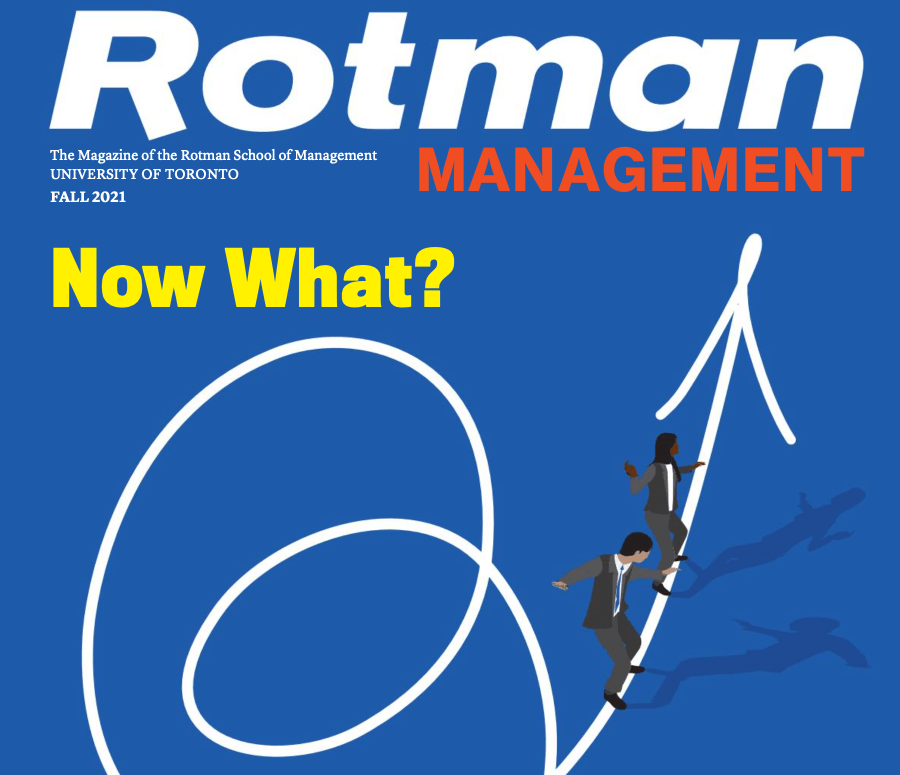
  • Creating an Economy (and Society) of Care

    Creating an Economy (and Society) of Care

    [fusion_builder_container type=”flex” hundred_percent=”no” equal_height_columns=”no” menu_anchor=”” hide_on_mobile=”small-visibility,medium-visibility,large-visibility” class=”” id=”” background_color=”” background_image=”” background_position=”center center” background_repeat=”no-repeat” fade=”no” background_parallax=”none” parallax_speed=”0.3″ video_mp4=”” video_webm=”” video_ogv=”” video_url=”” video_aspect_ratio=”16:9″ video_loop=”yes” video_mute=”yes” overlay_color=”” video_preview_image=”” border_color=”” border_style=”solid” padding_top=”” padding_bottom=”” padding_left=”” padding_right=””][fusion_builder_row][fusion_builder_column type=”1_1″ layout=”1_1″ background_position=”left top” background_color=”” border_color=”” border_style=”solid” border_position=”all” spacing=”yes” background_image=”” background_repeat=”no-repeat” padding_top=”” padding_right=”” padding_bottom=”” padding_left=”” margin_top=”0px” margin_bottom=”0px” class=”” id=”” animation_type=”” animation_speed=”0.3″ animation_direction=”left” hide_on_mobile=”small-visibility,medium-visibility,large-visibility” center_content=”no” last=”true” min_height=”” hover_type=”none” link=”” border_sizes_top=”” border_sizes_bottom=”” border_sizes_left=”” border_sizes_right=”” first=”true”][fusion_text columns=”” column_min_width=”” column_spacing=”” rule_style=”” rule_size=”” rule_color=”” hue=”” saturation=”” lightness=”” alpha=”” content_alignment_medium=”” content_alignment_small=”” content_alignment=”” hide_on_mobile=”small-visibility,medium-visibility,large-visibility” sticky_display=”normal,sticky” class=”” id=”” margin_top=”” margin_right=”” margin_bottom=”” margin_left=”” fusion_font_family_text_font=”” fusion_font_variant_text_font=”” font_size=”” line_height=”” letter_spacing=”” text_transform=”none” text_color=”” animation_type=”” animation_direction=”left” animation_speed=”0.3″ animation_offset=””]

    The Recovery Policies We Need

    Author: Carmina Ravanera 

    This past year has shown us that we have a window of possibility to not simply recover from this pandemic, but transform our society and economy to prioritize care and community. Not long after COVID-19 struck, it became clear that it would not affect people across Canada equally. Women; Two-Spirit and gender-diverse people; Black, Indigenous and racialized communities; those experiencing low income; immigrants; and people with disabilities have all faced the brunt of both economic downturn and health risks. Just three months after the pandemic began, in the summer of 2020, the participation rate of women in the Canadian labour force had returned to what it was in the 1980s. When schools and childcare facilities closed, many women — who disproportionately take on unpaid caregiving — left their jobs to look after their families. The increased burden of care work during the pandemic led them to either cut their paid work hours or drop out of the workforce completely.

    Read the full article here.

    [/fusion_text][/fusion_builder_column][/fusion_builder_row][/fusion_builder_container]

  • Feminist City 3.0

    Feminist City 3.0

    [fusion_builder_container hundred_percent=”no” equal_height_columns=”no” hide_on_mobile=”small-visibility,medium-visibility,large-visibility” background_position=”center center” background_repeat=”no-repeat” fade=”no” background_parallax=”none” parallax_speed=”0.3″ video_aspect_ratio=”16:9″ video_loop=”yes” video_mute=”yes” border_style=”solid” type=”legacy”][fusion_builder_row][fusion_builder_column type=”1_1″ layout=”1_1″ background_position=”left top” background_color=”” border_color=”” border_style=”solid” border_position=”all” spacing=”yes” background_image=”” background_repeat=”no-repeat” padding_top=”” padding_right=”” padding_bottom=”” padding_left=”” margin_top=”0px” margin_bottom=”0px” class=”” id=”” animation_type=”” animation_speed=”0.3″ animation_direction=”left” hide_on_mobile=”small-visibility,medium-visibility,large-visibility” center_content=”no” last=”true” min_height=”” hover_type=”none” link=”” first=”true” border_sizes_top=”” border_sizes_bottom=”” border_sizes_left=”” border_sizes_right=””][fusion_text columns=”” column_min_width=”” column_spacing=”” rule_style=”default” rule_size=”” rule_color=”” hue=”” saturation=”” lightness=”” alpha=”” content_alignment_medium=”” content_alignment_small=”” content_alignment=”” hide_on_mobile=”small-visibility,medium-visibility,large-visibility” sticky_display=”normal,sticky” class=”” id=”” margin_top=”” margin_right=”” margin_bottom=”” margin_left=”” fusion_font_family_text_font=”” fusion_font_variant_text_font=”” font_size=”” line_height=”” letter_spacing=”” text_transform=”none” text_color=”” animation_type=”” animation_direction=”left” animation_speed=”0.3″ animation_offset=””]

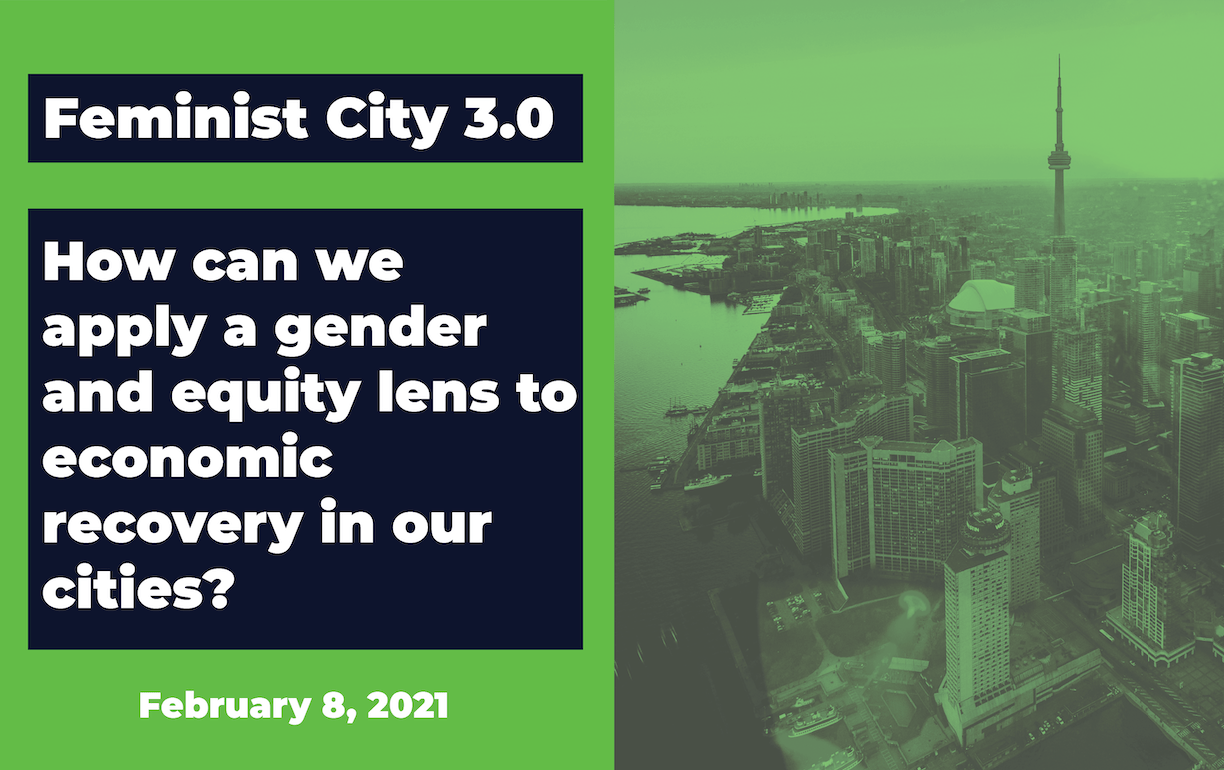
    Topic: Feminist City 3.0: How can we apply a gender and equity lens to economic recovery in our cities?

    Wanting to further explore questions of gender and equity in the economic recovery of our cities, GATE along with the University of Toronto’s School of Cities, co-hosted the third event in the popular Feminist City series.

    COVID-19 has exacerbated many pre-existing problems in society such as poverty, lack of affordable housing, and unemployment. As a result, the pandemic has highlighted intersecting crises related to homelessness, mental health, and physical safety in our cities. We discussed these problems with Brittany Andrew-Amofah, Manager, Policy & Research, Federation of Canadian Municipalities, Jasmine Ramze Rezaee, Director of Advocacy & Communications at YWCA Toronto, Dr. Suzanne Stewart, Director of the Waakebiness-Bryce Institute for Indigenous Health at the Dalla Lana School of Public Health at the University of Toronto (U of T), where she is an Associate Professor in the Division of Social and Behaviour Health Sciences.

    They highlighted some key issues that will be important to consider as cities recover from the pandemic:

    • The homelessness and housing crisis is not equally experienced and disproportionately affects those from low-income locations.
    • In Toronto, approximately 30-40% of the homeless population is Indigenous with a large portion being women.
    • Mental health services are often inaccessible to those from low-income backgrounds and are underfunded.
    • Care work is systemically undervalued in our societies, despite research showing how vital care work is for our economy. As a result, people are leaving the care economy workforce in large numbers.

    “A fair and just economic recovery involves a green recovery, a feminist recovery, and an economic recovery that looks at the needs of various municipalities across the country. We need to ensure that we incorporate good urban planning policies into the cities we build and re-build”

    – Brittany Andrew-Amofah

    Watch our panel of experts discuss what it means to ‘build back better’, essential workers, and mental health.

    [/fusion_text][fusion_separator style_type=”none” hide_on_mobile=”small-visibility,medium-visibility,large-visibility” class=”” id=”” sep_color=”” top_margin=”20″ bottom_margin=”20″ border_size=”” icon=”” icon_circle=”” icon_circle_color=”” width=”” alignment=”center” /][fusion_button link=”https://www.gendereconomy.org/events/” text_transform=”” title=”” target=”_blank” link_attributes=”” alignment=”” modal=”” hide_on_mobile=”small-visibility,medium-visibility,large-visibility” class=”” id=”” color=”custom” button_gradient_top_color=”#62bd19″ button_gradient_bottom_color=”#62bd19″ button_gradient_top_color_hover=”#00c2e2″ button_gradient_bottom_color_hover=”#00c2e2″ accent_color=”” accent_hover_color=”” type=”” bevel_color=”” size=”” stretch=”yes” icon=”” icon_position=”left” icon_divider=”no” animation_type=”” animation_direction=”left” animation_speed=”0.3″ animation_offset=””]See more events[/fusion_button][/fusion_builder_column][/fusion_builder_row][/fusion_builder_container]
  • “Gender inequality is one of the top issues we have to solve” — LinkedIn’s Jonathan Lister on his support of GATE

    “Gender inequality is one of the top issues we have to solve” — LinkedIn’s Jonathan Lister on his support of GATE

    [fusion_builder_container hundred_percent=”no” equal_height_columns=”no” menu_anchor=”” hide_on_mobile=”small-visibility,medium-visibility,large-visibility” class=”” id=”” background_color=”” background_image=”” background_position=”center center” background_repeat=”no-repeat” fade=”no” background_parallax=”none” parallax_speed=”0.3″ video_mp4=”” video_webm=”” video_ogv=”” video_url=”” video_aspect_ratio=”16:9″ video_loop=”yes” video_mute=”yes” overlay_color=”” video_preview_image=”” border_color=”” border_style=”solid” padding_top=”” padding_bottom=”” padding_left=”” padding_right=”” type=”legacy”][fusion_builder_row][fusion_builder_column type=”3_4″ layout=”1_1″ background_position=”left top” background_color=”” border_color=”” border_style=”solid” border_position=”all” spacing=”yes” background_image=”” background_repeat=”no-repeat” padding_top=”” padding_right=”” padding_bottom=”” padding_left=”” margin_top=”0px” margin_bottom=”0px” class=”” id=”” animation_type=”” animation_speed=”0.3″ animation_direction=”left” hide_on_mobile=”small-visibility,medium-visibility,large-visibility” center_content=”no” last=”false” min_height=”” hover_type=”none” link=”” border_sizes_top=”” border_sizes_bottom=”” border_sizes_left=”” border_sizes_right=”” first=”true” spacing_right=”3%”][fusion_text columns=”” column_min_width=”” column_spacing=”” rule_style=”default” rule_size=”” rule_color=”” content_alignment_medium=”” content_alignment_small=”” content_alignment=”” hide_on_mobile=”small-visibility,medium-visibility,large-visibility” sticky_display=”normal,sticky” class=”” id=”” margin_top=”” margin_right=”” margin_bottom=”” margin_left=”” font_size=”” fusion_font_family_text_font=”” fusion_font_variant_text_font=”” line_height=”” letter_spacing=”” text_transform=”none” text_color=”” animation_type=”” animation_direction=”left” animation_speed=”0.3″ animation_offset=””]

    The proud Rotman graduate and current VP of Global Sales Solutions at LinkedIn sat down with us to discuss diversity, inclusion and belonging.

    About eight years ago, Jonathan Lister (MBA ’00), took a look around his LinkedIn office and realized a very homogenous group of people was running the company. “People who looked like me,” he says.

    The realization set Lister on a journey to rethink inclusion and belonging. Along the way, he became a supporter of the Institute for Gender and the Economy (GATE), which promotes an understanding of gender inequalities and how they can be remedied in the world of business.

    Why did you start supporting GATE?

    I lead a team of about 1,000 people, and equality in the workplace is becoming a central issue for me. Not only is it economically the right thing to do and for sound business reasons — it’s good to have diverse and inclusive teams — more importantly, it’s the right thing to do. It’s not OK for people at work to feel marginalized or excluded from large and core functions.

    I had been looking for ways to give back to the Rotman community for a number of years, and I wanted to do this in a way that aligned with how I feel about business and my personal goals. I was thrilled when I found GATE — the Institute is doing high-quality and groundbreaking primary research into gender inequality, and this is a problem I’m looking to help solve. It’s hands-down one of the top issues we have to solve in all business and commerce. The fact that business schools like Rotman are getting behind it is a huge step.

    How has your involvement with GATE influenced your leadership at LinkedIn?

    Although I’ve been focused on gender equality and diversity my entire time as a leader and, increasingly, for the past five or six years at LinkedIn, getting involved with GATE helped clarify my thinking in a few different ways.

    First, it increased the urgency that I feel to build a more inclusive culture. Second, I’ve found GATE’s research on inequality and important issues like parental leave and work-life balance — as well as the wealth of data they brought to bear on the scope of these challenges — super helpful. And finally, I find it very inspirational to know that a team of very talented people is working on these important issues.

    portrait of Jonathan Lister
    Jonathan Lister, MBA ’00

    What are some of the ways you and the team at LinkedIn have been able to advance diversity, inclusion and belonging?

    At LinkedIn we think about this all the time. It’s a priority — and we only have a handful of priorities at LinkedIn. Diversity is high on that list for a couple of reasons.

    First, as a platform LinkedIn’s vision was to create economic productivity for every professional in the world — and increasingly we are very focused on the word “every.” So that means we have to think about how to create diversity and inclusion in the platform itself. We want to be a company that not just builds a more inclusive workforce, but one that influences the entire economy and the entire workforce to be more diverse. We can help demonstrate the benefits of inclusion and diversity and build that into how companies work.

    One of the ways we’ve been trying to do that over the years is by putting all our frontline managers through inclusive leadership training. And of course, making sure we have a diverse workforce. We’re reasonably good at hiring diverse employees at this point. These days we don’t proceed with a hire until we have a diverse slate of both interviewers and candidates. And once we’ve made the hire, we focus on retention. We have a very robust ERC community — Employee Resource Group — that’s very diverse, from sexual orientation to cultural background. So we spend a lot of time focused on our highest potential diverse employees to make sure they have what they need to be successful.

    How has the COVID-19 pandemic affected the work you are doing in this area?

    It created a sense of urgency. Women, care workers, and underrepresented workers are feeling the pain of COVID disproportionately. We have been learning during the past year and a half. We’re attempting to ease that burden. For example, we’ve been quite successful at getting a greater proportion of men to take parental leaves. It’s been gratifying to watch men celebrate the fact that they got to take a longer parental leave and be with their families instead of not taking a leave, or taking as little time off as possible. It seems like a long overdue and super important cultural shift.

    We’re also trying to anticipate and prepare for an eventual return to work where some staff — women principally — will have to continue to care for children or parents. That will be quite challenging for a lot of people, so we’re trying to be mindful about it and setting some governance around it.

    GATE is focused not only on gender equality, but also its intersection with race, sexual orientation, indigeneity, ethnic origin, disability, socioeconomic status and other identities. Can you speak to the value of this broad approach?

    One of the things we’ve learned as leaders through COVID-19 is that there are dominant groups and non-dominant groups, historically speaking. And we’re starting to give a voice to a lot of the non-dominant groups. Whether it’s based on sexual orientation, ethnic origin or gender, there is now — increasingly, and of course, imperfectly — an opportunity to give a voice to those groups that were traditionally non-dominant. And that’s what needs to be happening right now.

    It’s challenging but important work, so we have to give people a voice, which is what we’re trying to do at LinkedIn, both inside the company and outside. And what I think is really fascinating and positive is that we’re also starting to see the intersection of professional and personal topics, where even a couple of years ago it was not okay, or even permissible in some cases, to talk about topics that were not considered professional on a platform like LinkedIn. And what we’ve seen over the last 18 months is — what we’ve encouraged, really — is the blending of these topics. Because of course it’s about being able to show up as an authentic person at work and do your best work without having to cover for the many things you may have felt before you needed to cover for. I think it’s a very positive trend, and we’re trying to accelerate it while keeping the conversations constructive.

    What do you hope GATE will be able to help achieve for the business/tech community?

    There is an opportunity to get more leverage by overlaying or mapping GATE’s research onto other research inside the tech community. The research that GATE has done around STEM and gender inequality inside the STEM community will be particularly useful to get past the surface and find the right solutions. This is important work, and it’s continuing to create momentum. There’s a tailwind right now to a lot of these issues, which means they’re improving faster than they did in the past, although of course much work remains to be done, and GATE is a key part of that.

    Learn more about supporting GATE

    __________________________

    Originally published by the University of Toronto’s Rotman School of Management.

    [/fusion_text][fusion_separator style_type=”none” hide_on_mobile=”small-visibility,medium-visibility,large-visibility” sticky_display=”normal,sticky” class=”” id=”” flex_grow=”0″ top_margin=”10″ bottom_margin=”10″ width=”” alignment=”center” border_size=”” sep_color=”” icon=”” icon_size=”” icon_color=”” icon_circle=”” icon_circle_color=”” /][/fusion_builder_column][fusion_builder_column type=”1_4″ layout=”1_4″ align_self=”auto” content_layout=”column” align_content=”flex-start” content_wrap=”wrap” spacing=”” center_content=”no” link=”” target=”_self” min_height=”” hide_on_mobile=”small-visibility,medium-visibility,large-visibility” sticky_display=”normal,sticky” class=”” id=”” type_medium=”” type_small=”” order_medium=”0″ order_small=”0″ dimension_spacing_medium=”” dimension_spacing_small=”” dimension_spacing=”” dimension_margin_medium=”” dimension_margin_small=”” margin_top=”” margin_bottom=”” padding_medium=”” padding_small=”” padding_top=”” padding_right=”” padding_bottom=”” padding_left=”” hover_type=”none” border_sizes=”” border_color=”” border_style=”solid” border_radius=”” box_shadow=”no” dimension_box_shadow=”” box_shadow_blur=”0″ box_shadow_spread=”0″ box_shadow_color=”” box_shadow_style=”” background_type=”single” gradient_start_color=”” gradient_end_color=”” gradient_start_position=”0″ gradient_end_position=”100″ gradient_type=”linear” radial_direction=”center center” linear_angle=”180″ background_color=”” background_image=”” background_image_id=”” background_position=”left top” background_repeat=”no-repeat” background_blend_mode=”none” animation_type=”” animation_direction=”left” animation_speed=”0.3″ animation_offset=”” filter_type=”regular” filter_hue=”0″ filter_saturation=”100″ filter_brightness=”100″ filter_contrast=”100″ filter_invert=”0″ filter_sepia=”0″ filter_opacity=”100″ filter_blur=”0″ filter_hue_hover=”0″ filter_saturation_hover=”100″ filter_brightness_hover=”100″ filter_contrast_hover=”100″ filter_invert_hover=”0″ filter_sepia_hover=”0″ filter_opacity_hover=”100″ filter_blur_hover=”0″ last=”true” border_position=”all” first=”false” spacing_left=”1%”][fusion_text columns=”” column_min_width=”” column_spacing=”” rule_style=”default” rule_size=”” rule_color=”” content_alignment_medium=”” content_alignment_small=”” content_alignment=”” hide_on_mobile=”small-visibility,medium-visibility,large-visibility” sticky_display=”normal,sticky” class=”” id=”” margin_top=”” margin_right=”” margin_bottom=”” margin_left=”” font_size=”” fusion_font_family_text_font=”” fusion_font_variant_text_font=”” line_height=”” letter_spacing=”” text_transform=”none” text_color=”” animation_type=”” animation_direction=”left” animation_speed=”0.3″ animation_offset=””][/fusion_text][fusion_widget_area name=”avada-blog-sidebar” title_size=”” title_color=”” background_color=”” padding_top=”” padding_right=”” padding_bottom=”” padding_left=”” hide_on_mobile=”small-visibility,medium-visibility,large-visibility” class=”” id=”” /][/fusion_builder_column][/fusion_builder_row][/fusion_builder_container][fusion_builder_container type=”flex” hundred_percent=”no” hundred_percent_height=”no” min_height=”” hundred_percent_height_scroll=”no” align_content=”stretch” flex_align_items=”flex-start” flex_justify_content=”flex-start” flex_column_spacing=”” hundred_percent_height_center_content=”yes” equal_height_columns=”no” container_tag=”div” menu_anchor=”” hide_on_mobile=”small-visibility,medium-visibility,large-visibility” status=”published” publish_date=”” class=”” id=”” link_color=”” link_hover_color=”” border_sizes=”” border_sizes_top=”” border_sizes_right=”” border_sizes_bottom=”” border_sizes_left=”” border_color=”” border_style=”solid” spacing_medium=”” margin_top_medium=”” margin_bottom_medium=”” spacing_small=”” margin_top_small=”” margin_bottom_small=”” margin_top=”” margin_bottom=”” padding_dimensions_medium=”” padding_top_medium=”” padding_right_medium=”” padding_bottom_medium=”” padding_left_medium=”” padding_dimensions_small=”” padding_top_small=”” padding_right_small=”” padding_bottom_small=”” padding_left_small=”” padding_top=”” padding_right=”” padding_bottom=”” padding_left=”” box_shadow=”no” box_shadow_vertical=”” box_shadow_horizontal=”” box_shadow_blur=”0″ box_shadow_spread=”0″ box_shadow_color=”” box_shadow_style=”” z_index=”” overflow=”” gradient_start_color=”” gradient_end_color=”” gradient_start_position=”0″ gradient_end_position=”100″ gradient_type=”linear” radial_direction=”center center” linear_angle=”180″ background_color=”” background_image=”” background_position=”center center” background_repeat=”no-repeat” fade=”no” background_parallax=”none” enable_mobile=”no” parallax_speed=”0.3″ background_blend_mode=”none” video_mp4=”” video_webm=”” video_ogv=”” video_url=”” video_aspect_ratio=”16:9″ video_loop=”yes” video_mute=”yes” video_preview_image=”” absolute=”off” absolute_devices=”small,medium,large” sticky=”off” sticky_devices=”small-visibility,medium-visibility,large-visibility” sticky_background_color=”” sticky_height=”” sticky_offset=”” sticky_transition_offset=”0″ scroll_offset=”0″ animation_type=”” animation_direction=”left” animation_speed=”0.3″ animation_offset=”” filter_hue=”0″ filter_saturation=”100″ filter_brightness=”100″ filter_contrast=”100″ filter_invert=”0″ filter_sepia=”0″ filter_opacity=”100″ filter_blur=”0″ filter_hue_hover=”0″ filter_saturation_hover=”100″ filter_brightness_hover=”100″ filter_contrast_hover=”100″ filter_invert_hover=”0″ filter_sepia_hover=”0″ filter_opacity_hover=”100″ filter_blur_hover=”0″][fusion_builder_row][/fusion_builder_row][/fusion_builder_container]