Tag: Careers+jobs

Research briefs, news, and event recaps related to careers and jobs.

  • What exactly is sponsorship in business?

    What exactly is sponsorship in business?

    Men are 50% more likely to attribute their advancement to the support of a senior leader than women are. Yet, 80% of companies lack a formal sponsorship program.

    High potential women are over mentored and under sponsored. But what is sponsorship?

    In this video, Rotman MBA Student Fellow, Ria Dutta, interviews several practitioners, academics, and activists from organizations such as Catalyst Canada; the University of Toronto; the Bank of Montreal; and McKinsey & Company, about sponsorship in business and how it’s different from mentorship.

    About this video: 

    This video series was supported by the Institute for Gender and the Economy (GATE) as part of the MBA Student Fellows program, which seeks to engage students in advancing the agenda on gender equality.

    Disclaimer: This video series was prepared by Ria Dutta, and the opinions expressed in this series do not necessarily reflect the views of the Institute for Gender and the Economy or the University of Toronto.

    Stay tuned this fall for the full series and subscribe to our Youtube channel for more content like this.
  • How occupations become gendered: A look at microfinance

    How occupations become gendered: A look at microfinance

    [fusion_builder_container admin_label=”” hundred_percent=”no” equal_height_columns=”no” menu_anchor=”” hide_on_mobile=”small-visibility,medium-visibility,large-visibility” class=”” id=”” background_color=”” background_image=”” background_position=”center center” background_repeat=”no-repeat” fade=”no” background_parallax=”none” enable_mobile=”no” parallax_speed=”0.3″ video_mp4=”” video_webm=”” video_ogv=”” video_url=”” video_aspect_ratio=”16:9″ video_loop=”yes” video_mute=”yes” video_preview_image=”” border_size=”” border_color=”” border_style=”solid” margin_top=”20″ margin_bottom=”” padding_top=”” padding_right=”” padding_bottom=”” padding_left=””][fusion_builder_row][fusion_builder_column type=”3_4″ layout=”3_4″ spacing=”” center_content=”no” hover_type=”none” link=”” min_height=”” hide_on_mobile=”small-visibility,medium-visibility,large-visibility” class=”” id=”” background_color=”” background_image=”” background_position=”left top” background_repeat=”no-repeat” border_size=”0″ border_color=”” border_style=”solid” border_position=”all” padding_top=”” padding_right=”” padding_bottom=”” padding_left=”” dimension_margin=”” animation_type=”” animation_direction=”left” animation_speed=”0.3″ animation_offset=”” last=”no”][fusion_text columns=”” column_min_width=”” column_spacing=”” rule_style=”default” rule_size=”” rule_color=”” class=”” id=””]

    Summary

    How do occupations become gender stereotyped? This study provides empirical evidence that the gender of the initial person filling an otherwise gender-neutral role, has lasting consequences for how that role is subsequently perceived. By examining the role of loan manager in a microfinance bank, the study finds that when a woman initially fills the role of loan manager for a given borrower, that borrower subsequently regards that role as a “lower-status” position, regardless of whether they deal with male or female loan managers in the future. This study thus demonstrates how quickly beliefs about gender can be inscribed into occupational roles, and furthermore, the negative consequences this phenomenon has for women’s authority in the workplace.

    Research

    There is a general consensus in managerial and sociological research that certain occupations are gendered. For example, public relations, nursing, and teaching are considered “female-gendered” occupations, whereas stock trading, engineering, and construction are considered “male-gendered” occupations.  In addition, research suggests that women are perceived as less authoritative than men in work contexts.

    The present study brings these two lines of inquiry (gendered occupations and authority) together in order to ask how the gendering of occupational roles affects women’s authority on the job.

    Using a unique dataset of loan histories from a Central American microfinance bank, the authors focus on the ‘gender-neutral” occupational role of loan manager. This role is initially gender-neutral because on average, men and women fill it equally, and although financial institutions tend to be gender-typed as male, microfinance institutions have a legacy of providing social services to the poor, a stereotypically feminine task.

    In the study, the authors track the gender of the initial loan manager that a given borrower is assigned to. However, because it is common for borrowers to be transferred to other loan managers (for example, to balance out caseloads, or because the initial manager resigns), the authors also track the gender of subsequent managers that a borrower is assigned to. This is done in order to assess whether the likelihood of defaulting on a loan varies by the gender of the loan manager. In addition to tracking gender, a host of other relevant factors are accounted for, such as the borrowers’ household income, debt, and previous borrowing experience.

    Tracing these conditions allow the authors to examine how the job of loan manager becomes gendered, and how this affects the perceived authority of men and women occupying this role.

    Findings: The nexus between gender and authority

    First, borrowers are less compliant overall with female loan managers than with male managers. Specifically, borrowers have a 13.6 percent probability of missing a payment when initially paired with a male loan manager, and an 18.5 percent probability when paired with a woman.

    Second, this behaviour persists over time, resulting in a gendered perception of the loan manager role. Borrowers are more likely to default on payments with subsequent managers, regardless of their gender, when their initial manager was female. For example, those who were initially paired with a female loan manager have a 24.7 percent probability of defaulting on monthly payments. By contrast, borrowers initially paired with a male loan manager have an 18.8 percent probability of default. This means that men who step into roles that were initially filled by women also experience a decrease in their workplace authority.

    That said, it is when subsequent loan managers are female that the greatest rates of noncompliance are found: borrowers originally paired with male managers have a greater probability (22.1 percent) of defaulting when they are subsequently assigned to female loan managers than with male managers (15.5 percent).This has implications for the authority conferred on loan managers stepping into roles previously held by men versus women.

    Men stepping into male-typed roles experience the highest rates of compliance, however, men stepping into female-typed roles, and women stepping into male or female-typed roles, all experience lower rates of compliance.

    In sum, those borrowers initially assigned to men go on to treat subsequent male loan managers with more authority. On the other hand, those who were initially assigned a female loan manager are less compliant and more likely to default on loan payments.

    Implications

    • Performance – The authority conferred upon men and women in the workplace (and lack thereof) is often caused by reasons beyond their control. This has negative repercussions for their performance (for example, in the present study it is harder for loan managers stepping into female-typed roles to get borrowers to comply with the terms of their loan). Management should factor in gender biases when reviewing employees’ performance.
    • Occupational bias – In addition to attending to the role of gender bias, management should be aware of biases associated with occupational roles that are gender-typed female, as even men in such roles may face negative repercussions in their performance.

    [/fusion_text][fusion_separator style_type=”none” hide_on_mobile=”small-visibility,medium-visibility,large-visibility” class=”” id=”” sep_color=”” top_margin=”20″ bottom_margin=”20″ border_size=”” icon=”” icon_circle=”” icon_circle_color=”” width=”” alignment=”center” /][fusion_button link=”https://www.gendereconomy.org/research-briefs/” text_transform=”” title=”” target=”_blank” link_attributes=”” alignment=”” modal=”” hide_on_mobile=”small-visibility,medium-visibility,large-visibility” class=”” id=”” color=”custom” button_gradient_top_color=”#62bd19″ button_gradient_bottom_color=”#62bd19″ button_gradient_top_color_hover=”#00c2e2″ button_gradient_bottom_color_hover=”#00c2e2″ accent_color=”” accent_hover_color=”” type=”” bevel_color=”” border_width=”” size=”” stretch=”yes” shape=”” icon=”” icon_position=”left” icon_divider=”no” animation_type=”” animation_direction=”left” animation_speed=”0.3″ animation_offset=””]See more research briefs[/fusion_button][fusion_separator style_type=”none” hide_on_mobile=”small-visibility,medium-visibility,large-visibility” class=”” id=”” sep_color=”” top_margin=”20″ bottom_margin=”20″ border_size=”” icon=”” icon_circle=”” icon_circle_color=”” width=”” alignment=”center” /][fusion_recent_posts layout=”default” hover_type=”none” columns=”3″ number_posts=”3″ offset=”0″ pull_by=”category” cat_slug=”research-briefs” exclude_cats=”” tag_slug=”” exclude_tags=”” thumbnail=”yes” title=”yes” meta=”no” meta_author=”no” meta_categories=”no” meta_date=”yes” meta_comments=”yes” meta_tags=”no” content_alignment=”” excerpt=”no” excerpt_length=”35″ strip_html=”yes” scrolling=”no” hide_on_mobile=”small-visibility,medium-visibility,large-visibility” class=”” id=”” animation_type=”” animation_direction=”left” animation_speed=”0.3″ animation_offset=”” /][/fusion_builder_column][fusion_builder_column type=”1_4″ layout=”1_4″ spacing=”” center_content=”no” hover_type=”none” link=”” min_height=”” hide_on_mobile=”small-visibility,medium-visibility,large-visibility” class=”” id=”” background_color=”” background_image=”” background_position=”left top” background_repeat=”no-repeat” border_size=”0″ border_color=”” border_style=”solid” border_position=”all” padding_top=”” padding_right=”” padding_bottom=”” padding_left=”” dimension_margin=”” animation_type=”” animation_direction=”left” animation_speed=”0.3″ animation_offset=”” last=”no”][fusion_title margin_top=”” margin_bottom=”” hide_on_mobile=”small-visibility,medium-visibility,large-visibility” class=”briefsummary” id=”” size=”3″ content_align=”left” style_type=”none” sep_color=””]

    Title

    The Effects of Gendered Occupational Roles on Men’s and Women’s Workplace Authority: Evidence from Microfinance

    Authors

    Laura Doering and Sarah Thébaud

    Institutions

    University of Toronto; University of California, Santa Barbara

    Source

    American Sociological Review

    Published

    June 2017

    Link

    http://journals.sagepub.com/doi/full/10.1177/0003122417703087

    Research brief prepared by

    Kim De Laat[/fusion_title][fusion_widget_area name=”avada-custom-sidebar-researchbriefsidebar” title_size=”” title_color=”” background_color=”” padding_top=”” padding_right=”” padding_bottom=”” padding_left=”” hide_on_mobile=”small-visibility,medium-visibility,large-visibility” class=”” id=”” /][/fusion_builder_column][/fusion_builder_row][/fusion_builder_container]


  • VIEW to the U: Sonia Kang on Diversity and Inclusion in the Workplace

    VIEW to the U: Sonia Kang on Diversity and Inclusion in the Workplace

    On this edition of the VIEW to the U podcast, Professor Sonia Kang charts her research path in the Department of Management within the Institute for Management and Innovation at the University of Toronto Mississauga.

    She discusses her broad program of research that touches on several areas, including managing multiple identities, résumé whitening, the psychological foundations of discrimination, and the effects of stigma and stereotyping and their connection to age, race, gender and also a new line of inquiry looking at the stigma of mental health.

    Kang also provides some advice and best practices to future academics on navigating academia.


    To learn more about Kang’s work on hiring discrimination, check out this research brief.
  • Women in STEM: A panel discussion

    Women in STEM: A panel discussion

    [fusion_builder_container hundred_percent=”no” equal_height_columns=”no” menu_anchor=”” hide_on_mobile=”small-visibility,medium-visibility,large-visibility” class=”” id=”” background_color=”” background_image=”” background_position=”center center” background_repeat=”no-repeat” fade=”no” background_parallax=”none” parallax_speed=”0.3″ video_mp4=”” video_webm=”” video_ogv=”” video_url=”” video_aspect_ratio=”16:9″ video_loop=”yes” video_mute=”yes” overlay_color=”” video_preview_image=”” border_color=”” border_style=”solid” padding_top=”” padding_bottom=”” padding_left=”” padding_right=”” type=”legacy”][fusion_builder_row][fusion_builder_column type=”1_1″ layout=”1_1″ background_position=”left top” background_color=”” border_color=”” border_style=”solid” border_position=”all” spacing=”yes” background_image=”” background_repeat=”no-repeat” padding_top=”” padding_right=”” padding_bottom=”” padding_left=”” margin_top=”0px” margin_bottom=”0px” class=”” id=”” animation_type=”” animation_speed=”0.3″ animation_direction=”left” hide_on_mobile=”small-visibility,medium-visibility,large-visibility” center_content=”no” last=”true” min_height=”” hover_type=”none” link=”” border_sizes_top=”” border_sizes_bottom=”” border_sizes_left=”” border_sizes_right=”” first=”true”][fusion_text columns=”” column_min_width=”” column_spacing=”” rule_style=”” rule_size=”” rule_color=”” hue=”” saturation=”” lightness=”” alpha=”” content_alignment_medium=”” content_alignment_small=”” content_alignment=”” hide_on_mobile=”small-visibility,medium-visibility,large-visibility” sticky_display=”normal,sticky” class=”” id=”” margin_top=”” margin_right=”” margin_bottom=”” margin_left=”” fusion_font_family_text_font=”” fusion_font_variant_text_font=”” font_size=”” line_height=”” letter_spacing=”” text_transform=”” text_color=”” animation_type=”” animation_direction=”left” animation_color=”” animation_speed=”0.3″ animation_delay=”0″ animation_offset=”” logics=””]“The reason we keep coming back to tech…is because it has the highest chance of disrupting corporate cultures.”

    Data gathered by Project Include indicates that men still outnumber women in a majority of tech companies, particularly in leadership and management roles, by as much as 70%. Although the call to include women and girls in STEM fields has been heard for many years now, more steps are clearly needed to make a significant difference.

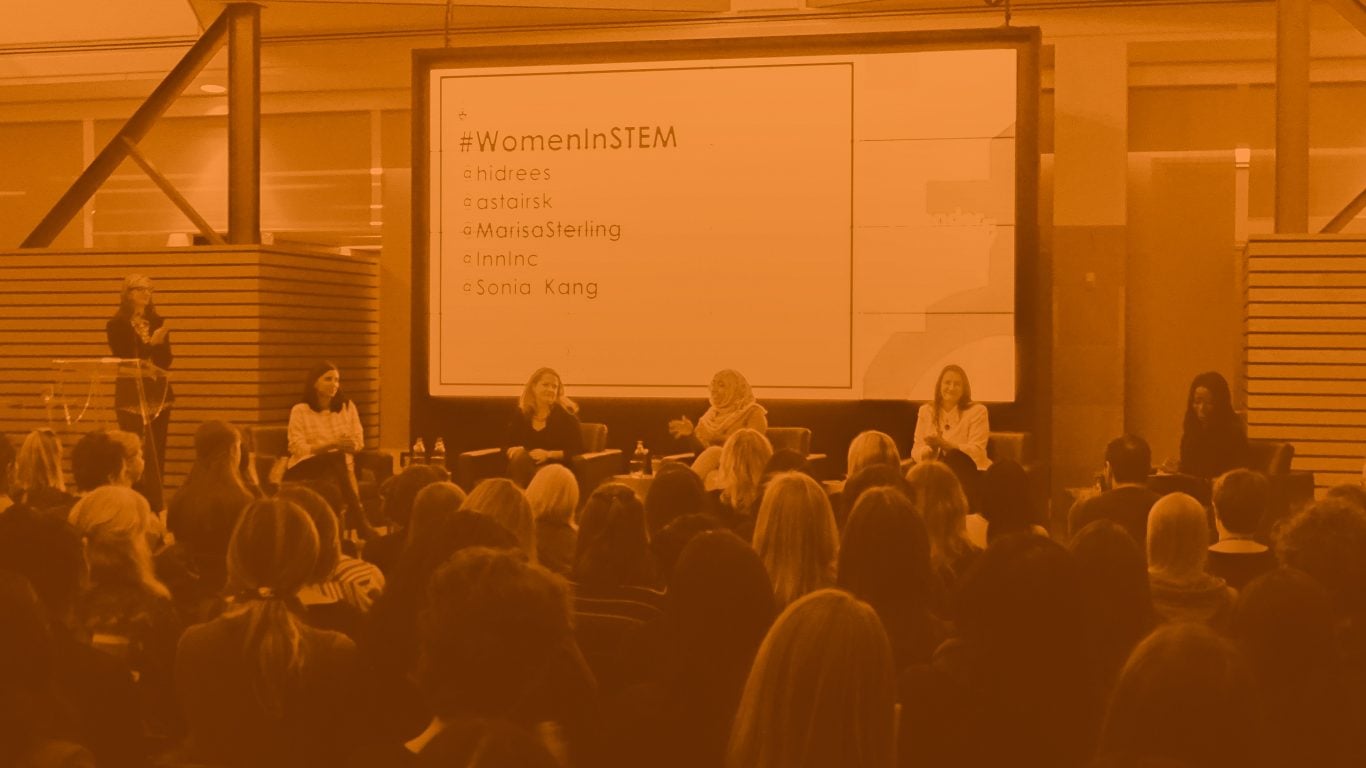
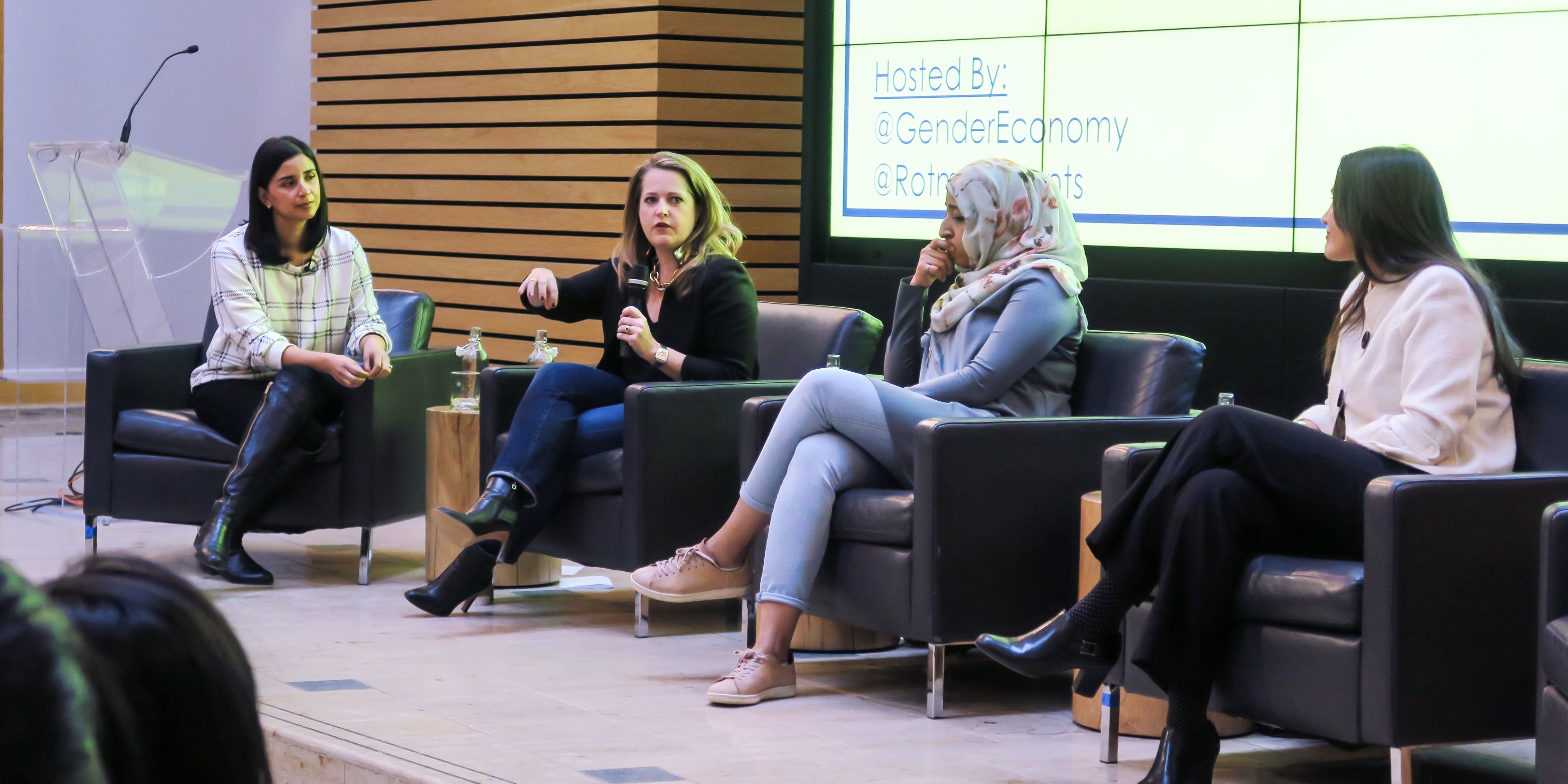
    At our event, “Women in STEM: A Panel Discussion,” we outlined what progress has been made in increasing diversity in STEM fields, and what work still needs to be done. This event was moderated by Sonia Kang, Assistant Professor of Organizational Behaviour and Human Resource Management at Rotman, and featured panelists Huda Idrees, Founder and CEO of Dot Health; Andrea Stairs, CEO of eBay Canada; Marisa Sterling, Assistant Dean, Inclusivity and Diversity at the Lassonde School of Engineering, York University; and Jessica Yamoah, Founder of Innovate Inclusion.

    STEM Event Panelists

    The panelists outlined a few key insights and lessons learned.

    STEM fields need better storytelling.

    Up until now, the conversation has focused on numbers and targets. Numbers motivate and drive change, but are only part of the solution. By focusing on the qualitative experiences of women and girls in the STEM fields, a new narrative can emerge around what kinds of careers women can have in STEM, particularly if they are not coming from a STEM background, like panelist Andrea Stairs who has a degree in Medieval History.

    We still have a culture problem.

    Cultures are slow to change, and some industries are still plagued by a dysfunctional, “fraternity” culture. This is a problem not only for women but also for any individual who may feel alienated by cultures that support toxic masculinity. Solving the culture problem can benefit people of all genders, and there has been an indication of culture change via the formation of “allies” in different companies.

    We need to reframe the conversation and disrupt the male-centric vision of the ideal “STEM leader.”

    Panelist Jessica Yamoah emphasized that skills often referred to as “soft skills,” such as communication, listening, organization, etc., need to be thought of as “transferable skills” instead because the concept of a “soft skill” is actually gendered. The panelists also pointed out that when investors look for examples of past successes, they typically envision founders like Mark Zuckerberg (of Facebook) and Evan Spiegel (of Snap). However, the more we can point to a diverse set of entrepreneurs, like Katrina Lake, founder of Stitch Fix, the more we can shift the archetype of who a successful leader can be, and even what they can look like.

    For a more in-depth look at the event, watch the videos below.

    [/fusion_text][fusion_separator style_type=”none” hide_on_mobile=”small-visibility,medium-visibility,large-visibility” class=”” id=”” sep_color=”” top_margin=”50″ bottom_margin=”50″ border_size=”” icon=”” icon_circle=”” icon_circle_color=”” width=”” alignment=”center” /][fusion_button link=”https://www.gendereconomy.org/events/” text_transform=”” title=”” target=”_blank” link_attributes=”” alignment=”” modal=”” hide_on_mobile=”small-visibility,medium-visibility,large-visibility” class=”” id=”” color=”custom” button_gradient_top_color=”#62bd19″ button_gradient_bottom_color=”#62bd19″ button_gradient_top_color_hover=”#00c2e2″ button_gradient_bottom_color_hover=”#00c2e2″ accent_color=”” accent_hover_color=”” type=”” bevel_color=”” size=”” stretch=”yes” icon=”” icon_position=”left” icon_divider=”no” animation_type=”” animation_direction=”left” animation_speed=”0.3″ animation_offset=””]See more past events[/fusion_button][fusion_separator style_type=”none” hide_on_mobile=”small-visibility,medium-visibility,large-visibility” class=”” id=”” sep_color=”” top_margin=”20″ bottom_margin=”20″ border_size=”” icon=”” icon_circle=”” icon_circle_color=”” width=”” alignment=”center” /][fusion_title margin_top=”” margin_bottom=”” hide_on_mobile=”medium-visibility,large-visibility” class=”” id=”” size=”5″ content_align=”center” style_type=”default” sep_color=””]

    Or register below for these upcoming events

    [/fusion_title][fusion_recent_posts layout=”default” hover_type=”none” columns=”3″ number_posts=”3″ offset=”0″ pull_by=”category” cat_slug=”events” exclude_cats=”past” tag_slug=”” exclude_tags=”” thumbnail=”yes” title=”yes” meta=”no” meta_author=”no” meta_categories=”no” meta_date=”yes” meta_comments=”yes” meta_tags=”no” content_alignment=”” excerpt=”no” excerpt_length=”35″ strip_html=”yes” scrolling=”no” hide_on_mobile=”medium-visibility,large-visibility” class=”” id=”” animation_type=”” animation_direction=”left” animation_speed=”0.3″ animation_offset=”” /][/fusion_builder_column][/fusion_builder_row][/fusion_builder_container]
  • Industry Partner Workshop | February 2018

    Industry Partner Workshop | February 2018

    Let’s change the conversation…

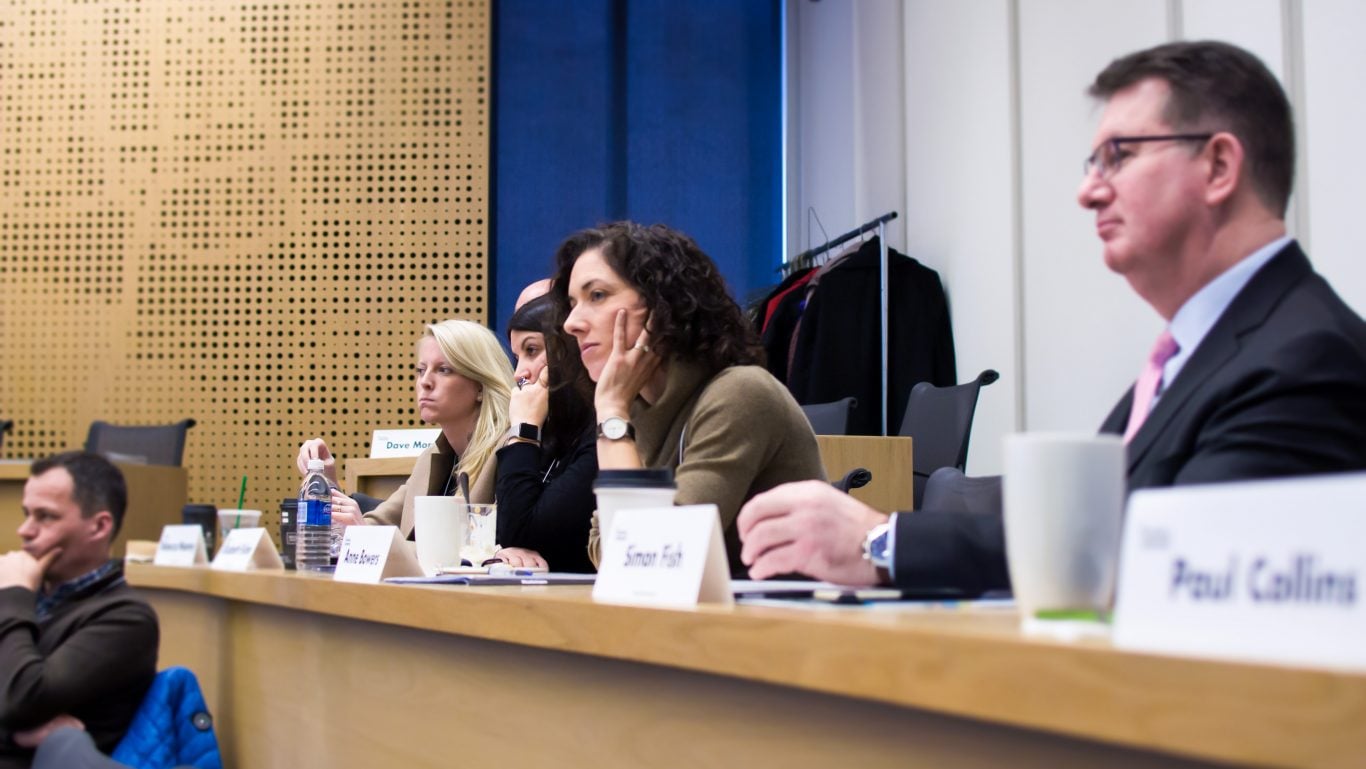
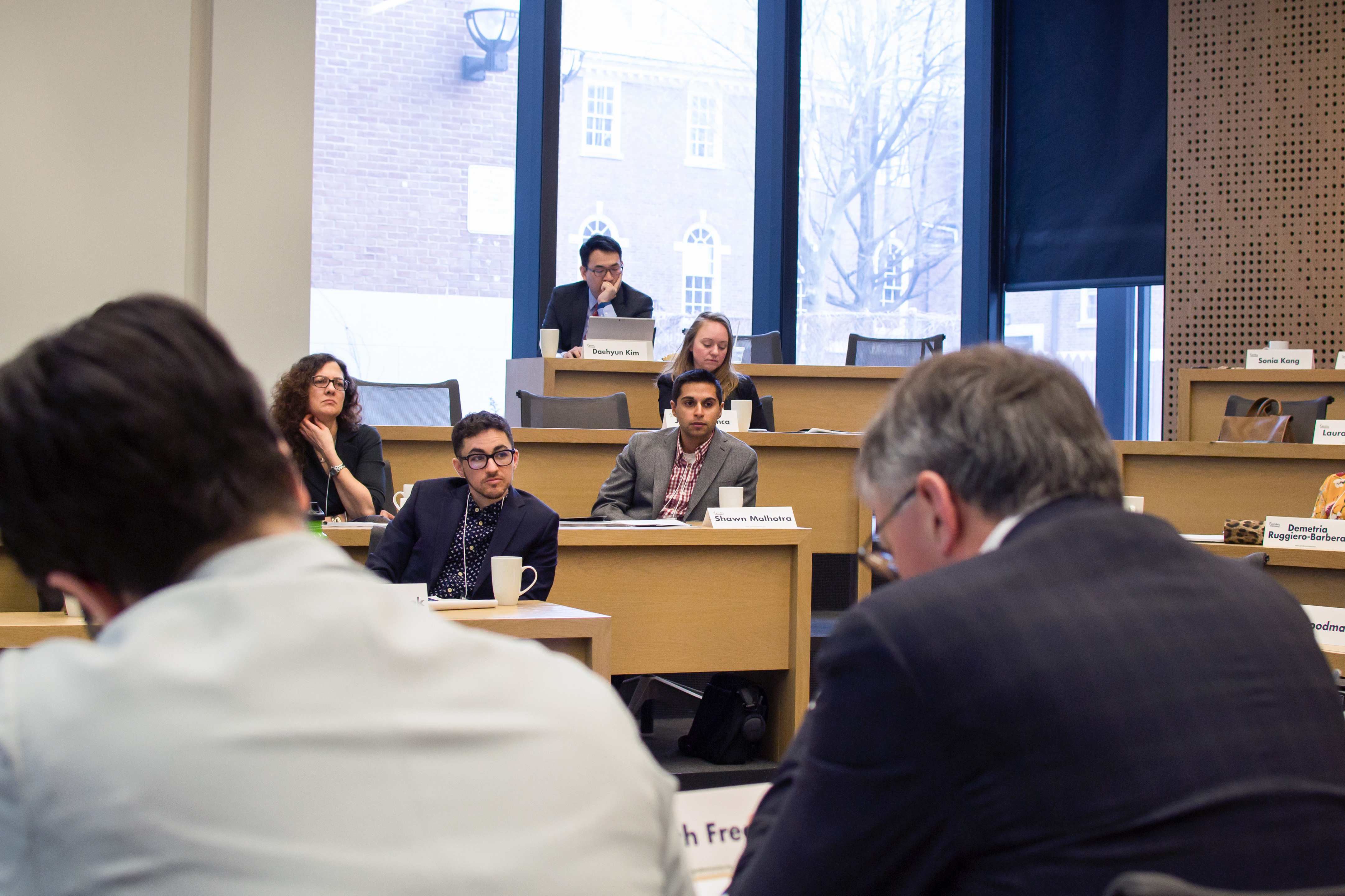
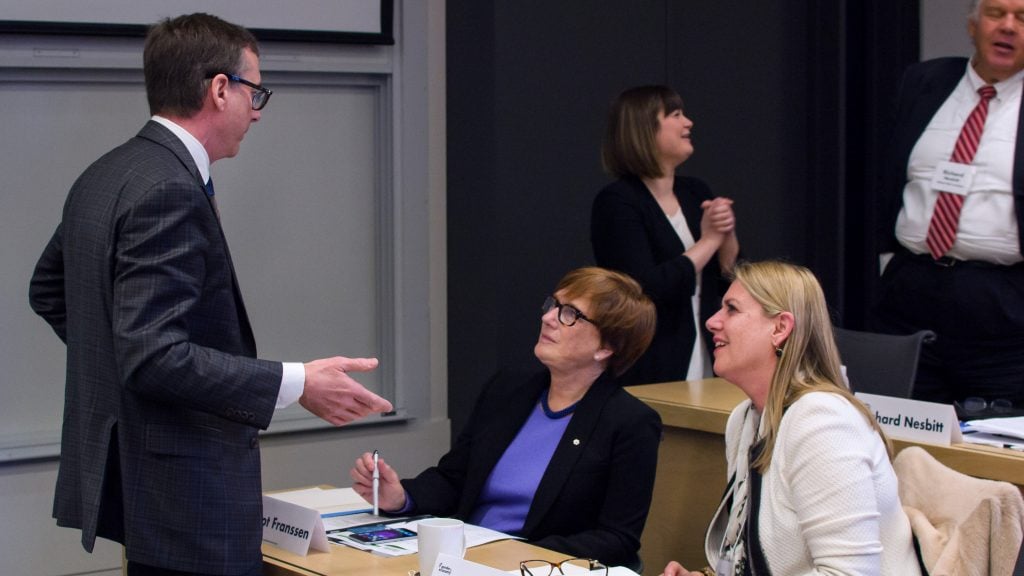
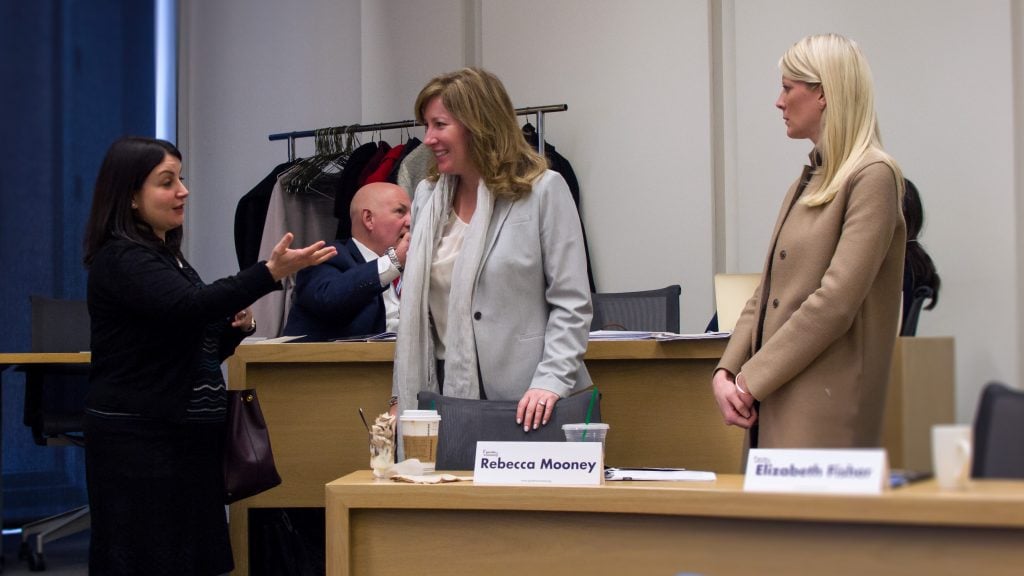
    A distinctive part of an industry partnership with GATE is to engage with our university researchers on the cutting-edge topics of the day. In our first Industry Partner Workshop, we took on several different topics, including:

    • The gender wage gap
    • The unintended consequences of diversity statements
    • Challenging current ratings and evaluation systems
    • The impact of CEO characteristics on the corporate gender gap
    • Where the “business case” for diversity stands
    • What the “curb cut” effect means for firms

    Our researchers guided participants through a series of talks on these issues and presented their latest findings.

    View or download the key insights and findings from the workshop here.

    Are you interested in supporting our research as an industry partner? Find out more here.


  • Journalism and the #Metoo moment

    Journalism and the #Metoo moment

    [fusion_builder_container hundred_percent=”no” equal_height_columns=”no” menu_anchor=”” hide_on_mobile=”small-visibility,medium-visibility,large-visibility” class=”” id=”” background_color=”” background_image=”” background_position=”center center” background_repeat=”no-repeat” fade=”no” background_parallax=”none” parallax_speed=”0.3″ video_mp4=”” video_webm=”” video_ogv=”” video_url=”” video_aspect_ratio=”16:9″ video_loop=”yes” video_mute=”yes” overlay_color=”” video_preview_image=”” border_color=”” border_style=”solid” padding_top=”” padding_bottom=”” padding_left=”” padding_right=”” type=”legacy”][fusion_builder_row][fusion_builder_column type=”1_1″ layout=”1_1″ background_position=”left top” background_color=”” border_color=”” border_style=”solid” border_position=”all” spacing=”yes” background_image=”” background_repeat=”no-repeat” padding_top=”” padding_right=”” padding_bottom=”” padding_left=”” margin_top=”0px” margin_bottom=”0px” class=”” id=”” animation_type=”” animation_speed=”0.3″ animation_direction=”left” hide_on_mobile=”small-visibility,medium-visibility,large-visibility” center_content=”no” last=”true” min_height=”” hover_type=”none” link=”” border_sizes_top=”” border_sizes_bottom=”” border_sizes_left=”” border_sizes_right=”” first=”true”][fusion_text columns=”” column_min_width=”” column_spacing=”” rule_style=”default” rule_size=”” rule_color=”” class=”” id=””]

    “Confronting the powerful is why we get up in the morning.”

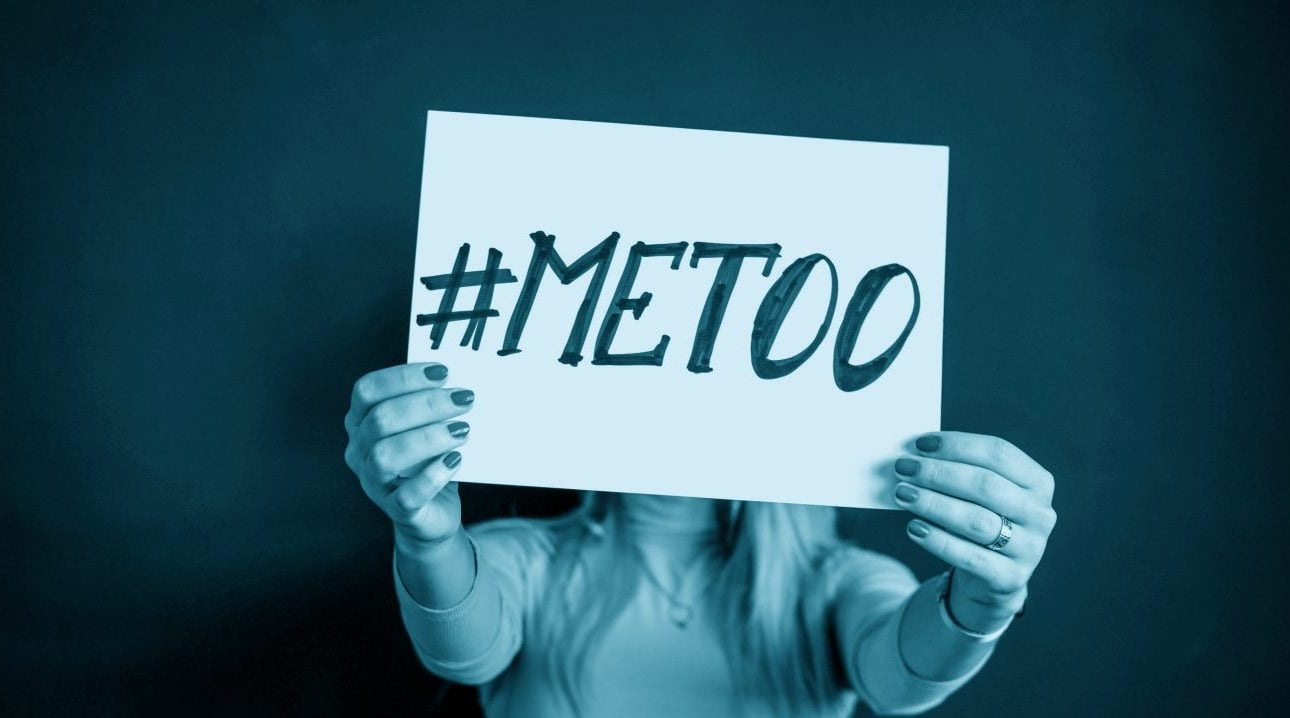
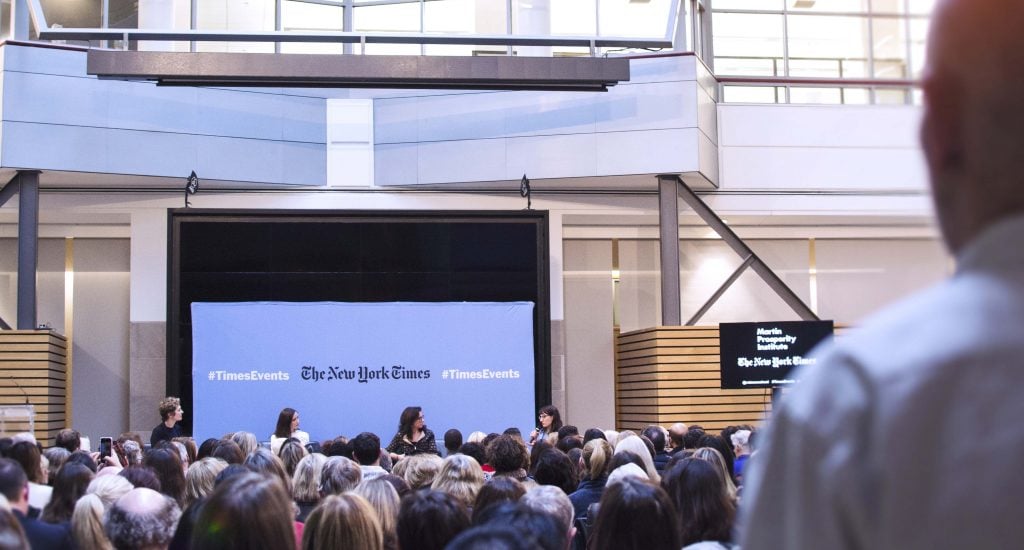
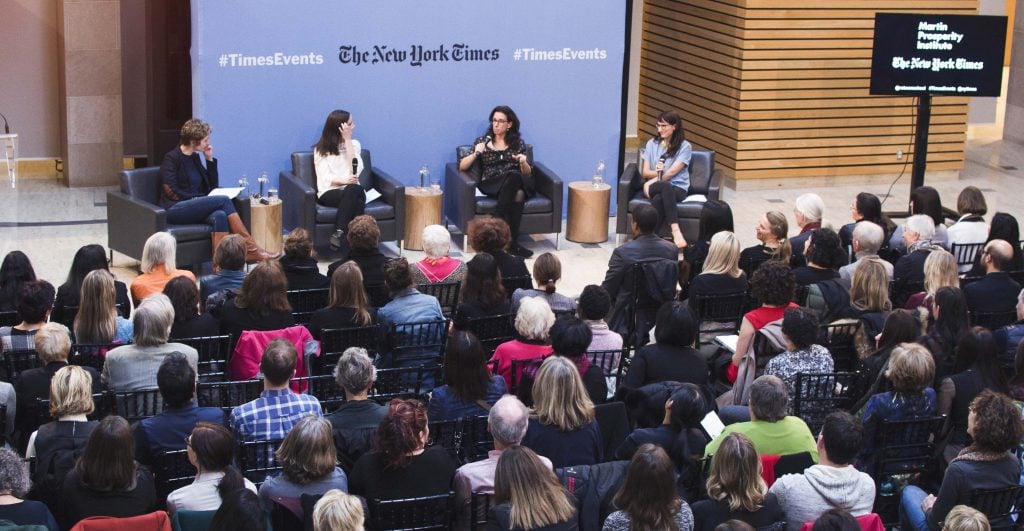
    Jodi Kantor is not one to hide from a challenge or a threat. Especially if it serves a story she is chasing. At the “Journalism and the #Metoo Moment” event hosted by GATE, The New York Times (NYT), and The Martin Prosperity Institute, Kantor described her experiences (alongside NYT’s Emily Steel and Jessica Bennett) working for months to expose the sexual harassment scandals of Bill O’Reilly and Harvey Weinstein. The latter of which exploded into a viral campaign to end sexual abuse and harassment globally – symbolized by #MeToo.

    During the standing-room-only event at Rotman’s Fleck Atrium moderated by the NYT’s Canada bureau chief Catherine Porter, the panelists not only detailed the lengthy process of building these stories, which included talking to over 200 people, following paper trails, and dealing with legal threats, but they also delved into the broader topic of the impact of the movement itself.

    Throughout the event, the panelists outlined a few key lessons-learned, and some outstanding insights.

    Harassment is not an individual experience.

    We are now recognizing that sexual harassment is, in fact, a collective experience; there is a pattern of harassment that is emerging in the mainstream consciousness. That recognition has empowered more victims to talk openly about their experiences and take action to protect others from future violence.

    We are starting to consider how we balance “due process” with swift condemnation.

    We are at the very beginning of a long and messy debate about how harassment is addressed. The backlash against the #MeToo movement is centred on the idea that the accused are too quickly found guilty in the court of public opinion. Should such allegations be made public before they are proven? Will change happen without public pressure? How can workplaces address harassment and what are the trade-offs? For example, many workplaces have a “zero tolerance” policy for harassment, which means that offenders will be punished quickly, but in mild cases, victims may not want to come forward because they worry the penalty will be too harsh on their colleague.  How can workplaces determine what constitutes a fireable offense versus a slap-on-the-hand?

    We need to talk about consent.

    The movement has encouraged a much-needed conversation about consent. For example, should a non-consensual dating experience (such as that described in the Aziz Ansari allegation) be considered assault? How do questions of masculinity and courtship rituals play into the issue of consent? What about the influence of pop culture? These are all significant questions that society, and particularly journalists covering the #MeToo movement, continue to work through.

    We need to support investigative journalism.

    The panelists also emphasized that in an age of Trump, when journalism is being attacked both ideologically and financially all over the world, individuals need to step up and support outlets that are producing investigative pieces, such as The New York Times.

    Critique is not necessarily “backlash.”

    When asked by an audience member about the “backlash” from the movement, Jodi Kantor specifically pointed out that we need to use this word carefully. Backlash, in her opinion, is the tide of change going in the reverse direction not necessarily critiques of the movement. Although there may be disagreements on the mechanics of how to end the issue of sexual harassment and abuse, there is still an overall agreement that A) it exists and B) it has to end.

    What does it mean that so many of the men who have been brought down with harassment allegations, such as Matt Lauer, Harvey Weinstein, Paul Haggis, Charlie Rose, Glenn Thrush, Russell Simmons, Senator Al Franken, etc., were the very men who shaped our culture and told our stories for decades?

    Once perpetrators of gender-based harassment and abuse are booted out of positions of power and influence, who will take their place? What in our culture will change?

    These panelists concluded that it may ultimately be women who step into the gaps left behind, and confront the dominant ideas, systems, and individuals that have led us to this point of reckoning.

    To read more about the #MeToo event, check out this summary by U of T News

    [/fusion_text][fusion_separator style_type=”none” hide_on_mobile=”small-visibility,medium-visibility,large-visibility” class=”” id=”” sep_color=”” top_margin=”50″ bottom_margin=”50″ border_size=”” icon=”” icon_circle=”” icon_circle_color=”” width=”” alignment=”center” /][fusion_button link=”https://www.gendereconomy.org/events/” text_transform=”” title=”” target=”_blank” link_attributes=”” alignment=”” modal=”” hide_on_mobile=”small-visibility,medium-visibility,large-visibility” class=”” id=”” color=”custom” button_gradient_top_color=”#62bd19″ button_gradient_bottom_color=”#62bd19″ button_gradient_top_color_hover=”#00c2e2″ button_gradient_bottom_color_hover=”#00c2e2″ accent_color=”” accent_hover_color=”” type=”” bevel_color=”” size=”” stretch=”yes” icon=”” icon_position=”left” icon_divider=”no” animation_type=”” animation_direction=”left” animation_speed=”0.3″ animation_offset=””]See more past events[/fusion_button][fusion_separator style_type=”none” hide_on_mobile=”small-visibility,medium-visibility,large-visibility” class=”” id=”” sep_color=”” top_margin=”20″ bottom_margin=”20″ border_size=”” icon=”” icon_circle=”” icon_circle_color=”” width=”” alignment=”center” /][fusion_title margin_top=”” margin_bottom=”” hide_on_mobile=”medium-visibility,large-visibility” class=”” id=”” size=”5″ content_align=”center” style_type=”default” sep_color=””]

    Or register below for these upcoming events

    [/fusion_title][fusion_recent_posts layout=”default” hover_type=”none” columns=”3″ number_posts=”3″ offset=”0″ pull_by=”category” cat_slug=”events” exclude_cats=”past” tag_slug=”” exclude_tags=”” thumbnail=”yes” title=”yes” meta=”no” meta_author=”no” meta_categories=”no” meta_date=”yes” meta_comments=”yes” meta_tags=”no” content_alignment=”” excerpt=”no” excerpt_length=”35″ strip_html=”yes” scrolling=”no” hide_on_mobile=”medium-visibility,large-visibility” class=”” id=”” animation_type=”” animation_direction=”left” animation_speed=”0.3″ animation_offset=”” /][/fusion_builder_column][/fusion_builder_row][/fusion_builder_container]