
Quotas probably won’t get more women into the boardroom in places like the U.S. and Canada. They have a better chance however in countries such as China or Germany where people place a higher value on obeying authority and conforming to cultural norms, say Profs. Soo Min Toh and Geoffrey Leonardelli, from the University of Toronto’s Rotman School of Management.
Tag: Leadership
Research briefs, news, and event recaps related to leadership.
-

Virtually no change in getting woman on boards in Canada, stats show
New disclosure rules show 45 per cent of Canada companies have all-male boards, and there’s been little change in this over the past year.
-

Why some female founders are rejecting women-only startup initiatives
Initiatives to increase the number of women in the notoriously male-dominated startup world are catching on around the world. But for some, the existence of these special spaces for women drives home a hard truth: that women entrepreneurs can’t play on the same field as men, and that any mainstream success a woman can have will be deemed pretty good – for a girl.
-

Strategies for a revolution in careers for women
The Financial Times asked experts in recruitment and management, as well as women who have navigated their way into senior corporate roles, what companies can do to improve gender diversity throughout their workforces.
-

Angela Duckworth on “Grit: The Power of Passion and Perseverance”
[fusion_builder_container hundred_percent=”no” equal_height_columns=”no” menu_anchor=”” hide_on_mobile=”small-visibility,medium-visibility,large-visibility” class=”” id=”” background_color=”” background_image=”” background_position=”center center” background_repeat=”no-repeat” fade=”no” background_parallax=”none” parallax_speed=”0.3″ video_mp4=”” video_webm=”” video_ogv=”” video_url=”” video_aspect_ratio=”16:9″ video_loop=”yes” video_mute=”yes” overlay_color=”” video_preview_image=”” border_color=”” border_style=”solid” padding_top=”” padding_bottom=”” padding_left=”” padding_right=”” type=”legacy”][fusion_builder_row][fusion_builder_column type=”1_1″ layout=”1_1″ background_position=”left top” background_color=”” border_color=”” border_style=”solid” border_position=”all” spacing=”yes” background_image=”” background_repeat=”no-repeat” padding_top=”” padding_right=”” padding_bottom=”” padding_left=”” margin_top=”0px” margin_bottom=”0px” class=”” id=”” animation_type=”” animation_speed=”0.3″ animation_direction=”left” hide_on_mobile=”small-visibility,medium-visibility,large-visibility” center_content=”no” last=”true” min_height=”” hover_type=”none” link=”” border_sizes_top=”” border_sizes_bottom=”” border_sizes_left=”” border_sizes_right=”” first=”true”][fusion_text columns=”” column_min_width=”” column_spacing=”” rule_style=”” rule_size=”” rule_color=”” hue=”” saturation=”” lightness=”” alpha=”” content_alignment_medium=”” content_alignment_small=”” content_alignment=”” hide_on_mobile=”small-visibility,medium-visibility,large-visibility” sticky_display=”normal,sticky” class=”” id=”” margin_top=”” margin_right=”” margin_bottom=”” margin_left=”” fusion_font_family_text_font=”” fusion_font_variant_text_font=”” font_size=”” line_height=”” letter_spacing=”” text_transform=”” text_color=”” animation_type=”” animation_direction=”left” animation_color=”” animation_speed=”0.3″ animation_delay=”0″ animation_offset=”” logics=””]Why do some people succeed and others fail?
Sharing new insights from her landmark research on grit, Angela Duckworth explained why talent is hardly a guarantor of success.
Book synopsis
In this must-read book for anyone striving to succeed, pioneering psychologist Angela Duckworth shows parents, educators, athletes, students, and business people-both seasoned and new-that the secret to outstanding achievement is not talent but a focused persistence called “grit.” Why do some people succeed and others fail? Sharing new insights from her landmark research on grit, MacArthur “genius” Angela Duckworth explains why talent is hardly a guarantor of success. Rather, other factors can be even more crucial such as identifying our passions and following through on our commitments. Drawing on her own powerful story as the daughter of a scientist who frequently bemoaned her lack of smarts, Duckworth describes her winding path through teaching, business consulting, and neuroscience, which led to the hypothesis that what really drives success is not “genius” but a special blend of passion and long-term perseverance. As a professor at the University of Pennsylvania, Duckworth created her own “character lab” and set out to test her theory. Here, she takes readers into the field to visit teachers working in some of the toughest schools, cadets struggling through their first days at West Point, and young finalists in the National Spelling Bee. She also mines fascinating insights from history and shows what can be gleaned from modern experiments in peak performance. Finally, she shares what she’s learned from interviewing dozens of high achievers-from JP Morgan CEO Jamie Dimon to the cartoon editor of The New Yorker to Seattle Seahawks Coach Pete Carroll. Winningly personal, insightful, and even life-changing, Grit is a book about what goes through your head when you fall down, and how that – not talent or luck – makes all the difference.
Biography
Angela Duckworth, PhD, is a 2013 MacArthur Fellow and Professor of Psychology at the University of Pennsylvania. An expert in non-I.Q. competencies, she has advised the White House, the World Bank, NBA and NFL teams, and Fortune 500 CEOs. Prior to her career in research, she was an award-winning math and science teacher as well as the founder of a summer school for low-income children that won the Better Government Award from the state of Massachusetts. She completed her BA in neurobiology at Harvard, her MSc in neuroscience at Oxford, and her PhD in psychology at the University of Pennsylvania. Grit: The Power of Passion and Perseverance is her first book.
This event was co-hosted by BEAR (Behavioural Economics and Rotman) and the Institute for Gender and the Economy (GATE).[/fusion_text][fusion_separator style_type=”none” hide_on_mobile=”small-visibility,medium-visibility,large-visibility” class=”” id=”” sep_color=”” top_margin=”50″ bottom_margin=”50″ border_size=”” icon=”” icon_circle=”” icon_circle_color=”” width=”” alignment=”center” /][fusion_button link=”https://www.gendereconomy.org/events/” text_transform=”” title=”” target=”_blank” link_attributes=”” alignment=”” modal=”” hide_on_mobile=”small-visibility,medium-visibility,large-visibility” class=”” id=”” color=”custom” button_gradient_top_color=”#62bd19″ button_gradient_bottom_color=”#62bd19″ button_gradient_top_color_hover=”#00c2e2″ button_gradient_bottom_color_hover=”#00c2e2″ accent_color=”” accent_hover_color=”” type=”” bevel_color=”” size=”” stretch=”yes” icon=”” icon_position=”left” icon_divider=”no” animation_type=”” animation_direction=”left” animation_speed=”0.3″ animation_offset=””]See more past events[/fusion_button][fusion_separator style_type=”none” hide_on_mobile=”small-visibility,medium-visibility,large-visibility” class=”” id=”” sep_color=”” top_margin=”20″ bottom_margin=”20″ border_size=”” icon=”” icon_circle=”” icon_circle_color=”” width=”” alignment=”center” /][fusion_title margin_top=”” margin_bottom=”” hide_on_mobile=”medium-visibility,large-visibility” class=”” id=”” size=”5″ content_align=”center” style_type=”default” sep_color=””]
Or register below for these upcoming events
[/fusion_title][fusion_recent_posts layout=”default” hover_type=”none” columns=”3″ number_posts=”3″ offset=”0″ pull_by=”category” cat_slug=”events” exclude_cats=”past” tag_slug=”” exclude_tags=”” thumbnail=”yes” title=”yes” meta=”no” meta_author=”no” meta_categories=”no” meta_date=”yes” meta_comments=”yes” meta_tags=”no” content_alignment=”” excerpt=”no” excerpt_length=”35″ strip_html=”yes” scrolling=”no” hide_on_mobile=”medium-visibility,large-visibility” class=”” id=”” animation_type=”” animation_direction=”left” animation_speed=”0.3″ animation_offset=”” /][/fusion_builder_column][/fusion_builder_row][/fusion_builder_container]
-

Allyship is leadership
[fusion_builder_container admin_label=”” hundred_percent=”no” equal_height_columns=”no” menu_anchor=”” hide_on_mobile=”small-visibility,medium-visibility,large-visibility” class=”” id=”” background_color=”” background_image=”” background_position=”center center” background_repeat=”no-repeat” fade=”no” background_parallax=”none” enable_mobile=”no” parallax_speed=”0.3″ video_mp4=”” video_webm=”” video_ogv=”” video_url=”” video_aspect_ratio=”16:9″ video_loop=”yes” video_mute=”yes” video_preview_image=”” border_size=”” border_color=”” border_style=”solid” margin_top=”20″ margin_bottom=”” padding_top=”” padding_right=”” padding_bottom=”” padding_left=””][fusion_builder_row][fusion_builder_column type=”3_4″ layout=”3_4″ spacing=”” center_content=”no” hover_type=”none” link=”” min_height=”” hide_on_mobile=”small-visibility,medium-visibility,large-visibility” class=”” id=”” background_color=”” background_image=”” background_position=”left top” background_repeat=”no-repeat” border_size=”0″ border_color=”” border_style=”solid” border_position=”all” padding_top=”” padding_right=”” padding_bottom=”” padding_left=”” margin_top=”” margin_bottom=”” animation_type=”” animation_direction=”left” animation_speed=”0.3″ animation_offset=”” last=”no”][fusion_text columns=”” column_min_width=”” column_spacing=”” rule_style=”default” rule_size=”” rule_color=”” hide_on_mobile=”small-visibility,medium-visibility,large-visibility” class=”” id=””]
For a video and description of the panel event, click here.
For an infographic of the event, click hereLGBTQ workers often struggle with coming out and feeling safe in the workplace. For many people, the decision to come out is contingent on whether they perceive the environment to be inclusive. This is where allies can step in by taking a stand and creating a culture of safety. We discussed these issues on a panel hosted jointly by The Letters, a student group that is home to the LGBTQ community and allies at the Rotman School of Management, and by Rotman’s Institute for Gender + the Economy. Top leaders in various fields discussed how allyship is fundamental to leadership.
The session was introduced by Ed Clark, former CEO of TD who, in addition to being one of the most accomplished business leaders in Canada, is a visible champion of the LGBTQ community, having spearheaded same sex benefits at TD and recently establishing the Egale shelter for homeless LGBTQ youth in Toronto. The panel discussion included: Ken Fredeen, General Counsel, Secretary to the Board and member of the leadership team at Deloitte LLP, and also President and a founding member of Legal Leaders for Diversity and Inclusion; Deborah Richardson, Deputy Minister in the Ontario Ministry of Indigenous Relations and Reconciliation; Sandeep Tatla, Assistant Vice President and Global Head of Diversity and Inclusion at Manulife; and, Jennifer Tory, Group Head, Personal and Commercial Banking at RBC and recipient of Start Proud’s (formerly Out on Bay) 2016 Leading Executive Ally Award for her long standing support of the LGBTQ community. The discussion was moderated by Professor Sarah Kaplan, Director of Rotman’s Institute for Gender + the Economy. The panelists shared their experiences in being allies, and agreed that being an inclusive leader is an essential leadership characteristic. The points below summarize the main themes and takeaways from the discussion.
1. Being an ally means taking risks.
Although most people associate risk primarily with coming out at the workplace, being an ally also involves taking risks. Being an ally means moving from being a passive to an active bystander.
Being an ally means moving from being a passive to an active bystander
As an ally, advocating for rights often means having to stand up to someone more senior or having to push against a bureaucracy that may not be receptive. This might require that you speak out in a meeting when someone makes an inappropriate comment, which might feel especially risky if that comment comes from someone more senior in the organization. Yet, the panelists suggested that these actions are often less risky than anticipated. That is, people who make insensitive remarks or exclude an LGBT person from consideration for a key role are often open to feedback. They likely do not intend to be exclusionary; rather, they fumble with using inclusive language or may not have realized that their actions were exclusionary. Speaking up can actually open the door for a conversation about these issues, whereas staying silent means that the problems will not be addressed. Importantly, speaking up often gives you authority and credibility as a leader because you are seen as being willing to take a stand for others.
The panelists emphasized that leaders have to be prepared to be tested. One speaker described the customer and employee pressure that came from a corporate decision to support the Toronto Pride Parade. Competitors campaigned against the organization; some customers defected; employees complained when it affected their ability to hit their sales targets. But, this leader took the long perspective, feeling that inclusiveness was a core value, refused to back down, and went as far as suggesting employees resistant to those values leave the organization.
2. Coming out as an ally
Because of these risks, some people may feel hesitant to be visible as an ally. Yet, one panelist suggested that people in positions of privilege “have a greater responsibility to be part of the solution…to be more vocal, more visible, more out there to talk about this stuff in a way that creates a safe space for others like me to do the same.” Visible allies make their allegiance known by speaking up against bias or starting initiatives to create a safer environment for LGBTQ colleagues.
Visible allies make their allegiance known by speaking up against bias or starting initiatives to create a safer environment for LGBTQ colleagues
For example, by supporting the Pride Parade, leaders can make their allegiance known to their investors, clients, and the community and show that they take their allyship seriously. Once leaders are more visible about their allyship, this creates a safe space for other leaders and colleagues to do the same. Even small symbolic actions – such as putting up a rainbow flag on the office door – might inspire other leaders and colleagues. Taking the first step of making your allyship public can create a snowball effect within the organization.
3. Practice what you preach
One important takeaway from the discussion was that although symbolic actions are important first steps, it is equally if not more important that allies put actions behind those statements. For example, one panelist talked about backing up their vocal support of transgender rights by driving the organizational effort to create washrooms with the appropriate signage. Another example is celebrating National Coming Out Day in an organization by creating and participating in a panel discussion with senior executives. It is one thing to feel personally supportive of LGBTQ rights; it is another to, for example, spearhead the creation of employee resource groups in your organization. It can be easier to say you support the LGBTQ community, but the important part is what you do. The safe space will not automatically happen once a leader talks about it: leaders have to create the safe space. Said one panelist, “Even if the leader doesn’t buy into prejudices, people don’t imitate that by osmosis, and therefore it requires a proactive, constant attempt to try to change the culture.”
4. Learn and be informed
The panelists emphasized that allies need to be learning about and not speaking on behalf of the LGBTQ (or any marginalized) community. The role of an ally is not to blindly charge ahead but to allow the individuals who are members of that community to dictate their own journeys.
The role of an ally is not to blindly charge ahead but to allow the individuals who are members of that community to dictate their own journeys
One panelist described it this way: “Empathy and self-awareness are really key in terms of being an ally, where empathy means I want to actively listen to you.” For example, the panelists mentioned cases where LGBTQ employees did not feel ready to have conversations in public about particular issues, or they did not feel comfortable coming out at work. It is important in these cases that allies do not speak for them or pressure them to do things they do not feel comfortable doing. The job of the ally is to remain supportive while respecting the boundaries of the people they want to support.
The panelists mentioned that at times it may be tempting to assume that your own experiences with discrimination are similar to the LGBTQ community, but everyone has a different lived experience. It is important for allies to build relationships with members in the community and have candid and open conversations. Said one panelist, “I can try my best to empathize and learn. When I’m having these conversations, I’m very respectfully curious in the questions that I have, and I do defer a lot, even from an organizational perspective when I’m working on policies or how we want to move things forward.” The panelists expressed that many of them had also struggled with using the right language. The fear of saying the wrong thing is especially intimidating in leadership positions. However, allies should also realize that it is acceptable to make mistakes or to fumble with language, as long as they are respectful and genuine, and acknowledge their mistakes as part of the learning process. According to another panelist, “As an ally with your LGBT community, you are helping them help you. I see it as that kind of circular opportunity.”
Conclusion
Being an ally is not only the right thing to do but the smart thing to do. As one panelist said, “It’s a huge talent play that we attract people, talented people. And if you’re inclusive in what you do, you’ll attract those people and that’s what it’s all about at the end of the day.” The conclusion of the panel discussion was that being an ally is central to being a leader. To facilitate meaningful change, it is crucial for leaders to be visible allies and to follow through with tangible actions. At the same time, leaders should be respectful of the LGBTQ community by having honest and supportive conversations. Said another panelist, “It’s important to act with permission, and to have courage, because it does take courage to be an advocate for marginalized groups, especially when you’re fighting against the status quo.” The conclusion: allyship is leadership.
[/fusion_text][fusion_separator style_type=”none” hide_on_mobile=”small-visibility,medium-visibility,large-visibility” class=”” id=”” sep_color=”” top_margin=”20″ bottom_margin=”20″ border_size=”” icon=”” icon_circle=”” icon_circle_color=”” width=”” alignment=”center” /][fusion_button link=”https://www.gendereconomy.org/lessons-from-practice/” text_transform=”” title=”” target=”_blank” link_attributes=”” alignment=”” modal=”” hide_on_mobile=”small-visibility,medium-visibility,large-visibility” class=”” id=”” color=”custom” button_gradient_top_color=”#62bd19″ button_gradient_bottom_color=”#62bd19″ button_gradient_top_color_hover=”#00c2e2″ button_gradient_bottom_color_hover=”#00c2e2″ accent_color=”” accent_hover_color=”” type=”” bevel_color=”” border_width=”” size=”” stretch=”yes” shape=”” icon=”” icon_position=”left” icon_divider=”no” animation_type=”” animation_direction=”left” animation_speed=”0.3″ animation_offset=””]See more lessons from practice[/fusion_button][fusion_separator style_type=”none” hide_on_mobile=”small-visibility,medium-visibility,large-visibility” class=”” id=”” sep_color=”” top_margin=”20″ bottom_margin=”20″ border_size=”” icon=”” icon_circle=”” icon_circle_color=”” width=”” alignment=”center” /][fusion_recent_posts layout=”default” picture_size=”fixed” hover_type=”none” columns=”3″ number_posts=”3″ offset=”0″ pull_by=”category” cat_slug=”lessons-from-practice” exclude_cats=”” tag_slug=”” exclude_tags=”” thumbnail=”yes” title=”yes” meta=”no” meta_author=”no” meta_categories=”no” meta_date=”yes” meta_comments=”yes” meta_tags=”no” content_alignment=”” excerpt=”no” excerpt_length=”35″ strip_html=”yes” scrolling=”no” hide_on_mobile=”small-visibility,medium-visibility,large-visibility” class=”” id=”” animation_type=”” animation_direction=”left” animation_speed=”0.3″ animation_offset=”” /][/fusion_builder_column][fusion_builder_column type=”1_4″ layout=”1_4″ spacing=”” center_content=”no” hover_type=”none” link=”” min_height=”” hide_on_mobile=”small-visibility,medium-visibility,large-visibility” class=”” id=”” background_color=”” background_image=”” background_position=”left top” background_repeat=”no-repeat” border_size=”0″ border_color=”” border_style=”solid” border_position=”all” padding_top=”” padding_right=”” padding_bottom=”” padding_left=”” margin_top=”” margin_bottom=”” animation_type=”” animation_direction=”left” animation_speed=”0.3″ animation_offset=”” last=”no”][fusion_title hide_on_mobile=”small-visibility,medium-visibility,large-visibility” class=”briefsummary” id=”” content_align=”left” size=”3″ font_size=”” line_height=”” letter_spacing=”” margin_top=”” margin_bottom=”” margin_top_mobile=”” margin_bottom_mobile=”” text_color=”” style_type=”none” sep_color=””]
Published
August 2017
[/fusion_title][fusion_widget_area name=”avada-custom-sidebar-researchbriefsidebar” title_size=”” title_color=”” background_color=”” padding_top=”” padding_right=”” padding_bottom=”” padding_left=”” hide_on_mobile=”small-visibility,medium-visibility,large-visibility” class=”” id=”” /][/fusion_builder_column][/fusion_builder_row][/fusion_builder_container]
-

Gender pay gap at the top
[fusion_builder_container admin_label=”” hundred_percent=”no” equal_height_columns=”no” menu_anchor=”” hide_on_mobile=”small-visibility,medium-visibility,large-visibility” class=”” id=”” background_color=”” background_image=”” background_position=”center center” background_repeat=”no-repeat” fade=”no” background_parallax=”none” enable_mobile=”no” parallax_speed=”0.3″ video_mp4=”” video_webm=”” video_ogv=”” video_url=”” video_aspect_ratio=”16:9″ video_loop=”yes” video_mute=”yes” video_preview_image=”” border_size=”” border_color=”” border_style=”solid” margin_top=”20″ margin_bottom=”” padding_top=”” padding_right=”” padding_bottom=”” padding_left=””][fusion_builder_row][fusion_builder_column type=”3_4″ layout=”3_4″ spacing=”” center_content=”no” hover_type=”none” link=”” min_height=”” hide_on_mobile=”small-visibility,medium-visibility,large-visibility” class=”” id=”” background_color=”” background_image=”” background_position=”left top” background_repeat=”no-repeat” border_size=”0″ border_color=”” border_style=”solid” border_position=”all” padding_top=”” padding_right=”” padding_bottom=”” padding_left=”” margin_top=”” margin_bottom=”” animation_type=”” animation_direction=”left” animation_speed=”0.3″ animation_offset=”” last=”no”][fusion_text columns=”” column_min_width=”” column_spacing=”” rule_style=”default” rule_size=”” rule_color=”” class=”” id=””]
Summary
This study examines sources of wage discrimination in instances where women and men hold the same occupational rank and position. Using data from 2,548 large, publicly traded U.S. companies for the period 1996–2011, the study tracks influences on corporate officers’ compensation. Even after taking into account such factors as a firm’s stock performance, stock volatility, or return on assets, it finds the biggest predictors of corporate officers’ compensation levels is the gender and age of their CEO. Notably, male CEOs compensate male officers far better than they do female officers; women earn $46,500 less per year than their male counterparts under the tenure of a male CEO. And older male CEOs are more likely than younger male CEOs to offer larger payouts to their male officers.
A significant portion of the gender gap in earnings can be explained by discrimination on the part of those responsible for determining wage compensation.
Research
Causes of the gender wage gap, where men earn more than women in labour markets, are contested. Some argue that women self-select into lower status jobs in order to accommodate their role as parents. Others argue that women do not select jobs on the basis of motherhood status, citing evidence that non-mothers are just as likely as mothers to work in female-dominated jobs. Another line of argument put forth is that women enter the labour market with fewer credentials, or are less productive than their male counterparts, thus justifying a pay differential.
While it is difficult to pinpoint the causes of the wage gap in gender-segregated occupations, this study addresses these challenges by focusing on pay differences within specific occupations so as to rule out credentials and productivity as the driving force of women’s lower earnings. Many occupations have a fixed set of qualifications that are necessary for entry into the field, making it easier to dismiss credentials (or a lack thereof) as the cause of the gender wage gap. The study’s focus on one occupation makes it easier to examine and control for differences in productivity.
To this end, the authors examine the causes of the gender wage gap among corporate officers. Their data consist of 2,548 large, publicly traded U.S. companies for the period 1996–2011. They focus on whether characteristics of chief executive officers (CEOs) affect corporate officers’ compensation. They examine whether CEOs, as wage setters, treat officers of the opposite gender differently, with male CEOs underpaying women, and vice versa. They also examine whether older CEOs pay men more than women, since they came of age when wage differences between genders were more tolerated.
Even after factoring in other potential determinants of officer compensation, such as a firm’s stock performance, stock volatility, or return on assets, the study found that the age and gender of CEOs matters. Corporate officers who are of the opposite gender to their CEO earn less compensation. This effect was largest when the CEO was male; female officers working for a male CEO earn on average $46,500 per year less than male officers do, whereas male officers working for women earn $21,960 less than female officers.
In addition, the authors found that male CEOs offer larger payouts across the board–$15,210 more per year–than female CEOs. Older male CEOs are even more likely to underpay female officers. They reward female officers $360 less per year of age than they do their male counterparts.
The older the male CEO, the more likely it is that the wage gap between male and female corporate officers grows.
An added benefit of the study’s research design is its ability to track how CEO turnover affects compensation. Doing so reveals that officers’ compensation increases when the incoming CEO is of the same gender. This provides strong evidence against the women-as-less-productive explanation for the gender pay gap; it would be highly unrealistic for the productivity of workers to change so rapidly in response to a new CEO as to merit markedly different compensation levels. The more likely explanation is that CEOs discriminate on the basis of gender. Further, this effect is more pronounced with older male CEOs and female officers, regardless of productivity levels.
Implications
- Policies that promote pay parity for corporate officers may help reduce the gap in earnings – For example, oversight committees could be tasked with ensuring that compensation and bonuses do not vary drastically by gender.
- Organizations should conduct rigorous and systematic reviews of corporate officer salaries – The review should focus in particular on situations where the gender of the person determining salaries does not match that of the person receiving the salary, as this is where employees are at risk of being underpaid (conversely, people of the same gender may be overpaid).
[/fusion_text][fusion_separator style_type=”none” hide_on_mobile=”small-visibility,medium-visibility,large-visibility” class=”” id=”” sep_color=”” top_margin=”20″ bottom_margin=”20″ border_size=”” icon=”” icon_circle=”” icon_circle_color=”” width=”” alignment=”center” /][fusion_button link=”https://www.gendereconomy.org/research-briefs/” text_transform=”” title=”” target=”_blank” link_attributes=”” alignment=”” modal=”” hide_on_mobile=”small-visibility,medium-visibility,large-visibility” class=”” id=”” color=”custom” button_gradient_top_color=”#62bd19″ button_gradient_bottom_color=”#62bd19″ button_gradient_top_color_hover=”#00c2e2″ button_gradient_bottom_color_hover=”#00c2e2″ accent_color=”” accent_hover_color=”” type=”” bevel_color=”” border_width=”” size=”” stretch=”yes” shape=”” icon=”” icon_position=”left” icon_divider=”no” animation_type=”” animation_direction=”left” animation_speed=”0.3″ animation_offset=””]See more research briefs[/fusion_button][fusion_separator style_type=”none” hide_on_mobile=”small-visibility,medium-visibility,large-visibility” class=”” id=”” sep_color=”” top_margin=”20″ bottom_margin=”20″ border_size=”” icon=”” icon_circle=”” icon_circle_color=”” width=”” alignment=”center” /][fusion_recent_posts layout=”default” hover_type=”none” columns=”3″ number_posts=”3″ offset=”0″ pull_by=”category” cat_slug=”research-briefs” exclude_cats=”” tag_slug=”” exclude_tags=”” thumbnail=”yes” title=”yes” meta=”no” meta_author=”no” meta_categories=”no” meta_date=”yes” meta_comments=”yes” meta_tags=”no” content_alignment=”” excerpt=”no” excerpt_length=”35″ strip_html=”yes” scrolling=”no” hide_on_mobile=”small-visibility,medium-visibility,large-visibility” class=”” id=”” animation_type=”” animation_direction=”left” animation_speed=”0.3″ animation_offset=”” /][/fusion_builder_column][fusion_builder_column type=”1_4″ layout=”1_4″ spacing=”” center_content=”no” hover_type=”none” link=”” min_height=”” hide_on_mobile=”small-visibility,medium-visibility,large-visibility” class=”” id=”” background_color=”” background_image=”” background_position=”left top” background_repeat=”no-repeat” border_size=”0″ border_color=”” border_style=”solid” border_position=”all” padding_top=”” padding_right=”” padding_bottom=”” padding_left=”” margin_top=”” margin_bottom=”” animation_type=”” animation_direction=”left” animation_speed=”0.3″ animation_offset=”” last=”no”][fusion_title margin_top=”” margin_bottom=”” hide_on_mobile=”small-visibility,medium-visibility,large-visibility” class=”briefsummary” id=”” size=”3″ content_align=”left” style_type=”none” sep_color=””]
Title
Of Age, Sex, and Money:
Insights from Corporate
Officer Compensation on
the Wage Inequality
between GendersAuthors
David Newton and
Mikhail SimutinInstitutions
Concordia University,
University of TorontoSource
Management Science
Published
October 2015
DOI
http://pubsonline.informs.org/doi/abs/10.1287/mnsc.2014.1998
Research brief prepared by
[/fusion_title][fusion_widget_area name=”avada-custom-sidebar-researchbriefsidebar” title_size=”” title_color=”” background_color=”” padding_top=”” padding_right=”” padding_bottom=”” padding_left=”” hide_on_mobile=”small-visibility,medium-visibility,large-visibility” class=”” id=”” /][/fusion_builder_column][/fusion_builder_row][/fusion_builder_container]
-

Career-building short courses
Rotman’s Initiative for Women in Business offers executive education programs for women at all stages of their careers. The Initiative for Women in Business has been committed to strengthening the female talent pipeline since 2008. Together with award-winning faculty and corporate partners, they support the career development, decision-making and leadership skills of female professionals.
-
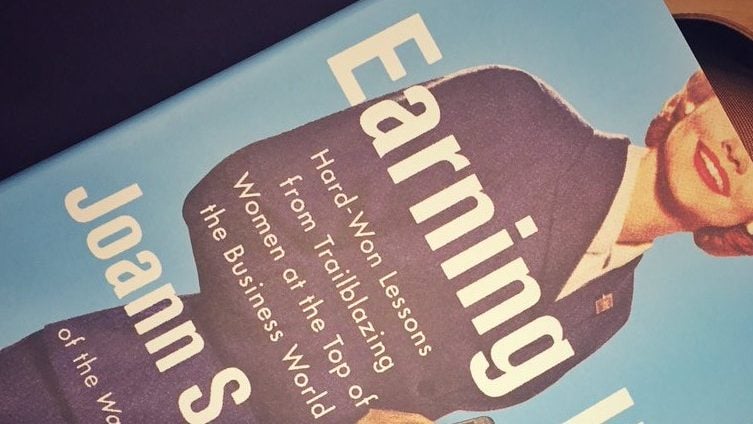
Joann S. Lublin on “Earning It: Hard-Won Lessons from Trailblazing Women”
[fusion_builder_container hundred_percent=”no” equal_height_columns=”no” menu_anchor=”” hide_on_mobile=”small-visibility,medium-visibility,large-visibility” class=”” id=”” background_color=”” background_image=”” background_position=”center center” background_repeat=”no-repeat” fade=”no” background_parallax=”none” parallax_speed=”0.3″ video_mp4=”” video_webm=”” video_ogv=”” video_url=”” video_aspect_ratio=”16:9″ video_loop=”yes” video_mute=”yes” overlay_color=”” video_preview_image=”” border_color=”” border_style=”solid” padding_top=”” padding_bottom=”” padding_left=”” padding_right=”” type=”legacy”][fusion_builder_row][fusion_builder_column type=”1_1″ layout=”1_1″ background_position=”left top” background_color=”” border_color=”” border_style=”solid” border_position=”all” spacing=”yes” background_image=”” background_repeat=”no-repeat” padding_top=”” padding_right=”” padding_bottom=”” padding_left=”” margin_top=”0px” margin_bottom=”0px” class=”” id=”” animation_type=”” animation_speed=”0.3″ animation_direction=”left” hide_on_mobile=”small-visibility,medium-visibility,large-visibility” center_content=”no” last=”true” min_height=”” hover_type=”none” link=”” border_sizes_top=”” border_sizes_bottom=”” border_sizes_left=”” border_sizes_right=”” first=”true”][fusion_text columns=”” column_min_width=”” column_spacing=”” rule_style=”” rule_size=”” rule_color=”” hue=”” saturation=”” lightness=”” alpha=”” content_alignment_medium=”” content_alignment_small=”” content_alignment=”” hide_on_mobile=”small-visibility,medium-visibility,large-visibility” sticky_display=”normal,sticky” class=”” id=”” margin_top=”” margin_right=”” margin_bottom=”” margin_left=”” fusion_font_family_text_font=”” fusion_font_variant_text_font=”” font_size=”” line_height=”” letter_spacing=”” text_transform=”” text_color=”” animation_type=”” animation_direction=”left” animation_color=”” animation_speed=”0.3″ animation_delay=”0″ animation_offset=”” logics=””]More than fifty trailblazing executive women who broke the corporate glass ceiling offer inspiring and surprising insights and lessons in this essential, in-the-trenches career guide from Joann S. Lublin, a Pulitzer-Prize winning journalist, and management news editor for The Wall Street Journal.
Book synopsis:
More than fifty trailblazing executive women who broke the corporate glass ceiling offer inspiring and surprising insights and lessons in this essential, in-the-trenches career guide from Joann S. Lublin, a Pulitzer-Prize winning journalist and management news editor for The Wall Street Journal. Among the first female reporters at The Wall Street Journal, Joann S. Lublin faced a number of uphill battles in her career. She became deputy bureau chief of the WSJ’s important London bureau, its first run by women. Now, she and dozens of other women who successfully navigated the corporate battlefield share their valuable leadership lessons. Lublin combines her fascinating story with insightful tales from more than fifty women who reached the highest rungs of the corporate ladder—most of whom became chief executives of public companies —in industries as diverse as retailing, manufacturing, finance, high technology, publishing, advertising, automobiles, and pharmaceuticals. Leaders like Carly Fiorina, former CEO of Hewlett-Packard, as well as Mary Barra, CEO of General Motors, and Brenda Barnes, former CEO of Sara Lee, were the first women to run their huge employers. Earning It reveals obstacles such women faced as they fought to make their mark, choices they made, and battles they won—and lost. Lublin chronicles the major milestones and dilemmas of the work world unique to women, providing candid advice and practical inspiration for women of all ages and at every stage of their careers. The extraordinary women we meet in the pages of Earning It and the hard-won lessons they share provide a compelling career compass that will help all women reach their highest potential without losing a meaningful personal life.
Biography:
Joann S. Lublin is Management News Editor for The Wall Street Journal and works with reporters in the U.S. and abroad. She frequently appears at conferences to discuss leadership, executive pay and corporate governance. She created the WSJ’s first career advice column in 1993. She shared its Pulitzer Prize in 2003 for stories about corporate scandals. She earned a bachelor’s degree in journalism with honors from Northwestern University and a master’s degree in communications from Stanford University. She lives in Ridgewood, N.J.
This event was co-hosted by the Initiative for Women in Business.and the Institute for Gender and the Economy.[/fusion_text][fusion_separator style_type=”none” hide_on_mobile=”small-visibility,medium-visibility,large-visibility” class=”” id=”” sep_color=”” top_margin=”50″ bottom_margin=”50″ border_size=”” icon=”” icon_circle=”” icon_circle_color=”” width=”” alignment=”center” /][fusion_button link=”https://www.gendereconomy.org/events/” text_transform=”” title=”” target=”_blank” link_attributes=”” alignment=”” modal=”” hide_on_mobile=”small-visibility,medium-visibility,large-visibility” class=”” id=”” color=”custom” button_gradient_top_color=”#62bd19″ button_gradient_bottom_color=”#62bd19″ button_gradient_top_color_hover=”#00c2e2″ button_gradient_bottom_color_hover=”#00c2e2″ accent_color=”” accent_hover_color=”” type=”” bevel_color=”” size=”” stretch=”yes” icon=”” icon_position=”left” icon_divider=”no” animation_type=”” animation_direction=”left” animation_speed=”0.3″ animation_offset=””]See more past events[/fusion_button][fusion_separator style_type=”none” hide_on_mobile=”small-visibility,medium-visibility,large-visibility” class=”” id=”” sep_color=”” top_margin=”20″ bottom_margin=”20″ border_size=”” icon=”” icon_circle=”” icon_circle_color=”” width=”” alignment=”center” /][fusion_title margin_top=”” margin_bottom=”” hide_on_mobile=”medium-visibility,large-visibility” class=”” id=”” size=”5″ content_align=”center” style_type=”default” sep_color=””]
Or register below for these upcoming events
[/fusion_title][fusion_recent_posts layout=”default” hover_type=”none” columns=”3″ number_posts=”3″ offset=”0″ pull_by=”category” cat_slug=”events” exclude_cats=”past” tag_slug=”” exclude_tags=”” thumbnail=”yes” title=”yes” meta=”no” meta_author=”no” meta_categories=”no” meta_date=”yes” meta_comments=”yes” meta_tags=”no” content_alignment=”” excerpt=”no” excerpt_length=”35″ strip_html=”yes” scrolling=”no” hide_on_mobile=”medium-visibility,large-visibility” class=”” id=”” animation_type=”” animation_direction=”left” animation_speed=”0.3″ animation_offset=”” /][/fusion_builder_column][/fusion_builder_row][/fusion_builder_container]
-
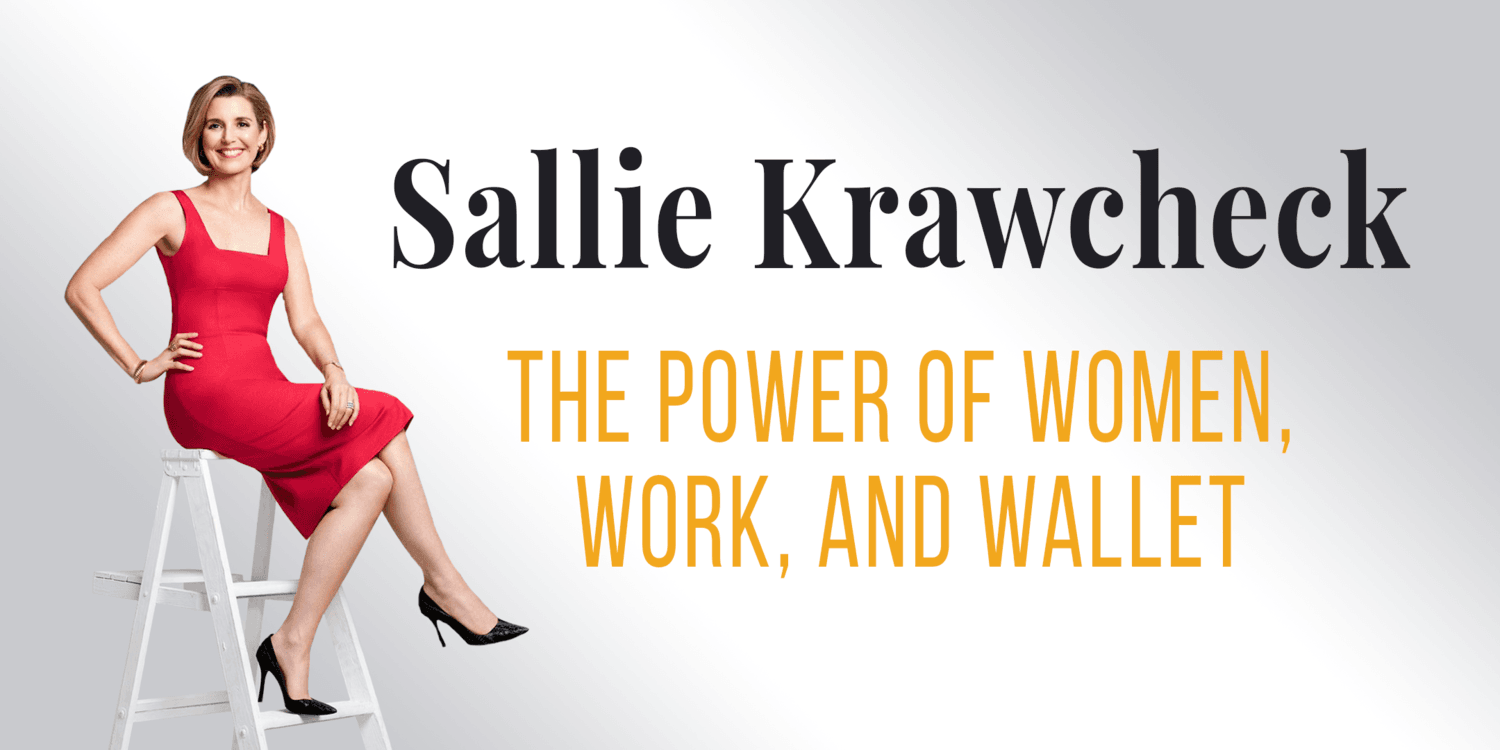
Sallie Krawcheck on “Own It: The Power of Women at Work”
[fusion_builder_container hundred_percent=”no” equal_height_columns=”no” menu_anchor=”” hide_on_mobile=”small-visibility,medium-visibility,large-visibility” class=”” id=”” background_color=”” background_image=”” background_position=”center center” background_repeat=”no-repeat” fade=”no” background_parallax=”none” parallax_speed=”0.3″ video_mp4=”” video_webm=”” video_ogv=”” video_url=”” video_aspect_ratio=”16:9″ video_loop=”yes” video_mute=”yes” overlay_color=”” video_preview_image=”” border_color=”” border_style=”solid” padding_top=”” padding_bottom=”” padding_left=”” padding_right=”” type=”legacy”][fusion_builder_row][fusion_builder_column type=”1_1″ layout=”1_1″ background_position=”left top” background_color=”” border_color=”” border_style=”solid” border_position=”all” spacing=”yes” background_image=”” background_repeat=”no-repeat” padding_top=”” padding_right=”” padding_bottom=”” padding_left=”” margin_top=”0px” margin_bottom=”0px” class=”” id=”” animation_type=”” animation_speed=”0.3″ animation_direction=”left” hide_on_mobile=”small-visibility,medium-visibility,large-visibility” center_content=”no” last=”true” min_height=”” hover_type=”none” link=”” border_sizes_top=”” border_sizes_bottom=”” border_sizes_left=”” border_sizes_right=”” first=”true”][fusion_text columns=”” column_min_width=”” column_spacing=”” rule_style=”” rule_size=”” rule_color=”” hue=”” saturation=”” lightness=”” alpha=”” content_alignment_medium=”” content_alignment_small=”” content_alignment=”” hide_on_mobile=”small-visibility,medium-visibility,large-visibility” sticky_display=”normal,sticky” class=”” id=”” margin_top=”” margin_right=”” margin_bottom=”” margin_left=”” fusion_font_family_text_font=”” fusion_font_variant_text_font=”” font_size=”” line_height=”” letter_spacing=”” text_transform=”” text_color=”” animation_type=”” animation_direction=”left” animation_color=”” animation_speed=”0.3″ animation_delay=”0″ animation_offset=”” logics=””]Sallie Krawcheck gave the Toronto launch of Own It: The Power of Women at Work at the Rotman School on January 12, 2017. Own It is a new kind of career playbook for a new era of feminism, offering women a new set of rules for professional success: One that plays to their strengths and builds on the power they already have.
[/fusion_text][fusion_separator style_type=”none” hide_on_mobile=”small-visibility,medium-visibility,large-visibility” class=”” id=”” sep_color=”” top_margin=”50″ bottom_margin=”50″ border_size=”” icon=”” icon_circle=”” icon_circle_color=”” width=”” alignment=”center” /][fusion_button link=”https://www.gendereconomy.org/events/” text_transform=”” title=”” target=”_blank” link_attributes=”” alignment=”” modal=”” hide_on_mobile=”small-visibility,medium-visibility,large-visibility” class=”” id=”” color=”custom” button_gradient_top_color=”#62bd19″ button_gradient_bottom_color=”#62bd19″ button_gradient_top_color_hover=”#00c2e2″ button_gradient_bottom_color_hover=”#00c2e2″ accent_color=”” accent_hover_color=”” type=”” bevel_color=”” size=”” stretch=”yes” icon=”” icon_position=”left” icon_divider=”no” animation_type=”” animation_direction=”left” animation_speed=”0.3″ animation_offset=””]See more past events[/fusion_button][fusion_separator style_type=”none” hide_on_mobile=”small-visibility,medium-visibility,large-visibility” class=”” id=”” sep_color=”” top_margin=”20″ bottom_margin=”20″ border_size=”” icon=”” icon_circle=”” icon_circle_color=”” width=”” alignment=”center” /][fusion_title margin_top=”” margin_bottom=”” hide_on_mobile=”medium-visibility,large-visibility” class=”” id=”” size=”5″ content_align=”center” style_type=”default” sep_color=””]
Or register below for these upcoming events
[/fusion_title][fusion_recent_posts layout=”default” hover_type=”none” columns=”3″ number_posts=”3″ offset=”0″ pull_by=”category” cat_slug=”events” exclude_cats=”past” tag_slug=”” exclude_tags=”” thumbnail=”yes” title=”yes” meta=”no” meta_author=”no” meta_categories=”no” meta_date=”yes” meta_comments=”yes” meta_tags=”no” content_alignment=”” excerpt=”no” excerpt_length=”35″ strip_html=”yes” scrolling=”no” hide_on_mobile=”medium-visibility,large-visibility” class=”” id=”” animation_type=”” animation_direction=”left” animation_speed=”0.3″ animation_offset=”” /][/fusion_builder_column][/fusion_builder_row][/fusion_builder_container]