Tag: Leadership

Research briefs, news, and event recaps related to leadership.

  • Industry Partner Workshop | October 2018

    Industry Partner Workshop | October 2018

    [fusion_builder_container hundred_percent=”no” equal_height_columns=”no” menu_anchor=”” hide_on_mobile=”small-visibility,medium-visibility,large-visibility” class=”” id=”” background_color=”” background_image=”” background_position=”center center” background_repeat=”no-repeat” fade=”no” background_parallax=”none” parallax_speed=”0.3″ video_mp4=”” video_webm=”” video_ogv=”” video_url=”” video_aspect_ratio=”16:9″ video_loop=”yes” video_mute=”yes” overlay_color=”” video_preview_image=”” border_color=”” border_style=”solid” padding_top=”” padding_bottom=”” padding_left=”” padding_right=”” type=”legacy”][fusion_builder_row][fusion_builder_column type=”1_1″ layout=”1_1″ background_position=”left top” background_color=”” border_color=”” border_style=”solid” border_position=”all” spacing=”yes” background_image=”” background_repeat=”no-repeat” padding_top=”” padding_right=”” padding_bottom=”” padding_left=”” margin_top=”0px” margin_bottom=”0px” class=”” id=”” animation_type=”” animation_speed=”0.3″ animation_direction=”left” hide_on_mobile=”small-visibility,medium-visibility,large-visibility” center_content=”no” last=”true” min_height=”” hover_type=”none” link=”” border_sizes_top=”” border_sizes_bottom=”” border_sizes_left=”” border_sizes_right=”” first=”true”][fusion_text columns=”” column_min_width=”” column_spacing=”” rule_style=”” rule_size=”” rule_color=”” hue=”” saturation=”” lightness=”” alpha=”” content_alignment_medium=”” content_alignment_small=”” content_alignment=”” hide_on_mobile=”small-visibility,medium-visibility,large-visibility” sticky_display=”normal,sticky” class=”” id=”” margin_top=”” margin_right=”” margin_bottom=”” margin_left=”” fusion_font_family_text_font=”” fusion_font_variant_text_font=”” font_size=”” line_height=”” letter_spacing=”” text_transform=”” text_color=”” animation_type=”” animation_direction=”left” animation_color=”” animation_speed=”0.3″ animation_delay=”0″ animation_offset=”” logics=””]

    Let’s change the conversation…

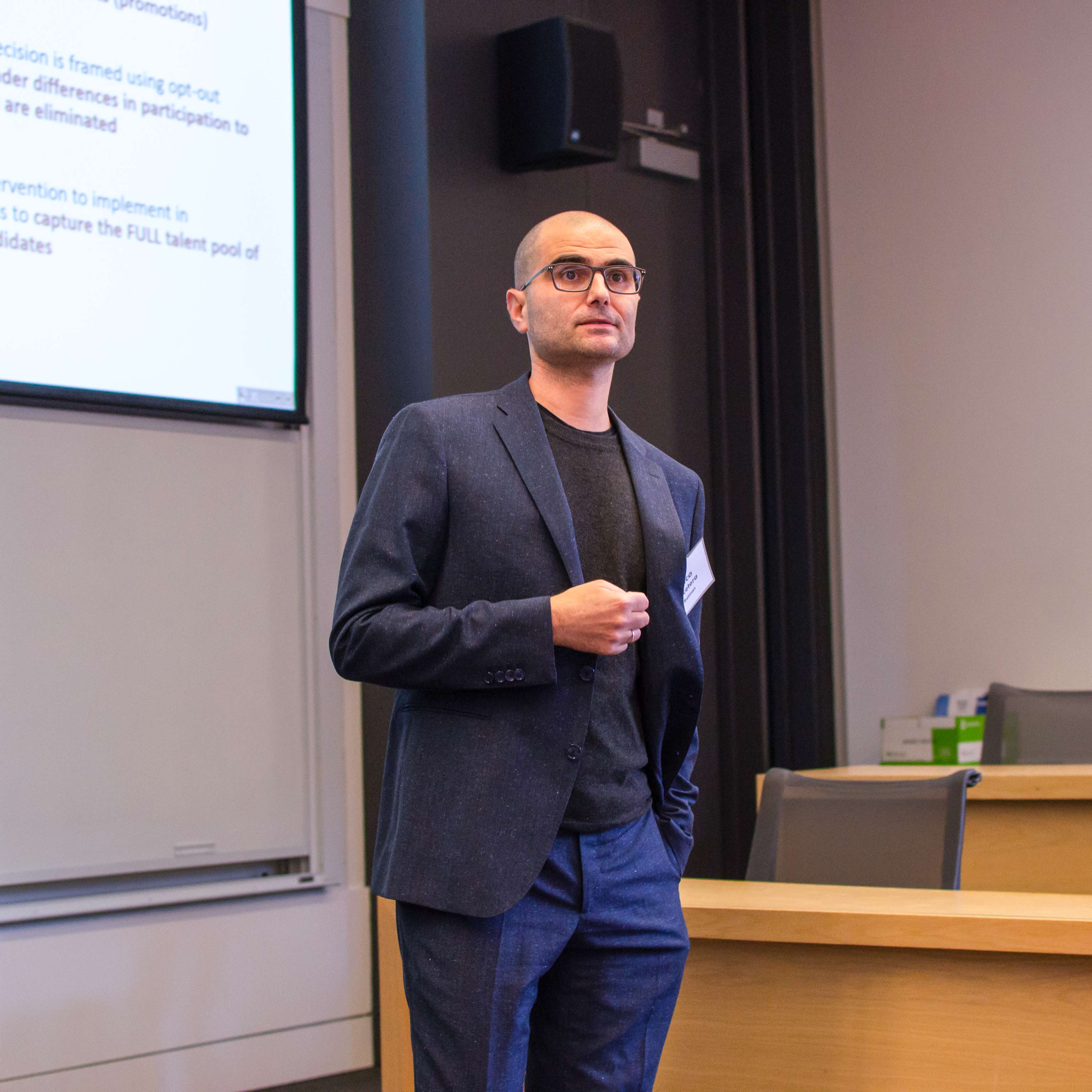
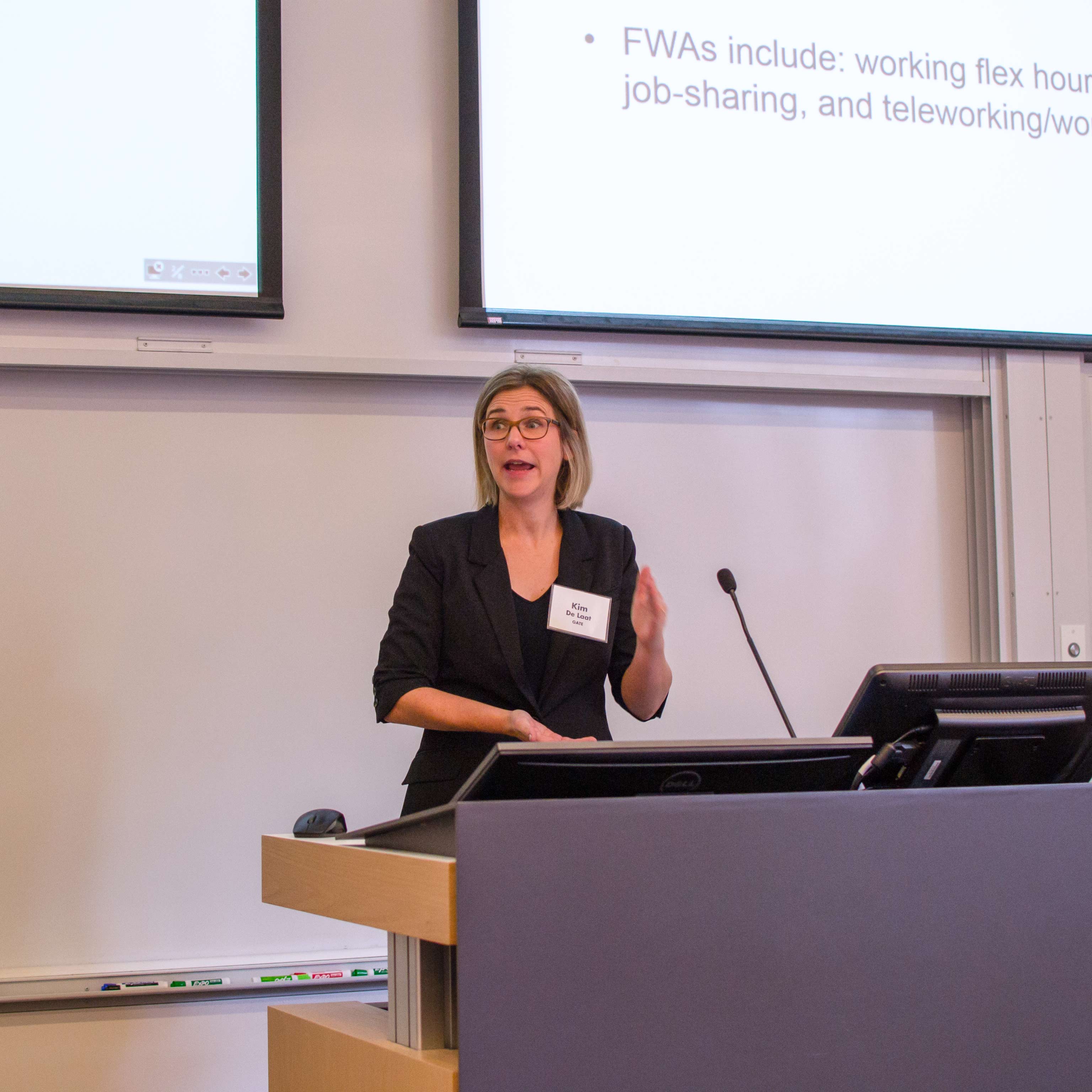
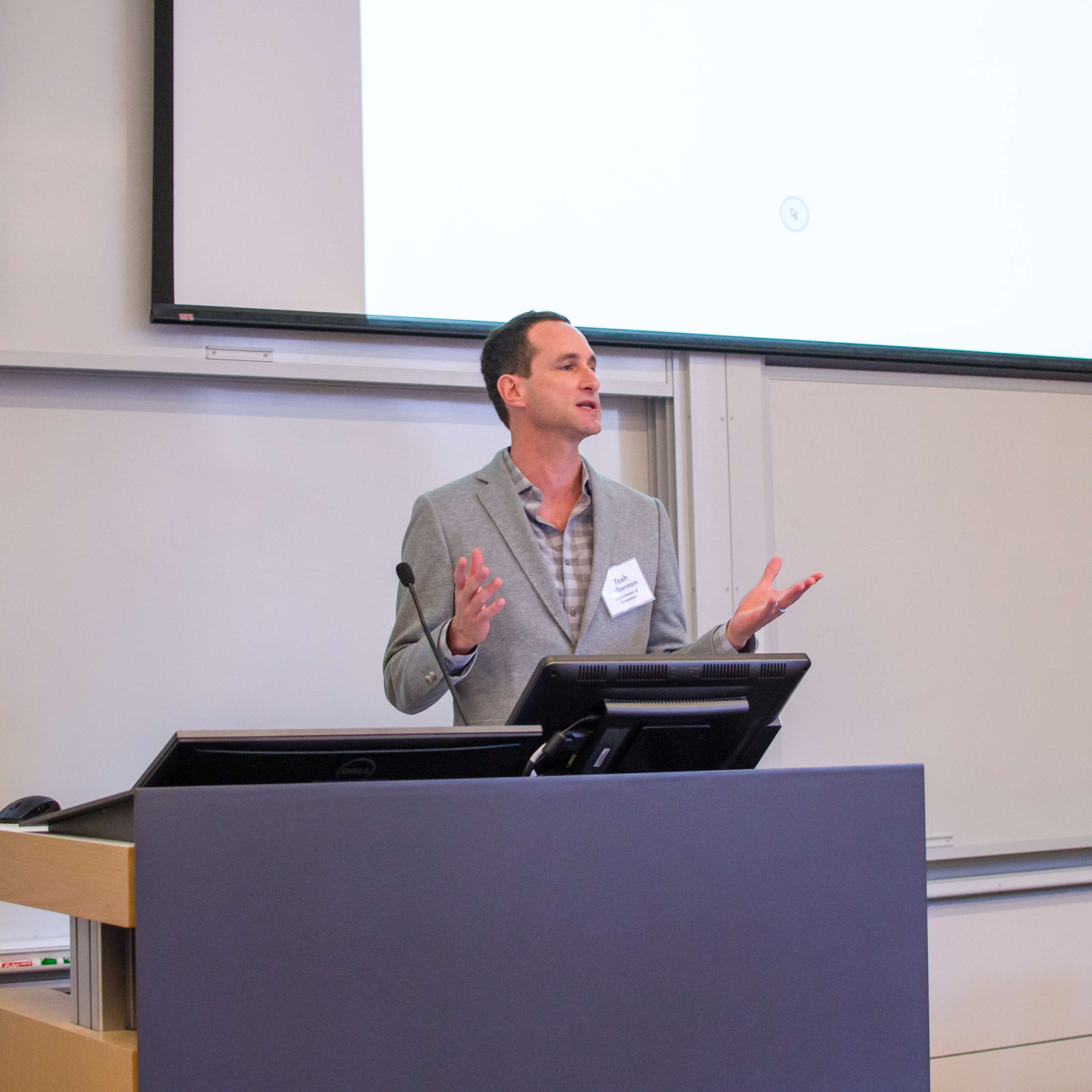
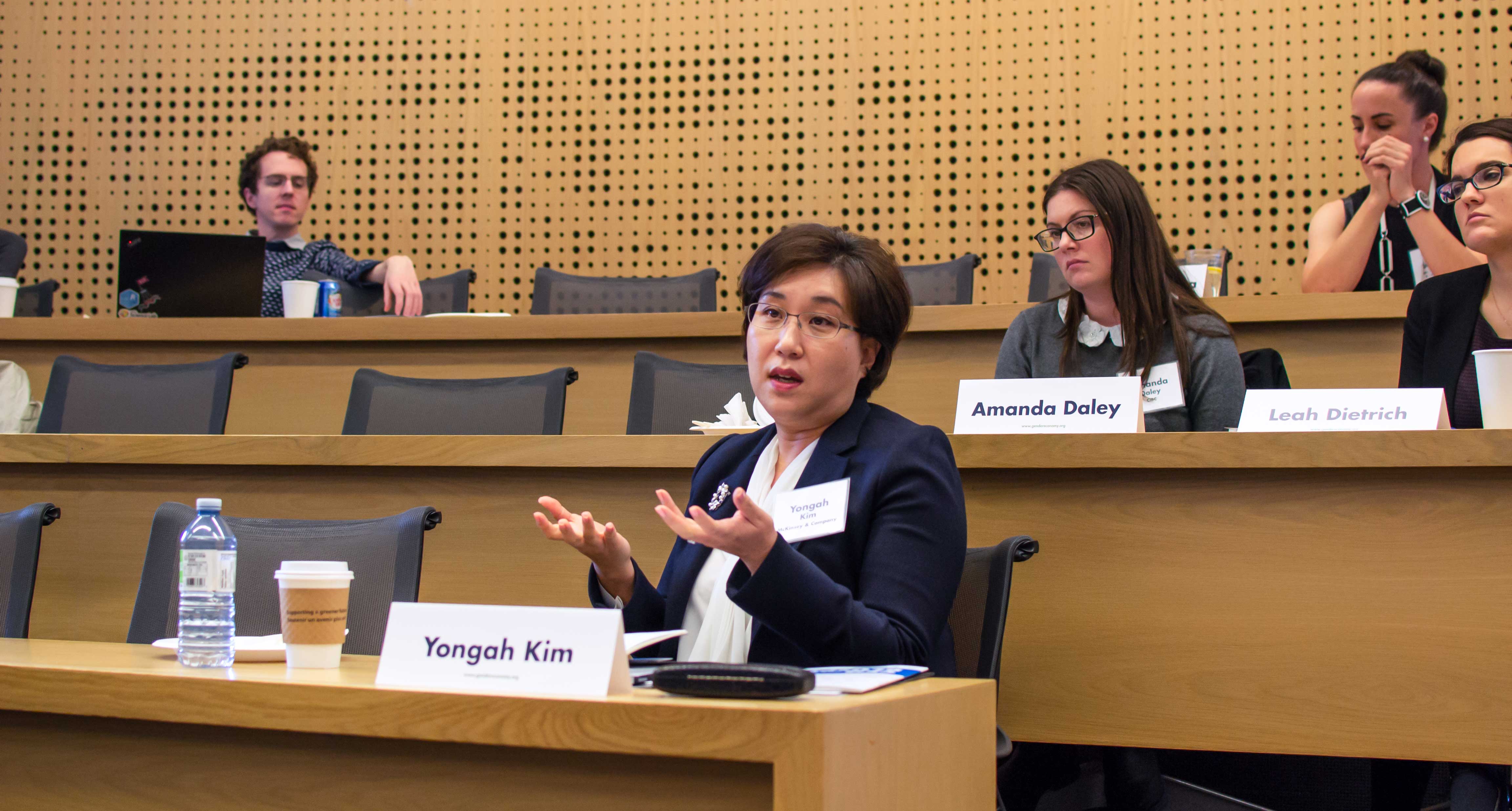
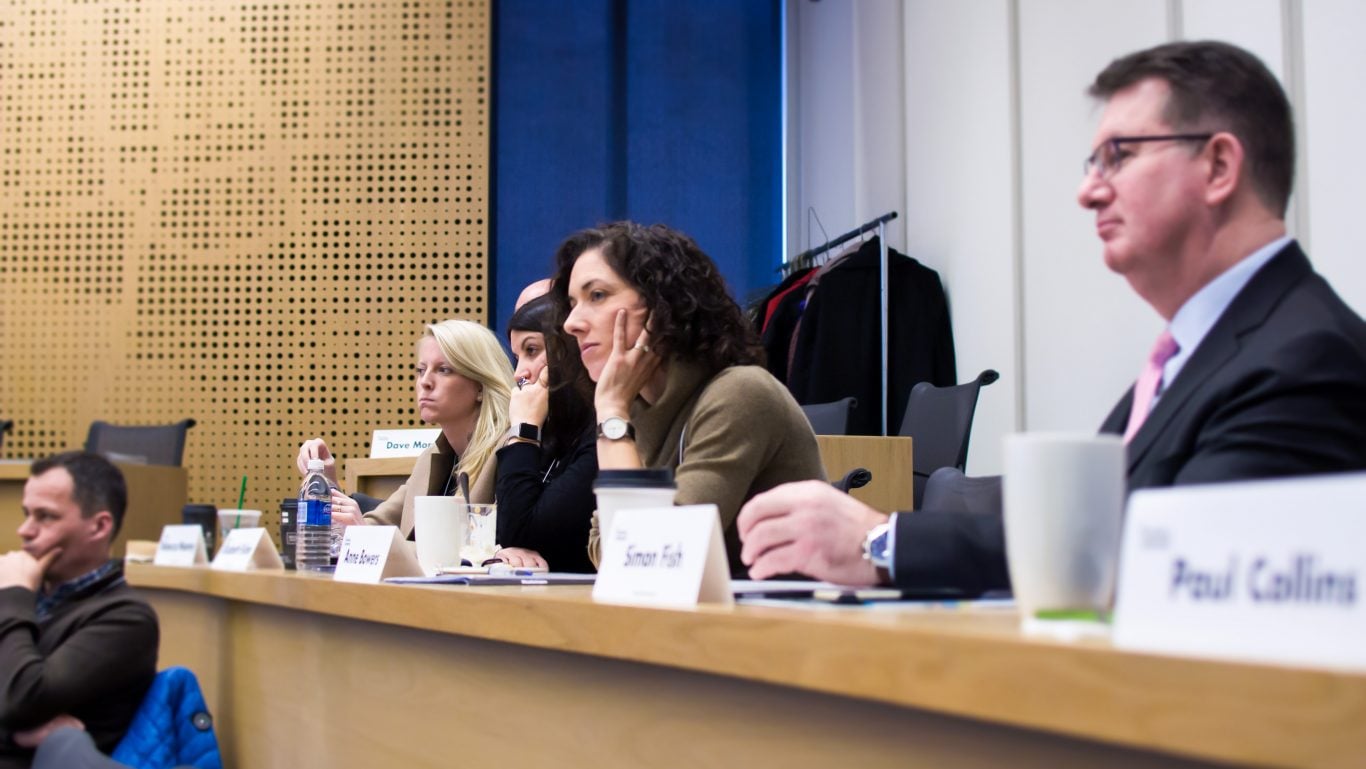
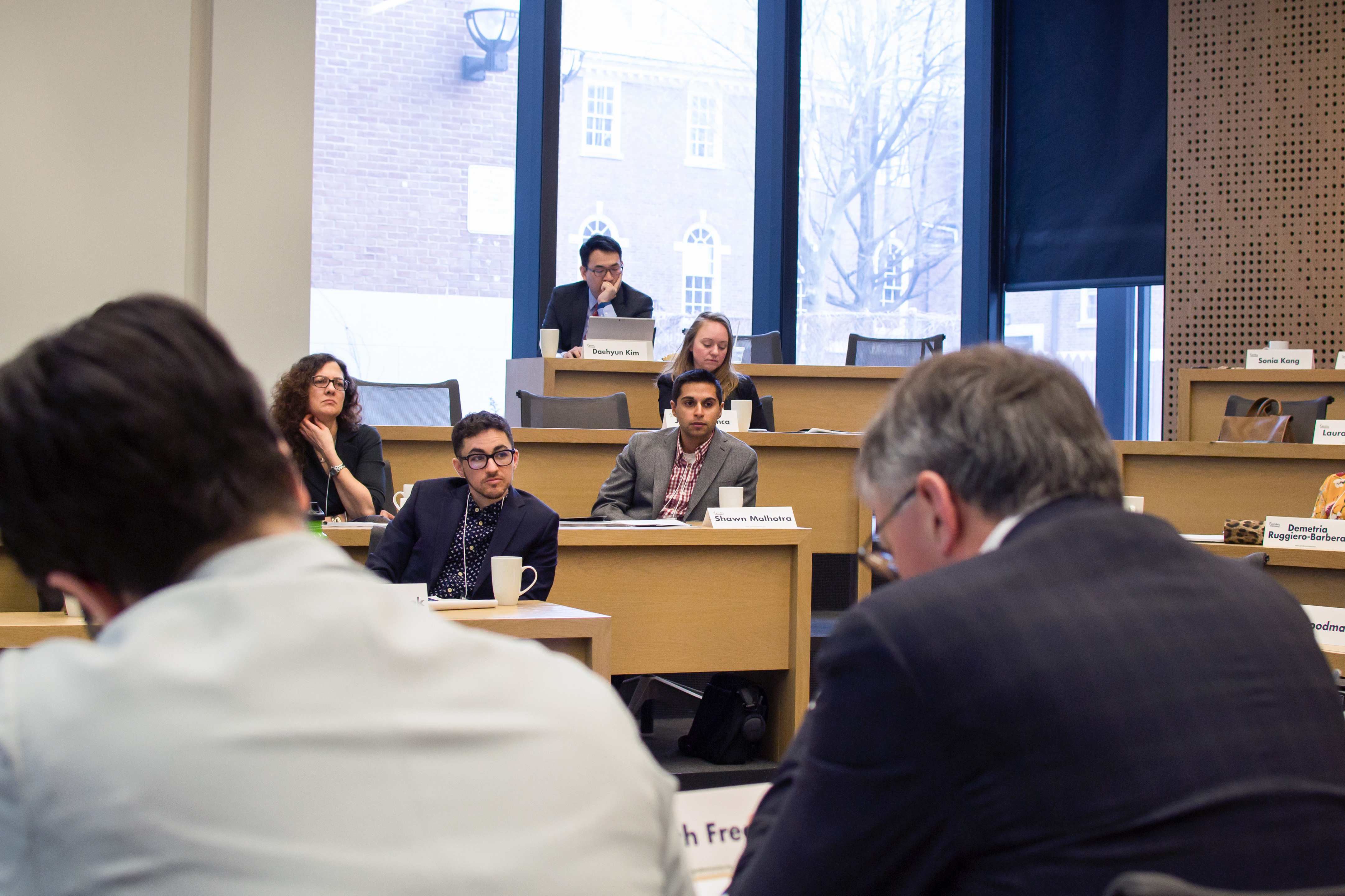
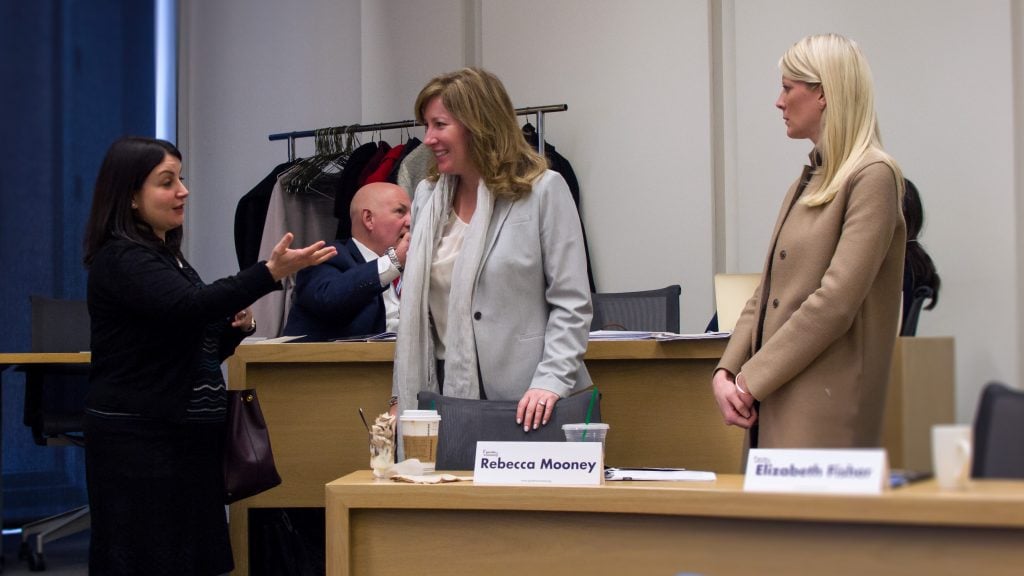
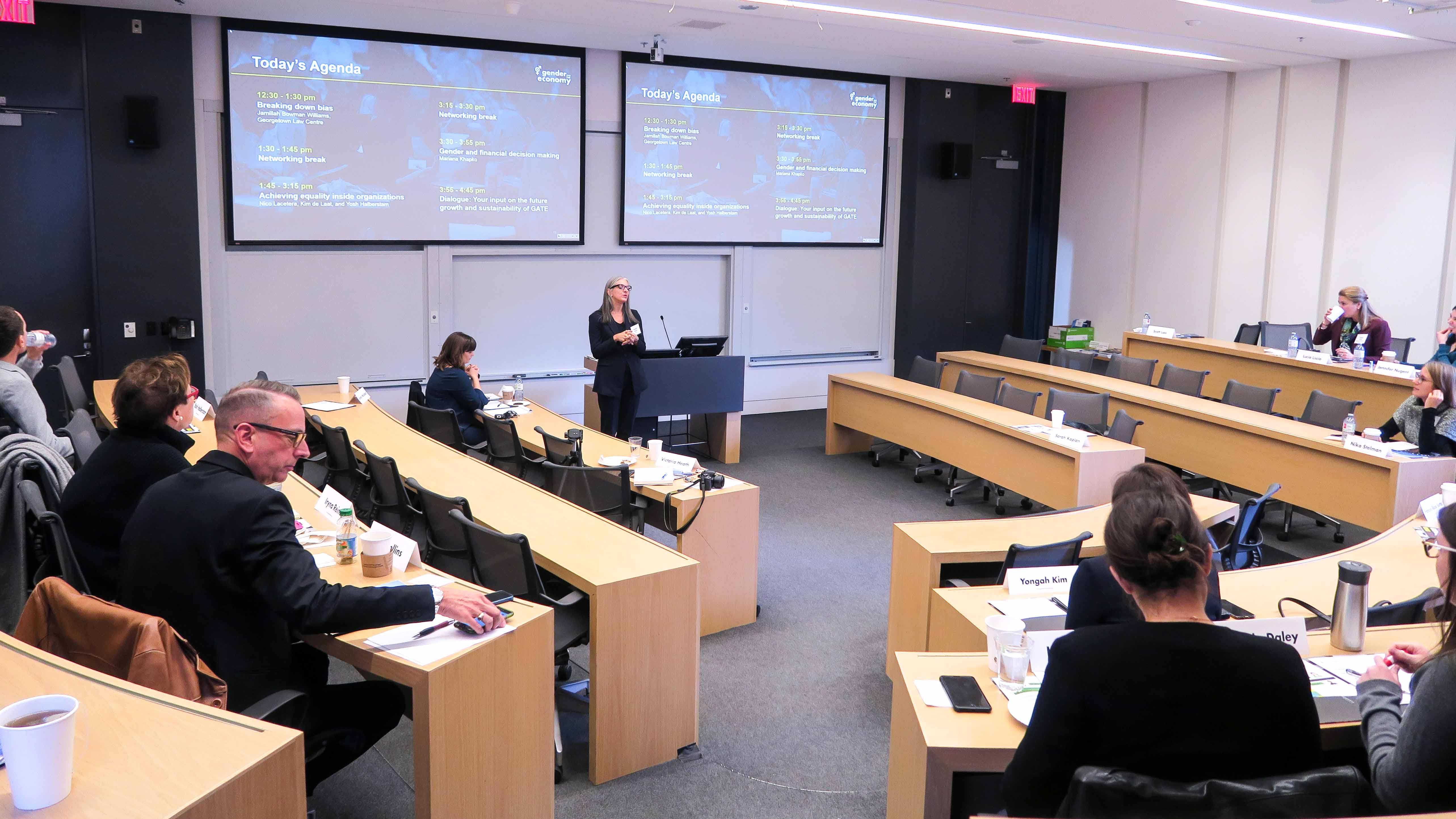
    A distinctive part of an industry partnership with GATE is to engage with university researchers on the cutting-edge topics of the day. In our second Industry Partner Workshop, we welcomed a keynote by Jamillah Bowman Williams (Associate Professor of Law, Georgetown Law) on “Breaking Down Bias” and discussed several other topics, including:

    • The business case vs. the legal case for diversity
    • The promotion gap
    • Flexible work policies
    • Pay transparency

    Our researchers guided participants through a series of talks on these issues and presented their latest findings.

    Download key insights from the workshop, and a resource list, here.
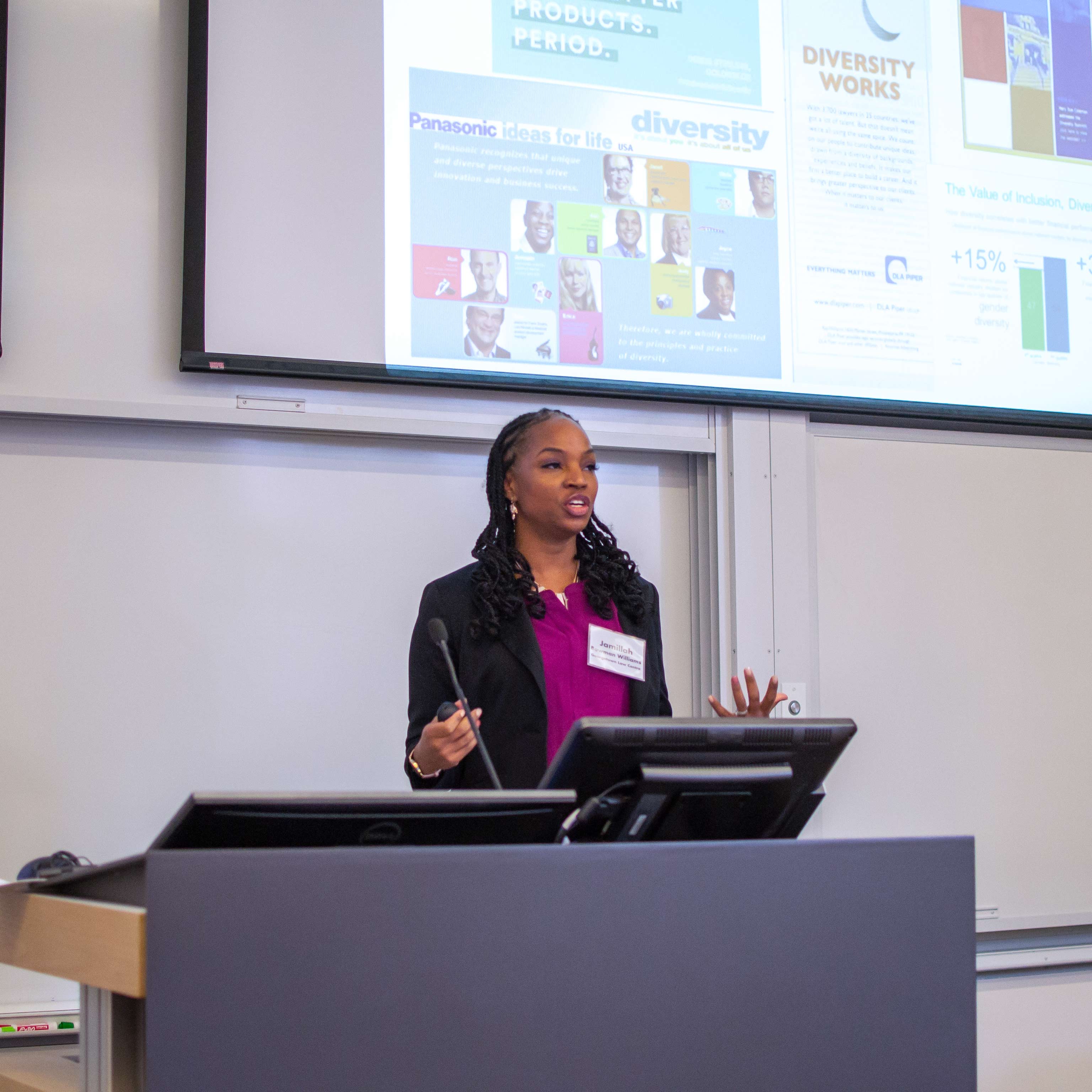
    The clips below feature our keynote speaker, Associate Professor Jamillah Bowman Williams from Georgetown University Law Center. In the first clip, she explains the business, legal, and moral case for diversity and inclusion, and in the second clip, she discusses why the legal case may be more effective.

    ARE YOU INTERESTED IN SUPPORTING OUR RESEARCH AS AN INDUSTRY PARTNER? FIND OUT MORE HERE.

    [/fusion_text][fusion_separator style_type=”none” hide_on_mobile=”small-visibility,medium-visibility,large-visibility” class=”” id=”” sep_color=”” top_margin=”10″ bottom_margin=”10″ border_size=”” icon=”” icon_circle=”” icon_circle_color=”” width=”” alignment=”center” /][fusion_button link=”https://www.gendereconomy.org/events/” text_transform=”” title=”” target=”_blank” link_attributes=”” alignment=”” modal=”” hide_on_mobile=”small-visibility,medium-visibility,large-visibility” class=”” id=”” color=”custom” button_gradient_top_color=”#62bd19″ button_gradient_bottom_color=”#62bd19″ button_gradient_top_color_hover=”#00c2e2″ button_gradient_bottom_color_hover=”#00c2e2″ accent_color=”” accent_hover_color=”” type=”” bevel_color=”” size=”” stretch=”yes” icon=”” icon_position=”left” icon_divider=”no” animation_type=”” animation_direction=”left” animation_speed=”0.3″ animation_offset=””]See more past events[/fusion_button][fusion_separator style_type=”none” hide_on_mobile=”small-visibility,medium-visibility,large-visibility” class=”” id=”” sep_color=”” top_margin=”20″ bottom_margin=”20″ border_size=”” icon=”” icon_circle=”” icon_circle_color=”” width=”” alignment=”center” /][fusion_title margin_top=”” margin_bottom=”” hide_on_mobile=”medium-visibility,large-visibility” class=”” id=”” size=”5″ content_align=”center” style_type=”default” sep_color=””]

    Or register below for these upcoming events

    [/fusion_title][fusion_recent_posts layout=”default” hover_type=”none” columns=”3″ number_posts=”3″ offset=”0″ pull_by=”category” cat_slug=”events” exclude_cats=”past” tag_slug=”” exclude_tags=”” thumbnail=”yes” title=”yes” meta=”no” meta_author=”no” meta_categories=”no” meta_date=”yes” meta_comments=”yes” meta_tags=”no” content_alignment=”” excerpt=”no” excerpt_length=”35″ strip_html=”yes” scrolling=”no” hide_on_mobile=”medium-visibility,large-visibility” class=”” id=”” animation_type=”” animation_direction=”left” animation_speed=”0.3″ animation_offset=”” /][/fusion_builder_column][/fusion_builder_row][/fusion_builder_container]

  • What exactly is sponsorship in business?

    What exactly is sponsorship in business?

    Men are 50% more likely to attribute their advancement to the support of a senior leader than women are. Yet, 80% of companies lack a formal sponsorship program.

    High potential women are over mentored and under sponsored. But what is sponsorship?

    In this video, Rotman MBA Student Fellow, Ria Dutta, interviews several practitioners, academics, and activists from organizations such as Catalyst Canada; the University of Toronto; the Bank of Montreal; and McKinsey & Company, about sponsorship in business and how it’s different from mentorship.

    About this video: 

    This video series was supported by the Institute for Gender and the Economy (GATE) as part of the MBA Student Fellows program, which seeks to engage students in advancing the agenda on gender equality.

    Disclaimer: This video series was prepared by Ria Dutta, and the opinions expressed in this series do not necessarily reflect the views of the Institute for Gender and the Economy or the University of Toronto.

    Stay tuned this fall for the full series and subscribe to our Youtube channel for more content like this.
  • Joanne Lipman on “That’s What She Said”

    Joanne Lipman on “That’s What She Said”

    [fusion_builder_container hundred_percent=”no” equal_height_columns=”no” menu_anchor=”” hide_on_mobile=”small-visibility,medium-visibility,large-visibility” class=”” id=”” background_color=”” background_image=”” background_position=”center center” background_repeat=”no-repeat” fade=”no” background_parallax=”none” parallax_speed=”0.3″ video_mp4=”” video_webm=”” video_ogv=”” video_url=”” video_aspect_ratio=”16:9″ video_loop=”yes” video_mute=”yes” overlay_color=”” video_preview_image=”” border_color=”” border_style=”solid” padding_top=”” padding_bottom=”” padding_left=”” padding_right=”” type=”legacy”][fusion_builder_row][fusion_builder_column type=”1_1″ layout=”1_1″ background_position=”left top” background_color=”” border_color=”” border_style=”solid” border_position=”all” spacing=”yes” background_image=”” background_repeat=”no-repeat” padding_top=”” padding_right=”” padding_bottom=”” padding_left=”” margin_top=”0px” margin_bottom=”0px” class=”” id=”” animation_type=”” animation_speed=”0.3″ animation_direction=”left” hide_on_mobile=”small-visibility,medium-visibility,large-visibility” center_content=”no” last=”true” min_height=”” hover_type=”none” link=”” border_sizes_top=”” border_sizes_bottom=”” border_sizes_left=”” border_sizes_right=”” first=”true”][fusion_text columns=”” column_min_width=”” column_spacing=”” rule_style=”” rule_size=”” rule_color=”” hue=”” saturation=”” lightness=”” alpha=”” content_alignment_medium=”” content_alignment_small=”” content_alignment=”” hide_on_mobile=”small-visibility,medium-visibility,large-visibility” sticky_display=”normal,sticky” class=”” id=”” margin_top=”” margin_right=”” margin_bottom=”” margin_left=”” fusion_font_family_text_font=”” fusion_font_variant_text_font=”” font_size=”” line_height=”” letter_spacing=”” text_transform=”” text_color=”” animation_type=”” animation_direction=”left” animation_color=”” animation_speed=”0.3″ animation_delay=”0″ animation_offset=”” logics=””]“Women have been talking already for years about the issues that we face at work…We really need men to join us. To understand that this isn’t a female issue, this is an all-of-us issue.”

    Gender inequality is a huge and systemic issue, and unfortunately, many of the measures put in place to address it often result in men feeling blamed and shamed. At our recent event, Joanne Lipman, author of That’s What She Said: What Men Need to Know and What Women Need to Tell Them, argued that we need to have a conversation about gender inequality where everyone is involved, and thus aware of the strategies they can implement to combat it.

    While researching That’s What She Said, Lipman traveled across Canada and the United States to find out why the gender gap persists in the workplace. She found that systemic inequalities, fueled by unconscious bias, persist in even the most progressive companies. The lack of women in leadership positions in companies doesn’t necessarily stem from a lack of women in the pipeline, as often cited, but is instead a result of persistent undervaluing and silencing of women’s contributions.

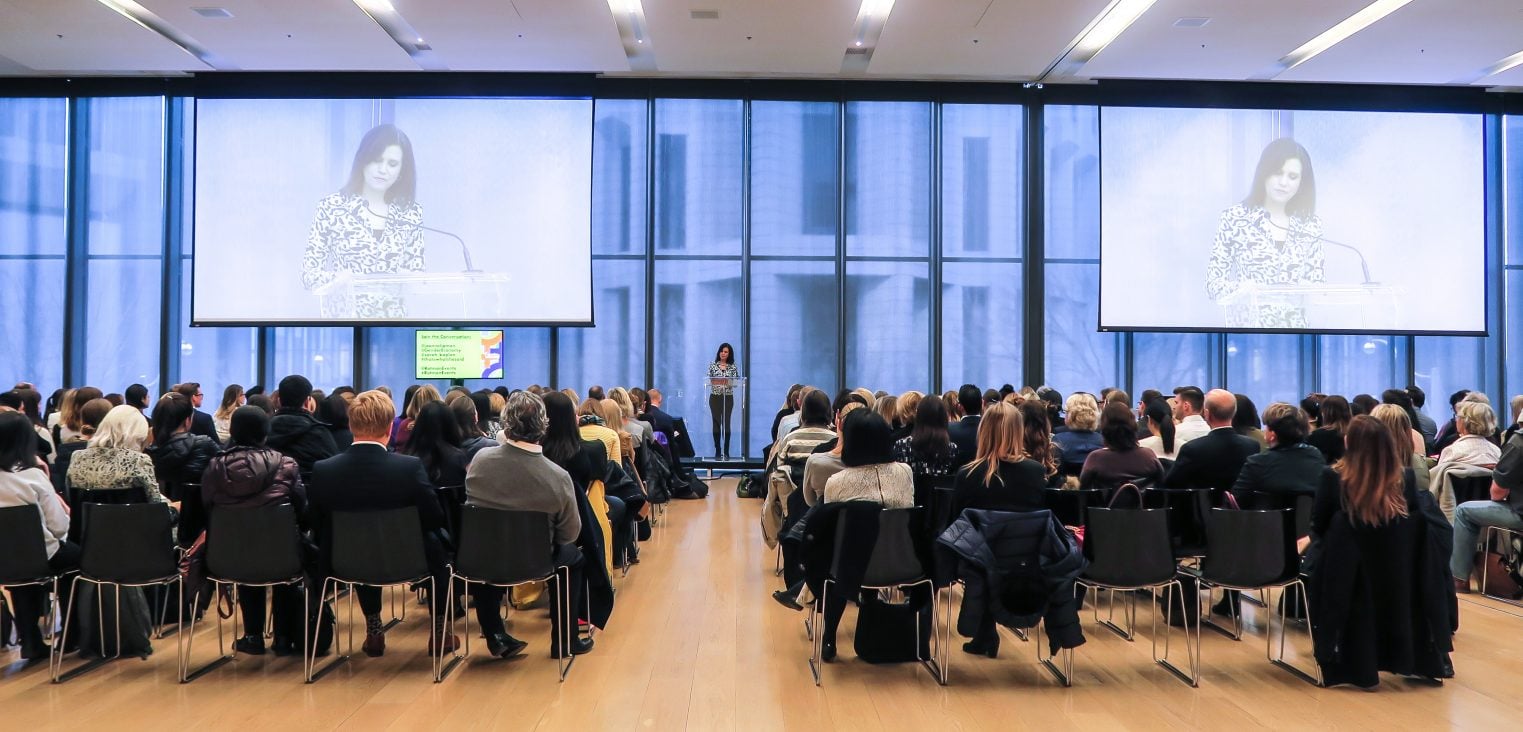
    Joanne Lipman March 28

    At the event (and within her book), Lipman outlined key strategies that individuals can do to help combat instances of gender inequality in their own workplace. Here are four examples:

    1. Interrupt the Interrupter.

      Individuals in leadership positions need to make a rule that interruptions will not be tolerated by anyone and enforce it.

    2. Amplification.

      Coworkers and allies can support the ideas and contributions of women in the workplace by echoing their ideas, and consistently give them credit.

    3. Brag buddies.

      Individuals can make a pact to talk about each other’s accomplishments, projects, and skills; especially to upper management.

    4. Don’t decide for her.

      No one should ever assume that a woman will decline a promotion or a new project because of family commitments or life events. The key is to ask and let women decide for themselves.

    [/fusion_text][fusion_separator style_type=”none” hide_on_mobile=”small-visibility,medium-visibility,large-visibility” class=”” id=”” sep_color=”” top_margin=”50″ bottom_margin=”50″ border_size=”” icon=”” icon_circle=”” icon_circle_color=”” width=”” alignment=”center” /][fusion_button link=”https://www.gendereconomy.org/events/” text_transform=”” title=”” target=”_blank” link_attributes=”” alignment=”” modal=”” hide_on_mobile=”small-visibility,medium-visibility,large-visibility” class=”” id=”” color=”custom” button_gradient_top_color=”#62bd19″ button_gradient_bottom_color=”#62bd19″ button_gradient_top_color_hover=”#00c2e2″ button_gradient_bottom_color_hover=”#00c2e2″ accent_color=”” accent_hover_color=”” type=”” bevel_color=”” size=”” stretch=”yes” icon=”” icon_position=”left” icon_divider=”no” animation_type=”” animation_direction=”left” animation_speed=”0.3″ animation_offset=””]See more past events[/fusion_button][fusion_separator style_type=”none” hide_on_mobile=”small-visibility,medium-visibility,large-visibility” class=”” id=”” sep_color=”” top_margin=”20″ bottom_margin=”20″ border_size=”” icon=”” icon_circle=”” icon_circle_color=”” width=”” alignment=”center” /][fusion_title margin_top=”” margin_bottom=”” hide_on_mobile=”medium-visibility,large-visibility” class=”” id=”” size=”5″ content_align=”center” style_type=”default” sep_color=””]

    Or register below for these upcoming events

    [/fusion_title][fusion_recent_posts layout=”default” hover_type=”none” columns=”3″ number_posts=”3″ offset=”0″ pull_by=”category” cat_slug=”events” exclude_cats=”past” tag_slug=”” exclude_tags=”” thumbnail=”yes” title=”yes” meta=”no” meta_author=”no” meta_categories=”no” meta_date=”yes” meta_comments=”yes” meta_tags=”no” content_alignment=”” excerpt=”no” excerpt_length=”35″ strip_html=”yes” scrolling=”no” hide_on_mobile=”medium-visibility,large-visibility” class=”” id=”” animation_type=”” animation_direction=”left” animation_speed=”0.3″ animation_offset=”” /][/fusion_builder_column][/fusion_builder_row][/fusion_builder_container]

  • Promoting women to management may reinforce bias in male-dominated occupations

    Promoting women to management may reinforce bias in male-dominated occupations

    [fusion_builder_container admin_label=”” hundred_percent=”no” equal_height_columns=”no” menu_anchor=”” hide_on_mobile=”small-visibility,medium-visibility,large-visibility” class=”” id=”” background_color=”” background_image=”” background_position=”center center” background_repeat=”no-repeat” fade=”no” background_parallax=”none” enable_mobile=”no” parallax_speed=”0.3″ video_mp4=”” video_webm=”” video_ogv=”” video_url=”” video_aspect_ratio=”16:9″ video_loop=”yes” video_mute=”yes” video_preview_image=”” border_size=”” border_color=”” border_style=”solid” margin_top=”20″ margin_bottom=”” padding_top=”” padding_right=”” padding_bottom=”” padding_left=””][fusion_builder_row][fusion_builder_column type=”3_4″ layout=”3_4″ spacing=”” center_content=”no” hover_type=”none” link=”” min_height=”” hide_on_mobile=”small-visibility,medium-visibility,large-visibility” class=”” id=”” background_color=”” background_image=”” background_position=”left top” background_repeat=”no-repeat” border_size=”0″ border_color=”” border_style=”solid” border_position=”all” padding_top=”” padding_right=”” padding_bottom=”” padding_left=”” dimension_margin=”” animation_type=”” animation_direction=”left” animation_speed=”0.3″ animation_offset=”” last=”no”][fusion_text columns=”” column_min_width=”” column_spacing=”” rule_style=”default” rule_size=”” rule_color=”” class=”” id=””]

    Summary

    Many argue that promoting women to leadership positions in male-dominated occupational fields is an effective way to combat gender stereotypes. However, the present study finds that efforts to promote women into managerial roles in the field of engineering have unintended consequences. Because managers are less involved with the technical side of engineering, the increasing number of women in managerial positions may validate pervasive stereotypes about women being less technically competent. In male-dominated fields where women experience rapid mobility into managerial roles, the study suggests that an inverted role hierarchy, where technical skills are more highly valued than managerial skills even though the ladder role has more seniority, may disadvantage such women.

    Research

    Research suggests that increasing women’s representation in leadership roles can reduce bias in the hiring and recruitment of other women across occupational pipelines. Additionally, seeing women in traditionally male-typed roles may motivate other women to pursue leadership roles. However, the present study finds that there may also be negative consequences associated with women’s advancement into leadership roles.

    The context for the study is the field of engineering. While engineering is a highly segregated and male-typed occupation, female engineers have made important inroads and are increasingly found in managerial roles in numbers disproportionate to their overall representation in the field. Interviews with 61 engineers (35 women and 26 men) found that women’s advancement in the field has several unintended consequences.

    Female respondents reported that when working in a leadership role, their technical knowledge was not called into question and they were less likely to have to prove themselves. In this context, the managerial path enabled them to enact a set of skills about which they could feel confident.

    However, being in a role that was removed from the technical skills that are strongly associated with engineering, led them to feel conflicted about their identity as an engineer.

    Related to this, the interviews suggest that women’s stronger affiliation to the role of manager reinforces negative stereotypes about female engineers. That is, having more women in managerial roles validates the widespread stereotype that women in engineering are less technically proficient than their male counterparts, and more suited to roles that involve caring for others and fostering relationships.

    Another consequence was greater tension surrounding work-life balance. Managerial positions were associated with more work hours and less flexibility in one’s schedule. This is particularly problematic for female managers since women continue to take on more household labour and childcare.

    The author of this study argues that these unintended consequences – mixed identification with engineering, validation of stereotypes about female engineers, and work-life balance tensions – point to an inverted role hierarchy in engineering, where the technical skills associated with the role of engineer are more valued than the skills associated with the role of manager, even though managerial roles rank higher in the job hierarchy.

    Implications

    • Gender Bias Promoting women into managerial roles may reinforce gender biases if such roles are thought to align with abilities that are stereotypically attributed to women, such as having “people skills.” In male-dominated fields where technical competence is prized, management should make an effort to assign technical tasks to women in order to mitigate the implicit sorting of women into gender-typed roles that may carry less occupational prestige.
    • Training  At the same time, organizational efforts should be made to combat the very gender stereotypes that motivate the emergence of inverted role hierarchies in the first place. This could be accomplished through sensitivity training, or prioritizing the value of technical and non-technical tasks alike in performance reviews.

    [/fusion_text][fusion_separator style_type=”none” hide_on_mobile=”small-visibility,medium-visibility,large-visibility” class=”” id=”” sep_color=”” top_margin=”20″ bottom_margin=”20″ border_size=”” icon=”” icon_circle=”” icon_circle_color=”” width=”” alignment=”center” /][fusion_button link=”https://www.gendereconomy.org/research-briefs/” text_transform=”” title=”” target=”_blank” link_attributes=”” alignment=”” modal=”” hide_on_mobile=”small-visibility,medium-visibility,large-visibility” class=”” id=”” color=”custom” button_gradient_top_color=”#62bd19″ button_gradient_bottom_color=”#62bd19″ button_gradient_top_color_hover=”#00c2e2″ button_gradient_bottom_color_hover=”#00c2e2″ accent_color=”” accent_hover_color=”” type=”” bevel_color=”” border_width=”” size=”” stretch=”yes” shape=”” icon=”” icon_position=”left” icon_divider=”no” animation_type=”” animation_direction=”left” animation_speed=”0.3″ animation_offset=””]See more research briefs[/fusion_button][fusion_separator style_type=”none” hide_on_mobile=”small-visibility,medium-visibility,large-visibility” class=”” id=”” sep_color=”” top_margin=”20″ bottom_margin=”20″ border_size=”” icon=”” icon_circle=”” icon_circle_color=”” width=”” alignment=”center” /][fusion_recent_posts layout=”default” hover_type=”none” columns=”3″ number_posts=”3″ offset=”0″ pull_by=”category” cat_slug=”research-briefs” exclude_cats=”” tag_slug=”” exclude_tags=”” thumbnail=”yes” title=”yes” meta=”no” meta_author=”no” meta_categories=”no” meta_date=”yes” meta_comments=”yes” meta_tags=”no” content_alignment=”” excerpt=”no” excerpt_length=”35″ strip_html=”yes” scrolling=”no” hide_on_mobile=”small-visibility,medium-visibility,large-visibility” class=”” id=”” animation_type=”” animation_direction=”left” animation_speed=”0.3″ animation_offset=”” /][/fusion_builder_column][fusion_builder_column type=”1_4″ layout=”1_4″ spacing=”” center_content=”no” hover_type=”none” link=”” min_height=”” hide_on_mobile=”small-visibility,medium-visibility,large-visibility” class=”” id=”” background_color=”” background_image=”” background_position=”left top” background_repeat=”no-repeat” border_size=”0″ border_color=”” border_style=”solid” border_position=”all” padding_top=”” padding_right=”” padding_bottom=”” padding_left=”” dimension_margin=”” animation_type=”” animation_direction=”left” animation_speed=”0.3″ animation_offset=”” last=”no”][fusion_title margin_top=”” margin_bottom=”” hide_on_mobile=”small-visibility,medium-visibility,large-visibility” class=”briefsummary” id=”” size=”3″ content_align=”left” style_type=”none” sep_color=””]

    Title

    Promoted up but also out? The unintended consequences of increasing women’s representation in managerial roles in engineering

    Authors

    M. Teresa Cardador

    Institutions

    University of Illinois at Urbana-Champaign

    Source

    Organization Science

    Published

    May 2017

    Link

    http://pubsonline.informs.org/doi/abs/10.1287/orsc.2017.1132

    Research brief prepared by

    Kim De Laat[/fusion_title][fusion_widget_area name=”avada-custom-sidebar-researchbriefsidebar” title_size=”” title_color=”” background_color=”” padding_top=”” padding_right=”” padding_bottom=”” padding_left=”” hide_on_mobile=”small-visibility,medium-visibility,large-visibility” class=”” id=”” /][/fusion_builder_column][/fusion_builder_row][/fusion_builder_container]

  • Industry Partner Workshop | February 2018

    Industry Partner Workshop | February 2018

    Let’s change the conversation…

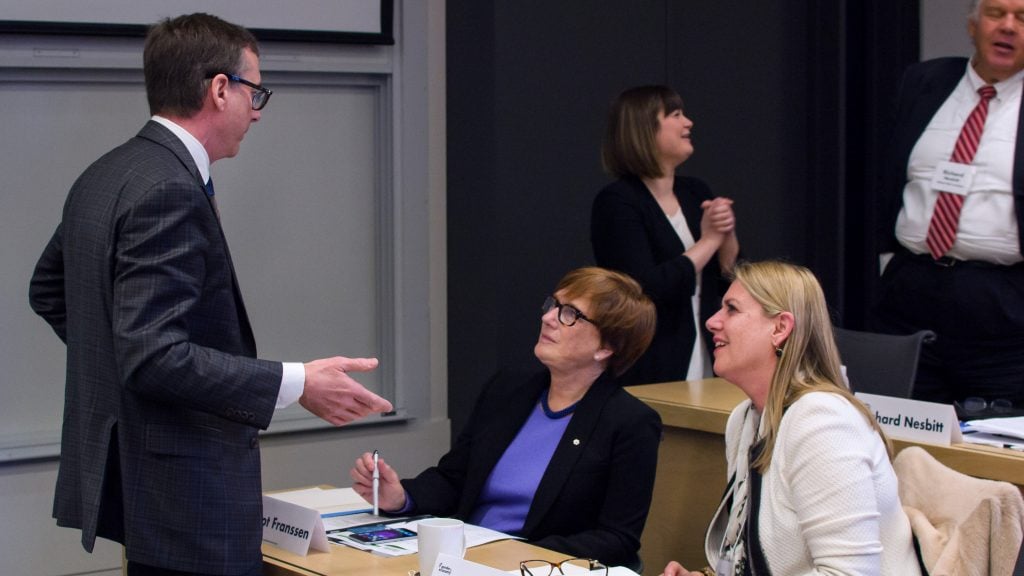
    A distinctive part of an industry partnership with GATE is to engage with our university researchers on the cutting-edge topics of the day. In our first Industry Partner Workshop, we took on several different topics, including:

    • The gender wage gap
    • The unintended consequences of diversity statements
    • Challenging current ratings and evaluation systems
    • The impact of CEO characteristics on the corporate gender gap
    • Where the “business case” for diversity stands
    • What the “curb cut” effect means for firms

    Our researchers guided participants through a series of talks on these issues and presented their latest findings.

    View or download the key insights and findings from the workshop here.

    Are you interested in supporting our research as an industry partner? Find out more here.